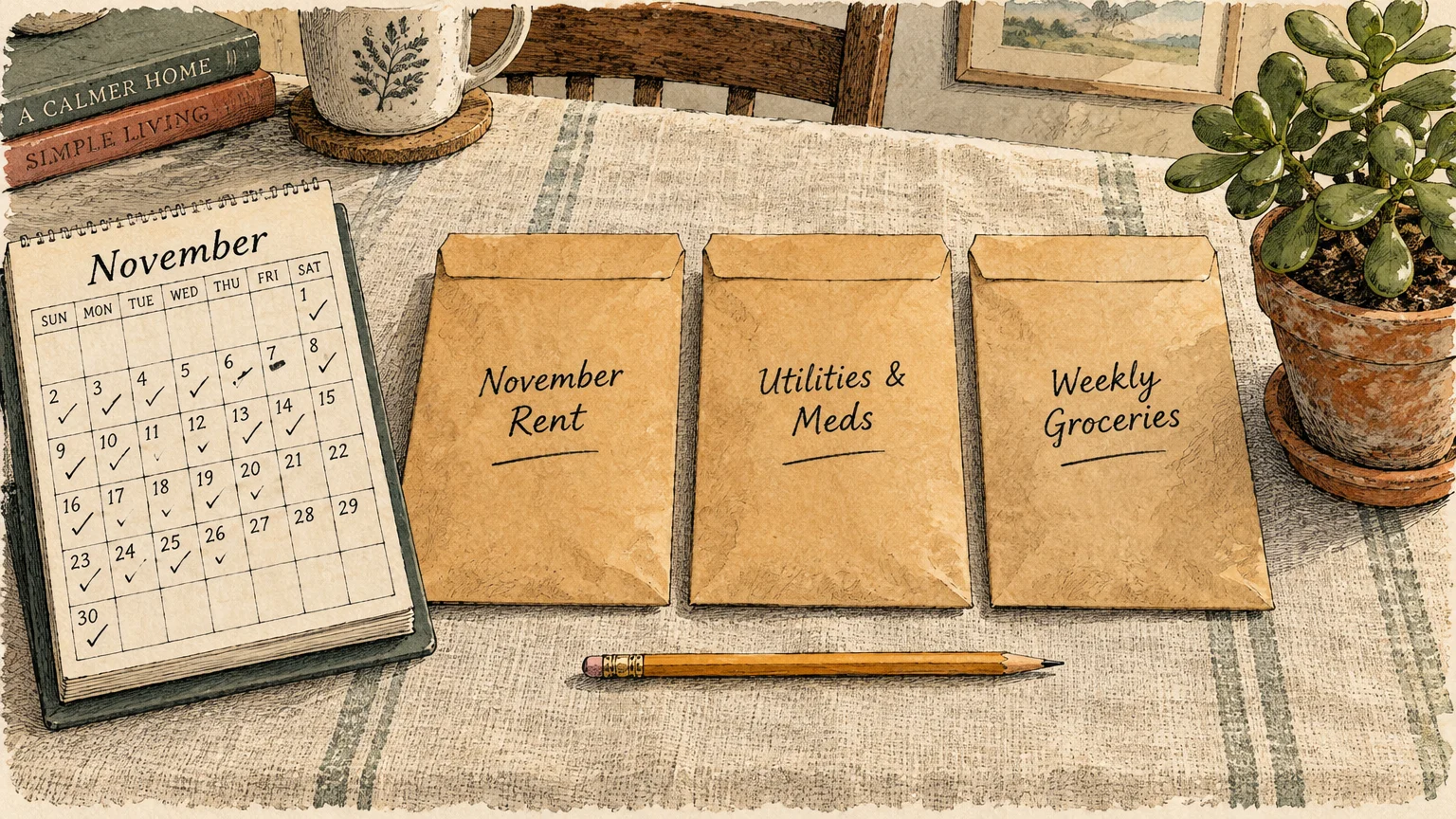
Actionable Budgeting Strategies for the Zero-Check Month
Successfully managing a 32-day payment gap requires deliberate budgeting techniques. Establishing clear boundaries for your money ensures every critical bill gets paid on schedule.
Consider segregating your October 30 payment into a dedicated envelope or secondary bank account. Label this money specifically for November expenses so you do not spend it prematurely.
Contact your utility providers and landlord to explain the timing of your benefit distribution. Many companies will adjust bill due dates to align with your modified payment schedule.
Audit your pantry and household supplies during the middle of October. Stocking up on non-perishable staples using your first October check eases pressure during November.
Review local food assistance programs to supplement your grocery budget throughout the month. Community food pantries and non-profit meal programs provide vital relief during tight financial stretches.
Check your eligibility for heating assistance through the Low-Income Home Energy Assistance Program. Federal energy grants pay utility providers directly, preserving your monthly cash for food and medication.
Establish a modest emergency reserve if your resource limits permit. Holding a small financial cushion protects you from sudden medical co-pays or essential household repairs.