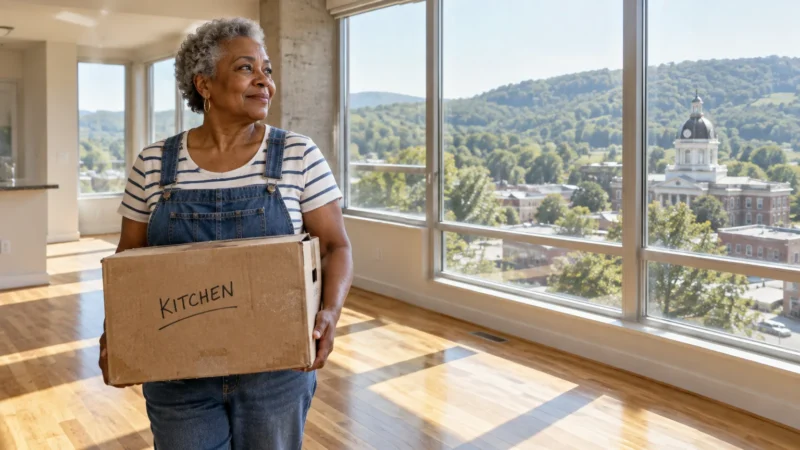
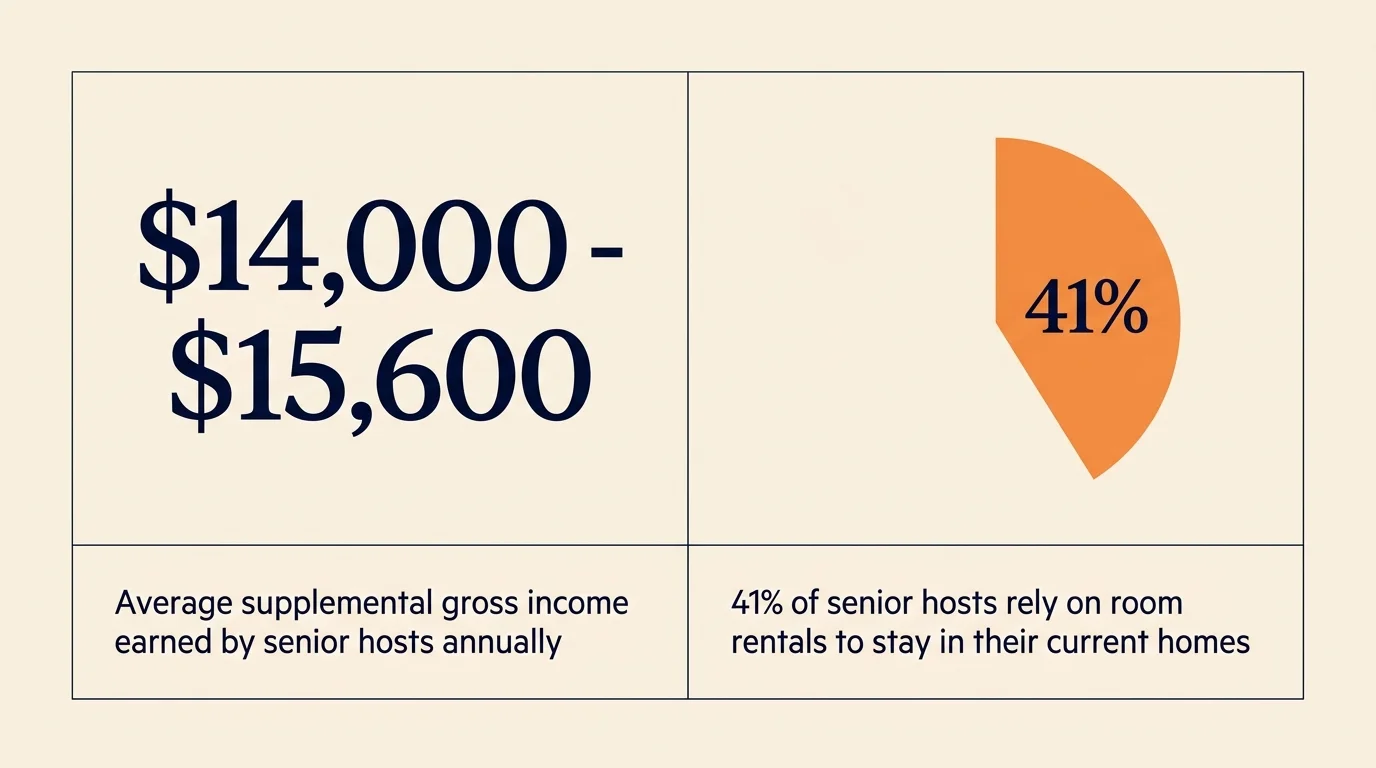
Transforming an empty bedroom into a steady monthly paycheck allows you to offset rising living costs while maintaining complete financial independence in your golden years. More than 400,000 older adults across the United States now host boarders, generating an average supplemental gross income of $14,000 to $15,600 each year. In fact, survey data shows that 41% of senior hosts rely on room rental earnings specifically to afford staying in their current homes. By following structured safety protocols, choosing the right tenant model, and utilizing key tax deductions, you can generate reliable cash flow from your spare room without sacrificing your personal privacy or peace of mind.
What You Need to Know
- Unearned Income Advantage: Rental income earned from leasing a room is classified as passive unearned income by the Social Security Administration, meaning it will not reduce your monthly Social Security retirement benefits or trigger earnings limit penalties.
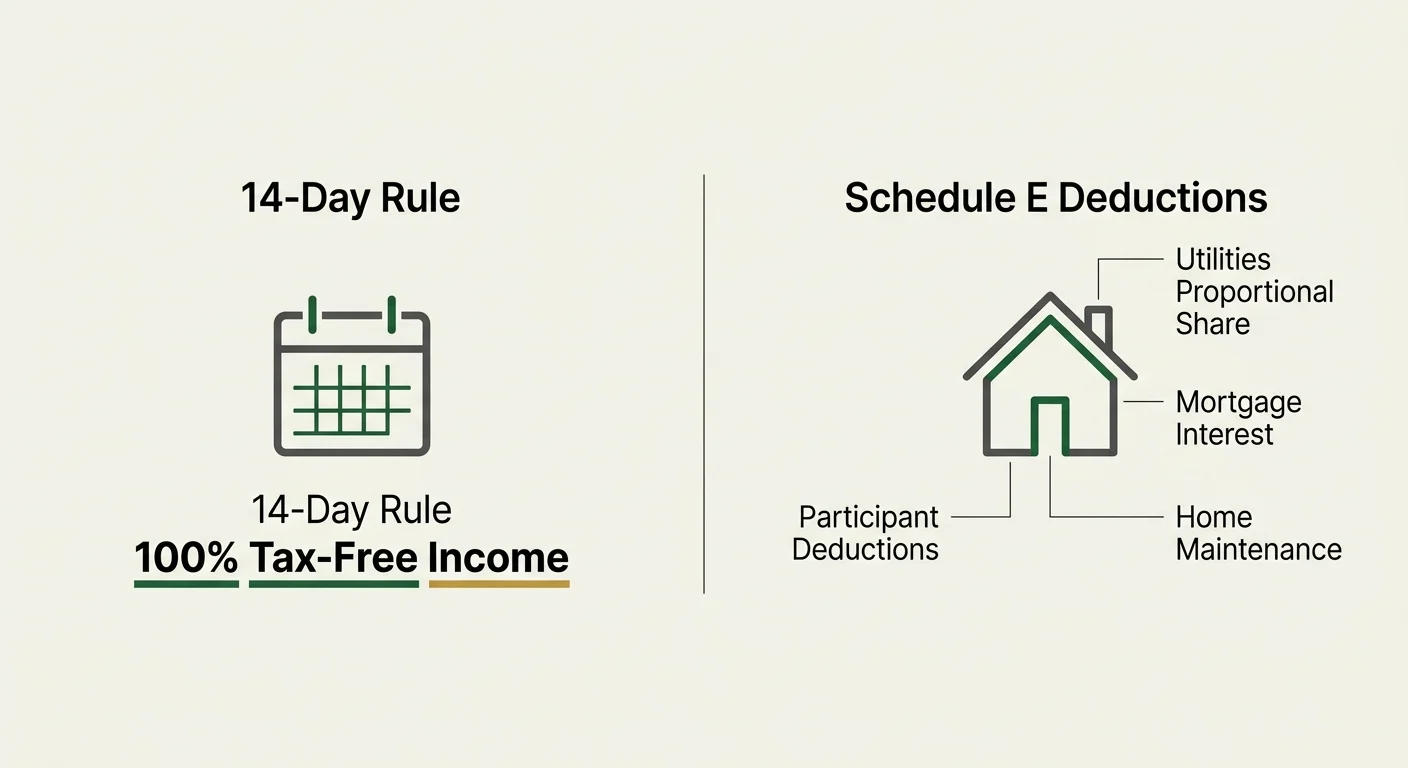
- Substantial Tax Savings: Under the IRS 14-day rule, renting your room for two weeks or less per year yields 100% tax-free income. For year-round rentals, you can deduct a proportional share of household utilities, mortgage interest, insurance, and maintenance expenses on Schedule E.
- Senior-Focused Matching: Dedicated house-sharing platforms like Silvernest and SpareRoom provide specialized background checks, lease templates, and identity verification tailored specifically for older hosts.
- Strong Financial Return: Spare room rental rates nationwide average between $720 per month in moderate markets to over $1,350 per month in high-demand metropolitan regions.
1. Select the Rental Model That Matches Your Daily Lifestyle
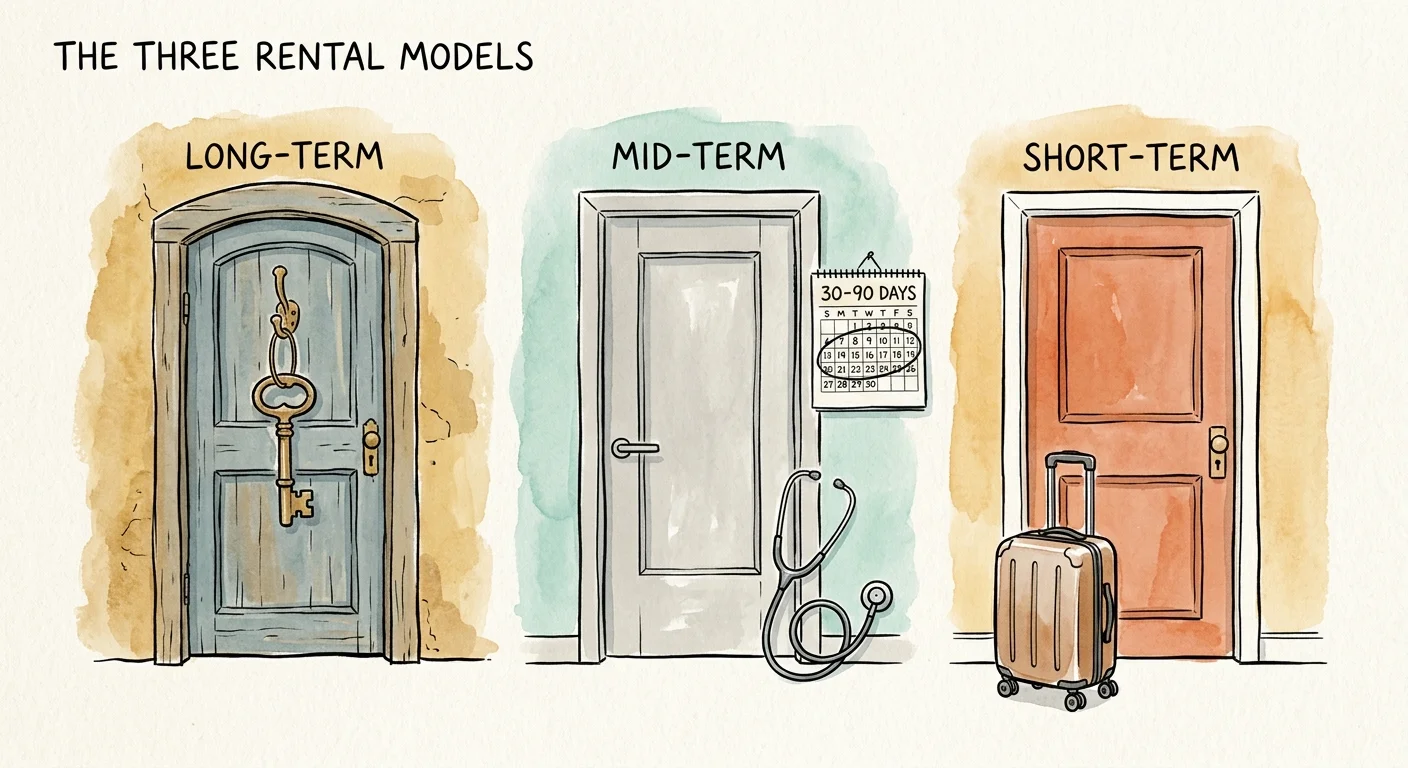
Before placing an advertisement or opening your doors, decide which tenant arrangement aligns best with your daily routines, physical space, and personal privacy boundaries. Retirees successfully monetize spare rooms through three primary operational models, each carrying distinct income potential and lifestyle trade-offs.
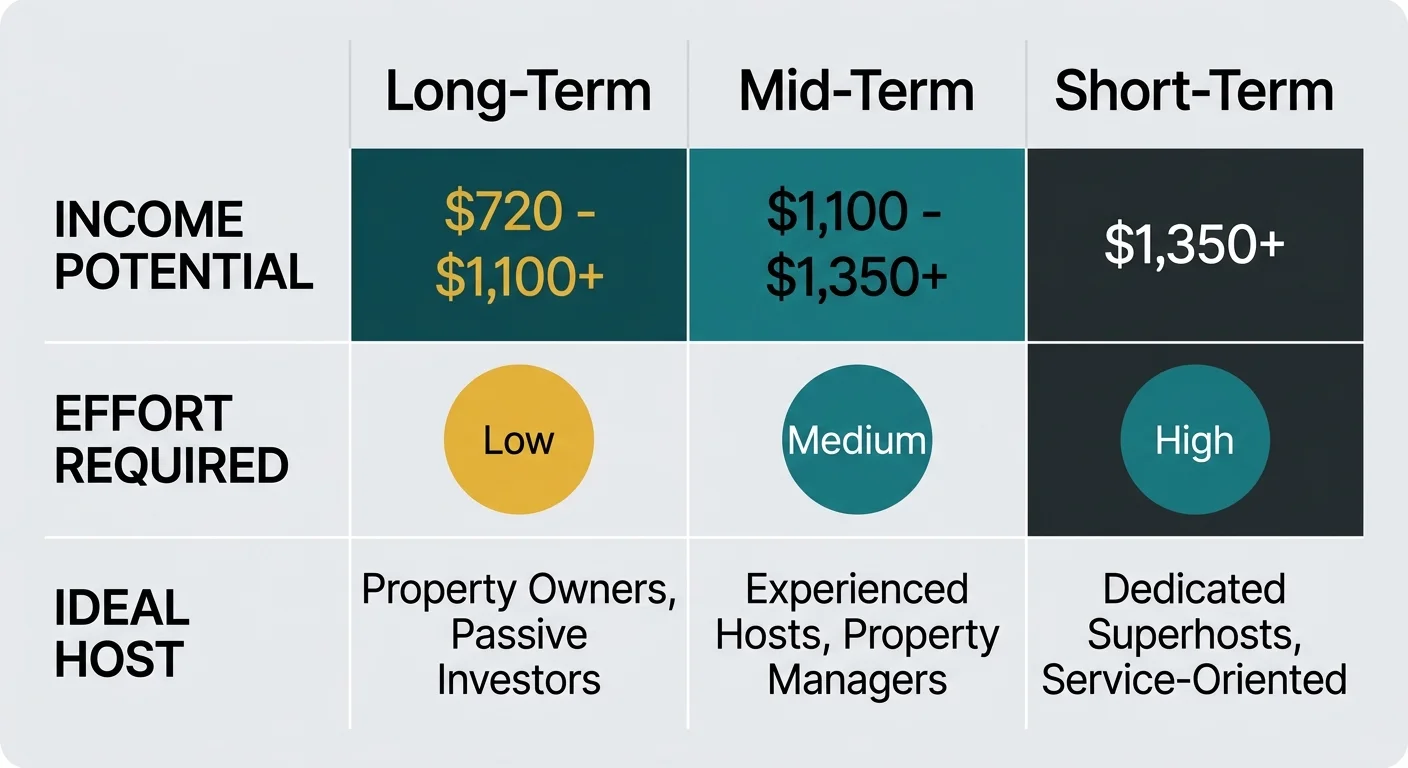
Long-Term Housemates: Leasing a bedroom to a permanent tenant on a 6-month or 12-month lease provides predictable monthly revenue and maximum stability. This strategy works exceptionally well if you live alone and welcome ongoing companionship or shared domestic responsibilities. Nationally, long-term spare room rentals fetch between $720 per month in lower-cost markets like San Antonio to upwards of $1,350 per month in high-cost metro areas like San Francisco, San Diego, and New York.
Mid-Term Rental (Traveling Professionals): Renting to travel nurses, corporate transferees, or visiting university faculty on 30-day to 90-day arrangements offers higher monthly rates with built-in exit dates. Traveling nurses frequently seek quiet, clean rooms near major medical centers and work predictable, intense shifts. This model gives you consistent downtime between occupants, allowing you to host family or travel without long-term commitments.
Short-Term Vacation Rentals: Listing your room on short-term platforms yields the highest daily rates but requires active management, frequent turnover cleaning, and continuous guest communication. While seniors represent the fastest-growing host demographic on vacation rental sites, short-term hosting works best if you enjoy frequent social interaction and live in a high-demand tourist or suburban destination.

2. Vet Candidates Using Comprehensive Screening Tools
Learning how to safely rent a spare room begins with rigorous, objective applicant screening. Never rely solely on gut feelings or polite phone conversations when selecting a boarder to live under your roof.
Utilize specialized room-sharing platforms like Silvernest or SpareRoom, which cater specifically to older adults seeking compatible housemates. These specialized services streamline safe room rental practices for retirees by offering automated identity verification, state-specific lease creation, and integrated messaging systems that keep your personal phone number private until you establish mutual trust.
Implement a mandatory, standardized screening process for every applicant:
- Comprehensive Background Check: Run nationwide criminal background and sex-offender registry searches using accredited tenant screening tools.
- Credit History and Financial Verification: Require proof of reliable income (such as pay stubs, pension statements, or Social Security direct-deposit records) equal to at least three times the monthly rent amount. Obtain a full credit report to inspect payment histories and outstanding debt balances.
- Prior Landlord References: Speak directly to at least two former landlords—not just current ones—to verify rental payment history, cleanliness, respect for property, and adherence to house rules.
- Multi-Stage Interviewing: Conduct an initial phone or video screening before scheduling an in-person meeting in a public location. Bring a family member, trusted neighbor, or friend along when showing your home to candidate finals.
3. Leverage IRS Rules to Maximize Tax Savings and Deductions
Understanding federal tax regulations ensures you keep the maximum amount of extra income renting spare room generates without encountering unexpected tax liabilities.
If you rent a spare bedroom for 14 days or fewer during the entire tax year, Internal Revenue Code Section 280A (frequently referenced as the Augusta Rule) allows you to collect that income 100% tax-free. You do not need to report this revenue on your federal tax return, regardless of how much you charge per night.
When you rent out a room as a retiree for 15 days or more per year, you must report total gross rental income on IRS Schedule E (Form 1040/1040-SR). However, the tax code permits you to offset this taxable revenue by deducting proportional shared household expenses. Calculate your deduction percentage based on the square footage your tenant occupies exclusively plus a proportionate share of common living areas.
For example, if your rented bedroom measures 200 square feet inside a 2,000-square-foot home, the tenant occupies 10% of your total square footage. Consequently, you can write off 10% of your total household operating expenses, including:
- Electricity, natural gas, water, sewer, and trash utility bills
- High-speed home internet and shared cable services
- Mortgage interest and local real estate property taxes
- Homeowners insurance premiums and umbrella liability coverage
- General home maintenance, roof repairs, HVAC servicing, and exterior landscaping costs
Review additional retirement and income guidelines through the official IRS Retirement Plans portal to keep your documentation aligned with current tax codes.
“It’s not how much money you make, but how much money you keep, how hard it works for you, and how many generations you keep it for.” — Robert Kiyosaki
4. Protect Your Social Security Benefits and Income Status
Many older adults worry that collecting monthly rental payments will trigger tax penalties or reduce their hard-earned retirement benefits. According to official rules from the Social Security Administration (SSA), passive rental income is classified as unearned income. Therefore, standard rental payments do not count toward the Social Security earnings limit and will never reduce your monthly retirement benefit checks, even if you draw benefits prior to your full retirement age.
However, you must avoid the “substantial services” trap. If you provide significant personal services primarily for your tenant’s convenience—such as daily room cleaning, preparing cooked meals, laundry services, or personal transportation—the IRS and SSA reclassify your revenue as earned self-employment income. Earned income triggers self-employment taxes and subjects your earnings to the Social Security retirement earnings test if you are under full retirement age.
Note that if you receive Supplemental Security Income (SSI), rules differ significantly from standard Social Security retirement benefits. SSI is strictly means-tested; unearned rental income will reduce SSI benefit payments dollar-for-dollar after basic general exclusions. Always clarify your benefit structure before initiating a home-share.

5. Establish Clear House Rules and Draft a Formal Lease Agreement
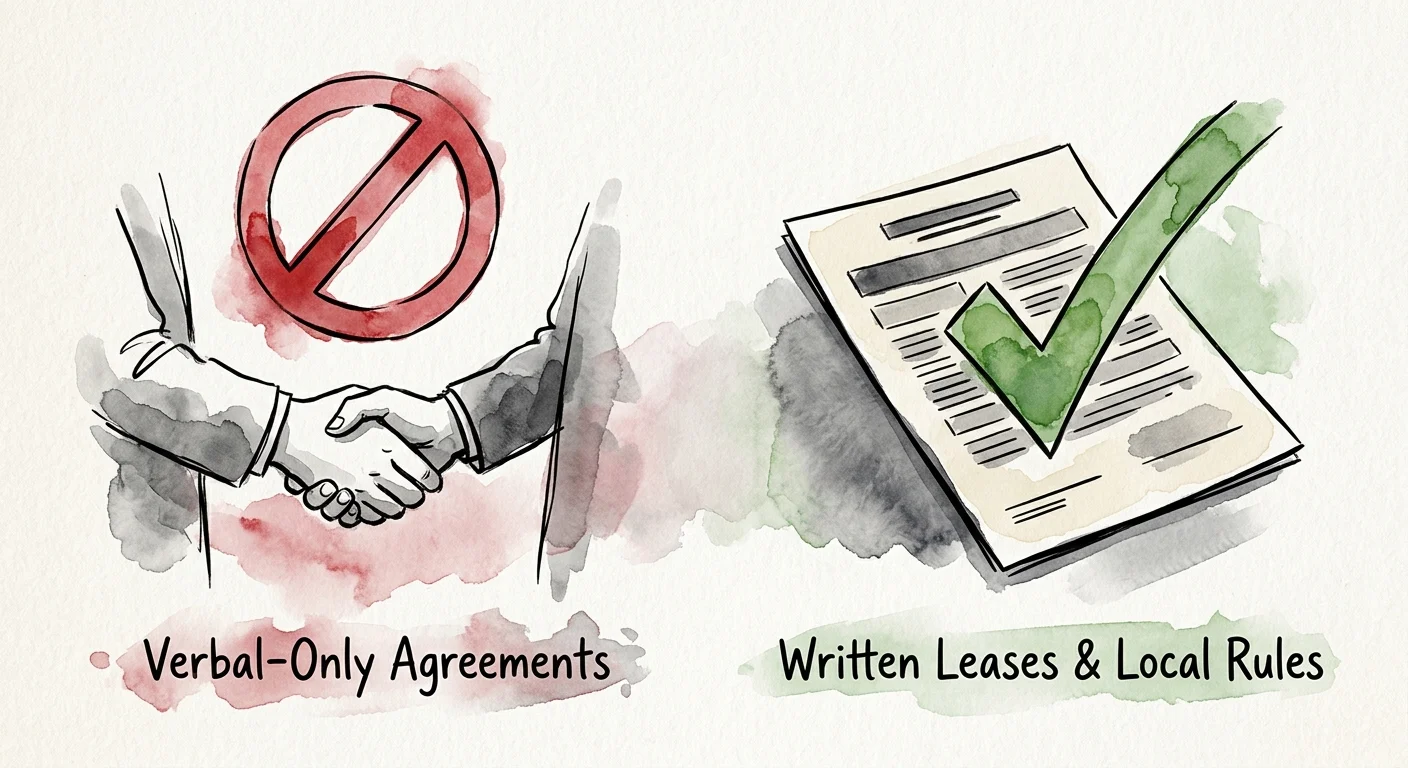
Verbal agreements and informal handshakes frequently invite misunderstandings regarding noise, shared spaces, and guest boundaries. Protect your home life by incorporating a comprehensive, legally binding lease contract into your routine.
Your room rental agreement must clearly state essential financial terms, such as the exact monthly rent amount, due dates, late fees, required security deposit amounts, and designated payment methods. In addition to standard financial terms, draft a detailed house rules addendum that explicitly outlines everyday living expectations:
- Quiet Hours: Set strict quiet periods (such as 10:00 PM to 7:00 AM) to preserve your sleep routine and personal comfort.
- Guest and Overnight Policies: Define whether overnight visitors are permitted, how many consecutive nights guests can stay, and whether advance notice is required.
- Shared Area Usage: Establish specific usage schedules for shared spaces like laundry facilities, main kitchens, parking driveways, and outdoor patios. Assign designated refrigerator shelves and pantry cabinets.
- Household Standards: Outline explicit policies regarding indoor smoking, vaping, pet ownership, appliance care, and shared cleaning duties.
For additional resources on home modifications and senior living strategies, review independent guidance provided by AARP.
6. Upgrade Home Security and Establish Physical Privacy Boundaries
Maintaining clear physical and technical boundaries inside your residence preserves your safety and personal privacy when hosting a boarder.
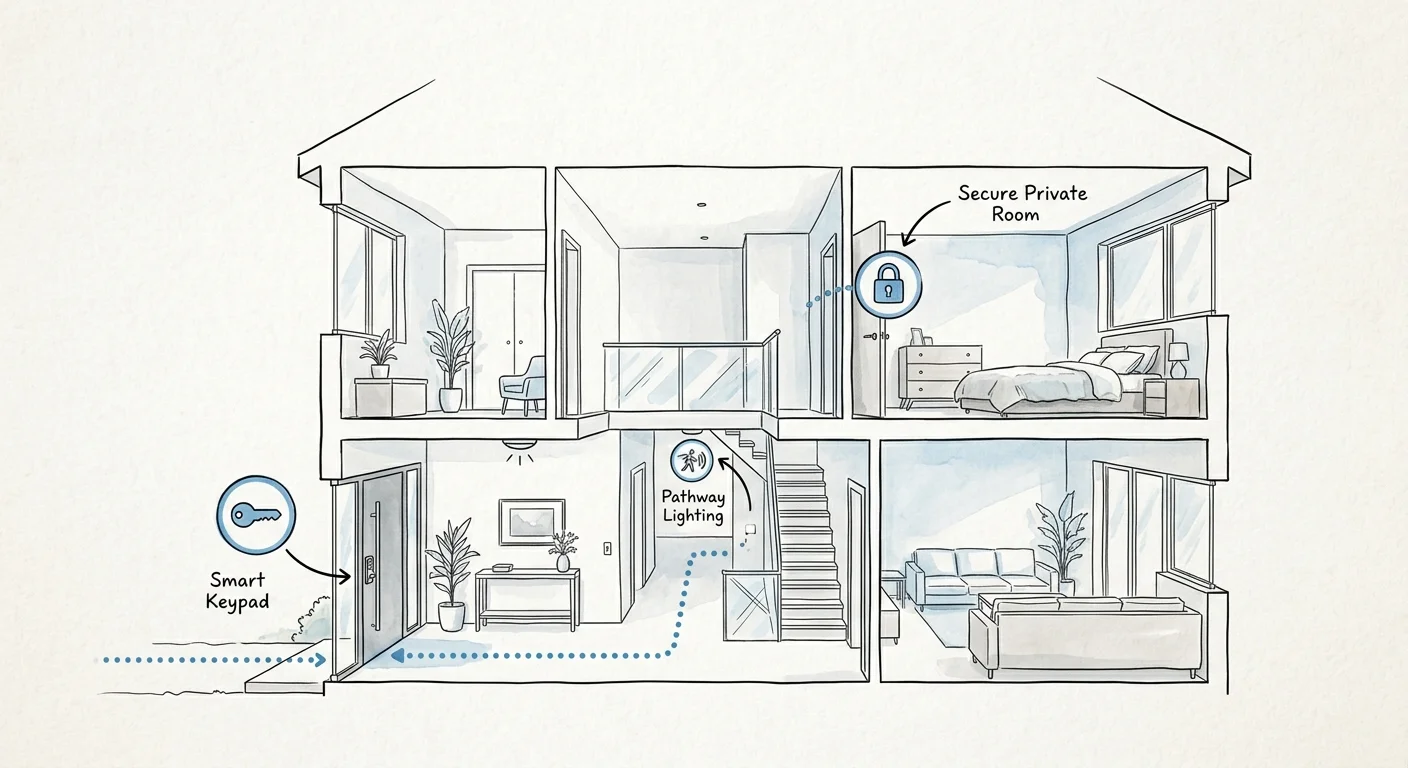
Start by upgrading your home’s locking systems. Install smart keyless electronic deadbolts on primary exterior entry doors, assigning a unique entry code to your tenant that you can easily modify or deactivate when they move out. Place separate locksets on your master bedroom door, private home office, and basement storage rooms holding sensitive personal records.
Protect your financial data and identity by securing social security cards, tax files, checkbooks, and valuable jewelry inside a locked fireproof floor safe. Configure a secondary guest Wi-Fi network dedicated exclusively to your tenant. Keeping boarders on a guest network prevents personal devices, home smart speakers, and private computers from exposure across shared network folders.
Ensure your home meets current safety codes by mounting functional smoke alarms and carbon monoxide detectors in or directly outside the rented bedroom. Keep an easily accessible fire extinguisher inside the kitchen area and keep all shared hallways free of tripping hazards.

7. Update Your Homeowners Insurance Policy and Confirm Local Regulations
Operating a room rental without updating your insurance carrier introduces significant financial risk. Standard single-family homeowners policies frequently decline coverage or reject claims if an unreported long-term boarder or short-term guest suffers an injury or causes substantial property damage.
Contact your home insurance carrier to secure a tenant or rental endorsement rider. This endorsement extends property damage and personal liability coverage to accommodate boarders living in your main dwelling. Many retirees also add a secondary umbrella liability policy—typically offering $1 million in total coverage for modest annual premiums—to guard personal savings against potential liability lawsuits.
Verify local municipal zoning ordinances, county housing codes, and Neighborhood Homeowners Association (HOA) rules before advertising your space. Some local jurisdictions enforce short-term rental permit requirements, restrict maximum occupancy limits, or require mandatory safety inspections. Connecting with community resources via the federal Eldercare Locator service can help connect you with local legal aid or housing specialists acquainted with municipal codes in your zip code.
Comparing Rental Options for Retirees
Review the primary differences between common room-rental arrangements to decide which strategy yields the best balance of safety, effort, and profit for your retirement lifestyle.
| Rental Model | Average Monthly Revenue | Management Effort | Privacy Impact | Primary Target Audience |
|---|---|---|---|---|
| Long-Term Roommate | $720 – $1,350+ / month | Low (Ongoing baseline) | Moderate (Shared common areas daily) | Local professionals, seniors, graduate students |
| Mid-Term Rental | $1,100 – $2,200+ / month | Moderate (Turnover every 1–3 months) | Low to Moderate (Built-in vacant breaks) | Travel nurses, corporate transferees, visiting professors |
| Short-Term Vacation | $1,400 – $3,000+ / month (Variable) | High (Frequent check-ins and cleaning) | High (Frequent new visitors) | Vacationers, weekend tourists, family visitors |
Common Retirement Traps to Avoid
Steer clear of these frequent mistakes when preparing to rent out extra space in your home:
- Failing to Notify Your Insurance Provider: Assuming your standard home insurance automatically covers boarders can lead to denied claims or canceled policies following an accident.
- Providing Daily Maid or Meal Services: Offering daily hotel-style amenities turns passive rental income into active earned self-employment income, potentially triggering unnecessary Social Security earnings penalties.
- Skipping Formal Screening to Fill Vacancies Fast: Rushing to accept an unverified tenant based on pleasant conversation often results in non-payment of rent, property damage, or costly eviction procedures.
- Ignoring Local Rent Control and Eviction Laws: Tenant protections vary widely across municipalities. Understanding local tenant rights protects you if a tenant breaches contract terms.

When to Consult a Professional
Navigating home-sharing decisions intersects with local real estate laws, federal income taxes, and retirement benefit structures. Working with qualified experts prevents costly legal or financial missteps.
Consult a Certified Public Accountant (CPA) or enrolled tax agent prior to filing your annual return to maximize Schedule E expense allocations and ensure accurate depreciation schedules. If you draft custom house rules or rent out space within a multi-family property, consult an elder law attorney or local real estate lawyer to review your lease templates and ensure full compliance with state tenant-landlord regulations.
Finally, if you depend on state assistance programs, Medicaid long-term care waivers, or Supplemental Security Income (SSI), review your plan with a certified financial advisor or local benefits counselor before collecting rental funds.
Frequently Asked Questions
Does renting a room reduce my monthly Social Security retirement benefits?
No. The Social Security Administration categorizes passive rental income as unearned income. It does not count toward the annual earnings limit and will not reduce standard Social Security retirement benefits, regardless of your age.
How does the IRS 14-day rule work for spare room rentals?
Under IRC Section 280A, if you rent your spare room for 14 days or fewer during a calendar year, all income earned from that rental is 100% exempt from federal income taxes. You do not need to report this income on your tax return.
Can I deduct home repairs if I rent out a spare bedroom?
Yes. You can deduct a proportional percentage of general home repairs and utility costs on IRS Schedule E based on the square footage of the rented room relative to the total square footage of your home.
Are background checks legal when choosing a housemate?
Yes, running background checks and credit reports on adult housing applicants is completely legal, provided you secure written consent from the applicant and follow Fair Housing Act compliance standards.
Take the First Step Toward Extra Income
Renting out an empty room transforms an underutilized asset into a dependable income stream, helping you manage inflation, cover property taxes, and enjoy financial freedom throughout retirement. By executing thorough background screenings, enforcing clear house rules, keeping accurate tax records, and protecting your physical privacy, you can host boarders safely and confidently.
“The goal of retirement is to live off your assets—not live off your regrets.”
Take inventory of your spare bedroom today. Measure the room’s square footage, research average room rental rates in your immediate neighborhood, and evaluate which tenant strategy fits your schedule best. A single spare bedroom can serve as your highway toward greater financial security.
Retirement rules and benefit amounts vary based on individual work history, income, and circumstances. This article provides general guidance only. Consult a SHIP counselor, financial advisor, or elder law attorney for advice specific to your situation.
Last updated: February 2026. Medicare and Social Security rules change annually—always verify current details at official government sources.