If you rely on Supplemental Security Income, your November payment will arrive earlier than usual this year. Instead of showing up in November, the Social Security Administration will deposit your funds on Friday, October 30.
This sudden calendar change creates a tricky financial situation for millions of households across the country. Because your November money arrives before October ends, you will not receive any SSI deposit during the entire month of November.
Managing this gap requires careful planning so your living expenses stay covered until December. Here is everything you need to know about this schedule adjustment, upcoming benefit increases, and how to protect your monthly budget.
Why Your November SSI Payment Arrives Early
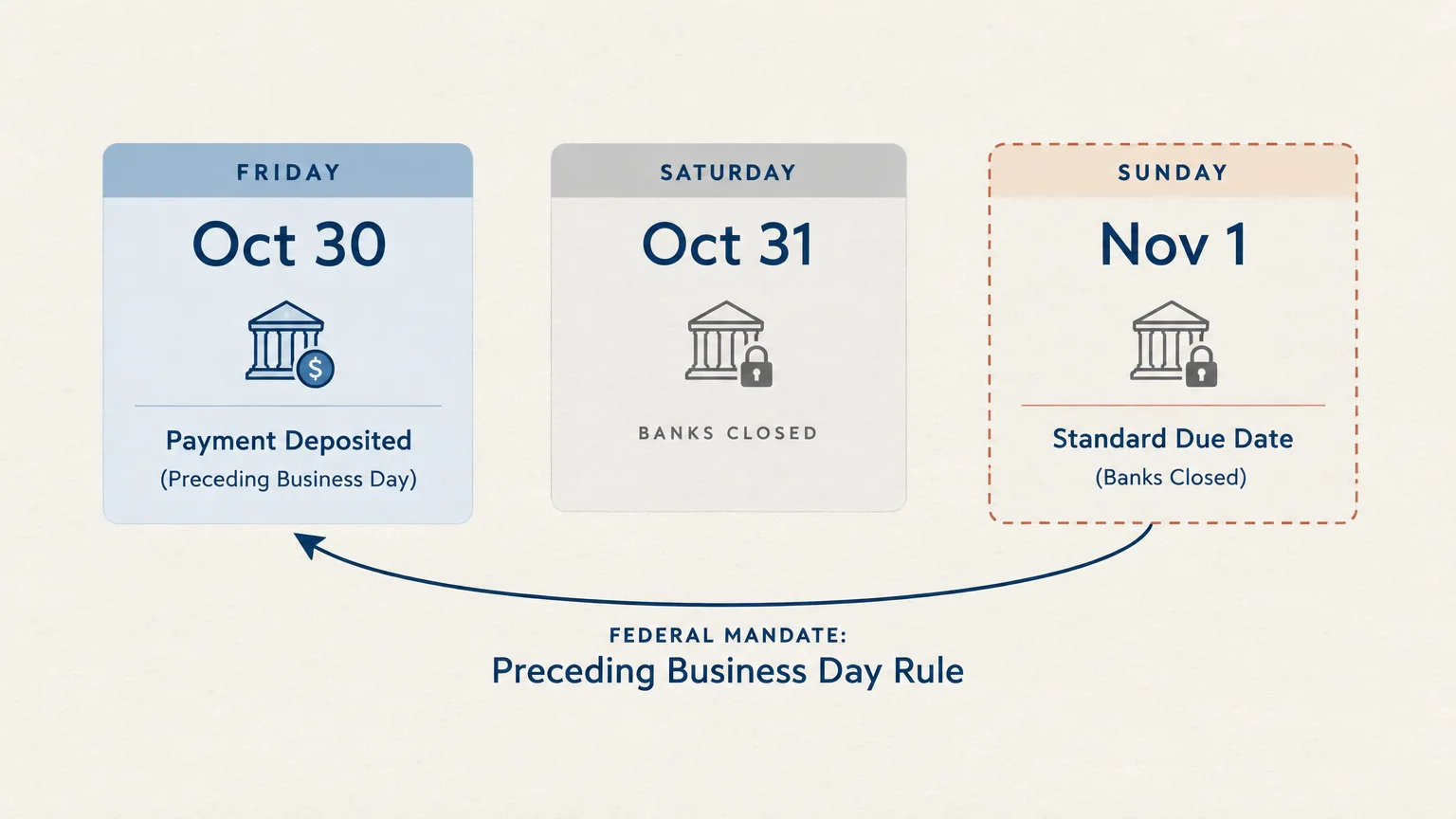
The Social Security Administration follows a strict calendar mandate established by federal law. Under standard rules, Supplemental Security Income always lands on the first day of every month.
When the first day falls on a weekend or federal holiday, the agency alters the delivery date. In those instances, payments move to the nearest preceding business day.
This automated policy ensures beneficiaries do not face banking delays over non-business days. It guarantees that you receive your monthly income before essential living costs come due.
In 2026, November 1 falls squarely on a Sunday. Because commercial banks and federal offices remain closed on Sundays, regular electronic transfers cannot settle on that date.
Consequently, the federal government will release your November funds on Friday, October 30. Direct deposits will arrive in eligible bank accounts and Direct Express cards that morning.
Beneficiaries who still receive paper checks will also see mail delivery adjusted to that Friday. The United States Postal Service delivers these checks based on the earlier distribution date.
The agency never skips or withholds an entitled payment when dates move. However, moving payment dates forward alters the distribution timeline for the rest of your fall expenses.