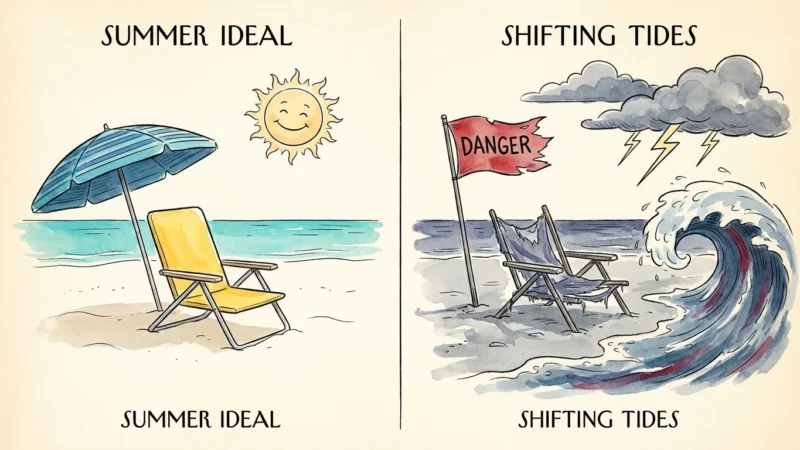
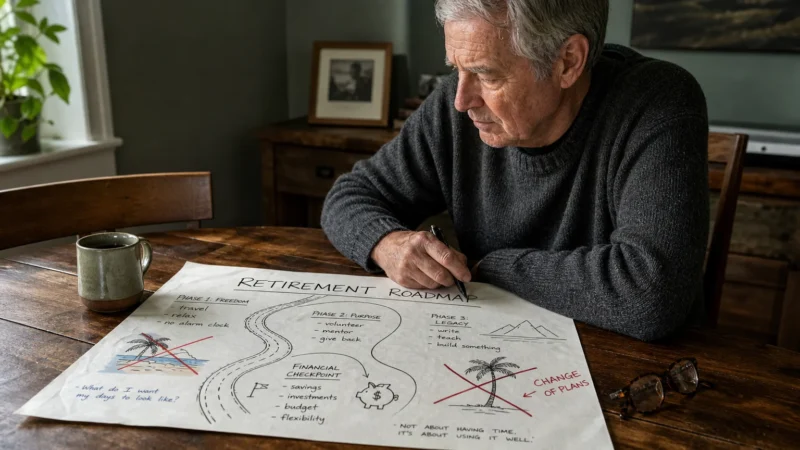
Leaving the workforce brings a surge of freedom, but treating your retirement like an extended resort stay will rapidly drain your savings and leave you unanchored. While the honeymoon phase of sleeping in and spontaneous travel feels fantastic, living without routines or financial boundaries creates hidden risks. A successful retirement requires a deliberate balance between well-earned leisure and intentional, purpose-driven living. If your days blur into an endless weekend characterized by impulsive spending, neglected health habits, and a lack of meaningful goals, you need to reassess. Recognizing these nine behavioral patterns early empowers you to build a fulfilling, sustainable chapter that outlasts the initial thrill of having zero daily obligations.
1. You Are Hemorrhaging Cash on Entertainment and Dining Out
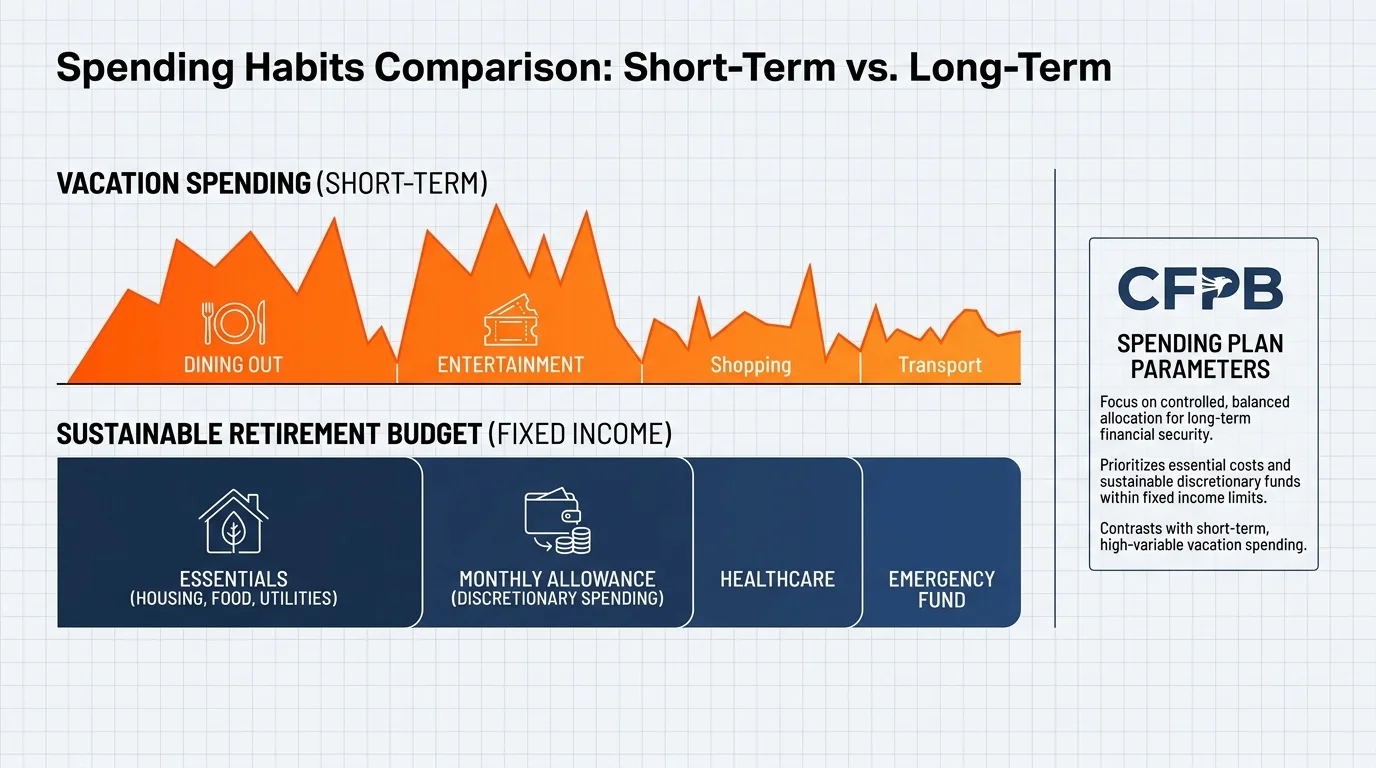
When you take a traditional two-week trip, you naturally loosen the purse strings. You order the extra appetizer, book premium excursions, and ignore the daily tally because the extravagance has a definitive expiration date. Translating this behavior into a multi-decade retirement is a mathematical disaster. Without the constraints of a forty-hour workweek, the temptation to fill your time with lunches out, matinee shows, and spontaneous weekend getaways skyrockets.
Review your bank statements from the past three months. If dining, entertainment, and travel account for a disproportionate share of your spending, you are running a vacation budget rather than a sustainable fixed-income strategy. Creating a sensible weekly allowance for leisure activities keeps your portfolio intact for the long haul. Utilizing resources from the Consumer Financial Protection Bureau (CFPB) can help you build a realistic spending plan that accounts for both essential living costs and enjoyable discretionary expenses. You absolutely deserve to enjoy your wealth; you simply need parameters to ensure it lasts.
2. Your Sleep Schedule Changes Every Day
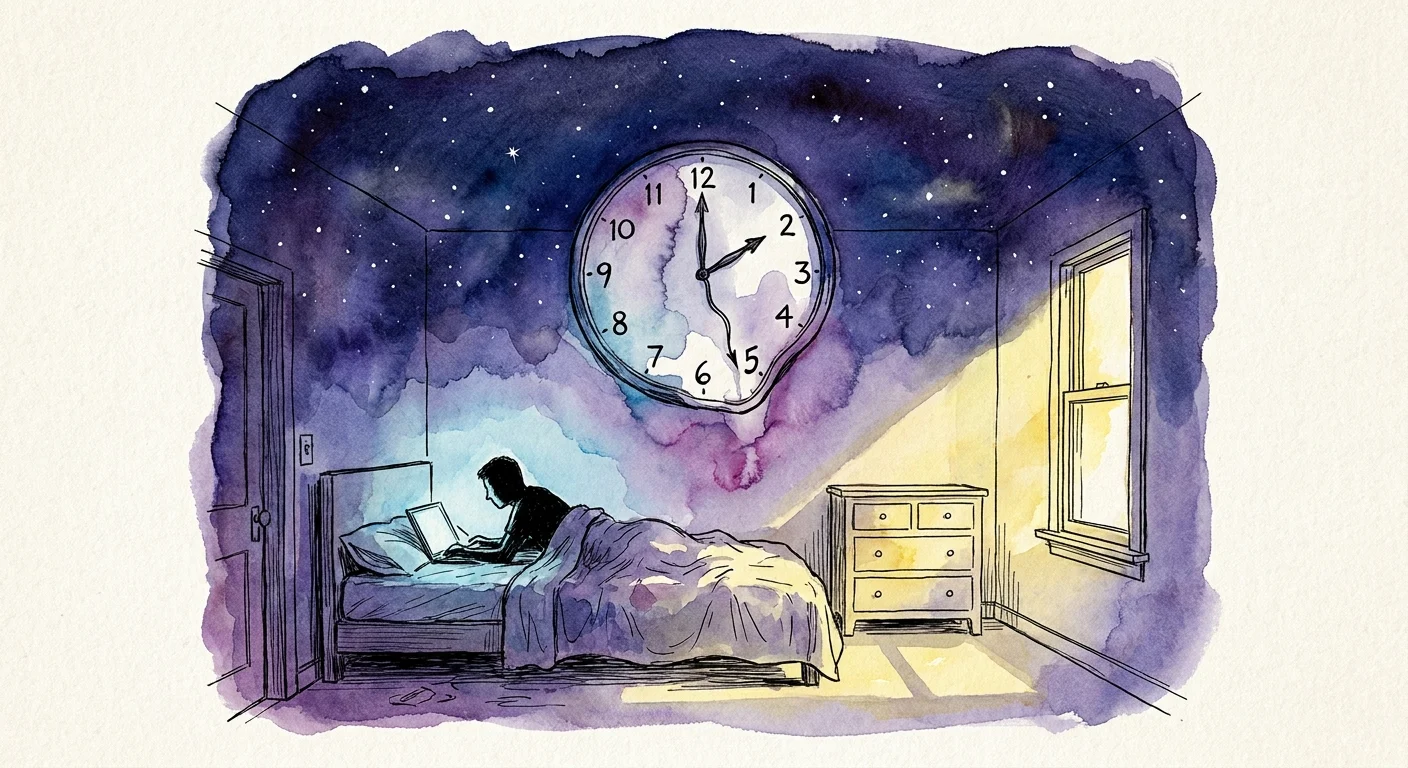
Treating every evening like a Friday night severely disrupts your circadian rhythm. Staying up until 2:00 a.m. to binge-watch television and sleeping until noon might feel like the ultimate rebellion against your old alarm clock, but chronic sleep irregularity accelerates cognitive decline and metabolic issues. The novelty of abandoning a set schedule wears off quickly when it begins to impact your energy levels, physical mobility, and overall mood.
Human biology craves consistency. Establishing a regular waking time anchors your day and regulates your internal clock. You do not need to wake up at the crack of dawn to beat rush hour traffic, but maintaining a predictable morning routine signals to your brain that the day has a purpose. Prioritizing consistent sleep hygiene is one of the most effective, zero-cost ways to preserve your physical and mental health as you age.

3. You Rely on “Someday” Planning for Important Decisions
A permanent vacationer views administrative tasks as an unnecessary burden, constantly pushing essential financial and healthcare paperwork to “someday.” This avoidance manifests as ignoring annual Medicare Open Enrollment periods, delaying your application for benefits through the Social Security Administration (SSA), or procrastinating on necessary updates to estate documents. When you operate strictly in vacation mode, reality feels like an unwelcome intrusion.
Proactive retirees treat the business of managing their lives with the same respect and attention to detail they gave their careers. Failing to review your healthcare coverage annually can lock you into a plan that no longer serves your medical needs or budget. You can easily compare your options using the Medicare Plan Finder to ensure you always have the most cost-effective prescription drug and medical coverage. Tackle these administrative chores head-on by designating one morning a week specifically for paperwork, bill paying, and financial review.

4. Your Social Life Exists Entirely Around Leisure Activities
There is absolutely nothing wrong with golf leagues, pickleball tournaments, or afternoon wine tastings. However, if your entire social circle revolves exclusively around leisure activities, you risk developing superficial relationships that lack emotional depth. Vacation friendships are often built entirely on shared consumption and entertainment; they rarely offer the deep support system required when real-life challenges inevitably arise.
“Don’t simply retire from something; have something to retire to.” — Harry Emerson Fosdick
Cultivating a diverse social portfolio means engaging in activities that require collaboration, problem-solving, or community service. Joining a local non-profit board, mentoring young professionals in your former industry, or participating in a regular volunteer organization builds resilient social bonds. These connections are rooted in shared values and mutual growth rather than just shared tee times.

5. You Have Not Adjusted Your Investment Withdrawal Strategy
A vacation mindset encourages immediate gratification, leading to haphazard portfolio withdrawals. You might pull money from your investment accounts whenever the urge strikes to fund a spontaneous European river cruise, assist a family member with a down payment, or completely remodel the kitchen—all without consulting your broader financial plan. This impulsive approach ignores critical market factors, especially sequence of returns risk during the early years of your retirement.
Withdrawing heavily during stock market downturns permanently damages your portfolio’s ability to compound and recover. A sustainable retirement requires a structured, disciplined distribution strategy. You must transition from an accumulation mindset to a strategic decumulation mindset, ensuring your withdrawal rate aligns with your life expectancy and current economic conditions. Establishing a set monthly “paycheck” transferred automatically from your investments to your checking account helps curb impulsive, vacation-style spending.

6. You Neglect Routine Preventive Healthcare
When people go on vacation, they typically leave their healthcare providers behind. Unfortunately, many new retirees carry this habit into their post-work lives, ignoring minor aches and skipping annual screenings because they feel fine and want to focus strictly on enjoying their newfound free time. Waiting until a minor health issue becomes a full-blown medical emergency is a dangerous and expensive gamble.
Retirees must actively manage their health capital. Scheduling routine physicals, bi-annual dental cleanings, and age-appropriate cancer screenings is non-negotiable. The National Institute on Aging provides comprehensive guidelines on the specific preventive tests required in your sixties, seventies, and beyond. Treating your preventive healthcare appointments as mandatory commitments ensures you maintain the physical vitality required to actually enjoy your retirement years to the fullest.
7. Your Days Lack a Defined Weekly Schedule
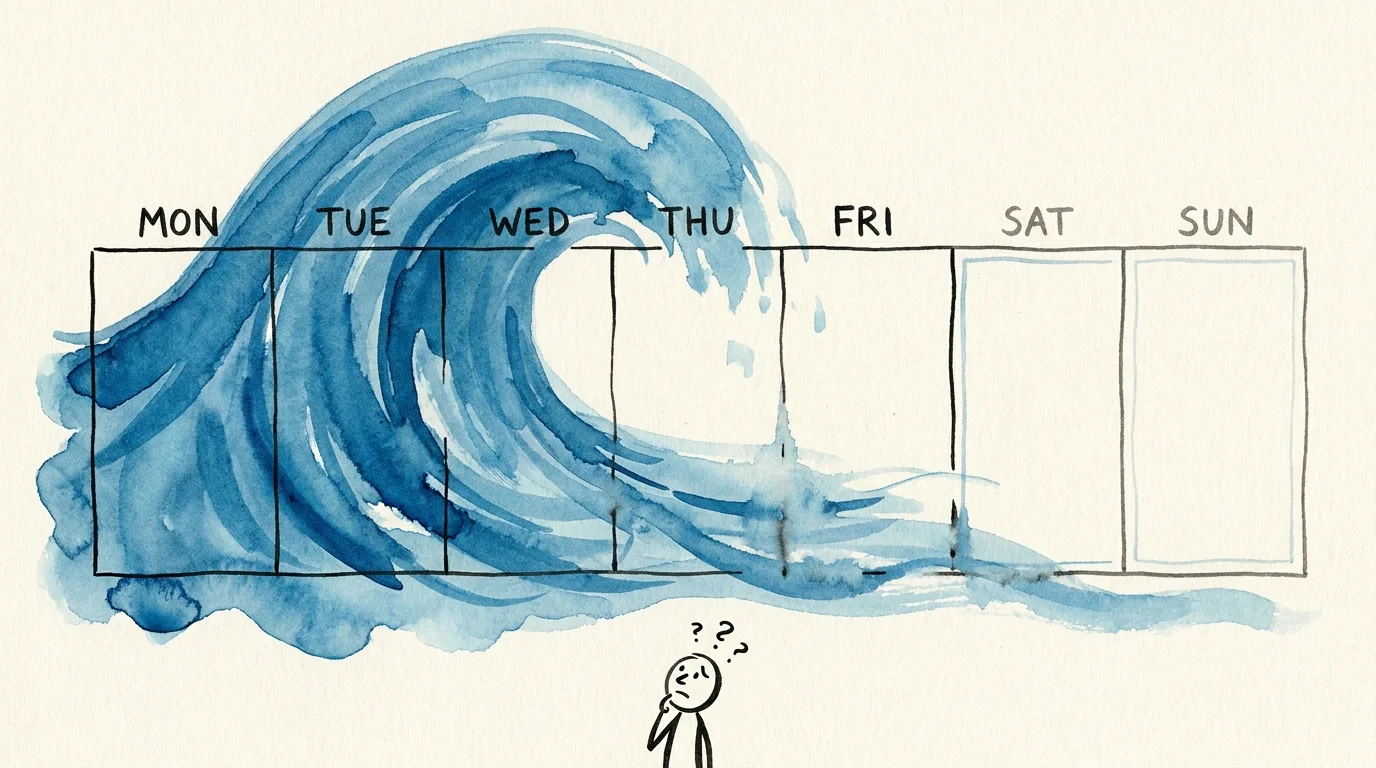
Waking up every morning and asking, “What should I do today?” sounds idyllic in theory; however, it quickly becomes exhausting in practice. A complete lack of structure leads to decision fatigue and countless hours lost to mindless internet scrolling or daytime television viewing. Without milestones to mark the passage of time, the days blur together, and entire weeks pass without any tangible accomplishments or meaningful experiences.
Creating a weekly framework does not mean rigidly scheduling every hour of your life. Instead, anchor your week with reliable, recurring commitments. Designate specific days for grocery shopping, group exercise classes, volunteering, and socializing with family. This gentle structure provides a reassuring rhythm to your life, making your actual downtime feel genuinely earned and enjoyable rather than just a default state of boredom.
8. You Are Avoiding Reality Regarding Your Housing Needs
The vacation mindset prioritizes immediate comfort and familiarity over long-term practicality. This often causes retirees to ignore the mounting physical and financial burdens of maintaining a large family home. You might refuse to consider downsizing or retrofitting your current house for future accessibility because dealing with major real estate decisions ruins the carefree retirement vibe. Sweeping housing conversations under the rug inevitably leads to forced, highly stressful decisions during a sudden health crisis.
Purposeful retirees assess their living situations with total honesty. They evaluate whether a two-story home with a massive lawn and steep driveway genuinely serves their current lifestyle or if it has become a costly physical anchor. Exploring your housing options early gives you complete control over your future environment, whether that involves modifying your master bathroom for safety or moving to a low-maintenance, single-story patio home.
9. You Lack a Core Sense of Purpose
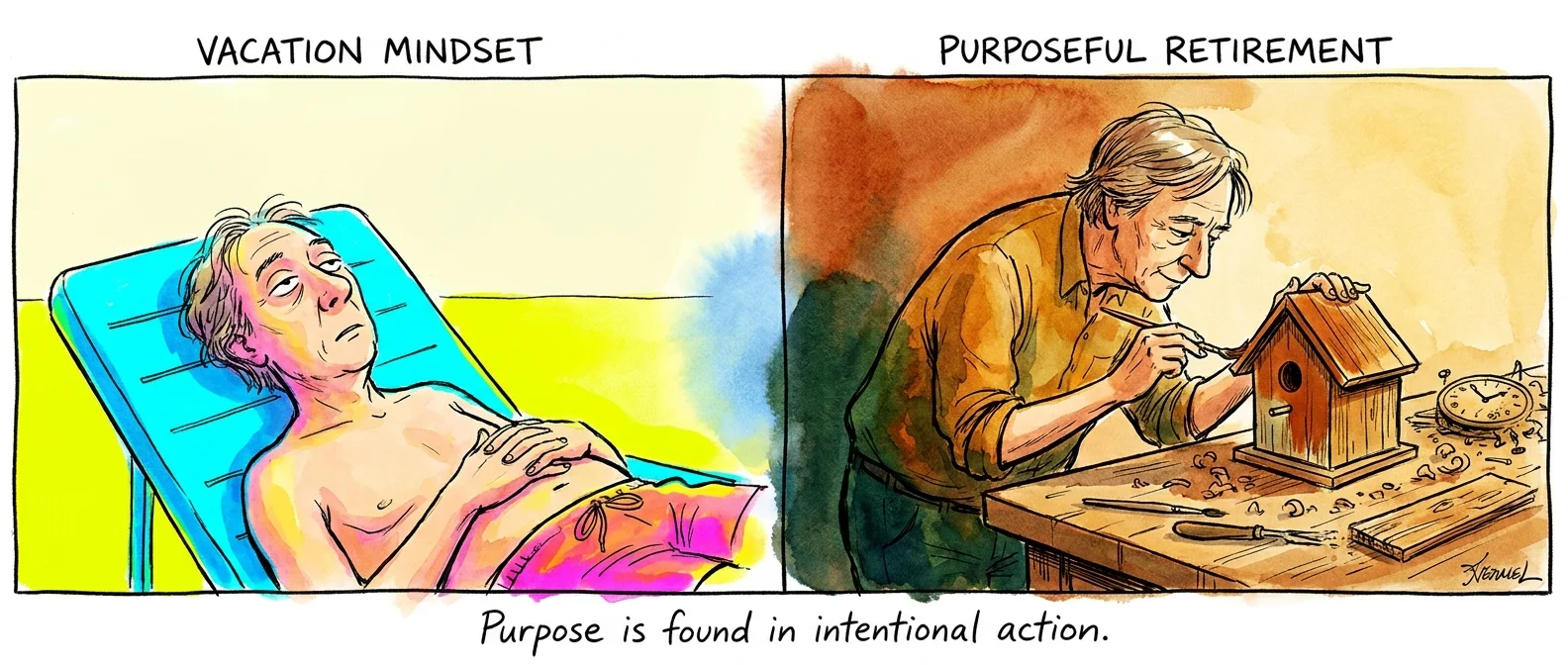
Leisure is an excellent reward for a lifetime of hard work, but it makes for a terrible full-time occupation. When your only daily objective is relaxation, you quickly discover that relaxation alone cannot sustain the human spirit for twenty or thirty years. A permanent vacation inherently lacks the friction, intellectual challenges, and growth opportunities necessary for a deeply fulfilling life.
Finding your post-career purpose requires introspection, patience, and plenty of trial and error. Your new purpose might involve diving into a complex artistic hobby, advocating fiercely for a local cause, dedicating time to helping raise your grandchildren, or even launching a small part-time consulting business. When you have a compelling reason to get out of bed each morning—a reason that extends far beyond your own personal entertainment—you have successfully transitioned from a retirement vacationer to a purposeful retiree.
The Vacation Mindset vs. The Purposeful Retirement Mindset
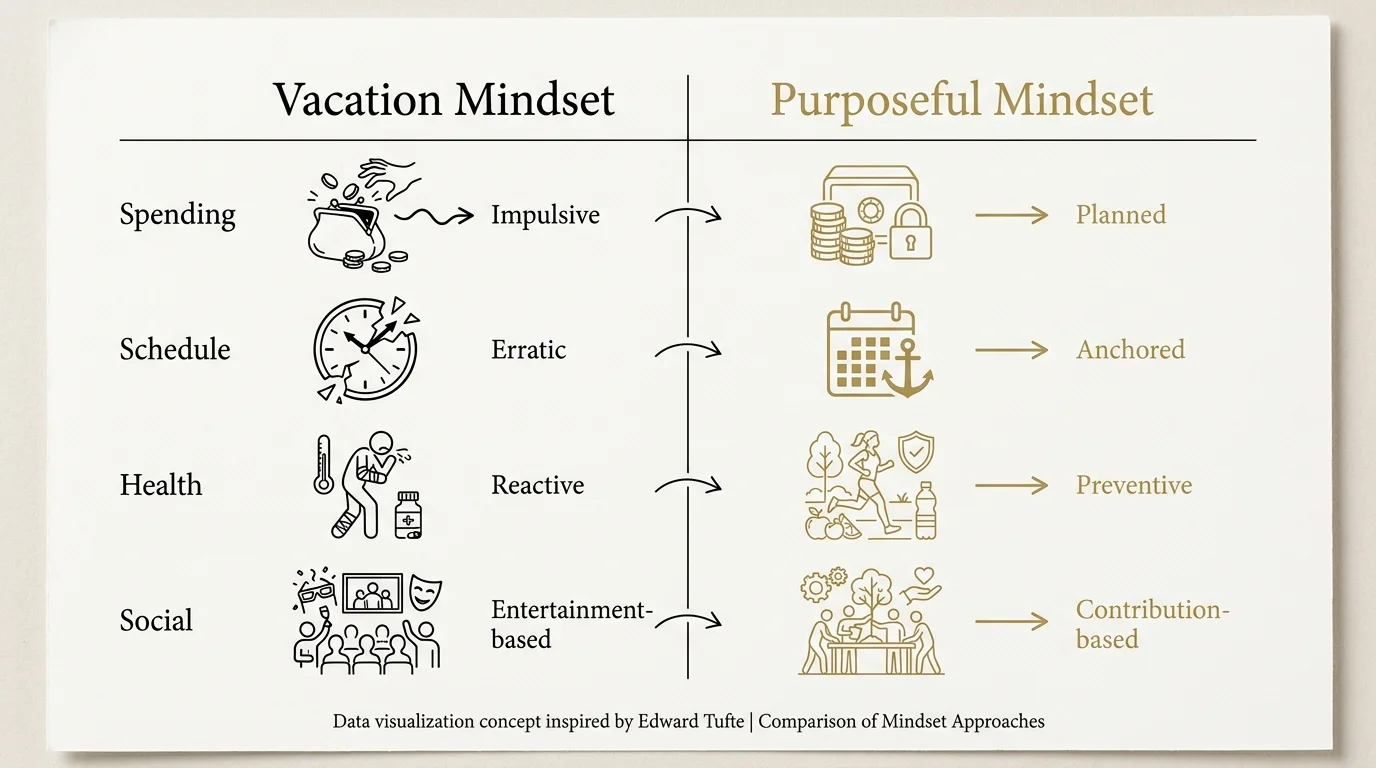
Understanding the fundamental differences between a fleeting vacation mentality and a sustainable lifestyle is crucial for your long-term happiness. The comparison table below illustrates how these two opposing approaches impact key areas of your daily life.
| Lifestyle Aspect | The Vacation Mindset | The Purposeful Mindset |
|---|---|---|
| Financial Habits | Spends impulsively based on mood; views budgets as restrictive. | Follows a structured withdrawal strategy; tracks monthly expenses. |
| Daily Routine | Wakes up whenever; decides daily activities on a whim. | Maintains consistent sleep hygiene; anchors the week with regular commitments. |
| Social Connections | Socializes exclusively at happy hours, golf courses, or restaurants. | Builds relationships through shared volunteer work, learning, and mutual support. |
| Healthcare Approach | Ignores preventive care; only visits the doctor for acute illness. | Prioritizes annual screenings, dental care, and proactive wellness. |
| Long-Term Planning | Avoids complex estate, tax, and Medicare decisions entirely. | Schedules dedicated time for administrative tasks and financial reviews. |
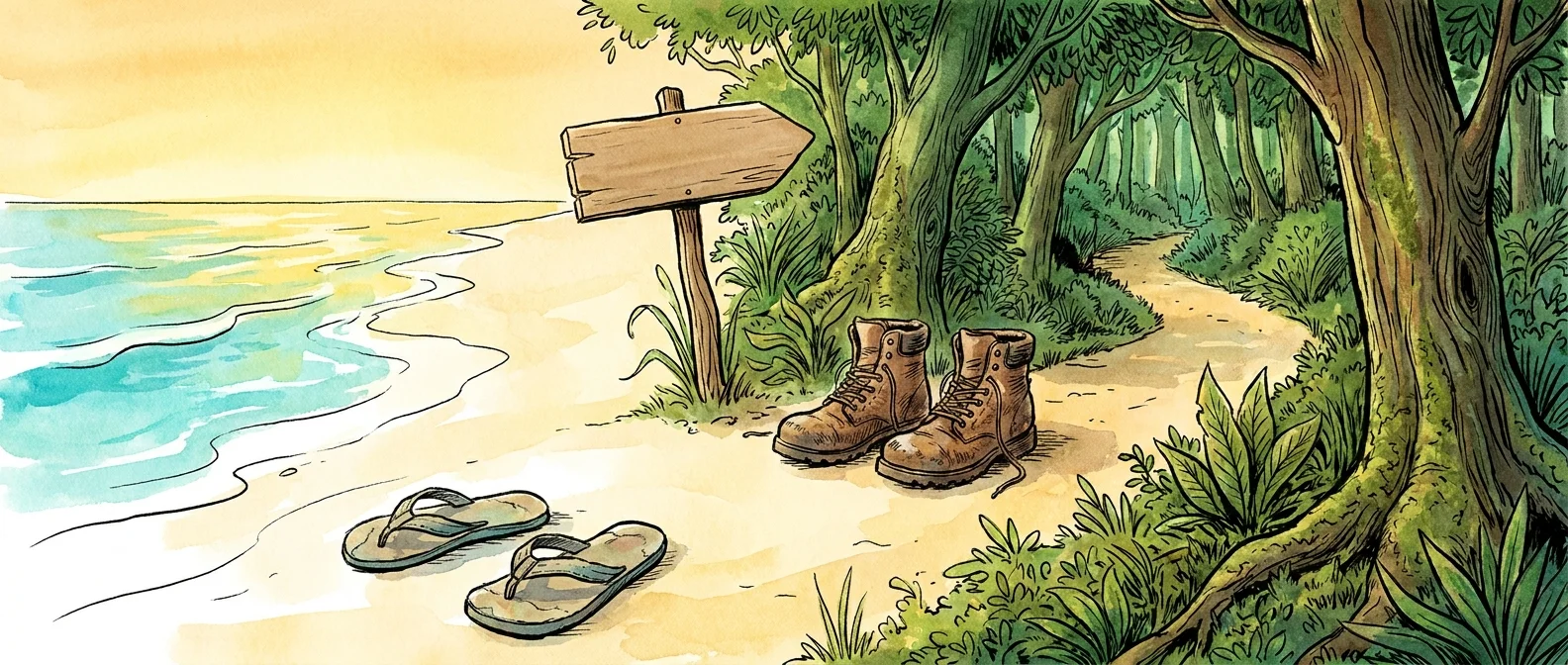
Don’t Make These Mistakes: Transitioning Out of the Vacation Phase
Shifting from full-time employment to full-time retirement is a massive psychological adjustment. As you move past the initial honeymoon phase and look to establish a sustainable routine, actively avoid these common behavioral pitfalls:
- Over-committing out of guilt: In an effort to find structure, many retirees say “yes” to every volunteer request, babysitting duty, and board seat offered to them. Protect your calendar fiercely and only commit to activities that genuinely energize you.
- Swinging to extreme frugality: Realizing you have been spending too much can trigger a panic response, causing you to hoard cash and refuse to enjoy your savings. Aim for sustainable moderation, not deprivation.
- Isolating yourself: When the party ends, the silence of a quiet house can be deafening. Do not wait for friends and former colleagues to reach out to you; take the initiative to organize affordable, meaningful get-togethers.
- Ignoring your partner’s timeline: If you are married, your spouse may still be working or might have a completely different vision for their daily routine. Communicate openly about expectations regarding shared activities versus independent hobbies.

When Professional Advice Is Worth It
Navigating the psychological and financial complexities of retirement is rarely a solo endeavor. While establishing a healthy daily routine is largely up to you, structural life decisions often require expert, objective input to ensure you remain on track.
Consider partnering with a fee-only fiduciary financial advisor to pressure-test your portfolio withdrawal strategy, ensuring your spending aligns with your longevity projections and tax situation. If you are overwhelmed by the alphabet soup of Medicare parts and plans, a counselor from the State Health Insurance Assistance Program (SHIP) can provide free, unbiased guidance tailored to your specific prescriptions and preferred doctors. Additionally, consulting an elder law attorney ensures your estate planning documents, advance directives, and powers of attorney are fully updated, protecting you and your family from future legal or medical complications.
Frequently Asked Questions About the Retirement Mindset
How long does the retirement honeymoon phase typically last?
For most retirees, the initial honeymoon phase—characterized by a feeling of endless vacation and liberation from alarms—lasts anywhere from three months to a year. Eventually, the novelty wears off, and the lack of structure can lead to restlessness. Recognizing when this phase is ending is the first step toward building a more intentional lifestyle.
Is it normal to feel depressed after retiring?
Yes, it is incredibly common. Leaving a career often means losing a core part of your identity, a built-in social network, and a clear sense of daily accomplishment. If you experience persistent sadness, a lack of motivation, or feelings of worthlessness, do not ignore them. Talk to your primary care physician or a mental health professional who specializes in life transitions.
How do I find my purpose after a highly demanding career?
Do not try to replace your career directly. Instead, focus on exploring your latent interests. Volunteer for causes you care about, take continuing education classes, or mentor others. Purpose in retirement rarely arrives like a lightning bolt; it is typically discovered gradually through active engagement and a willingness to try new things.
Retirement is a blank canvas, but it requires more than just free time to create a masterpiece. By recognizing the signs of a permanent vacation mindset, you can take deliberate steps to introduce meaningful structure, purposeful engagement, and financial discipline into your daily life. Start this week by adding just one recurring commitment to your calendar—whether it is a Tuesday morning volunteer shift, a Wednesday financial review, or a Thursday fitness class—and watch how a little intentional structure transforms your entire outlook on the years ahead.
Retirement rules and benefit amounts vary based on individual work history, income, and circumstances. This article provides general guidance only. Consult a SHIP counselor, financial advisor, or elder law attorney for advice specific to your situation.
Last updated: May 2026. Medicare and Social Security rules change annually—always verify current details at official government sources.