Leaving the daily grind behind does more than free up your schedule; it triggers profound biological and mental shifts that can add years of vibrant living to your life. The absence of a stressful commute and demanding deadlines immediately lowers cortisol levels, setting the stage for a healthier lifestyle. Many newly minted retirees notice subtle physical changes before they even realize their daily habits have transformed. Perhaps you sleep through the night without jolting awake, or your blood pressure finally stays in the normal range. Recognizing these positive shifts reinforces your commitment to senior wellness and a rewarding life after work.
1. Your Blood Pressure Is Finally Behaving
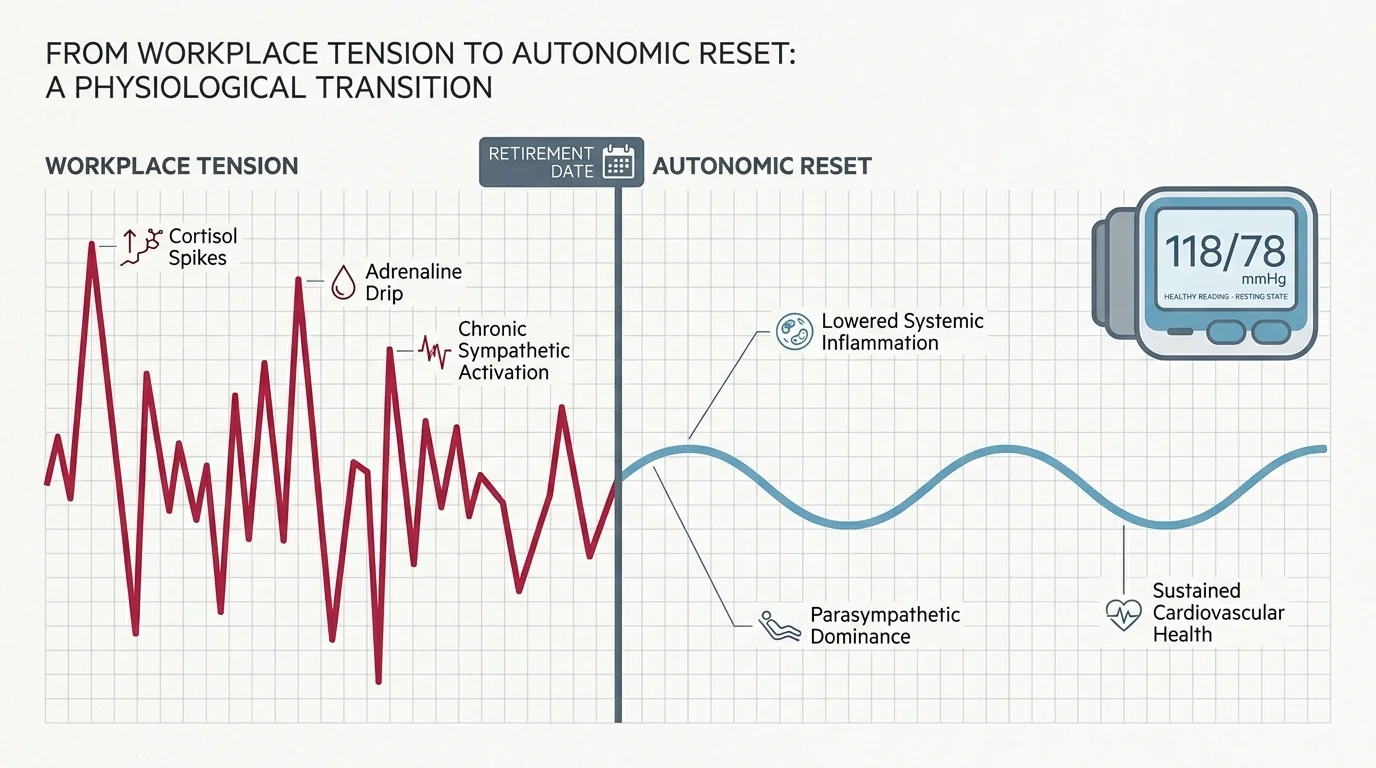
The chronic stress of a high-pressure career keeps your sympathetic nervous system locked in a perpetual state of fight-or-flight. During your working years, the constant drip of cortisol and adrenaline into your bloodstream likely caused your blood vessels to constrict, driving up your blood pressure. Once you transition into retirement and leave those daily stressors behind, your autonomic nervous system finally gets the opportunity to reset.
If your doctor recently commended your improved numbers during a routine visit, you are experiencing one of the most immediate, measurable benefits of leaving the workforce. A calmer daily routine allows your cardiovascular system to relax and recover from decades of workplace tension. You no longer brace yourself for aggressive emails or tense board meetings; instead, you control the pace of your morning. Over time, this sustained reduction in daily anxiety naturally lowers systemic inflammation, protecting your heart and reducing your reliance on antihypertensive medications.

2. You Wake Up Feeling Rested Without an Alarm
For decades, your body functioned on an artificial schedule dictated by rush-hour traffic and morning meetings. You likely jolted awake to a blaring alarm while still in the middle of a deep sleep cycle, leaving you groggy and reliant on multiple cups of coffee just to function. Retirement allows you to throw away the alarm clock and sleep in alignment with your natural circadian rhythm.
Waking up naturally means your brain completes its essential sleep cycles, including the deep, restorative REM sleep required for memory consolidation and emotional regulation. During these uninterrupted hours of rest, your brain’s glymphatic system actively clears out metabolic waste products and toxins that accumulate during waking hours. Better sleep hygiene directly lowers your risk of cognitive decline, strengthens your immune system, and provides you with steady, sustainable energy to tackle the day’s activities.
3. Daily Movement Happens Naturally
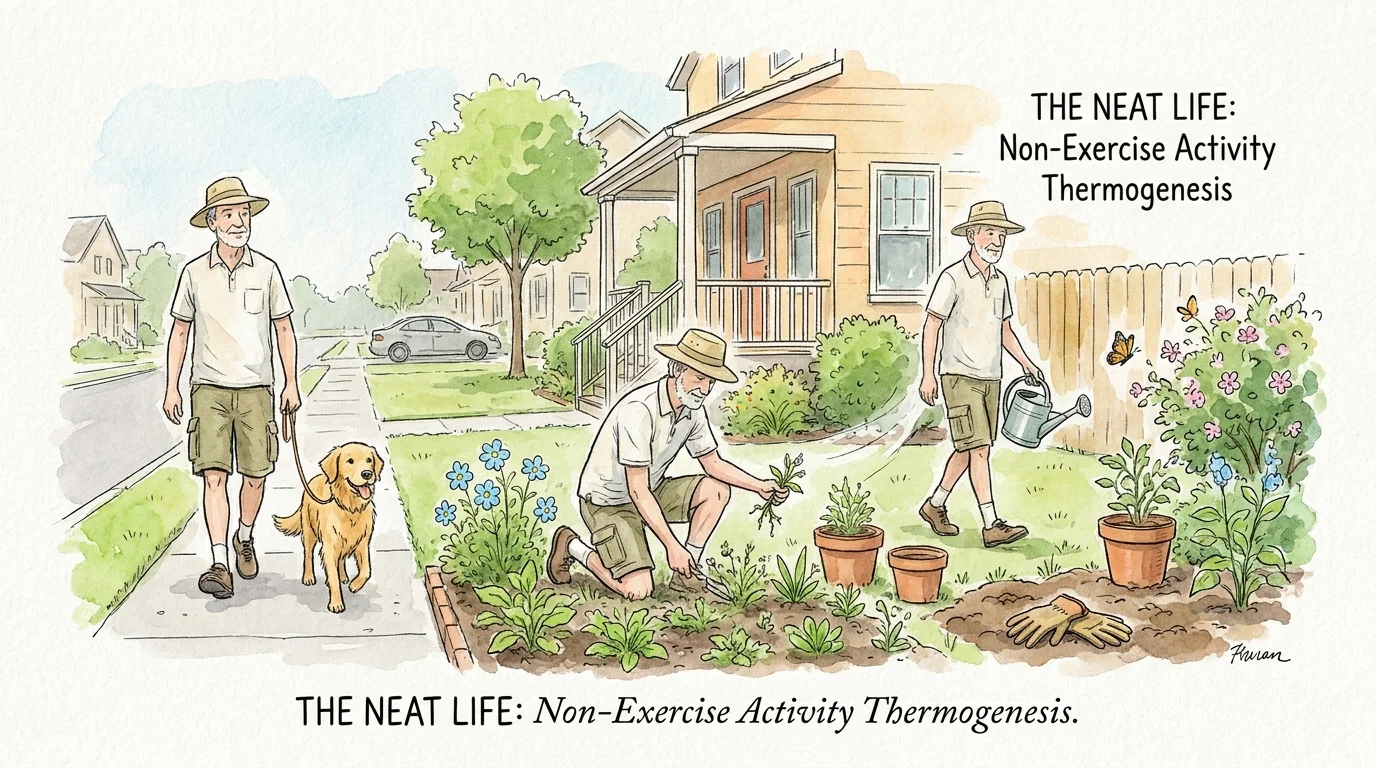
Many office workers attempt to offset eight hours of sitting in a desk chair with a frantic, thirty-minute session on a treadmill. While dedicated exercise is beneficial, a healthy retirement replaces the sedentary desk life with organic, purposeful movement spread throughout the entire day. Health experts refer to this as Non-Exercise Activity Thermogenesis—the energy expended for everything we do that does not involve sleeping, eating, or sports-like exercise.
You might spend an hour pulling weeds in the garden, walking the dog an extra mile through the neighborhood, or wandering through a sprawling home improvement store without rushing back to an office. This steady, low-impact activity keeps your joints supple, strengthens your stabilizing muscles, and burns a significant number of calories over the course of a week. Moving continuously throughout the day mimics the lifestyle habits of the world’s longest-living populations, promoting longevity and physical independence.

4. Your Social Calendar Reflects Genuine Connection
Workplace friendships often revolve entirely around geographic proximity and shared complaints about management. While these relationships serve a purpose, they frequently lack deep emotional resonance. Retirement filters out forced interactions and allows you to consciously curate a social circle based on genuine shared interests and mutual respect.
Whether you join a local walking club, volunteer at an animal shelter, or schedule weekly coffee dates with neighbors, meaningful social engagement actively defends against depression. According to the National Institute on Aging, maintaining strong social connections is strongly tied to lower risks of heart disease, high blood pressure, and cognitive decline. When you surround yourself with people who uplift and inspire you, your brain releases oxytocin and serotonin, naturally boosting your mood and fortifying your immune response.

5. You Are Cooking More and Relying Less on Convenience Foods
Relying on drive-thrus, workplace vending machines, and heavily processed microwave meals is a common survival tactic for exhausted workers. After commuting home at the end of a grueling day, chopping vegetables and standing over a hot stove often feels like an impossible hurdle. When you control your own time in retirement, you can prioritize nutritional quality over sheer convenience.
You finally have the bandwidth to browse local farmer’s markets, plan nutrient-dense meals, and cook from scratch. This shift naturally reduces your intake of hidden sodium, artificial preservatives, and refined sugars. As you incorporate more fresh vegetables, lean proteins, and whole grains into your diet, you will likely notice improved digestion, more stable blood sugar levels, and a welcome reduction in joint inflammation.
6. Mental Clarity and Focus Have Returned
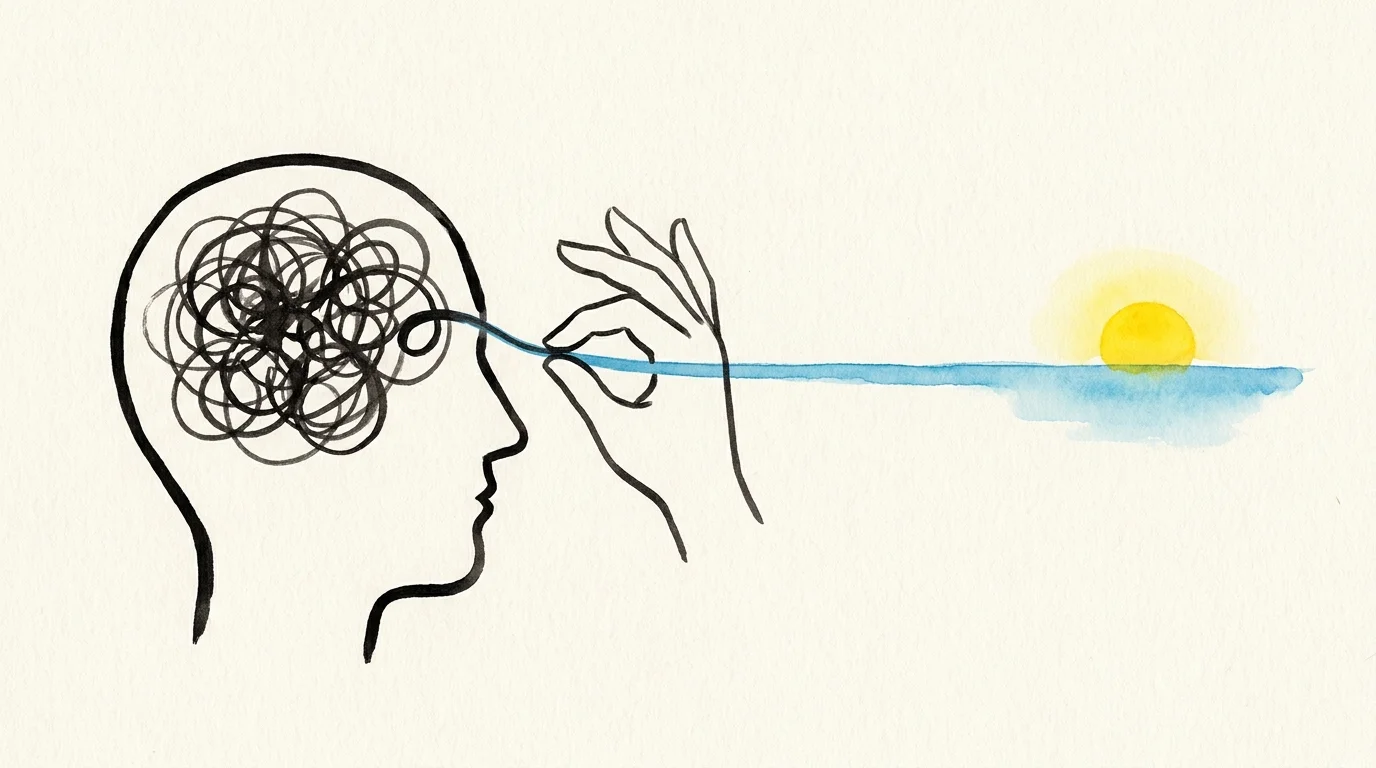
Forgetfulness during your working years often stemmed from sheer cognitive overload rather than true memory loss. Trying to juggle multiple projects, family obligations, and financial pressures splits your attention into fragmented pieces. Retirement removes this constant multitasking, allowing you to focus deeply on one single task at a time, bringing back a surprising level of mental sharpness.
“Don’t simply retire from something; have something to retire to.” — Harry Emerson Fosdick
You now have the uninterrupted mental bandwidth to learn a new language, read complex historical biographies, or master a challenging hobby like woodworking or watercolor painting. Engaging your brain in novel, complex ways stimulates neuroplasticity—the brain’s ability to form new neural connections. By pursuing hobbies that require focus and problem-solving, you actively protect your cognitive health and build cognitive reserve against age-related decline.
7. You Manage Stress Rather Than Absorbing It
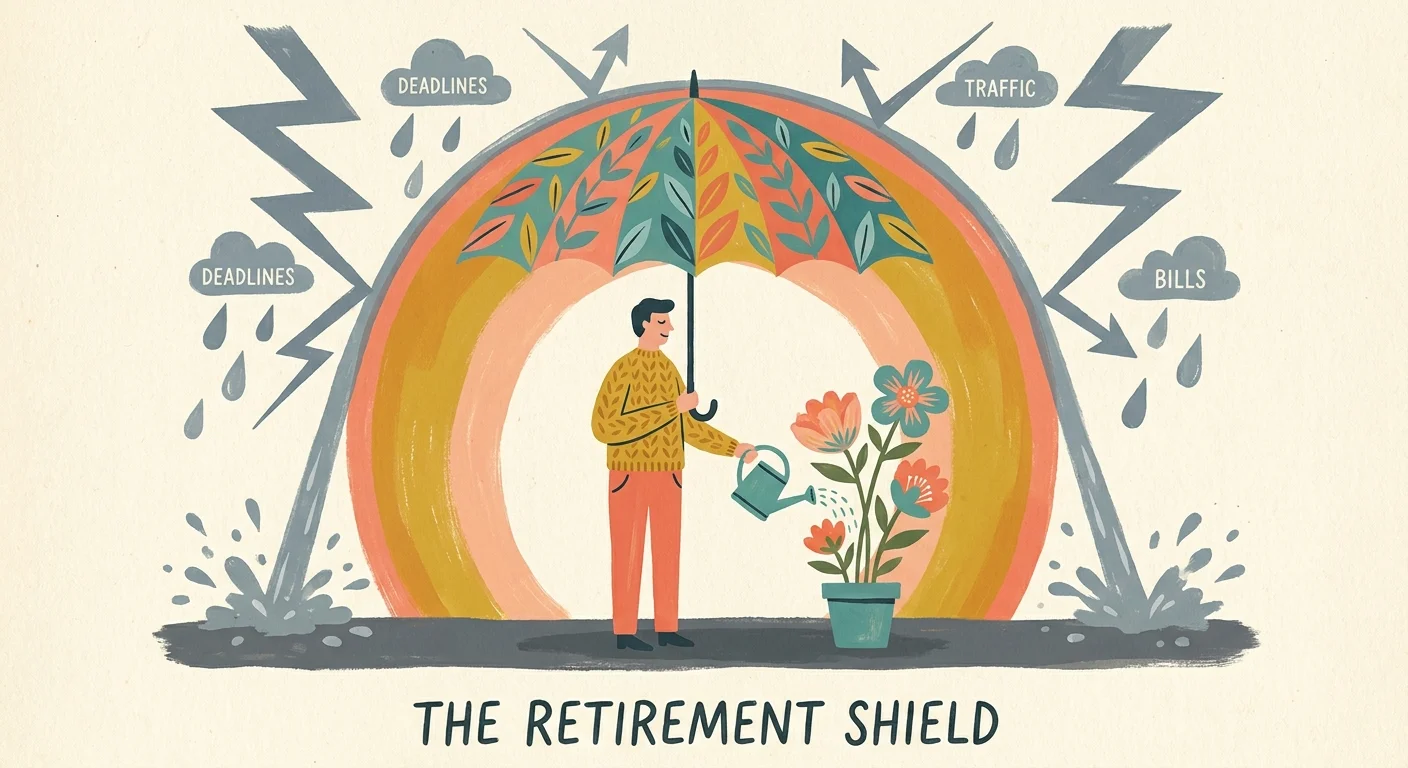
During your career, you likely absorbed stress because you had no other choice. You swallowed your frustration during unfair performance reviews, smiled through difficult client interactions, and internalized the anxiety of looming deadlines. Over time, that absorbed stress manifests physically as tension headaches, digestive issues, and muscle stiffness.
Retirement changes your relationship with stress entirely. You no longer carry the emotional weight of a corporation’s success on your shoulders. When minor stressors do arise—such as a delayed flight or a home repair issue—you possess the time and emotional bandwidth to process the situation calmly. Instead of bottling up anxiety, you can step outside for a breath of fresh air, go for a walk, or call a friend. This proactive emotional regulation prevents acute frustration from morphing into chronic, health-destroying stress.
8. Your Medical Checkups Show Measurable Progress
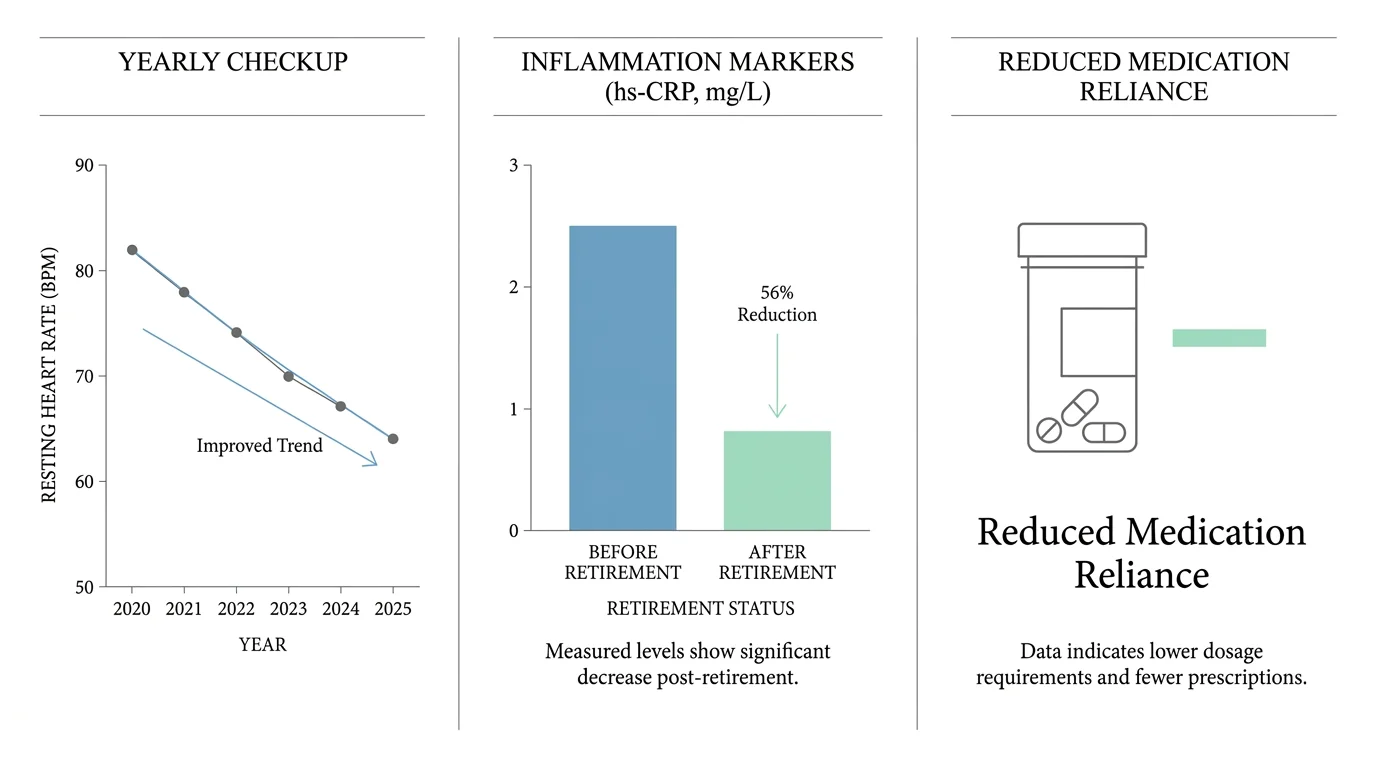
The proof of a healthy retirement lifestyle frequently appears in black and white on your annual lab report. When your daily habits change for the better, your internal biological markers inevitably follow suit. You might notice your fasting blood glucose stabilizing, your lipid profile improving, and your resting heart rate dropping into a healthier range.
To maximize these physiological benefits, stay proactive about your preventive healthcare. Utilize resources like Medicare.gov to fully understand your covered annual wellness visits, vaccinations, and crucial health screenings. Working with your physician to track your progress allows you to celebrate your victories. Keep track of these key metrics during your next checkup:
- Hemoglobin A1C: Monitors your average blood sugar levels and metabolic health over a three-month period.
- Comprehensive Lipid Panel: Tracks your HDL, LDL, and triglycerides to assess cardiovascular risk.
- Bone Density (DEXA) Scan: Evaluates your bone mass, which is especially important as you increase your physical activity.
- Blood Pressure Trends: Verifies that your relaxed lifestyle is translating into measurable vascular health.

9. You Actually Look Forward to Your Days
The infamous “Sunday Scaries”—that creeping feeling of dread that arrives on Sunday afternoon as the workweek looms—are officially a thing of the past. When you wake up on a Monday morning feeling genuinely excited about the day ahead, your psychological well-being is thriving. This profound sense of purpose and optimism acts as a powerful psychological shield against anxiety and clinical depression.
You no longer count down the days until the weekend or view your life as a series of obligations to endure. Instead, you treat each morning as a blank canvas to pursue your passions, spend time with loved ones, or simply enjoy a quiet cup of coffee on the porch. Cultivating this joyful anticipation lowers your resting heart rate and promotes a profound sense of inner peace that permeates every aspect of your physical health.

Costly Health and Lifestyle Mistakes to Avoid in Retirement
While retirement offers the perfect environment for health improvement, an unstructured lifestyle can occasionally lead to negative habits if you aren’t paying attention. The most common mistake new retirees make is confusing relaxation with total inactivity. Transitioning from a high-stress job to spending twelve hours a day sitting in front of a television rapidly accelerates muscle loss and cardiovascular decline. You must purposefully schedule physical activity to replace the incidental movement you used to get by commuting and navigating a large office building.
Another significant misstep is neglecting your preventive health benefits due to cost concerns or confusion about coverage. Skipping annual screenings can allow manageable conditions to develop into serious health crises. If you are struggling with the out-of-pocket costs of copays or prescription medications, do not simply stop taking your prescribed treatments. Instead, leverage trusted resources like the National Council on Aging to explore assistance programs that can help cover essential healthcare expenses.
Finally, avoid the trap of social isolation. Without the built-in social network of a workplace, it is incredibly easy to spend days without speaking to anyone outside your immediate household. Isolation is as damaging to your health as smoking, so treat your social calendar with the same level of importance as your medical appointments. Join community groups, reach out to old friends, and aggressively defend your social life.
Frequently Asked Questions About Health and the Retirement Lifestyle
Does physical health naturally improve or decline immediately after retirement?
The trajectory of your health depends entirely on how you fill your newly acquired free time. Individuals who use retirement to increase their daily movement, cook healthier meals, and prioritize sleep usually see a rapid improvement in their health markers. Conversely, those who adopt a highly sedentary lifestyle and isolate themselves socially often experience an accelerated decline.
How much daily exercise do I actually need to maintain my health in my 60s and 70s?
The general guideline for older adults is at least 150 minutes of moderate-intensity aerobic activity per week, coupled with muscle-strengthening activities on two or more days a week. However, you do not need to spend hours in a gym. Brisk walking, dancing, swimming, and heavy gardening all count toward this goal. The key is consistency and finding activities that you genuinely enjoy doing.
Will Medicare cover the cost of monitoring my health improvements?
Yes. Medicare Part B covers an Annual Wellness Visit, which is not a traditional head-to-toe physical, but rather a dedicated time to develop or update a personalized prevention plan with your doctor. This visit focuses heavily on health risk assessments, cognitive impairment screenings, and scheduling necessary preventive lab work. Utilizing this free benefit is one of the best ways to track your health progress.
How can I find a sense of purpose if my identity was closely tied to my career?
Transitioning your identity away from your professional title takes time. Begin by exploring interests you neglected during your working years. Consider volunteering for a cause you care about, mentoring younger professionals in your former industry, or dedicating time to community leadership through organizations like AARP. Purpose in retirement rarely appears overnight; it is cultivated through trial, error, and a willingness to try new things.
Take a moment today to evaluate your daily routine and identify one small change you can make to capitalize on your newfound freedom. Whether you decide to start a morning walking habit, sign up for a healthy cooking class, or finally schedule that long-overdue checkup with your primary care physician, proactive choices will ensure your retirement years are your healthiest years. Embrace this chapter as an opportunity to prioritize your physical and mental well-being over deadlines and endless meetings.
Retirement rules and benefit amounts vary based on individual work history, income, and circumstances. This article provides general guidance only. Consult a SHIP counselor, financial advisor, or elder law attorney for advice specific to your situation.
Last updated: May 2026. Medicare and Social Security rules change annually—always verify current details at official government sources.