The traditional dynamic of elders passing down wisdom to the younger generation has officially flipped. Today, grandchildren are actively teaching their grandparents vital skills that make modern retirement more connected, efficient, and engaging. Rather than just asking for help fixing a smartphone settings glitch, seniors are grasping entirely new ways of communicating and processing information from their tech-native family members. This reverse mentoring strengthens family life while keeping aging minds sharp and adaptable. From navigating digital landscapes to adopting flexible boundaries, the younger generation offers a masterclass in modern living. Engaging in this two-way learning exchange ensures you remain confident. Let us examine seven unexpected abilities older adults are acquiring from the younger branches of their family tree.
The Power of Reverse Mentoring in Retirement
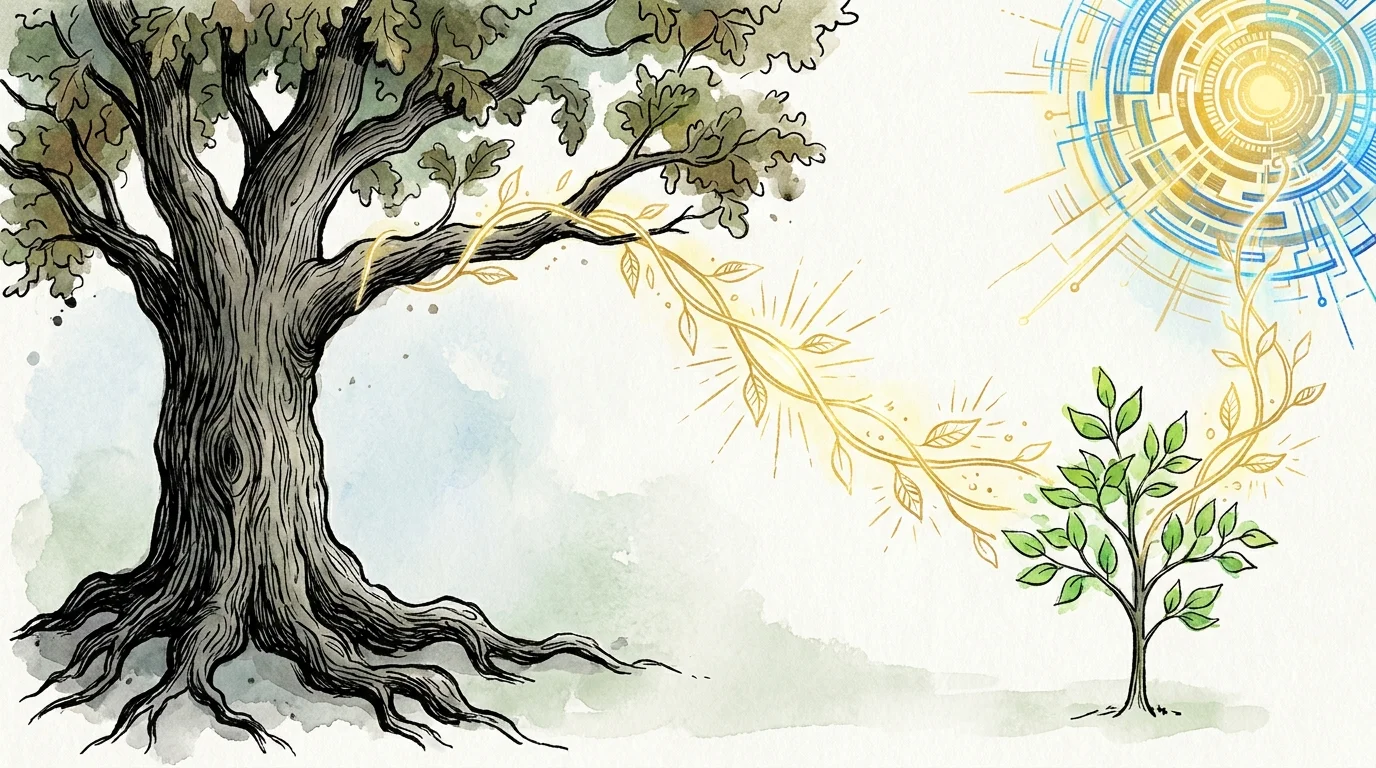
For generations, the flow of information moved strictly from old to young. You taught your children how to balance a checkbook, change a tire, and write a professional letter. They, in turn, passed those analog skills down to their children. However, the rapid acceleration of technology and shifting social norms have created a unique environment where the youngest family members possess crucial knowledge that older adults need to navigate daily life.
This phenomenon, known as reverse mentoring, represents a profound shift in family dynamics. Embracing this shift requires humility, but the payoff is immense. Learning new frameworks from your grandchildren does more than just keep your smartphone functioning; it actively builds cognitive resilience. According to resources provided by the National Institute on Aging, participating in complex, unfamiliar activities—like mastering a new social media platform or learning a digital interface—stimulates the brain and helps maintain memory and thinking skills as you age.
“Don’t simply retire from something; have something to retire to.” — Harry Emerson Fosdick
Fosdick’s wisdom applies directly to your mental landscape. Retiring from your career does not mean retiring from personal growth. Let your grandchildren provide the curriculum for your next chapter of learning.
Skill 1: Grasping Tech Logic Instead of Rote Memorization
If you learned to use a computer in the 1990s or early 2000s, you likely learned through memorization. You memorized a specific sequence of clicks: open the file menu, scroll down to the third option, click save, and close the window. When a software update changed the layout, panic naturally followed because the memorized steps no longer worked.
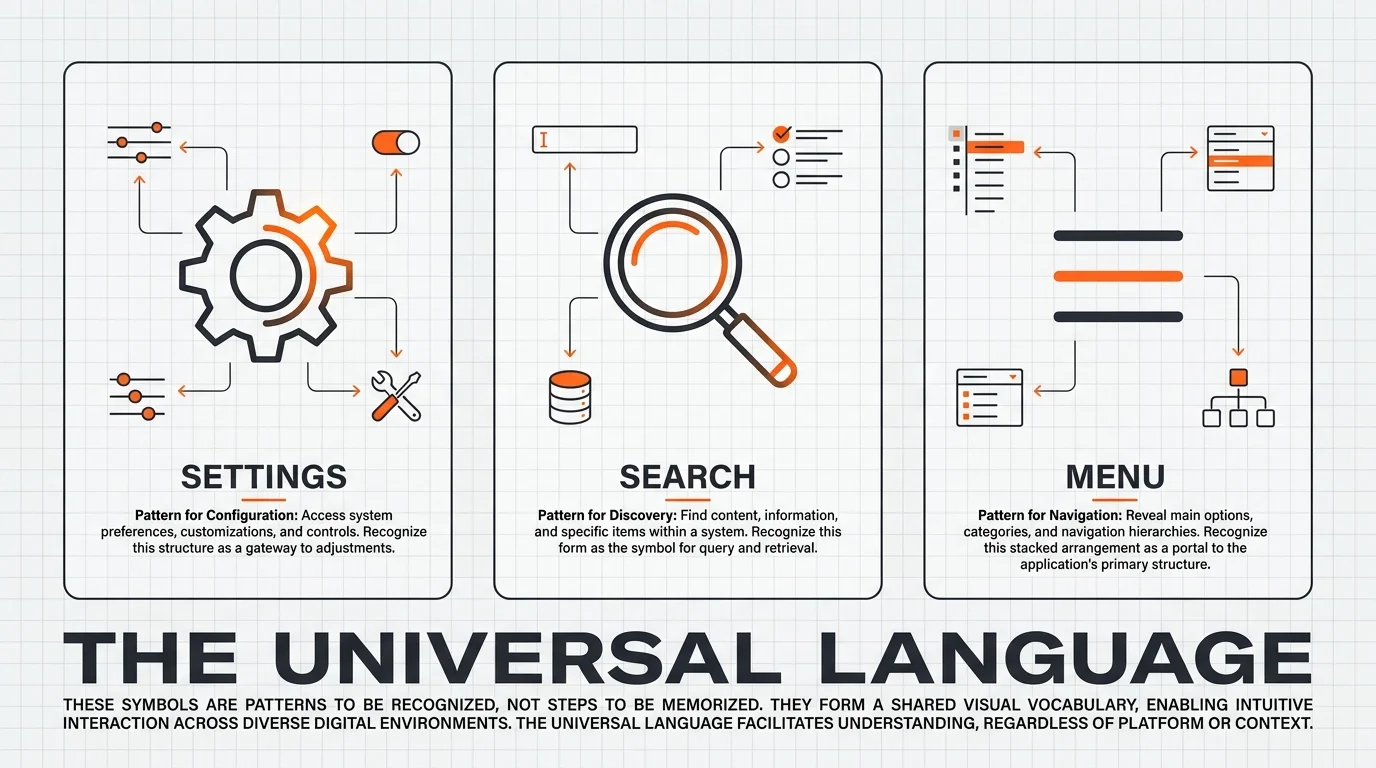
Grandchildren are teaching seniors a completely different approach: technology logic. Children raised on touchscreens do not memorize steps; they look for universal symbols and patterns. They teach their grandparents that a gear icon always means settings, a magnifying glass always means search, and three horizontal lines (the “hamburger” menu) will always reveal hidden options. By learning the language of digital design rather than memorizing rigid steps, you become adaptable. When your banking app updates its interface, you can navigate it with confidence because you understand the underlying logic.

Skill 2: Mastering Healthy Boundary-Setting
The Baby Boomer and older Gen X generations were largely raised with an “always on” mentality regarding duty, company loyalty, and family obligation. You might feel immense guilt saying no to a volunteer request at your church, or you might exhaust yourself hosting every single holiday gathering just because you always have.
Younger generations prioritize mental health and personal capacity in ways that older generations often find radical. Your grandchildren are likely highly adept at setting boundaries. They normalize phrases like, “I do not have the bandwidth for that right now,” or “I need a mental health day.” Seniors observing this behavior are unexpectedly learning to give themselves permission to rest. You are realizing that stepping back from exhausting commitments preserves your energy for the people and activities you truly cherish.
Skill 3: Digital Skepticism and Scam Detection
Retirees are prime targets for cybercriminals. Scammers use sophisticated tactics, including artificial intelligence voice cloning and alarming text messages about frozen bank accounts, to separate seniors from their retirement savings. Often, older adults fall victim because they were raised in an era where official-looking correspondence was generally trustworthy.
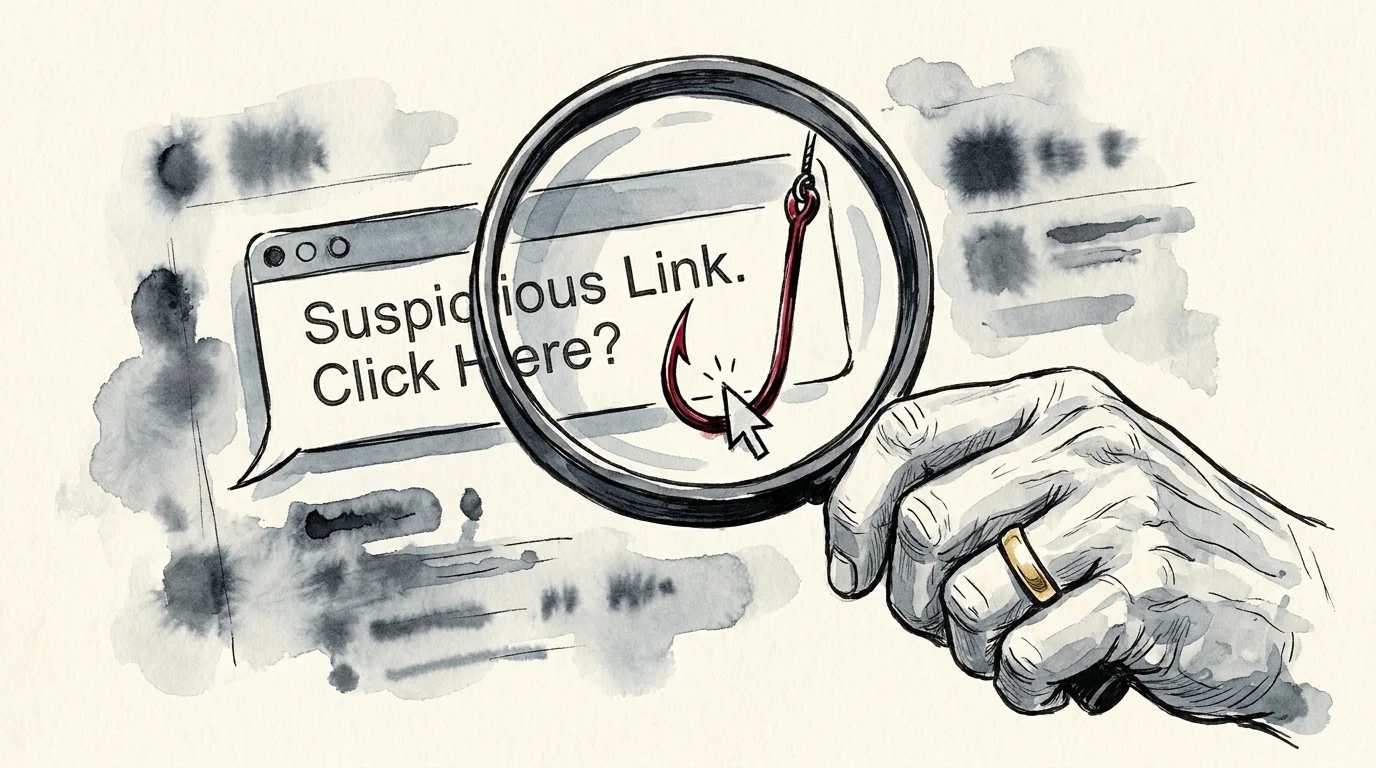
Grandchildren, having grown up in the digital wild west, possess an inherent skepticism of the internet. They instinctively assume a random text message from a delivery company is a phishing attempt. By observing how younger family members interact with unverified digital information, seniors are developing a crucial protective shield. You learn to pause, verify, and mock the obvious scams rather than clicking the link in a panic. For structured guidance on the latest fraud tactics, you can supplement your grandchild’s street smarts with resources from the AARP Fraud Watch Network.
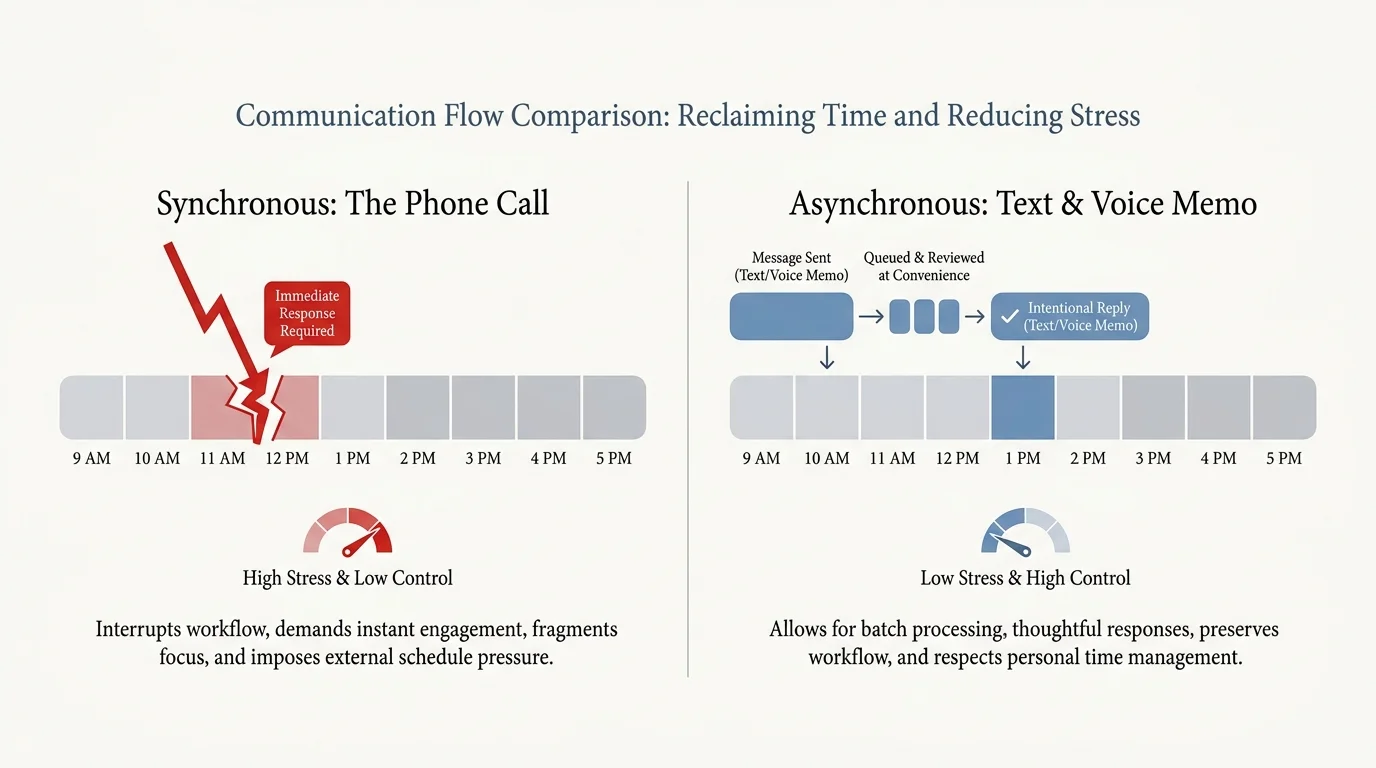
Skill 4: Embracing Asynchronous Communication
Historically, communication required both parties to be present simultaneously, whether sitting in the same room or talking on the telephone. If you wanted to share a thought with your grandson, you had to call him, potentially interrupting his workday or classes.
Today, grandchildren are showing seniors the beauty of asynchronous communication—methods where you leave a message and the recipient responds whenever it is convenient. This includes texting, sending voice memos, or sharing quick video clips. At first, older adults often find it rude when a phone call goes to voicemail, only to receive a text reply. However, once you master asynchronous methods, you discover a low-pressure way to stay continuously connected to your family without the scheduling hurdles of a traditional phone call.

Skill 5: Curating Information and Algorithmic Feeds
For most of your life, television networks and newspaper editors decided what content you consumed. You watched what was broadcasted at the time it was scheduled.
Younger generations understand how to curate their own media diets using algorithms. Grandchildren are showing seniors how to train platforms like YouTube, Pinterest, and social media to serve their specific interests. Instead of endlessly scrolling through irrelevant content, you learn to intentionally “like” videos about woodworking, European travel, or container gardening. Within days, your device transforms into a highly personalized educational tool that caters entirely to your retirement hobbies.

Skill 6: Expanding Emotional Vocabulary
The younger generation is equipped with a vast vocabulary for discussing emotions, relationships, and internal struggles. Words and concepts that were previously reserved for psychology textbooks—such as gaslighting, triggering, emotional labor, and validation—are now part of everyday conversation for teenagers and young adults.
By engaging in deep conversations with grandchildren, seniors are adopting this emotional vocabulary. This expanded language provides you with new tools to process your own life experiences, navigate the complex transition into retirement, and communicate more effectively with your spouse or adult children. It replaces the stoic silence of the past with healthy, articulate expression.
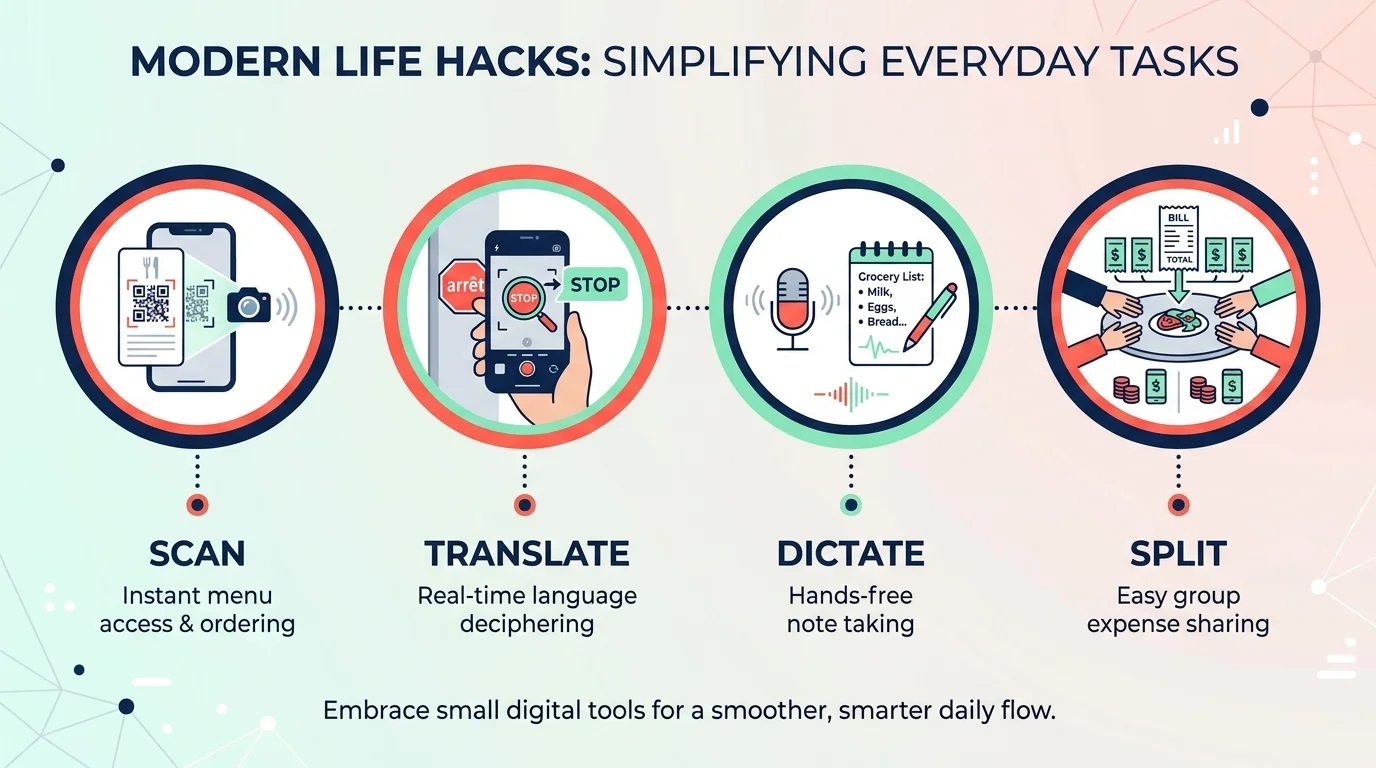
Skill 7: The Art of the App-Based “Life Hack”
Why stand in line at the pharmacy when an app can deliver your medication? Why struggle to find a parking spot at the grocery store when a service can drop your weekly provisions on your porch? Grandchildren excel at finding the most efficient, frictionless way to accomplish mundane tasks.
Seniors are adopting these app-based life hacks to preserve their time and physical energy. Learning to use rideshare apps, grocery delivery services, and home automation systems (like smart thermostats and video doorbells) allows you to age in place more comfortably. Your grandchildren serve as the ultimate IT support team, helping you set up these conveniences that ultimately foster your long-term independence.

Comparing Generational Learning Styles
Understanding how the younger generation approaches a problem can help you adapt their skills more easily. Here is a breakdown of the shift in learning mechanics.
| Action | Traditional Method (Boomer/Gen X) | Modern Method (Gen Z/Alpha) | The Benefit for Seniors |
|---|---|---|---|
| Troubleshooting Tech | Read the manual; call customer service. | Search YouTube for a quick tutorial video. | Instant visual guidance without waiting on hold. |
| Navigating New Software | Memorize a specific sequence of clicks. | Rely on visual icons (gears, magnifying glasses). | Adaptability when apps inevitably update their layouts. |
| Consuming News | Watch scheduled evening broadcasts. | Curate feeds; follow specific independent creators. | Access to niche, highly specific interests on demand. |
| Setting Plans | Rigid commitments made weeks in advance. | Flexible coordination via group text chats. | Less pressure and easier ability to modify plans. |

Common Retirement Traps When Learning From Family
While reverse mentoring is incredibly valuable, mixing family dynamics with education can sometimes lead to friction. Be aware of these common traps when your grandchildren become your teachers:
- Surrendering Control: The most common mistake is handing your phone or tablet to your grandchild and saying, “Just do it for me.” When they fix the problem without you seeing the process, you learn nothing. Insist on holding the device and executing the steps yourself while they guide you verbally.
- Assuming Complete Expertise: Your teenage grandson might be a wizard at editing videos, but that does not mean he understands digital privacy laws or secure password management. Do not rely on younger family members for sensitive cybersecurity setups.
- Taking Frustration Personally: Teenagers and young adults process digital information at lightning speed. If they sigh or seem impatient when you ask them to repeat a step, do not take it as a personal insult. Remind them gently that you are learning a completely new language.
- Over-dependence: Avoid calling your grandchild for every minor digital hiccup. Try to solve the problem using the logic they taught you before reaching out for help.
When to Consult a Professional
While your grandchildren are excellent guides for modern culture, social media, and smartphone shortcuts, you must draw a hard line when it comes to the structural pillars of your retirement. Never use family members as substitutes for credentialed professionals regarding your finances or healthcare.
When it is time to choose a Medicare Part D plan, claim Social Security, or structure your IRA withdrawals, seek expert counsel. A teenager cannot help you navigate the nuances of Medicare enrollment penalties. For financial and consumer protection guidance, rely on resources like the Consumer Financial Protection Bureau (CFPB) — Retirement division. For unbiased Medicare assistance, schedule an appointment with a local State Health Insurance Assistance Program (SHIP) counselor. Keep the grandkids focused on the fun, lifestyle-enhancing technologies.
“The best time to plan for retirement was 20 years ago. The second best time is today.”
Frequently Asked Questions
How can I ask my grandchildren for tech help without feeling burdensome?
Frame the request as an exchange rather than a chore. Offer to take them to lunch or pay them a small “tutor fee” in exchange for an hour of their focused time. Come prepared with a specific list of questions rather than vague complaints about your device.
Is it safe to let my grandchild manage my digital passwords?
Generally, no. While your grandchild means well, you should maintain total control over your financial and personal security. Instead of having them memorize your passwords, ask them to teach you how to use a secure, reputable password manager app.
What if I simply cannot grasp the technology my family uses?
Do not force it. Focus on the one or two applications your family uses most frequently to share photos and communicate (like a specific group texting app or FaceTime). You do not need to master every social media platform to stay meaningfully connected.
Taking Action on Your New Skills
Bridging the generational gap is not about trying to act younger; it is about utilizing the best available tools to make your retirement years as rich and frictionless as possible. The next time you encounter a technological hurdle or feel overwhelmed by an obligation, think about how your grandchildren would handle the situation. Send a text, search for a quick video tutorial, or simply allow yourself the grace to say no to a draining commitment. Reach out to a younger family member this week and ask them to show you one new trick on your phone—you will gain both a new skill and a meaningful moment of connection.
Retirement rules and benefit amounts vary based on individual work history, income, and circumstances. This article provides general guidance only. Consult a SHIP counselor, financial advisor, or elder law attorney for advice specific to your situation.
Last updated: February 2026. Medicare and Social Security rules change annually—always verify current details at official government sources.