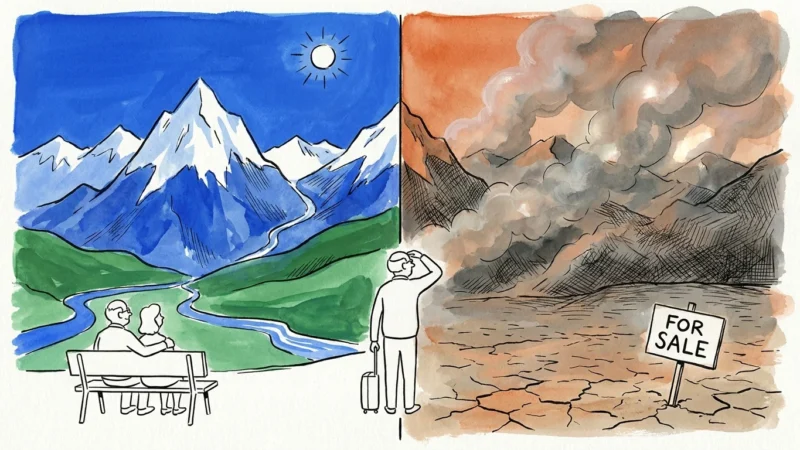
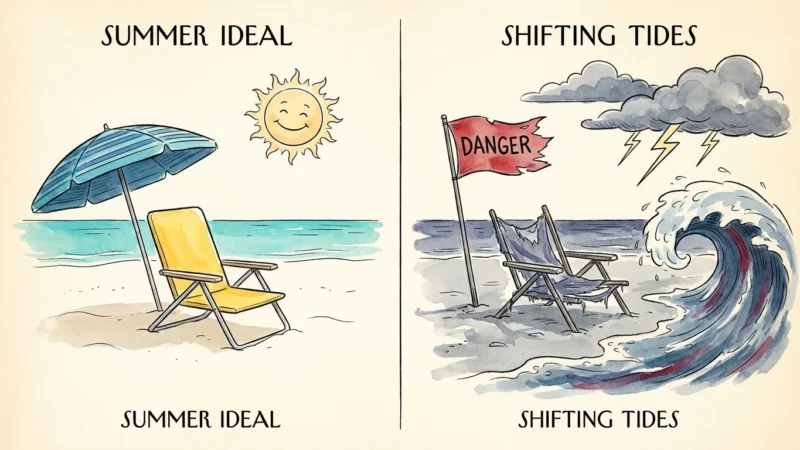
Stepping out of the workforce after four decades often brings a sudden, disorienting quiet that challenges everything you believed about your golden years. You spent years meticulously funding your 401(k) and dreaming of endless free time, only to wake up on a Tuesday morning feeling completely adrift. This massive lifestyle shift frequently triggers a complex mix of retirement emotions that catch even the most prepared older Americans completely off guard. When the initial vacation phase inevitably fades, you must confront the profound life changes required to build a meaningful new identity without a job title. Recognizing the subtle indicators that your expectations clash with your daily reality is the crucial first step toward designing a deeply fulfilling next chapter.
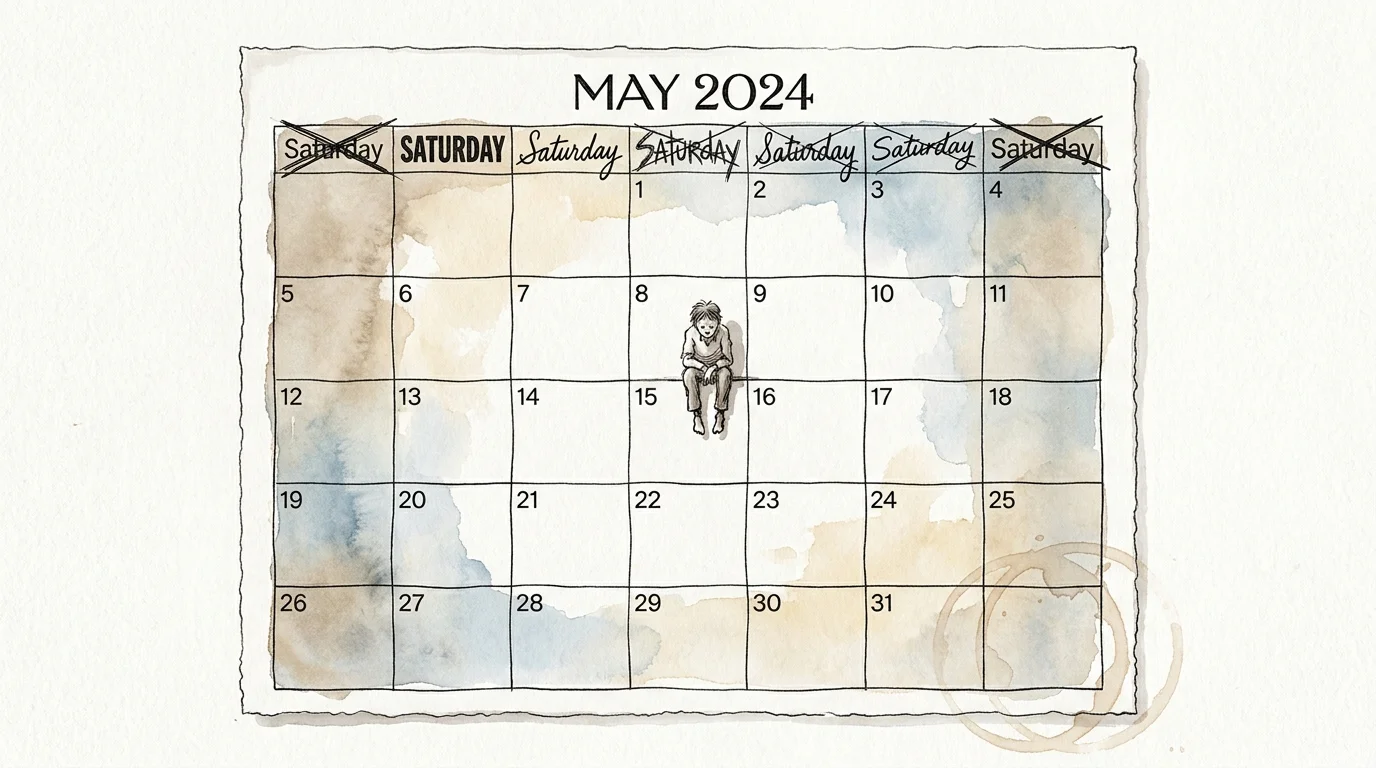
1. The “Everyday is Saturday” Novelty Has Completely Worn Off
During your working years, weekends served as a vital sanctuary for rest and recreation; they held value precisely because they provided relief from the demands of your career. When you initially leave the workforce, the first few months often feel like an extended, glorious vacation where you can sleep in, read the paper for hours, and ignore the clock entirely. However, living a permanent vacation eventually loses its luster—and for many active retirees, the lack of pressure actually transforms into a sense of deep boredom.
You might find yourself restless, pacing the house, or constantly checking the news because the sheer volume of unstructured time feels overwhelming rather than liberating. Recalibrating your expectations means accepting that a fulfilling retirement requires a deliberate routine. Successful older adults treat their freedom not as an excuse to do nothing, but as an opportunity to curate their days with intention, blending leisure with productive, engaging activities that provide a reason to get out of bed every morning.

2. Your Professional Identity Left a Massive Void
When you attend a social gathering, one of the first questions people ask is, “What do you do?” For decades, you likely answered with your profession—you were a teacher, an engineer, a sales director, or a nurse. Shedding that professional label forces a profound confrontation with your core identity. Many retirees discover that without their career, they feel invisible or entirely unsure of how to introduce themselves to new acquaintances.
This loss of identity frequently masquerades as mild depression or aimlessness during the first year of your post-career life. Moving past this hurdle requires you to consciously untangle your personal worth from your economic output.
“Don’t simply retire from something; have something to retire to.” — Harry Emerson Fosdick
Heeding this principle involves exploring new passions, volunteering, or diving into hobbies that allow you to redefine yourself based on your interests and values rather than your past job description.
3. Spending Your Savings Triggers Deep Financial Anxiety
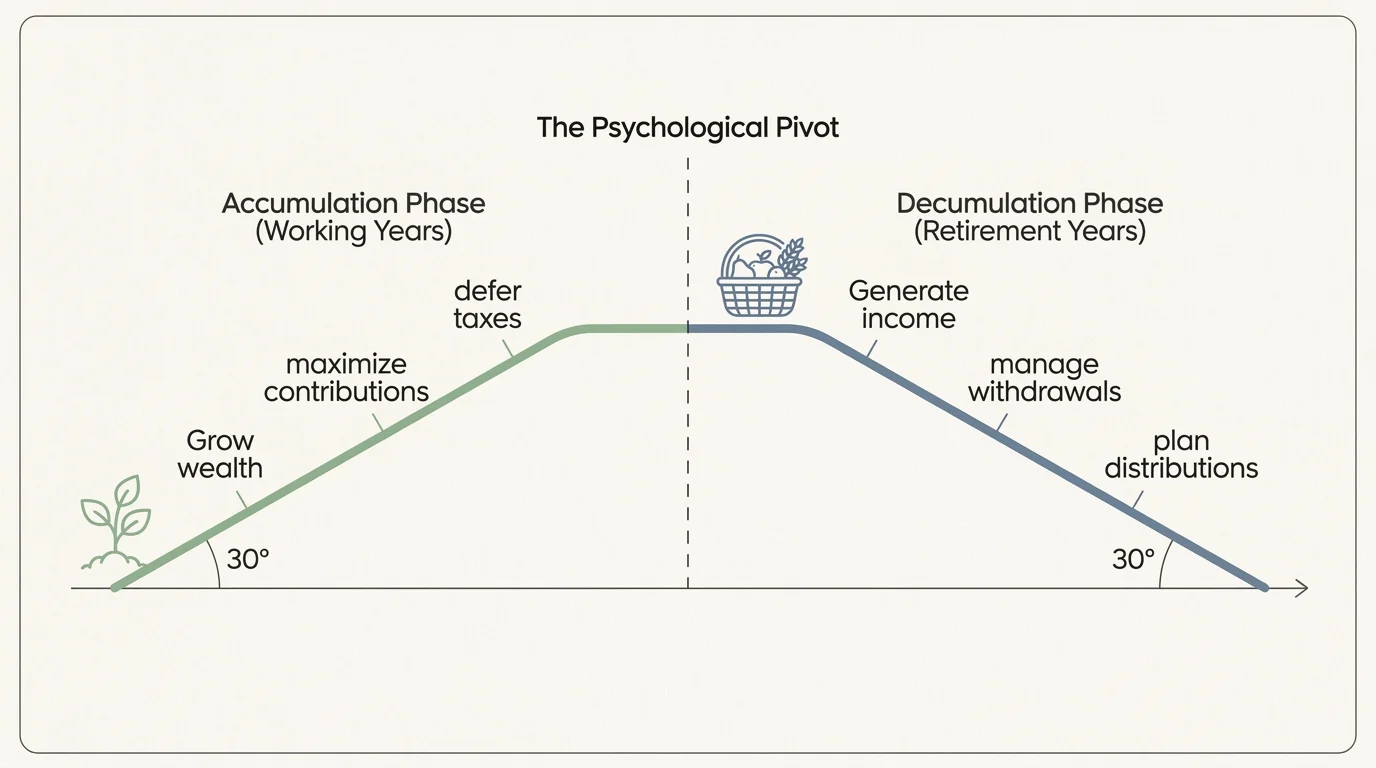
You spent thirty or forty years aggressively saving, investing, and watching your nest egg grow. You conditioned yourself to view withdrawals as a failure of financial discipline. Now, the math dictates that you must flip the switch and actually spend the money you accumulated—a psychological pivot that causes immense stress for countless individuals.
Even if your financial planner confirms you have more than enough money to last your lifetime, pulling funds from your portfolio can feel deeply unnatural. This friction between your old saving habits and your new spending reality is a classic hallmark of the transition into the decumulation phase.
| Financial Concept | Accumulation Phase (Working Years) | Decumulation Phase (Retirement Years) |
|---|---|---|
| Primary Goal | Grow wealth, maximize contributions, and defer taxes. | Generate reliable income and preserve capital against inflation. |
| Market Volatility | Viewed as an opportunity to buy assets at a discount. | Viewed as a significant risk to portfolio longevity (Sequence of Returns Risk). |
| Mindset | Save aggressively; delayed gratification is paramount. | Spend responsibly; grant yourself permission to enjoy your hard work. |
| Success Metric | Hitting a specific portfolio balance or net worth target. | Funding your desired lifestyle without outliving your resources. |
To ease this transition, consider implementing a “paycheck” system where your investments automatically deposit a set amount into your checking account every month; this mimics your old salary and helps normalize the act of spending.

4. You and Your Spouse Are Navigating the “Too Much Togetherness” Phase
If you and your partner both retire around the same time, your daily relationship dynamics will undergo a massive stress test. The old joke that retirement means “half the income and twice the husband” contains a kernel of truth; sharing the same physical space 24 hours a day requires significant adjustments. Quirks you previously ignored can suddenly become daily irritations when you no longer have separate work environments providing natural breathing room.
You might discover that you have radically different visions for this chapter. Perhaps you envisioned traveling the country in an RV, while your spouse intends to spend their days gardening and renovating the house. Resolving these conflicting lifestyle desires demands open, sometimes uncomfortable communication. Establishing boundaries—such as designated “solo time” or separate hobby spaces—allows your relationship to thrive under the weight of constant proximity.
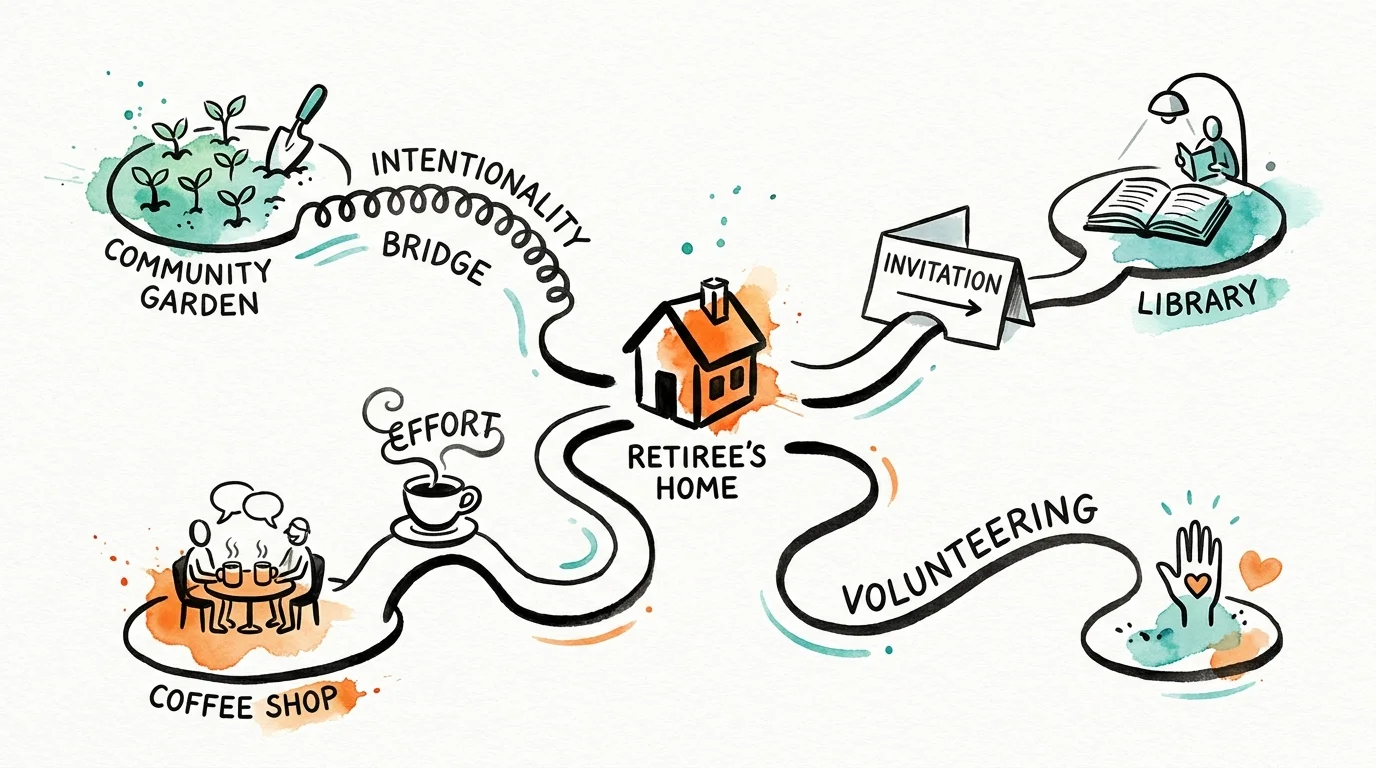
5. Social Connections Require Intentional Effort
Workplaces function as built-in social networks. You shared coffee breaks, celebrated birthdays, and navigated daily challenges with colleagues, creating a web of casual but vital human connections. Once you retire, that network instantly vanishes, leaving a quiet void that you must actively work to fill.
You might be surprised by how quickly former colleagues drop out of your daily life; they are still caught up in the busy current of the working world, while you are standing on the shore. According to the National Institute on Aging, social isolation poses significant risks to the physical and cognitive health of older adults. You must take the initiative to rebuild your community. Joining local clubs, finding group fitness classes, or engaging in community theater requires vulnerability, but it effectively replaces the watercooler camaraderie you left behind.

6. A Lack of Structure Leaves You Feeling Unproductive
Throughout your life, external forces dictated your schedule. School bells, college classes, and workplace meetings provided a rigid scaffolding that organized your days, weeks, and years. When those external mandates disappear, the complete lack of structure can trigger a sense of profound unproductiveness. You might reach the end of a Tuesday and wonder where the hours went, feeling guilty that you accomplished nothing of substance.
This guilt stems from a deeply ingrained societal narrative that equates busyness with worth. To combat this, you must learn to become the architect of your own time. Create a flexible weekly template that includes specific blocks for physical health, household management, social interaction, and mental stimulation. You do not need to schedule every minute, but establishing anchor points throughout your week prevents the days from blurring together into one long, formless stretch of time.
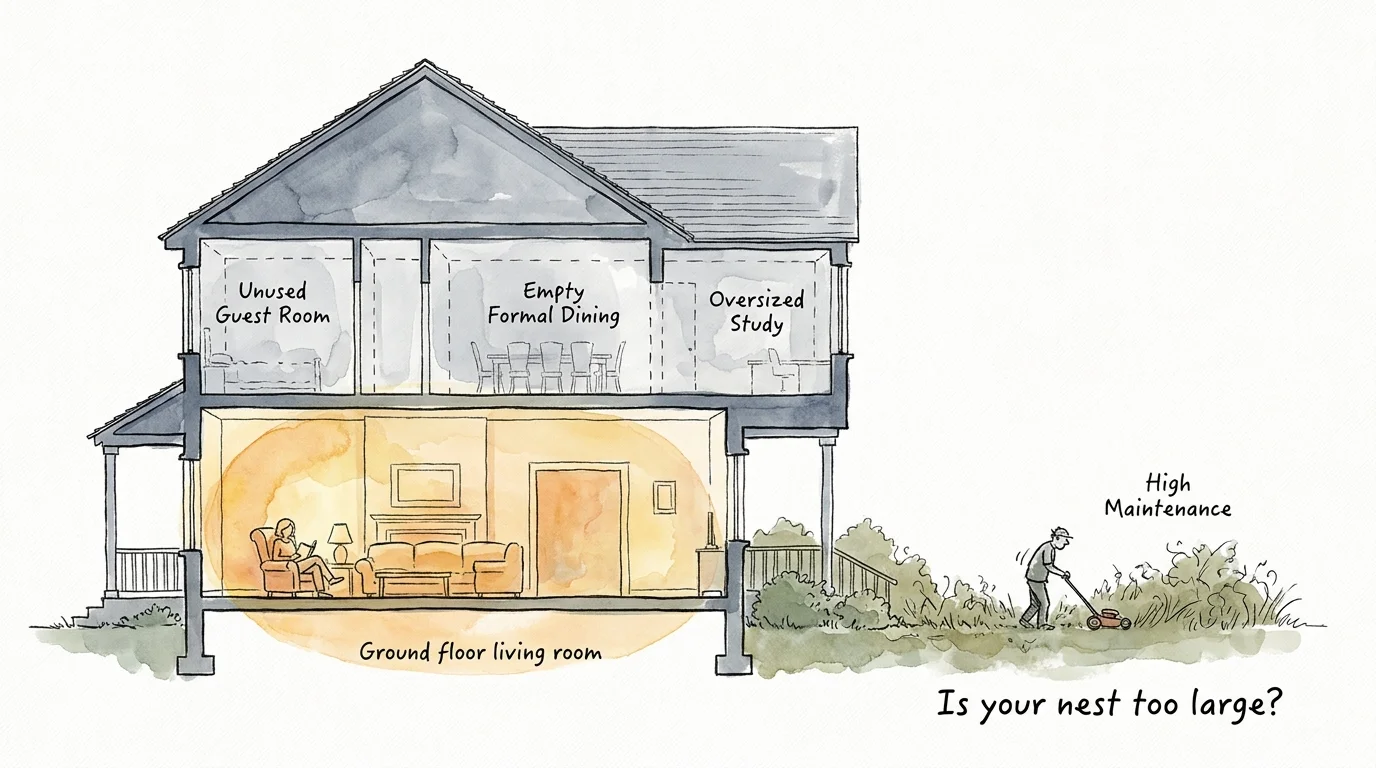
7. Your Physical Environment No Longer Fits Your Needs
The four-bedroom suburban home that perfectly served your family during the child-rearing years often begins to feel like a burden once you stop working. You might realize that maintaining a large yard, cleaning empty guest rooms, and paying high property taxes actively detracts from the freedom you expected to enjoy. The realization that your long-time home no longer aligns with your current reality frequently sparks difficult conversations about your physical environment.
Downsizing, relocating to a more walkable community, or moving closer to adult children are major life changes that require careful logistical and emotional planning. If you are struggling with maintaining your current residence or exploring independent living communities, the Eldercare Locator provides exceptional, localized resources to help you evaluate housing options that support your independence and long-term comfort.

8. You Feel the Urge to Go Back to Work
Perhaps the most surprising sign that retirement differs from your expectations is the genuine desire to return to the workforce. This phenomenon, often called “unretirement,” occurs when individuals realize they miss the intellectual challenge, the problem-solving, and the sense of contribution that their career provided. You might find yourself browsing job boards or considering consulting roles simply because you want to feel useful again.
There is absolutely no shame in realizing that full-time leisure does not suit your personality. Millions of older Americans choose to pursue part-time work, start small businesses, or take on freelance projects strictly on their own terms. Organizations like AARP offer extensive resources for navigating the modern job market as an older adult, helping you find roles that offer maximum flexibility and fulfillment without the grueling hours of your previous career.
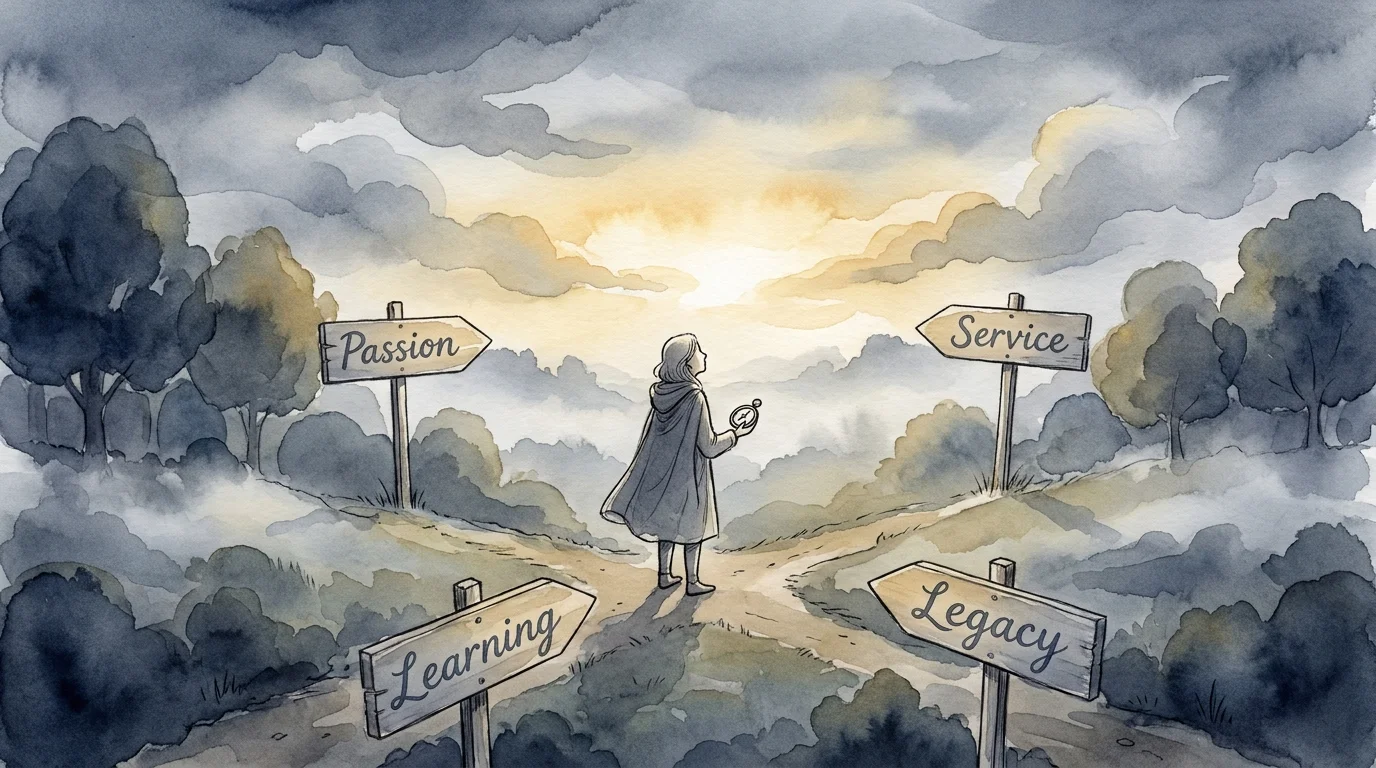
9. Finding True Purpose Requires Deeper Soul-Searching
Before retirement, your purpose was clear: raise your children, advance your career, and save for the future. Once you accomplish those monumental tasks, the horizon suddenly looks very different. You might find yourself staring out the window, quietly asking, “Is this it?”
Expecting retirement to automatically provide a sense of sustained joy is a recipe for disappointment. True fulfillment in this stage of life demands deep, continuous soul-searching. You must ask yourself what legacy you want to leave, what causes matter to you, and how you can apply your decades of accumulated wisdom to serve others. Finding your footing takes time—often years—but embracing this period of self-discovery ultimately allows you to design a deeply rich and purposeful third act.
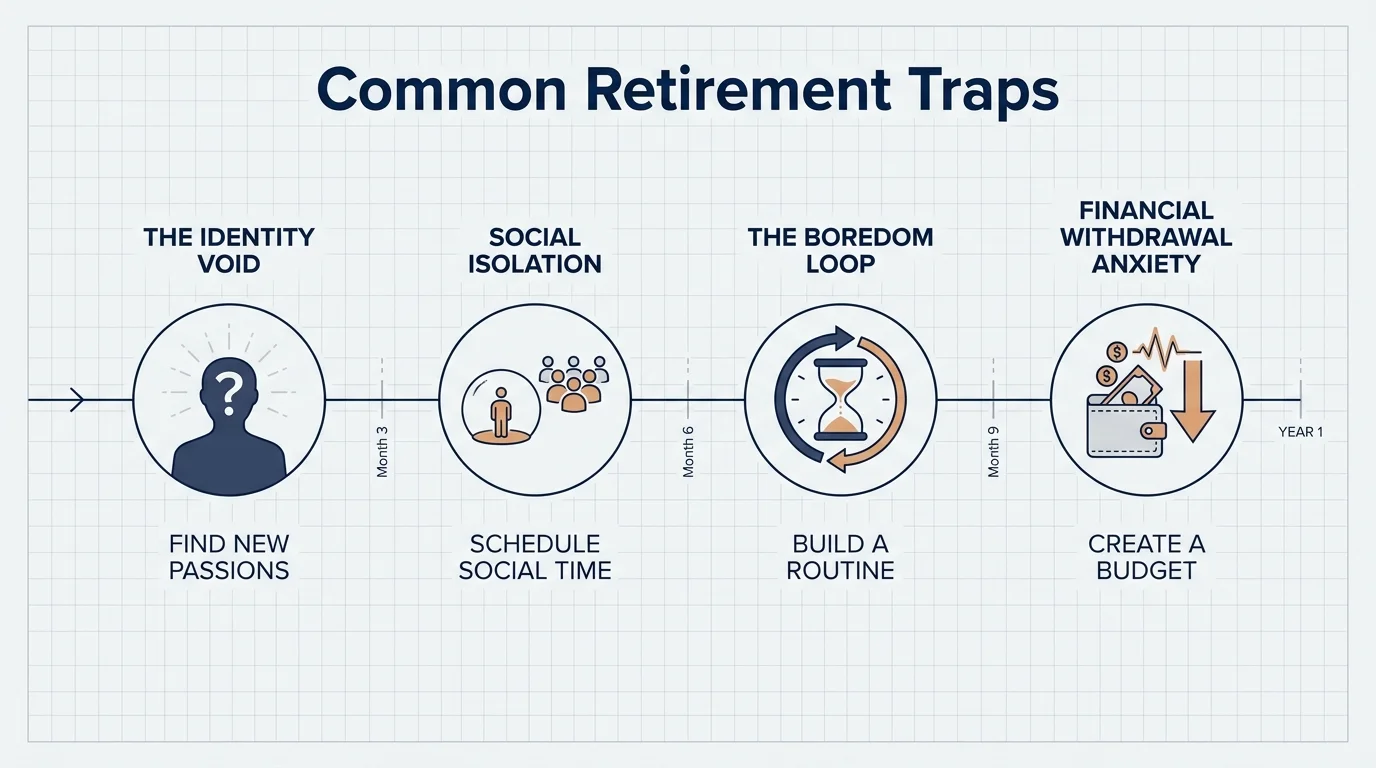
Common Retirement Traps
Navigating the transition out of the workforce involves sidestepping several predictable pitfalls that can derail your financial security and emotional well-being.
- Making Massive Decisions Immediately: Selling your home, moving to a new state, or buying an expensive boat during your first six months of retirement often leads to profound regret. Give yourself at least a year to acclimate to your new reality before making irreversible lifestyle changes.
- Claiming Social Security Out of Boredom: Many individuals file for their Social Security benefits at age 62 simply because they stopped working, locking in a permanently reduced monthly payout. Always base your claiming strategy on your long-term life expectancy and financial plan, utilizing tools at the official Social Security Administration website rather than acting on an emotional impulse.
- Neglecting Physical Health: Without the requirement to leave the house for work, it becomes startlingly easy to adopt a sedentary lifestyle. Failing to prioritize daily movement rapidly accelerates physical decline, limiting your ability to enjoy the travel and activities you planned for your later years.
- Ignoring the Need for Long-Term Care Planning: Assuming you will never need assistance is a dangerous form of denial. Failing to establish legal directives, designate powers of attorney, or plan for potential care costs places an unfair emotional and financial burden on your adult children.

When to Consult a Professional
You do not have to navigate the complexities of aging, benefits, and financial decumulation entirely on your own. Reaching out to qualified experts provides clarity and peace of mind when your circumstances feel overwhelming.
Consider speaking with a fee-only fiduciary financial advisor to build a sustainable withdrawal strategy that addresses your specific tax situation and inflation concerns. If you are struggling with the emotional weight of leaving your career, engaging a licensed therapist who specializes in life transitions can prove incredibly beneficial; they offer proven strategies for managing anxiety and identity loss.
Furthermore, navigating your healthcare options requires precision. If you are approaching age 65 or experiencing confusion regarding your coverage, connect with your local State Health Insurance Assistance Program (SHIP) counselor. These federally funded professionals provide free, unbiased guidance to help you decipher complex healthcare options and ensure you avoid costly enrollment penalties.
Frequently Asked Questions
Why do I feel a sense of grief after leaving my job?
Experiencing grief is a completely normal reaction to leaving your career. You are not just losing a paycheck; you are mourning the loss of a predictable routine, daily social interactions, and a professional identity that defined you for decades. Acknowledging this loss as a form of bereavement helps you process the emotion and gradually shift your focus toward building your new lifestyle.
How long does the transition into retirement usually take?
Psychologists and transition experts generally suggest that it takes between one and three years to fully adjust to post-career life. The process is not linear; you will likely cycle through a honeymoon phase, a period of disenchantment or boredom, and a phase of reorientation before finally arriving at a stable, fulfilling routine.
Is it normal to argue more with my spouse after we stop working?
Yes, an increase in marital friction is incredibly common. You are both adjusting to a massive change in your daily environment, losing your individual spaces, and merging your daytime routines. Openly discussing your expectations, setting boundaries for personal time, and actively listening to each other’s concerns are critical steps for restoring domestic harmony.
Should I feel guilty if I want to get a part-time job?
Absolutely not. Many active older adults pursue part-time employment, consulting, or gig work because they genuinely enjoy the mental stimulation and social interaction. If working brings you satisfaction and purpose, embrace it as a vital component of your customized retirement plan.
Your Next Steps
If you find yourself nodding along to these signs, recognize that your feelings are a completely natural response to one of life’s most significant transitions. Do not panic if your daily reality currently falls short of the glossy brochures. Instead, take immediate action to structure your week: pick one new social activity to try, schedule a dedicated block of time for physical exercise, and initiate an honest conversation with your spouse about your shared lifestyle goals. By actively engaging with your transition, you lay the foundation for a vibrant, deeply satisfying next chapter.
This article is for informational purposes only and does not constitute financial, legal, or medical advice. Medicare rules, Social Security benefits, and tax laws change regularly—verify current details at Medicare.gov, SSA.gov, or with a licensed professional.
Last updated: May 2026. Medicare and Social Security rules change annually—always verify current details at official government sources.