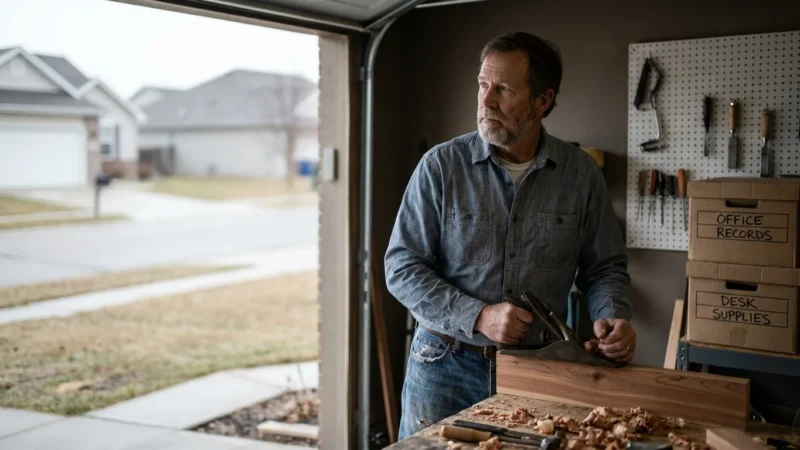
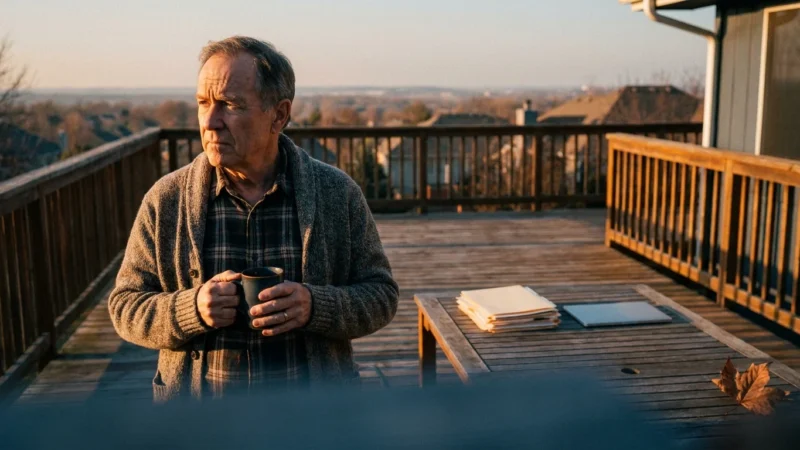
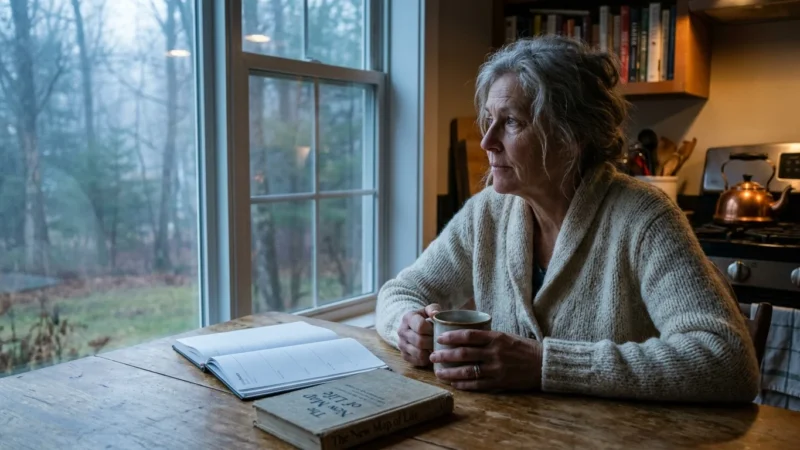
Finding the perfect retirement home often feels like choosing between an isolated rural cabin and a sprawling resort town packed with thousands of residents. If the idea of navigating massive dining halls, crowded golf courses, and endless event calendars exhausts you, a smaller retirement community offers a highly appealing alternative. These intimate neighborhoods prioritize genuine connections, quiet spaces, and personalized amenities over sheer volume. Moving to a more compact senior living environment means swapping overwhelming choices for curated, meaningful daily experiences. Whether you want closer relationships with your neighbors, more accessible leadership, or simply a slower pace of life, downsizing your community size might be the exact transition you need.

1. You Prefer Deep Friendships Over Expanding Your Social Network
Large retirement complexes often operate like small cities, hosting hundreds of clubs and constant mixer events. While extroverts might love the daily influx of new faces, this environment can leave others feeling surprisingly lonely in a crowd. If you value knowing your neighbors deeply rather than just waving to acquaintances on a golf cart path, a smaller community is your ideal setting.
Intimate senior living spaces naturally foster tight-knit relationships. When you see the same familiar faces at the mailboxes, in the community garden, or during a neighborhood walking group, conversations move past small talk. You build a reliable support system of friends who notice if you miss a morning walk and who genuinely care about your well-being. Quality over quantity becomes the defining feature of your social calendar.

2. Large Crowds and High Noise Levels Drain Your Energy
Massive communities often come with constant activity—maintenance crews landscaping vast grounds, continuous traffic from visitors, and bustling central hubs that mirror a busy shopping mall. If sensory overload exhausts you, downsizing your living environment provides a much-needed sanctuary.
“Don’t simply retire from something; have something to retire to.” — Harry Emerson Fosdick
Retiring to a space that prioritizes peace allows you to recharge. Smaller communities usually feature less vehicular traffic, quieter shared spaces, and a more predictable daily rhythm. You can enjoy your morning coffee on the patio without the hum of massive commercial lawnmowers or the chatter of large tour groups exploring the property. The focus shifts entirely toward tranquility and personal comfort.

3. You Want a Voice in Community Decisions
In a mega-community with thousands of doors, the Homeowners Association (HOA) or corporate management team often operates like a bureaucracy. Trying to suggest a new community initiative or address a maintenance concern can involve layers of red tape and weeks of waiting. Your individual voice gets diluted by the sheer volume of residents.
Smaller retirement communities offer highly accessible governance. You are much more likely to know the board members personally—or even serve on the board yourself. Management teams in intimate settings actively seek resident feedback because implementing changes is physically and financially more manageable. When you request a new piece of fitness equipment or suggest a change to the landscaping schedule, you are heard.
4. Massive Resort-Style Amenities Go Unused by You
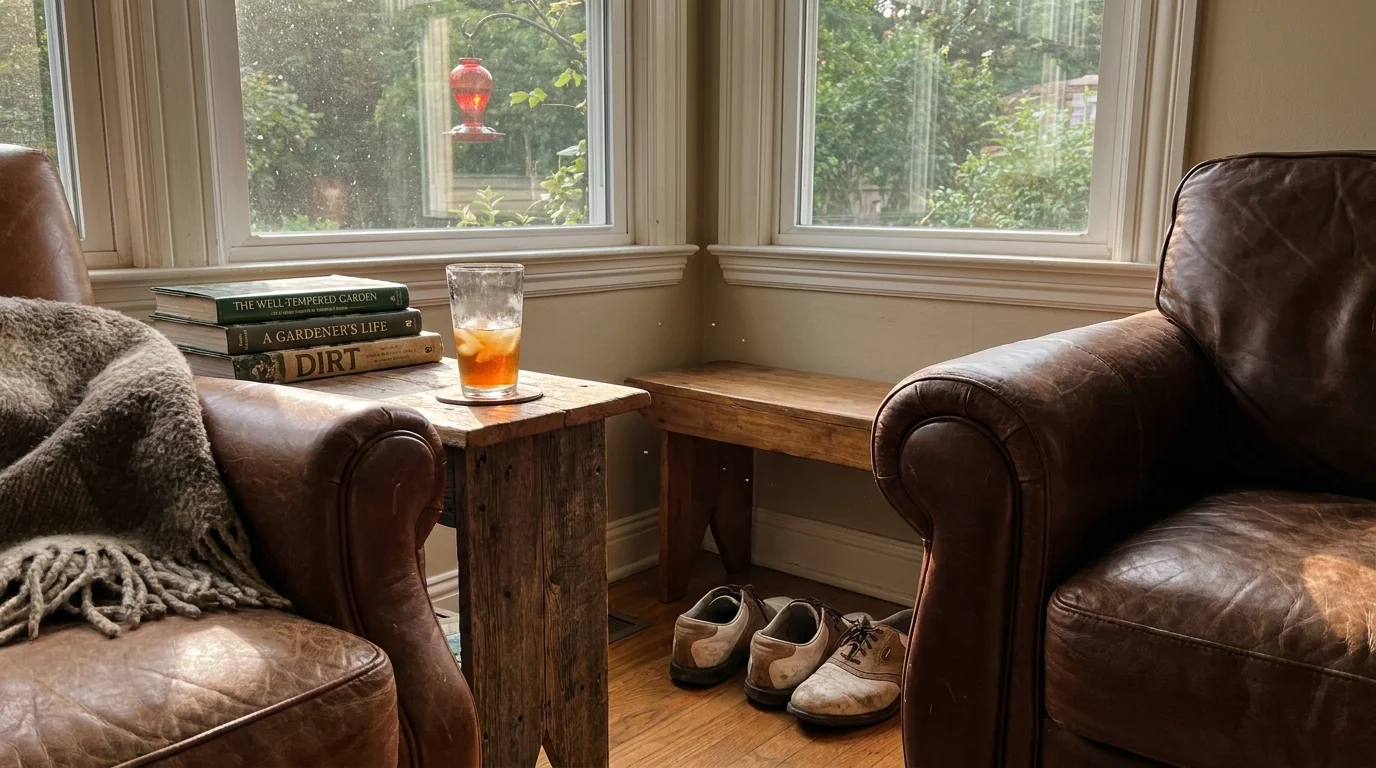
Many sprawling 55-plus communities lure buyers with spectacular amenities: multiple 18-hole golf courses, Olympic-sized swimming pools, massive equestrian centers, and professional theaters. These features look fantastic on a brochure, but they come with exceptionally high monthly association fees. If your ideal Tuesday involves reading a good book, tending to a garden, or taking a brisk walk, you are actively subsidizing luxury facilities you never use.
Intimate communities focus on highly functional, practical amenities. You might find a well-maintained walking trail, a single heated pool, and a cozy clubhouse with a well-stocked library. By shedding the extravagant extras, you preserve your retirement income while still enjoying the lifestyle features that actually matter to you.

5. You Value Personalized Attention from Staff
When you live in a facility with a massive footprint, staff turnover can be high, and employees rarely have the bandwidth to memorize resident preferences. You become a unit number rather than a recognized individual.
In a scaled-down senior living setting, the staff-to-resident ratio transforms your daily experience. The maintenance technician knows exactly how you like your thermostat set; the security personnel recognize your family members when they visit; the activities director remembers your specific dietary needs during community potlucks. This level of personalized attention creates a highly secure, comfortable environment where you feel truly valued.
6. Navigating Sprawling Campuses Feels Inconvenient
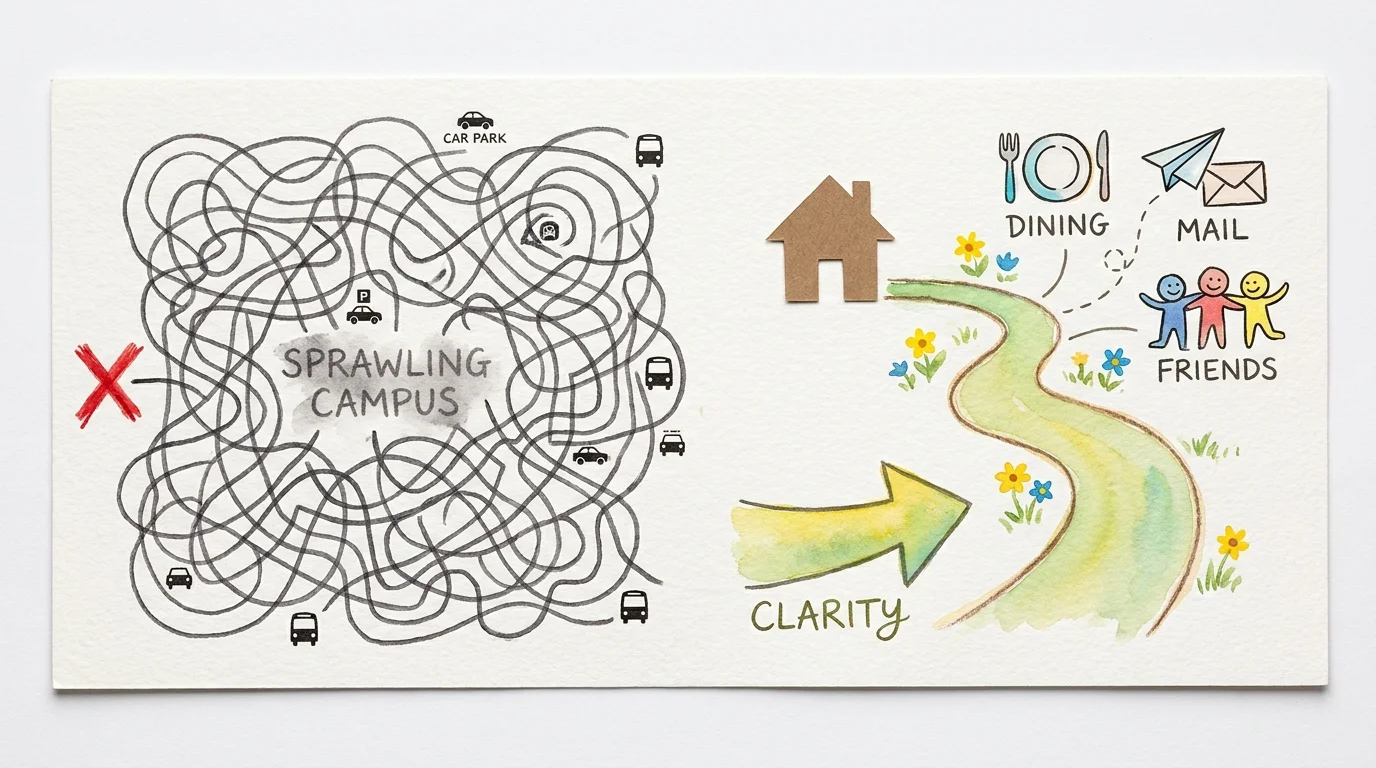
As you plan for long-term retirement, physical mobility must factor into your housing decisions. In a large-scale community, simply checking your mail, attending a fitness class, or visiting a friend might require a 15-minute golf cart ride or a drive in your car. When bad weather hits or if your mobility declines, these sprawling distances become significant barriers to independent living.
Smaller footprint communities champion walkability. The clubhouse, fitness room, and community green spaces are often just a short, flat stroll from your front door. This centralized design encourages you to stay active and engaged without the logistical hurdles of navigating a massive campus.

7. You Are Looking to Downsize Your Environmental Footprint
Maintaining a large single-family home requires immense energy, water, and resources. Many retirees intentionally seek out smaller communities because these developments often incorporate eco-friendly, efficient housing models. From pocket neighborhoods to attached villa-style homes, compact communities prioritize sustainable living.
Smaller homes within these intimate communities cost significantly less to heat, cool, and maintain. This deliberate downsizing directly benefits your monthly budget while aligning with a desire to leave a lighter footprint on the environment.

8. A High Resident Turnover Rate Bothers You
Mega-communities often experience a constant influx and exodus of residents. Some people treat large resort communities as seasonal homes, leaving neighborhoods feeling like ghost towns for six months of the year. Others move in for the amenities, realize the bustling lifestyle isn’t a fit, and quickly sell.
Smaller, close-knit communities tend to attract full-time, long-term residents who are fully invested in the neighborhood’s success. When people choose an intimate setting, they are typically looking for their forever home. This stability creates a safer, more predictable, and deeply rooted community culture.

9. You Crave Authenticity Over a “Cruise Ship” Vibe
There is a distinct “cruise ship” mentality prevalent in massive retirement resorts—an atmosphere of manufactured, non-stop entertainment that can sometimes feel disconnected from the real world. While fun for a vacation, living in a perpetual state of orchestrated recreation can begin to feel artificial.
Smaller communities tend to integrate more seamlessly into the surrounding towns and cities. Rather than staying trapped behind the gates of a mega-resort, residents of intimate neighborhoods frequently venture out to support local businesses, volunteer at local schools, and participate in municipal events. You maintain your identity as an active citizen of the broader local community.
Comparing Your Senior Living Options
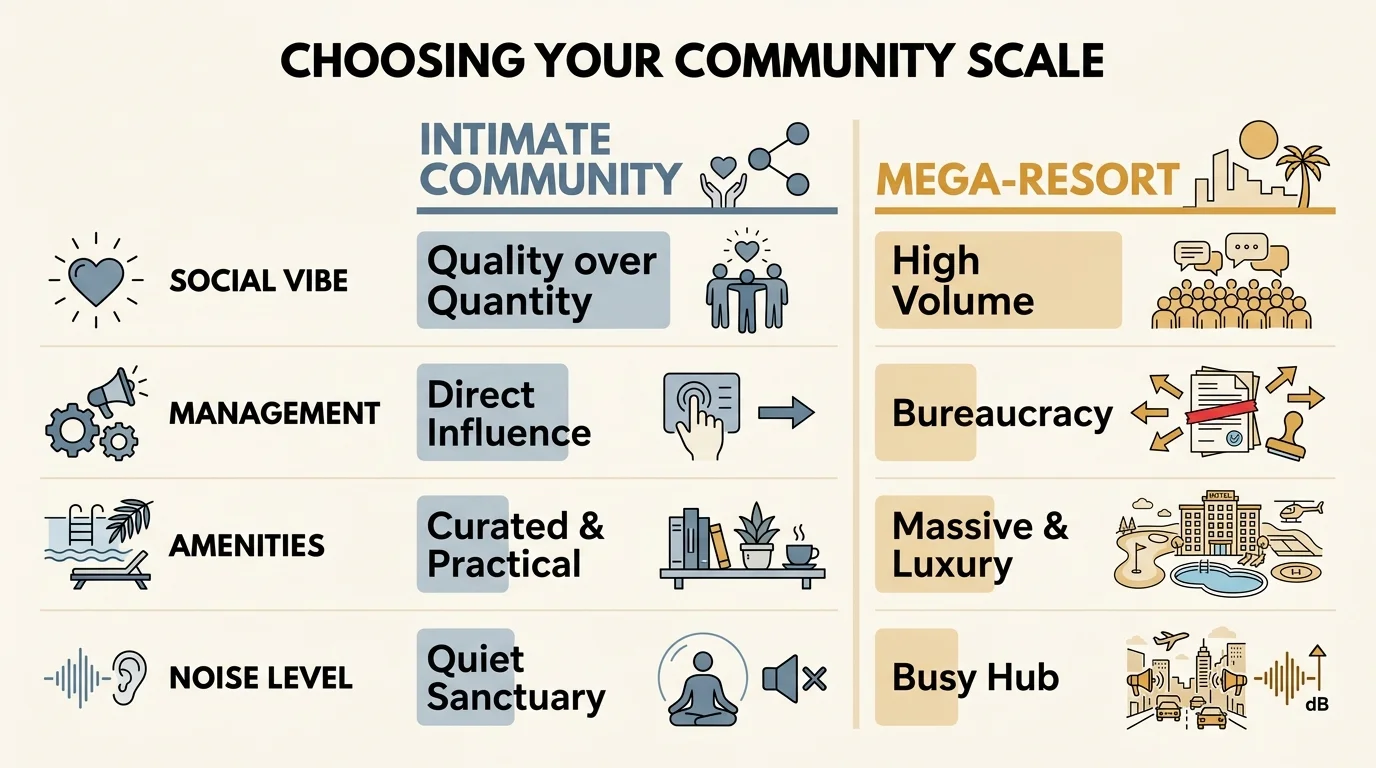
To help visualize the differences, here is a breakdown of what you can generally expect when choosing between a massive resort-style setup and an intimate neighborhood.
| Feature | Mega-Community (1,000+ Residents) | Intimate Community (Under 200 Residents) |
|---|---|---|
| Social Dynamics | Endless networking; easy to remain anonymous if desired. | Tight-knit friendships; everyone knows their neighbors. |
| Amenities & Fees | Resort-style (golf, theaters); high monthly HOA fees. | Practical (trails, small clubhouse); lower monthly costs. |
| Governance | Corporate-style board; strict rules; slow to enact changes. | Accessible leadership; highly responsive to resident input. |
| Noise & Traffic | High volume of cars, golf carts, and vendor traffic. | Quiet streets; limited through-traffic; high walkability. |

Common Retirement Traps When Choosing a Community
Transitioning to a new living arrangement is one of the most significant financial and emotional moves you will make in retirement. Avoid these frequent pitfalls:
- Buying for the Vacation, Not the Everyday: Many retirees purchase homes in large resort communities because the initial tour feels like a luxury holiday. Ask yourself what a random, rainy Tuesday looks like in the community, not just a sunny weekend in peak season.
- Ignoring Future Healthcare Needs: A beautiful 55-plus community might lack access to reliable local healthcare. Before committing to any location, evaluate the proximity of top-tier hospitals and specialists.
- Failing to Read the Fine Print: HOA rules dictate everything from pet ownership to exterior paint colors. In heavily regulated communities, these rules can severely impact your lifestyle. Read all covenants and restrictions thoroughly before signing.
- Underestimating Hidden Fees: Base HOA dues rarely cover everything. Special assessments for roof repairs on the massive community clubhouse or unexpected golf course maintenance can instantly derail a fixed-income budget.

When to Consult a Professional
Choosing where to live involves complex legal and financial documents, particularly if you are considering a Continuing Care Retirement Community (CCRC) that offers tiered healthcare services as you age. These contracts dictate your living arrangements, refund policies, and healthcare coverage.
Before putting down a substantial entry fee or signing a binding real estate contract, engage an elder law attorney to review the documentation. They will ensure your rights are protected and clarify any clauses regarding future care transitions. Furthermore, consulting a fiduciary financial advisor helps guarantee that the monthly fees, potential special assessments, and property taxes fit securely within your long-term retirement income strategy.
If you need help locating vetted, trustworthy housing options, the Eldercare Locator, a public service of the U.S. Administration on Aging, is a phenomenal tool to connect with local agencies. Additionally, organizations like AARP provide excellent calculators and checklists to help you evaluate the true cost of downsizing.
Frequently Asked Questions About Smaller Retirement Communities
Are smaller retirement communities less expensive?
Generally, smaller communities have lower monthly Homeowners Association (HOA) fees because they do not maintain massive, expensive amenities like 18-hole golf courses or equestrian centers. However, the initial purchase price of the home depends heavily on the local real estate market, building materials, and the location of the community.
Do smaller communities offer on-site healthcare?
This depends entirely on the community classification. A standard smaller 55-plus neighborhood typically provides zero medical care; it is strictly residential. However, a smaller boutique Continuing Care Retirement Community or Assisted Living facility will have medical staff on hand. Always check the specific licensing and services of the property.
How do I find intimate senior living options near me?
Start by utilizing the National Council on Aging (NCOA) resources or speaking with a local real estate agent who carries a Seniors Real Estate Specialist (SRES) designation. These professionals are uniquely trained to help you find intimate, age-restricted housing that matches your specific lifestyle goals.
Making the leap to a smaller retirement community is ultimately an investment in your peace of mind. By stripping away the noise, the staggering fees, and the overwhelming crowds, you open the door to a lifestyle focused entirely on what matters most to you. Take the time to tour a few intimate neighborhoods in your target area, speak directly with current residents, and trust your instincts about the environment that makes you feel most at home. Retirement rules and benefit amounts vary based on individual work history, income, and circumstances. This article provides general guidance only. Consult a SHIP counselor, financial advisor, or elder law attorney for advice specific to your situation.
Last updated: May 2026. Medicare and Social Security rules change annually—always verify current details at official government sources.