Dropping your daily commute should instantly lower your everyday living expenses. You can slash hundreds of dollars from your auto and property policies simply by updating your status with your carrier.
Most insurers quietly pocket your existing rate unless you actively request retiree credits and mature driver savings. Taking proactive control of your policies ensures you keep more money in your retirement budget every month.
Carriers reward your experience, updated driving habits, and time spent at home with targeted rate reductions. You only need to know which programs to ask for and how to qualify.
The Senior Insurance Shift: Why Rates Climb and Where You Save
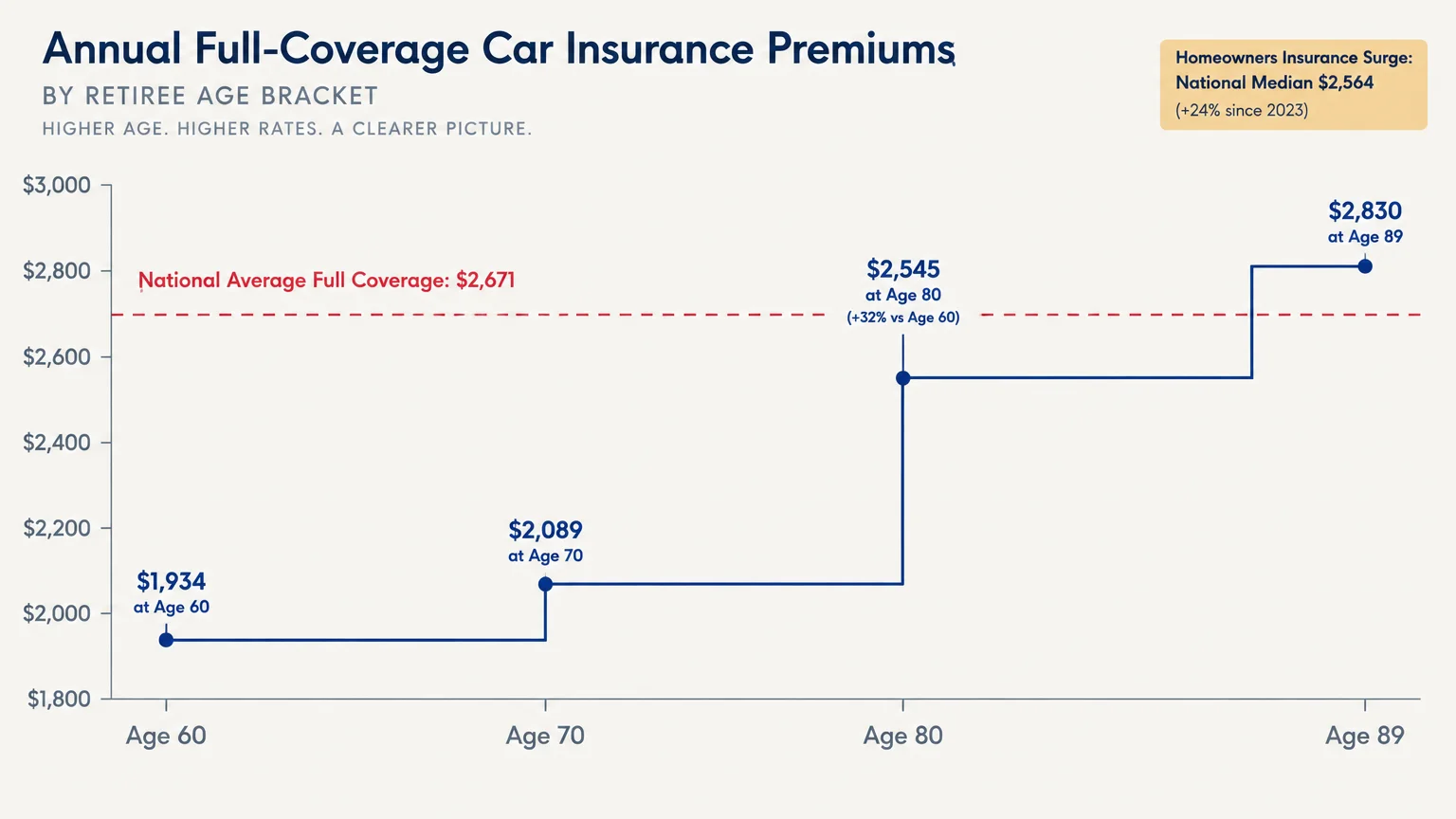
Nationwide, the average annual cost for full-coverage car insurance stands at $2,671. While drivers in their 50s and early 60s enjoy some of the lowest rates on the market, premiums steadily climb after age 65.
A typical driver pays $1,934 per year at age 60. That figure rises to $2,089 at age 70.
By age 80, average premiums jump to $2,545 annually—a 32% increase compared to age 60. By age 89, rates frequently reach $2,830 per year.
Insurers raise premiums for older drivers to account for increased medical vulnerability and longer recovery times after accidents. Actuarial data shows that physical frailty increases claim payouts even in low-speed collisions.
Home insurance premiums present an equal challenge. The national median annual homeowners insurance premium reached $2,564 after rising 4.6% year-over-year, marking a 24% surge since 2023.
Fortunately, leaving the full-time workforce unlocks dedicated rate cuts. You qualify for significant relief once you demonstrate lower risk through reduced driving, home presence, and accredited safety courses.

Mature Driver Discounts: Cash in on Experience
State-approved defensive driving classes offer one of the most reliable ways to reduce car insurance costs. Completing an accredited mature driver course typically reduces your auto insurance premiums by 5% to 15%, with select carriers offering up to 16% off.
These discount certificates remain valid for three full years in most jurisdictions. After 36 months, you simply retake the course to renew your lower rate.
More than 30 states legally mandate that auto insurers provide discounts to drivers who complete an approved refresher course. Statutory rules and eligible age thresholds vary depending on where you live.
- Age 55 Mandates: States such as California and Colorado mandate discounts up to 15%. Florida enforces a mandatory three-year discount under Florida Statute 627.0652, while Pennsylvania requires a minimum 5% discount across all policy vehicles if all named insureds are 55 or older.
- Age 60 Mandates: Connecticut requires insurers to provide premium discounts specifically for drivers aged 60 and older who complete approved coursework.
- All-Age Mandates: New York guarantees a mandatory discount of at least 10% on auto liability and collision coverage. New Jersey and Delaware also mandate premium reductions for all drivers who complete certified training.
The AARP Smart Driver course represents the most popular option across the country. You can complete the training in a local classroom or entirely online from your home computer.
Classroom sessions cost $20 for AARP members and $25 for non-members in most states. New York State prices classroom sessions at $25 for members and $30 for non-members.
Online courses cost $27 for members and $30 for non-members across most states. Enrollees in New York pay $35 for members and $38 for non-members.
You have 60 days from registration to finish an online course at your own pace. However, state regulations in Connecticut and New York require you to complete the material within 30 days.
Slashing Car Insurance with Low-Mileage and Telematics Programs
Retirement eliminates the daily rush-hour commute, immediately altering your risk profile behind the wheel. Insurers price auto policies heavily on annual mileage, because fewer miles on the road mean fewer chances for collisions.
Most standard carriers define low mileage as driving fewer than 7,500 miles per year. If you previously reported 12,000 to 15,000 annual commute miles, notifying your insurer of your new driving routine can cut your premium significantly.
Pay-per-mile insurance programs provide deeper savings for retirees who drive infrequently. Services like Nationwide SmartMiles and Allstate Milewise charge a modest monthly base rate alongside a low per-mile fee.
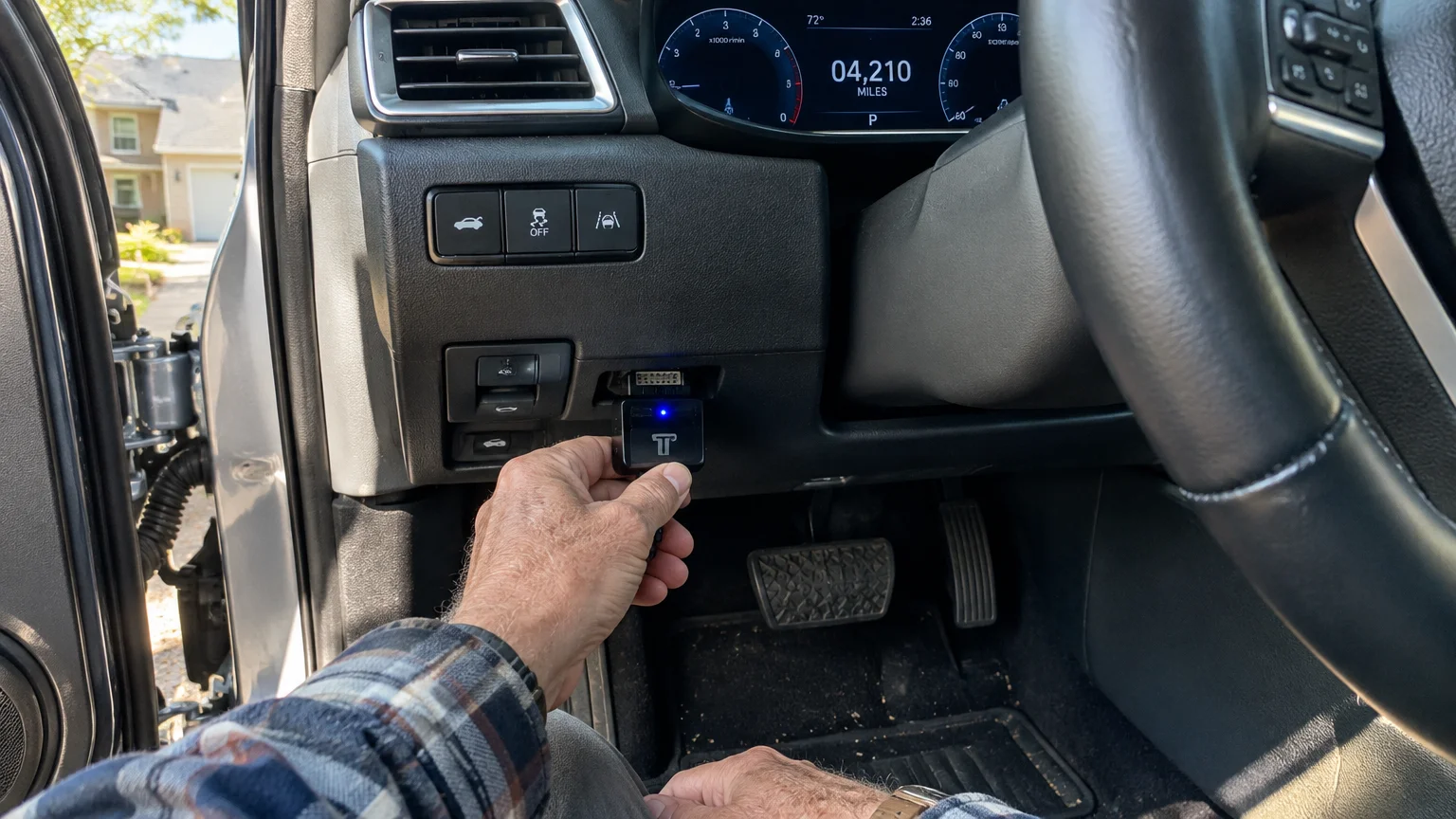
A driver covering 3,000 miles a year running local errands saves hundreds compared to a traditional fixed-rate policy. You track your driving through a small device plugged into your car’s diagnostic port or via a smartphone application.
Telematics programs also evaluate how smoothly you brake, turn, and accelerate. If you consistently drive during daylight hours and avoid heavy traffic, usage-based tracking rewards your cautious habits with ongoing credits.

Vehicle Safety and Equipment Discounts You Might Overlook
Many retirees purchase a newer vehicle to enjoy modern conveniences and enhanced reliability. Modern safety features built into recent automobile models qualify you for substantial equipment discounts.
Major carriers offer specific component discounts that reduce your comprehensive, collision, and personal injury protection premiums. These rate cuts apply automatically once you register your Vehicle Identification Number (VIN).
GEICO, for example, provides up to a 23% discount on applicable coverage for built-in airbags. The company offers up to 23% off for anti-theft systems and up to 5% off for anti-lock braking systems.
Purchasing a late-model vehicle can also earn you an additional new-vehicle discount of up to 15%. Advanced driver-assistance systems—such as lane-departure warnings, automatic emergency braking, and blind-spot monitors—further insulate you from costly at-fault accidents.
Always verify with your agent that your policy declarations reflect every safety feature installed in your car. Factory-installed theft deterrents and tracking devices frequently slip through carrier databases undetected.

Homeowners Insurance Discounts for Aging in Place
Retiring alters how you interact with your home, creating favorable conditions that property insurers appreciate. When you leave full-time employment, you naturally spend more daytime hours on your property.
Occupied homes face substantially lower burglary risks than empty dwellings. Furthermore, retirees notice plumbing leaks, roof drips, and appliance failures before minor incidents become catastrophic insurance claims.
Carriers such as AAA, The Hartford, Farmers, and Allstate provide specific “mature homeowner” or “retiree” discounts. These credits typically reduce your annual homeowners insurance premium by 5% to 10%.
Qualification rules generally require you to be at least 55 or 65 years old and not employed full-time. Most carriers define eligible retirees as individuals working fewer than 24 hours per week.
Some regional programs offer even broader eligibility. In certain states, AAA offers senior discounts starting at age 50, while requiring policyholders in states like Michigan to be 55 and fully retired.
“The goal of retirement is to live off your assets—not live off your regrets.”
You can also check community resources like BenefitsCheckUp to locate broader utility and housing assistance programs. Pair those community programs with insurer credits to maximize your total monthly savings.
Mitigating the “Older Home” Surcharge
While mature homeowner credits provide savings, retirees aging in place face a hidden pricing hurdle: the age of their house. Insurers penalize older residential systems because aging structures suffer far more frequent losses.
Recent insurance data reveals that a home built in 1984 costs 81.2% more to insure than a newly constructed house. That difference adds an average penalty of $1,149 per year to a retiree’s budget.
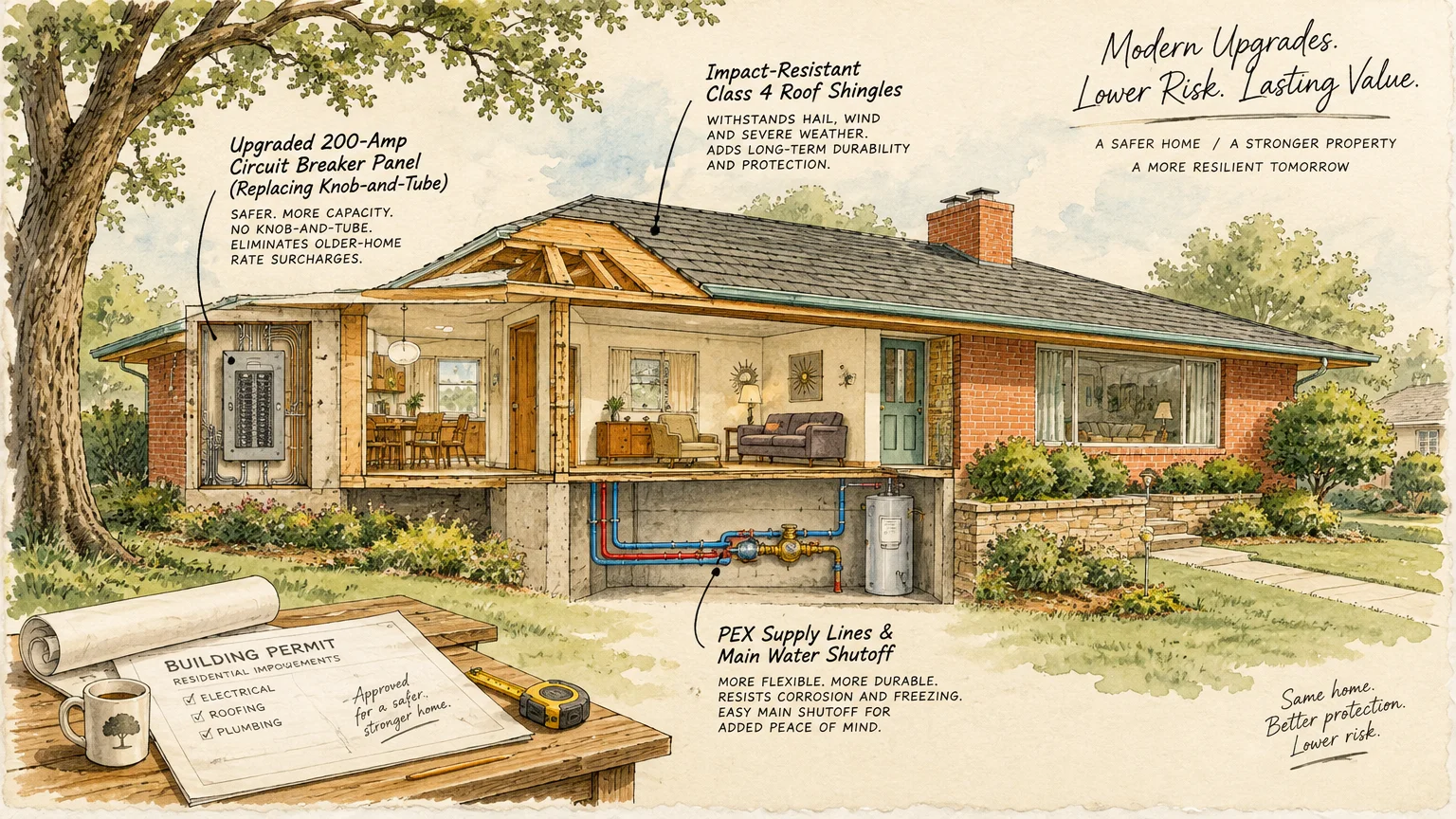
Outdated plumbing lines corrode, electrical panels deteriorate, and aging roofs fail during severe weather events. If you live in an established neighborhood, structural age can easily erase your retiree discounts.
You can neutralize this penalty by documenting structural and mechanical improvements. Installing an impact-resistant roof, upgrading to modern copper or PEX plumbing, and modernizing electrical wiring earn significant credits.
Adding protective technology provides immediate premium relief without requiring massive structural overhauls. Automatic main-water shutoff valves, smart smoke detectors, and centrally monitored burglar alarms yield valuable policy discounts.
The Multi-Policy Advantage: Bundling and Loyalty
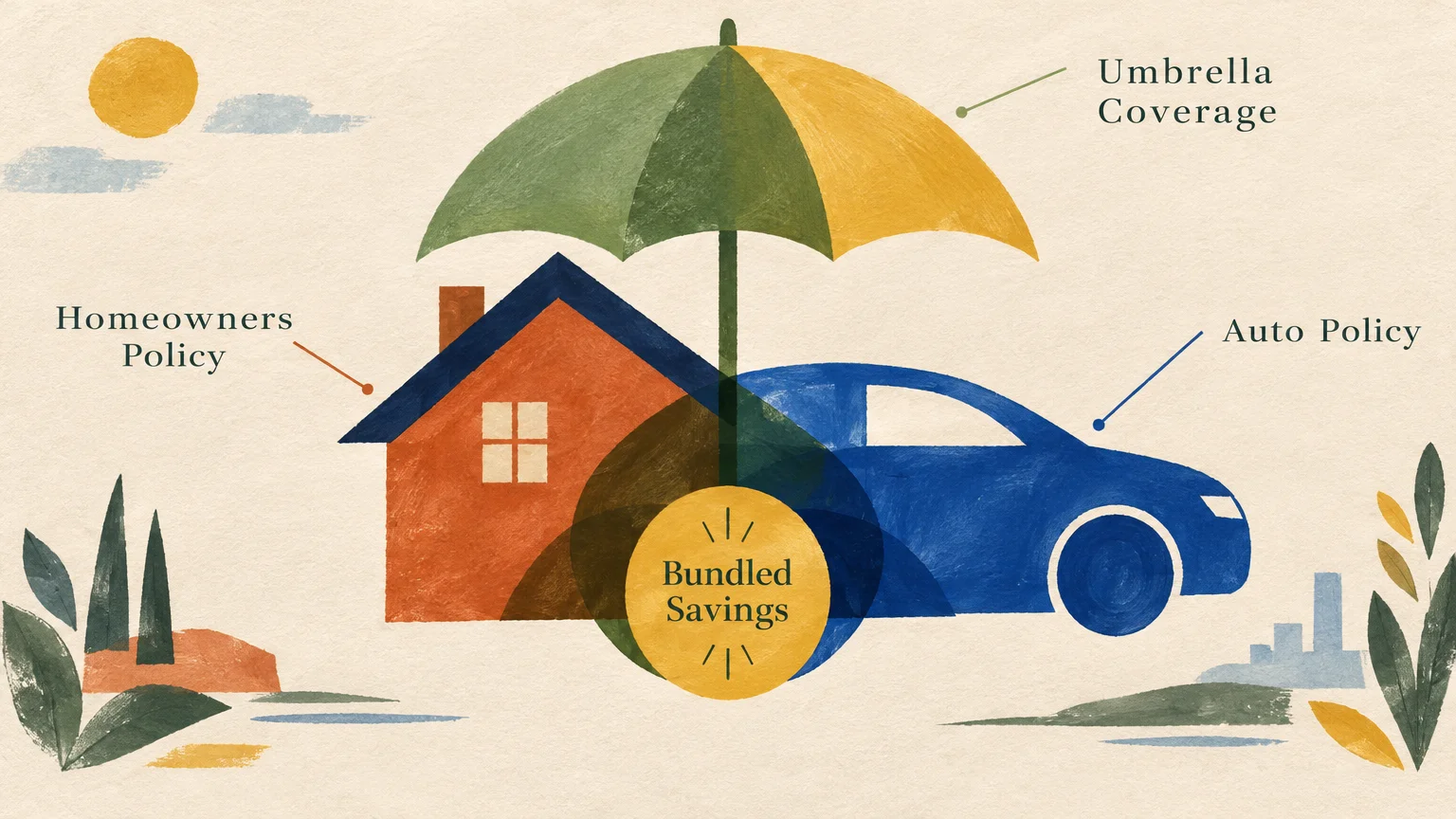
Bundling your personal policies remains one of the simplest ways to secure lower insurance rates. Combining your homeowners and auto insurance under one insurer delivers an average industry savings of 14%.
Multi-policy arrangements also simplify administrative overhead by consolidating deductibles and statements into one account. Some specialty insurers even offer a single deductible if a severe storm damages your house and car simultaneously.
However, long-term carrier loyalty can quietly cost you money through a practice known as price optimization. Insurers often raise premiums incrementally over time, assuming established policyholders will not switch companies.
Market research indicates an average pricing variance of $4,728 per year between the cheapest and most expensive carriers for an identical retiree profile. Remaining with the same insurer for decades without price comparisons can cost you thousands of dollars.
“It’s not how much money you make, but how much money you keep, how hard it works for you, and how many generations you keep it for.” — Robert Kiyosaki
Evaluate your rates annually to make sure your bundled savings outpace standalone policies from competing companies. Use the tools provided by the Consumer Financial Protection Bureau to understand how recurring expenses impact your long-term nest egg.
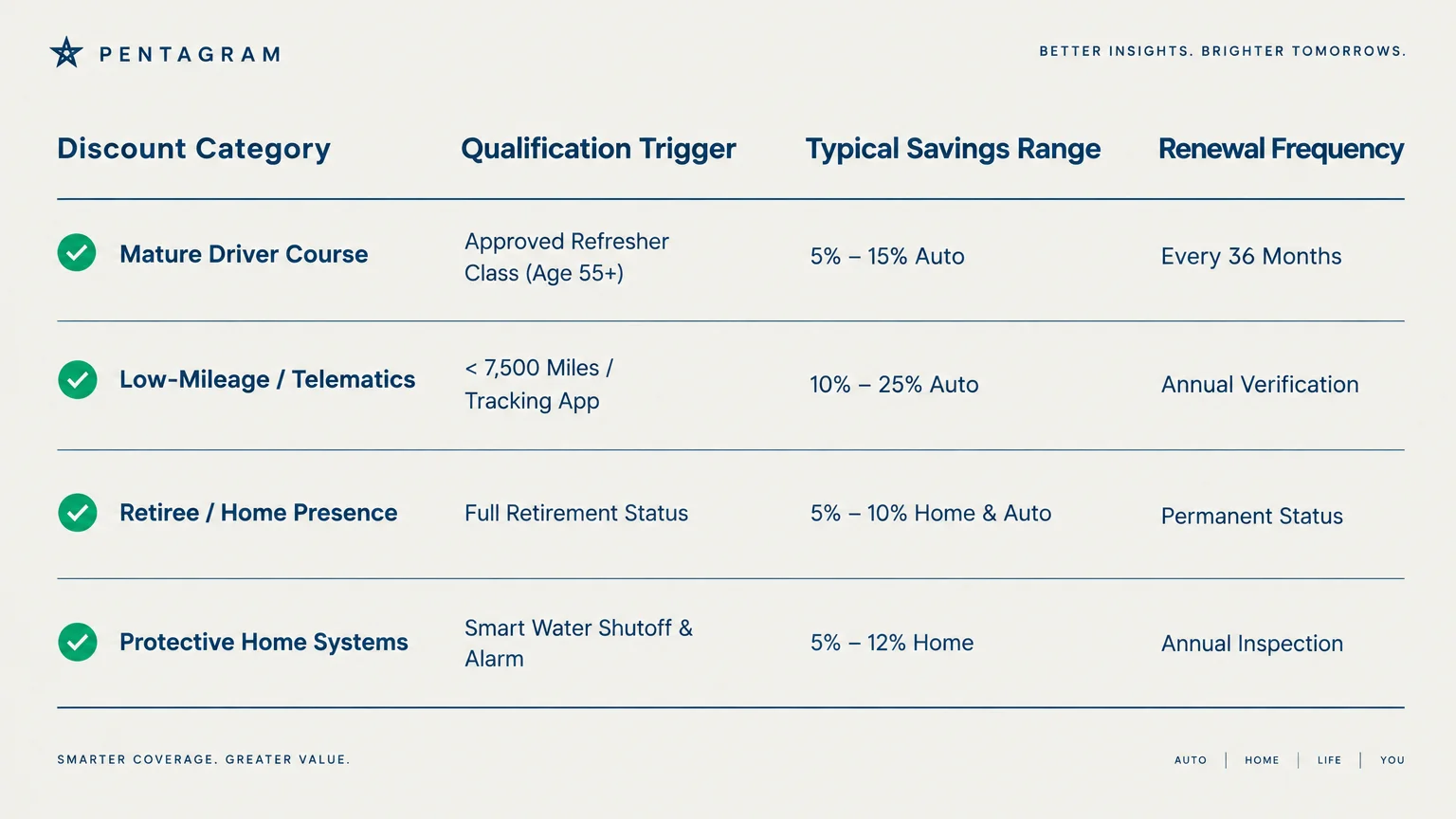
Comparing Top Retiree Insurance Discount Programs
Evaluating discount programs side by side clarifies where you can achieve the highest returns for minimal effort. The following comparison highlights the major discount categories available to mature policyholders.
| Discount Category | Typical Savings | Key Qualifications | Renewal Frequency |
|---|---|---|---|
| Mature Driver Defensive Driving | 5% to 15% (up to 16%) | Age 55+ (or 60+ in CT); complete approved course | Every 3 years |
| Low-Mileage / Commute Elimination | 5% to 20% | Drive under 7,500 miles annually; verify odometer | Annual policy renewal |
| Telematics / Pay-Per-Mile | 10% to 30% | Install tracking plug-in or run mobile app; drive safely | Continuous tracking |
| Mature Homeowner Credit | 5% to 10% | Age 55+ or 65+; work fewer than 24 hours per week | Annual policy renewal |
| Multi-Policy (Home & Auto Bundle) | 10% to 20% (14% average) | Maintain property and auto insurance with one carrier | Annual policy renewal |
| Vehicle Safety Equipment | 5% to 23% per feature | Equip airbags, anti-theft systems, and anti-lock brakes | Permanent with vehicle |
Stacking multiple discounts produces substantial cumulative savings. Combining mature driver credits, low-mileage adjustments, and multi-policy discounts can lower your annual auto premiums by more than 30%.

Don’t Make These Mistakes When Claiming Discounts
Many retirees miss out on substantial rate reductions due to simple oversights during policy renewals. Avoiding common traps keeps your insurance budget lean and predictable.
- Assuming Discounts Apply Automatically: Insurers rarely apply retiree discounts without your explicit request. You must formally alert your agent when you retire or your annual driving mileage drops.
- Letting Driver Certificates Expire: Defensive driving discounts expire after three years. Calendar your renewal date 60 days in advance so you can complete the course before your rate resets.
- Ignoring Professional and Alumni Affiliations: Many carriers partner with fraternal organizations, university alumni groups, and retired military associations. Failing to declare your former career affiliations leaves easy money on the table.
- Overpaying for Unneeded Commuter Endorsements: Retaining roadside commuting endorsements or daily travel provisions on a recreational vehicle adds unnecessary fees. Audit your declarations page to eliminate redundant add-ons.
- Accepting Price Hikes Without Comparison Shopping: A 5% discount means very little if your carrier’s base rate runs 40% higher than local competitors. Compare quotes across three or more reputable carriers every two years.
Reviewing your policy documents line by line prevents paying for outdated coverage. A quick twenty-minute conversation with your carrier often reveals overlooked credits.

When Professional Advice Is Worth It
While basic discounts require simple phone calls, restructuring your overall property and casualty portfolio often demands professional guidance. An independent insurance broker represents multiple carriers rather than a single brand.
Independent agents search across dozens of regional and national underwriters to locate programs tailored to older adults. They can quickly identify which companies offer the most generous mature homeowner credits in your state.
Working alongside a fee-only financial planner helps you coordinate insurance deductibles with your cash reserves. If you have built significant personal assets, raising your deductibles lowers your premium while an umbrella policy protects your wealth.
An estate planning attorney can also ensure that deed modifications or trust transfers do not disrupt your homeowners coverage. Keeping your property insurance properly aligned with your estate plan avoids costly claim denials later.
Frequently Asked Questions About Senior Insurance Discounts
At what age do senior car insurance discounts begin?
Most state mandates and private insurer programs begin offering mature driver discounts at age 55. Certain states, such as Connecticut, mandate discounts starting at age 60, while carriers like AAA offer select homeowner savings at age 50.
Will taking an online defensive driving course reduce points on my license?
In many states, approved driver safety courses both lower your insurance rates and remove active violation points from your driving record. Verify with your state Department of Motor Vehicles to ensure the specific course fulfills point-reduction criteria.
Do I lose my mature homeowner discount if I work part-time?
Most carriers allow you to work up to 24 hours per week while retaining your mature homeowner status. Check your insurer’s specific policy terms, as definitions of retirement vary across insurance underwriters.
Why did my car insurance rate climb after age 70 despite a spotless record?
Carriers use broad actuarial tables showing higher medical costs and severe injury risks for drivers past age 70. You can offset these automatic age-related premium increases by earning course certificates and lowering your reported annual mileage.
Your Action Plan to Lower Insurance Premiums Today
Take direct control of your insurance expenses by conducting a quick policy audit this week. Pull out your current declarations pages for both your auto and homeowners insurance coverage.
Call your insurance representative to confirm your vehicle is classified for pleasure rather than commuting, and register for an approved mature driver course. These simple adjustments will immediately cut your recurring premiums and keep more money where it belongs—in your retirement fund.
This article is for informational purposes only and does not constitute financial, legal, or medical advice. Medicare rules, Social Security benefits, and tax laws change regularly—verify current details at Medicare.gov, SSA.gov, or with a licensed professional.
Last updated: October 2026. Medicare and Social Security rules change annually—always verify current details at official government sources.