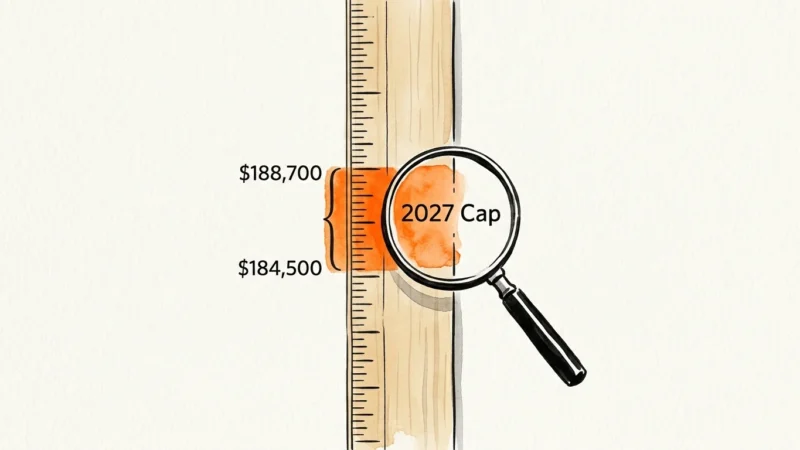
An idle car parked in your driveway drains hundreds of dollars every month through insurance, registration, and depreciation. Putting that vehicle to work can generate reliable income without draining your retirement nest egg.
Whether you prefer hands-off rental earnings or occasional, low-stress driving gigs, your extra automobile is a valuable income-producing asset. You can easily turn that idle metal into meaningful cash to offset rising living costs.
From modern peer-to-peer sharing networks to local community transport, several proven avenues let you earn money with a car while protecting your lifestyle.
The Bottom Line Up Front
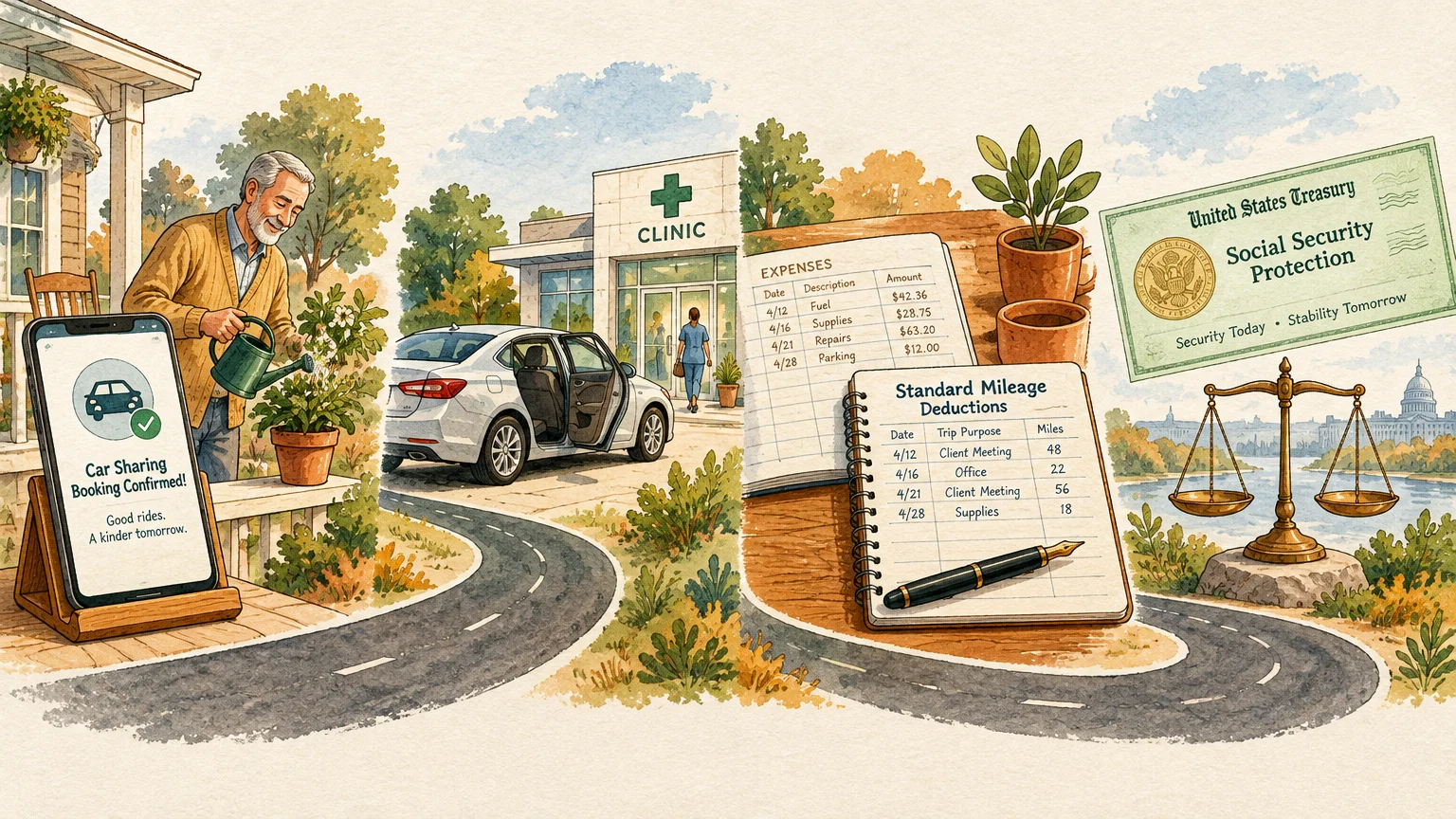
Retirees have unique advantages when monetizing a spare vehicle. You set your own schedule, control wear and tear, and choose between active or passive participation.
- Peer-to-peer car sharing: You can earn passive spare car income by listing your vehicle on vetted rental marketplaces.
- Community transport: Independent driving services keep you connected locally while generating dependable hourly revenue.
- Tax write-offs: Standard mileage deductions offset a large portion of your gross driving earnings.
- Benefit protection: Structuring your earnings correctly shields your Social Security checks from benefit withholding tests.
1. Peer-to-Peer Car Sharing: Launching a Turo Side Hustle
Peer-to-peer car rental turns your idle vehicle into a neighborhood asset. You make the car available to vetted drivers when you do not need it.
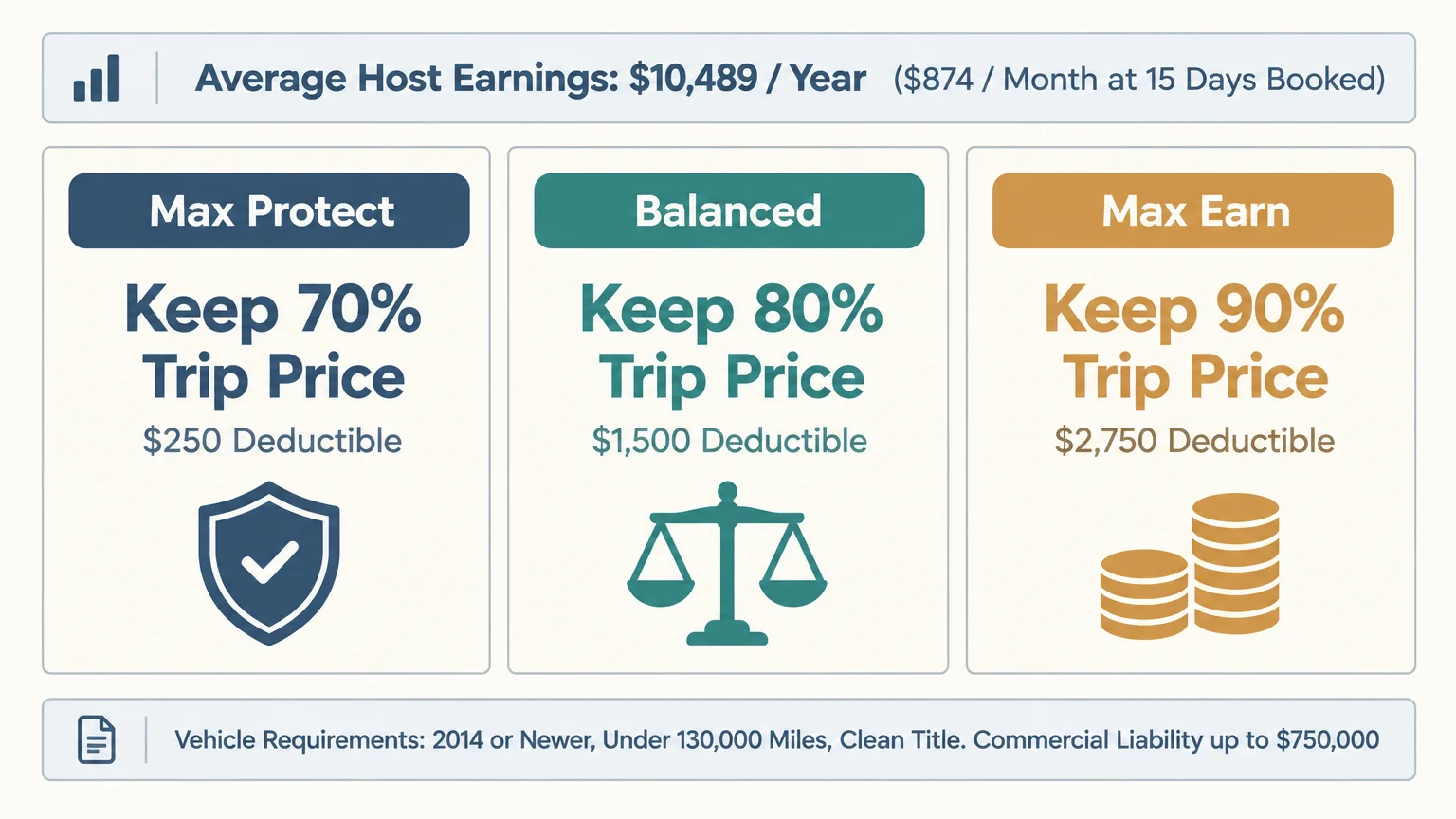
Turo dominates this space and offers retirees an established marketplace of verified guests. U.S. hosts earn an average of $10,489 per year—roughly $874 per month—for one car booked 15 days monthly.
Before listing, you must ensure your spare vehicle meets platform standards. Turo requires cars to be under 12 model years old—meaning 2014 or newer—with fewer than 130,000 miles and a clean title.
Specialty or classic vehicles between 12 and 25 years old can qualify if their fair market value remains under $85,000. Standard vehicles can carry a fair market value up to $200,000.
Turo uses three simplified host protection plans with commercial liability insurance up to $750,000 backed by Travelers. Note that New York hosts receive state statutory minimum coverage instead.
Under the Max Protect plan, you keep 70% of the trip price with a low $250 physical damage deductible. The Balanced plan pays you 80% with a $1,500 deductible; the Max Earn plan gives you 90% with a $2,750 deductible.
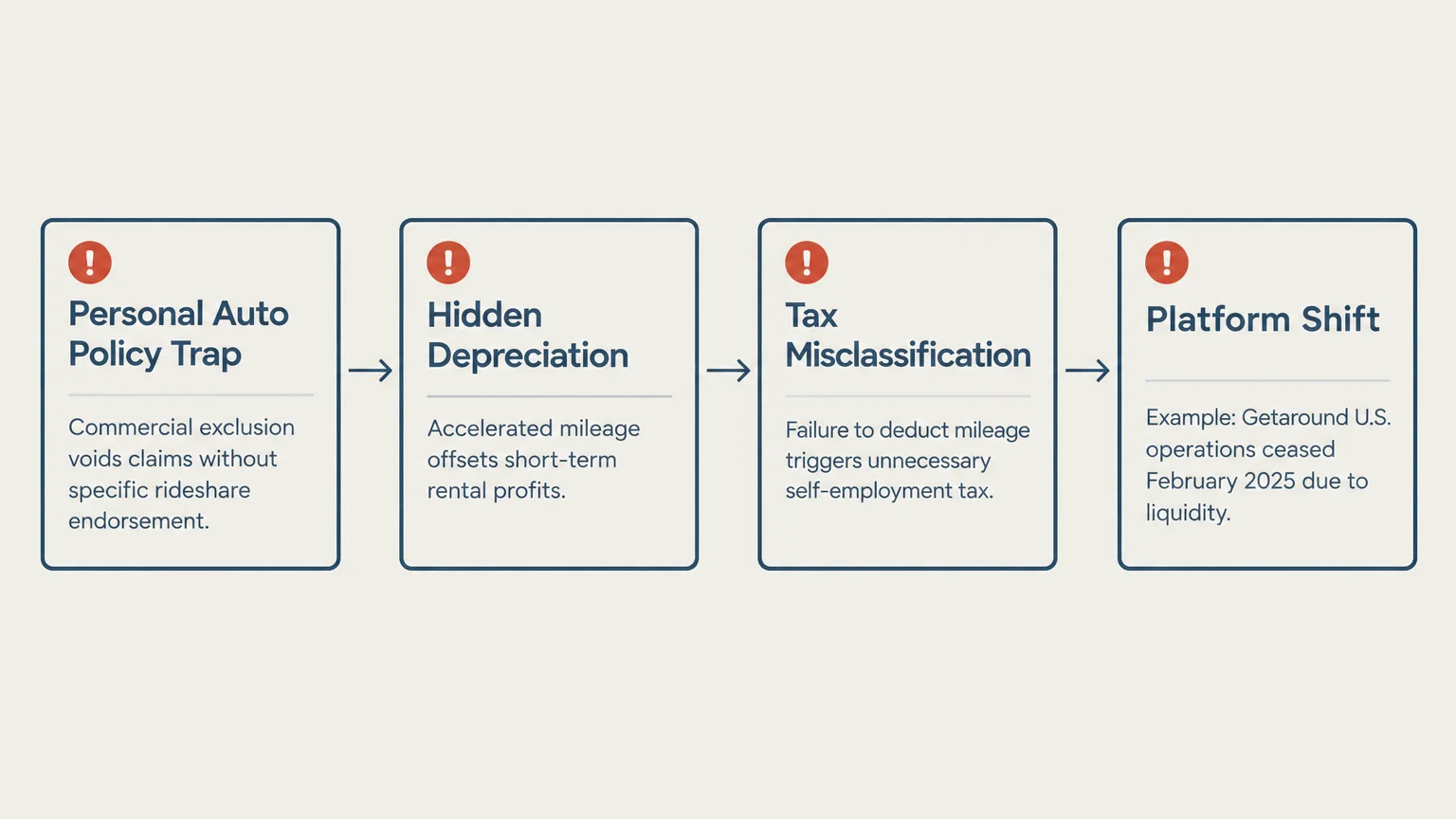
Be aware of recent platform consolidation across the industry. Getaround permanently ceased all U.S. car-sharing operations—including its gig-driver rental subsidiary HyreCar—in February 2025 due to liquidity constraints.
2. Specialized Non-Emergency Senior Medical Transport
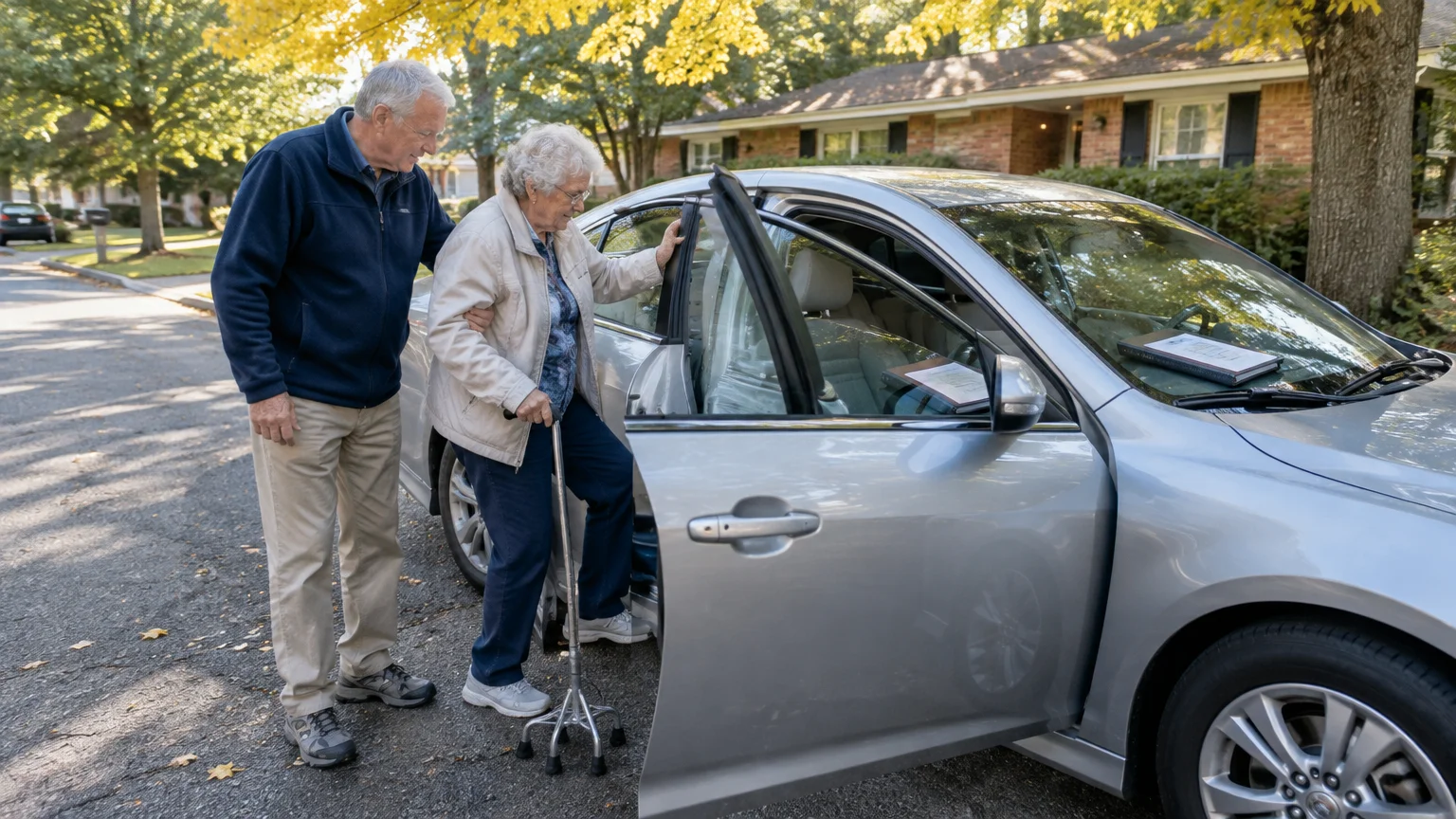
Many older adults in your community struggle to find dependable transportation to essential appointments. Providing non-emergency medical and personal transportation fills a critical gap in local senior services.
Unlike crowded bus services, you offer punctual, door-to-door rides to physical therapy, dialysis, and routine medical checkups. Retirees excel at this work because they bring patience, empathy, and conversational warmth.
You can locate local organizations and transit networks through the Eldercare Locator to explore private contractor opportunities. Alternatively, you can establish an independent client network through local senior centers and retirement communities.
Private clients often pay between $25 and $45 per hour for specialized, patient transportation. Because this work involves active driving, you can also claim generous federal vehicle deductions.

3. Local Grocery, Pharmacy, and Retail Delivery
If you prefer driving without passengers riding in your back seat, local delivery offers independence. You transport parcels, medications, or groceries while enjoying your favorite music or podcasts.
Platforms like Instacart, Shipt, and Spark allow you to accept assignments only when convenient. You never face mandatory shift quotas or forced dispatch routes.
Local independent pharmacies also hire retired drivers for daily prescription drop-offs. These routes typically occur during predictable midday hours, keeping you off congested rush-hour highways.
Independent delivery lets you track vehicle expenses directly against your self-employment revenue. You can write off substantial operating costs using updated federal mileage rates.

4. Dedicated Pet Taxi and Mobile Grooming Transport
Pet owners frequently need safe transportation for their animals to veterinary clinics, boarding kennels, and grooming salons. Busy working professionals routinely struggle to fit these daytime appointments into their work schedules.
A spare hatchback, wagon, or SUV is ideal for this vehicle side income. Outfit your cargo area with protective seat covers, secure pet travel crates, and cleaning supplies.
You can market your services to local veterinary practices, dog training clubs, and boutique boarding facilities. Establishing a trusted local pet taxi service allows you to charge premium flat-rate fees per trip.
Typical pet taxi rates range from $30 to $60 per round trip within a ten-mile radius. This niche creates loyal, recurring clients who gladly pay for careful, gentle handling.
5. Scheduled Airport Shuttles for Neighborhood Residents
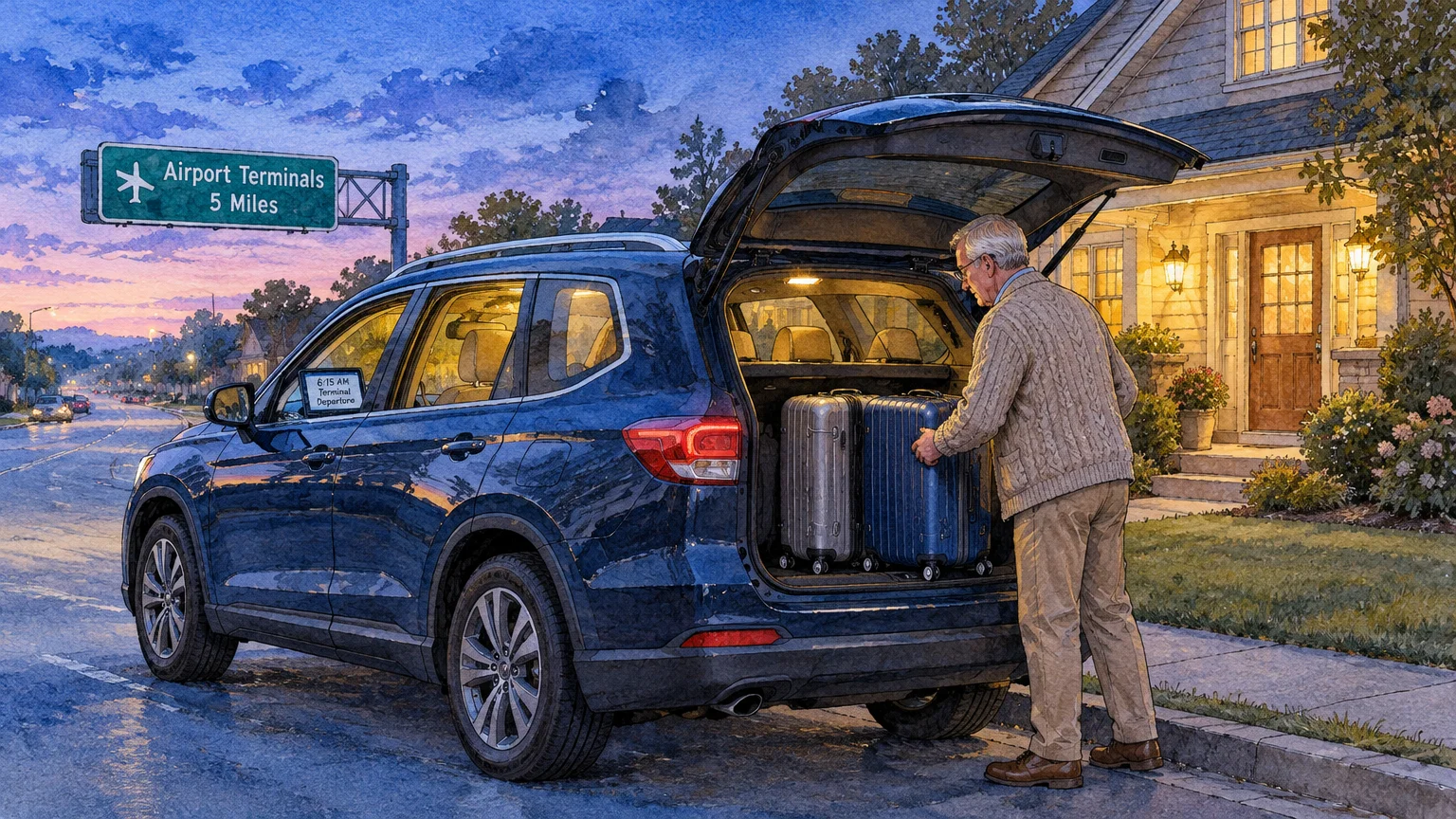
Navigating commercial rideshare apps at crowded airport terminals frustrates many travelers. You can offer scheduled, private airport runs for friends, former colleagues, and neighborhood groups.
Private airport shuttles provide dependable scheduling without the surge pricing common to app-based services. Neighbors appreciate knowing their driver personally and having a guaranteed pickup time for early morning flights.
You pocket the entire payment directly without corporate apps taking hefty commission cuts. A single round trip often nets $75 to $150 depending on distance.
Before launching private passenger services, contact your insurer about proper liability coverage. Many auto policies require an inexpensive commercial endorsement for paid transportation.

6. Commercial Vehicle Wrap and Mobile Advertising
Vehicle wrap advertising transforms your car into a mobile billboard. Legitimate agencies pay drivers to place vinyl promotional wraps on their vehicles.
Established platforms like Wrapify and Carvertise pay drivers between $100 and $450 or more each month. Your exact compensation depends on whether you accept a partial wrap or full vehicle coverage.
However, vehicle advertising is not passive income for a car parked continuously in your garage. Advertising agencies require newer vehicles with clean exteriors and enforce strict minimum mileage routes through high-traffic commercial zones.
Beware of ubiquitous advance-fee scams in the vehicle advertising market. Legitimate companies never charge you an onboarding fee or ask you to wire back portions of an advance check.

7. Renting to Film, Commercial, and Photography Productions
Production studios and commercial photographers constantly scout authentic vehicles for photo shoots, television sets, and films. If your spare car is unique, pristine, or vintage, this option provides effortless revenue.
Classic models from the 1970s through the early 2000s are in high demand for period productions. Even ordinary, clean family sedans from past decades regularly book appearances in commercial shoots.
Production rentals typically pay day rates ranging from $200 to $800 or more. Your car remains parked on a secure studio set, avoiding mechanical wear and heavy highway mileage.
You can list your car through specialized picture-car agencies or register with your state film office. Productions carry robust commercial insurance policies that protect your vehicle while under their custody.

8. Renting Vehicle Utility for Hauling and Light Cargo
If your spare automobile is a pickup truck, cargo van, or large utility SUV, you own valuable hauling power. Many homeowners need extra cargo space for weekend garden supply runs or furniture pickup.
Renting utility vehicles for localized DIY tasks delivers higher day rates than ordinary passenger cars. Renters gladly pay $50 to $100 per day for convenient, local utility access.
You can list your utility vehicle on car-sharing marketplaces with mileage restrictions to avoid cross-country wear. You can also offer driver-included hauling services for neighbors who cannot lift heavy freight.
Driver-assisted hauling pairs your spare vehicle with modest physical activity. You earn extra revenue while keeping your schedule completely within your physical comfort zone.

9. Selling the Vehicle to Fund Income-Producing Assets
Sometimes the most lucrative way to earn money with a car is liquidating it entirely. Eliminating a second vehicle immediately wipes out recurring costs like insurance, annual registration, inspections, and maintenance.
Car ownership costs thousands of dollars annually even if the car sits idle. Selling an unused car generates an instant cash lump sum that you can deploy into stable, yield-producing financial instruments.
Investing the sale proceeds into high-yield savings, short-term Treasuries, or dividend funds turns a depreciating asset into monthly income. You shed repair headaches while adding cash flow to your monthly retirement budget.
“The goal of retirement is to live off your assets—not live off your regrets.”
If you drive less than a few thousand miles each year, rely on occasional rideshares or rentals instead. The math frequently proves that holding a dedicated second car is far costlier than paying for occasional rides.
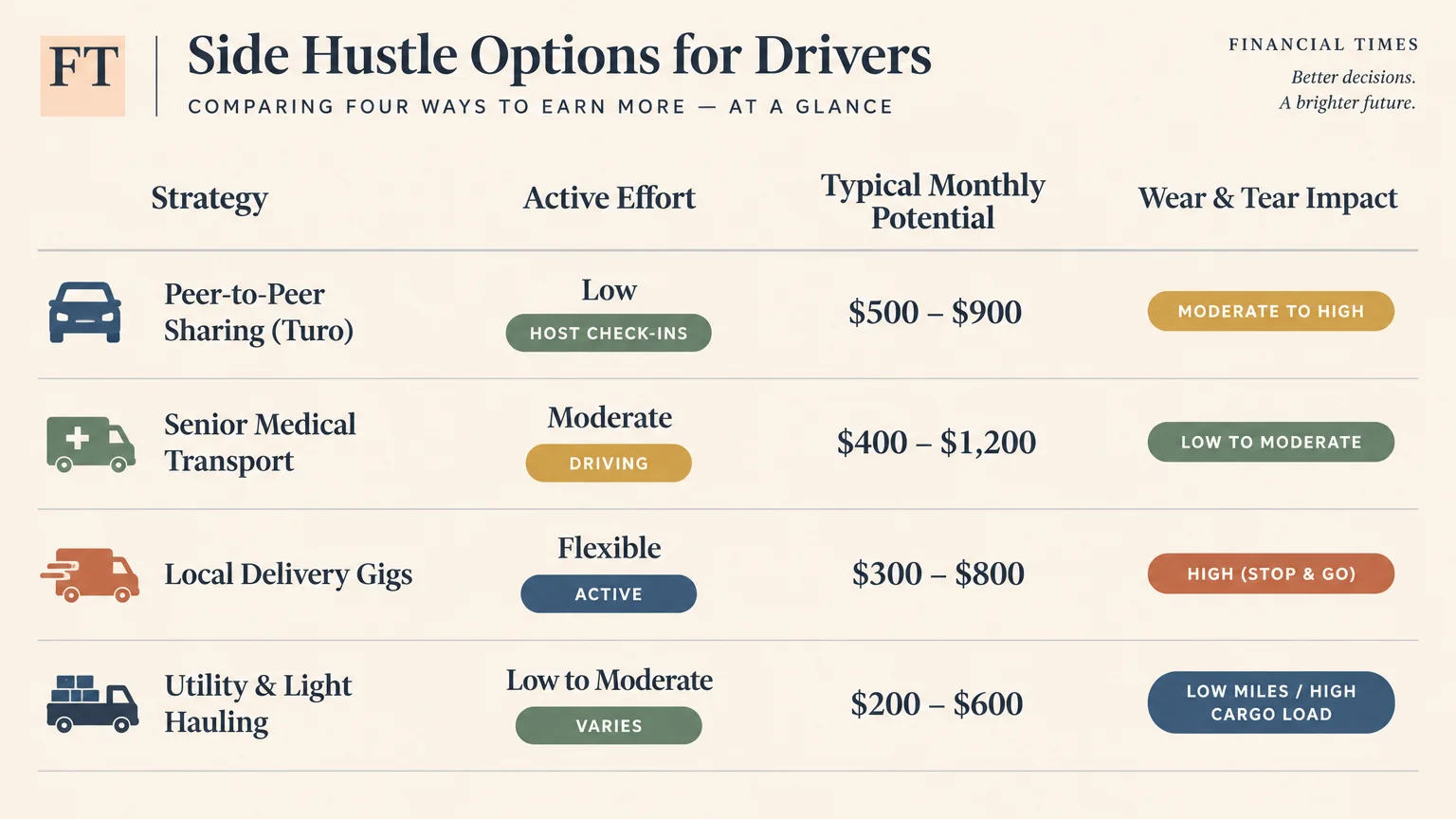
Comparing Spare Vehicle Income Strategies
Selecting the right vehicle side income depends on your financial goals, physical stamina, and risk tolerance. Review the trade-offs below to determine which strategy matches your retirement lifestyle.
| Monetization Strategy | Potential Monthly Income | Effort Required | Social Security Impact | Primary Advantage |
|---|---|---|---|---|
| Turo Car Sharing | $400 – $1,200 | Low to Moderate | Generally Passive | High income without active driving |
| Senior Medical Transport | $500 – $1,500 | Moderate | Counts as Earned Income | Meaningful community service |
| Grocery & Pharmacy Delivery | $300 – $900 | Moderate | Counts as Earned Income | No passengers in your vehicle |
| Pet Taxi Services | $250 – $800 | Low to Moderate | Counts as Earned Income | Enjoyable interactions with animals |
| Scheduled Airport Runs | $300 – $1,000 | Low to Moderate | Counts as Earned Income | Keeps 100% of rider fees |
| Vehicle Wrap Advertising | $100 – $450 | Low (High Driving) | Counts as Earned Income | Passive display while driving normal routes |
| Film & Photo Rentals | $200 – $1,000+ (per event) | Minimal | Generally Passive | Zero driving wear and tear |
| Vehicle Liquidation & Sale | $150 – $400 (yield on cash) | None (after sale) | Zero Impact (Capital Asset) | Eliminates all insurance and repair costs |

Tax Rules and the Social Security Earnings Test
Generating spare car income requires a clear understanding of federal tax guidelines and benefit rules. Failing to account for tax reporting thresholds can cause unwelcome surprises when filing your annual return.
Under the One, Big, Beautiful Bill Act (OBBBA) enacted in July 2025, reporting thresholds changed noticeably. The threshold for Forms 1099-NEC and 1099-MISC for independent contractor pay rose from $600 to $2,000.
For payment processors and third-party settlement networks like Turo or rideshare apps, the federal Form 1099-K threshold remains over $20,000 and more than 200 transactions. Remember that all income is taxable regardless of whether you receive an official form.
You can review official retirement tax guidelines through the IRS Retirement Plans portal. Tracking your exact deductible expenses preserves a greater share of your profits.
For active driving activities, you can deduct vehicle expenses using the IRS standard business mileage rate. The rate sits at 72.5 cents per mile from January 1 through June 30, 2026.
The rate increases to 76 cents per mile from July 1 through December 31, 2026. Charitable driving remains at 14 cents per mile, while medical mileage is 20.5 cents rising to 23.5 cents mid-year.
If you collect Social Security before your Full Retirement Age (FRA), observe the annual earnings test. Full Retirement Age is 67 for anyone born in 1960 or later.
If you remain under FRA for all of 2026, you can earn up to $24,480 ($2,040 monthly) from active work before benefits are affected. The Social Security Administration withholds $1 in benefits for every $2 earned above that cap.
In the calendar year you reach your Full Retirement Age, the earnings ceiling rises to $65,160. The SSA withholds $1 for every $3 earned above that limit for the months preceding your birthday month.
Passive rental income from vehicles does not count toward the Social Security earnings test. It only counts as earned income if you provide substantial services exceeding 45 hours per month managing the business.
Common Retirement Traps to Avoid
Earning extra cash should improve your finances, not create legal or financial headaches. Steer clear of these frequent mistakes when putting a spare car into service.
- Assuming personal auto policies cover business use: Most standard personal insurance policies explicitly exclude commercial delivery, ridesharing, and car rental. Always verify platform fleet policies or secure a commercial rider.
- Ignoring the Social Security earnings test: Working too many active driving hours before your Full Retirement Age can trigger benefit withholding. Balance your hours carefully to remain under annual thresholds.
- Falling for upfront vehicle wrap scams: Never cash a check from an unknown sponsor who instructs you to wire money to an independent decal installer. Legitimate advertisers pay the installation facility directly.
- Failing to track business mileage: Forgetting to maintain an accurate mileage log forfeits your largest potential tax deduction. Use a smartphone tracking app to log every business trip.
- Underestimating maintenance and depreciation: Active driving accelerates tire wear, brake consumption, and fluid changes. Factor realistic vehicle maintenance reserves into your net hourly calculations.

When to Consult a Professional
Monetizing a vehicle crosses into insurance law, municipal licensing, and federal income taxation. Consulting qualified specialists ensures you protect your retirement savings while operating safely.
Speak with a licensed auto insurance agent before accepting paid rides or listing your car. You must verify whether your state requires an endorsement for commercial transport or ridesharing.
Consult a certified tax professional or CPA if your side earnings approach five figures. They will help you calculate quarterly estimated taxes and evaluate standard mileage versus actual expense write-offs.
You can also access unbiased consumer resources through the Consumer Financial Protection Bureau (CFPB) to protect your overall financial plan. Professional advice prevents minor vehicle side hustles from disrupting your broader retirement strategy.
Frequently Asked Questions
Does renting out my car on Turo void my personal auto insurance?
Renting your vehicle does not necessarily void your underlying policy, but your personal insurer will deny claims that occur during rental periods. Turo provides commercial coverage through Travelers during active guest trips.
Will vehicle rental income reduce my Social Security benefits?
Car sharing income is generally treated as passive rental revenue by the IRS and Social Security Administration. It does not count toward the earnings test unless you perform more than 45 hours of substantial services monthly.
Can I write off vehicle depreciation for driving side hustles?
You can deduct actual expenses—including depreciation—or claim the IRS standard business mileage rate. Most retirees choose the standard mileage rate because it requires simpler bookkeeping and delivers substantial deductions.
What happens if a renter damages my spare vehicle?
Marketplace platforms require guests to undergo identity verification and offer multiple protection packages. In the event of an accident, the platform protection plan manages repairs subject to your selected deductible.
Taking Your Next Step
Your spare vehicle does not have to remain a monthly expense on your bank statement. Choose one monetization path that matches your physical energy, local community needs, and long-term financial comfort.
Start small by listing the vehicle for a single weekend or completing a few local deliveries. You will quickly see how easy it is to convert unused horsepower into steady retirement cash flow.
Information in this article reflects current rules as of the publication date and may change. Always confirm benefit details directly with Social Security Administration, Medicare.gov, or relevant government agencies before making decisions.
Last updated: October 2026. Medicare and Social Security rules change annually—always verify current details at official government sources.