An unexpected medical emergency turns chaotic when nobody knows where to find critical legal authority or healthcare records. Organizing these essentials beforehand spares your family immense emotional turmoil and dangerous delays.
Most adult children struggle to locate their aging parents’ vital paperwork during sudden crises. Searching through disorganized file cabinets while sitting in a hospital waiting room only magnifies an already stressful ordeal.
Assembling a complete retiree document checklist protects your independence and gives your loved ones immediate clarity. You can easily safeguard your legacy by securing these nine essential records today.
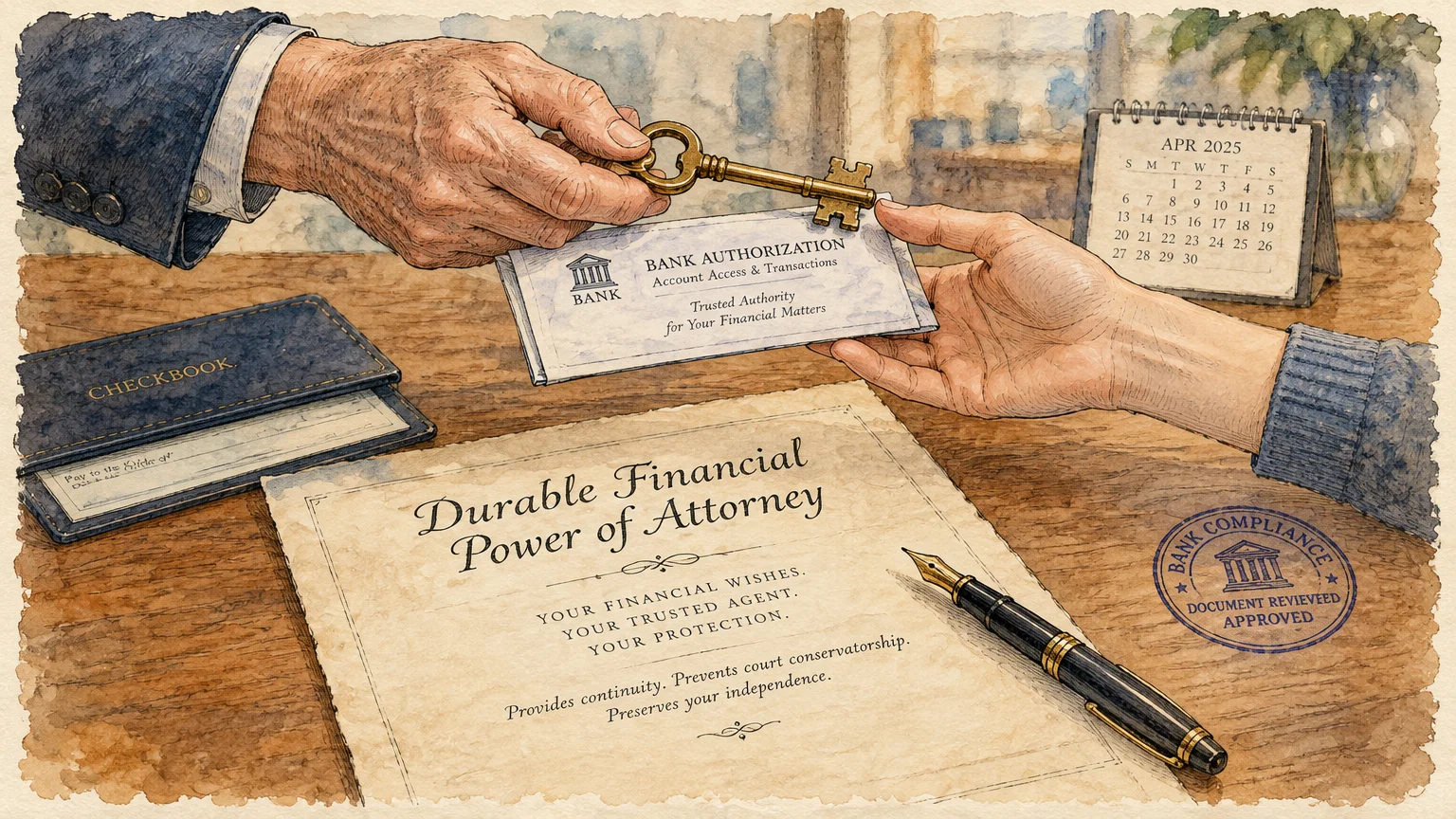
1. Durable Financial Power of Attorney
A durable financial power of attorney designates someone you trust to manage your money if you become incapacitated. Without this legal document, your family cannot pay your bills, manage investments, or handle property transactions.
Unlike a standard power of attorney, a durable power of attorney remains legally valid if you suffer cognitive decline. This distinction protects your household from costly and lengthy court proceedings.
If you fail to name an agent, your relatives must petition a probate judge for legal conservatorship. That legal process often costs thousands of dollars and drags on for several exhausting months.
Provide your designated agent with an authentic copy of this paperwork. You should also instruct them where to access the signed original document when necessary.
Most retail banks enforce their own internal compliance verification procedures before accepting external powers of attorney. Contact your banking institutions now to ensure they have your paperwork registered on file.
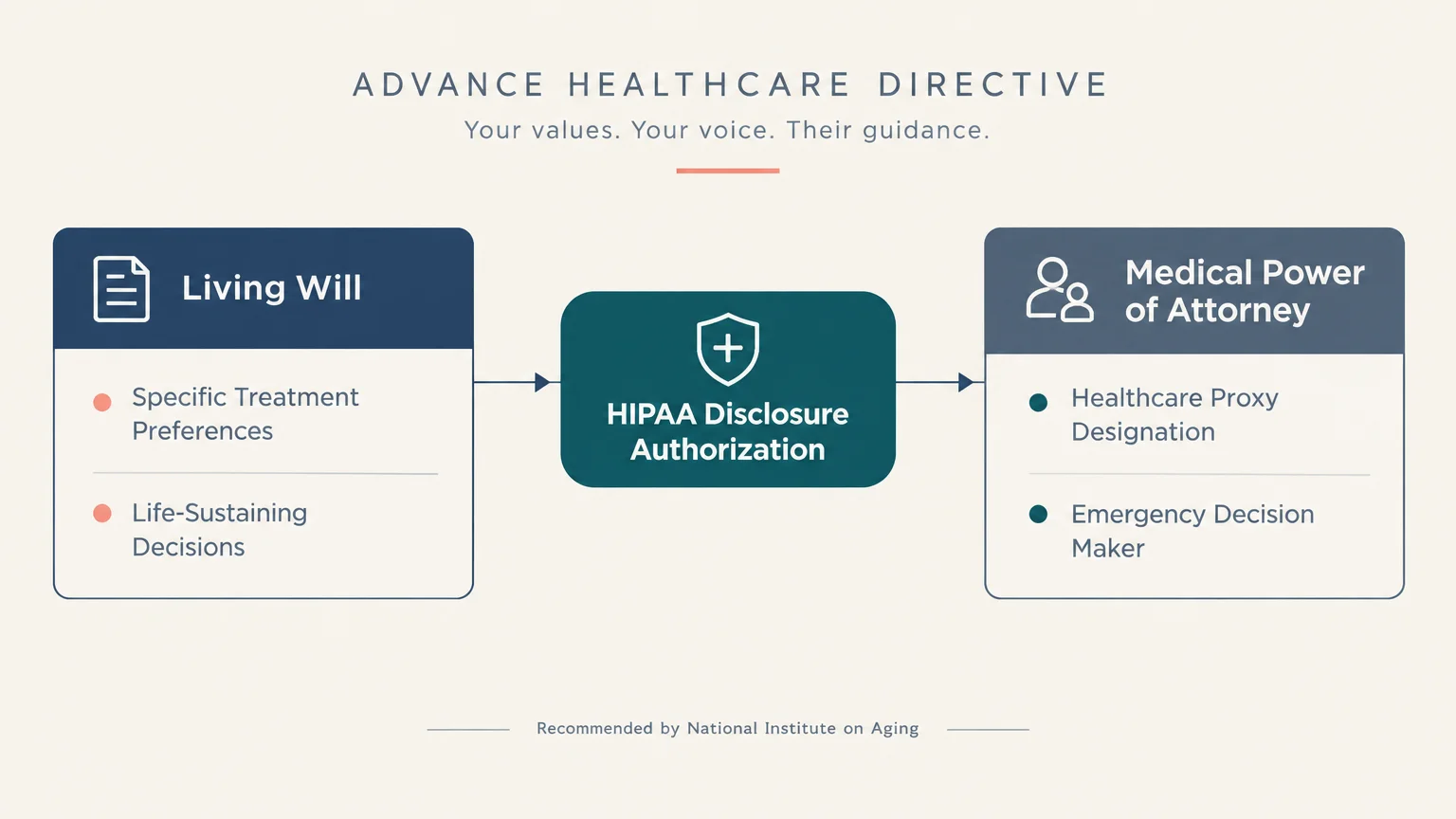
2. Advance Healthcare Directive and Medical Power of Attorney
An advance directive combines a living will with a medical power of attorney. This instrument outlines your exact preferences for medical intervention and life-sustaining procedures.
A healthcare proxy names a surrogate to make urgent treatment choices on your behalf. According to the National Institute on Aging, documenting these decisions early prevents heartbreaking conflicts among grieving family members.
Ensure your directive includes a signed HIPAA release disclosure. Federal privacy regulations block hospital staff from sharing treatment details with your adult children without this authorization.
Give signed copies of your medical directives to your primary care physician. Your designated medical proxy should also keep a digital copy accessible on their smartphone.
Review these healthcare instructions every few years to confirm they reflect your current treatment preferences. Medical technologies and personal viewpoints frequently shift as retirement progresses.
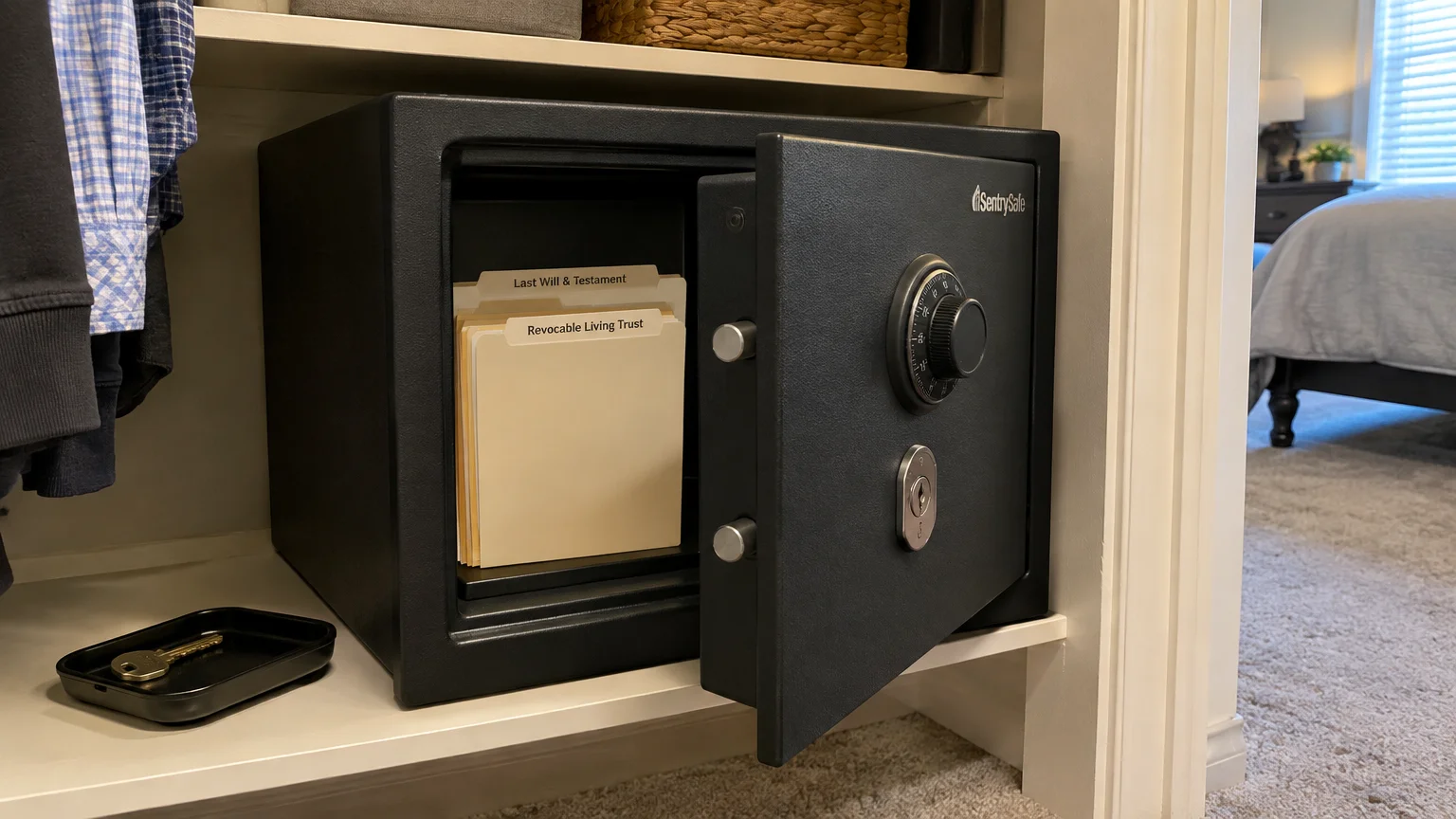
3. Last Will and Testament and Revocable Living Trust
Your will dictates the transfer of your possessions and names an executor to administer your probate estate. If you utilize a revocable living trust, your assets bypass probate entirely.
Knowing where to keep a will presents a practical challenge for many older adults. Your family must access the original physical document, as probate courts rarely accept photocopies.
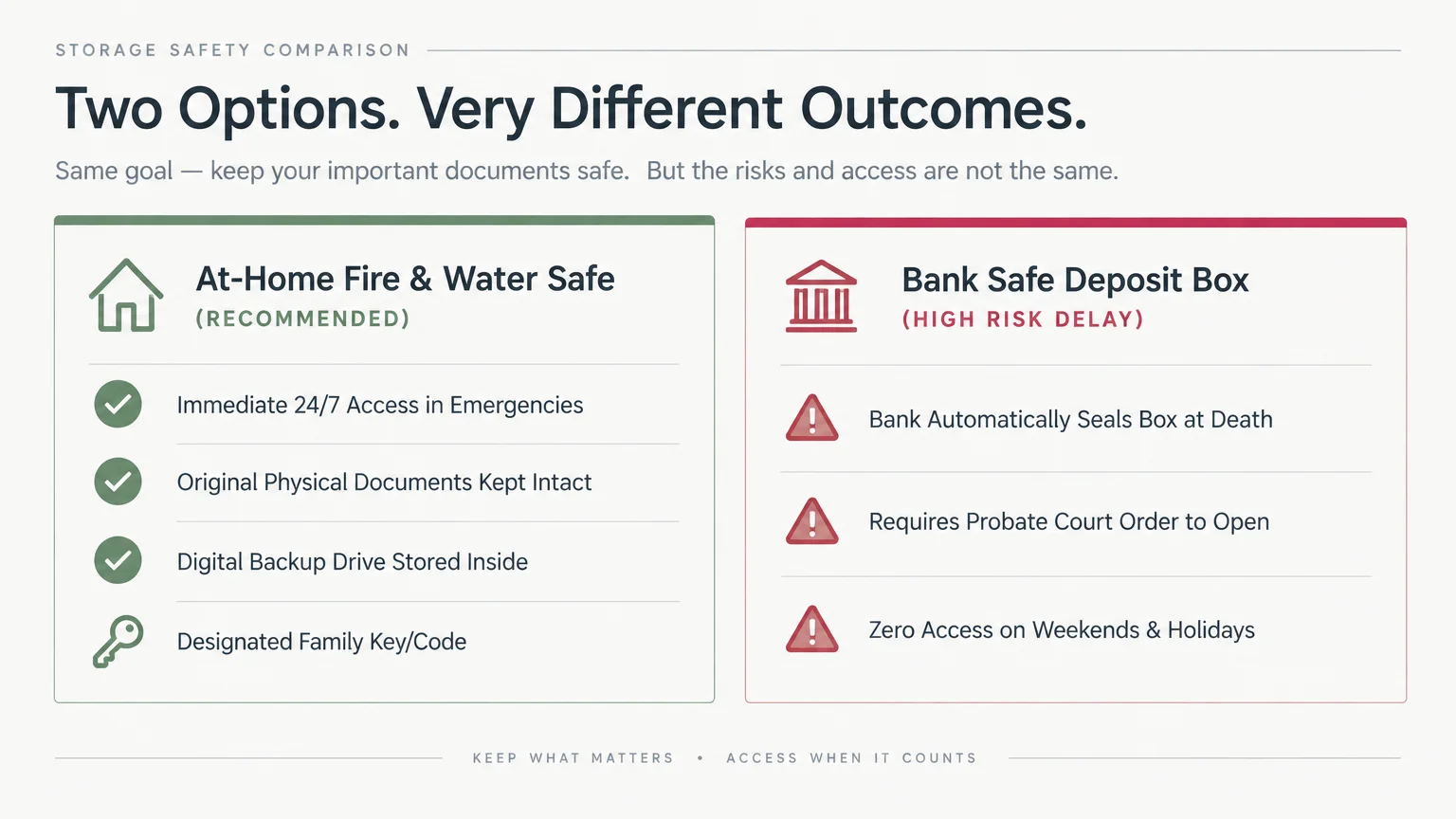
Never lock your original will inside a personal bank safe deposit box. Most states seal safe deposit boxes upon the owner’s death until an executor obtains court authorization.
Keep these estate planning documents in a water-resistant, fireproof home safe. You can also file the original with your drafting attorney or register it with your county probate registry.
Make sure your executor knows the safe combination or where you keep the key. An unlocatable will forces the probate court to distribute your assets according to state intestacy laws.
“The goal of retirement is to live off your assets—not live off your regrets.”

4. Direct Beneficiary Designation Forms
Retirement savings accounts and life insurance contracts bypass instructions written in your last will. These financial assets transfer directly to whoever you name on official beneficiary forms.
Your 401(k) plans, traditional IRAs, Roth IRAs, and annuities depend entirely on these contracts. Even if your will leaves everything to a child, an outdated beneficiary designation sends funds to an ex-spouse.
Bank accounts and taxable brokerage portfolios offer Payable on Death (POD) or Transfer on Death (TOD) designations. Adding these registrations guarantees rapid transfer of funds without legal intervention.
Print confirmation sheets of your active beneficiary designations from every financial custodian. Place these updated confirmations in your home records binder alongside your primary estate planning documents.
Review these beneficiary assignments after major life transitions like births, marriages, or deaths. Neglecting these records can accidentally disinherit loved ones you intended to protect.
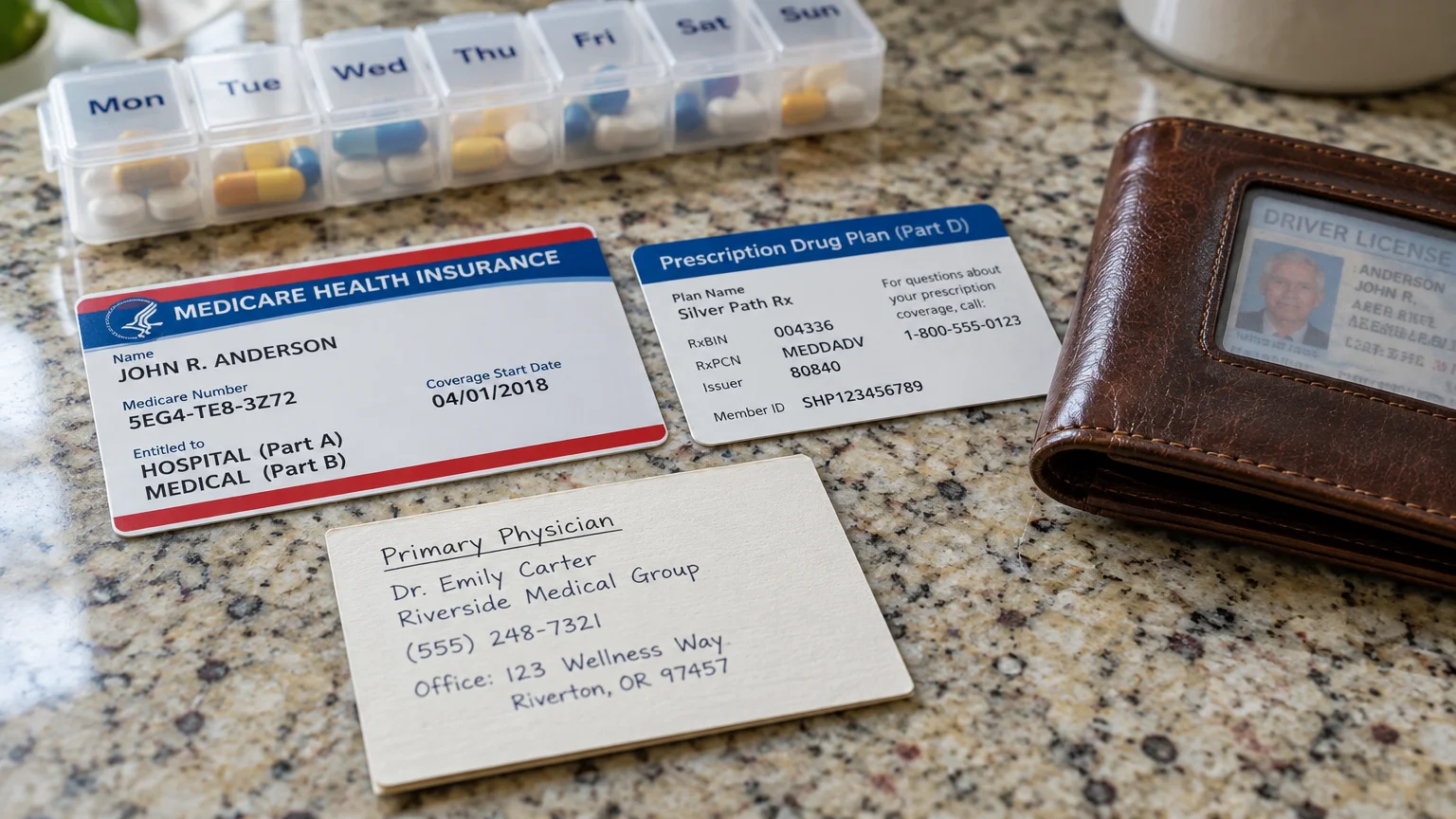
5. Health Insurance Cards and Medicare Documentation
Medical crises require immediate proof of healthcare coverage to avoid treatment delays and billing errors. Your family must know where you keep your active Medicare and supplemental insurance paperwork.
Gather your red, white, and blue Medicare card along with your Medicare Advantage or Part D prescription card. Keep copies of your supplemental Medigap policy alongside your active prescription list.
If you own private long-term care insurance, your family needs that policy contract immediately. These specialized policies outline the daily benefit triggers required to fund home health aides or memory care.
Filing a long-term care claim requires submitting medical assessments and demonstrating cognitive impairment. Storing these policy terms where adult children can find them accelerates reimbursement approval.
Photocopy the front and back of all active insurance cards twice a year. Keep one duplicate set inside your family emergency paperwork folder and another in your glove compartment.
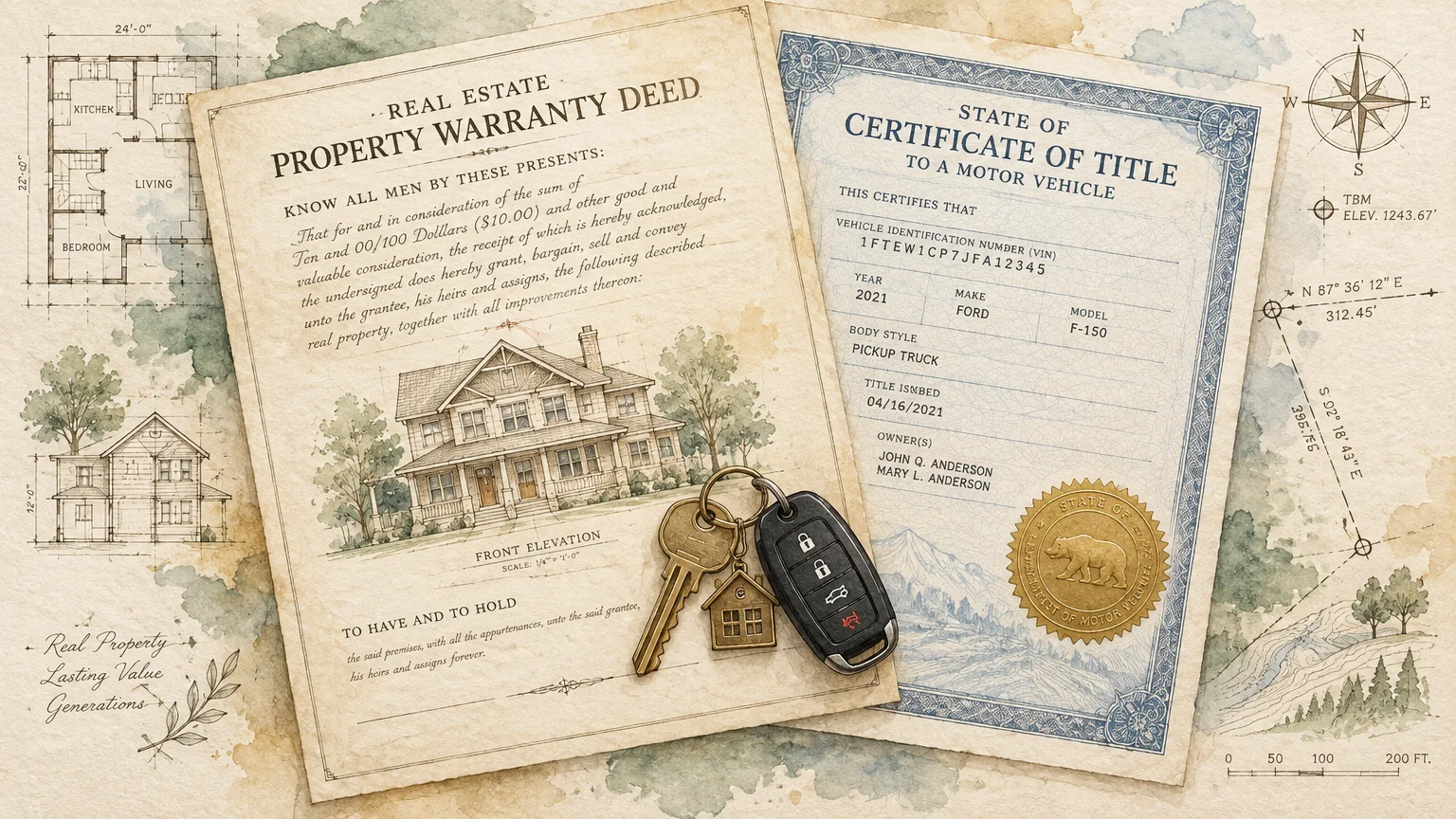
6. Real Estate Deeds, Vehicle Titles, and Property Documentation
Your family must verify clear ownership records before selling, managing, or refinancing physical real estate. Missing deeds and unrecorded mortgage satisfactions create costly title delays.
Locate the original deed to your home and any secondary vacation property. If you paid off your residential mortgage, keep the official satisfaction letter issued by your lender.
Gather clean vehicle titles for cars, recreational vehicles, boats, and utility trailers. State motor vehicle departments require clean paper titles to transfer ownership following an owner’s death.
Collect current property tax statements, title insurance policies, and residential hazard insurance contracts. These documents provide essential contact data if storms or fires strike your home while you are away.
If you own commercial rental property, include active tenant leases and security deposit accounting records. Managing these operations becomes impossible for an agent without complete operational files.
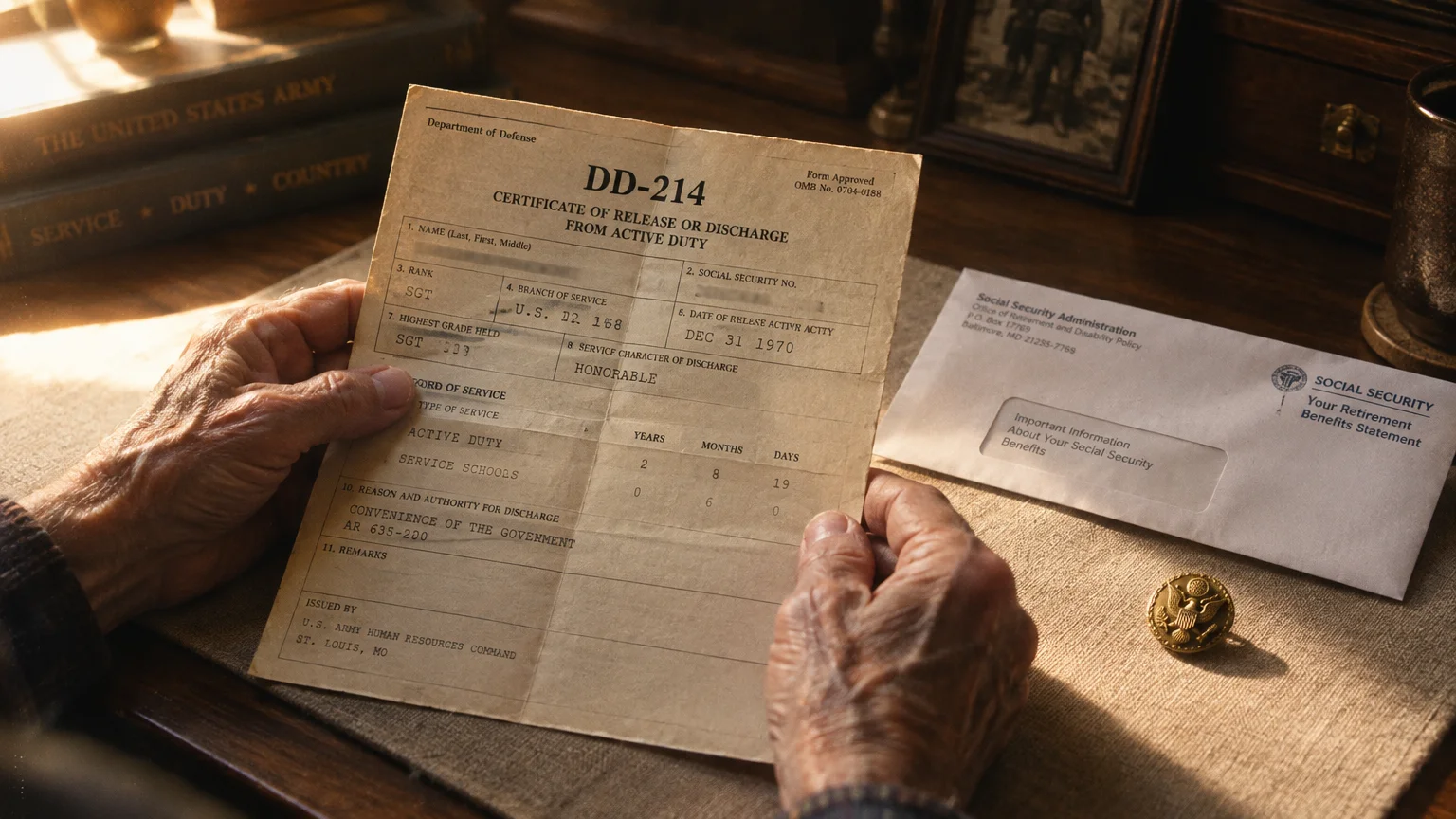
7. Military Service Records (DD-214) and Social Security Statements
Honorable military service unlocks vital benefits for aging veterans and their surviving spouses. However, families cannot claim these earned honors without an official military discharge document.
Locate your original DD-214 or official separation paperwork and store it securely. The Department of Veterans Affairs (VA) requires this verification to authorize survivor pensions, specialized healthcare, and burial benefits.
Your family can claim burial allowances and cemetery honors in national veterans cemeteries with this paperwork. Tracking down missing service records through federal archives can take several stressful months.
Keep your most recent annual statement from the Social Security Administration (SSA) in this same file. This documentation confirms your monthly benefit distribution amount and your official claim number.
Surviving spouses often qualify to step up to a deceased spouse’s higher Social Security benefit. Having this paperwork accessible simplifies the notification process with the Social Security Administration.
“The best time to plan for retirement was 20 years ago. The second best time is today.”

8. Master Financial Account Roster and Recurring Liabilities
Billions of dollars in dormant bank accounts and forgotten securities transfer to state unclaimed property funds annually. Creating a comprehensive asset inventory keeps your wealth within your family.
Draft a master directory listing every bank account, brokerage portfolio, pension fund, and outstanding debt. Include institution names, phone numbers, account titles, and account numbers.
List all recurring household utility bills, mortgages, property taxes, and active credit cards. This financial checklist allows your financial power of attorney to keep essential services operating during emergencies.
Include safe deposit box locations, box numbers, and the precise physical location of access keys. Unclaimed safe deposit boxes are drilled and surrendered to state custody after years of inactivity.
Update this financial roadmap at least once every calendar year. Destroy old drafts immediately so your family never acts on obsolete banking data.

9. Digital Asset Access Plan and Password Directory
Modern retirement accounts, medical portals, and utility billings exist almost entirely behind secure digital firewalls. Without login credentials, your family remains locked out of your financial ecosystem.
Compile a secure inventory of digital accounts, usernames, complex passwords, and security verification answers. Include access codes for your home computer, tablet, and smartphone.
Smartphones serve as the primary hub for two-factor authentication text messages and verification apps. If your family cannot unlock your phone, they cannot access your financial accounts.
Consider using an encrypted digital password manager that features an emergency access release option. These modern tools permit trusted emergency contacts to request vault access following a predetermined waiting period.
Document your explicit wishes regarding personal email accounts, photo cloud storage, and social media pages. Specify whether you want these online accounts archived, transferred, or permanently erased.
Where to Store Family Emergency Paperwork Securely
Gathering your critical paperwork solves only half the problem; safe storage provides the rest of the equation. Balancing daily privacy with family accessibility requires an intentional storage plan.
A portable, fire-resistant, and waterproof security safe kept in your home provides excellent emergency access. Make sure your named executors and durable agents know the combination to the locking mechanism.
Digital encrypted vaults offer an outstanding supplementary backup for important documents for family members living far away. Ensure these cloud-based storage services utilize end-to-end encryption standards.
Review the comparative benefits of the three most popular storage methods below.
| Storage Method | Emergency Accessibility | Average Annual Cost | Best Suited For |
|---|---|---|---|
| Home Fireproof Safe | Immediate access for designated family members holding the code. | $0 (One-time $60–$250 purchase price) | Original wills, powers of attorney, deeds, and physical titles. |
| Bank Safe Deposit Box | Restricted access; closed nights, weekends, and holidays. | $50–$200 annually | Precious heirlooms, rare coin collections, and physical stock certificates. |
| Encrypted Digital Vault | Instant remote access from any internet-connected computer or smartphone. | $0–$75 annually | Account inventories, insurance cards, and digital copies of directives. |
Never hide important records in obscure places like freezers, crawlspaces, or unmarked boxes in the attic. Grieving family members rarely find these hidden stashes during an emergency cleanup.
Maintain an identical duplicate binder of non-sensitive paperwork for your primary designated caregiver. According to the Family Caregiver Alliance, easy paperwork access significantly reduces caregiver burnout.
Errors That Cost Retirees Thousands
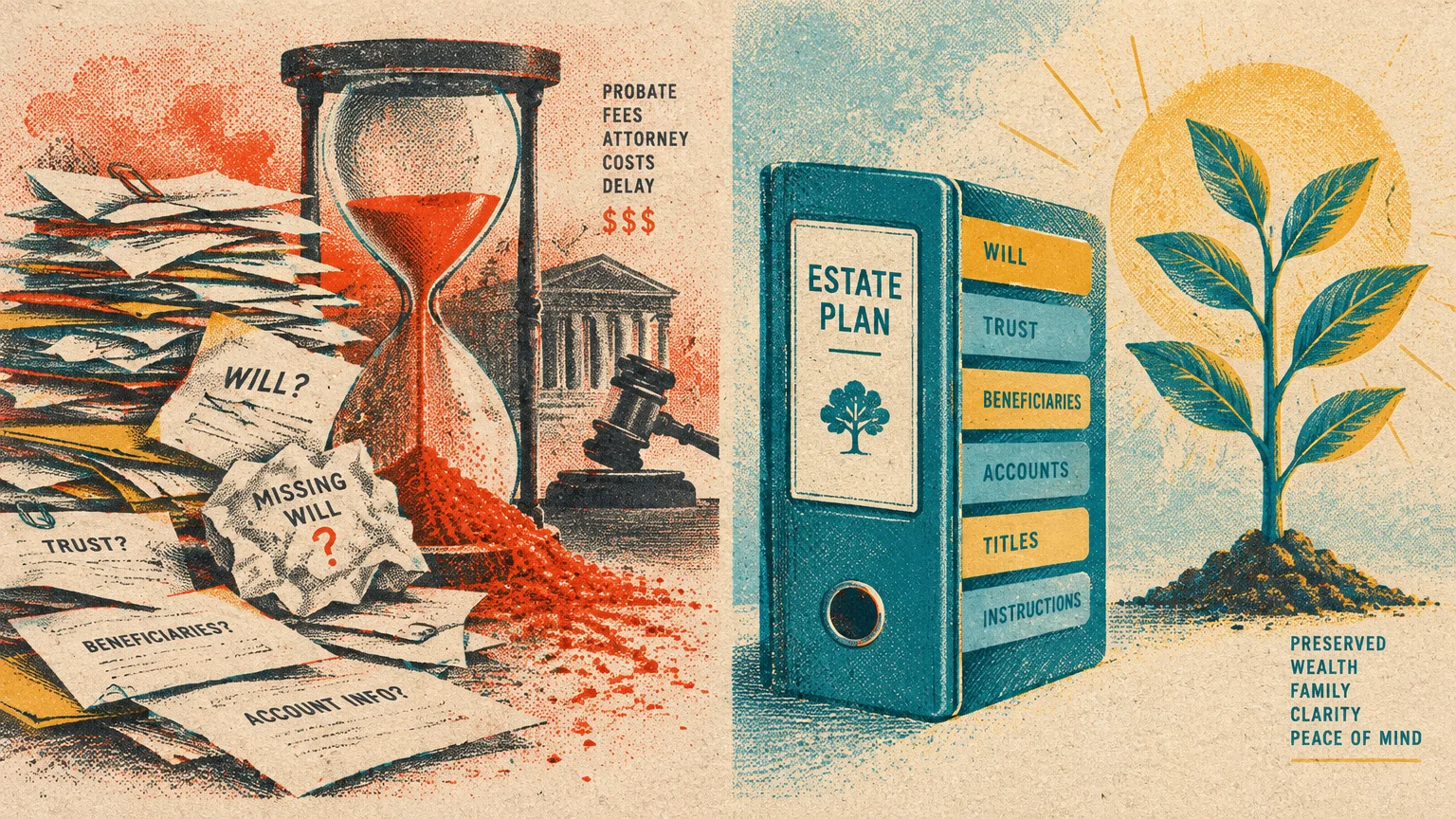
A simple mistake with legal paperwork can trigger substantial legal fees, avoidable taxes, and bitter family disputes. Awareness of these common pitfalls protects your wealth and sanity.
- Relying on Outdated Designations: Beneficiary designations always override instructions in your will. Failing to update designations after a divorce or family death directs wealth to the wrong individuals.
- Locking the Will in a Bank Box: Storing your original will in a safe deposit box often delays probate. Many state banking statutes seal boxes until the probate court issues special search orders.
- Missing Medical Privacy Releases: A healthcare directive lacking a valid HIPAA authorization prevents physicians from briefing your adult children. Always execute these two documents simultaneously.
- Ignoring Power of Attorney Refreshers: Banks frequently reject durable financial powers of attorney signed decades ago. Have an attorney refresh your legal authority forms every five years.
- Hiding Digital Passwords: Forgetting to document digital credentials locks executors out of online-only bank accounts. Financial institutions may freeze those assets until formal probate administration closes.
Taking defensive measures against these routine errors keeps your estate plan functional and your assets protected. Simple administrative oversights should never stand between your family and their security.

When to Get Expert Help
Navigating estate planning documents and state legal statutes often requires specialized professional assistance. Knowing when to engage experienced professionals prevents costly legal mistakes.
Consult an experienced elder law attorney when drafting powers of attorney and healthcare directives. Elder law specialists ensure your legal documents meet changing state laws and address Medicaid asset limits.
Retain a fee-only certified financial planner to review asset titling and direct beneficiary structures. A financial advisor ensures your wealth distribution aligns with tax-efficient withdrawal strategies.
Engage a certified public accountant if your estate holds complex commercial real estate, businesses, or trust accounts. Tax experts ensure your heirs avoid unnecessary capital gains taxes through step-up basis adjustments.
Frequently Asked Questions
Where is the worst place to keep an original will?
The worst location to store an original will is an individual bank safe deposit box. Financial institutions typically seal the box upon death, requiring court petitions to open it.
Can my financial power of attorney act after my death?
No, all power of attorney authority terminates instantly at the moment of the principal’s death. After death, only the court-appointed executor or trustee holds legal authority to manage your assets.
How often should I review my retiree document checklist?
You should review your essential document checklist annually and immediately following major life transitions. Routine checkups ensure changes in family status, tax codes, and addresses remain fully accurate.
Are digital scans of legal documents legally valid?
Hospitals routinely accept digital copies of healthcare directives and medical proxy forms. However, probate courts almost universally demand original physical paper documents containing wet signatures for wills.
Schedule an afternoon this month to organize your essential records and share their location with your designated agents. Taking charge of this organizational task today provides profound security for your family tomorrow.
Retirement rules and benefit amounts vary based on individual work history, income, and circumstances. This article provides general guidance only. Consult a SHIP counselor, financial advisor, or elder law attorney for advice specific to your situation.
Last updated: February 2026. Medicare and Social Security rules change annually—always verify current details at official government sources.