Waterfront jobs offer retirees steady hourly pay, fresh coastal breezes, and flexible shifts without corporate headaches. You can fund personal travel while working alongside luxury liners and recreational vessels.
Major embarkation hubs and local harbors recruit seasonal port work crews every spring and fall. These positions keep your body active and your social circle expanding throughout retirement.
Whether you live near an ocean terminal or an inland lake, cruise port jobs for seniors deliver engaging routines. Explore the ten best part-time opportunities available right now.

Why Waterfront Roles Suit Active Retirees
Retirement often leaves an unexpected void in daily social interaction. Working around docks and harbors connects you with energetic travelers and passionate boaters every single day.
These part-time jobs for retirees emphasize customer service and life experience over technical speed. Terminal operators and harbor masters value reliable older adults who remain calm under pressure.
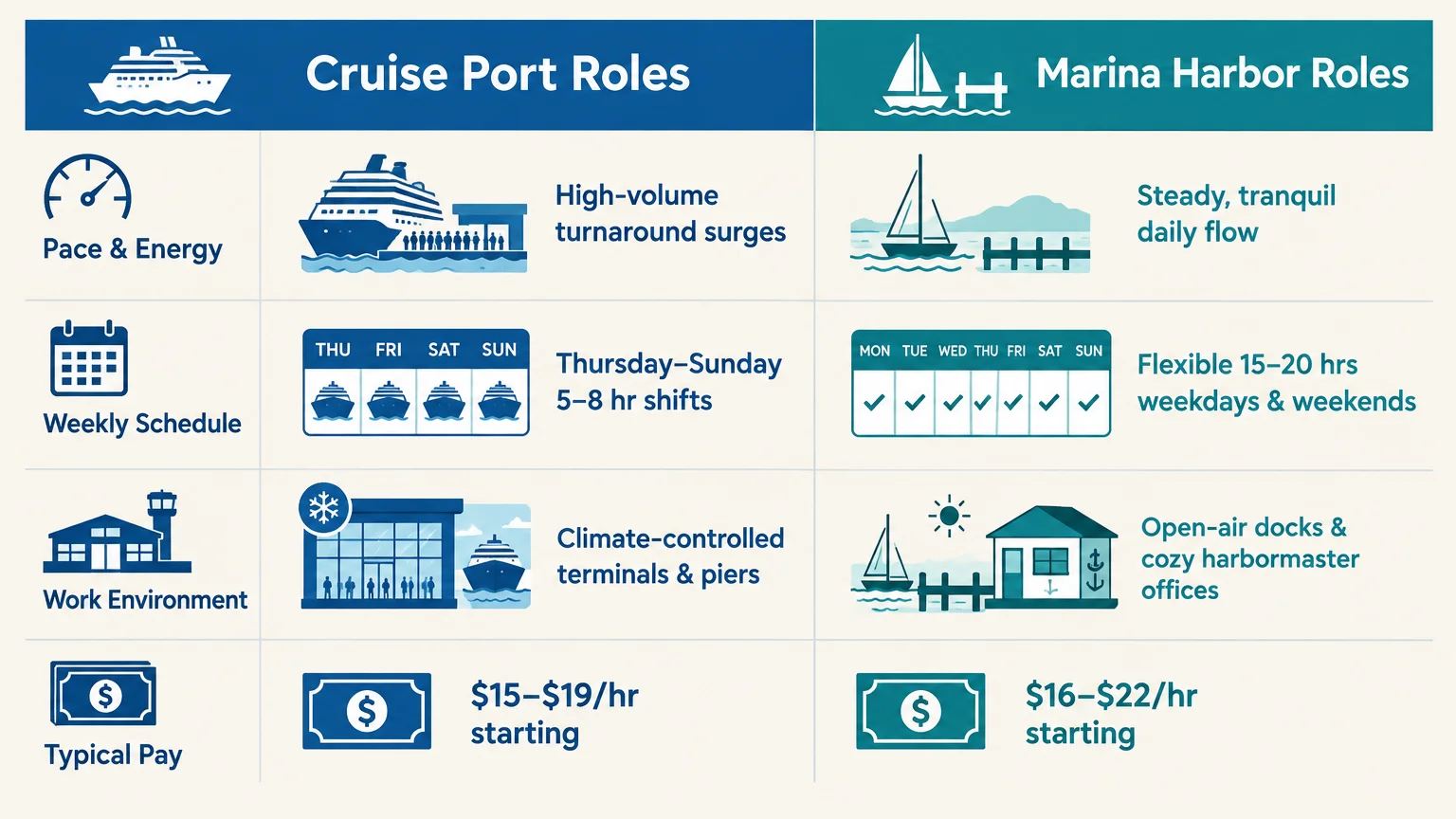
Most cruise ship turnarounds happen on Thursdays, Fridays, Saturdays, and Sundays. This condensed schedule leaves your mid-week completely open for your own leisure and family plans.
Marinas offer a similar perk through predictable weekend traffic. You can secure steady 15-to-20-hour workweeks without committing to exhausting 40-hour routines.
“Don’t simply retire from something; have something to retire to.” — Harry Emerson Fosdick
Staying active outdoors supports cardiovascular health and joint mobility. Walking along piers and terminals provides low-impact exercise that never feels like a forced gym workout.
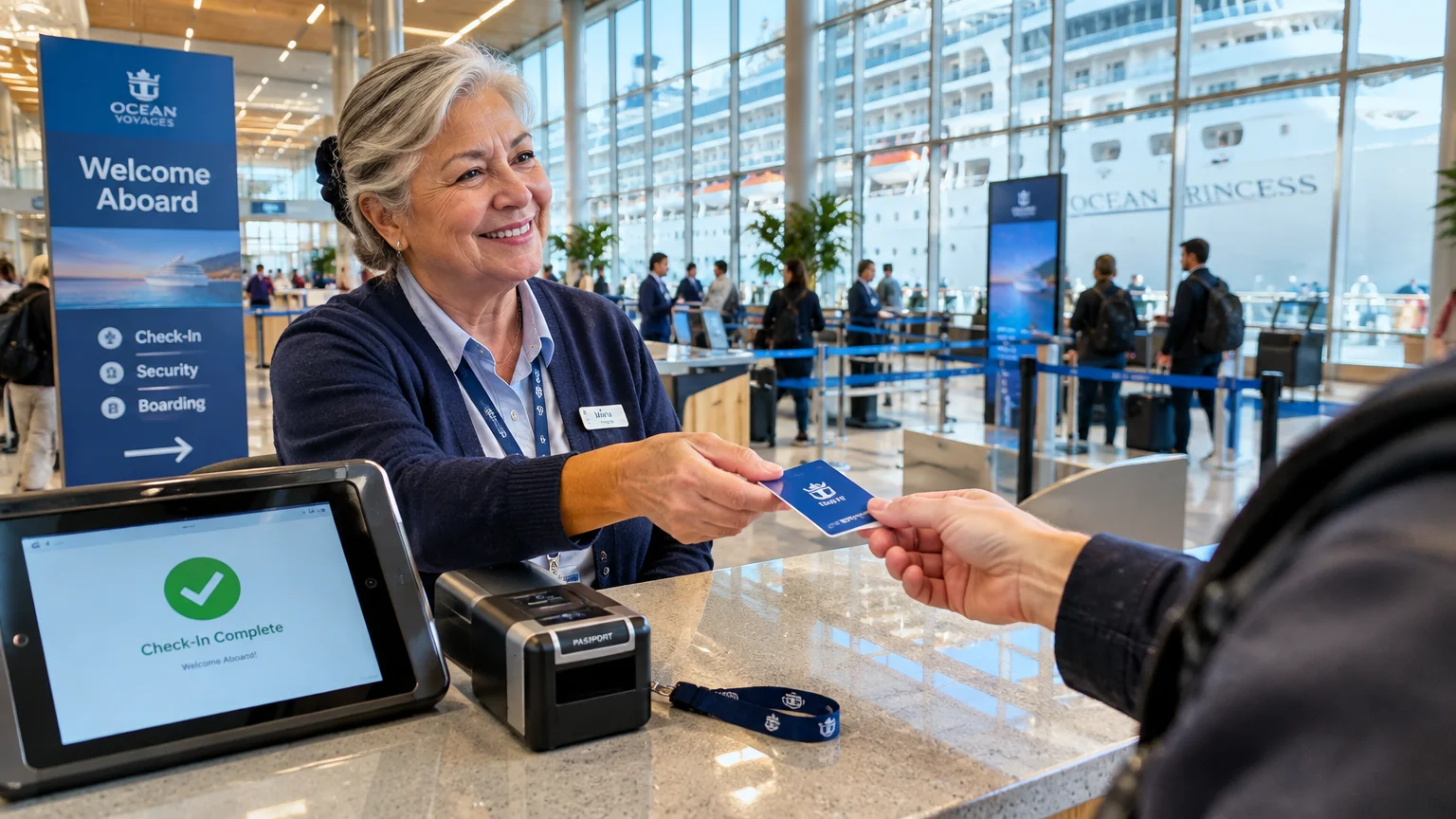
1. Cruise Passenger Check-In Agent
Check-in agents serve as the welcoming face of the cruise line. You review passports, verify digital boarding passes, and issue cabin room keys to eager vacationers.
This role takes place inside climate-controlled passenger terminals. You spend most of your shift behind a podium or desk interacting directly with smiling travelers.
Terminal operators provide direct training on their proprietary tablet computers and scanners. You do not need deep technical skill, provided you feel comfortable using standard touchscreens.
Shifts generally last five to eight hours during turnaround days. Starting wages usually range between $15 and $19 per hour depending on the port location.
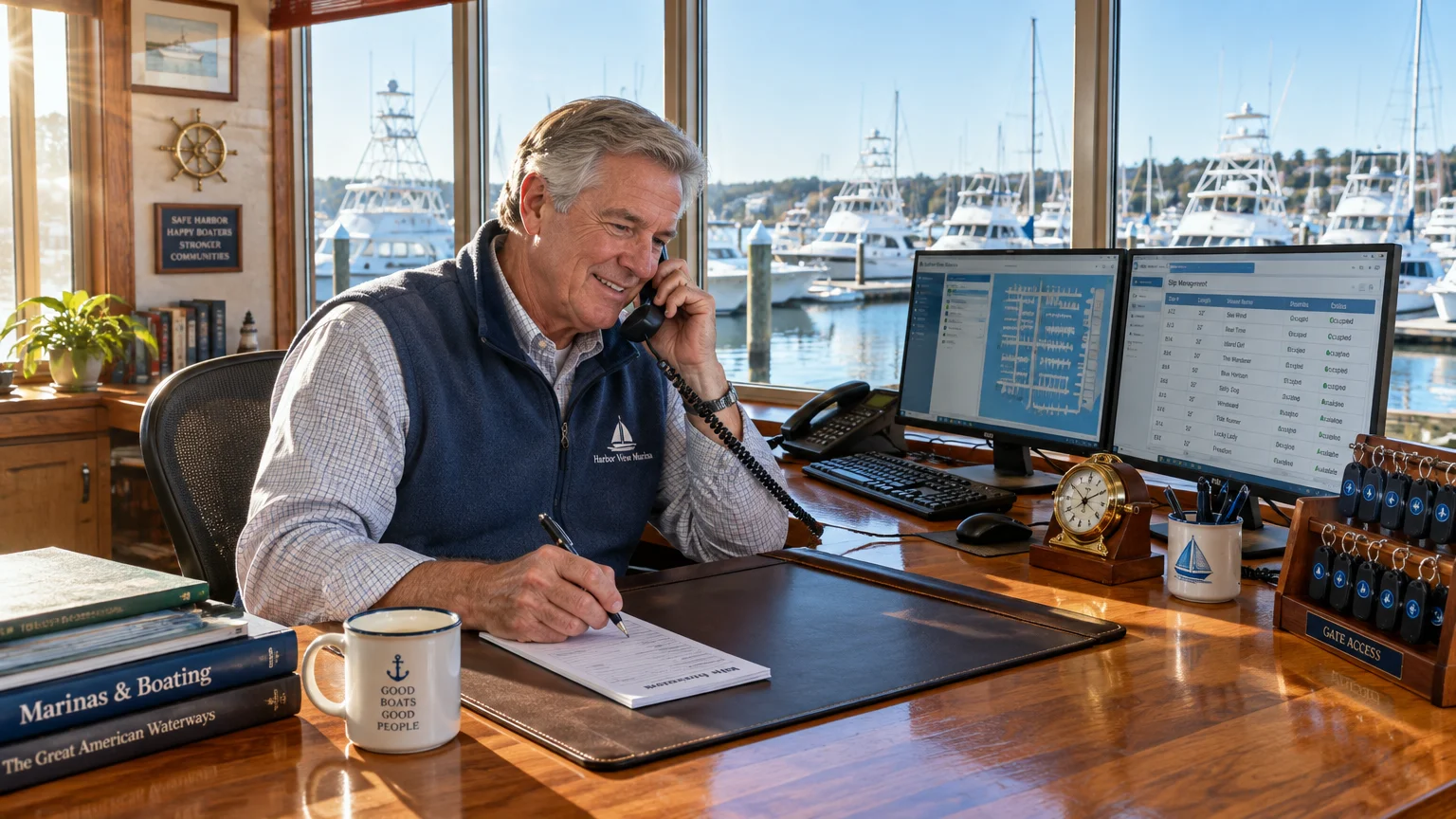
2. Marina Office Coordinator
If you prefer a calmer setting away from thousands of cruise passengers, consider working in a marina office. Coordinators manage slip rentals, take reservations over the phone, and welcome visiting boaters.
Your responsibilities include answering emails, processing credit card payments, and distributing gate fobs. You act as the administrative anchor for the local boating community.
Former administrative assistants, teachers, and bookkeepers thrive in this role. The work requires basic software literacy, pleasant phone manners, and reliable organization.
Marina jobs in the front office frequently pay between $16 and $22 per hour. Many facilities also offer slip rental discounts to staff who own boats.

3. Pier Wayfinder and Passenger Greeter
Cruise terminals can intimidate first-time cruisers navigating complex security lines. Wayfinders position themselves at entrances, escalators, and baggage drops to point travelers in the right direction.
Your main objective is keeping lines moving while answering straightforward logistical questions. You explain where to locate restrooms, passport checkpoints, and priority embarkation lanes.
This position requires continuous standing and walking across terminal concourses. Comfortable orthopedic shoes and a bright, reassuring demeanor represent your most essential tools.
Shifts align with vessel departures, making this one of the most flexible cruise port jobs for seniors. Expect hourly compensation between $14 and $18.
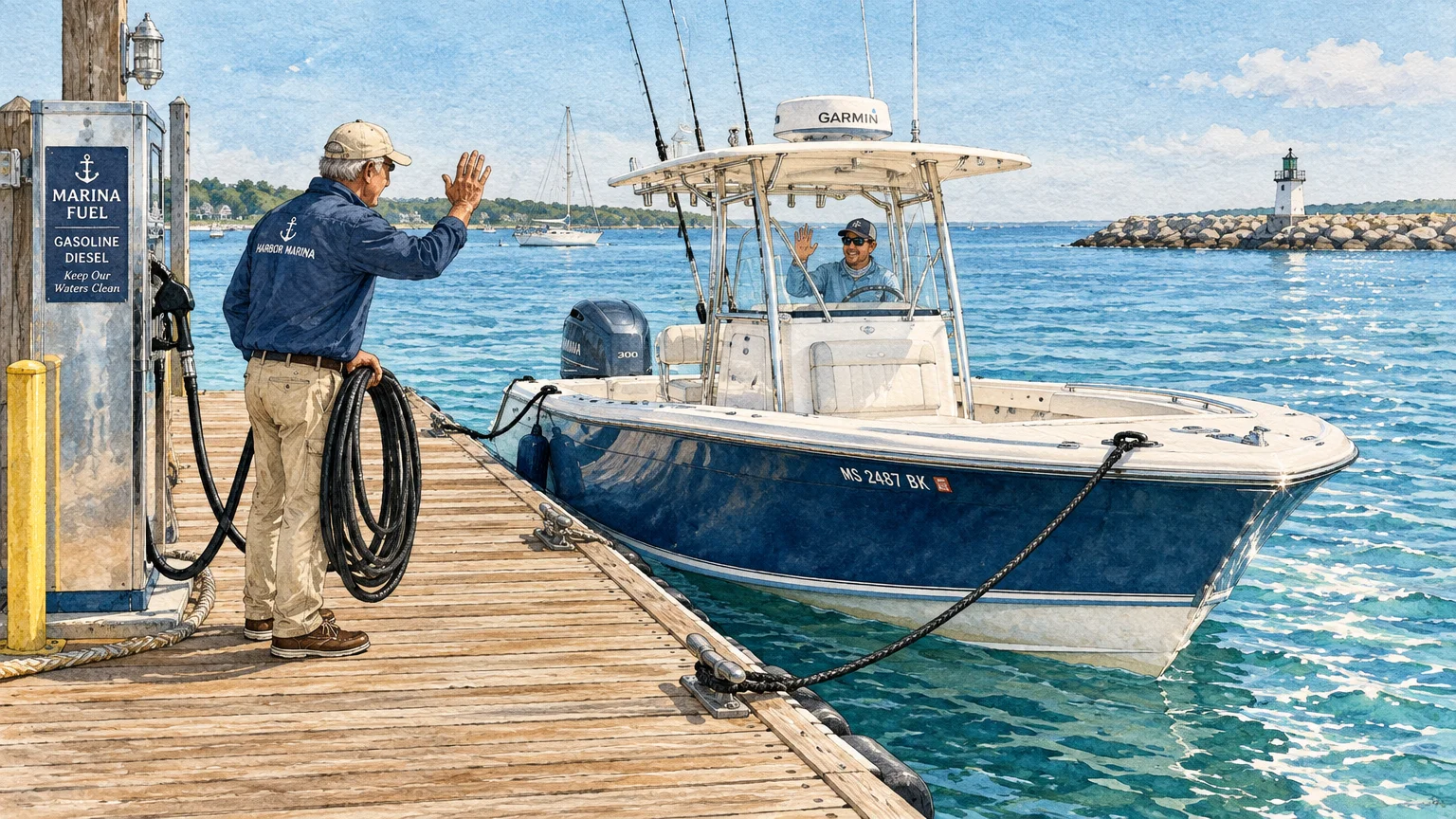
4. Marina Fuel Dock Attendant
Fuel docks keep motorized pleasure craft moving all summer long. Attendants handle marine fuel nozzles, pump pump-out holding tanks, and sell motor oil to recreational skippers.
Safety procedures dictate every task at the fuel dock. You will ensure boat engines stay turned off and supervise proper grounding during refueling operations.
This job immerses you completely in the marine elements. You catch tie-off lines, secure boats to cleats, and chat with local fishermen returning with daily catches.
Wages generally range from $15 to $19 per hour, often supplemented by modest cash tips from generous captains. Shifts peak during warm weekend afternoons and major summer holidays.
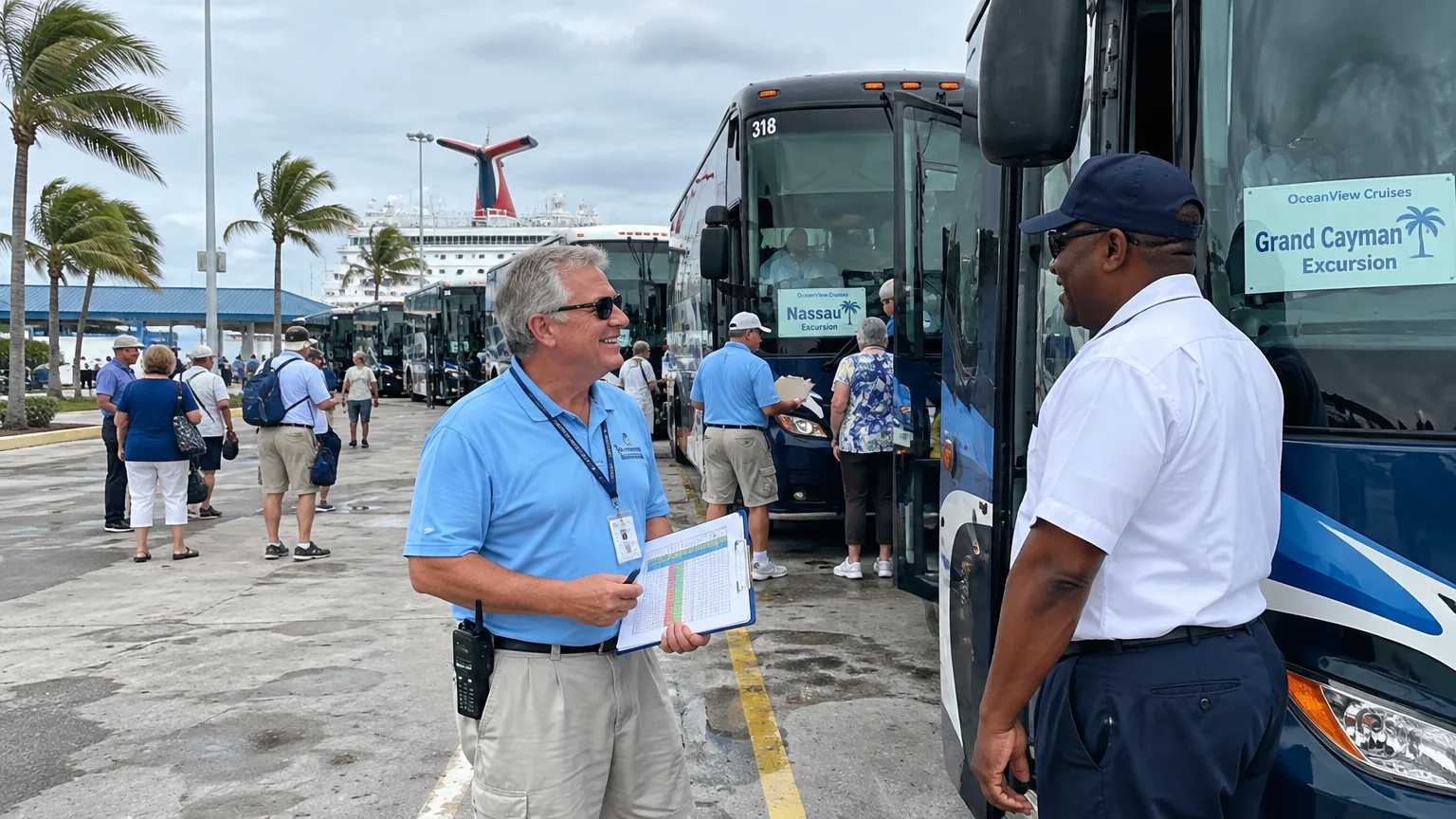
5. Shore Excursion Dispatcher
When thousands of passengers step off a ship for a day in port, dispatchers keep excursions organized. You group tourists by tour company, check excursion tickets, and escort groups to awaiting buses.
You coordinate directly with bus drivers, boat captains, and local excursion leaders. Strong organizational instincts and a clear speaking voice make you invaluable on the pier apron.
The job features fast-paced morning rushes followed by quieter afternoons. You spend hours outside soaking up harbor views while ships dock and sail.
Hourly wages range between $16 and $20 per hour. Ports in destinations like Florida, California, and Alaska hire hundreds of dispatchers for seasonal port work every year.

6. Marina Dockhand (Light Duty)
While heavy marine repair demands younger backs, lighter dockhand work suits active seniors. Duties include walking the docks to inspect lines, tidy up water hoses, and report maintenance issues.
You greet visiting boaters as they approach transient slips. You catch their bowlines and stern lines, helping vessels dock smoothly against the wooden or concrete pilings.
Familiarity with basic nautical knots like cleat hitches and bowlines gives you an instant advantage. However, most harbor masters gladly train enthusiastic newcomers willing to learn.
Pay typically ranges between $14 and $17 per hour, plus occasional tips. It offers an exceptional way to spend your mornings steps away from the water.

7. Terminal Luggage Intake Specialist
Before passengers board their ship, their checked luggage must pass through intake screening. Intake specialists verify that each bag carries an accurate cabin tag and matches ship manifests.
Stevedores handle the heaviest luggage lifting, while intake specialists handle verification and traffic directing. You ensure bags enter the proper security staging zones without bottlenecks.
You also assist passengers whose paper luggage tags tore off during airport transit. You maintain a supply of fresh tags and write out cabin numbers swiftly.
Expect hourly pay of $15 to $19. These shifts end early in the afternoon once the ship completes luggage loading procedures.

8. Marina Ships’ Store Retail Associate
Marina retail stores carry everything from sailing apparel and fishing tackle to cold drinks and nautical gifts. Store associates ring up sales, restock displays, and track inventory levels.
The pace inside a ships’ store remains relaxed compared to standard mall retail. You converse with weekend sailors, share local tide conditions, and recommend nearby fishing spots.
Shifts take place indoors under air conditioning, making it physically easier than outdoor dock roles. You will sit or stand behind the cash wrap while managing transactions.
Compensation sits comfortably between $14 and $18 per hour. Most retailers provide employee merchandise discounts on outdoor apparel and marine accessories.

9. Harbor Mobility and Shuttle Cart Driver
Massive cruise terminals and expansive marinas present long walks for guests with limited mobility. Shuttle drivers operate multi-passenger electric golf carts to transport passengers safely across long piers.
You pick up elderly guests, families with small children, and passengers with disabilities from parking lots. You drive them directly to gangways, security entrances, or designated taxi stands.
A clean state driver’s license represents the only major prerequisite. The job requires minimal physical strain since you remain seated throughout most of your shift.
Hourly rates average $15 to $18, with satisfied passengers regularly providing cash tips. It remains one of the most beloved waterfront jobs among retired drivers.

10. Cruise Terminal Provisioning Clerk
Cruise liners consume immense volumes of food, beverages, and clean linens on every voyage. Provisioning clerks monitor the delivery pallets moving from distributor tractor-trailers into loading bay elevators.
You carry a clipboard or barcode scanner to log arriving pallets against purchase orders. You verify that crate counts match packing slips before cargo handlers move items aboard.
This behind-the-scenes role avoids the noise of passenger crowds. It suits seniors with previous backgrounds in logistics, warehousing, purchasing, or project management.
Pay typically ranges from $17 to $22 per hour. Because ships load provisions at dawn, these jobs often feature early morning shifts that conclude by noon.
Comparing Waterfront and Marina Jobs
Selecting the ideal position depends on your desired schedule, physical stamina, and preferred environment. Review the summary table below to find the role matching your retirement lifestyle.
| Role | Hourly Pay Range | Physical Demand | Work Environment | Key Senior Advantage |
|---|---|---|---|---|
| Check-In Agent | $15 – $19 | Low to Moderate | Indoor Terminal | Air-conditioned comfort |
| Marina Office Coordinator | $16 – $22 | Low | Indoor Office | Desk work and predictable hours |
| Terminal Wayfinder | $14 – $18 | Moderate | Indoors / Covered Pier | High social interaction |
| Fuel Dock Attendant | $15 – $19 | Moderate | Outdoor Dock | Fresh air and boater camaraderie |
| Shore Excursion Dispatcher | $16 – $20 | Moderate | Outdoor Pier | Engaging morning schedules |
| Marina Dockhand | $14 – $17 | Moderate to High | Outdoor Marina | Active lifestyle near the water |
| Luggage Intake Specialist | $15 – $19 | Moderate | Covered Staging Area | Short, concentrated shifts |
| Ships’ Store Associate | $14 – $18 | Low | Indoor Retail | Relaxed retail environment |
| Shuttle Cart Driver | $15 – $18 | Low | Outdoor Carts | Seated position with steady tips |
| Provisioning Clerk | $17 – $22 | Low to Moderate | Loading Docks | Organized logistics work |
Managing Social Security Earnings Limits and Taxes
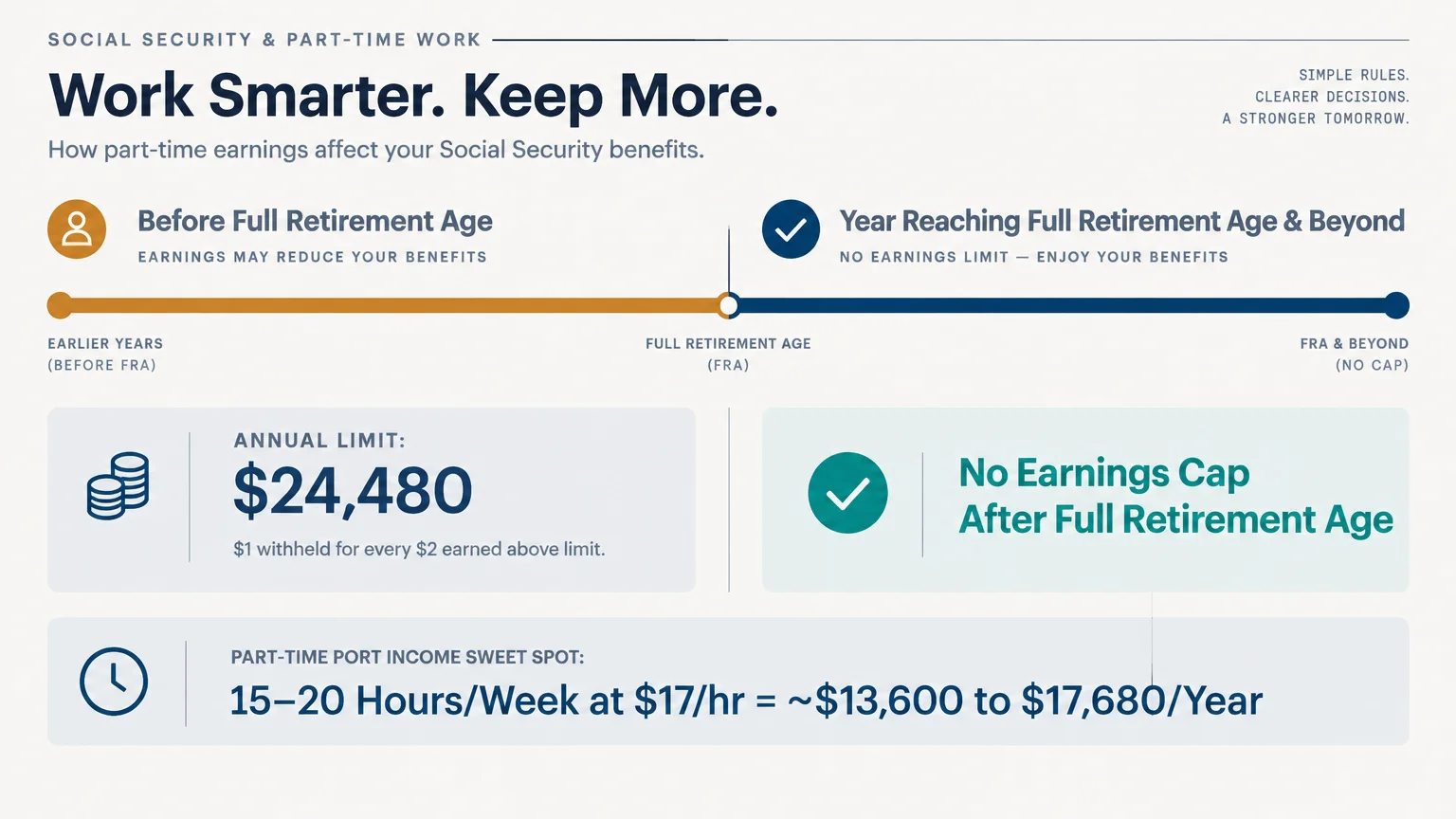
Before accepting a part-time position, understand how wages interact with your monthly benefits. Taking on waterfront jobs can alter your tax picture if you claim Social Security before your full retirement age.
The Social Security Administration (SSA) enforces an annual earnings limit for beneficiaries who have not reached full retirement age. Earning above this threshold triggers temporary benefit deductions.
Once you reach full retirement age, the earnings cap vanishes completely. You can earn unlimited income from seasonal port work without sacrificing a single dollar of your Social Security benefit.
Consult resources from AARP regarding modern senior employment trends and paycheck tax withholdings. Working part-time often shifts your taxable income into brackets that require quarterly estimates.
The IRS Retirement Plans division provides tools for calculating required minimum distributions alongside active earnings. Coordinating these streams protects your hard-earned nest egg from unnecessary tax penalties.

Common Retirement Traps to Avoid Waterfront
Working on the water offers exceptional rewards, but avoidable mistakes can ruin the experience. Keep these potential pitfalls in mind as you explore local positions.
- Ignoring Sun and Heat Exposure: Piers reflect intense ultraviolet rays from the water surface. Working four hours without sunblock, polarized sunglasses, and hydration leads to dangerous heat exhaustion.
- Underestimating Concrete Fatigue: Cruise terminals feature massive expanses of unyielding concrete floors. Wearing thin casual shoes will quickly trigger plantar fasciitis and lower back pain.
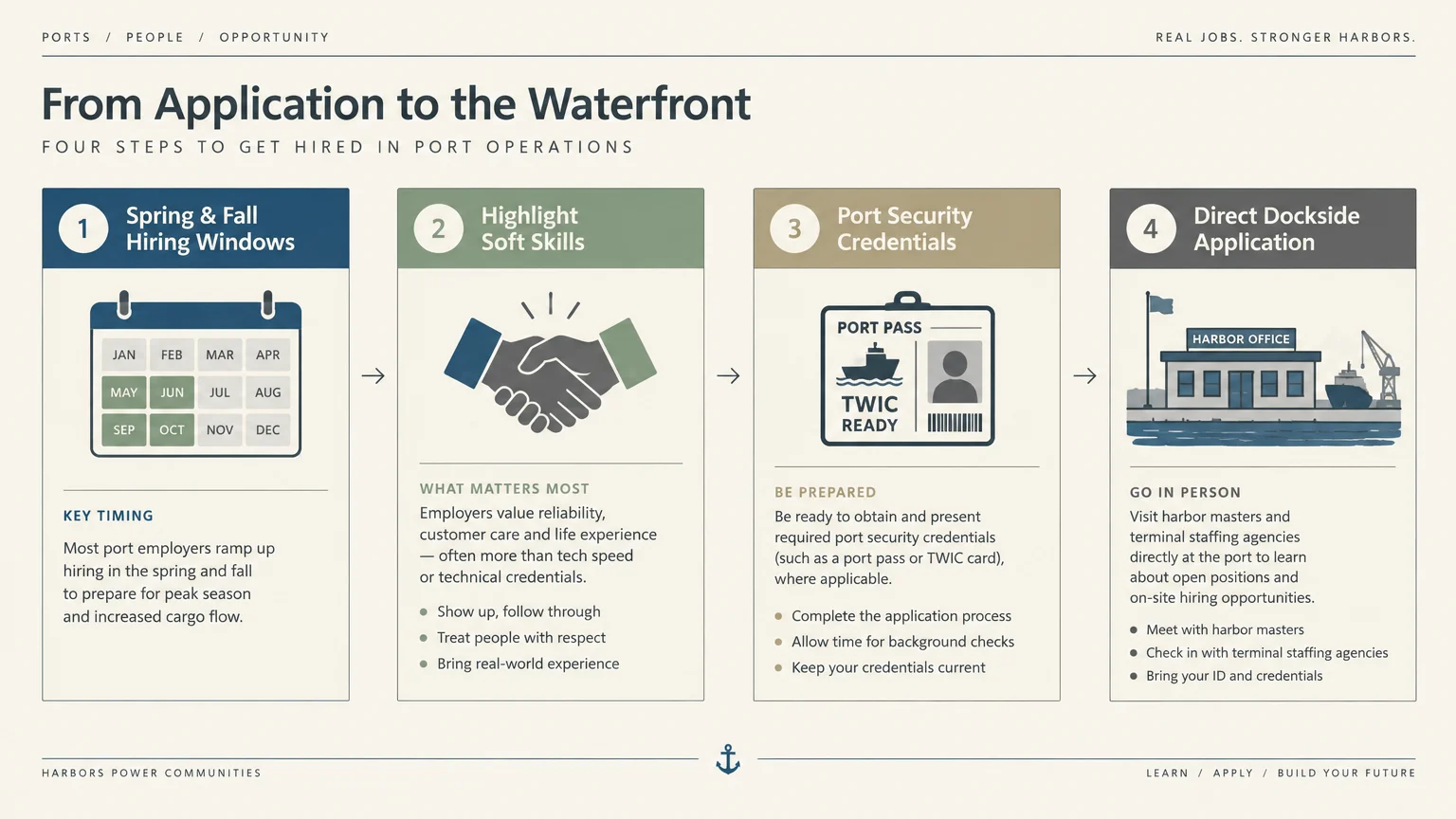
- Skipping the TWIC Card Process Early: Many ocean terminal positions require a Transportation Worker Identification Credential (TWIC). Background checks take several weeks, so apply before hiring fairs begin.
- Neglecting Social Security Earnings Caps: Exceeding annual earnings limits prior to your full retirement age causes surprising benefit clawbacks. Calculate your hours carefully before accepting extra shifts.
- Accepting Excessive Lifting Demands: Clearly define your physical boundaries during interviews. Do not let employers shift you into heavy baggage handling if you signed up for customer greeter roles.
How to Land Seasonal Port Work
Commercial ports and recreational marinas operate on distinct seasonal hiring cycles. Knowing when and where to submit applications dramatically boosts your chances of securing prime shifts.
Cruise terminals ramp up hiring roughly two months before their primary sailing seasons. Southern ports hire heavily in late summer for winter voyages, while northern ports recruit in early spring.
Most cruise lines outsource ground terminal operations to specialized maritime staffing agencies. Search for regional port service contractors like Intercruises, SMS International Shore Operations, or Metro Cruise Services.
For marina jobs, visit harbor facilities directly and speak with the harbor master in late winter. Local marinas often hire dependable seniors based on face-to-face rapport rather than cold digital resumes.
Emphasize punctuality, customer service experience, and schedule flexibility in your conversations. Employers prize retirees who live nearby and gladly cover emergency weekend shifts when needed.
Frequently Asked Questions
Do cruise port jobs require maritime experience?
Most land-based cruise port jobs for seniors require zero maritime background. Terminal managers care far more about your communication skills, professional reliability, and friendly customer attitude.
What is a TWIC card, and do I need one?
A Transportation Worker Identification Credential (TWIC) is a security card issued by the Transportation Security Administration. You need it to access secure port zones without an escort.
Can I take vacations while working a seasonal port job?
Most port employers understand seasonal availability and accommodate planned absences. You should communicate your travel dates clearly during your initial hiring interview to avoid scheduling conflicts.
Are part-time jobs for retirees at marinas physically demanding?
Physical demands vary widely across different marina roles. While maintenance workers lift heavy equipment, office coordinators, retail clerks, and shuttle drivers experience very low physical strain.
Chart Your Course to Waterfront Work
Step outside the typical post-retirement routine and explore the maritime opportunities available in your region. Update your resume today to highlight your organizational abilities, customer service background, and dependable character.
Visit your nearest commercial terminal or municipal marina this week to inquire about upcoming seasonal hiring windows. A rewarding waterfront role could be your ticket to extra income and engaging adventures.
Information in this article reflects current rules as of the publication date and may change. Always confirm benefit details directly with Social Security Administration, Medicare.gov, or relevant government agencies before making decisions.
Last updated: February 2026. Medicare and Social Security rules change annually—always verify current details at official government sources.