You can turn your lifetime of kitchen skills into a steady retirement income stream without working grueling restaurant shifts. Launching flexible culinary side gigs allows you to share delicious meals, connect with neighbors, and earn extra cash on your own schedule.
With living costs rising, finding purposeful ways to generate supplemental revenue brings peace of mind and daily joy. Whether you enjoy rolling pastry dough or teaching technique, your culinary expertise holds real commercial value.
Exploring practical cooking side hustles retirees love can help you monetize your favorite hobby while keeping complete control over your free time. Here is how you can earn money cooking in your post-career years.
Why Food-Based Businesses Fit Retirement Lifestyles
Food creates community faster than almost any other activity. Cooking also provides mental stimulation, physical movement, and creative satisfaction every time you step into the kitchen.
Best of all, culinary side gigs do not require corporate ladders or rigid forty-hour workweeks. You decide exactly how many hours you work each week.
You can scale your orders up before holiday seasons and pause operations entirely when taking vacations or visiting family. This flexibility ensures your enterprise enhances your retirement rather than complicating it.
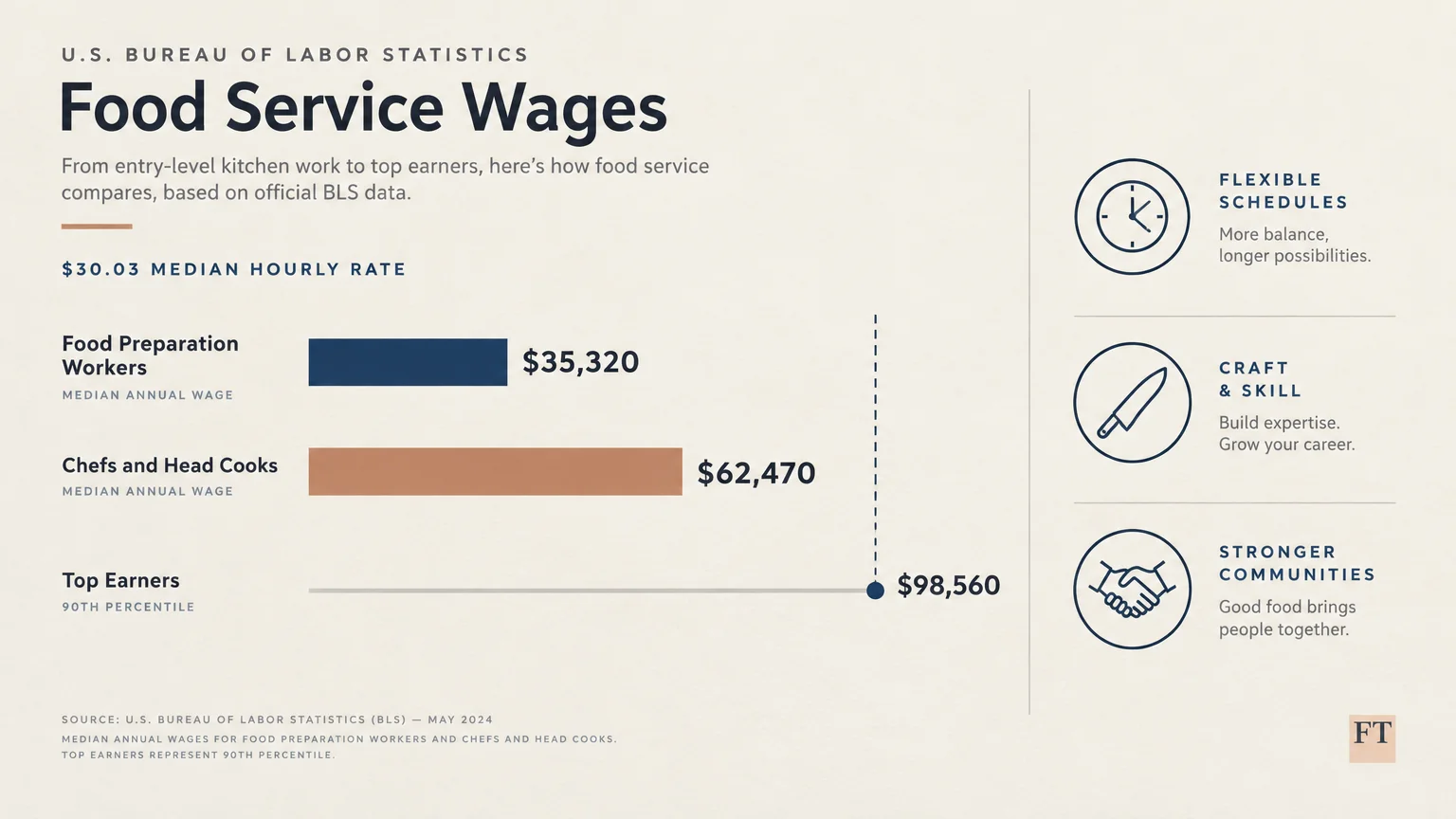
According to the U.S. Bureau of Labor Statistics, the median pay for chefs and head cooks is $62,470 per year, or roughly $30.03 per hour. Top earners in the culinary field make over $98,560 annually.
While you might not seek an executive restaurant post, charging professional rates for specialty culinary side gigs can boost your retirement budget. Even general food preparation workers earn a median of $35,320 per year.
Decades of home cooking experience give you an immediate competitive advantage over less seasoned cooks. You already possess the palate, patience, and organizational habits needed to run a successful kitchen.
“Don’t simply retire from something; have something to retire to.” — Harry Emerson Fosdick
1. Launch a Home Baking Business Under Cottage Food Laws
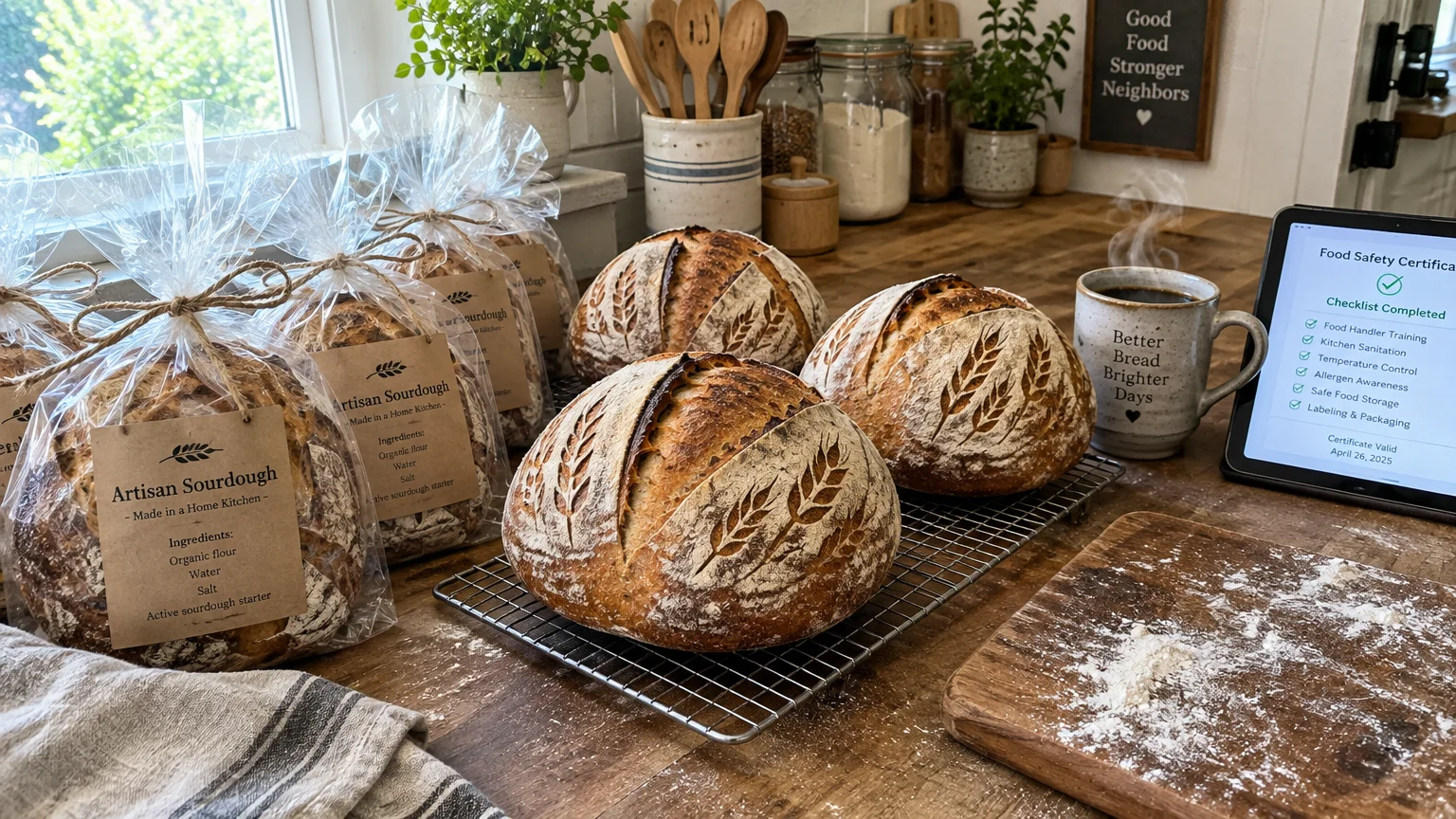
If you bake delicious sourdough bread, flaky pies, or specialty cookies, you can legally sell them directly from your home kitchen. You do not need to buy expensive commercial property to get started.
All 50 states and Washington, D.C. have established cottage food laws. These state statutes permit residents to produce and sell shelf-stable, non-hazardous foods without commercial kitchen licenses.
High-acid jams, artisan breads, roasted coffee beans, dry spice rubs, and fruit pies routinely qualify under cottage food exemptions. These items do not require strict refrigeration to remain safe for public consumption.
As of late 2026, 31 jurisdictions across the country place no annual revenue caps on home cottage food sales. You can grow your home cooking business without arbitrary regulatory ceilings.
Other states enforce specific limits; for instance, Alabama caps sales at $20,000 annually, while Maryland permits up to $50,000. Check your state department of agriculture website to confirm local sales thresholds.
Starting this home cooking business requires very little capital. You can earn money cooking by selling at local farmers markets, neighborhood yard sales, or through front-porch pickups.
Most states require a foundational food safety credential. The ServSafe Food Handler online training bundle costs $15 and provides the certification you need to satisfy local health departments.
Package your baked goods in professional cellophane bags with custom ingredient labels. Highlighting wholesome ingredients and traditional methods helps you command premium prices from local neighbors.
2. Host In-Person or Virtual Cooking Classes
Teaching allows you to monetize your culinary knowledge without the physical strain of fulfilling massive catering orders. You can share your signature techniques while building meaningful social connections.
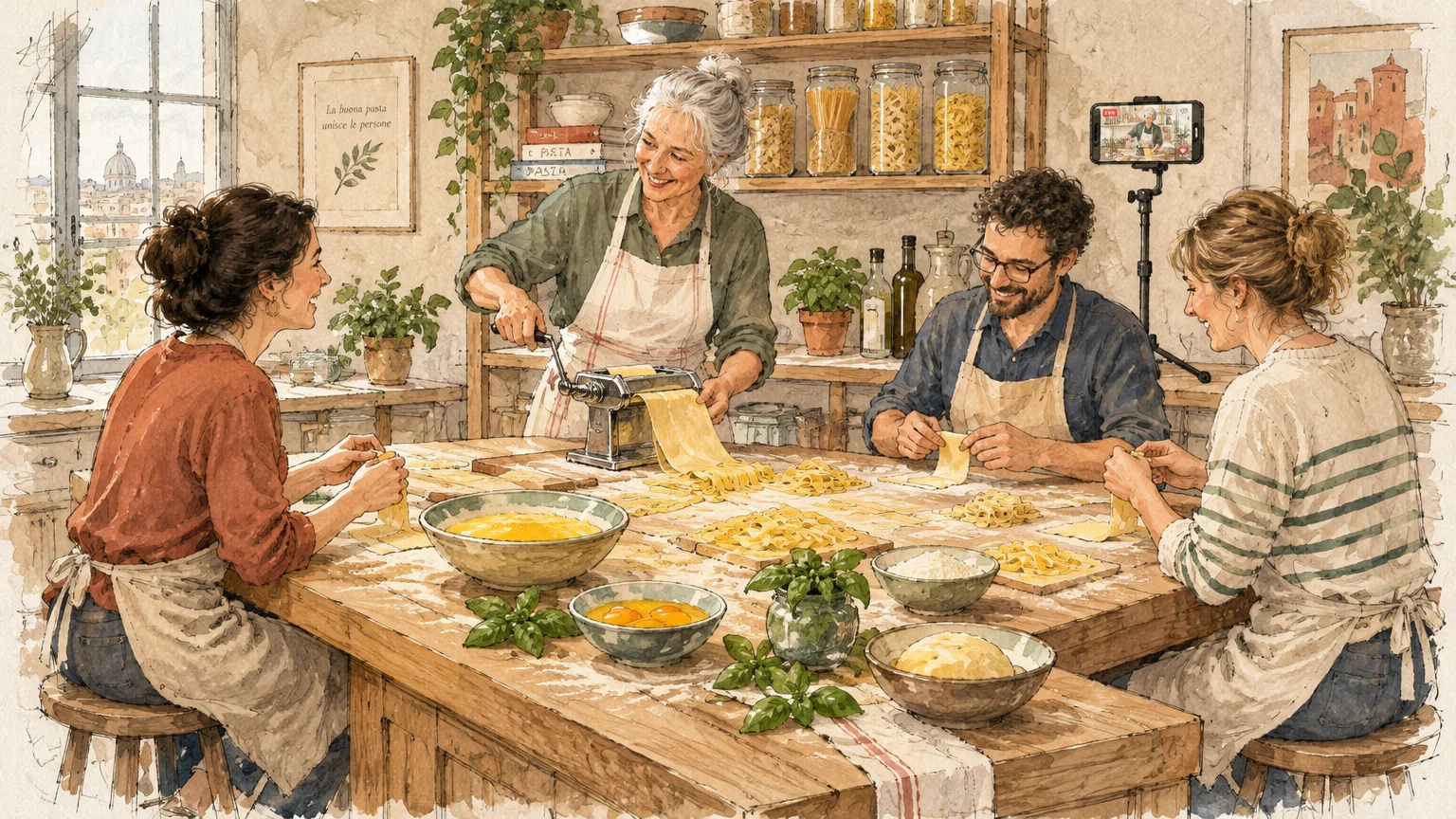
You can host small groups in your own kitchen or guide students live across video platforms. Teaching groups of four to six participants keeps classes intimate and manageable.
Online marketplaces make finding eager students remarkably easy. Platforms like Airbnb Experiences connect you directly with travelers looking for authentic local food experiences.
Airbnb Experiences charges hosts a flat 20% service fee deducted automatically from your payouts. The platform handles marketing, guest communication, and payment processing on your behalf.
Similarly, culinary platform Cozymeal enables experienced home chefs to list interactive cooking lessons and tastings. Cozymeal generally retains a 20% to 30% commission depending on your event format and booking size.
If you prefer managing your own events, you can sell class tickets directly through Eventbrite. Eventbrite charges 3.7% plus $1.79 per paid ticket alongside a 2.9% payment processing fee per order.
You can instruct students on specific regional specialties, sourdough techniques, handmade pasta, or quick heart-healthy suppers. Clear step-by-step demonstrations ensure your guests leave satisfied and confident.
3. Provide Personal Chef and Meal Prep Services
Many busy working parents and older adults struggle to prepare nutritious dinners every evening. You can solve this problem by cooking customized meals for private clients.
As an independent personal chef, you prepare customized weekly meals tailored to specific dietary preferences and health goals. You establish a regular weekly schedule that fits your lifestyle.
Cooking directly inside your client’s home offers a massive operational advantage. Because you work in their private kitchen, you generally avoid commercial kitchen zoning regulations.
You consult with your client on dietary needs, purchase the necessary groceries, and cook their weekly meals on-site. This approach keeps your overhead costs remarkably low.
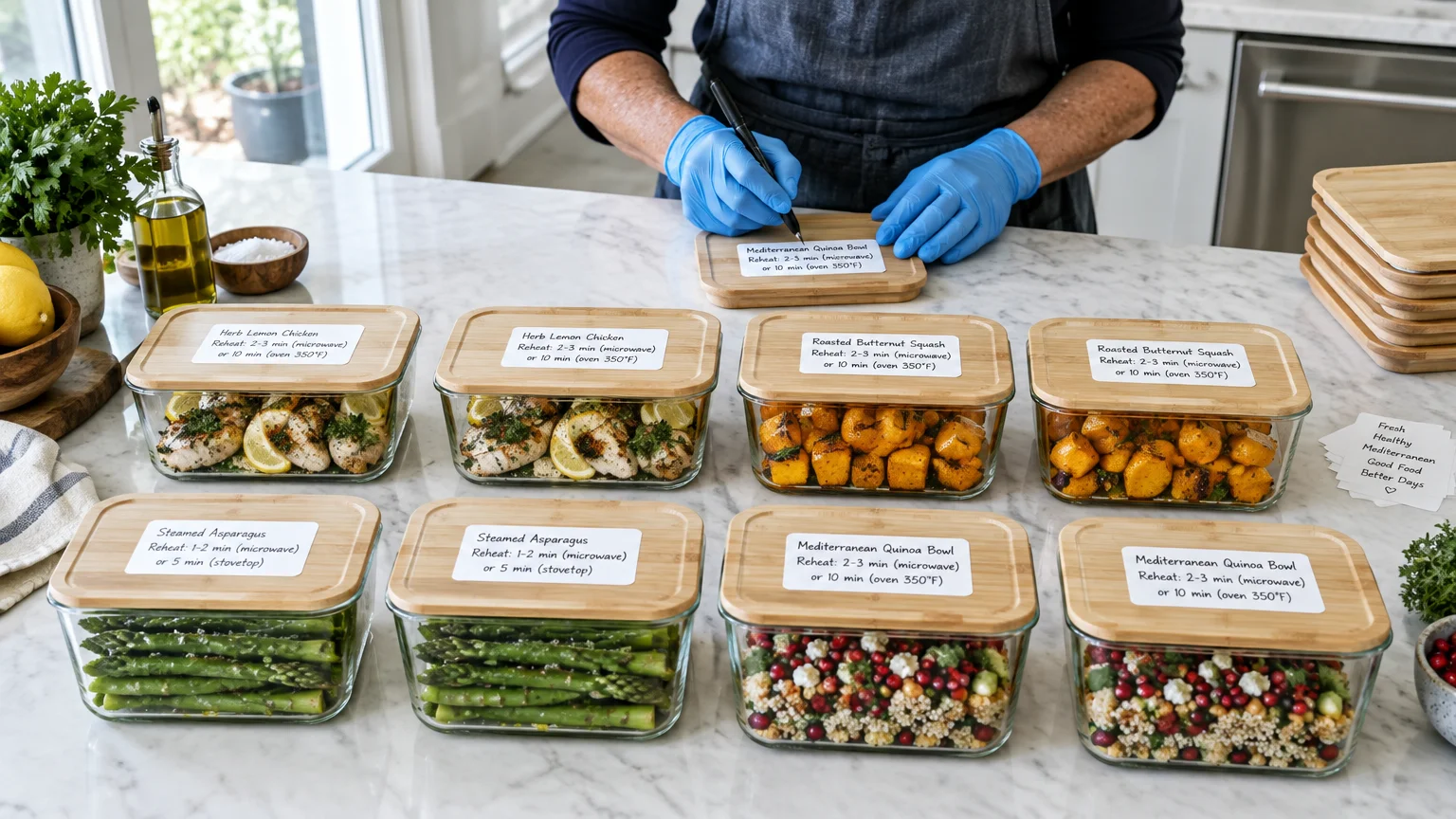
You leave behind neatly labeled containers in the refrigerator alongside clear reheating instructions. Your clients enjoy home-cooked meals without facing grocery store lines or kitchen cleanup.
This culinary side gig allows you to serve two or three regular clients weekly while maintaining complete control of your schedule. You can specialize in low-sodium cooking, diabetic-friendly dishes, or classic comfort foods.

4. Cater Intimate Micro-Events and Private Dinners
Commercial catering companies frequently reject small gatherings because low guest counts yield slim corporate margins. You can easily fill this market gap by catering intimate micro-events of six to twenty guests.
Book clubs, milestone anniversary dinners, retirement celebrations, and holiday luncheons represent ideal opportunities. These intimate gatherings allow you to focus on culinary quality over mass volume.
You prepare customized multi-course menus that bring an elevated, warm restaurant atmosphere right to the host’s dining room. Offering personalized service sets you apart from standardized banquet caterers.
Because you handle smaller headcounts, you do not need commercial refrigerated trucks or massive kitchen equipment. You can transport prepped ingredients in insulated food carriers and complete the final cooking on-site.
Teaming up with a friend or spouse to handle table service and cleanup makes the entire evening seamless. Word-of-mouth recommendations from satisfied dinner hosts often generate repeat bookings throughout your community.
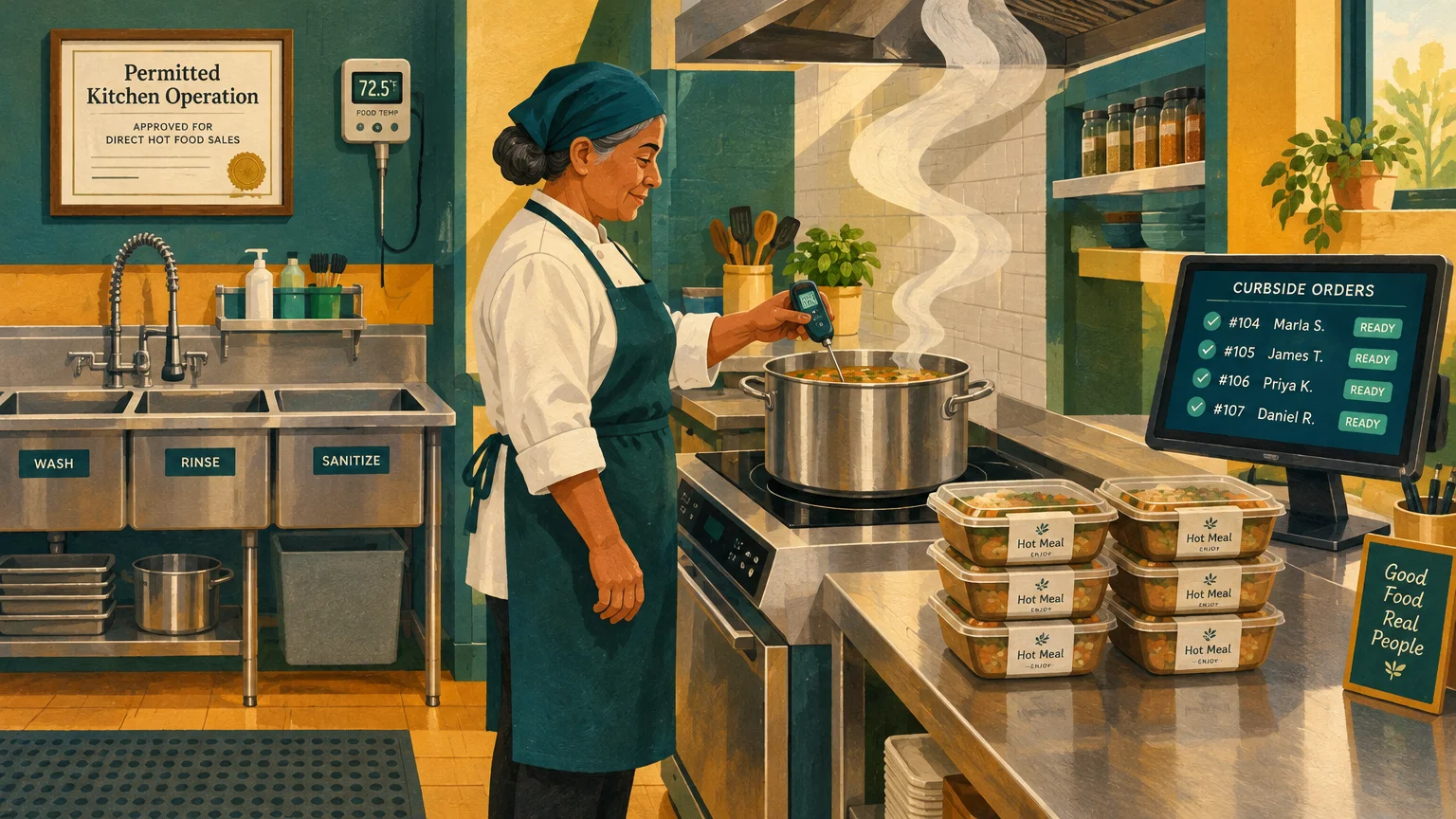
5. Run a Permitted Microenterprise Home Kitchen Operation
If you reside in California, you can explore the groundbreaking Microenterprise Home Kitchen Operation (MEHKO) program. This innovative legal framework expands what home cooks can produce.
Unlike basic cottage food laws, MEHKO legislation allows permitted home cooks to serve hot, freshly prepared meals directly from residential kitchens. Permitted counties include Los Angeles, San Diego, Alameda, and Contra Costa.
State MEHKO regulations limit operations to 30 meals per day and 90 meals per week. The law caps gross annual sales at an inflation-adjusted $110,442.
This model functions like a boutique home restaurant or neighborhood takeout window. You can prepare hot curries, fresh enchiladas, wood-fired pizzas, or homemade soups for local pickup.
You must complete the comprehensive ServSafe Food Protection Manager certification, which costs $179 for the course and proctored exam bundle. County health inspectors also conduct an annual inspection of your residential kitchen.
Other states continue studying this legislation, making home dining operations one of the fastest-growing culinary side gigs. Operating a MEHKO provides a legitimate bridge between home cooking and restaurant ownership.
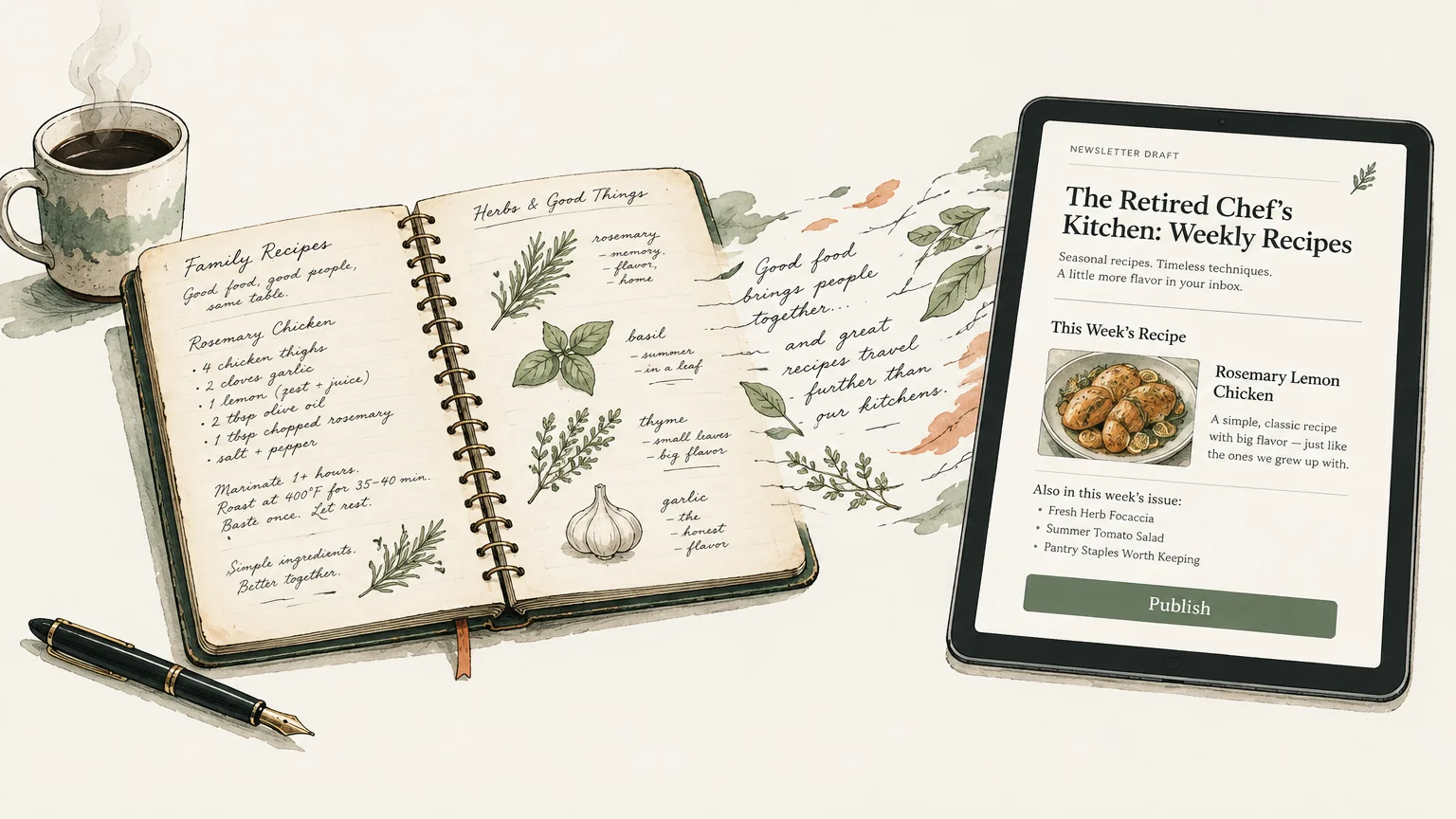
6. Publish Digital Cookbooks and Recipe Substack Newsletters
If standing on your feet for hours sounds unappealing, consider publishing your recipes in digital formats. Writing allows you to monetize kitchen knowledge from the comfort of your desk.
You can compile family heirlooms, holiday baking traditions, and kitchen tips into beautifully formatted digital cookbooks. Direct-to-consumer digital platforms allow you to sell downloadable files without paying printing costs.
Alternatively, you can start a paid culinary newsletter on platforms like Substack. You can provide subscribers with weekly meal plans, grocery shopping guides, and detailed cooking instructions.
Digital publishing allows you to earn recurring revenue while sharing your culinary passion with readers nationwide. You retain complete creative ownership over your recipes and can write whenever inspiration strikes.
High-quality food photography taken with a modern smartphone helps showcase your dishes effectively. Engaging storytelling about your culinary heritage creates loyal, paying subscribers over time.

7. Curate Artisan Food Baskets and Specialty Mixes
High-end food gift baskets remain popular presents for holidays, housewarmings, and corporate appreciation events. You can craft specialty food items that consumers cannot purchase in standard supermarkets.
You can create beautifully packaged dry soup mixes, artisanal spice blends, hot cocoa jars, and infused sea salts. Layering colorful ingredients inside decorative glass jars creates instant visual appeal.
Dry ingredient jars and spice seasonings meet cottage food safety standards across all jurisdictions. These shelf-stable products eliminate spoilage concerns and allow you to build inventory ahead of peak holiday seasons.
You can source attractive glass jars, print customized labels, and assemble themed gourmet gift baskets. Local boutiques, holiday craft fairs, and community markets provide prime retail venues for selling these products.
Because shelf-stable goods do not spoil quickly, you avoid the food waste that often plagues traditional food services. You can work steadily at your kitchen table whenever you have spare time.
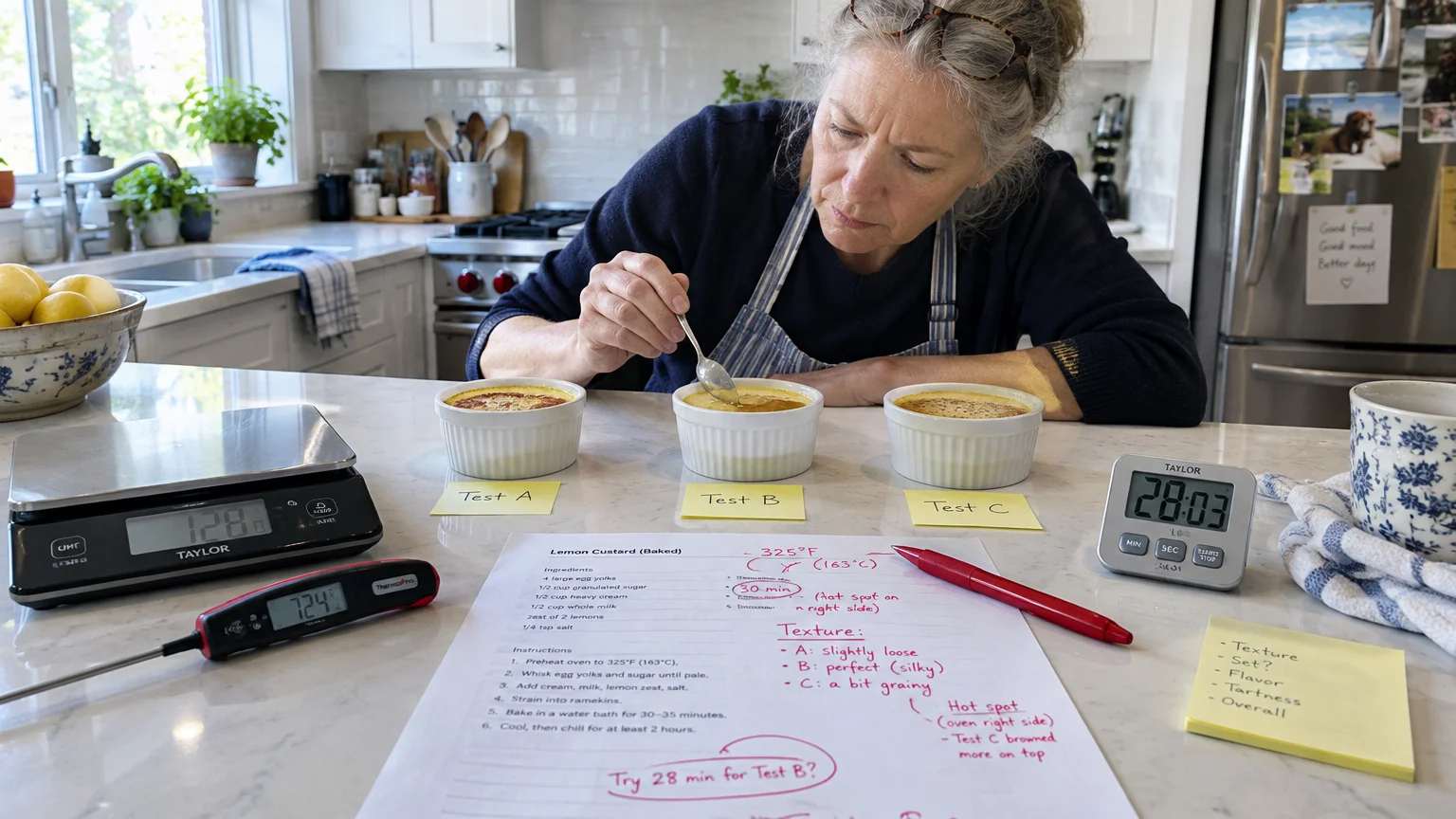
8. Work as a Freelance Recipe Tester for Authors and Brands
Cookbook authors, culinary magazines, and food bloggers must test their recipes rigorously before publication. They need reliable home cooks to ensure their dishes work across different home kitchens.
Authors need independent home cooks to verify that instructions are clear, measurements are accurate, and cooking times work reliably. You follow instructions strictly to identify confusing wording or inaccurate cooking temperatures.
As a freelance recipe tester, you prepare designated recipes in your home kitchen and record detailed notes. You document ingredient modifications, kitchen equipment used, oven temperature variations, and total preparation time.
Most publishers and authors reimburse your grocery expenses alongside paying a flat fee per tested recipe. This arrangement allows you to experiment with diverse cuisines while keeping your pantry fully stocked.
This gig keeps you actively cooking new dishes while providing supplemental income without direct customer sales pressure. You can connect with authors through culinary networks, freelance platforms, and online food communities.
“The goal of retirement is to live off your assets—not live off your regrets.”
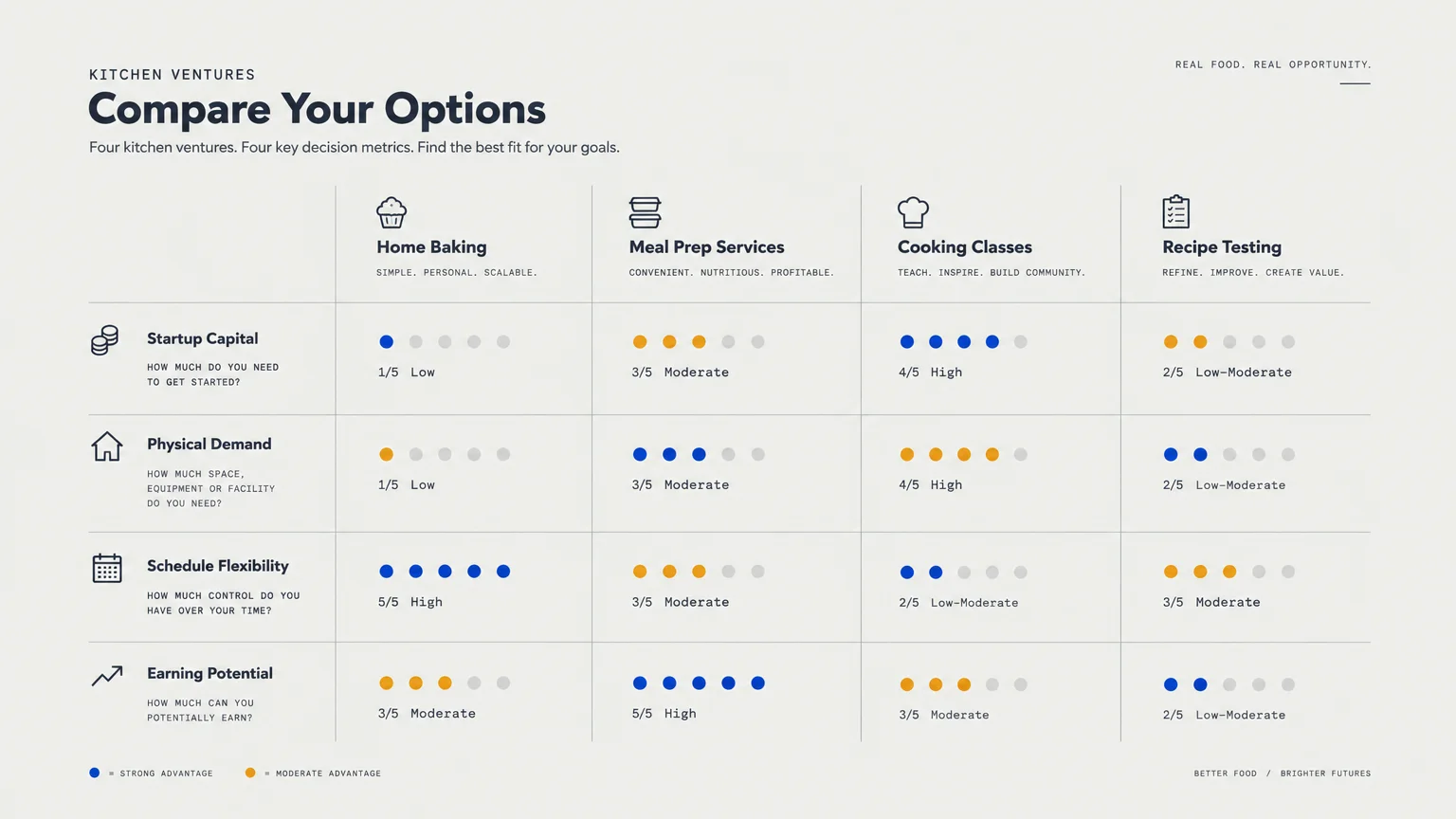
Comparing the Top Kitchen Side Hustles for Retirees
Choosing the right culinary venture depends on your physical energy, startup budget, and state regulations. Review the comparison table below to determine which cooking side hustle aligns best with your retirement lifestyle.
| Culinary Side Gig | Initial Startup Cost | Regulatory Standard | Best Fit For |
|---|---|---|---|
| Cottage Food Baker | Low | State Cottage Food Law / $15 Food Handler | Bakers wanting steady weekend sales |
| Cooking Instructor | Low | Platform guidelines (Airbnb, Cozymeal) | Social retirees who love teaching |
| Personal Chef | Very Low | Client kitchen prep / $15 Food Handler | Cooks serving busy families or seniors |
| Micro-Caterer | Moderate | Local health department guidelines | Cooks who enjoy hosting dinner parties |
| MEHKO Home Chef | Moderate | California MEHKO / $179 Manager Exam | Cooks wanting a home-based eatery |
| Digital Publisher | Minimal | No food health licensing required | Writers seeking seated, passive income |
| Specialty Gift Baskets | Low | Cottage Food Law (shelf-stable goods) | Creative crafters and preservers |
| Recipe Tester | Minimal | No commercial food permits required | Detail-oriented cooks testing recipes |
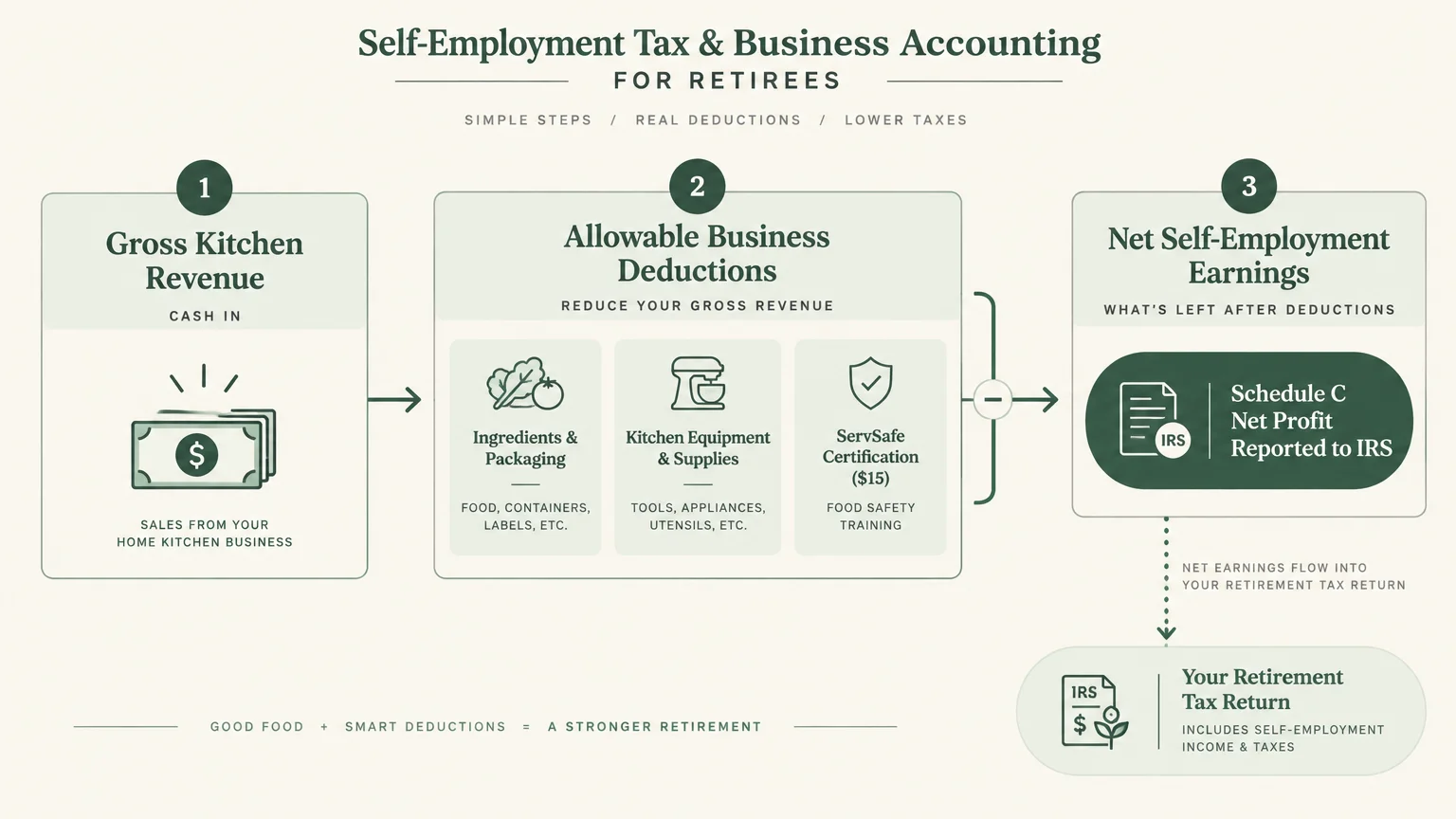
Social Security and Tax Rules Every Food Entrepreneur Must Know
Earning extra income cooking can impact your tax obligations and federal retirement benefits. Understanding these financial guidelines ensures your profitable cooking hobby does not trigger unexpected tax surprises.
If you collect early retirement benefits before reaching Full Retirement Age (FRA), the Social Security Administration (SSA) applies an annual earnings limit. For 2026, the annual earnings threshold is $24,480, or $2,040 per month.
If you earn above this threshold, the SSA deducts $1 in retirement benefits for every $2 earned above the limit. Keeping your net earnings below this threshold protects your monthly benefit payments.
During the calendar year you reach FRA, the earnings limit jumps to $65,160 ($5,430 per month) for the months before reaching your full retirement birthday. In that transition year, the SSA deducts $1 in benefits for every $3 you earn above the threshold.
Once you reach Full Retirement Age—which is age 67 for anyone born in 1960 or later—there is no limit on your earnings. You can generate unlimited profits from your culinary side gigs without any benefit clawbacks.
Self-employed retirees must also remember the special first-year retirement rule regarding substantial services. Under SSA regulations, you are not considered retired in any month where you work more than 45 hours in self-employment, regardless of your profit.
For highly skilled occupations, working between 15 and 45 hours in a month can also trigger substantial service restrictions. Track your kitchen prep and catering hours carefully to protect your Social Security benefits during that initial retirement year.
Federal reporting thresholds have also seen recent updates. Under the One Big Beautiful Bill Act, the IRS Form 1099-K reporting threshold for payment processors like Venmo and PayPal reverted to $20,000 and over 200 transactions.
For freelance contract work, the IRS Form 1099-NEC threshold increased to $2,000 beginning in 2026. Regardless of whether you receive tax forms, you must report all net self-employment earnings of $400 or more to the IRS.
You can review self-employment tax obligations directly on the IRS Retirement Plans portal. Setting aside roughly 25% of your net profits into a dedicated reserve account prevents cash shortfalls when quarterly estimated taxes come due.

Common Retirement Traps to Avoid When Cooking for Profit
Turning a beloved culinary hobby into a business requires avoiding common mistakes that derail first-time food entrepreneurs. Many retirees underprice their culinary creations by calculating only ingredient costs while ignoring their preparation time.
You must account for shopping hours, kitchen cleanup, equipment depreciation, and utility expenses when pricing your food. Pricing your products too cheaply can quickly turn an enjoyable pastime into exhausting, underpaid labor.
Another common trap involves ignoring local health department labeling mandates. Most cottage food statutes require clear labels listing every ingredient by descending weight, along with allergen disclosures.
Selling items without proper allergen warnings exposes your personal retirement assets to unnecessary legal liability. Make sure your packaging explicitly highlights common allergens such as nuts, dairy, eggs, wheat, and soy.
Additionally, purchasing high-end commercial appliances before validating customer demand can drain your retirement savings prematurely. Start small using existing kitchen equipment before reinvesting profits into commercial mixers or convection ovens.
Explore business resources and entrepreneurship guidance through AARP to help structure your venture safely. Protecting your core nest egg must always remain your highest financial priority.

When to Consult a Professional for Your Food Venture
Starting a culinary side business introduces legal, tax, and insurance considerations that vary by location. Consulting qualified advisors before launching operations helps you avoid costly administrative oversights.
Consulting a Certified Public Accountant (CPA) ensures you structure your business deductions properly. A tax professional can help you deduct commercial ingredients, delivery mileage, and home kitchen square footage under home office rules.
You should also contact an independent insurance agent to secure commercial general liability insurance or home-based business riders. Standard homeowner insurance policies routinely exclude liability claims arising from commercial cooking or food sales.
Finally, consult your local county environmental health department before selling any prepared food items. Local health inspectors can clarify packaging rules, water testing requirements, and cottage food registration steps in your specific municipality.
Frequently Asked Questions About Cooking Side Hustles in Retirement
Can I legally sell food cooked in my home kitchen without a commercial license?
Yes, you can sell approved shelf-stable foods from home under state cottage food laws. Every state permits foods like baked goods, dry mixes, and jams, though revenue limits vary across state lines.
If you want to prepare hot, perishable meals in California, you can apply for a Microenterprise Home Kitchen Operation permit in participating counties.
How much can I earn cooking before it affects my Social Security benefits?
In 2026, you can earn up to $24,480 before the SSA withholds benefits if you are under Full Retirement Age. If you exceed this threshold, the SSA deducts $1 in benefits for every $2 earned above the limit.
Once you reach Full Retirement Age, earnings restrictions disappear completely, allowing you to earn unlimited culinary income.
Do I need food handler certification to start a cooking side hustle?
Most state regulations and platforms require a basic credential like the ServSafe Food Handler certificate, which costs $15 online. It demonstrates foundational knowledge of sanitation and safe food handling practices.
Certain advanced ventures, such as California MEHKO operations, require the comprehensive ServSafe Food Protection Manager certification costing $179.
Will running a food business from home cancel my homeowner insurance?
Running a commercial food operation without proper coverage can compromise your homeowner insurance protections. Standard policies explicitly exclude business-related liability claims.
You should purchase an affordable commercial general liability policy or add an in-home business rider to protect your personal assets.
Take Your First Step in the Kitchen
You have spent decades refining your kitchen craft; retirement offers the ideal moment to share those talents while earning extra cash. Choose one culinary path that sparks your enthusiasm, review your local food statutes, and start serving your community this week.
Information in this article reflects current rules as of the publication date and may change. Always confirm benefit details directly with Social Security Administration, Medicare.gov, or relevant government agencies before making decisions.
Last updated: October 2026. Medicare and Social Security rules change annually—always verify current details at official government sources.