A paid-off mortgage and freedom from daily commuting feel like financial liberation. Yet routine monthly retirement expenses can quietly drain $2,000 from your bank account before you ever book a vacation.
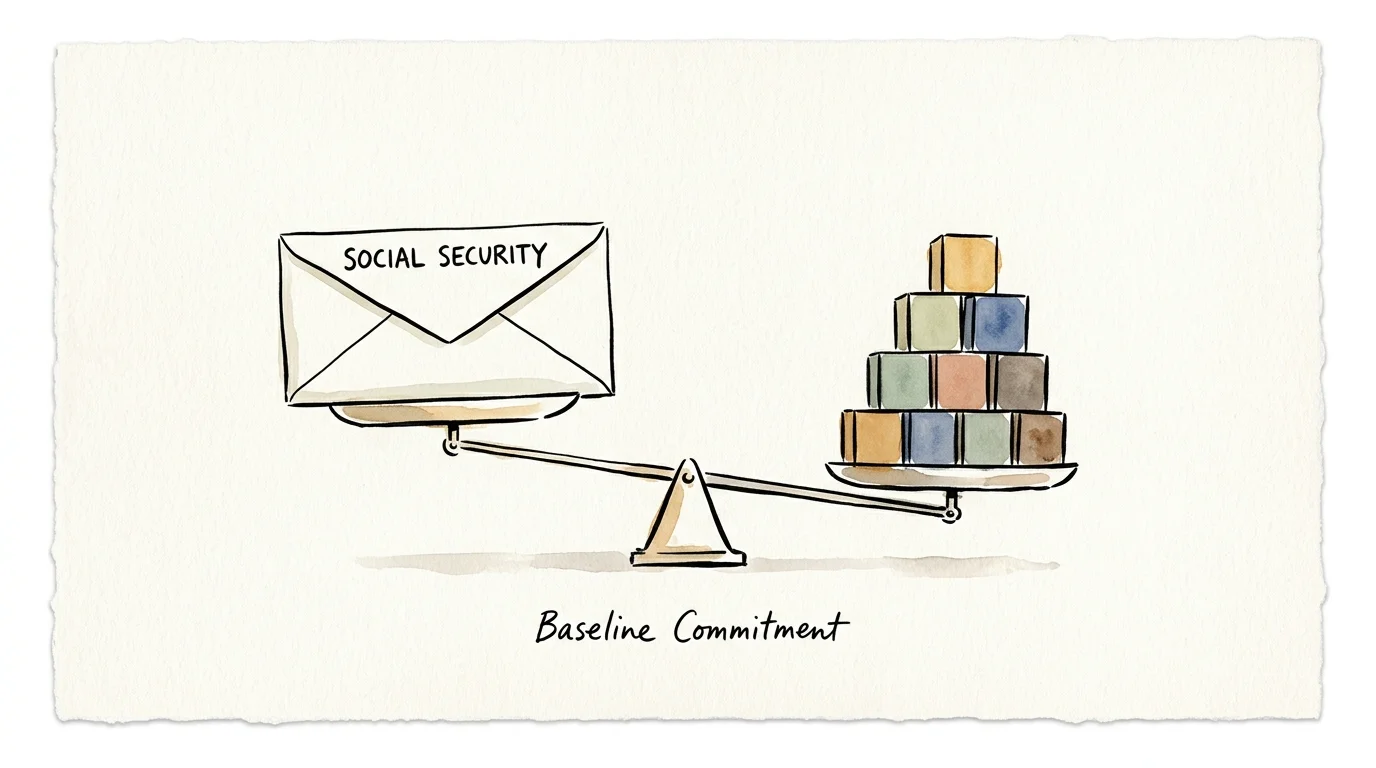
The average Social Security retirement benefit pays approximately $2,086 per month. That means baseline living costs can devour almost your entire guaranteed monthly government check.
Understanding this realistic retirement budget breakdown helps you protect your nest egg and prevent unexpected cash crunches. Here is how nine routine expenses quickly reach $2,000 every single month.
The Reality of Baseline Retirement Living Costs
Many people expect their living costs to plunge by 30% or more the day they leave the workforce. Unfortunately, fixed ongoing expenses rarely disappear when your paychecks stop.
According to the Social Security Administration (SSA), the average retired worker benefit is roughly $2,086 per month. Basic operational costs consume almost that entire sum.
You must maintain your home, protect your health, and keep transportation running regardless of market conditions. These baseline commitments form the bedrock of your cost of retirement living.
Failing to account for these unavoidable bills forces many retirees to pull money prematurely from tax-deferred accounts. That unplanned withdrawal strategy can quickly trigger higher taxes and Medicare surcharges.
“The goal of retirement is to live off your assets—not live off your regrets.”

Retirement Budget Breakdown: The $2,000 Monthly Baseline
This detailed retirement spending guide tracks an individual homeowner who owns their home and vehicle outright. Even without debt payments, essential line items accumulate rapidly.
Review the breakdown below to see how standard everyday obligations create a $2,000 monthly floor.
| Expense Category | Monthly Cost | Annual Impact | Budget Driver |
|---|---|---|---|
| Medicare Part B Premiums | $203 | $2,436 | Standard government medical premium |
| Supplemental Health & Part D | $185 | $2,220 | Medigap Plan G and prescription coverage |
| Dental, Vision & Copays | $142 | $1,704 | Out-of-pocket routine healthcare services |
| Residential Property Taxes | $375 | $4,500 | Municipal and county real estate assessments |
| Homeowners Insurance & Upkeep | $265 | $3,180 | Hazard insurance and essential repairs |
| Essential Household Utilities | $210 | $2,520 | Electricity, heating fuel, water, and trash |
| Groceries & Household Essentials | $360 | $4,320 | Nutritious home cooking and paper goods |
| Vehicle Insurance, Gas & Upkeep | $160 | $1,920 | Routine transit, state registration, and fuel |
| Broadband Internet & Mobile Phone | $100 | $1,200 | Home connectivity and basic cellular service |
| Total Baseline Spending | $2,000 | $24,000 | Combined non-negotiable living expenses |
These numbers reflect typical national midpoints for older Americans living independently. Your local property tax rates and personal healthcare demands may push your actual baseline higher.

1. Medicare Part B Premiums: $203 a Month
Medicare provides vital health security, but government coverage is far from free. The Centers for Medicare & Medicaid Services set the standard Medicare Part B monthly premium at $202.90.
The federal government automatically deducts this premium from your Social Security check each month. If you delay claiming benefits, Medicare bills you directly every quarter.
Higher-earning retirees face income-related monthly adjustment amounts known as IRMAA. These surcharges can easily double or triple your Part B premium based on prior tax returns.
In addition, Part B carries an annual outpatient deductible of $283 before coverage takes effect. You must absorb this baseline expense before Medicare covers doctor visits and clinical diagnostics.

2. Supplemental Health and Prescription Coverage: $185 a Month
Original Medicare leaves a significant 20% coinsurance gap with no annual out-of-pocket maximum. Most retirees purchase a Medigap policy or Medicare Advantage plan to protect against catastrophic medical bills.
A standard Medigap Plan G premium for a 65-year-old generally costs between $140 and $160 each month. This policy pays your hospital deductibles and the 20% outpatient coinsurance balance.
You also need a standalone Part D prescription drug plan to cover daily maintenance medications. Basic Part D plans average between $30 and $35 per month across most states.
Under current federal rules, Part D features an annual out-of-pocket prescription cap of $2,100. That protective cap shields you from catastrophic medication costs, but your monthly premium remains mandatory.

3. Routine Dental, Vision, and Medical Copays: $142 a Month
Original Medicare explicitly excludes routine dental cleanings, restorative fillings, eye exams, and prescription eyeglasses. Neglecting your teeth and eyes creates serious medical risks that compound with age.
A single root canal, crown, or progressive eyeglass replacement can quickly cost more than $1,000 out of pocket. Budgeting $142 monthly creates an annual reserve of $1,704 for routine health care.
Fidelity Investments estimates that an average 65-year-old couple retiring today will spend roughly $12,850 on healthcare in year one. Setting aside money for uncovered services protects your general living cash.
Stand-alone dental and vision insurance plans often carry waiting periods and low annual payment caps. Many retirees find that self-insuring through dedicated monthly savings offers greater flexibility.

4. Residential Property Taxes: $375 a Month
Paying off your mortgage eliminates principal and interest, but property taxes never retire. Across the United States, average residential property taxes easily reach $4,500 annually, or $375 per month.
In states like New Jersey, Illinois, and Texas, tax bills frequently run substantially higher. Local governments reassess home values periodically, which can trigger unexpected tax hikes during retirement.
You cannot escape this non-negotiable expense even if your house is worth significantly more than you paid for it. Real estate taxes represent one of the stiffest fixed burdens in any retirement spending guide.
Many counties offer senior property tax freezes or homestead exemptions once you reach age 65. You must actively apply with your local tax assessor to claim these vital discounts.

5. Homeowners Insurance and Property Upkeep: $265 a Month
Severe weather events and rising replacement costs have driven property insurance rates higher nationwide. An average annual homeowners policy now costs roughly $1,800, which equals $150 every single month.
Aging houses also require ongoing maintenance to remain safe, comfortable, and energy efficient. Budgeting at least 1% of your home’s total value annually covers routine upkeep and appliance replacements.
Allocating $115 per month for routine repairs handles plumbing clogs, furnace service, and minor roof patches. Combining your insurance and upkeep totals $265 in non-negotiable monthly housing shelter costs.
Ignoring basic maintenance inevitably leads to catastrophic structural failures down the road. Regular preservation protects your home equity and prevents sudden, five-figure repair invoices.
6. Essential Household Utilities: $210 a Month
Once you retire, you naturally spend considerably more time inside your home throughout the day. That increased physical presence translates directly into higher energy, water, and heating consumption.
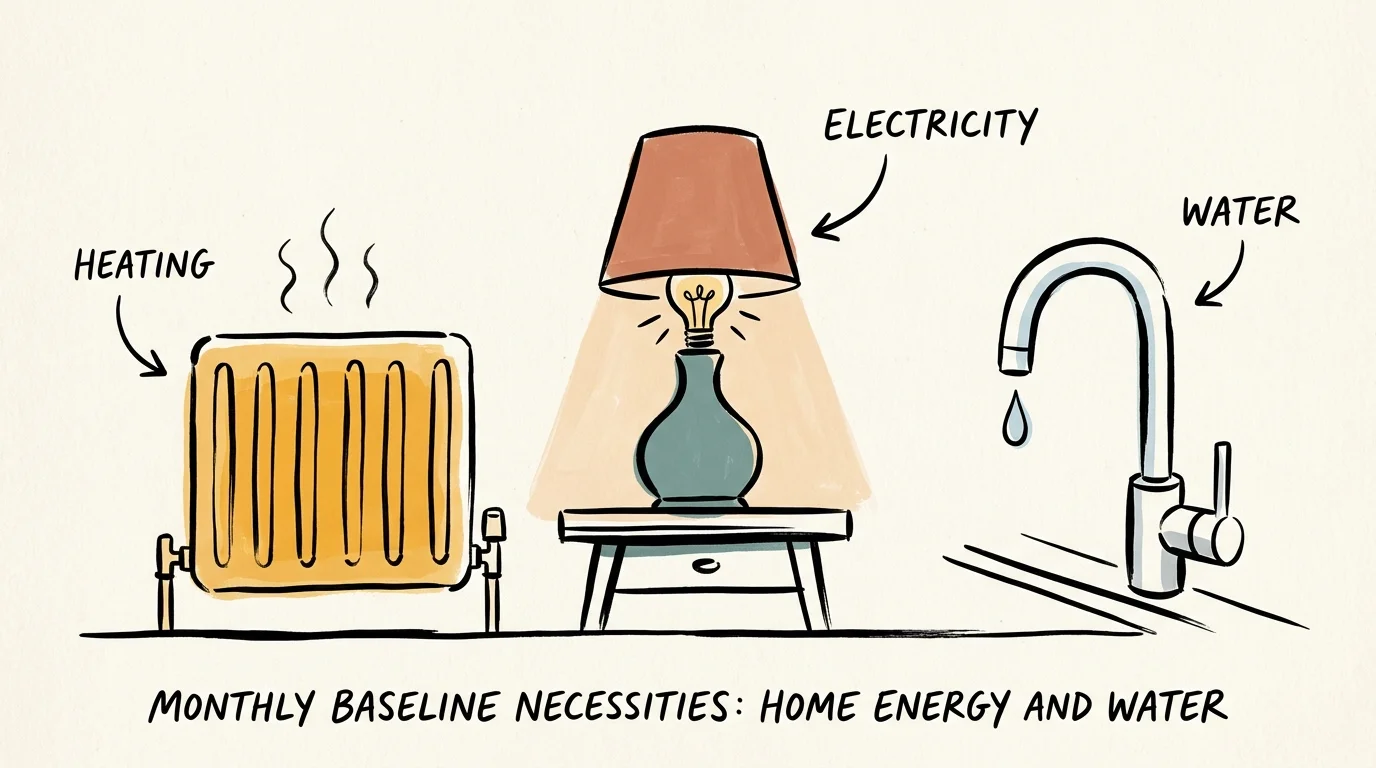
Keeping your home heated in winter and air-conditioned in summer costs money every month. Combining electricity, natural gas, municipal water, sewer, and trash collection averages at least $210 monthly.
Utility rates continue to rise due to aging regional infrastructure and volatile energy wholesale markets. Seasonal spikes during July heatwaves or January freezes can easily exceed your planned baseline.
Enrolling in level-payment utility plans can stabilize your monthly bills across twelve even cycles. This smoothing prevents severe winter heating bills from derailing your carefully planned monthly budget.

7. Baseline Groceries and Household Essentials: $360 a Month
Dining out is an optional luxury, but healthy nutrition at home remains an absolute necessity. The U.S. Department of Agriculture tracks food spending through its official Monthly Food Plans.
A moderate-cost grocery budget for an adult aged 51 and older runs between $330 and $390 per month. This figure covers balanced, nutritious home-cooked meals without expensive gourmet delicacies.
Household paper goods, cleaning products, personal toiletries, and laundry supplies add to this monthly category. Allocating $360 each month guarantees proper nutrition while maintaining a well-stocked pantry.
Smart grocery habits like shopping sales, buying store brands, and meal planning keep expenses manageable. Preserving high-quality nutrition also prevents chronic medical conditions that elevate future healthcare bills.

8. Vehicle Insurance, Fuel, and Maintenance: $160 a Month
Owning a paid-off vehicle provides immense freedom, but vehicle ownership is never completely free. Bureau of Labor Statistics expenditure surveys show that transportation is a retiree’s second-largest spending category.
Auto insurance for mature drivers averages roughly $85 per month for comprehensive and collision coverage. Maintaining adequate liability limits protects your retirement savings against potential accident lawsuits.
Even with reduced driving mileage, monthly fuel, oil changes, tire rotations, and state registration require another $75. That brings baseline vehicle operating expenses to a minimum of $160 every month.
You should notify your auto insurance carrier if your annual retirement mileage drops under 7,500 miles. Many insurers offer low-mileage premium discounts that instantly save money.

9. Digital Connectivity and Mobile Plans: $100 a Month
Modern retirement requires dependable internet connectivity for telehealth visits, online banking, and staying in touch with family. High-speed home broadband service typically runs between $55 and $70 per month.
Adding a reliable mobile phone plan with basic data brings your total connectivity bill to $100 monthly. Cellular service provides critical personal safety and roadside assistance whenever you leave home.
Telecommunications companies frequently creep rates upward once introductory promotions expire after a year. Calling your provider annually to negotiate rates or switch plans keeps these recurring costs under control.
You can also check resources from the National Council on Aging (NCOA) to find low-cost connectivity programs for qualified older adults.

Strategies to Lower Your Monthly Retirement Expenses
Trimming these baseline living costs frees up discretionary cash for travel, dining, and family gifts. You do not have to accept rising bills as completely uncontrollable financial obligations.
Here are practical steps to reduce your fixed monthly commitments without sacrificing quality of life:
- Compare Health Plans Annually: Use the official Medicare Plan Finder each autumn to review Part D drug plan formularies and local pharmacy pricing.
- Bundle Your Insurance Policies: Combine your auto and homeowners coverage with a single provider to unlock loyalty and multi-policy discounts of 10% to 15%.
- Claim Senior Tax Exemptions: Check your county appraisal office for senior property tax valuation freezes and school district tax caps.
- Audit Digital Subscriptions: Review your recurring credit card statements to cancel unneeded streaming platforms, gym memberships, and duplicate mobile features.
- Optimize Household Thermostats: Install programmable thermostats to reduce heating and cooling output during overnight hours and extended outings.
Consistent small reductions across multiple budget categories deliver significant annual financial savings. Lowering your monthly baseline by just $200 preserves $2,400 of your portfolio capital each year.
“It’s not how much money you make, but how much money you keep, how hard it works for you, and how many generations you keep it for.” — Robert Kiyosaki
Costly Mistakes to Avoid
Overlooking recurring expenses can quickly erode your financial independence during your retirement years. Avoid these common financial pitfalls when mapping out your monthly cash flow:
Dropping Supplemental Health Coverage: Skipping Medigap or dental reserves to save money invites financial catastrophe. A single unplanned hospitalization or surgical procedure can generate thousands in direct out-of-pocket bills.
Underestimating Deferred Home Maintenance: Postponing roof inspections, HVAC tune-ups, or plumbing repairs guarantees costlier structural failures later. Routine prevention always costs less than emergency restoration.
Ignoring Medicare Late Enrollment Penalties: Missing your initial enrollment window for Medicare Part B or Part D creates permanent lifetime premium surcharges. These penalties increase your baseline costs forever.
Treating Discretionary Spending as Fixed: Dining out, subscription channels, and impulse travel should never take priority over housing and medical obligations. Maintain a strict division between essential and discretionary outflows.

Don’t DIY These Decisions
Navigating retirement cash flow involves complex tax calculations, Medicare coordination, and estate protection rules. Making decisions in complete isolation often leads to costly administrative oversights.
Consulting with qualified specialists ensures that your money works efficiently throughout your lifetime. Here is when to bring experienced professionals into your financial circle:
Work With a SHIP Counselor: State Health Insurance Assistance Programs (SHIP) provide free, unbiased guidance on Medicare supplements and drug plans. These counselors help you evaluate plan options without sales commissions.
Partner With a Fiduciary Financial Advisor: A fee-only financial planner structures retirement withdrawals to minimize tax brackets and prevent IRMAA surcharges. Review consumer tools from the Consumer Financial Protection Bureau (CFPB) to vet potential financial planners.
Consult an Elder Law Attorney: An elder law specialist establishes healthcare directives, powers of attorney, and trusts. Proper legal planning protects your home and assets against unexpected long-term care costs.
Frequently Asked Questions About Retirement Living Costs
How does the average Social Security check compare to basic living costs?
The average Social Security retirement benefit in 2026 is approximately $2,086 per month. A basic $2,000 monthly living baseline consumes virtually your entire Social Security check before discretionary spending.
Retirees must rely on personal retirement savings, pensions, or part-time earnings to cover travel, hobbies, and unexpected financial emergencies.
Can I lower my Medicare Part B premiums if my income is low?
Yes, state-administered Medicare Savings Programs help eligible older adults with limited income and resources pay their Part B premiums. In many cases, these programs also eliminate Medicare deductibles and coinsurance obligations.
You can contact your local Medicaid office or a SHIP counselor to verify income eligibility guidelines in your home state.
How much emergency savings should a retiree keep in cash?
Most financial planners recommend keeping 12 to 24 months of essential living expenses in an accessible high-yield savings account. For a $2,000 monthly budget, this represents a cash cushion between $24,000 and $48,000.
This liquid buffer prevents you from selling investments during market downturns to pay routine living bills.
Does the 4% withdrawal rule cover a $2,000 monthly retirement budget?
To generate $2,000 monthly—or $24,000 annually—using the standard 4% withdrawal rule, you need an investment nest egg of $600,000. However, guaranteed income sources like Social Security significantly reduce the required portfolio size.
If Social Security pays your $2,000 baseline, your investment portfolio can focus entirely on lifestyle spending and medical protection.
Taking Control of Your Retirement Cash Flow
Take time this week to review your recent bank statements and build your personalized retirement budget breakdown. Tracking your actual baseline expenses empowers you to protect your wealth and make confident lifestyle choices.
Retirement rules and benefit amounts vary based on individual work history, income, and circumstances. This article provides general guidance only.
Consult a SHIP counselor, financial advisor, or elder law attorney for advice specific to your situation.
Last updated: February 2026. Medicare and Social Security rules change annually—always verify current details at official government sources.