Generating supplemental income during retirement doesn’t have to involve a demanding part-time schedule or exhausting physical labor. You can earn extra cash and snag free items simply by sharing your opinions on new consumer goods and websites from the comfort of your living room. A retiree side hustle focusing on product testing jobs and app testing jobs offers maximum flexibility without interfering with your travel plans or family time. Companies desperately need feedback from older adults to ensure their offerings are user-friendly for the senior demographic. By spending a few hours a week providing honest reviews, you can comfortably boost your retirement income while testing everything from household gadgets to healthcare portals.

Why Your Opinion is Highly Valued by Major Brands
You might wonder why a multinational corporation would pay for your opinion on a coffee maker or a banking app. The answer lies in shifting market demographics and the massive purchasing power held by older Americans. Seniors control a significant portion of the nation’s wealth, yet products and digital interfaces are frequently designed by twenty-somethings who fail to consider the needs, preferences, and physical realities of older adults.
When a company develops a new smart thermostat or redesigns its healthcare portal, they need to know if the text is legible, if the buttons are easily clickable, and if the instructions make sense to someone who didn’t grow up with a smartphone in their hand. If a company launches a product that frustrates older consumers, they lose out on millions of potential sales.
By employing everyday retirees to test these products before they hit the mass market, companies save fortunes in customer service calls and redesigns. Your life experience, practical knowledge, and honest feedback provide immense value. Market research firms act as the bridge between these massive brands and everyday consumers; they actively recruit older demographics because your viewpoint is historically underrepresented in Silicon Valley boardrooms.
“Don’t simply retire from something; have something to retire to.” — Harry Emerson Fosdick
Embracing this type of work from home allows you to stay engaged with new technology, keep your mind active, and exert a tangible influence on the products of tomorrow.

Understanding Product Testing Jobs: How They Work
Physical product testing brings the excitement of receiving mystery packages right to your front door. Companies spanning the culinary, home goods, cosmetics, and electronics industries rely on home testing to refine their merchandise.
The process follows a straightforward cycle. First, you register with a reputable market research panel and complete a detailed demographic profile. This profile asks about your household, your hobbies, your pets, and your shopping habits. Companies use this data to match you with appropriate products. If a brand is testing a new type of arthritis-friendly gardening sheer, they want to send it to an older adult who actively gardens and experiences joint stiffness—not a twenty-year-old apartment dweller.
Once registered, you will receive email invitations to “screener” surveys. These are short, unpaid questionnaires designed to see if you fit the exact criteria for a specific testing round. If you qualify, the process moves forward:
- The Product Arrives: The company ships the prototype or unreleased product directly to your home, usually completely free of charge.
- The Testing Phase: You receive specific instructions on how to use the item. A food company might ask you to prepare a frozen meal and rate the packaging, while a technology company might ask you to set up a new remote control without looking at the manual.
- The Evaluation: After using the product for the required duration—which can range from a single afternoon to several weeks—you complete an extensive online survey detailing your experience.
- Compensation: Upon submitting your honest feedback, the market research firm issues your payment. Often, you also get to keep the product you tested.
It is a simple exchange of time for value. While you will not qualify for every product, consistency in filling out screener surveys will lead to regular testing opportunities.
App and Website Testing: A Lucrative Digital Opportunity
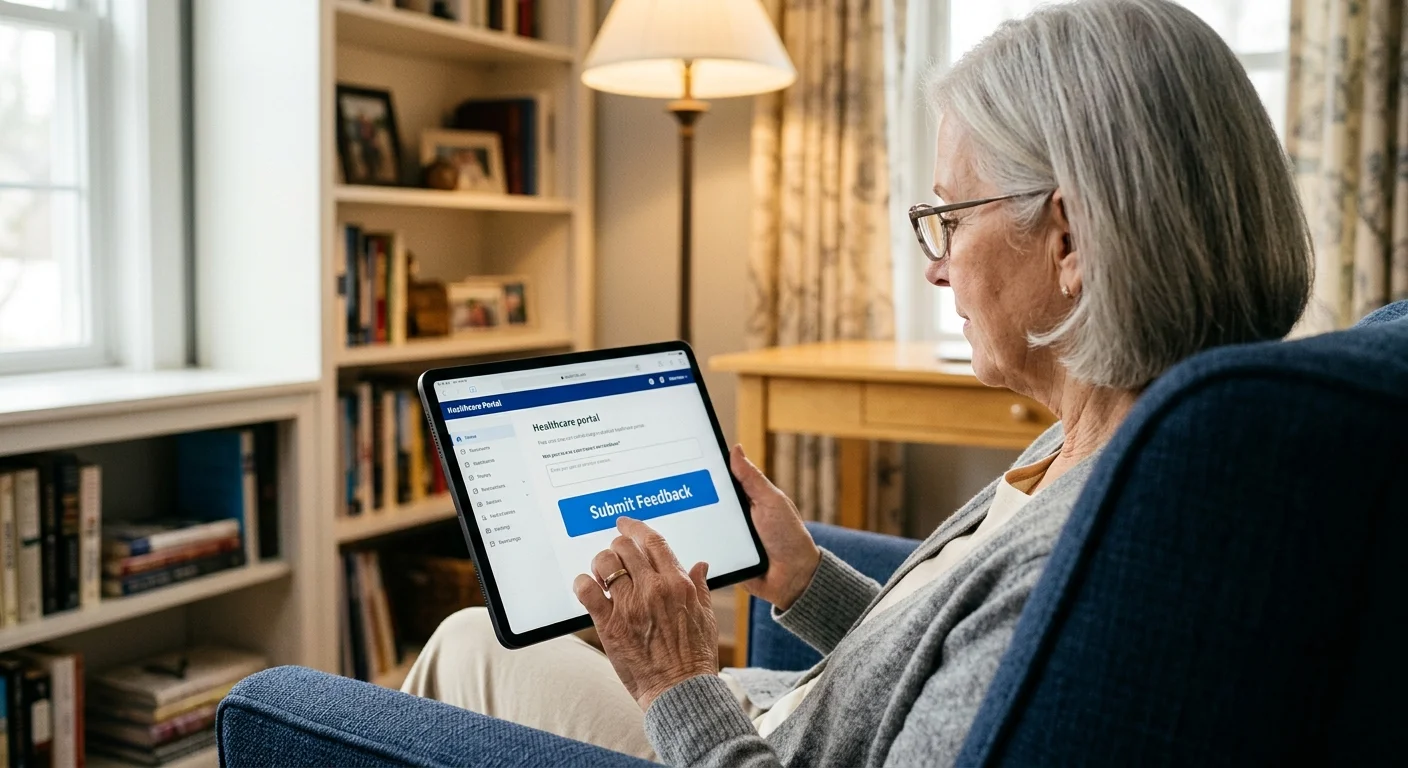
If you prefer digital work, website and app testing jobs offer a highly efficient way to earn money without waiting for packages to arrive in the mail. Also known as User Experience (UX) testing, this side gig requires you to navigate websites or smartphone applications while recording your screen and speaking your thoughts out loud.
Imagine a major pharmacy chain wants to launch a new feature that allows patients to refill prescriptions online. Before releasing it to millions of customers, they need to ensure the process is intuitive. As a tester, you would log into a testing platform, access the prototype website, and receive a prompt such as: “Please attempt to refill a prescription for blood pressure medication, and find the nearest location for pickup.”
You then navigate the site while your microphone records your spoken feedback. You might say, “I am looking for a ‘refill’ button, but the font is too small. I am clicking on ‘pharmacy’ in the top corner. Okay, this page is confusing because there are too many advertisements.”
This real-time, unfiltered commentary is gold for developers. You do not need any technical coding skills; you only need to vocalize your natural reactions as a standard user. Digital tests typically take between 10 and 20 minutes to complete and frequently pay between $10 and $30 each, depending on the complexity of the task and the platform you use.

Comparing Your Work-From-Home Testing Options
To help you decide which avenue suits your retirement lifestyle, review this comparison of the three primary types of testing opportunities available.
| Gig Type | What You Do | Typical Compensation | Time Commitment | Tech Skill Required |
|---|---|---|---|---|
| Physical Product Testing | Use household goods, food, or electronics at home and complete a review survey. | Free products, gift cards, or $5–$50 per survey. | Several days to weeks of casual use. | Low (Basic email and web browsing). |
| App & Website Testing | Navigate websites while speaking your thoughts aloud into a microphone. | $10–$30 per 20-minute test. Live interviews pay more. | 15–30 minutes per session. | Medium (Must comfortably navigate browsers and use a mic). |
| Online Focus Groups | Participate in a moderated video call with a small group of peers to discuss a brand. | $75–$200+ per session. | 60–120 minutes. | Medium (Requires Zoom or similar video conferencing software). |
Many retirees mix and match these opportunities. Signing up for multiple platforms increases the frequency of your invitations, allowing you to build a steadier stream of retirement income.

Setting Up Your Home Testing Station
You do not need an elaborate home office to succeed in this side gig, but a few basic tools will significantly improve your efficiency and the quality of your feedback.
First, secure a reliable internet connection. If you pursue website and app testing, you will be uploading video and audio files; a slow connection will cause frustrating delays. Second, designate a quiet space. Digital testing platforms will reject your submission if there is excessive background noise, such as a blaring television, barking dogs, or loud conversations.
For equipment, a modern laptop or desktop computer handles most website testing, while a smartphone handles the app testing. You will absolutely need a decent microphone. The built-in microphone on most modern laptops is adequate, but investing $20 in a basic USB headset with a dedicated microphone ensures your voice recordings are crystal clear. Developers cannot use your feedback if they cannot hear you.
Finally, set up a dedicated email address specifically for your testing accounts. Market research firms send frequent emails, and you want to separate these opportunities from your personal correspondence. You will also need a verified PayPal account, as this remains the standard payment method for the vast majority of legitimate testing platforms.
Maximizing Your Success and Earnings as a Tester
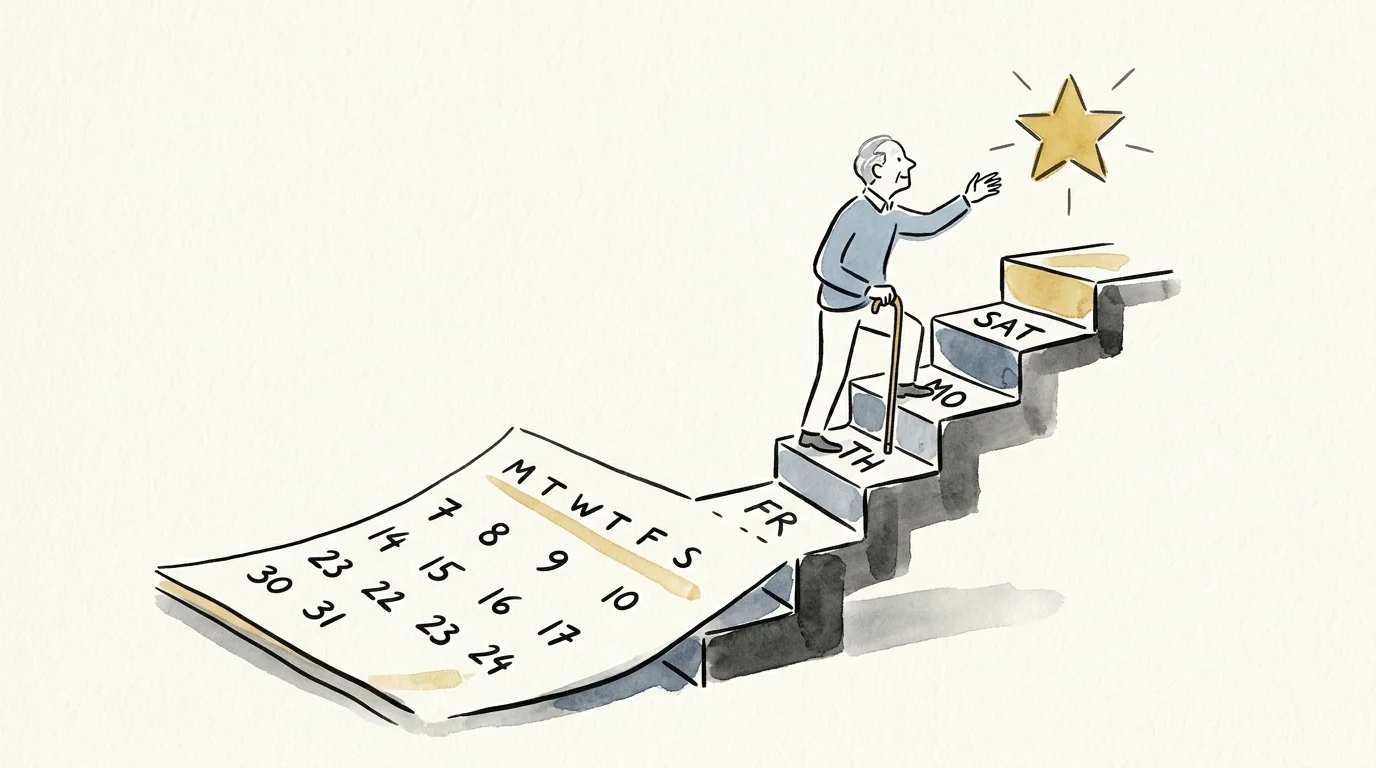
Treating your testing gig with a touch of professionalism will elevate you above the average participant and secure higher-paying opportunities. Market research firms assign internal ratings to their testers. If you consistently provide detailed, articulate, and thoughtful feedback, the algorithm will prioritize you for future, more lucrative studies.
Always keep your demographic profile updated. If you buy a new car, adopt a pet, or get diagnosed with a new medical condition, add that information to your profile. Companies frequently look for highly specific groups—such as owners of electric vehicles or individuals managing type 2 diabetes—and these specialized tests pay a premium.
Respond to screener surveys immediately. Most tests operate on a first-come, first-served basis. A company may send an invitation to 5,000 people but only need 50 testers. If you wait until the next day to check your dedicated email, the quota will likely be full.
When conducting digital tests, remember to talk continuously. Silence is the enemy of a UX test. Do not just click around the screen silently; explain your thought process. Say things like, “I expected the menu to be on the left,” or “This color scheme makes the text hard to read.” The more constructive criticism you provide, the more valuable you become to the platform.
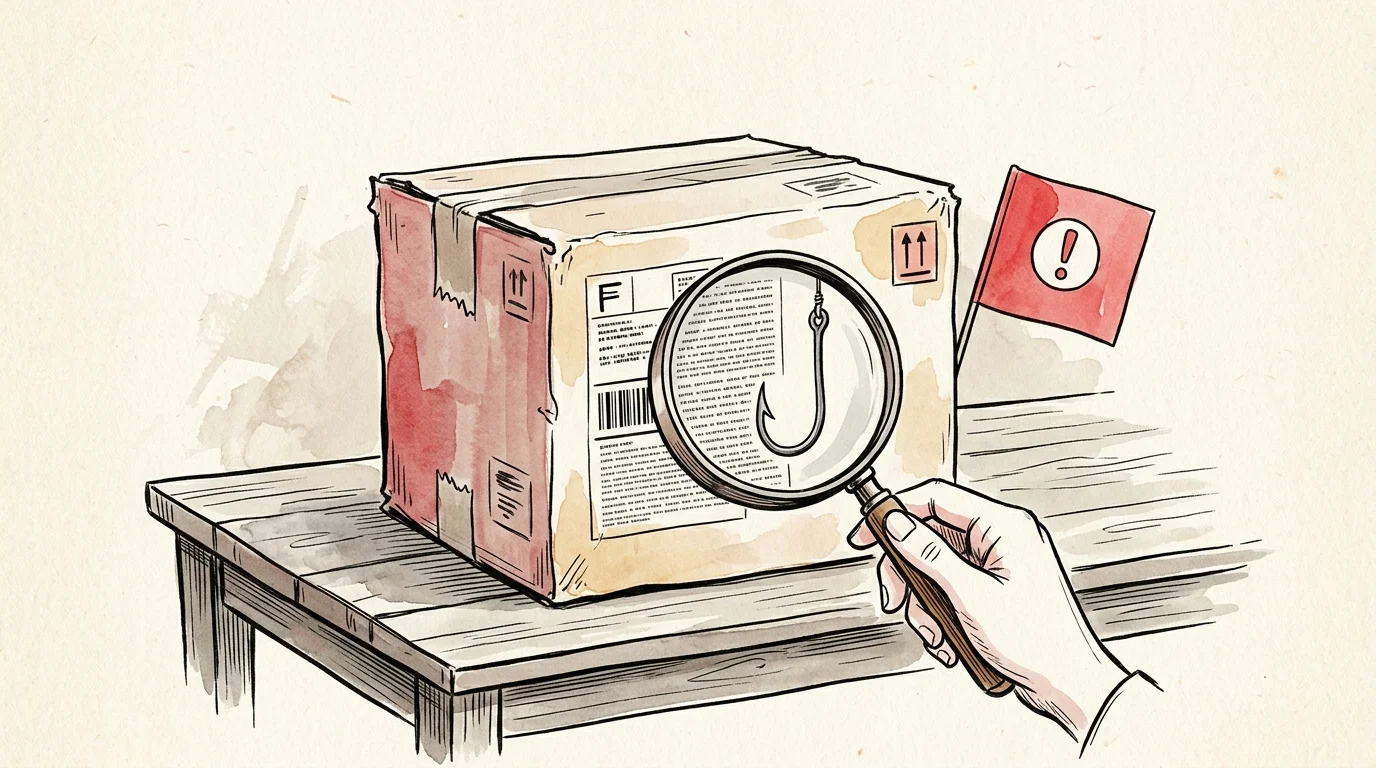
Common Retirement Traps: Avoiding Testing Scams
Unfortunately, the work-from-home space attracts scammers looking to exploit older adults seeking supplemental income. Because legitimate testing jobs involve receiving free products or cash, it can sometimes be difficult to distinguish a real opportunity from a sophisticated fraud.
The most critical rule of product testing is this: you should never, under any circumstances, pay to participate. Legitimate market research firms pay you; you do not pay them. If a website asks for a “registration fee,” a “processing fee,” or requires you to pay for shipping to receive a test product, it is a scam.
Beware of the overpayment trap. In this common scheme, a scammer sends you a large check—often thousands of dollars—and asks you to test a “wire transfer service” or “gift card purchasing system” by sending a portion of the funds back to them. The check they sent you is fraudulent, but it will take your bank several days to realize this. By the time the check bounces, you have already wired your own real money to the scammer, leaving you responsible for the negative balance.
Additionally, guard your sensitive personal information. A legitimate market research company needs to know your age, household income bracket, and shopping habits. They do not need your Social Security number, your bank account routing numbers, or your Medicare ID. To learn more about identifying and reporting digital fraud targeting older Americans, explore the resources available through AARP, which actively tracks emerging work-from-home scams.
How Side Hustle Income Impacts Your Retirement Benefits
When you transition from a traditional career to retirement, generating new streams of income introduces different tax and benefit considerations. It is vital to understand how getting paid to test products might interact with your broader financial picture.
Income earned through side gigs is generally classified as self-employment income. Market research companies do not withhold taxes from your payouts. If you earn more than $600 from a single platform over the course of the tax year, they will issue you a 1099-NEC form, and you must report this income to the IRS. Even if you earn less than $600 and do not receive a form, you are legally required to report the earnings. Familiarize yourself with the guidelines provided by the IRS Retirement Plans division to ensure you remain compliant while enjoying your extra cash.
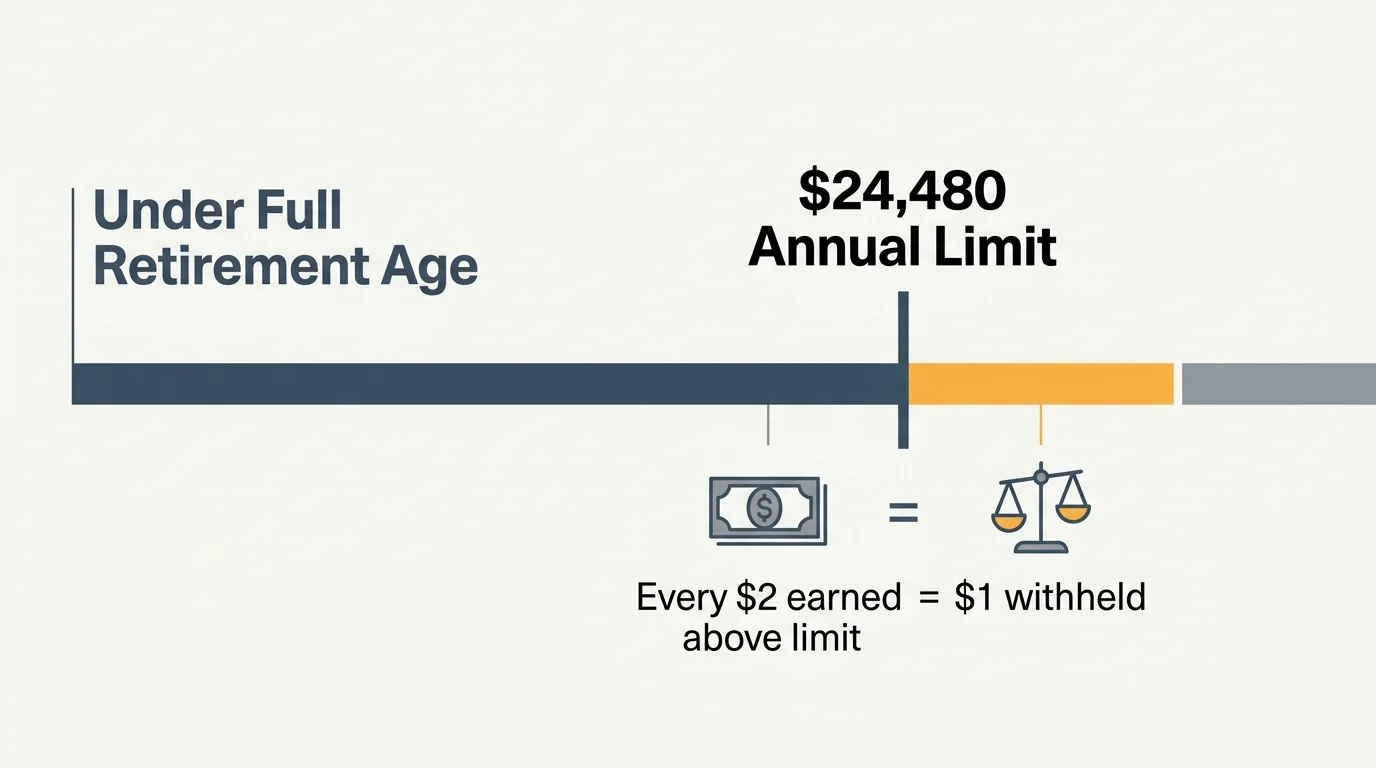
If you claim Social Security benefits before reaching your Full Retirement Age (FRA), you are subject to the earnings test. The Social Security Administration deducts $1 from your benefit payments for every $2 you earn above the annual limit. While it is highly unlikely that a casual product testing gig will push you over this substantial annual threshold, it is crucial to monitor your combined earnings if you hold another part-time job.
Conversely, if you have already reached your Full Retirement Age, the earnings test disappears. You can test as many apps and products as you desire without any reduction to your monthly Social Security checks.

When to Consult a Professional
While testing products from the couch is a low-stakes endeavor, the financial implications of earning self-employment income can occasionally become complex. Consider consulting a professional if your side hustle grows unexpectedly lucrative.
If your combined retirement income—including pensions, IRA withdrawals, and side gig earnings—pushes you into a higher tax bracket, a certified public accountant (CPA) can help you identify legitimate deductions to offset your tax liability. Since you operate as an independent contractor when testing, you may be able to deduct a portion of your internet bill or home office expenses.
Furthermore, if you earn a substantial amount, you could theoretically impact your Medicare premiums. High earners are subject to the Income-Related Monthly Adjustment Amount (IRMAA), which increases your Part B and Part D costs. A fiduciary financial advisor or an elder law attorney can help you structure your income streams to avoid unnecessarily triggering these surcharges. For broad guidance on managing your finances as you age, the Consumer Financial Protection Bureau (CFPB) — Retirement section offers excellent, unbiased planning tools.
Frequently Asked Questions About Testing Gigs
Do I need to be a computer expert to test websites and apps?
Not at all. In fact, companies actively seek average users to ensure their platforms are intuitive for everyone. As long as you know how to browse the internet, download an app, and speak your thoughts aloud, you possess the necessary skills to succeed in digital testing.
How do product testing companies pay you?
Compensation varies by platform and project. Many market research companies pay via PayPal, while others offer direct bank transfers, digital gift cards to major retailers, or physical checks. For physical product testing, your compensation often includes keeping the item you tested.
Will this side gig replace a traditional part-time job?
Product and app testing should be viewed as supplemental retirement income rather than a full-time salary replacement. Because you must qualify for individual tests based on your demographics, your workflow will fluctuate. It provides excellent “fun money” or extra cash to pad your budget, but it lacks the predictable hours of traditional employment.
Are there age limits for signing up?
While there is a minimum age requirement—usually 18—there is absolutely no maximum age limit. Seniors are highly sought after by market research firms because older adults represent a massive segment of the consumer market with significant purchasing power.
Getting Started Today
Taking the first step toward your new work-from-home venture requires minimal effort. Start by setting up a dedicated email address, ensuring your computer microphone works, and researching a few highly-rated user testing platforms. Treat your first few tests as a learning experience. As you become more comfortable speaking your thoughts aloud and navigating screener surveys, you will find this side hustle to be a remarkably enjoyable way to finance your next vacation or spoil your grandchildren.
Retirement rules and benefit amounts vary based on individual work history, income, and circumstances. This article provides general guidance only. Consult a SHIP counselor, financial advisor, or elder law attorney for advice specific to your situation.
Last updated: February 2026. Medicare and Social Security rules change annually—always verify current details at official government sources.