Trimming fixed expenses during retirement often feels like a series of painful sacrifices. A standard public library card can instantly save you over $1,000 every year without changing your lifestyle.
Modern libraries provide far more than dusty paperbacks on quiet shelves. Your card unlocks expensive software, high-tier financial databases, streaming entertainment, and community services entirely free of charge.
These community resources protect your nest egg against inflation while keeping you active and informed. Exploring these hidden perks offers an effortless way to keep more cash in your wallet each month.
1. Premium Financial and Investment Research at Zero Cost
Managing your investment portfolio in retirement requires reliable data. Subscribing privately to institutional-grade research platforms quickly eats into your monthly budget.
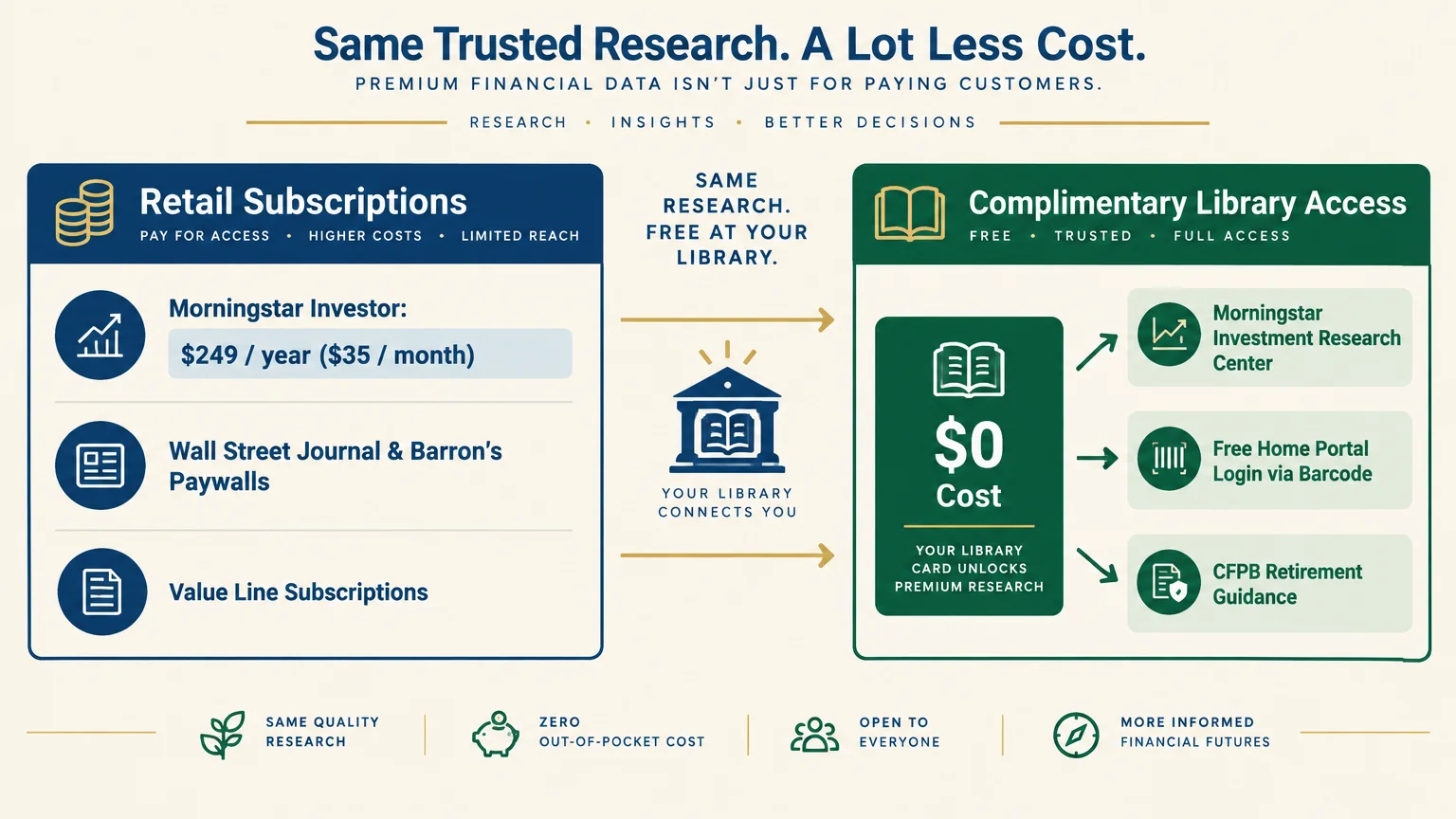
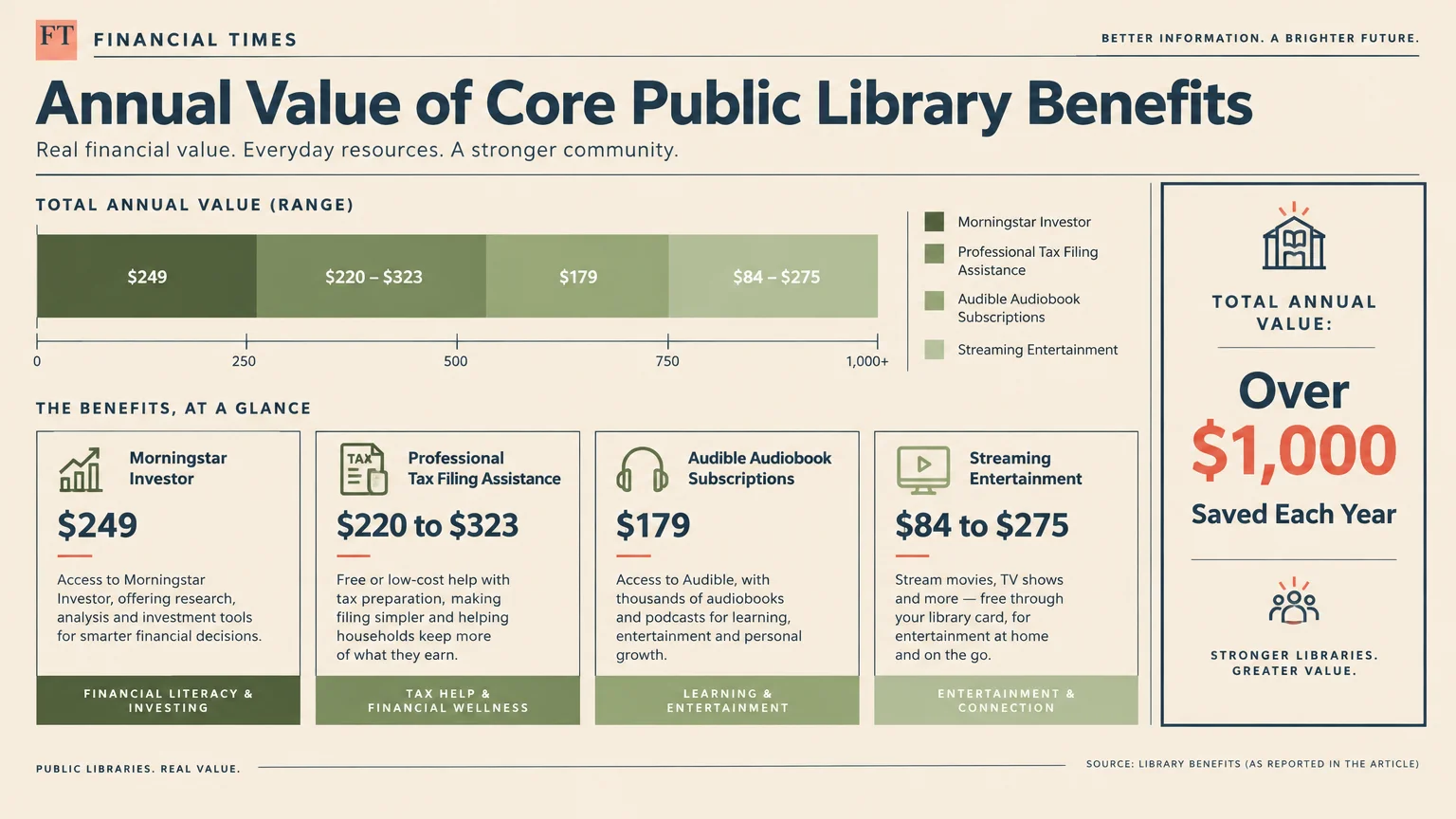
A retail subscription to Morningstar Investor costs $249 per year or nearly $35 every month. Most public library systems grant cardholders complimentary access to the comprehensive Morningstar Investment Research Center.
You can analyze mutual fund holdings, compare exchange-traded funds, and review stock ratings from home. All you need is your barcode number to log into your library web portal.
Libraries also supply access to Value Line and financial publications like The Wall Street Journal and Barron’s. Reading these online saves hundreds of dollars in annual news paywalls.
Making informed financial choices helps you safeguard your hard-earned assets. You can review objective guidance on the Consumer Financial Protection Bureau retirement tools page to pair with your library research.

2. Free Digital Media, Audiobooks, and Streaming Entertainment
Entertainment costs represent an easy target for monthly budget trims. Commercial subscription services quietly drain hundreds of dollars from retirees every year.
An Audible Premium Plus membership costs approximately $179 annually. By downloading the free Libby app, you can borrow thousands of popular audiobooks directly to your smartphone or tablet.
Digital holds download automatically over Wi-Fi, eliminating trips to a physical building. You can adjust narration speed or text sizes to match your personal comfort.
Libraries also partner with video platforms like Kanopy and Hoopla. These services let you stream award-winning cinema, world documentaries, and acclaimed series without paying Netflix rates of $84 to $275 per year.
Both streaming platforms offer extensive selections from The Great Courses. You can explore college-level lectures on history, gardening, and world affairs without paying steep retail course fees.

3. Certified Tax Preparation Assistance Each Spring
Filing annual taxes creates unwanted stress and substantial out-of-pocket costs. Commercial preparers charge significant fees even for straightforward returns.
The National Society of Accountants notes that hiring a professional preparer costs an average of $220 to $280 for a standard Form 1040. Complex returns with itemized deductions routinely surpass $323.
Public libraries regularly host the AARP Foundation Tax-Aide program between February 1 and April 15. This initiative operates at more than 3,500 community branches across the nation.
IRS-certified volunteers provide free in-person filing assistance specifically geared toward filers aged 50 and older. They ensure you claim every legal deduction, credit, and retirement income exclusion.
You do not need an AARP membership to utilize this branch service. Reserving an appointment early ensures you avoid costly filing mistakes and keep your refund intact.
4. Free Museum Passes and State Park Admissions
Staying culturally active and exploring nature keeps retirement invigorating. However, admission fees at regional attractions add up quickly when grandchildren visit.
General admission at major art museums, science centers, and botanical gardens now ranges from $20 to $35 per adult ticket. A single family afternoon outing can easily cost $100 before parking.
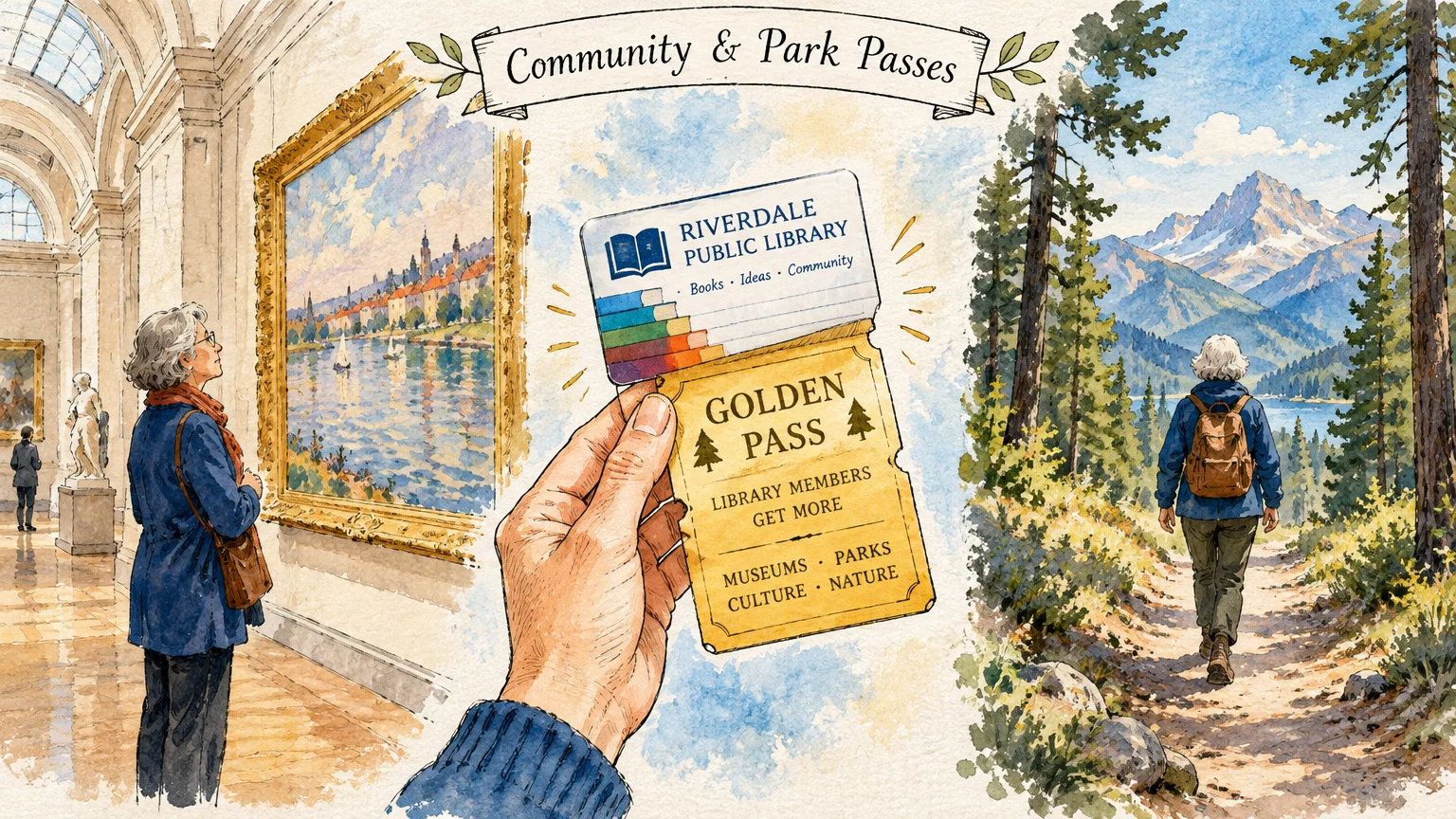
Many library districts offer cultural pass programs, frequently branded as Culture Pass or Discover & Go. These systems allow you to reserve free museum passes library programs provide each month.
You check out digital or physical vouchers that grant free general admission for two to four guests. This perk lets you explore premier exhibits without touching your leisure budget.
Libraries also offer state park vehicle passes, such as the California State Library Parks Pass. Checking out a day-use pass waives parking fees that usually run $10 to $20 per visit.
5. Unbiased Product Ratings and Consumer Research
Retirees frequently replace aging home appliances, purchase vehicles, or evaluate assistive medical devices. Making a poor purchasing decision causes lingering financial pain.
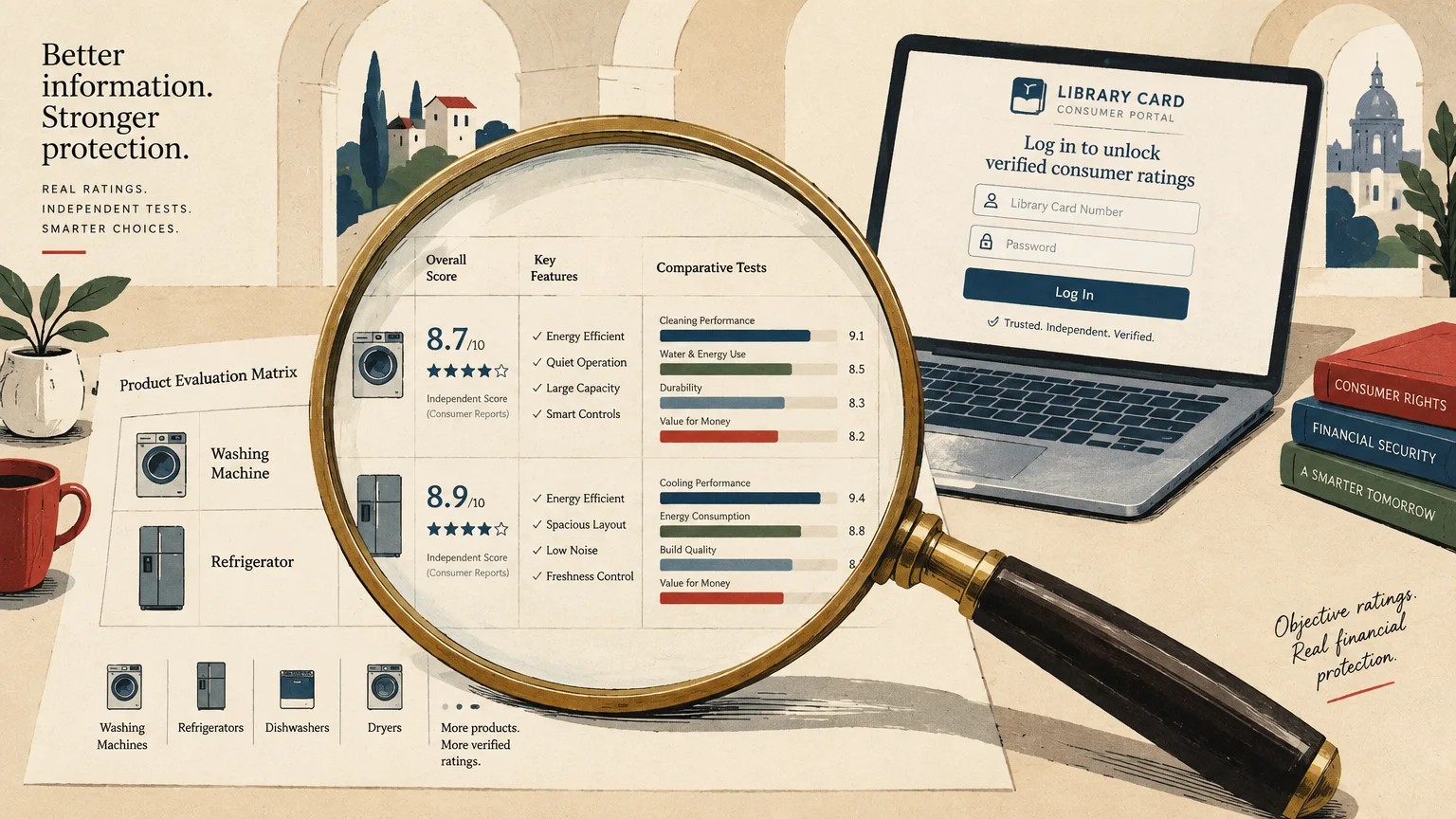
A digital membership to Consumer Reports costs between $39 and $55 annually. This expense discourages many shoppers from checking reliable testing data before buying.
Most public library systems provide full digital access to Consumer Reports through portals like EBSCOhost and MasterFILE. You can read current issue reviews, side-by-side reliability ratings, and brand track records.
Accessing these ratings prevents you from overpaying for unreliable water heaters, tires, or hearing amplifiers. Thorough research guarantees that your replacement purchases last for years.

6. Specialized Reading Materials for Changing Vision Needs
Changes in eyesight should never force you to abandon your love of reading. Commercial large-print volumes and specialty reading hardware carry steep price tags.
Public libraries maintain dedicated large-print sections featuring current bestsellers, historical fiction, and non-fiction. These volumes offer larger typography and higher paper contrast to reduce eyestrain.
If age-related macular degeneration or physical tremors make holding standard books impossible, libraries connect you with national resources. The National Library Service for the Blind and Print Disabled coordinates with regional libraries.
This Library of Congress program delivers specialized digital audio players, braille books, and recorded cartridges directly to your door postage-free. The entire service costs you nothing.
Healthy visual habits help you preserve independence as you grow older. You can learn more about managing age-related changes through the National Institute on Aging resources.

7. Tool Lending Libraries and Household Specialty Gear
Owning specialized tools you only use once a year wastes limited storage space and household income. Many modern libraries now maintain a bustling “Library of Things.”
These collections lend practical household gear, ranging from thermal leak detectors to sewing machines and power washers. You can check out automotive code readers to diagnose check-engine lights before visiting a mechanic.
Gardening tools, lawn aerators, and fruit pickers are also popular fixtures in these collections. Borrowing these items eliminates hundreds of dollars in equipment purchases and maintenance upkeep.
Libraries also circulate portable Wi-Fi hotspots with unlimited cellular data. Checking out a hotspot provides free internet connectivity during road trips, RV excursions, or unexpected home service outages.
8. Technology Instruction and Lifelong Skill Building
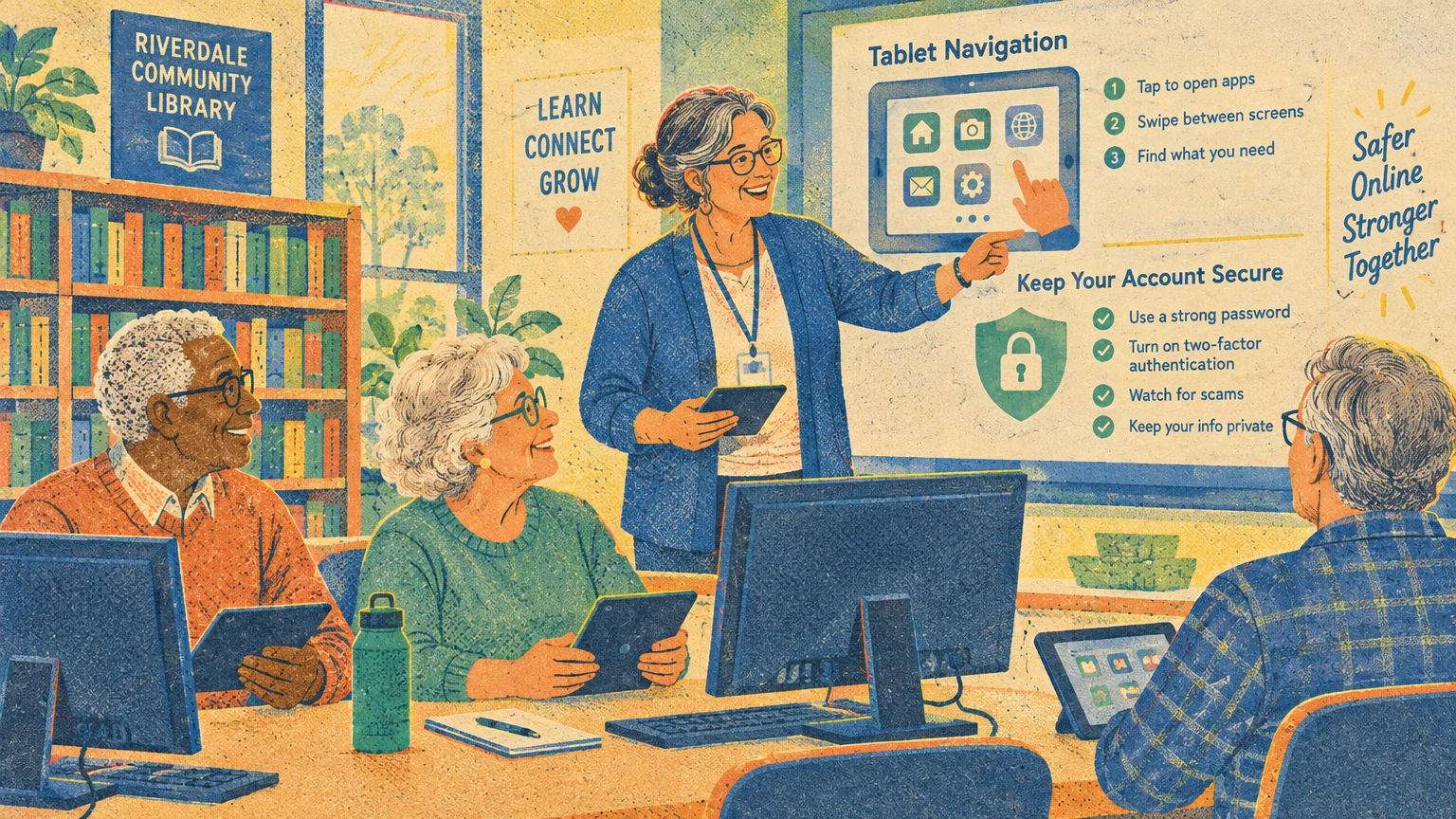
Remaining tech-savvy protects retirees from sophisticated digital scams and keeps communication lines open with distant family. Yet private technology coaching often costs $50 to $100 per hour.
Library branches schedule free, small-group technology workshops tailored specifically for older adults. Patient instructors walk you through smartphone navigation, tablet settings, online banking safety, and video calling.
Your library card also grants remote access to premier self-paced learning platforms. Programs like Mango Languages and Rosetta Stone let you learn a new language before traveling abroad.
Genealogy enthusiasts can access Ancestry Library Edition and HeritageQuest on library terminals. Commercial access to these family history databases costs $200 to $400 annually through personal subscriptions.

9. Health Screenings, Social Programs, and Benefit Checkups
Public libraries increasingly serve as central hubs for senior wellness and community connection. Staying socially engaged reduces health risks associated with isolation in older adults.
Many branches host free blood pressure monitoring kiosks, chair yoga classes, memory cafes, and walking clubs. These free library services keep you active and connected without requiring expensive gym memberships.
Libraries frequently partner with social workers and community advocates who help seniors identify supportive public programs. You can also explore local assistance independently through BenefitsCheckUp by NCOA.
These onsite consultations reveal energy assistance grants, property tax relief programs, and supplementary nutritional resources. Navigating these options with a specialist ensures you claim every benefit available to you.
The Annual Financial Payoff: What Your Card Is Really Worth
The American Library Association maintains standardized calculators to help communities measure the return on investment of library services. When retirees use these resources intentionally, the annual savings add up fast.
Checking out two hardcover books, one audiobook, and streaming two movies each month creates substantial savings. Attending periodic programs and utilizing databases pushes that total even higher.
“It’s not how much money you make, but how much money you keep, how hard it works for you, and how many generations you keep it for.” — Robert Kiyosaki
To see how quickly these small substitutions accumulate over twelve months, review the common expenses below.
| Service or Resource | Commercial Annual Cost | Library Cost | Your Annual Savings |
|---|---|---|---|
| Morningstar Investor Research | $249.00 | $0.00 | $249.00 |
| Audible Audiobook Subscription | $179.40 | $0.00 | $179.40 |
| Basic Tax Preparation (Form 1040) | $250.00 | $0.00 | $250.00 |
| Consumer Reports Membership | $39.00 | $0.00 | $39.00 |
| Streaming Services (Kanopy/Hoopla) | $140.00 | $0.00 | $140.00 |
| Museum & State Park Passes (4 outings) | $120.00 | $0.00 | $120.00 |
| Ancestry Database Access | $249.00 | $0.00 | $249.00 |
| Total Estimated Annual Value | $1,226.40 | $0.00 | $1,226.40 |
Redirecting over $1,200 back into your savings account strengthens your emergency reserve. That capital can fund prescription copays, utility surges, or gifts for family members.
“The goal of retirement is to live off your assets—not live off your regrets.”
Costly Mistakes to Avoid When Using Library Perks
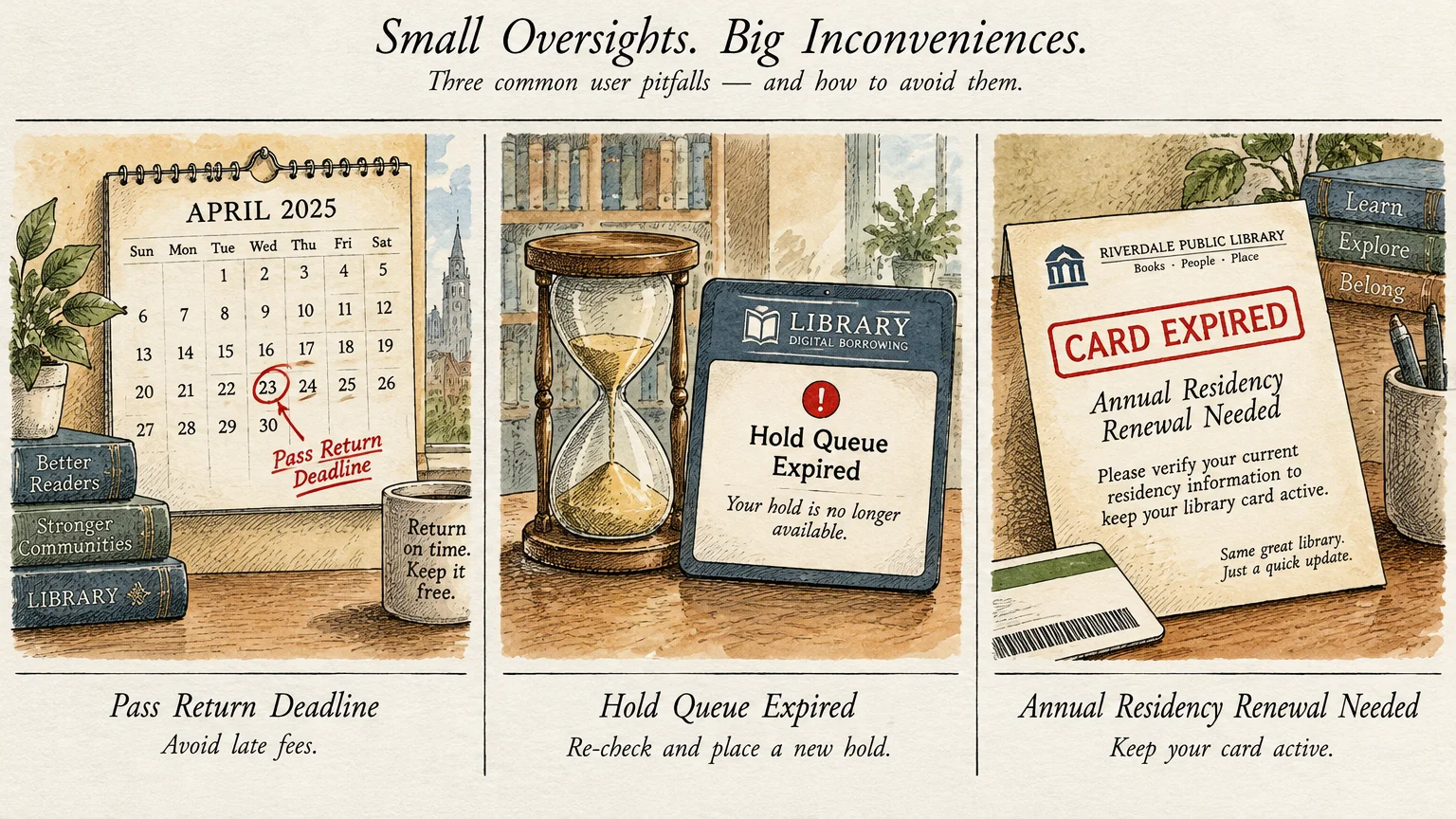
Taking advantage of library perks for seniors requires a basic understanding of library circulation rules. Making small procedural mistakes can limit your access to key perks.
One common mistake involves letting digital hold notifications expire unnoticed. Popular audiobooks and museum passes move quickly; check your email regularly so you do not lose your spot.
Many patrons also forget to check reciprocal lending agreements between neighboring counties. Adjoining library districts frequently let regional residents register for secondary cards at no charge.
Holding cards across multiple systems multiplies your digital catalog options. If your primary branch has a waiting list for an audiobook, your secondary card might offer immediate checkout.
Never assume an out-of-print title is unavailable simply because it is missing from local shelves. Reference librarians can order obscure titles through Interlibrary Loan networks across the country.
Frequently Asked Questions About Library Card Benefits
Can I access digital library services if I cannot physically travel to a branch?
Yes, most library systems allow residents to apply for digital eCards online. You can stream media, read periodicals, and access investment databases from your home computer or tablet.
Do public libraries charge overdue fines to seniors on fixed incomes?
Most major library systems across the United States have eliminated overdue daily fines entirely. You will only pay replacement fees if you lose or damage physical materials.
Can grandparents use library museum passes for visiting grandchildren?
Yes, library cultural passes generally cover standard family admissions, admitting two adults and up to two or three children. Check your local branch reservation guidelines for pass limits.
How do I access morning investment research from my home computer?
Visit your local library website and navigate to their research database or digital resources page. Enter your library card number and PIN to unlock remote institutional access.
Take Action: Activate Your Benefits Today
Take your driver’s license or utility bill to your local library branch this week to verify your account. Ask the reference librarian for a printed list of digital databases and museum pass reservation rules.
Download the Libby and Kanopy apps to your tablet tonight to start saving immediately. Leveraging these community perks puts your tax dollars back to work for your household.
This article is for informational purposes only and does not constitute financial, legal, or medical advice. Medicare rules, Social Security benefits, and tax laws change regularly—verify current details at Medicare.gov, SSA.gov, or with a licensed professional.
Last updated: February 2026. Medicare and Social Security rules change annually—always verify current details at official government sources.