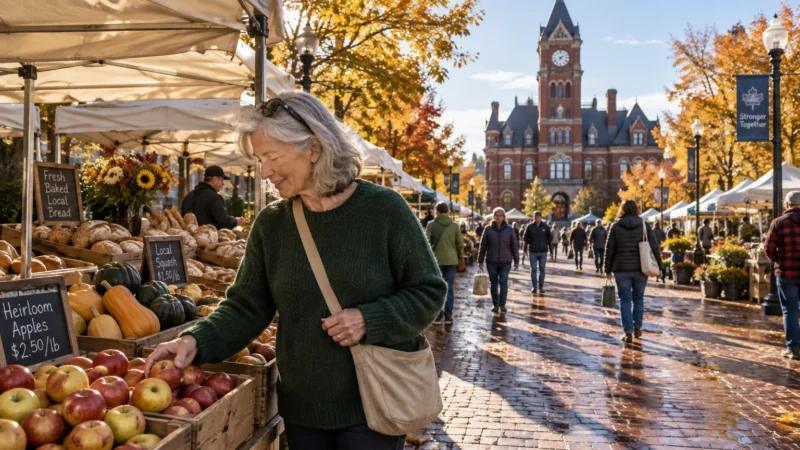
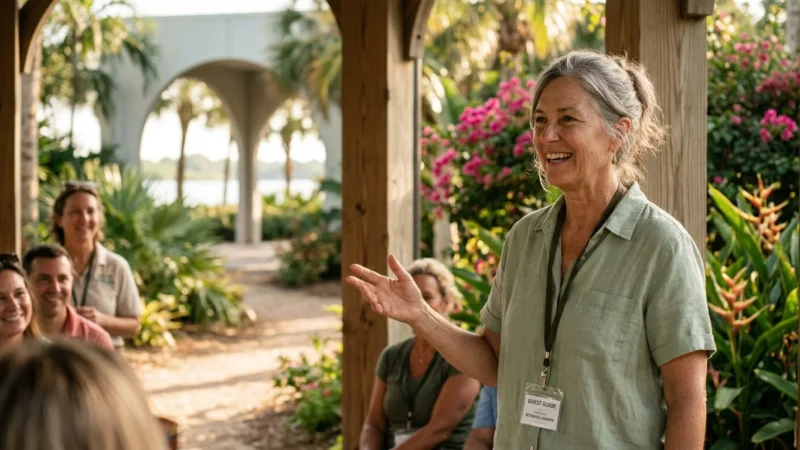
Finding a retirement destination where you feel secure walking at dusk and welcomed by neighbors transforms your daily peace of mind. The right neighborhood protects your physical safety and fosters vibrant social connections.
When you transition away from your career, local community quality determines your happiness far more than square footage. Moving to an area with low crime and genuine hospitality preserves both health and independence.
Across the United States, several distinctive towns and master-planned enclaves stand out for exceptionally safe streets and active community life. Discover where retirees report feeling safest, happiest, and truly at home.
What Truly Makes a Neighborhood Safe and Welcoming?
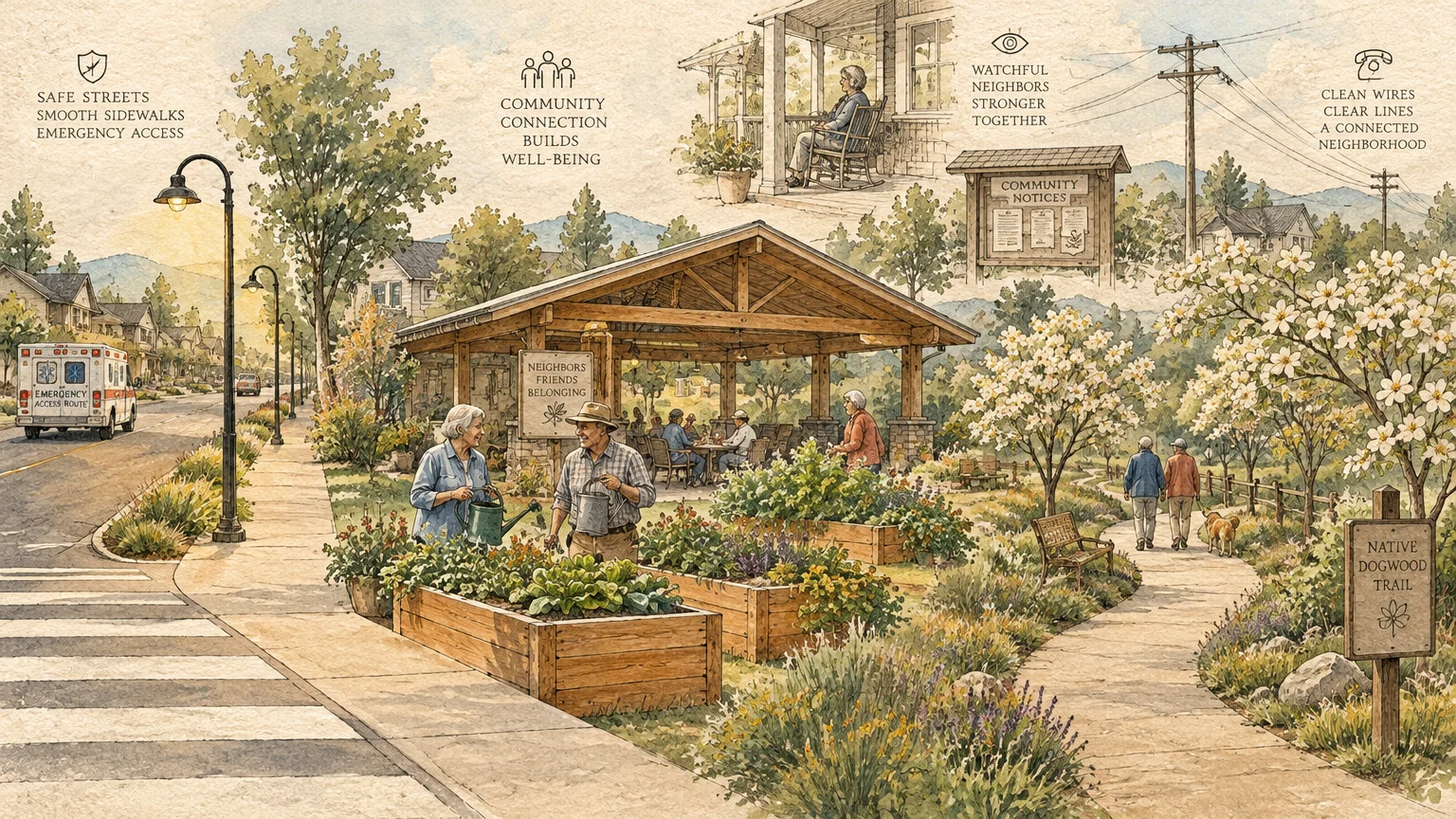
Safety means far more than low property crime rates on a police precinct dashboard. A genuinely secure neighborhood provides well-lit walkways, rapid emergency medical response times, and thoughtful pedestrian infrastructure.
Friendliness requires intentional design that brings people together naturally. Neighborhoods with community gardens, active clubhouses, and walking trails encourage casual daily interactions that prevent social isolation.
Physical safety also intersects directly with financial and personal security. The FBI Internet Crime Complaint Center documents over 200,000 elder fraud complaints annually among adults aged 60 and older.
Communities with vigilant neighborhood watches and active local communication networks help safeguard residents against both digital and physical vulnerabilities. An engaged community remains your strongest line of defense.
“Don’t simply retire from something; have something to retire to.” — Harry Emerson Fosdick

10 Safe and Friendly Neighborhoods Loved by Retirees
These ten communities span varied climates, landscapes, and budgets across the United States. Each one earns high praise from older residents for low crime and deep community spirit.
1. Rancho Vistoso (Oro Valley, Arizona)
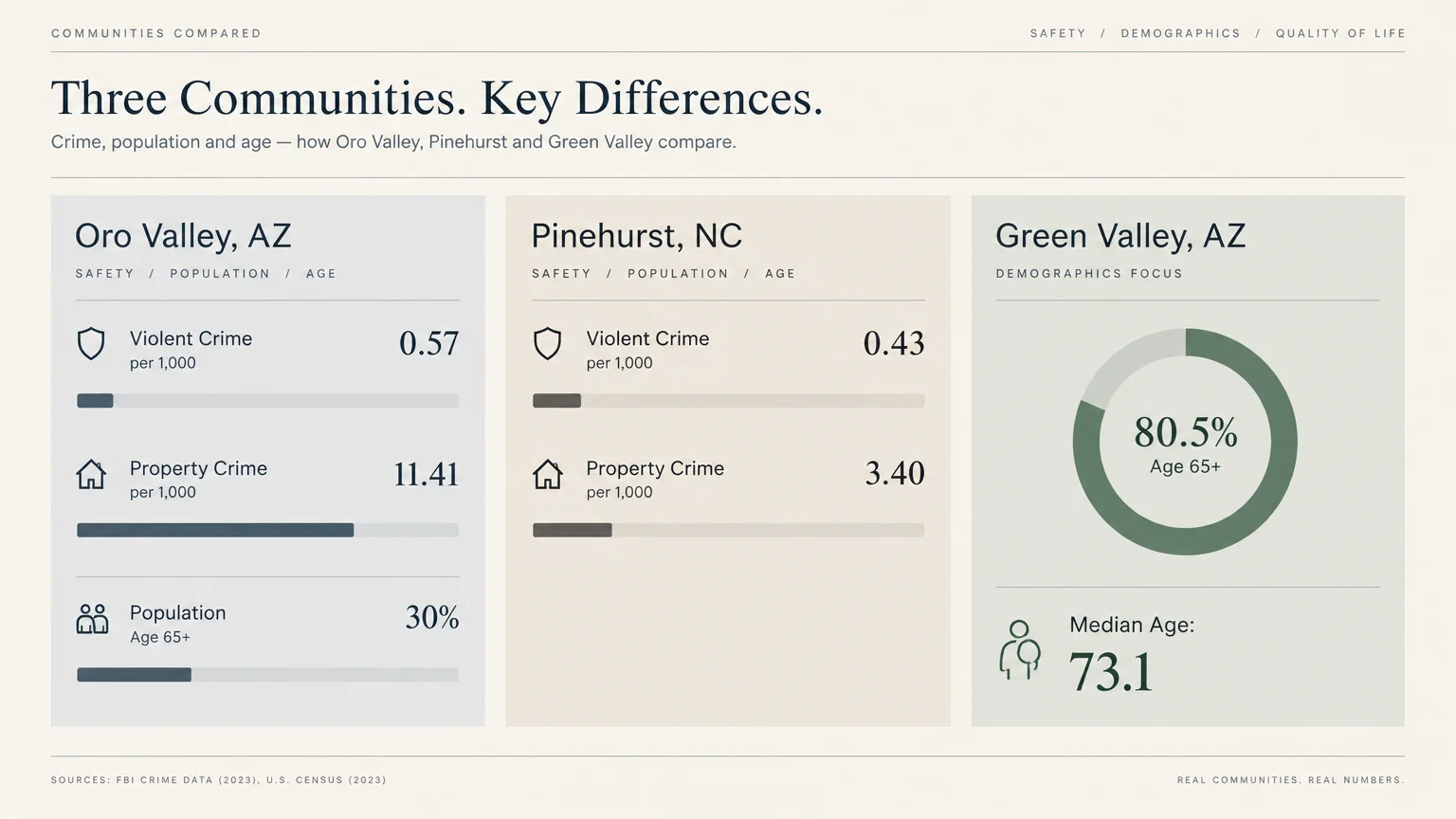
Nestled at the base of the Santa Catalina Mountains, Oro Valley ranks among the safest communities in the nation. The town maintains a violent crime rate of just 0.57 per 1,000 residents.
Property crime rates sit at an exceptionally modest 11.41 per 1,000. Roughly 30% of Oro Valley residents are aged 65 or older, creating a mature, service-oriented environment.
Rancho Vistoso provides master-planned serenity with miles of paved multi-use trails and panoramic desert views. Neighbors connect through hiking clubs, community golf, and evening patio gatherings.
2. The Village Center (Pinehurst, North Carolina)
Pinehurst pairs historic charm with remarkable public safety in the rolling Sandhills of North Carolina. Moore County local authorities report an enviable violent crime rate of only 0.43 per 1,000 residents.
Property crime remains similarly low at just 3.40 per 1,000. The historic Village Center looks like a New England hamlet, complete with winding shaded paths and boutique village shops.
FirstHealth Moore Regional Hospital sits minutes away, offering nationally recognized cardiac and orthopedic care. Residents bond over croquet, lawn bowling, championship golf, and weekly community gatherings.
3. Green Valley Enclave (Green Valley, Arizona)
Located twenty miles south of Tucson, Green Valley offers one of the most age-aligned demographics in America. U.S. Census Bureau data shows 80.5% of Green Valley residents are aged 65 or older.
With a median resident age of 73.1 years, the entire town caters directly to older adults. Green Valley Recreation operates nearly sixty private recreation centers, hobby shops, and heated pools.
Residents describe the area as an open, welcoming desert oasis where newcomers make friends within days. The low crime rates and slow-paced traffic make daily walks remarkably peaceful.
4. Laguna Woods Village (Laguna Woods, California)
Laguna Woods represents a unique enclave in coastal Orange County, California. Census data confirms 83.1% of residents are 65 or older, with a median age of 74.9 years.
More than 90% of the city exists within the private, gated Laguna Woods Village cooperative. Private security operates twenty-four hours a day, providing continuous perimeter control and neighborhood patrols.
The community offers an equestrian center, an eight-hundred-seat performing arts center, and over two hundred special-interest clubs. Residents enjoy coastal breezes alongside unparalleled peace of mind.
5. Lake Sumter Landing (The Villages, Florida)
Sumter County holds the distinction of being the oldest county in America, with a median age of 68.1 years. The Villages municipality itself boasts a median age of 73.6 years.
Lake Sumter Landing serves as one of the most popular town squares, designed like an early-twentieth-century coastal port. Live music plays every evening, drawing residents together for dancing and conversation.
Extensive golf-cart paths keep automotive traffic away from evening social centers, enhancing personal safety. Florida also levies no state income tax, letting you preserve more of your hard-earned pension income.
6. Bella Vista (Bella Vista, Arkansas)
Perched in the picturesque Ozark Mountains, Bella Vista began as a master-planned recreation village. It maintains a low violent crime rate of only 1.48 per 1,000 residents.
Housing remains remarkably accessible, with single-family home prices averaging approximately $336,600. The natural setting features seven private lakes, forty miles of nature trails, and multiple golf courses.
Retirees praise Bella Vista for its down-to-earth Midwestern friendliness and quiet woodland roads. Neighbors look out for one another, and volunteerism flourishes across local charities.
7. Pelican Bay (Naples, Florida)
U.S. News & World Report recognized Naples as a top place to retire, praising its healthcare access and low crime. Pelican Bay stands out as one of the crown jewels of Collier County.
This master-planned neighborhood features private boardwalks through protected mangroves directly to white-sand Gulf beaches. An electric tram service safely chauffeurs residents to seaside dining and beach clubs.
The neighborhood maintains twenty-four-hour roving security and immaculate lighting along every street. World-class medical facilities at NCH Healthcare System sit just a short drive from the gates.
8. Sun City Texas (Georgetown, Texas)
Georgetown sits thirty miles north of Austin, blending historic Texas charm with modern healthcare infrastructure. Sun City Texas serves as the area’s premier master-planned active adult community.
Private neighborhood patrols and active Community Watch groups collaborate closely with Georgetown Police. Williamson County consistently records lower property crime numbers than neighboring metropolitan centers.
Texas levies no personal state income tax, making it a favorite for retirees managing distributions. Three golf courses, walking trails, and community gardens keep residents active and connected.
9. Tellico Village (Loudon County, Tennessee)
Stretching along the shores of Tellico Lake near the Great Smoky Mountains, Tellico Village delivers tranquil waterfront living. Loudon County delivers quiet country security paired with nearby urban amenities in Knoxville.
Tennessee offers another tax haven for older Americans, assessing zero state income tax on individual wages or pensions. The village features an active volunteer fire department and dedicated emergency response teams.
With yacht clubs, pickleball facilities, and community garden plots, social integration comes naturally. Residents report an unpretentious atmosphere where newcomers receive warm greetings from day one.
10. Historic Borough & Pennswood (Newtown, Pennsylvania)
Bucks County, Pennsylvania, blends deep American history with lush, tree-lined suburban safety. The Borough of Newtown and adjacent senior enclaves like Pennswood provide a pedestrian-friendly, welcoming environment.
Rooted in Quaker traditions of mutual respect and community fellowship, the neighborhood emphasizes civic engagement and personal well-being. Violent crime in Newtown remains virtually non-existent year after year.
Locals walk to independent bakeries, community theaters, and the historic Newtown Library Company. St. Mary Medical Center provides comprehensive emergency and geriatric services right around the corner.
Comparing Safety, Costs, and Demographics
Selecting a retirement neighborhood requires balancing public safety records, housing costs, and tax environments. Review how these prominent senior destinations compare across key practical metrics.
| Neighborhood / Town | State Tax Status | Safety Profile | Key Senior Characteristic |
|---|---|---|---|
| Rancho Vistoso (Oro Valley, AZ) | Flat State Income Tax | 0.57 Violent Crimes / 1,000 | 30% of population is 65+ |
| Village Center (Pinehurst, NC) | Flat State Income Tax | 0.43 Violent Crimes / 1,000 | Historic walking village layout |
| Green Valley Enclave, AZ | Flat State Income Tax | Low Regional Crime | 80.5% of population is 65+ |
| Laguna Woods Village, CA | Standard State Income Tax | Private 24/7 Gated Security | 83.1% of population is 65+ |
| Lake Sumter (The Villages, FL) | No State Income Tax | Low Violent Crime | Sumter Co. median age: 68.1 yrs |
| Bella Vista, AR | Standard State Income Tax | 1.48 Violent Crimes / 1,000 | Avg home price ~$336,600 |
| Pelican Bay (Naples, FL) | No State Income Tax | Private Roving Security | #1 U.S. News Retirement Rank |
| Sun City Texas (Georgetown, TX) | No State Income Tax | Neighborhood Watch Network | Master-planned age-restricted |
| Tellico Village, TN | No State Income Tax | Low County Crime | Lakeside volunteer-rich culture |
| Newtown / Pennswood, PA | Retirement Income Exempt | Negligible Violent Crime | Historic walkable borough |
Notice that nine states levy zero state income tax on individual wages, pensions, or Social Security. Choosing Florida, Texas, or Tennessee can provide meaningful tax savings alongside peace of mind.
Understanding 55+ Housing Laws: The 80/20 Rule
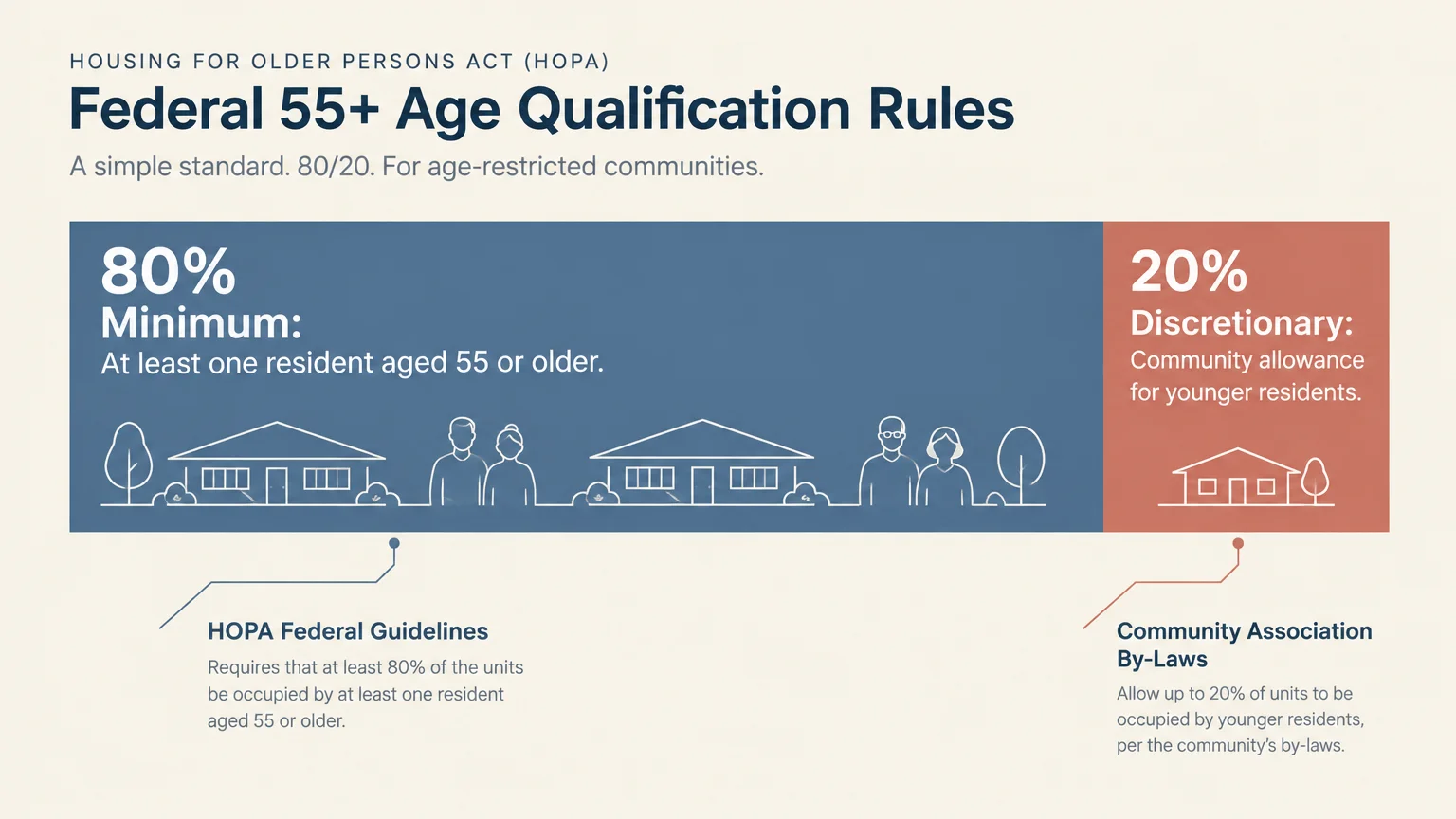
Many of the friendliest retirement communities operate under specific legal frameworks. The Housing for Older Persons Act (HOPA) establishes clear guidelines for age-restricted neighborhoods across the country.
Under federal regulations (24 CFR § 100.305), communities maintain legal exemption from Fair Housing familial-status rules only when meeting strict occupancy standards. At least 80% of occupied units must house one person aged 55 or older.
Before purchasing in an age-restricted enclave, review the community association covenants with your real estate attorney. You can explore official guidelines through HUD Housing for Seniors to verify compliance standards.
Knowing these rules protects you from unexpected changes in community demographics or association policies. Transparent management ensures that your neighborhood preserves its quiet, senior-focused character for years to come.

Errors That Cost Retirees Thousands
Relocating during retirement should reduce your daily anxiety, not create unexpected financial liabilities. Many buyers focus entirely on property aesthetics and overlook critical logistical expenses.
Avoid these costly mistakes when evaluating prospective neighborhoods:
- Overlooking Escalating HOA and Special Assessments: Private gated communities maintain private roads, security gates, and pools. Review five years of association reserves to ensure substantial dues hikes are not imminent.
- Ignoring Local Property Tax Reassessments: Moving to a tax-friendly state like Texas or Florida sounds ideal, but county property taxes can surprise you. A new home purchase often resets taxable values to current market rates.
- Underestimating Distance to Specialized Care: A serene mountain town feels idyllic until you require routine cardiovascular or oncological care. Driving over forty-five minutes for medical visits creates fatigue and transportation hazards.
- Skipping Off-Season Neighborhood Visits: Visiting a coastal town in spring reveals sunny skies and friendly patios. Visiting that same neighborhood in August or January shows you the true heat, humidity, or isolation.
These oversights drain retirement savings and create avoidable relocation stress. Performing thorough due diligence keeps your retirement budget sound and predictable.
“The goal of retirement is to live off your assets—not live off your regrets.”
How to Vet a Neighborhood Before You Buy
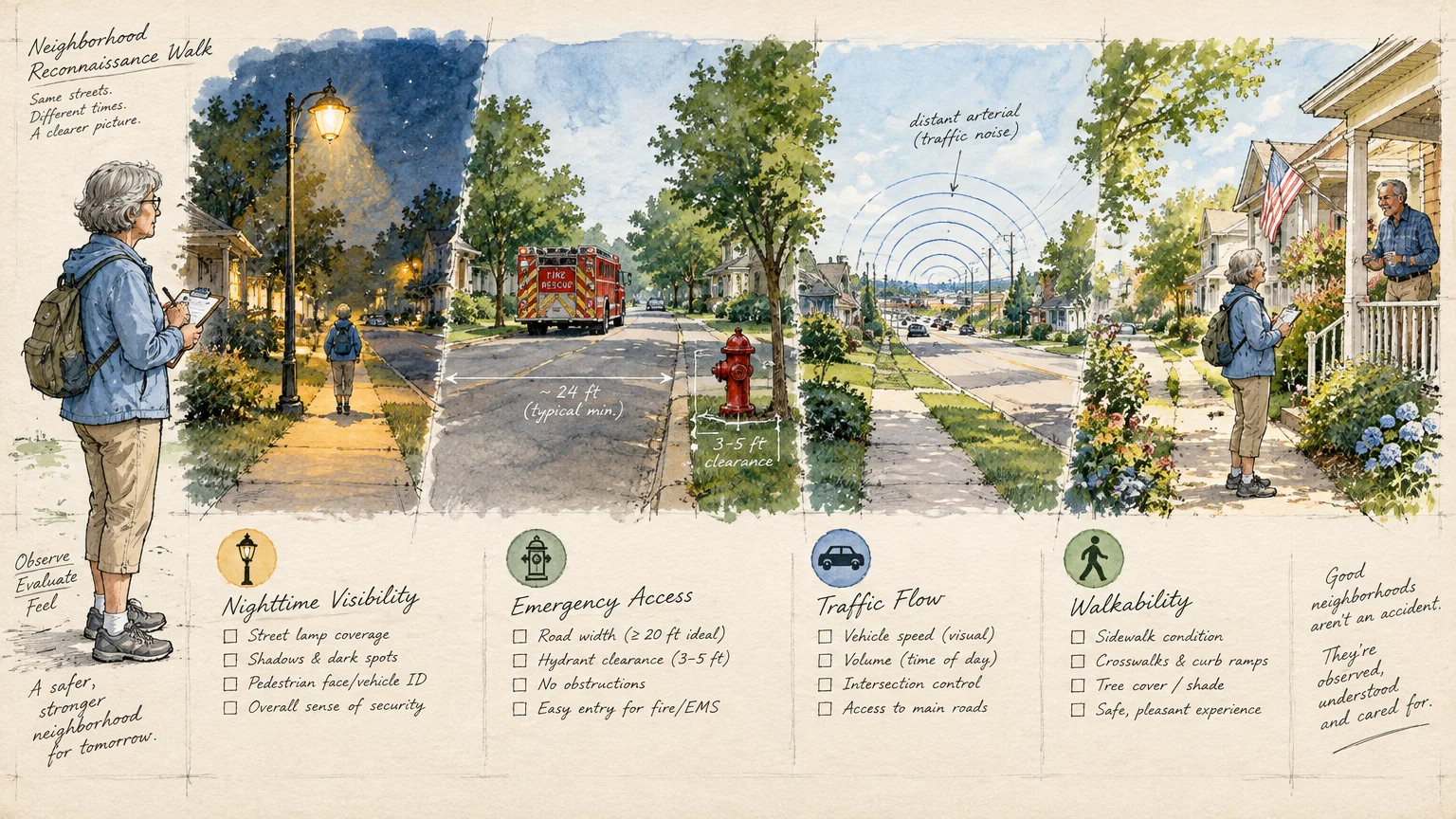
Never rely solely on sales brochures or polished neighborhood promotional videos. You need unbiased, boots-on-the-ground experience before committing your retirement savings to a new address.
Rent a furnished cottage or condominium in the target neighborhood for at least two weeks. Walk the sidewalks at dusk and early morning to observe lighting, noise, and foot traffic.
Stop by the local grocery store, post office, and pharmacy in the middle of a weekday. Friendly cashiers and patient customers reflect a patient, supportive neighborhood culture.
Connect with local community services to evaluate available support networks as you age. Research localized resources through the official Eldercare Locator before signing closing paperwork.
Consult local resources from AARP to gauge community livability scores, transit accessibility, and walkability indexes. Gathering hard data upfront guarantees that your new neighborhood meets your long-term needs.
Frequently Asked Questions
Are gated communities truly safer than standard neighborhoods?
Gated communities reduce drive-through traffic and casual property theft significantly. However, strong community cohesion and alert neighbors often deter crime just as effectively as physical security gates.
Can younger relatives visit or stay in 55+ communities?
Yes, most age-restricted communities permit family guests, including grandchildren, for up to thirty to ninety days per calendar year. Check your specific homeowners association bylaws for precise guest policies.
What is the safest state for retirement living?
States like Maine, New Hampshire, North Carolina, and Arizona consistently report low violent crime rates in suburban retirement enclaves. Overall municipal safety depends far more on the local neighborhood than the state border.
Does a low-crime neighborhood guarantee better resale value?
High safety rankings and well-kept neighborhood amenities consistently protect property values during market downturns. Retirees consistently pay a premium for verified safety, walkability, and strong healthcare proximity.
Take Your Next Step Toward a Secure Retirement
Schedule a visit to your top two neighborhood candidates this upcoming season. Take long walks, introduce yourself to residents at local parks, and experience the community culture firsthand.
Retirement rules and benefit amounts vary based on individual work history, income, and circumstances. This article provides general guidance only. Consult a SHIP counselor, financial advisor, or elder law attorney for advice specific to your situation.
Last updated: February 2026. Medicare and Social Security rules change annually—always verify current details at official government sources.