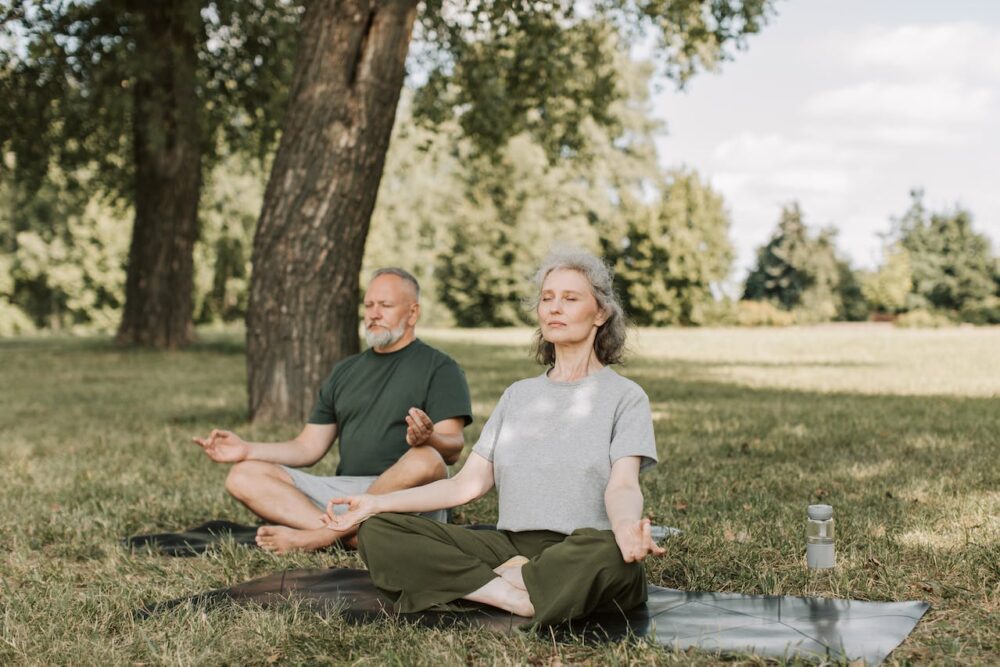
Living alone offers tremendous independence, but an empty house can quietly shrink your daily circle. Maintaining frequent human contact protects your mental sharpness, cardiovascular health, and emotional balance as you navigate retirement.
Building a vibrant network does not require an outgoing personality or costly country club fees. Practical living alone tips help you turn quiet afternoons into meaningful opportunities for connection and shared laughter.
Use these proven strategies to find engaging senior social activities, nurture reliable bonds, and confidently make new friends after 60 on your own schedule.
The Proven Health Power of Daily Connection
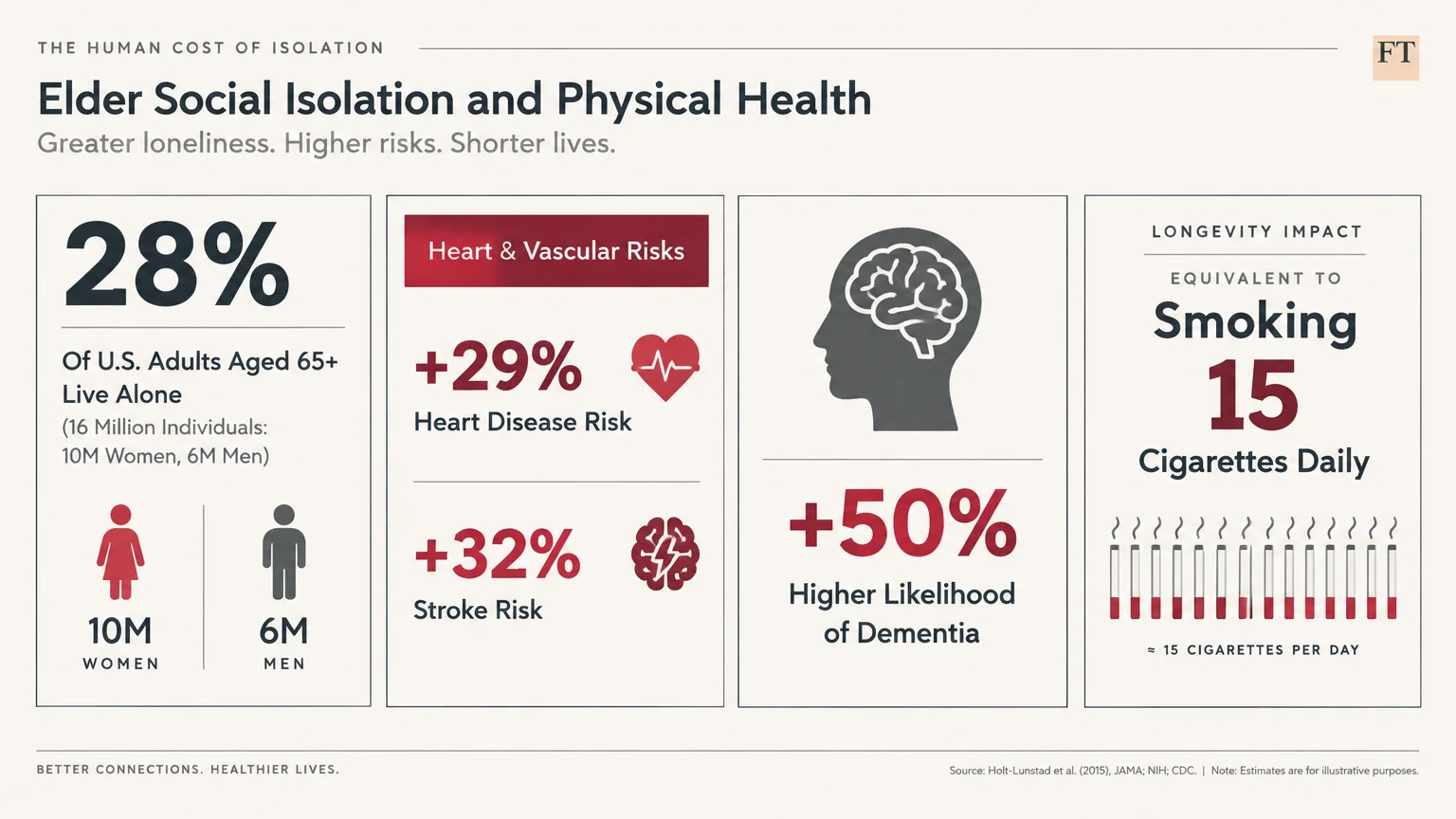
Census Bureau records indicate that roughly 28% of American adults aged 65 and older live alone. This group includes nearly 16 million individuals, representing roughly 10 million women and 6 million men.
While solo living grants welcome privacy, sustained isolation carries steep physical consequences. You cannot afford to treat human interaction as an optional luxury.
The U.S. Surgeon General found that severe isolation affects longevity as harshly as smoking up to 15 cigarettes daily. Social detachment strains your immune system and speeds physical decline.
Data links regular social isolation to a 29% higher risk of heart disease and a 32% increased risk of stroke. Furthermore, isolated seniors face an estimated 50% higher likelihood of developing dementia.
Staying socially engaged shields your vascular system and stimulates neuroplasticity. Every friendly conversation serves as functional exercise for your brain.
“Retirement is not the end of the road. It is the beginning of the open highway.”
1. Plug Into Local Senior Community Centers
Senior community centers provide an immediate gateway to local fellowship. According to the National Council on Aging (NCOA), roughly 11,000 centers serve one million older adults every day.
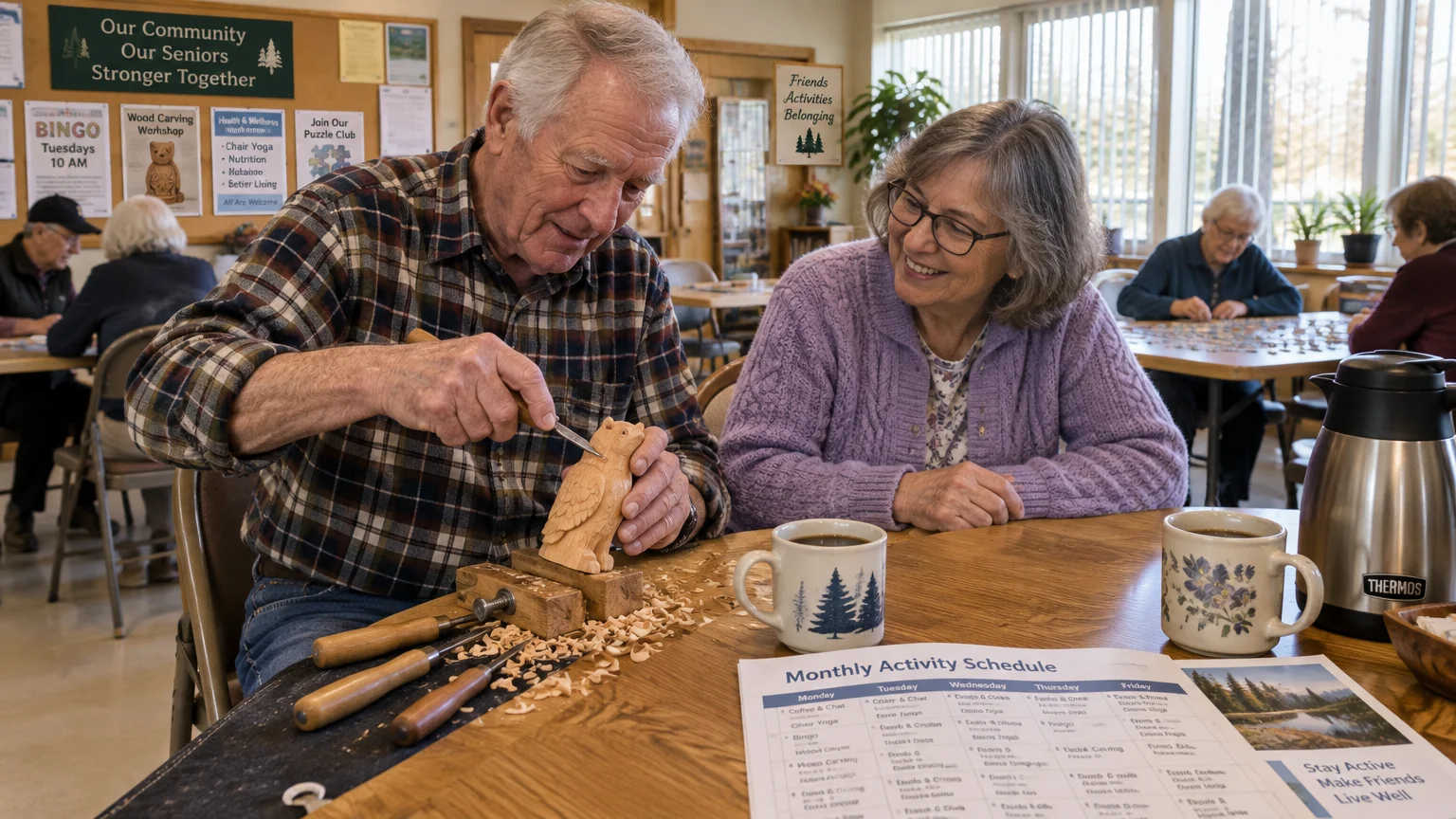
Modern centers feature diverse activities that extend well beyond bingo. You will find yoga classes, wood carving workshops, technology tutorials, and organized book discussions.
Most municipal centers charge nominal annual dues or operate completely free of charge. Stop by during morning coffee hours to collect an event calendar and tour the facility.
2. Serve Your Community with AmeriCorps Seniors RSVP
Meaningful service grounds your week in shared mission. The federal AmeriCorps Seniors RSVP program connects volunteers aged 55 and older with established civic organizations.
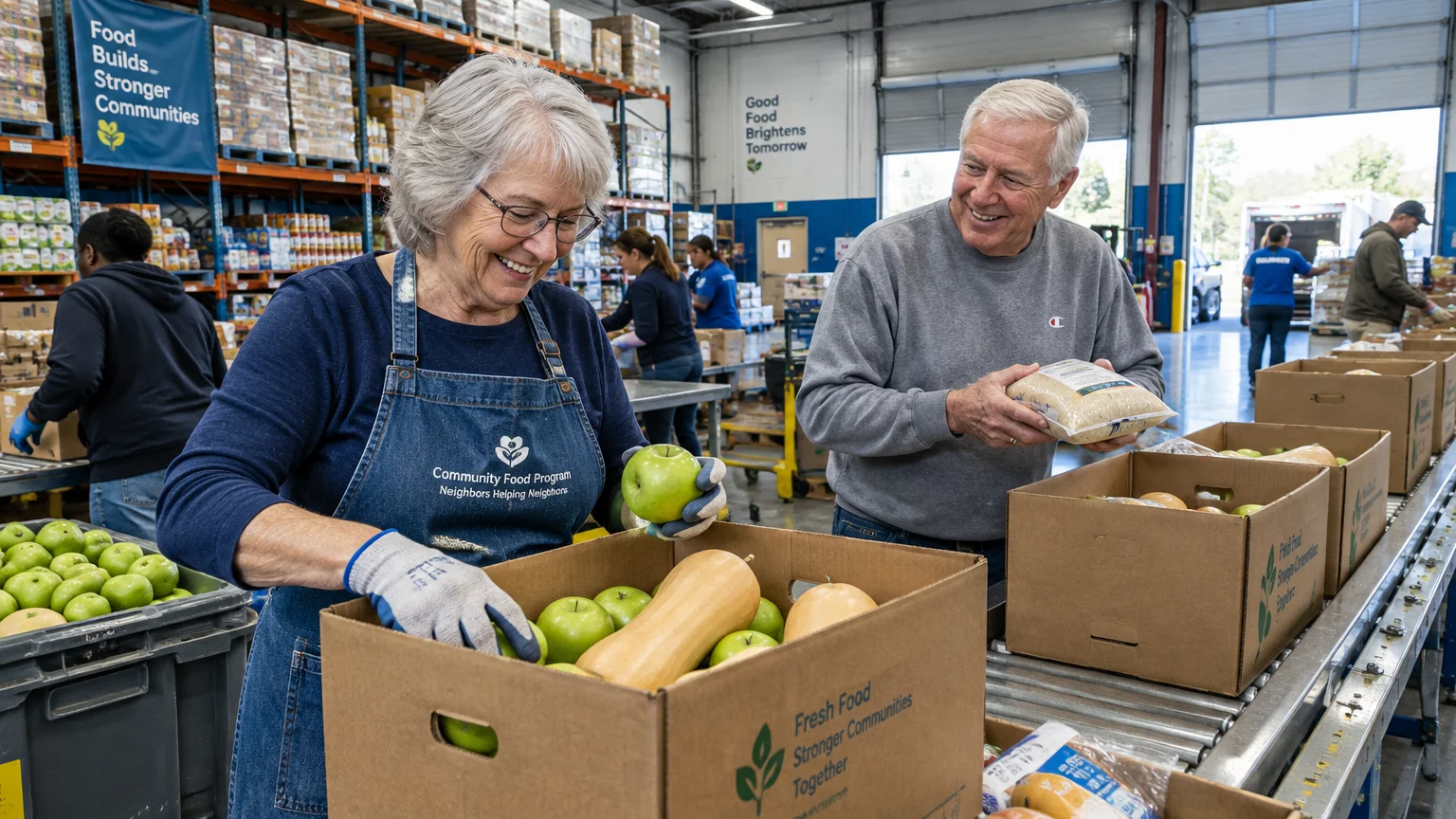
You can mentor elementary students, assemble parcels at regional food pantries, or assist local environmental non-profits. The program matches your unique professional talents with authentic neighborhood needs.
RSVP assignments do not require prior background or full-time availability. You can serve two hours each week while forming deep ties with fellow volunteers.

3. Expand Your Intellect Through OLLI Classrooms
Lifelong education offers structured conversation without the pressure of grades or tests. The Osher Lifelong Learning Institute (OLLI) operates across 125 university campuses across all 50 states.
Designed for adults aged 50 and older, OLLI courses focus on lively peer discussion. You can study American history, foreign languages, creative writing, or modern astrophysics alongside curious classmates.
Campuses host post-lecture coffee meetups, theater outings, and special interest groups. Exploring shared intellectual passions helps you effortlessly make new friends after 60.

4. Leverage Medicare Advantage Fitness and Wellness Perks
Original Medicare Parts A and B do not pay for gym memberships or athletic social clubs. However, many private Medicare Advantage (Part C) plans include fitness benefits as covered supplemental perks.
Programs such as SilverSneakers, Renew Active, and Silver&Fit grant free admission to thousands of participating fitness facilities nationwide. Review your plan details on Medicare.gov to verify your coverage.
These programs host low-impact group exercise sessions tailored specifically for seniors. Group water aerobics, gentle yoga, and indoor walking groups create consistent weekly camaraderie.
Exercising alongside peers improves balance while naturally fostering workout partnerships. You can grab coffee with class members right after your morning stretch.
“Don’t simply retire from something; have something to retire to.” — Harry Emerson Fosdick
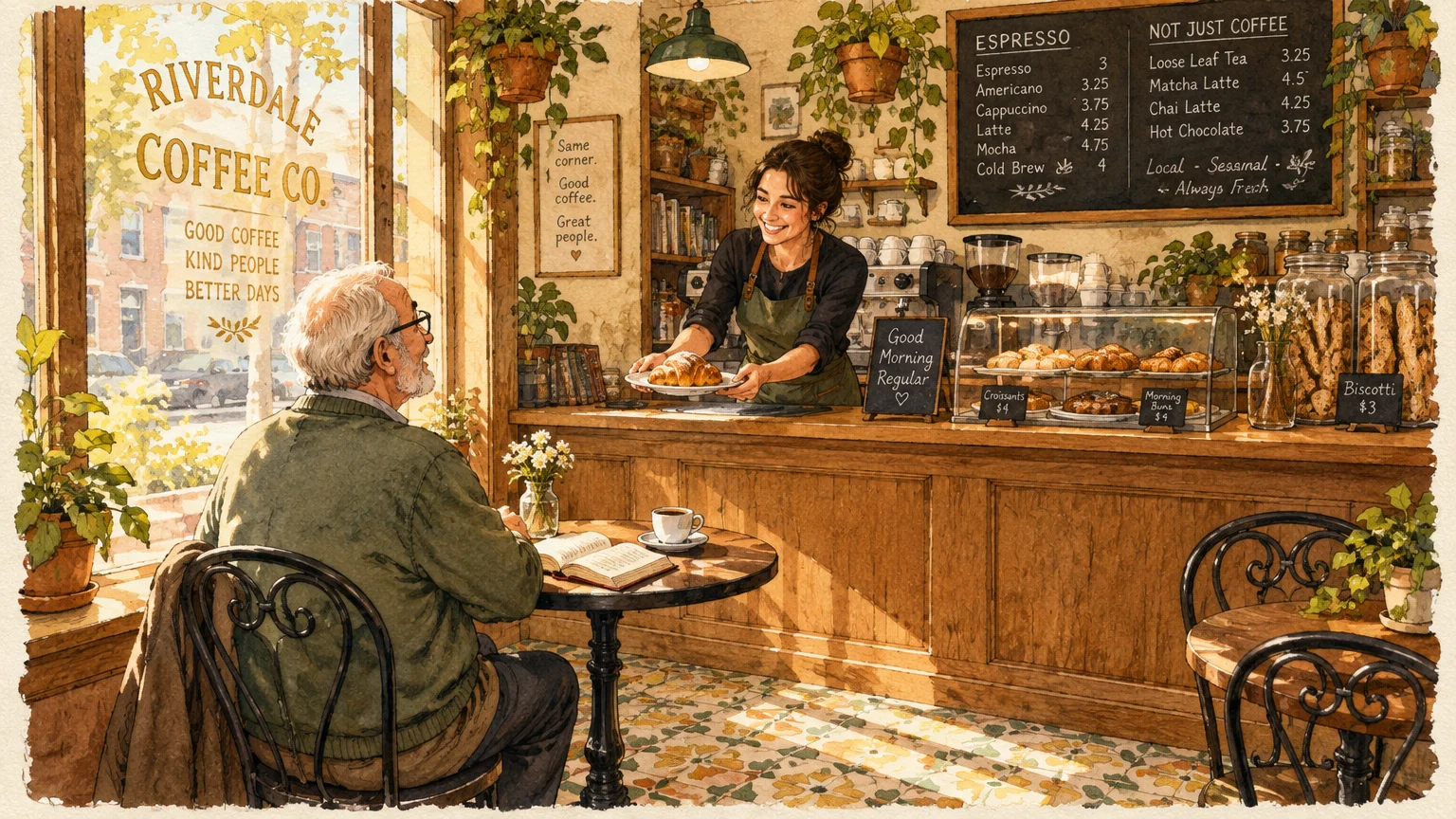
5. Adopt a Consistent “Third Place” Routine
Sociologists describe home as your first place and work as your second. A “third place” represents an anchor where you regularly encounter familiar faces in public.
Consider adopting an independent coffee shop, your local public library, or a community park bench. Visit at the exact same hour on predictable days throughout the week.
Baristas, librarians, and fellow regulars will soon recognize your presence. Casual, micro-social interactions reduce daily isolation and anchor you securely within your neighborhood.
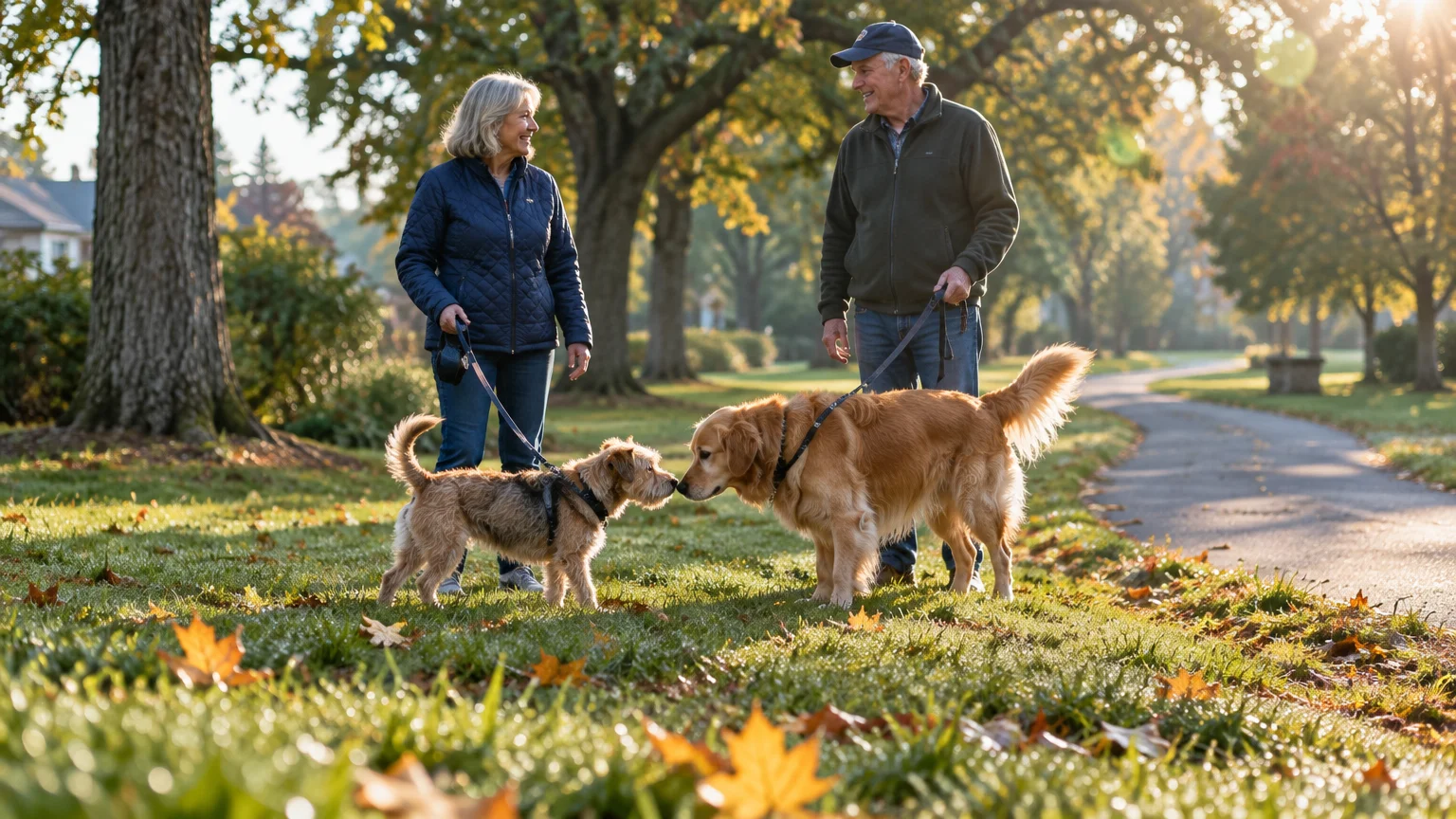
6. Form Alliances Through Dogs and Neighborhood Walks
Physical movement combined with outdoor air creates an ideal environment for spontaneous social engagement. Neighborhood walking groups bring neighbors together around healthy exercise routines.
If you own a companion animal, local dog parks provide natural icebreakers. Pet owners love discussing canine quirks, creating an effortless bridge to relaxed conversation.
If you do not own a pet, offer to walk a neighbor’s dog or volunteer at an animal shelter. Four-legged companions draw people together and spark instant neighborhood friendships.
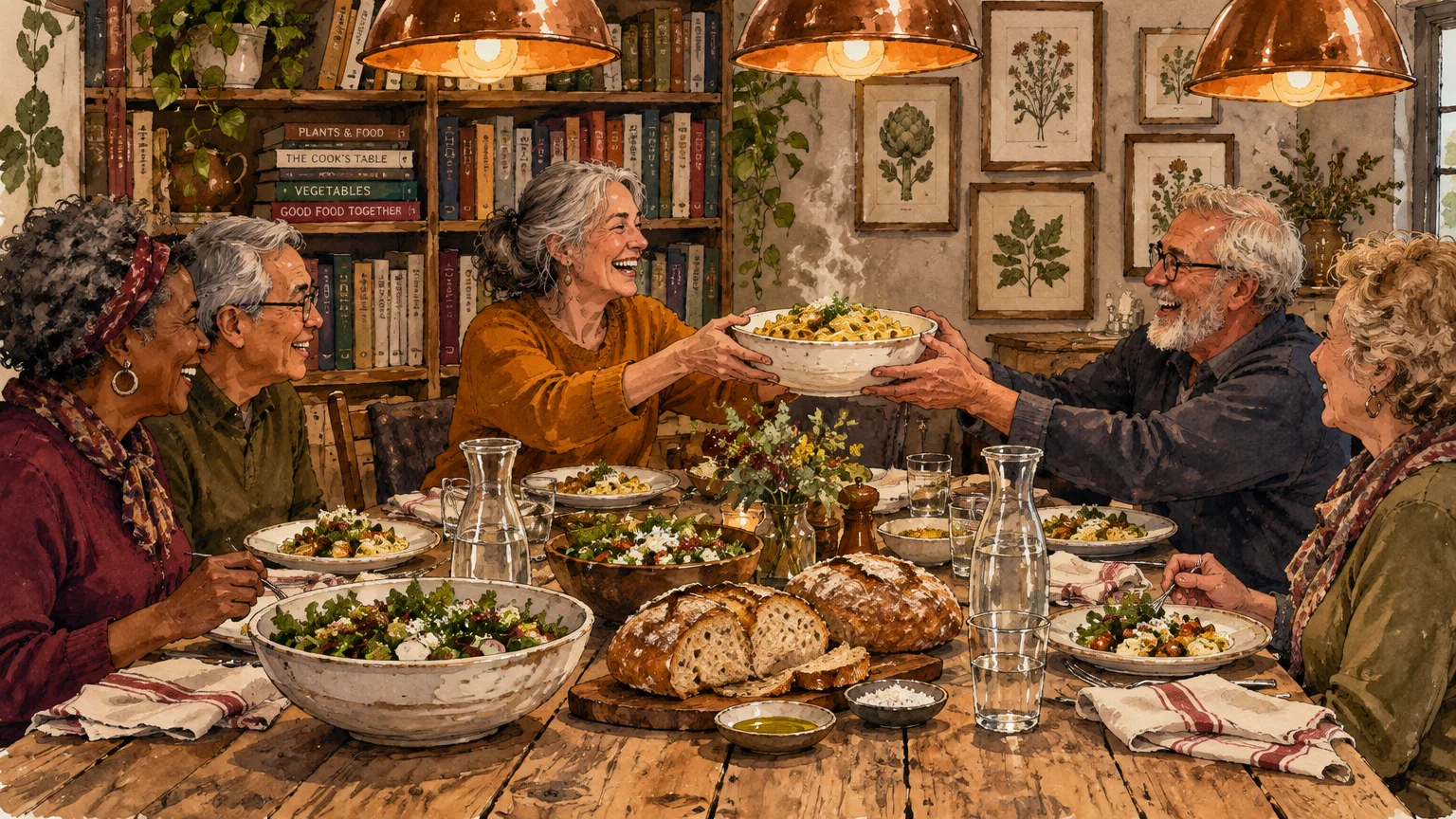
7. Share Meals Beyond Your Kitchen Table
Eating alone every night can make mealtime feel lonely. Breaking bread with peers transforms basic nourishment into a rich social event.
Area Agencies on Aging organize congregate nutrition sites across every county. These gatherings serve hot, balanced lunches in community centers and churches for a small donation.
You can also organize a rotating lunch club with two or three acquaintances. Meeting weekly at casual diners provides reliable companionship without overwhelming kitchen cleanup.
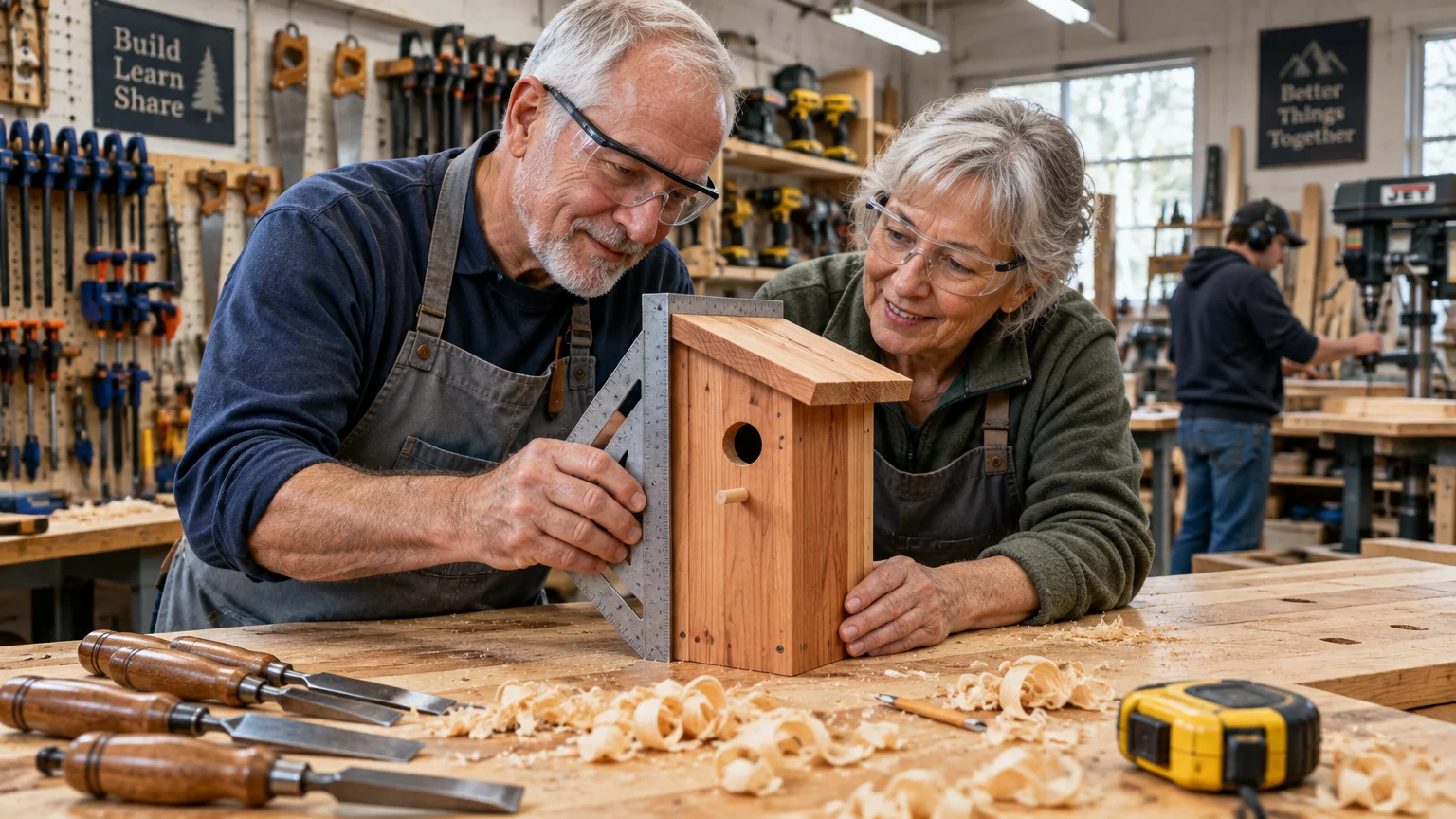
8. Join Purpose-Driven Hobby Clubs and Maker Spaces
Shared projects build lasting connections faster than unstructured small talk. Community garden plots, woodshops, and crafting circles unite people around mutual passions.
Tending a raised garden bed pairs you with fellow growers trading seasonal seeds and cultivation tips. The shared labor naturally sparks authentic mutual respect.
Local public libraries frequently sponsor stitchery circles, chess clubs, and ancestry workshops. These gatherings give introverts a comfortable focal point while interacting with others.

9. Discover Practical Loneliness Tips Through Cultural Volunteering
Nonprofit cultural institutions depend heavily on experienced, dependable volunteers. Local botanical gardens, historic houses, community playhouses, and art galleries constantly seek welcoming docents and greeters.
Volunteering at a theater lets you enjoy performances while seating guests alongside fellow crew members. You gain free cultural access while contributing to civic arts.
Research from the National Institute on Aging emphasizes that civic participation sustains emotional well-being among solo agers. Giving your time enriches both your community and your personal health.
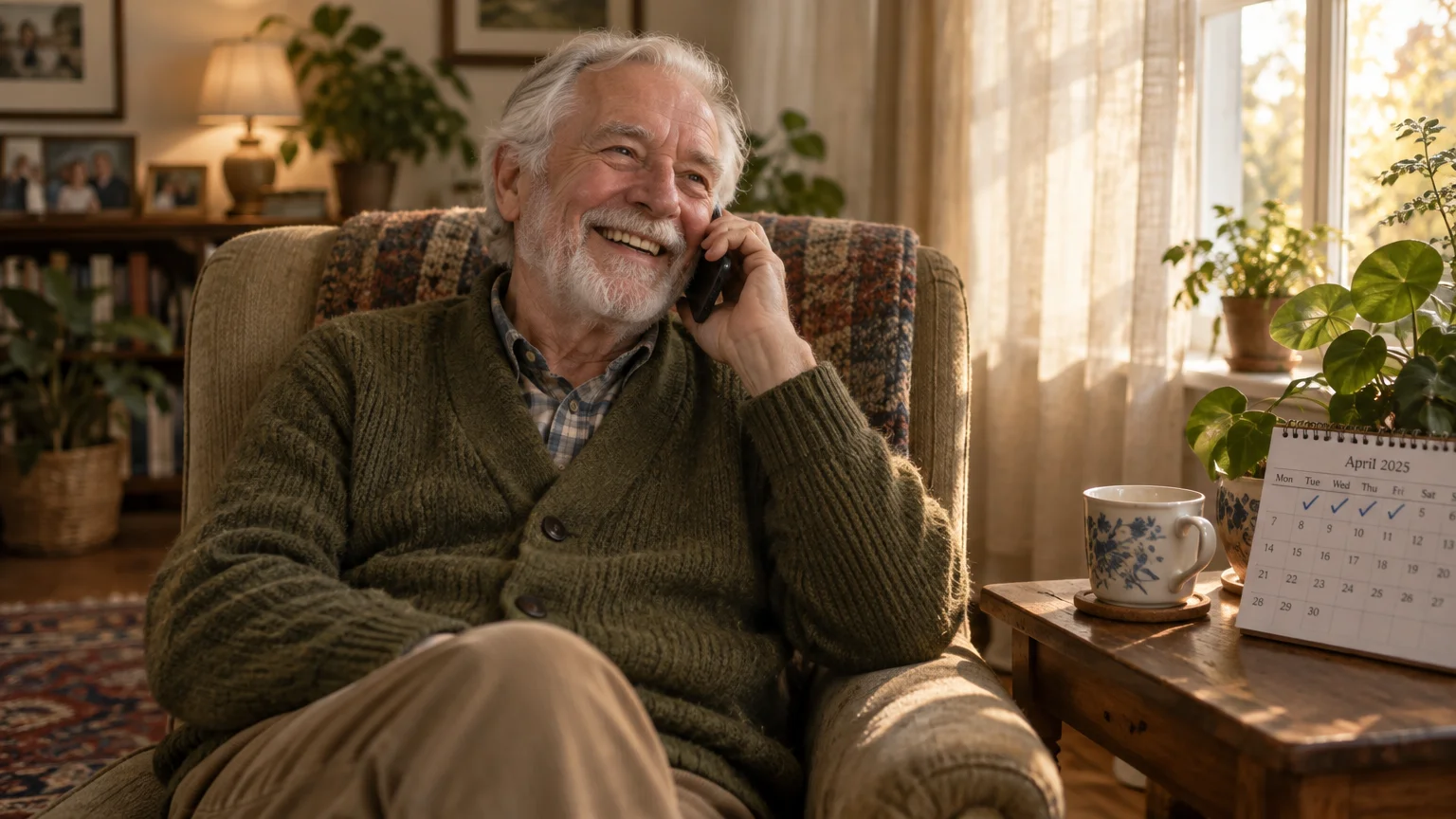
10. Establish Daily Check-In Anchors and Phone Networks
Living alone requires reliable safety networks and emotional reassurance. Scheduling recurring morning calls with a friend ensures someone notices if you encounter an unexpected emergency.
If family lives far away, utilize dedicated senior telephone reassurance networks. The Institute on Aging operates the Friendship Line at 1-800-971-0016.
This free, accredited 24/7 service offers compassionate conversation and emotional check-in calls for adults aged 60 and older. Friendly volunteers listen without judgment whenever you need a reassuring voice.
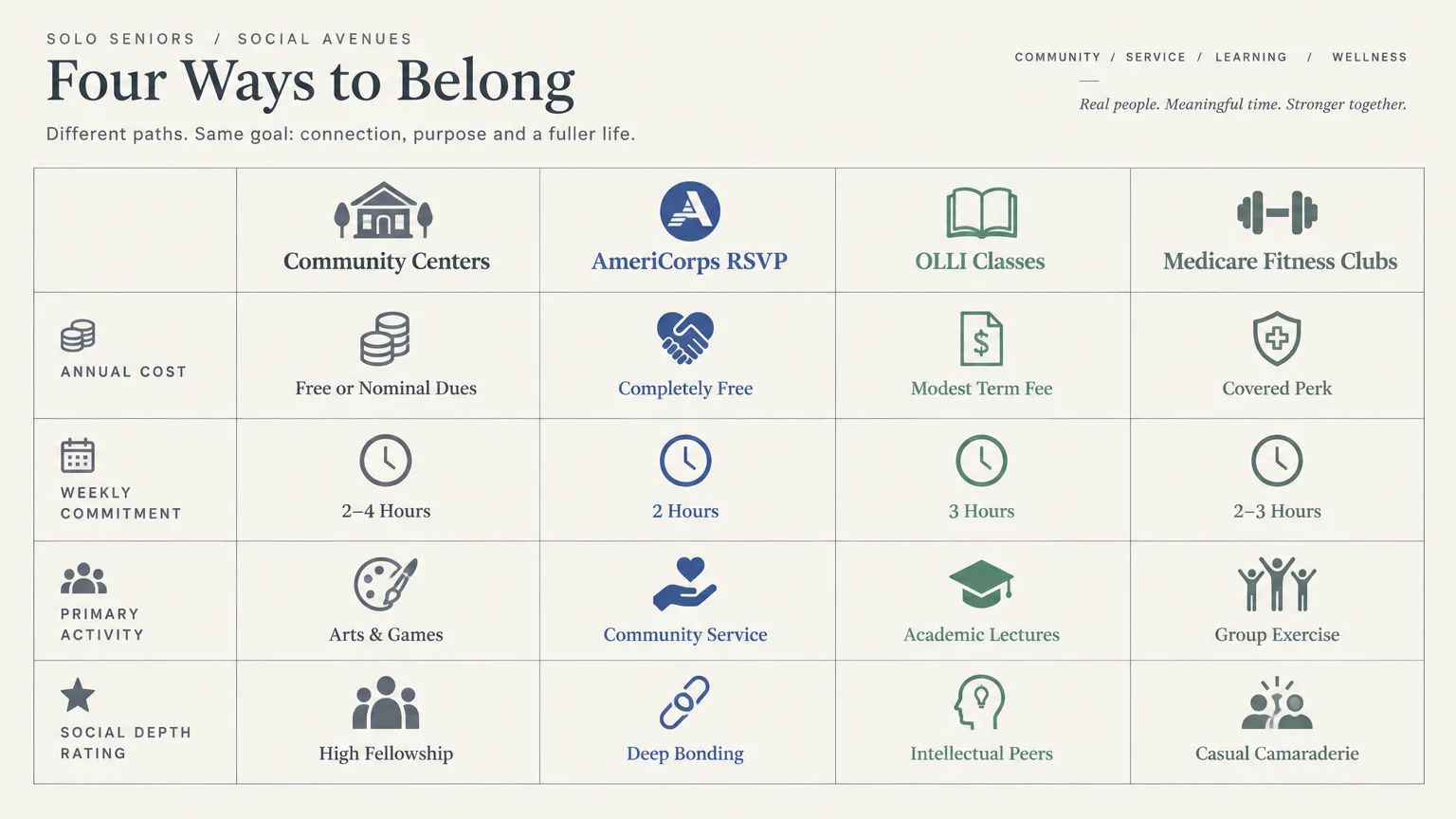
Comparing Popular Social Avenues for Retirees
Choosing the right social environment depends on your budget, energy level, and comfort in group settings. Review this breakdown to identify the best fit for your routine.
| Social Outlet | Typical Cost | Time Commitment | Best Social Style |
|---|---|---|---|
| Senior Community Centers | Free to nominal annual dues | Drop-in; 2–6 hours weekly | Casual, recreation-focused groups |
| AmeriCorps Seniors RSVP | Completely free | Flexible; 2–10 hours weekly | Purpose-driven community volunteers |
| Osher Lifelong Learning (OLLI) | $50–$250 per term | Structured; 2–4 hours weekly | Intellectual discussions and learners |
| Medicare Advantage Fitness | Included in select Part C plans | 2–3 sessions weekly | Active, health-minded peers |
| Community Garden Plots | $20–$60 seasonal plot fee | Flexible outdoor hours | Independent, hands-on collaborators |
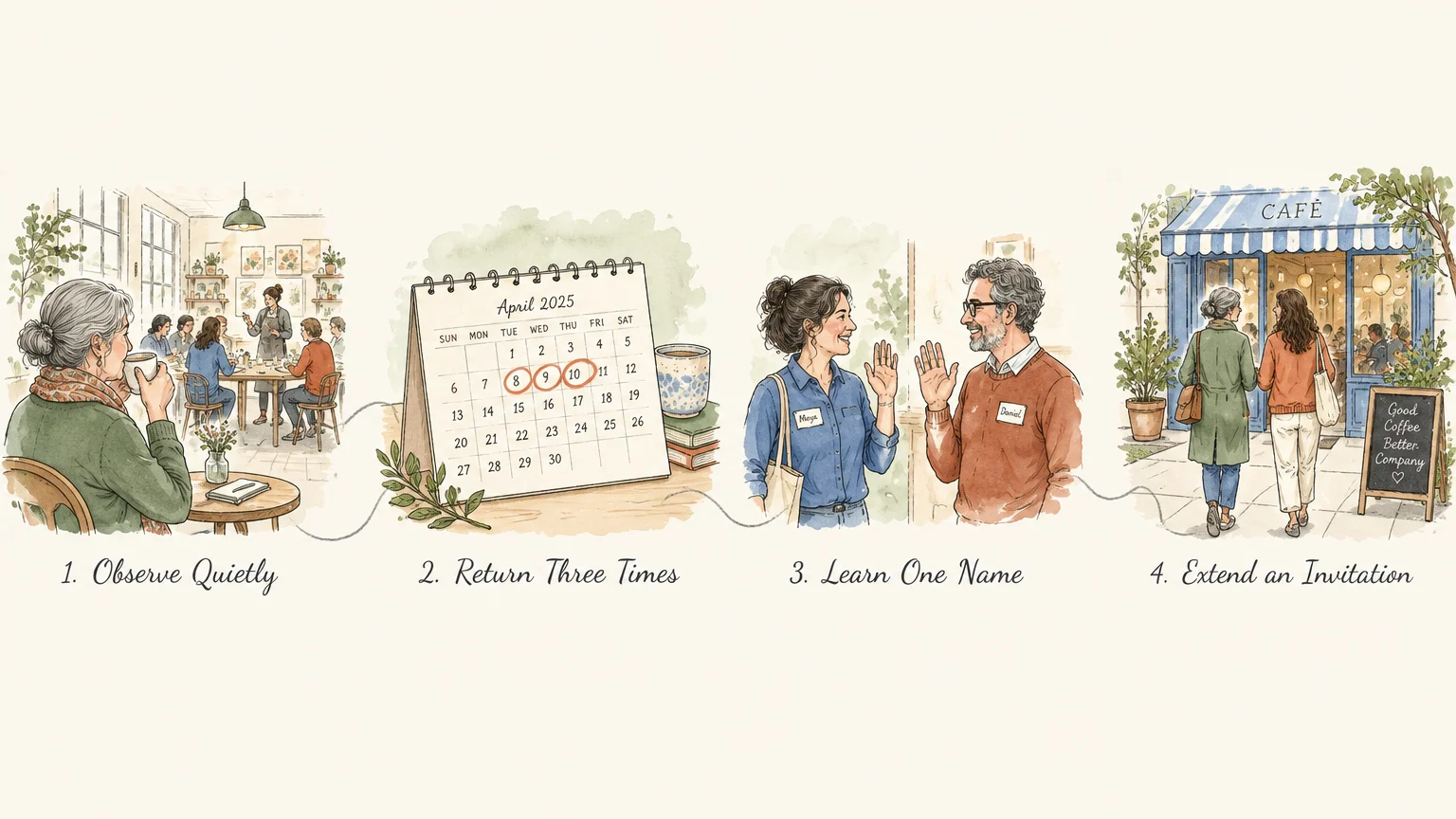
Action Steps for Trying a New Social Group
Stepping into an unfamiliar group can feel daunting at first. Following a simple preparation routine makes your initial outing comfortable and productive.
- Call the group organizer beforehand to confirm meeting times, parking arrangements, and newcomer traditions.
- Arrive ten minutes early so you can introduce yourself to group leaders before the room fills up.
- Aim to learn two new names and share one brief conversation during your visit.
- Attend at least three consecutive sessions before deciding whether the environment suits your style.
Familiarity dissolves initial awkwardness. Giving any new activity multiple visits allows casual acquaintances to blossom into authentic friends.
Costly Social Mistakes to Avoid
Many seniors wait passively for neighbors or distant relatives to extend an invitation. Waiting breeds loneliness; taking initiative and proposing casual coffee dates produces far better outcomes.
Another common mistake involves substituting digital screens for authentic physical presence. Scrolling social media platforms often deepens feelings of exclusion rather than fostering real warmth.
Avoid overcommitting your calendar during your initial burst of enthusiasm. Committing to one or two recurring weekly outings protects your energy while maintaining steady social momentum.
Finally, do not abandon an activity after just one quiet afternoon. Building genuine rapport takes repeated exposure and shared time over several weeks.
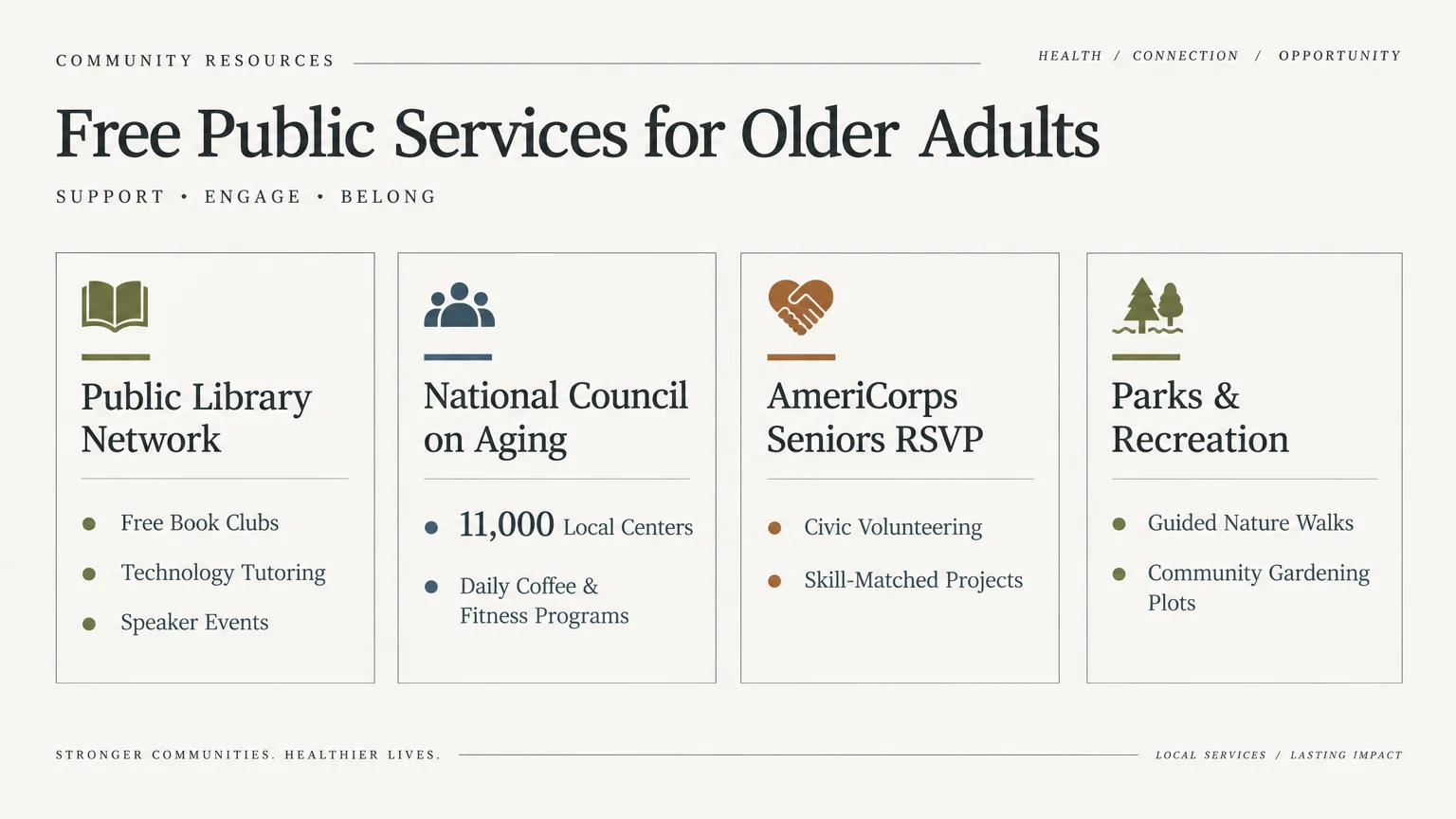
Free Community Resources for Solo Retirees
Navigating neighborhood opportunities feels much simpler when you utilize established public services. Federal agencies provide specialized networks designed to connect seniors with local programs.
Contact the Eldercare Locator at 1-800-677-1116 to speak with community specialists. Funded by the federal Administration for Community Living, this service locates senior transit, meal programs, and volunteer visitors.
Your municipal public library also maintains community bulletin boards listing upcoming book clubs, game nights, and civic workshops. Make the front desk your first stop this week.
Frequently Asked Questions About Senior Social Connection
How can I stay social living alone if I have mobility limitations?
Virtual lifelong learning lectures, telephone check-in networks, and local library delivery programs keep you engaged from home. Many municipal transit agencies also offer specialized curb-to-curb shuttles to senior centers.
What are the best living alone tips for introverts who feel drained by crowds?
Focus on structured, one-on-one activities such as tutoring or community gardening rather than noisy banquets. Parallel activities allow you to bond over shared tasks without exhausting small talk.
How can I make new friends after 60 without spending extra money?
AmeriCorps Seniors RSVP, municipal library clubs, and senior center programs charge no membership dues. These civic outlets welcome newcomers and foster organic connections around meaningful community service.
Does Original Medicare cover programs that help seniors socialize?
Original Medicare Parts A and B do not pay for fitness memberships or social gatherings. However, many private Medicare Advantage plans include wellness benefits like SilverSneakers at zero added cost.
Start Building Your Social Circle Today
Select one activity from this list and add it to your calendar right now. A single phone call to your community center can unlock years of vibrant friendship.
Information in this article reflects current rules as of the publication date and may change. Always confirm benefit details directly with Social Security Administration, Medicare.gov, or relevant government agencies before making decisions.
Last updated: February 2026. Medicare and Social Security rules change annually—always verify current details at official government sources.