Sitting at home watching daytime television is the fastest way to lose your spark after leaving a long career. Fortunately, a growing wave of older adults has discovered the perfect antidote hidden right in their local neighborhoods: part-time retirement jobs at community pools, gyms, and recreation centers. These flexible roles offer the ideal blend of social interaction, physical activity, and supplemental income without the grinding stress of a corporate career. Whether you want to earn enough to fund your next vacation, secure a free fitness membership to stay healthy, or simply get out of the house a few days a week, recreation center jobs provide practical benefits that actively improve your daily routine and overall quality of life.

The Bottom Line Up Front
- Flexible income: Earn extra cash to combat inflation while maintaining total control over your schedule.
- Valuable health perks: Most recreation center jobs include a free or heavily discounted gym membership, saving you hundreds of dollars annually.
- Low stress, high reward: Leave work at work. These roles focus on community building rather than stressful corporate metrics.
- Meaningful connection: Daily interactions with community members actively combat the isolation that often accompanies life after a full-time career.
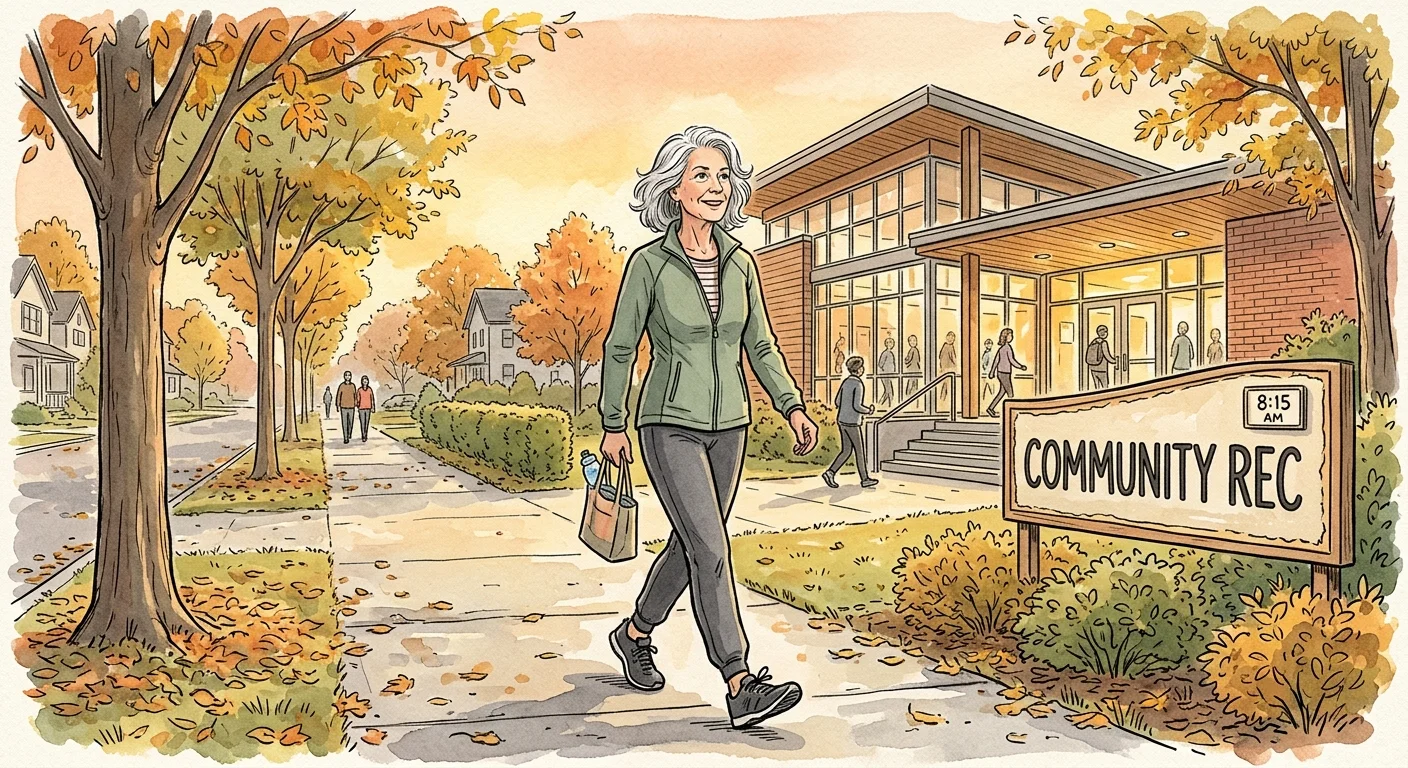
Finding Purpose and Pay at the Local Gym
Modern retirement looks vastly different than it did a generation ago. Leaving the workforce no longer means stepping away from productivity entirely. Instead, millions of older Americans are redefining what it means to step down from a primary career. The transition from a structured forty-hour workweek to endless free time can feel incredibly jarring. Without a place to be, a schedule to keep, or a community to interact with, many retirees find themselves feeling unexpectedly adrift.
“Don’t simply retire from something; have something to retire to.” — Harry Emerson Fosdick
Recreation center jobs provide exactly what Fosdick described: a destination and a purpose. Working at a local community center offers a soft landing into retirement. You get to maintain a routine and stay engaged with your community, but you do it strictly on your own terms. Unlike high-stress retail positions or demanding corporate consultancy roles, the atmosphere at a local pool or gym is inherently geared toward wellness and recreation. The people walking through the doors are there to improve themselves, have fun, or relax—making for a uniquely positive workplace environment.
Furthermore, senior employment is currently seeing a significant upward trend. Older adults bring reliability, life experience, and patience to the workforce—traits that facility managers desperately need. Organizations like AARP consistently highlight how part-time employment helps older adults maintain cognitive sharpness and emotional well-being. By taking on retirement side jobs in fitness and community settings, you position yourself in an environment that actively promotes your own longevity.
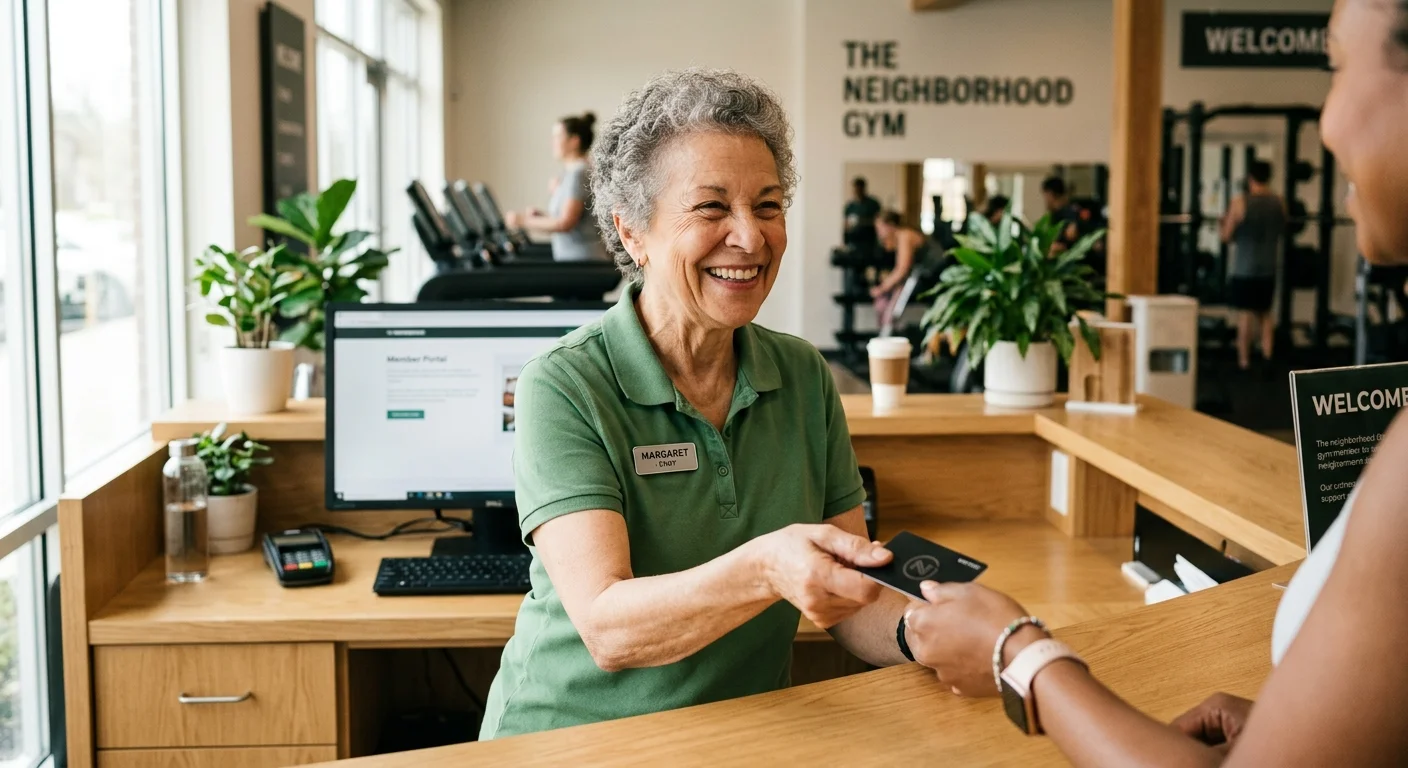
The Best Community Center Jobs for Older Adults
Recreation centers operate like small cities; they require a diverse range of skill sets to run smoothly. Whether you are an extrovert who loves greeting people or a detail-oriented early riser, there is likely a role that fits your personality and physical capabilities.
Front Desk and Member Services
If you enjoy conversing with a wide variety of people, the front desk is the heartbeat of any recreation center. In this role, you scan membership cards, answer phones, hand out equipment, and answer basic questions about facility schedules. It is an excellent fit if you prefer a role with lower physical demands. You will spend most of your shift sitting or standing comfortably behind a counter, and the biggest challenge usually involves helping a new member navigate the facility map. This position keeps you deeply connected to the neighborhood, as you quickly learn the names and routines of the regular attendees.
Group Fitness Instructor
Do you have a passion for staying active? Many retirees find a second calling as group fitness instructors, particularly for senior-focused programs. Leading a water aerobics class, teaching beginner yoga, or guiding a low-impact walking group allows you to share your passion for health with your peers. Getting certified requires some upfront effort and study, but it pays dividends in personal health. Instructors often form tight-knit communities with their class participants, organizing social events and coffee meetups after their sessions.
Pool Attendant and Lifeguard
Indoor and outdoor community pools require constant supervision and maintenance. If you are a strong swimmer, becoming a certified lifeguard is an excellent option. Lifeguarding is no longer just a summer job for teenagers; facility managers actually prefer mature adults for early morning lap-swim shifts while younger staff are in school. If you prefer not to take on the responsibility of lifeguarding, pools also need attendants to check wristbands, monitor slide lines, and keep the deck organized. These roles are perfect for those who enjoy a warm environment and the sound of water.
Facility Supervisor or Event Staff
Community centers frequently host weekend basketball tournaments, neighborhood craft fairs, and private parties. Event staff help set up folding chairs, ensure the facility rules are followed, and lock up the building after the event concludes. This role offers incredible flexibility. You might only work three or four events a month, providing a nice influx of spending money without tying you down to a rigid weekly schedule.
Youth Sports Referee or Umpire
For retirees who spent years coaching their own children or simply love the mechanics of sports, officiating youth leagues is a fantastic way to stay involved in the game. Recreation centers are always searching for reliable referees for youth basketball, volleyball, and soccer. The pay is often calculated per game, meaning you can earn a solid hourly rate while getting plenty of cardiovascular exercise moving up and down the court.

Comparing the Perks and Pay of Retirement Side Jobs
Before applying for part-time retirement jobs, it helps to understand what you can expect regarding compensation and physical expectations. Keep in mind that wages vary heavily based on your geographic location and whether the facility is run by the local city government or a private entity.
| Job Title | Typical Pay Range | Physical Demand | Standout Perk |
|---|---|---|---|
| Front Desk Receptionist | Minimum wage to $16/hour | Low (Mostly sitting/standing) | Constant social interaction; minimal stress |
| Fitness Instructor | $20 to $40/class | High (Demonstrating exercises) | Getting paid to maintain your own physical fitness |
| Lifeguard | $15 to $20/hour | Moderate (Requires swimming certification) | Quiet, peaceful early morning shifts |
| Event Staff | $12 to $17/hour | Moderate (Moving tables/chairs) | Highly flexible; work only when events are scheduled |
| Youth Referee | $25 to $45/game | High (Running, quick movements) | Excellent cardiovascular workout in short bursts |
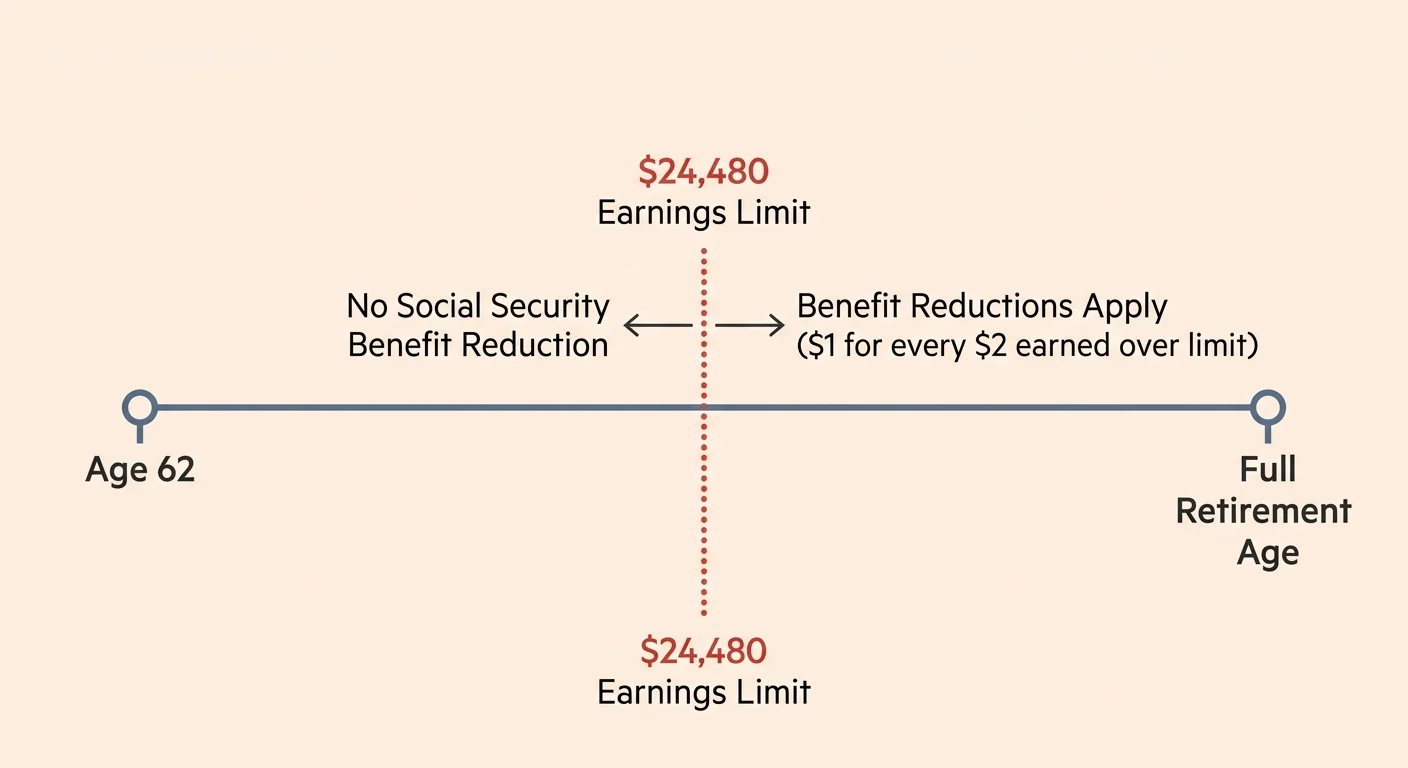
How Your Paycheck Affects Social Security and Medicare
Earning extra money is fantastic, but you must understand how a new paycheck interacts with your existing retirement benefits. A common fear among older adults is that returning to work will somehow erase the benefits they spent decades earning. Fortunately, the rules are highly structured and easy to navigate once you understand the basic thresholds.
The Social Security Earnings Test
If you have already claimed Social Security but have not yet reached your Full Retirement Age (FRA)—which is between 66 and 67 depending on your birth year—the Social Security Administration (SSA) applies an earnings limit. For 2024, that limit is $22,320. If your earnings from your recreation center job (combined with any other W-2 or self-employment income) exceed this amount, Social Security will deduct $1 from your benefit payments for every $2 you earn above the limit.
In the year you reach your FRA, the rules become more lenient, and the limit jumps significantly. Most importantly, once you hit the exact month of your Full Retirement Age, the earnings limit disappears entirely. You can earn $10,000 or $100,000 at the local gym, and your monthly Social Security check will not be reduced by a single penny.
Medicare and Additional Income
Your Medicare eligibility is entirely secure regardless of your employment status. However, a significant spike in income can affect your Medicare Part B and Part D premiums through something called the Income-Related Monthly Adjustment Amount (IRMAA). IRMAA only triggers if your Modified Adjusted Gross Income (MAGI) crosses specific, relatively high thresholds set by Medicare.gov (starting at $103,000 for individuals in 2024). It is highly unlikely that a part-time job at a community center will push a typical retiree into IRMAA territory, but it is a metric to watch if you have substantial income from pensions, real estate, or large traditional IRA withdrawals.
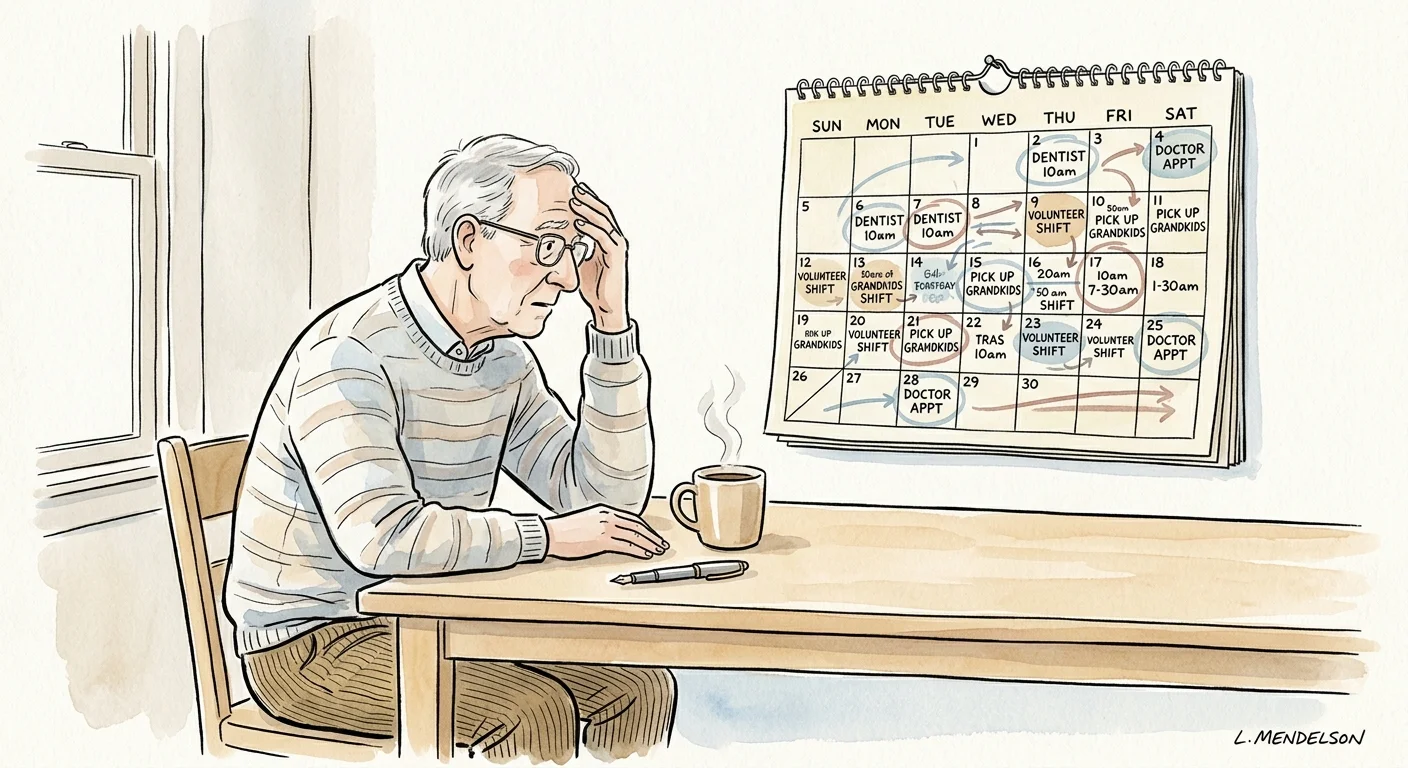
Common Retirement Traps to Avoid
While stepping into a recreation center role offers numerous benefits, eager retirees can sometimes stumble into easily avoidable pitfalls.
Overcommitting Your Schedule
The most common trap is forgetting why you retired in the first place. You are taking this job for enjoyment, health perks, and supplemental cash—not to recreate the grind of a 40-hour workweek. Facility managers love dependable older workers and may quickly ask you to cover extra shifts, work weekends, or take on managerial duties. Establish firm boundaries during the interview process. Decide exactly how many hours you want to work (typically 10 to 15 per week is the sweet spot) and stick to your guns.
Ignoring the Physical Realities
Working at a community pool or gym can be physically taxing, even in seemingly benign roles. Standing behind a counter for five straight hours on a concrete floor can aggravate your knees and lower back. Moving heavy wet lane lines at the pool requires shoulder strength. Before accepting a role, ask for a detailed walkthrough of the physical expectations. Invest in high-quality, supportive footwear immediately; do not wait until your feet start hurting to make the purchase.
Tax Surprise at Filing Time
Remember that your wages are taxable. If your primary income comes from Social Security, adding W-2 wages from a part-time job might change the percentage of your Social Security benefits subject to federal income tax. The IRS uses a “provisional income” formula to determine this. Work with your accountant or use a free tax estimator to ensure you are having the correct amount withheld from your gym paychecks so you are not hit with an unexpected tax bill in April.
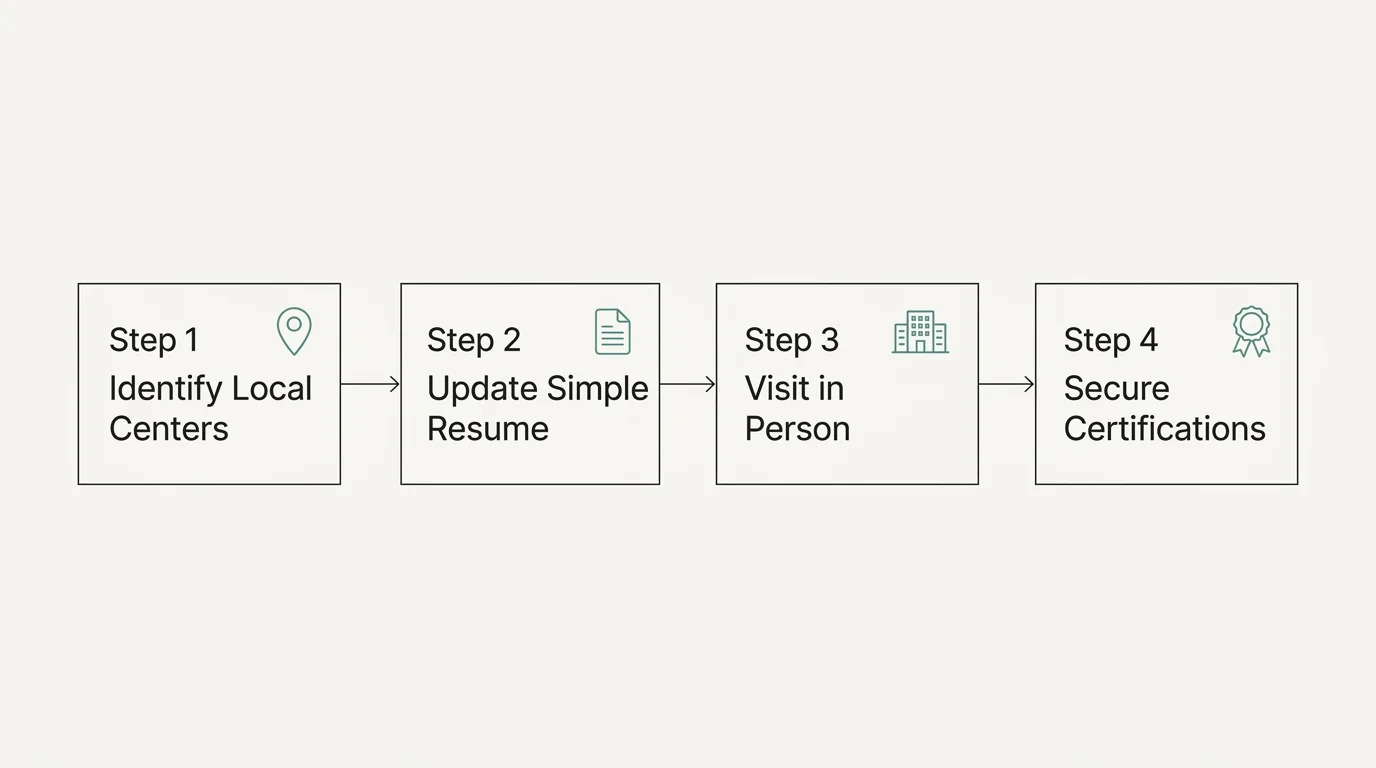
Step-by-Step Guide to Landing a Recreation Center Job
Ready to secure your spot at the local gym? The application process for senior employment at community centers is wonderfully straightforward.
Step 1: Identify Your Preferred Environment
Visit the facilities in your area as a guest. Notice the atmosphere. Is the local YMCA bustling with noisy after-school programs, or is the private tennis club quieter and more structured? Decide which environment matches your temperament. City-run parks and recreation departments often post all their openings on the local municipal website.
Step 2: Update Your Resume for Reliability
You do not need to prove you are an aggressive ladder-climber looking to become the CEO. Tailor your resume to highlight reliability, customer service skills, and conflict resolution. Facility managers want to know you will show up on time, treat members with respect, and handle minor issues calmly. If you have utilized resources from the National Council on Aging (NCOA) for job training, be sure to highlight those contemporary skills.
Step 3: Leverage Your Current Membership
If you are already a member of a gym or pool, you have a massive advantage. You already know the facility layout, the culture, and likely the staff. Approach the manager directly, express your love for the facility, and mention you are looking for part-time hours. Many recreation jobs are filled through word-of-mouth before they are ever posted online.
Step 4: Secure Necessary Certifications in Advance
If you want to be a lifeguard, secure your American Red Cross CPR and Lifeguard certifications. If you want to teach senior fitness, look into SilverSneakers instructor training or an entry-level group fitness certification. Walking into an interview already certified makes you an incredibly attractive hire who can start immediately.
Frequently Asked Questions
Can I get hired at a gym if I am not in peak physical shape?
Absolutely. While group fitness instructors need a baseline of endurance, roles like front desk reception, event ticketing, and childcare attendants require little to no athletic prowess. Recreation centers value friendliness, reliability, and organizational skills just as much as physical fitness.
Do part-time recreation center jobs offer benefits?
The standard benefit for almost all gym and pool employees is a free facility membership, which is a fantastic perk that saves you money. Some municipal community centers also offer prorated paid time off (PTO) or contributions to a state retirement system even for part-time workers. However, do not expect these roles to provide comprehensive health insurance; you will still rely on Medicare for your primary coverage.
Will earning extra money cause my Social Security to be taxed?
It depends on your total overall income. Up to 85% of your Social Security benefits can be subject to federal income taxes if your combined income (Adjusted Gross Income + nontaxable interest + half of your Social Security benefits) exceeds certain thresholds. If you are concerned about bumping into a higher tax bracket, consult a tax professional before deciding how many hours to work.
What if I want to travel for weeks at a time during retirement?
This is where clear communication is key. Many retirees negotiate a substitute or seasonal arrangement. You might work solely during the busy winter months and take the summer off to travel in your RV. As long as you are transparent about your travel goals during the interview process, many recreation centers are happy to accommodate dependable seasonal staff.
Taking the Next Step Toward Your Active Retirement
Retirement should be a season of growth, exploration, and enjoyment. Taking a part-time job at a community pool, gym, or recreation center allows you to inject structure into your week while getting paid to stay active and social. You have spent decades working hard to build a comfortable life; now you get to choose a role simply because it brings you joy and connects you with your neighbors.
Take an afternoon this week to browse the municipal website for your local parks and recreation department, or strike up a conversation with the manager at your current gym. You might be surprised at how eagerly they welcome your experience. Information in this article reflects current rules as of the publication date and may change. Always confirm benefit details directly with Social Security Administration, Medicare.gov, or relevant government agencies before making decisions.
Last updated: February 2026. Medicare and Social Security rules change annually—always verify current details at official government sources.