Skyrocketing home prices can derail your retirement budget if you only look at crowded coastal hubs. Finding a home below the national median of $416,000 protects your nest egg and preserves monthly cash flow for travel and leisure.
Dozens of vibrant American cities pair dramatic cost savings with tier-one hospitals, rich cultural amenities, and welcoming communities. These affordable comfortable cities consistently outperform expectations by delivering genuine daily ease without demanding financial compromise.
Explore twelve destinations where retirees find their retirement dollars stretch significantly further while enjoying dependable infrastructure and an elevated quality of life.
What Defines a Retirement City That Truly Delivers?
Moving during retirement involves far more than picking a scenic view on a vacation brochure. A successful relocation requires a balance between ongoing living expenses and everyday lifestyle amenities.
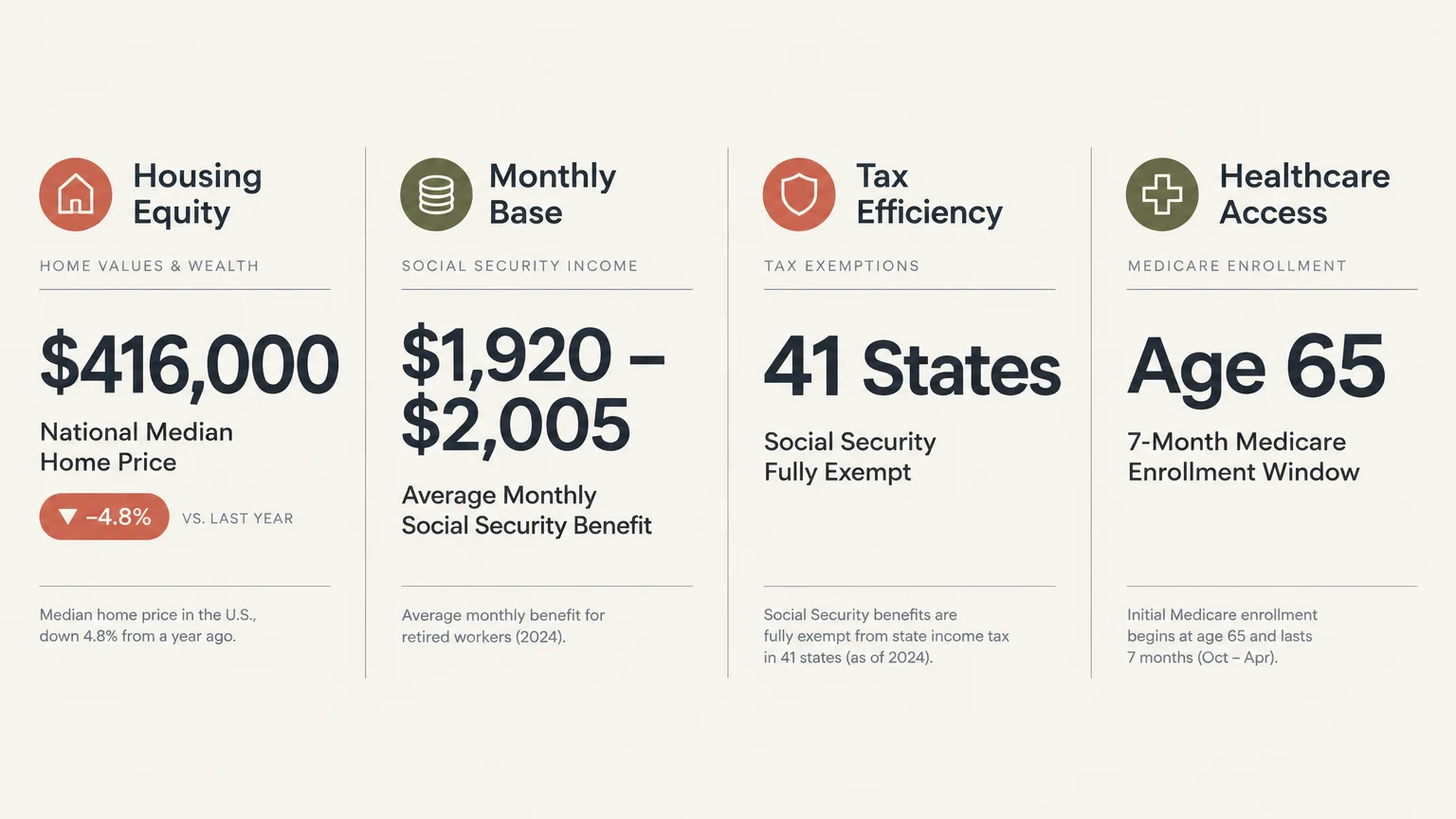
The National Association of Realtors reports the national median existing-home price hovers near $416,000. When you choose a community where homes sell well below that mark, your housing equity stretches much further.
The Social Security Administration notes the average monthly retirement benefit sits around $1,920 to $2,005. Lower regional grocery, utility, and municipal utility rates ensure that benefit covers real living costs.
You can model your anticipated monthly checks using the official Social Security Retirement Estimator. Verifying income baselines early helps you evaluate regional tax burdens accurately.
State taxes heavily influence your monthly spend down. Currently, 41 states and Washington, D.C., exempt Social Security retirement benefits entirely, while several states exempt distributions from pensions and IRAs.
Healthcare accessibility forms the other half of the comfort equation. Your Medicare initial enrollment period begins three months before you turn 65 and spans seven months.
Having major academic hospitals and specialized clinics nearby ensures you can manage preventive care effortlessly. Check local network participating providers through the Medicare Plan Finder before committing to any long-distance move.
“Don’t simply retire from something; have something to retire to.” — Harry Emerson Fosdick
12 Cities That Surprise Retirees on Value and Comfort
These twelve communities earned top marks from older adults who relocated seeking lower bills and better living. Each location brings distinct tax benefits, accessible healthcare networks, and appealing community features.
1. Lancaster, Pennsylvania
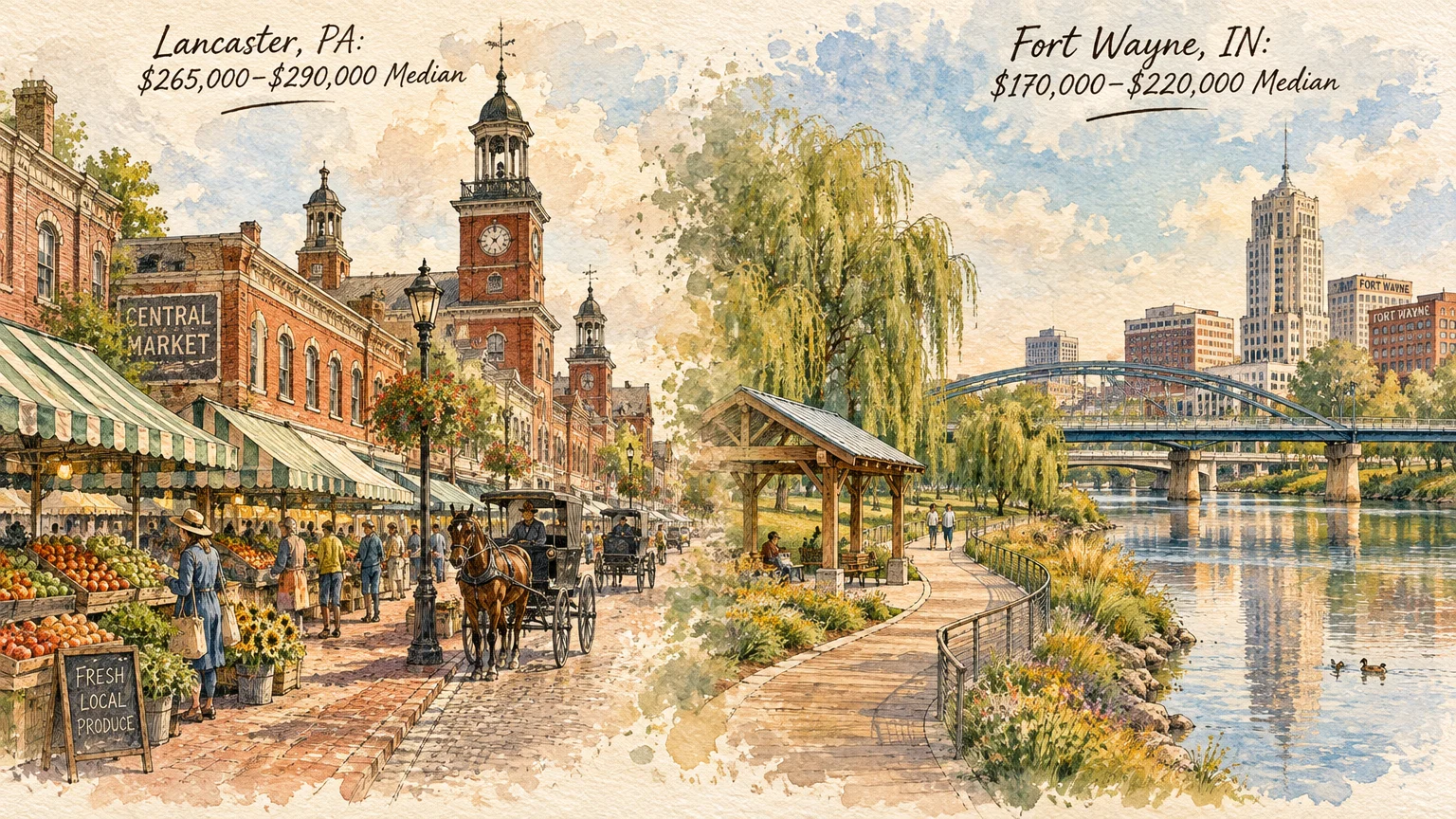
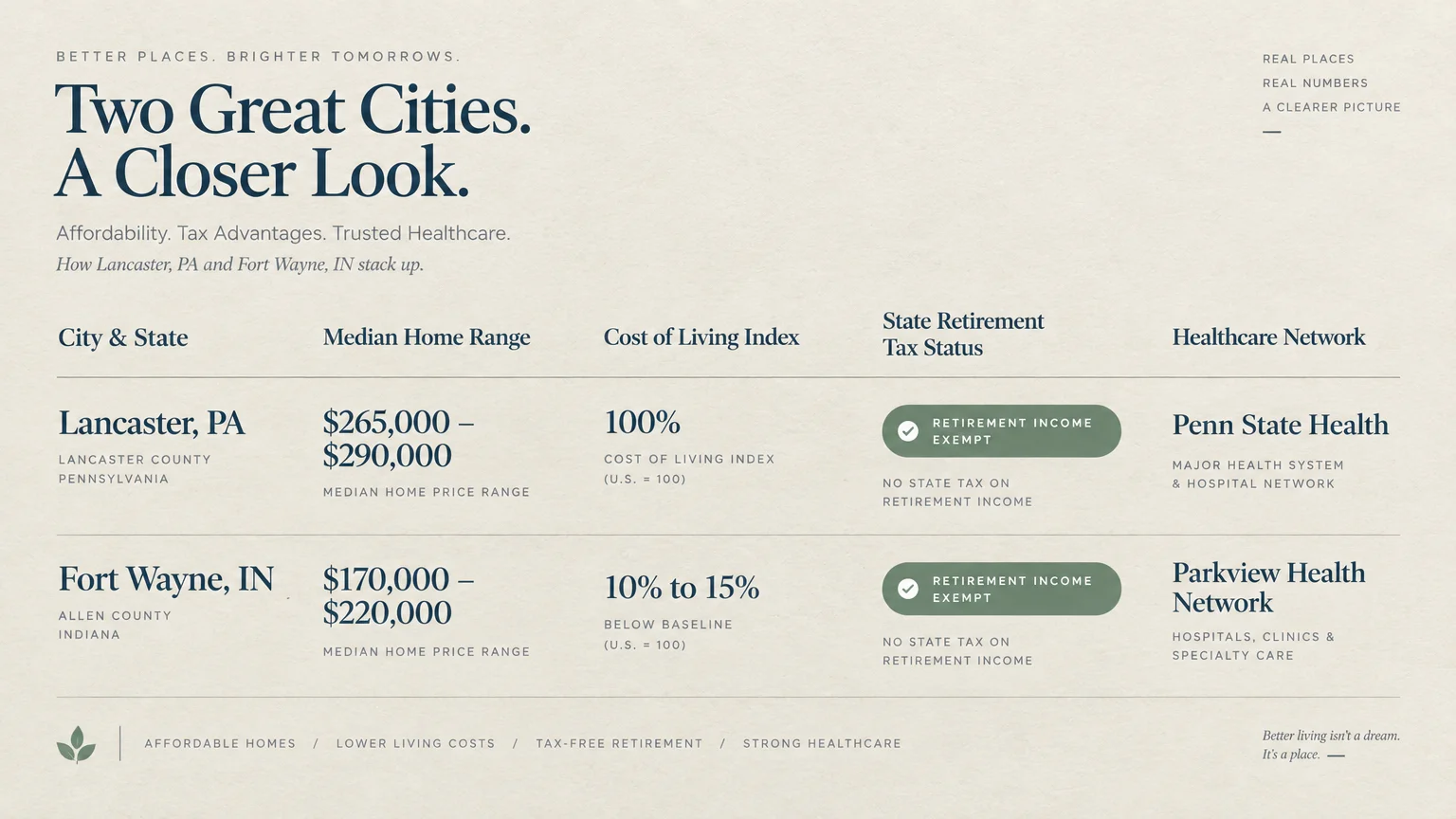
Lancaster surprises new residents by pairing scenic, preserved farmland with a bustling, highly walkable downtown core. Median single-family home prices fall between $265,000 and $290,000, substantially lower than coastal alternatives.
Pennsylvania exempts all retirement income from state tax—including 401(k) distributions, private pensions, and Social Security checks. That state-level tax shelter saves retirees thousands of dollars annually.
The region offers prompt medical access through the Penn State Health network. Historic farmers markets, active theaters, and pastoral landscapes provide endless daily recreation.
2. Fort Wayne, Indiana
Fort Wayne frequently ranks near the top of affordable comfortable cities lists across the Midwest. Local median home values range between $170,000 and $220,000, creating an unusually low housing barrier.
Overall everyday expenses run 10% to 15% below the national baseline. Modest local service fees and utility rates help fixed incomes go further each month.
The city maintains more than 80 municipal parks, miles of urban riverfront trails, and modern facilities. Extensive specialty care via the Parkview Health network keeps hospital visits convenient.
3. Huntsville, Alabama
Huntsville merges an aerospace-driven economy with genuine Southern hospitality and a cost of living 9% below average. Effective property tax rates sit around 0.4%, ranking among the lowest in the United States.
Alabama fully exempts defined-benefit pensions and Social Security income from state taxation. Those combined tax breaks leave your monthly cash reserves intact.
Huntsville Hospital Health System operates a nationally recognized regional cardiac and surgical campus downtown. Surrounding nature preserves provide gentle hiking trails and bird-watching opportunities year-round.
4. Greenville, South Carolina
Greenville delivers mild four-season weather against the scenic backdrop of the Blue Ridge foothills. Median home sale prices stay between $317,000 and $336,000, comfortably beneath national figures.
South Carolina supports seniors through a generous homestead property exemption and a $15,000 retirement income deduction. Those policies reduce annual tax liability considerably for residents aged 65 and older.
Falls Park on the Reedy anchors a charming downtown filled with independent restaurants and level walking paths. Prisma Health delivers comprehensive medical care across multiple modern campuses.
5. Pittsburgh, Pennsylvania
Pittsburgh provides big-city cultural assets without major metro price tags. Median home prices sit between $265,000 and $295,000 across dozens of historic, distinct neighborhoods.
Retirees benefit from Pennsylvania’s zero-tax policy on qualified retirement distributions, private annuities, and Social Security payments. Older adults aged 65 and up also ride local public buses and light rail completely free.
UPMC Presbyterian Shadyside ranks among the top medical complexes in the nation across multiple clinical specialties. World-class museums, symphony performances, and botanical gardens keep your retirement calendar full.
6. Knoxville, Tennessee
Knoxville rests along the Tennessee River with easy access to Great Smoky Mountains National Park. Median home prices remain under $340,000, paired with an overall cost of living 12% below average.
Tennessee levies no personal state income tax on wages, salaries, retirement distributions, or Social Security benefits. This predictable tax environment simplifies long-term wealth preservation.
The University of Tennessee Medical Center offers specialized geriatric care and comprehensive clinical facilities. College athletic events, historic theaters, and active greenway systems keep residents socially connected.
7. Green Valley, Arizona
Green Valley provides an established desert haven twenty miles south of Tucson. Median real estate prices sit below $300,000, providing an economical alternative to pricier Phoenix suburbs.
The community functions as an age-restricted enclave built around 13 large recreation centers. Residents enjoy year-round swimming, ceramics studios, fitness classes, and pickleball courts without leaving the development.
A lower elevation than northern Arizona produces warm winters alongside low humidity. Specialized geriatric practices and nearby regional medical complexes in Tucson ensure excellent healthcare access.
8. Winston-Salem, North Carolina
Winston-Salem combines rich American history with an everyday cost of living 11% below national marks. Median home prices sit comfortably between $280,000 and $300,000.
North Carolina exempts Social Security benefits from state income tax, applying only a modest flat rate to other funds. That clear tax code protects traditional retirement balances.
Atrium Health Wake Forest Baptist delivers top-tier academic medical care and routine specialty services. Known as a regional cultural capital, the city supports galleries, music festivals, and scenic arboretums.
9. Spokane, Washington
Spokane provides inland Pacific Northwest beauty at home costs 30% to 40% below Seattle levels. Washington collects zero personal income tax on retirement withdrawals, pensions, or investment payouts.
The dry summer climate and sunny four-season pattern encourage frequent outdoor activity. The 40-mile Spokane River Centennial Trail and 76 surrounding freshwater lakes offer boundless weekend exploration.
Providence Sacred Heart Medical Center anchors a sophisticated healthcare district serving eastern Washington and northern Idaho. Regional airports make visiting family on the West Coast simple and quick.
10. Sioux Falls, South Dakota
Sioux Falls pairs economic strength with living costs roughly 6% to 8% below the national baseline. South Dakota assesses no state personal income tax, inheritance tax, or pension taxes.
Every dollar drawn from your retirement portfolios remains free from state-level deductions. Local property taxes support well-maintained community parks and clean public spaces.
Sanford Health and Avera McKennan create a formidable regional healthcare network with extensive hospital facilities. The paved Big Sioux River Greenway wraps the city in miles of peaceful walking trails.
11. Iowa City, Iowa
Iowa City offers vibrant intellectual energy anchored by the state’s flagship university. Local median home prices sit comfortably under $300,000 across quiet residential neighborhoods.
Iowa completely exempts retirement income—including 401(k) balances, traditional IRAs, and defined pensions—for residents 55 and older. That reform allows your savings to compound without state tax burdens.
The University of Iowa Hospitals and Clinics delivers cutting-edge medical research and clinical care. As a UNESCO City of Literature, the area hosts public lectures, film festivals, and community arts programs.
12. Roanoke, Virginia
Roanoke sits in the Blue Ridge Mountains with living expenses 10% below national levels. Median real estate prices remain well under $275,000, allowing retirees to downsize while unlocking significant home equity.
Virginia exempts Social Security benefits from state taxes and offers deductions up to $12,000 for qualifying older residents. The region also features modest property tax assessments.
Carilion Clinic anchors regional healthcare in partnership with the Virginia Tech Carilion School of Medicine. An accessible greenway system follows the Roanoke River right through town.
Comparing Cost and Healthcare Across These 12 Cities
Reviewing key baseline metrics helps you prioritize which location matches your financial resources and healthcare requirements. Compare the tax perks, median home values, and medical networks below.
| City & State | Median Home Price | State Tax on Retirement Income | Primary Healthcare Network |
|---|---|---|---|
| Lancaster, PA | $265,000 – $290,000 | 0% on pensions, 401(k)s, IRAs, SSA | Penn State Health |
| Fort Wayne, IN | $170,000 – $220,000 | Flat income tax; SSA exempt | Parkview Health |
| Huntsville, AL | $290,000 – $325,000 | 0% on pensions & SSA; low property tax | Huntsville Hospital System |
| Greenville, SC | $317,000 – $336,000 | $15k senior deduction; SSA exempt | Prisma Health |
| Pittsburgh, PA | $265,000 – $295,000 | 0% on pensions, 401(k)s, IRAs, SSA | UPMC Presbyterian Shadyside |
| Knoxville, TN | $300,000 – $340,000 | No personal state income tax | UT Medical Center |
| Green Valley, AZ | $260,000 – $295,000 | SSA exempt; low flat rate on other income | Tucson Medical Center / Local Clinics |
| Winston-Salem, NC | $280,000 – $300,000 | SSA exempt; modest flat tax on rest | Atrium Health Wake Forest Baptist |
| Spokane, WA | $360,000 – $385,000 | No personal state income tax | Providence Sacred Heart |
| Sioux Falls, SD | $310,000 – $335,000 | No personal state income tax | Sanford Health / Avera McKennan |
| Iowa City, IA | $270,000 – $300,000 | 0% on retirement income age 55+ | Univ. of Iowa Hospitals & Clinics |
| Roanoke, VA | $240,000 – $275,000 | SSA exempt; senior deduction up to $12k | Carilion Clinic |
Errors That Cost Retirees Thousands When Relocating
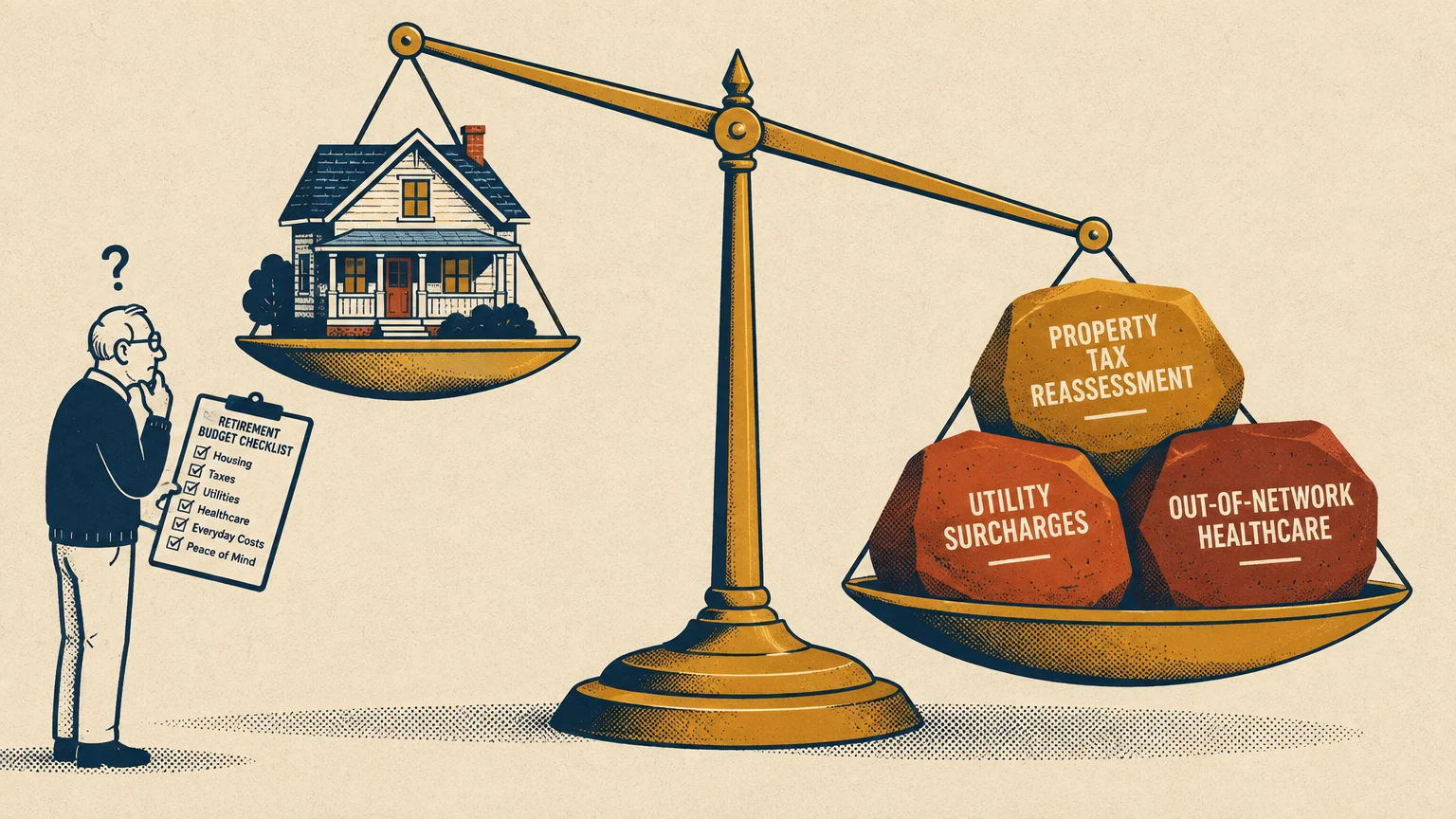
Uprooting your life to capture lower housing costs can backfire if you overlook secondary financial details. Avoiding standard relocation miscalculations protects both your capital and your everyday comfort.
- Focusing Only on State Income Tax: States with zero income tax frequently make up lost revenue through higher sales taxes or aggressive real estate reassessments.
- Skipping Seasonal Extended Stays: Spending two weeks in an area during pleasant spring weather will not reveal humid summers or freezing winter ice storms.
- Overlooking Insurance Rate Fluctuations: Moving closer to coastal regions or severe weather zones can triple your annual home and auto insurance premiums.
- Failing to Verify Local Doctor Networks: Moving before confirming that primary physicians and specialists take your Medicare coverage leads to unexpected out-of-pocket bills.
- Buying Immediately Instead of Renting: Purchasing real estate right away locks you into an unfamiliar neighborhood before you learn local traffic patterns and community rhythms.
You can discover valuable consumer relocation tools on the Consumer Financial Protection Bureau Retirement Portal. Careful upfront planning prevents regret and safeguards your hard-earned assets.
“The goal of retirement is to live off your assets—not live off your regrets.”

When to Get Expert Help
Relocating across state lines introduces complex legal, tax, and healthcare changes that benefit from qualified professional guidance. Hiring vetted specialists before signing closing documents prevents costly bureaucratic oversights.
A fee-only financial planner can run tax projections comparing your current state against prospective relocation destinations. They evaluate how state tax exemptions influence required minimum distributions from traditional retirement plans.
Reach out to a local State Health Insurance Assistance Program (SHIP) counselor to analyze Medicare plan availability in your new county. Coverage networks change dramatically across state lines, particularly if you rely on Medicare Advantage plans.
An elder law attorney licensed in your target state should review your estate documents, health directives, and powers of attorney. Legal standards for probate and living wills differ across jurisdictions, requiring minor updates after you move.
Frequently Asked Questions About Choosing a Retirement City
How much money should I save for moving expenses in retirement?
Cross-country moves typically cost between $4,000 and $10,000 depending on home size and packing services. Budget an extra $5,000 for utility deposits, new driver licensing, initial home setup, and travel expenses.
Does Medicare cover healthcare if I move to a different state?
Original Medicare Part A and Part B cover you nationwide at any provider accepting Medicare. If you enroll in a Medicare Advantage plan, you must switch plans upon moving outside your existing service network.
Should I rent for a few months before buying a home in a new city?
Renting for six to twelve months allows you to experience seasonal weather shifts and explore distinct neighborhoods firsthand. It also eliminates the stress of rushing into an ill-fitting property purchase.
How do property taxes affect cost of living for retirees?
High property taxes can cancel out the benefits of lower initial home prices over time. Research whether your target county offers homestead exemptions, property tax freezes, or assessment caps for residents 65 and older.
Take time to visit your top two choices for an extended stay during the least pleasant season. Renting a furnished apartment for a month gives you authentic insight into local medical access, traffic patterns, and community culture.
Information in this article reflects current rules as of the publication date and may change. Always confirm benefit details directly with Social Security Administration, Medicare.gov, or relevant government agencies before making decisions.
Last updated: February 2026. Medicare and Social Security rules change annually—always verify current details at official government sources.