Losing a military spouse creates deep emotional grief alongside immediate financial uncertainty. Navigating federal support systems can feel overwhelming when you face complex paperwork and unfamiliar agency rules.
You may qualify for substantial monthly income, comprehensive healthcare, and long-term care support through the Department of Veterans Affairs. These earned benefits protect your household budget and provide peace of mind throughout retirement.
Understanding these programs ensures you claim every dollar and healthcare service your family earned through military service. Here are the seven essential benefits available to support your path forward.
The Bottom Line Up Front
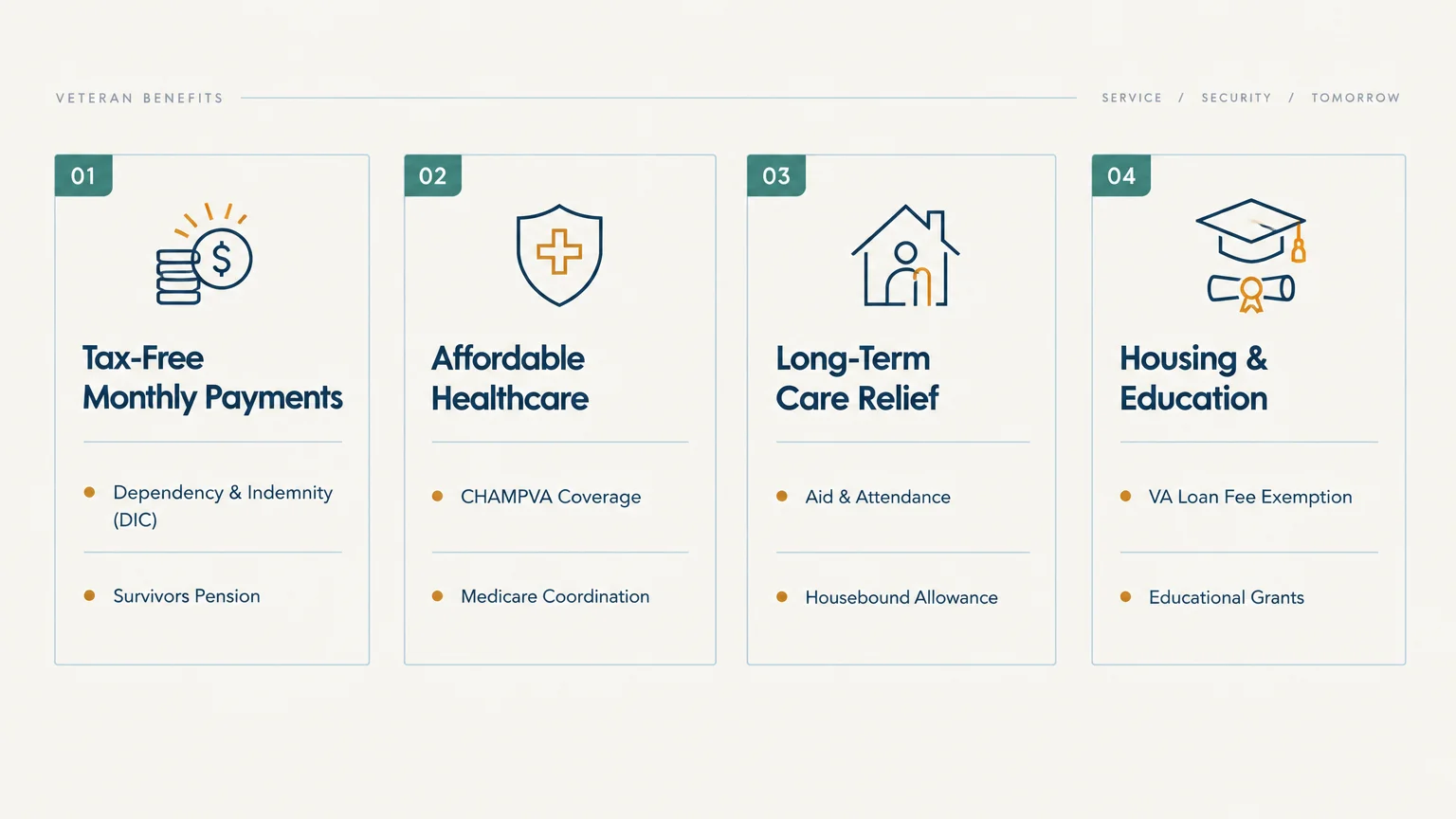
The Department of Veterans Affairs provides an extensive safety net for surviving partners. These programs assist with daily income, major medical bills, long-term care, and housing costs.
- Tax-Free Monthly Payments: You can access recurring income through Dependency and Indemnity Compensation or the needs-based Survivors Pension.
- Affordable Healthcare: Qualified spouses receive low-cost medical care and prescription coverage through CHAMPVA, which pairs directly with Medicare.
- Long-Term Care Relief: Special monthly allowances help pay for assisted living, memory care, or home health aides.
- Housing and Educational Grants: Spouses enjoy full VA loan funding fee exemptions and generous monthly stipends for continuing education.
Federal regulations change each year to match inflation. Reviewing your current eligibility helps you avoid leaving valuable assistance on the table.
1. Dependency and Indemnity Compensation (DIC)
Dependency and Indemnity Compensation represents the cornerstone of surviving spouse veterans benefits. This tax-free monthly payment supports spouses whose partners died from service-related injuries, illnesses, or while on active duty.
You may also qualify if the veteran lived with a total service-connected disability rating for at least ten continuous years before death. The VA issues these funds directly to you each month.
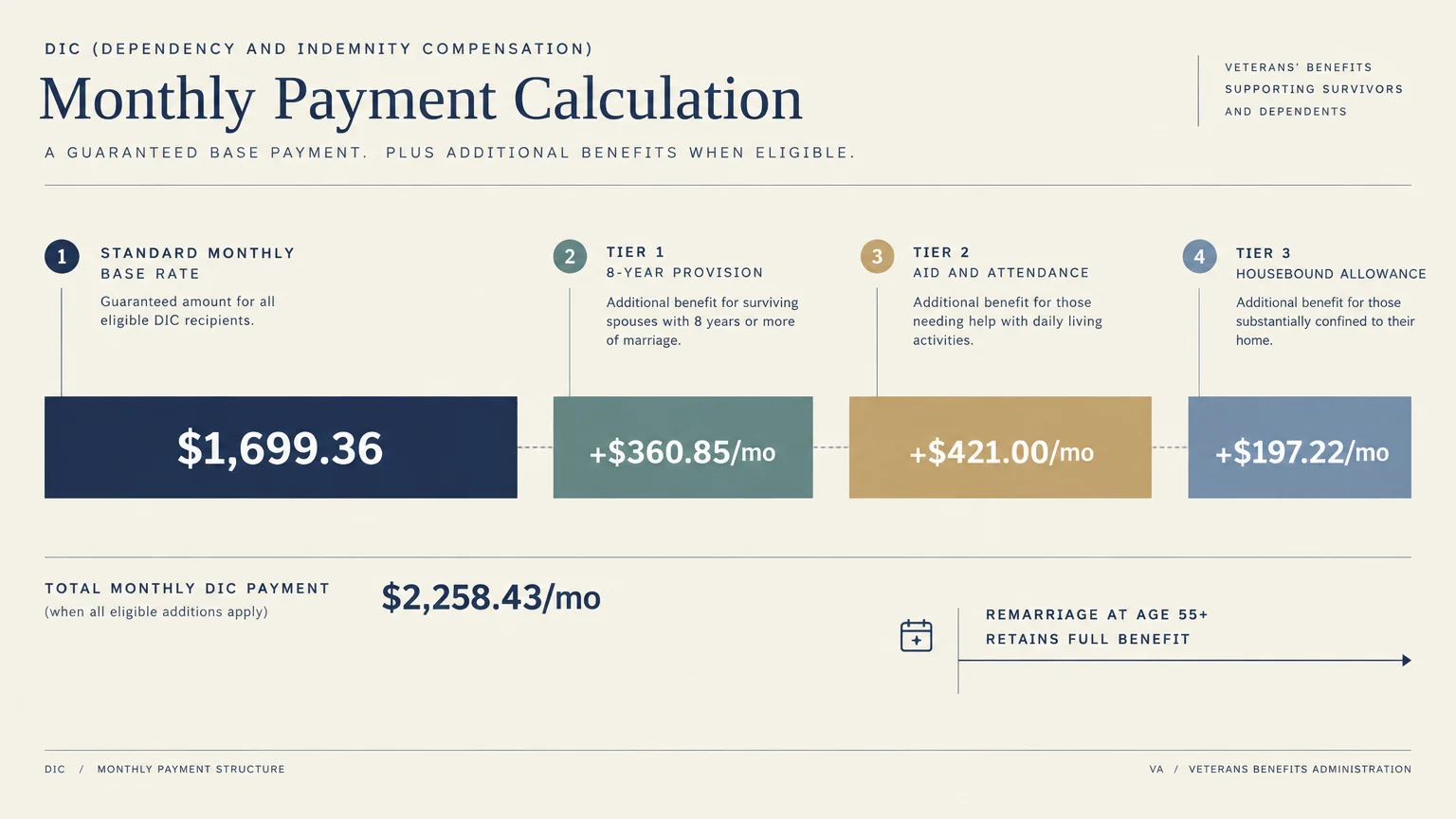
The standard DIC monthly base rate is $1,699.36. This baseline payment helps replace lost household revenue and stabilizes your monthly budget during retirement.
The VA provides additional monthly stipends beyond this base payment under specific circumstances. These supplemental amounts substantially increase your overall household cash flow.
- The 8-Year Provision: Adds $360.85 per month if the veteran maintained a continuous 100% disability rating for eight years before death and you were married during that entire window.
- Aid and Attendance Allowance: Adds $421.00 per month if you require daily personal assistance with bathing, dressing, or medication management.
- Housebound Allowance: Adds $197.22 per month if permanent medical disabilities confine you substantially to your immediate home.
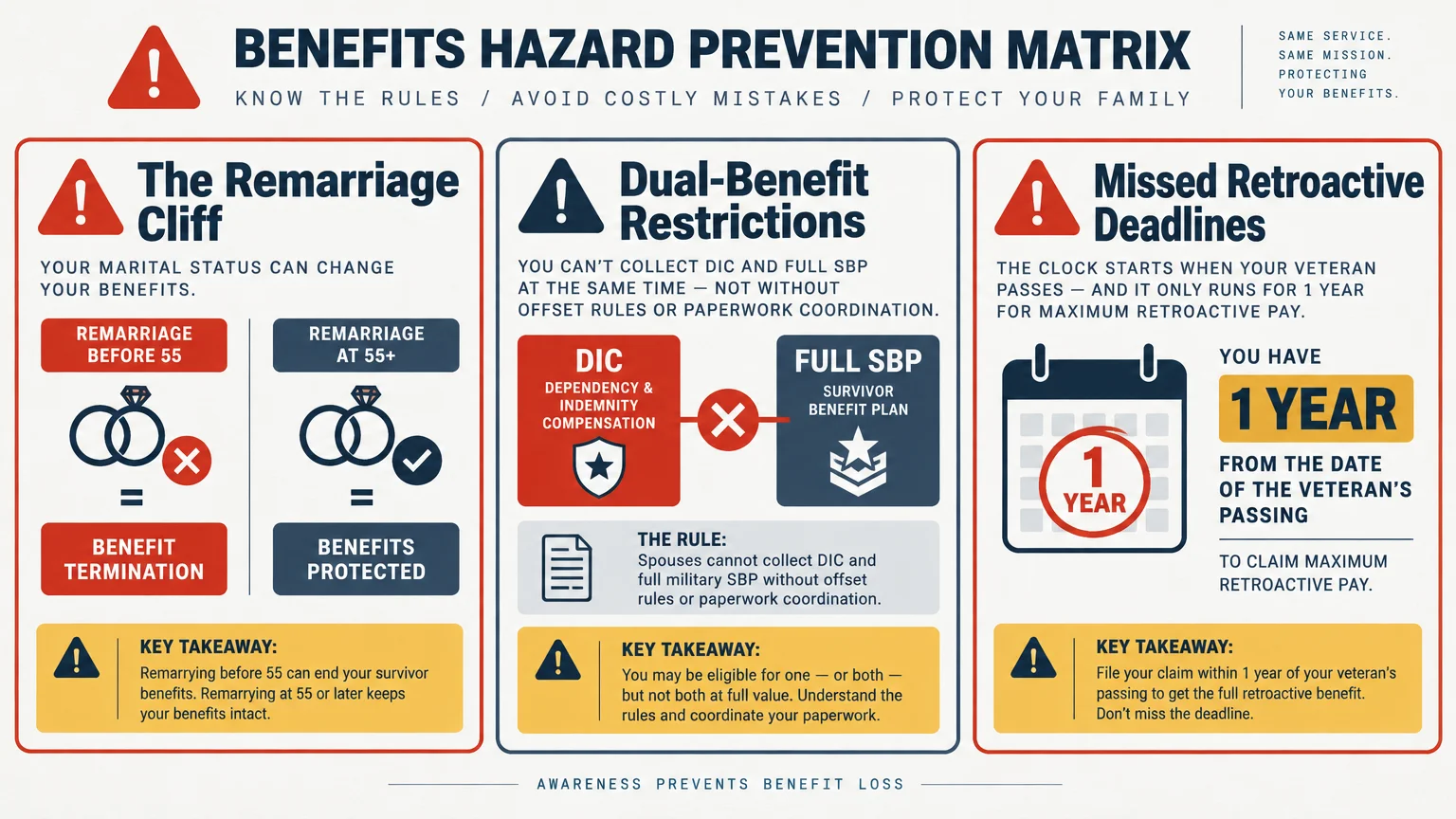
A major rule change protects older spouses who find love again later in life. If you remarry at age 55 or older, you retain full eligibility for your monthly DIC payments.
Remarrying before reaching age 55 terminates your benefits; however, the VA can reinstate payments if that subsequent marriage ends through divorce or death. You can apply directly through the official portal at the Department of Veterans Affairs.
2. VA Survivors Pension for Wartime Service
The survivors pension VA program offers needs-based financial support when a veteran passes away from non-service-connected causes. This monthly benefit stabilizes low-to-moderate-income widows and widowers of wartime service members.
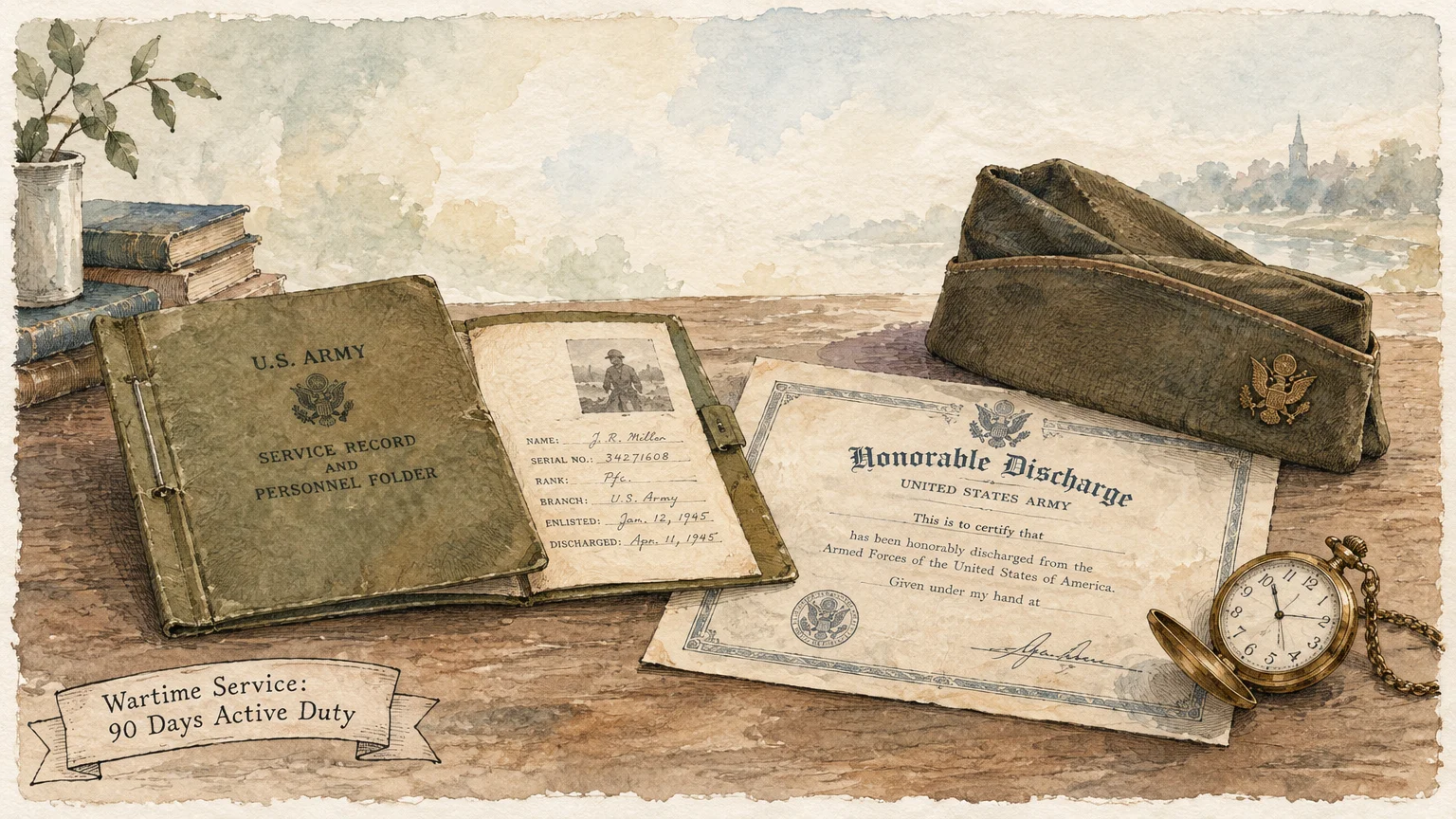
Qualifying requires that your deceased spouse served at least 90 days of active duty, with at least one day during an officially recognized wartime period. They must have received an honorable or general discharge.
The VA enforces strict net worth and income limits to qualify for this pension. The total net worth cap sits at $163,699, which combines your annual income and countable financial assets.
Your primary residence, sitting on up to a two-acre lot, does not count against this asset ceiling. Your personal vehicle and everyday personal effects also remain completely exempt from net worth calculations.
The VA establishes a Maximum Annual Pension Rate, known as MAPR, which sets the maximum annual payout you can receive. Your actual pension payment equals the difference between your countable income and this standard ceiling.
For a surviving spouse living alone without dependent children, the basic MAPR provides up to $11,699 per year, which equals roughly $975 each month. If housebound, your ceiling increases to $14,298 annually.
When you require daily physical care, the pension cap expands to $18,697 annually. This maximum rate provides vital financial relief when senior care costs overwhelm your monthly budget.
Be aware that the VA strictly prohibits concurrent receipt of both benefits. You cannot receive DIC and Survivors Pension payments simultaneously; the VA automatically pays whichever program yields the larger monthly amount.
Comparing DIC and VA Survivors Pension
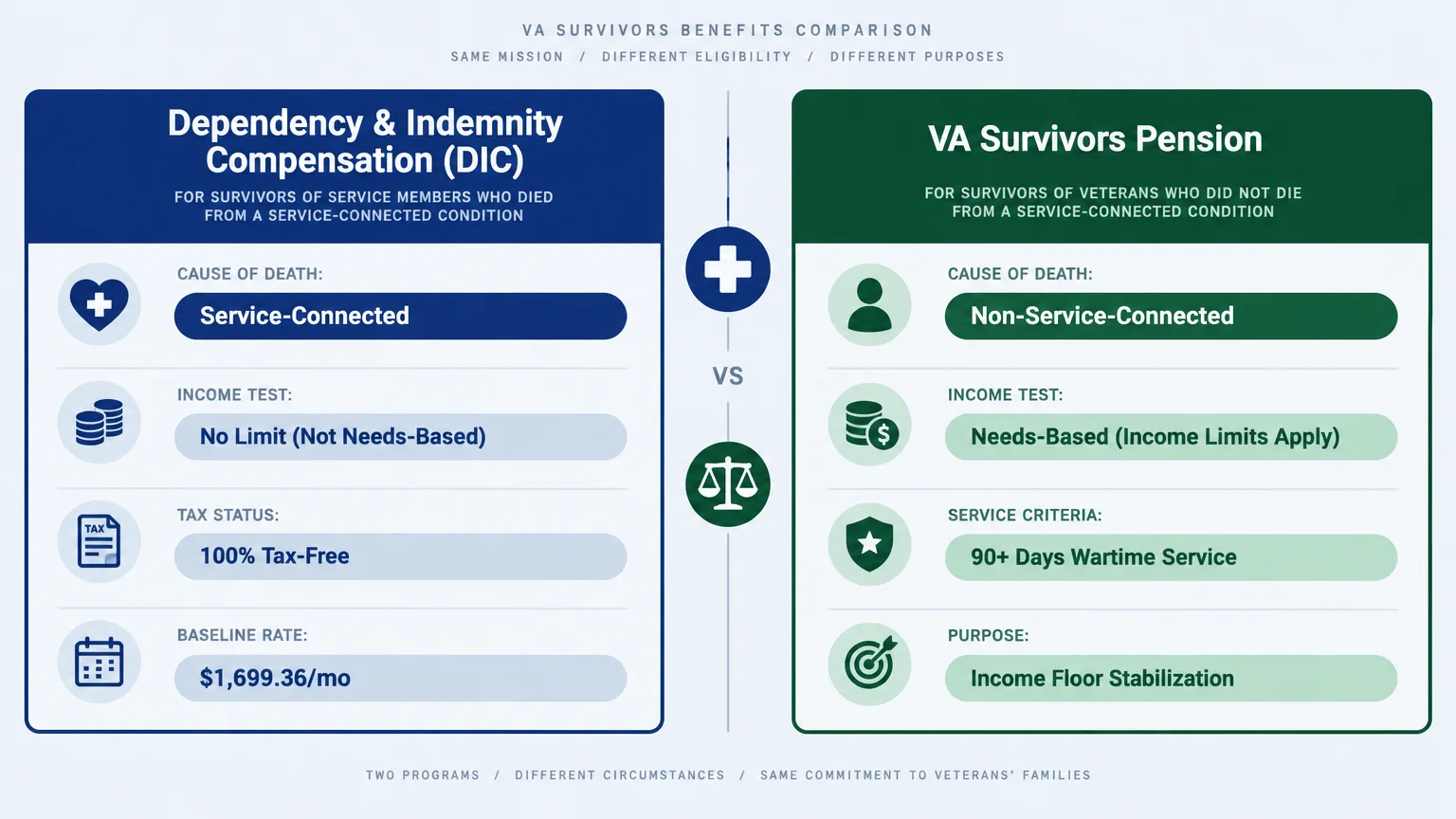
Understanding the distinction between these two primary income streams simplifies your application strategy. Each program addresses distinct financial circumstances and service backgrounds.
| Feature | Dependency & Indemnity Compensation (DIC) | VA Survivors Pension |
|---|---|---|
| Core Eligibility | Service-connected death or 100% P&T disability for required period | Wartime active-duty service; non-service-connected death |
| Income Limits | None; paid regardless of personal income | Strict net worth limit of $163,699 |
| 2026 Base Amount | $1,699.36 per month | Up to $11,699 per year ($975 per month) |
| Tax Status | 100% tax-free federal benefit | 100% tax-free federal benefit |
| Remarriage Rule | Retained if remarried at age 55 or older | Terminates upon remarriage at any age |
Evaluating your household assets helps determine which benefit suits your background best. An accredited representative can assess your military records to confirm your optimal claiming pathway.

3. Special Monthly Pension: Aid and Attendance and Housebound Benefits
Long-term care costs represent one of the greatest financial threats facing retirees today. Fortunately, the VA provides enhanced pension funding through Aid and Attendance and Housebound allowances.
Aid and Attendance delivers higher monthly payments to spouses who need personal support with daily living activities. You qualify if you need help eating, dressing, bathing, adjusting prosthetic devices, or managing continence.
Spouses living with severe cognitive impairments or Alzheimer’s disease also qualify for this enhanced financial tier. Placement in an assisted living facility or memory care community frequently triggers eligibility.
“The goal of retirement is to live off your assets—not live off your regrets.”
The VA calculates pension eligibility by deducting unreimbursed medical expenses from your gross household income. This rule allows many middle-class retirees to access monthly pension support.
Any medical costs exceeding 5% of your basic MAPR qualify as deductible expenses. These deductions include assisted living monthly fees, adult day care, private in-home caregivers, and health insurance premiums.
Deducting substantial assisted living expenses can reduce your countable income to zero. When your countable income drops to zero, the VA pays the full Aid and Attendance rate of $1,558 monthly.
You can track additional community resources and public assistance programs using tools like BenefitsCheckUp. Combining non-profit aging resources with VA aid builds a dependable long-term care strategy.
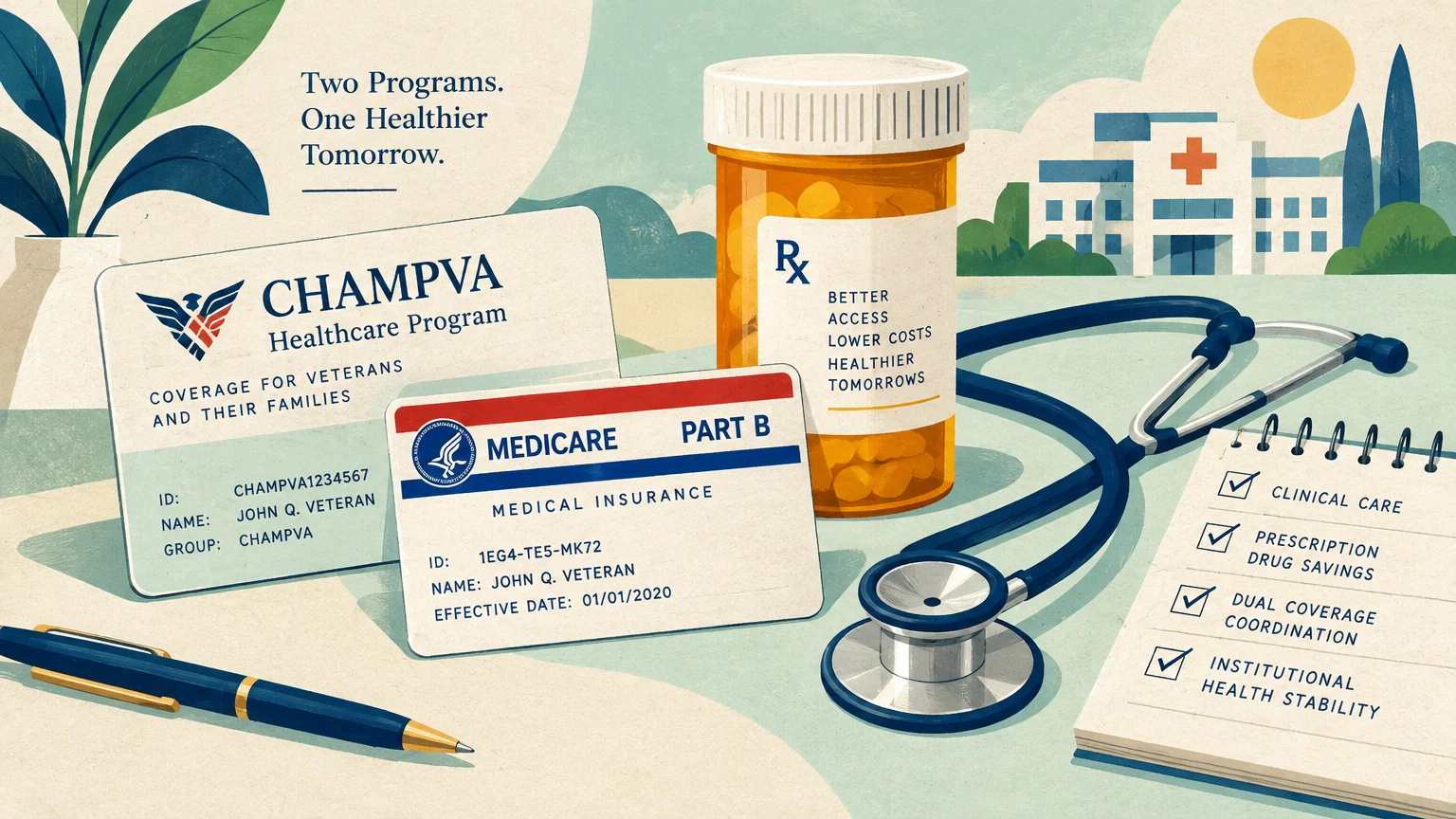
4. Comprehensive Healthcare Through CHAMPVA
The Civilian Health and Medical Program of the Department of Veterans Affairs, known as CHAMPVA, delivers dependable medical coverage. This program covers spouses of veterans who died from service-connected conditions or were rated permanently and totally disabled.
Unlike commercial healthcare plans, CHAMPVA charges no monthly premiums. Enrollees enjoy comprehensive inpatient care, outpatient clinical visits, mental health therapy, and prescription drug benefits.
Under basic CHAMPVA rules, you pay an outpatient deductible of $50 per person per calendar year, capped at $100 per family. After meeting this minor threshold, the plan covers 75% of allowable charges.
You remain responsible for a 25% copayment for medical services until reaching the annual catastrophic cap of $3,000. Once you pay $3,000 in covered copays, CHAMPVA pays 100% for the rest of that calendar year.
Coordination rules change significantly when you turn 65 or become eligible for Medicare. To keep your CHAMPVA benefits as a senior, federal law mandates that you enroll in both Medicare Part A and Part B.
You can research official enrollment windows and coverage parameters at Medicare.gov. Failing to secure Part B coverage immediately revokes your CHAMPVA privileges.
Once enrolled in Medicare, CHAMPVA acts as a powerful secondary payer, functioning much like a private Medigap policy. Medicare pays initial allowable medical costs, while CHAMPVA covers remaining deductibles and coinsurance balances.
This dual arrangement virtually eliminates out-of-pocket medical expenses for aging spouses. It provides comprehensive healthcare coverage without the hefty monthly fees demanded by private supplemental policies.

5. VA Home Loan Guaranty and Funding Fee Exemptions
Military widow benefits include continued access to the federal home loan program. The VA home loan guaranty allows you to buy, build, or refinance a primary residence with zero money down.
Private lenders issue these mortgages, but the federal government guarantees a significant portion of each loan. This guarantee secures competitive interest rates and eliminates costly private mortgage insurance requirements.
Standard home buyers face a VA funding fee ranging from 2.15% to 3.3% of the total loan amount. However, eligible surviving spouses receive a complete 100% exemption from this substantial upfront fee.
To qualify for this fee waiver, you must receive DIC or be the surviving spouse of a veteran who died in service. This exemption saves thousands of dollars at the closing table when purchasing a retirement home.
Tax regulations now offer additional relief for those navigating home finance decisions. Borrowers who pay a VA funding fee can deduct the expense on their federal income tax returns.
Surviving spouses frequently use this benefit to refinance an existing home to lower interest rates. Others leverage the loan to downsize into an accessible single-story property that supports aging in place.

6. Burial, Plot, and Memorial Honors
Arranging final resting services often places sudden emotional and financial stress on surviving family members. The VA provides guaranteed burial and memorial honors that relieve this burden completely.
Every eligible veteran and qualifying surviving spouse can receive burial in any VA national cemetery at zero cost. This comprehensive honor includes the gravesite opening, closing, perpetual site care, and a government headstone.
Spouses retain national cemetery burial rights even if they outlive the veteran by decades. You can also rest beside your spouse within a state-operated veterans cemetery under similar honorable guidelines.
If you choose burial in a private cemetery, the VA offers cash allowances to offset funeral expenses. The specific reimbursement amount depends on whether the death stemmed from military service.
For service-connected deaths, the VA provides a burial allowance of up to $2,000. The agency may also reimburse transportation costs for shipping remains to a national cemetery.
For deaths occurring on or after October 1, 2026, from non-service causes, the VA pays up to $1,032 for burial expenses. You can also claim an additional $1,032 plot allowance if interred outside a national cemetery.
Applying for these allowances requires submitting funeral receipts alongside military discharge documents. Filing promptly ensures your family receives complete reimbursement for all qualifying burial expenses.

7. Education and Training Support: DEA and Fry Scholarship
Surviving spouses frequently pursue new professional goals, personal interests, or degree programs in retirement. The federal government funds two distinct educational programs to support your academic pursuits.
The Survivors’ and Dependents’ Educational Assistance program, known as Chapter 35, assists spouses of permanently disabled or deceased veterans. This program provides up to 36 months of flexible educational benefits.
For full-time institutional enrollment, Chapter 35 pays a monthly cash stipend of $1,621.00 directly to you. You can use these funds for college coursework, vocational certificates, apprenticeships, or specialized certifications.
The Marine Gunnery Sergeant John David Fry Scholarship provides even greater financial support. This benefit supports surviving spouses of service members who died in the line of duty on or after September 11, 2001.
The Fry Scholarship covers 100% of in-state tuition and fees at public universities and colleges nationwide. For private institutions, it pays up to $30,908.34 per academic year toward tuition bills.
Recipients also receive a monthly housing allowance based on the local cost of living where classes meet. An additional annual stipend of up to $1,000 covers required books and essential supplies.
Surviving spouses who qualify for the Fry Scholarship can utilize these benefits without arbitrary expiration deadlines. This flexibility allows you to enhance your career skills or explore new passions at your own pace.
Common Retirement Traps for Surviving Spouses
Securing veteran spouse benefits requires following rigid procedural guidelines and timing requirements. Missing these statutory rules can lead to claim denials, benefit clawbacks, or months of delayed income.
One major error involves transferring assets to family members to qualify for the VA Survivors Pension. The VA strictly enforces a 3-year look-back period on all asset transfers made below fair market value.
Gifting savings, moving properties, or funding irrevocable trusts within 36 months of applying triggers a severe penalty. This penalty period can freeze your pension eligibility for up to five full years.
Another dangerous mistake occurs when turning age 65 while enrolled in CHAMPVA healthcare coverage. Many retirees mistakenly believe CHAMPVA replaces Medicare Part B entirely.
Dropping Part B coverage immediately terminates your CHAMPVA benefits, leaving you without secondary health coverage. Always maintain continuous Medicare Part A and Part B enrollment to protect your medical benefits.
Spouses also frequently fail to track out-of-pocket medical expenses throughout the calendar year. Tracking recurring assisted living bills or pharmacy receipts can unlock higher monthly pension tiers through medical deductions.
“The best time to plan for retirement was 20 years ago. The second best time is today.”
Finally, never assume remarriage automatically disqualifies you from claiming your earned benefits. Remembering the age 55 exception protects your right to continuous monthly DIC support.
When to Consult a Professional
Handling veteran paperwork while managing the grief of loss can feel like an exhausting administrative battle. Seeking qualified, ethical guidance prevents costly procedural missteps and accelerates claim processing.
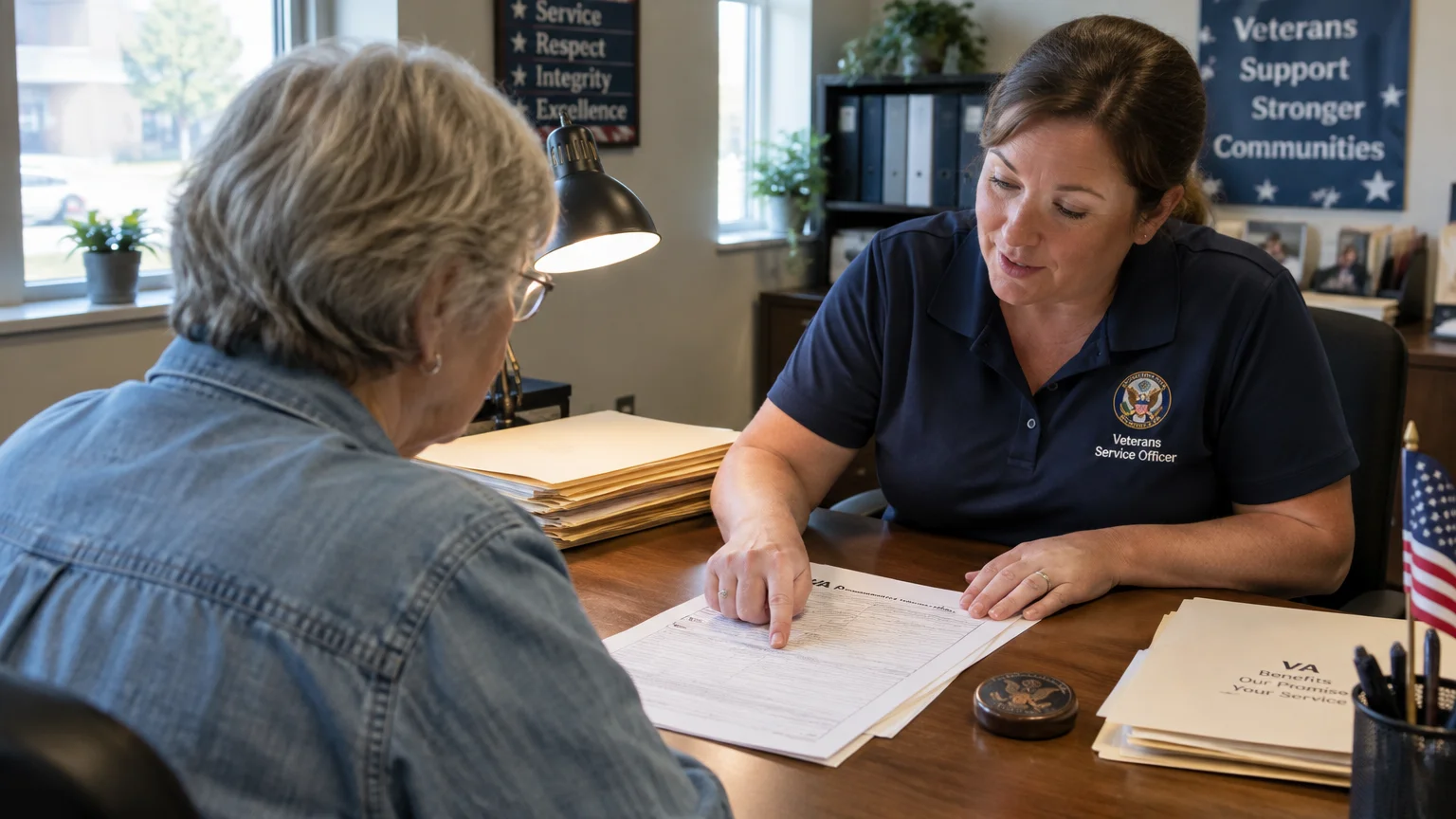
Your best initial contact is an accredited Veterans Service Officer, commonly referred to as a VSO. Accredited officers work for organizations like the American Legion, VFW, or county veterans departments.
VSOs provide completely free assistance with gathering service records, filing formal claims, and navigating appeals. Federal law prohibits accredited VSOs from charging fees to prepare or submit your initial benefits claim.
If you hold significant financial assets, consult an elder law attorney who specializes in veterans benefits. These legal professionals guide asset protection strategies without violating the strict 3-year look-back window.
You should also speak with a claims specialist through the Social Security Administration. Coordinating your survivor benefits alongside Social Security ensures maximum total monthly income during retirement.
Free state health insurance counseling programs, known as SHIP, help clarify Medicare and CHAMPVA coordination. A local counselor reviews your prescriptions and doctors to prevent unexpected coverage gaps.
Frequently Asked Questions About Veteran Spouse Benefits
Can a surviving spouse collect Social Security and VA benefits at the same time?
Yes, you can receive both Social Security benefits and VA survivor benefits concurrently. The VA does not reduce your monthly DIC payments because you collect Social Security.
However, Social Security income counts toward your annual income limit when applying for the needs-based Survivors Pension. This countable income may reduce or eliminate your pension payment amount.
What happens to my VA benefits if I remarry?
Remarrying after age 55 allows you to keep your monthly DIC benefits, CHAMPVA healthcare, and loan privileges. The VA enacted this rule to protect older surviving spouses.
If you remarry before age 55, your DIC payments stop immediately upon marriage. If that subsequent marriage later ends through death or divorce, you can apply to have your benefits reinstated.
Can I receive both DIC and VA Survivors Pension simultaneously?
No, federal law prohibits concurrent receipt of both DIC and the VA Survivors Pension. You must choose between the two distinct monthly financial programs.
The VA automatically reviews both applications and grants whichever program pays the higher monthly benefit. Because DIC pays higher base rates and carries no asset limits, it remains the superior choice for most.
How long does the VA take to process a surviving spouse claim?
Processing times typically range from three to six months depending on claim complexity and document availability. Claims requiring service treatment records or toxic exposure reviews may take longer.
Filing a fully developed claim with complete marriage certificates, death certificates, and military discharge papers speeds up approval. Approved benefits pay retroactively to the date the VA received your formal application.
Moving Forward With Confidence
Your spouse earned these life-changing benefits through dedicated military service to our nation. Claiming these resources honors their sacrifice while protecting your personal dignity and financial independence.
Gather your military paperwork, discharge documents, and marriage records today to begin exploring your options. Connecting with an accredited representative ensures your household secures every earned dollar and healthcare privilege without delay.
Information in this article reflects current rules as of the publication date and may change. Always confirm benefit details directly with Social Security Administration, Medicare.gov, or relevant government agencies before making decisions.
Last updated: October 2026. Medicare and Social Security rules change annually—always verify current details at official government sources.