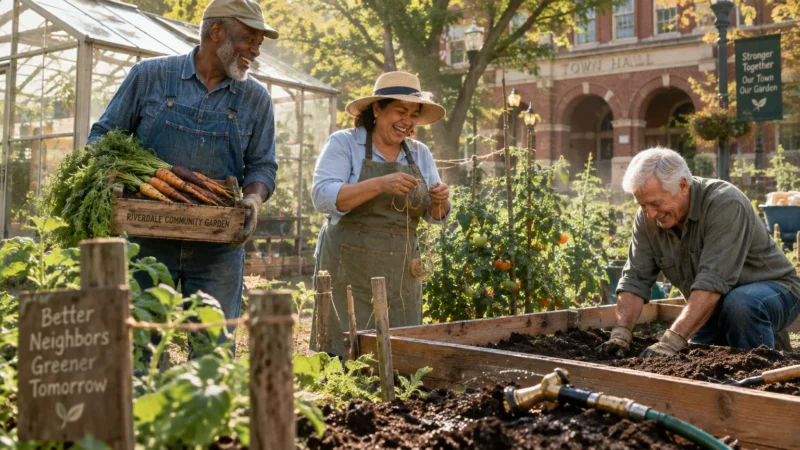
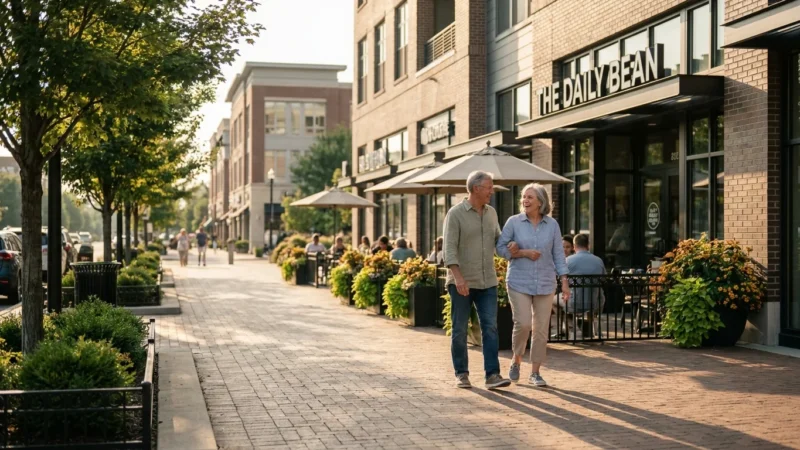
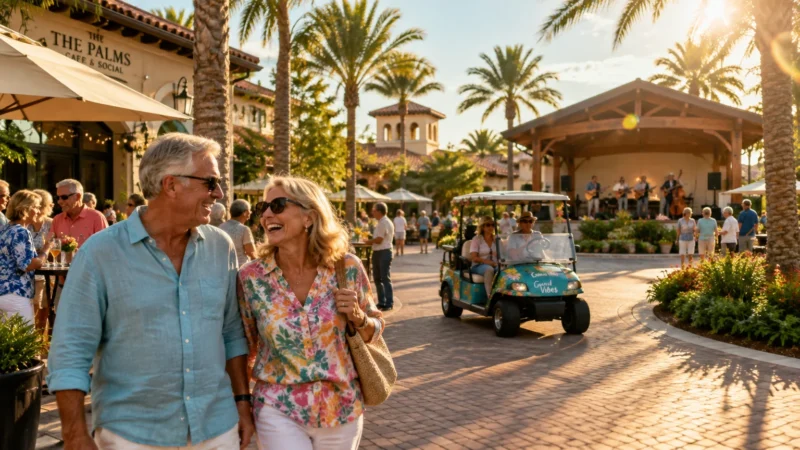
 Modern retirement shifts from quiet rocking chairs to active lifestyles featuring pickleball, technology, and lifelong learning.
Taking the Next Step Toward Your Ideal Retirement
Transitioning into an active adult community offers a brilliant opportunity to redefine your daily life. You gain the freedom to trade tedious home maintenance for robust social connections, high-end fitness facilities, and the simple joy of living among peers who share your schedule and interests. Start your journey by picking two or three communities that match your climate preferences and budget. Book a “stay and play” discovery package—most builders offer discounted weekend stays allowing you to test-drive the golf carts, sample the restaurants, and chat with actual residents.
Take your time, run the numbers carefully, and focus on the environments that make you feel genuinely excited about your next chapter.
Every day, roughly 10,000 Americans celebrate their 65th birthday. While previous generations often viewed retirement as a time to quietly downsize into a smaller home down the street, today’s retirees are rewriting the playbook.
They are actively trading high-maintenance family estates and snowy driveways for resort-style neighborhoods designed entirely around recreation, socialization, and wellness. The demand for purpose-built active adult communities has reached unprecedented levels, creating waiting lists stretching for months at the nation’s most desirable locations.
The appeal is undeniable. Maintaining a large, aging house consumes time, energy, and financial resources that you could spend traveling, learning new skills, or playing pickleball with neighbors in your same stage of life. Modern developments recognize this shift. They no longer pitch themselves merely as places to live; they market themselves as massive lifestyle upgrades.
Finding the right 55+ community requires looking beyond the glossy brochures. You need to consider homeowner association (HOA) fees, healthcare access, tax implications, and the overall social culture. Let’s explore the absolute best retirement communities USA buyers are flocking to right now, examining exactly what makes these senior living top picks stand out from the crowd.
The Evolution of the Retirement Village
The concept of a retirement village has fundamentally transformed over the past two decades. Early iterations often felt isolated, focusing heavily on golf and quiet evenings. Today’s active adult communities look more like high-end resorts or vibrant college campuses for mature adults. Builders emphasize lifelong learning, extensive fitness centers, live entertainment, and vast networks of social clubs ranging from woodworking and robotics to wine tasting and theater.
This shift addresses a crucial component of aging well. The National Institute on Aging consistently highlights that social isolation and loneliness pose severe health risks for older adults, rivaling the dangers of obesity and smoking. By moving to a neighborhood where socialization is built directly into the infrastructure, residents naturally build supportive, active friend groups that keep them physically and mentally engaged.
Last updated: February 2026. Medicare and Social Security rules change annually—always verify current details at official government sources.