Soaring property taxes and everyday living expenses make staying in your longtime home feel financially exhausting. Moving to an affordable community can instantly unlock hundreds of thousands of dollars in home equity.
With the national median home value hovering at $359,870, downsizing into a budget-friendly market protects your nest egg. It also cushions your monthly cash flow against unexpected healthcare or maintenance spikes.
Across the country, several low-cost communities offer vibrant living, quality medical care, and real estate priced far below national benchmarks. Here are twelve standout towns retirees are actively buzzing about.
The Financial Advantage of Downsizing in Today’s Market
Relocating during retirement provides immediate relief for your monthly household budget. Housing consistently represents the single largest expenditure for households aged 55 and older.
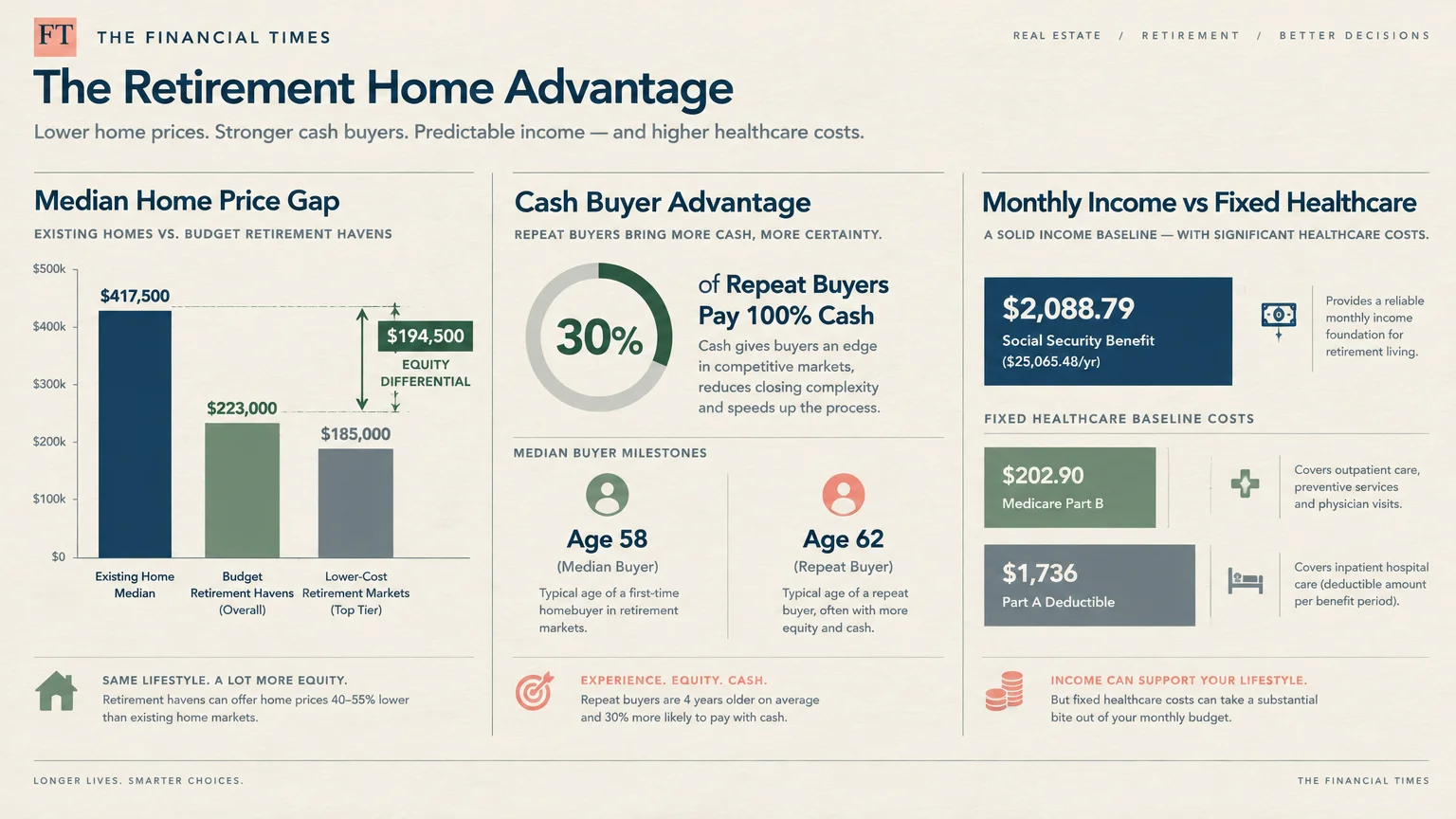
According to recent housing data, the median sale price of an existing home reached $417,500. Meanwhile, the median homebuyer age climbed to 58, and repeat buyers now average 62 years old.
Remarkably, 30 percent of repeat buyers pay entirely in cash; you can eliminate mortgage payments entirely by selling in an expensive market and purchasing in a budget-friendly haven.
Preserving capital has become especially vital as baseline expenses rise. The standard monthly Medicare Part B premium sits at $202.90, while the Part A hospital deductible equals $1,736 per benefit period.
Meanwhile, the average monthly benefit from the Social Security Administration reached $2,088.79 following a 2.8 percent cost-of-living adjustment. That amounts to $25,065.48 per year for an individual worker.
When you relocate to an area where rent or mortgage payments take only a modest portion of your check, that fixed income delivers genuine financial security.
“The goal of retirement is to live off your assets—not live off your regrets.”

12 Cheap Retirement Towns Gaining Serious Attention
These twelve communities earned widespread attention by balancing low property prices, daily affordability, and appealing amenities for retirees.
1. Midland, Michigan
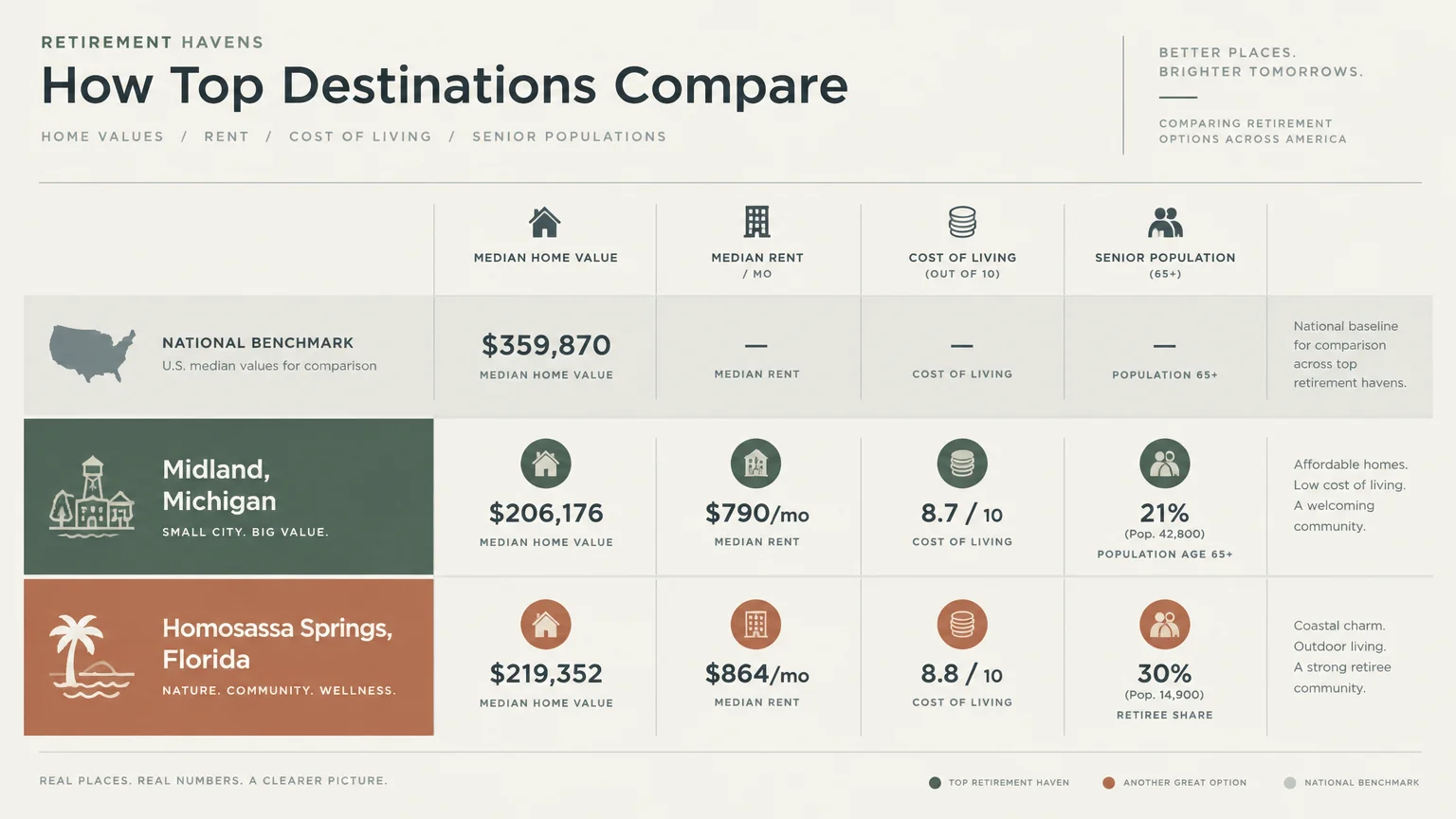
Midland captured the number one national ranking for retirement living across multiple evaluation cycles. The local median home value is just $206,176, which trails the national benchmark by over $150,000.
Renters also benefit from extraordinary affordability, paying a median rate of only $790 per month. That creates an exceptional cost-of-living score of 8.7 out of 10.
Nearly 21 percent of Midland’s 42,800 residents are age 65 or older. You will find an engaging community full of active civic programs, adult education classes, and volunteer opportunities.
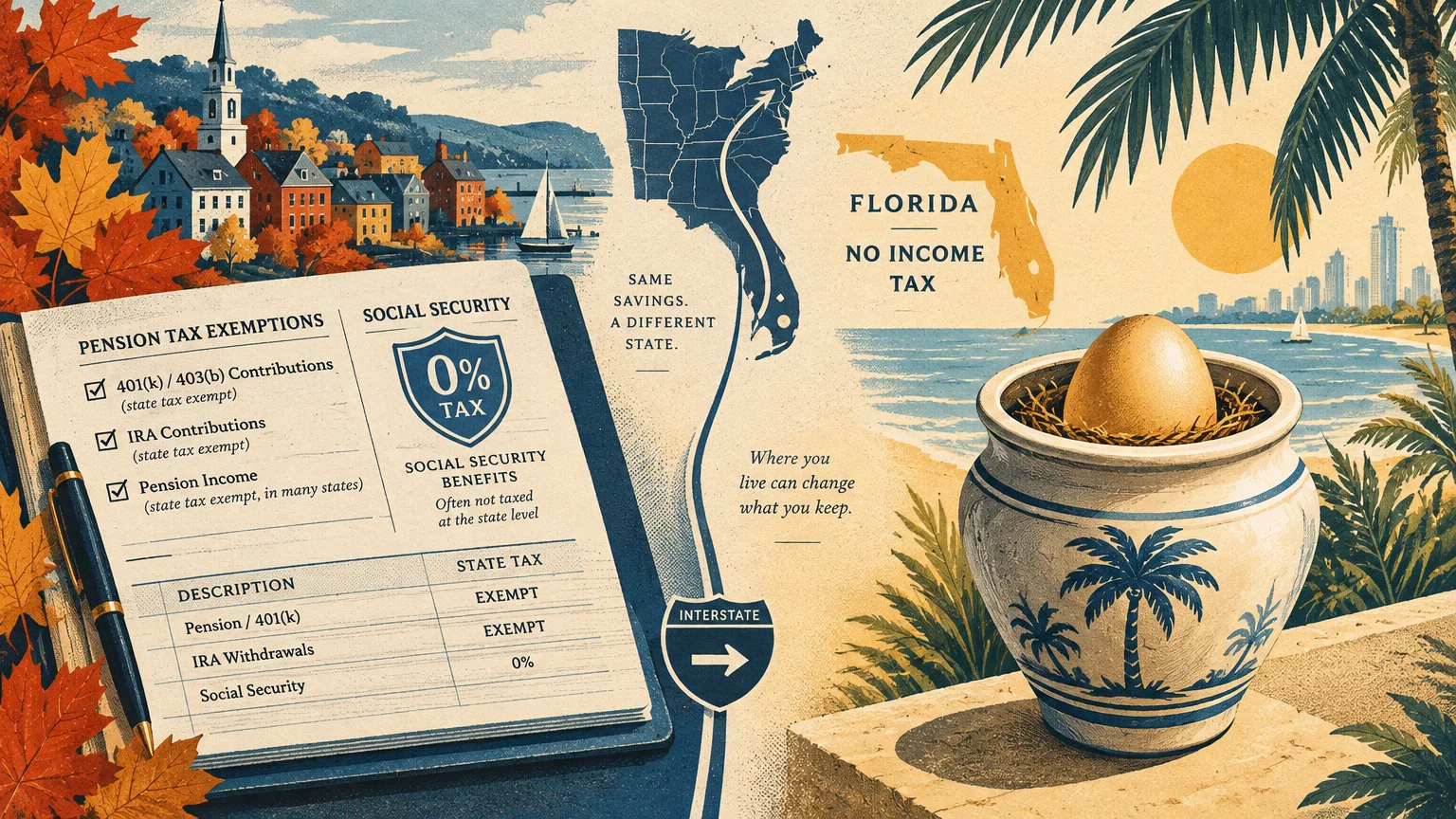
Tax rules make Michigan even more appealing for retirees. The state completed its pension tax phase-out, allowing significant deductions on qualifying pensions, 401(k) accounts, and IRAs alongside tax-free Social Security benefits.
Residents also enjoy access to first-rate medical facilities through the MyMichigan Medical Center, which maintains close affiliations with the University of Michigan Health System.
2. Homosassa Springs, Florida
Ranked number two nationally, Homosassa Springs delivers classic Sunshine State living without the punishing price tags found in South Florida. The median home value sits at a modest $219,352.
Median monthly rent runs approximately $864, helping the town secure an impressive cost-of-living rating of 8.8 out of 10. Florida also imposes zero state personal income taxes.
Retirees make up roughly 30 percent of the town’s 14,900 residents. The local culture revolves around boating, manatee watching, and relaxed coastal gatherings along Florida’s Nature Coast.
You can spend your mornings paddling along the crystal-clear Homosassa River and your afternoons golfing at nearby public courses. Daily essentials remain accessible thanks to compact local retail hubs.
3. Weirton, West Virginia
Weirton ranks third nationwide for retirees looking to stretch every dollar. The median home value stands at an astonishing $124,681, while median rent averages only $548 monthly.
Located in the northern panhandle, Weirton sits just 35 miles west of Pittsburgh. That proximity gives you easy access to world-renowned healthcare networks like UPMC without big-city price tags.
Tax relief recently improved even further for local seniors. West Virginia completed its multi-year tax phase-out, making Social Security benefits 100 percent exempt from state income taxes.
With a median household income of $58,341, the town of 18,314 residents offers an authentic, small-town atmosphere where neighbors look out for one another.
4. Altoona, Pennsylvania
Altoona offers the lowest home prices among the country’s top ten retirement destinations. The median home value is an incredible $115,035, while median monthly rent sits at $665.
Pennsylvania remains one of the most tax-friendly states in the nation for seniors. The Commonwealth completely exempts Social Security benefits, public and private pensions, 401(k) distributions, and IRA withdrawals from state income tax.
The city of 43,472 residents features deep railroad history, scenic mountain surroundings, and a bustling downtown core. Outdoor enthusiasts appreciate nearby hiking trails throughout the Allegheny Mountains.
Comprehensive healthcare access is anchored by UPMC Altoona, a regional trauma and specialty medical facility that handles complex geriatric care right in town.
5. Paducah, Kentucky
Paducah achieved the highest cost-of-living rating among the nation’s top ten retirement destinations with a 9.2 out of 10. Median home values average $161,025, and median monthly rent is $650.
Kentucky reduced its flat individual income tax rate to 3.5 percent, and the state does not tax Social Security income. That tax structure leaves more money in your pocket every month.
Seniors represent 19 percent of Paducah’s 27,500 residents. The city enjoys global renown as a UNESCO Creative City, boasting an extraordinary arts scene, quilt museum, and restored 19th-century architecture.
Located along the Ohio River, Paducah offers scenic riverfront strolls, community farmers markets, and dependable medical services through Baptist Health Paducah and Mercy Health.
6. Lynchburg, Virginia
Nestled in the eastern foothills of the Blue Ridge Mountains, Lynchburg holds the number nine spot nationally. The median home value stands at $222,789, while median monthly rent averages $908.
Retirees account for 15 percent of the 80,700 residents. Multiple colleges in the area infuse the city with lectures, concerts, and rich cultural energy throughout the year.
Virginia exempts Social Security benefits from state income taxes and provides deductions for other retirement income streams. Daily utility and service costs remain very reasonable.
Healthcare access is a major asset here; the Centra Lynchburg General Hospital provides specialized cardiac, stroke, and orthopedic care to the entire central Virginia region.
7. Spring, Texas
Ranked in the national top five, Spring offers an affordable gateway to the vibrant Gulf Coast economy. The median home value is $251,247, while median rent averages $1,326 per month.
Texas levies no personal state income tax, which preserves your pension, investment earnings, and withdrawals from tax-deferred accounts. That makes a major difference over a multi-decade retirement.
Located 25 miles north of downtown Houston, Spring gives you convenient proximity to the world-famous Texas Medical Center. You can live in a relaxed community while accessing elite specialists.
Historic Old Town Spring features Victorian-style shops, casual restaurants, and community festivals. Extensive county park trails provide great venues for morning exercise and birding.
8. Victoria, Texas
Victoria placed twelfth on national retirement rankings, presenting an exceptionally affordable lifestyle in South Texas. The median home value is approximately $200,767, and median monthly rent averages just $749.
The city sits at the center of the coastal plains, roughly two hours from Houston, Austin, San Antonio, and Corpus Christi. That strategic location makes regional weekend travel simple and affordable.
Retirees love Victoria’s warm climate, low municipal fees, and lack of state income taxes. Riverside Park offers over 500 acres of green space along the Guadalupe River for walking and fishing.
Citizens Medical Center and DeTar Healthcare System supply comprehensive clinical services, ensuring you do not have to travel far for advanced medical consultations.
9. Florissant, Missouri
Florissant stands out as one of the Midwest’s most appealing retirement values. The local median home value averages $150,217, offering tremendous value for purchasers seeking single-story brick ranches.
Missouri completely exempted Social Security benefits from state income taxes, easing the annual tax burden on retirees. That reform allows older households to keep more of their baseline earnings.
With roughly 51,551 residents, Florissant maintains an extensive network of municipal parks, community golf courses, and an active civic senior center. You get a peaceful suburban setting with low municipal utility costs.
Because downtown St. Louis sits just 15 miles south, you enjoy effortless access to major cultural attractions and world-class hospital systems like Barnes-Jewish Hospital.
10. Enid, Oklahoma
Enid offers an affordable home base in the Southern Plains, boasting a median home value of $151,830. Daily costs for groceries, fuel, and municipal services fall consistently below national averages.
Oklahoma does not tax Social Security benefits and offers exclusions for qualifying retirement income. Low property tax rates also protect fixed budgets against runaway annual assessments.
The city of 50,560 residents supports a thriving symphony orchestra, community theater, and active historical preservation district. Enid’s compact footprint means you will never waste time or fuel sitting in gridlock.
Integris Health Bass Baptist Health Center anchors local medical care, offering acute clinical facilities and dedicated senior wellness services right within the city limits.
11. Brownsville, Texas
Brownsville provides the most affordable warm-weather coastal lifestyle in the nation. The median home value is $152,932, which sits more than $200,000 below typical national real estate figures.
Situated on the southern tip of Texas, Brownsville features mild winter temperatures and effortless access to South Padre Island’s beaches. You can enjoy coastal retirement without paying luxury resort prices.
Texas imposes zero personal income tax, shielding your hard-earned nest egg from state revenue collections. The area also boasts some of the lowest restaurant and produce costs in the country.
Valley Baptist Medical Center provides advanced clinical care, trauma support, and comprehensive cardiovascular services to the city’s 186,263 residents.
12. Muncie, Indiana
Muncie represents an exceptional Midwestern bargain, featuring a median home value of just $121,919. That price point makes buying a comfortable retirement home achievable for almost any budget.
Indiana operates a low flat income tax rate of 2.95 percent and exempts Social Security benefits entirely from state taxation. Modest property tax caps further shield homeowners from sudden financial shocks.
Home to Ball State University, Muncie features rich cultural programming, collegiate athletic contests, and botanical gardens. The 62-mile Cardinal Greenway offers a paved trail system for walking and cycling.
IU Health Ball Memorial Hospital serves as a prominent regional teaching facility, delivering high-level cardiac, oncological, and orthopedic treatments right in town.
“It’s not how much money you make, but how much money you keep, how hard it works for you, and how many generations you keep it for.” — Robert Kiyosaki
Comparing the Top 12 Cheap Retirement Towns
Carefully comparing median prices and tax structures helps clarify which community matches your personal financial resources. Here is how these popular towns compare side by side.
| Town & State | Median Home Value | Median Monthly Rent | Social Security Taxed? | Key Affordability Advantage |
|---|---|---|---|---|
| Midland, MI | $206,176 | $790 | No | #1 overall rank; recent pension tax phaseout |
| Homosassa Springs, FL | $219,352 | $864 | No | 0% state income tax; high senior population share |
| Weirton, WV | $124,681 | $548 | No | Lowest rent in top 5; close to Pittsburgh hospitals |
| Altoona, PA | $115,035 | $665 | No | Lowest home price in top 10; PA exempts pensions/IRAs |
| Paducah, KY | $161,025 | $650 | No | 9.2/10 cost-of-living score; 3.5% flat state tax |
| Lynchburg, VA | $222,789 | $908 | No | College town cultural assets; robust regional healthcare |
| Spring, TX | $251,247 | $1,326 | No | 0% state income tax; minutes from Houston medical hub |
| Victoria, TX | $200,767 | $749 | No | 0% state income tax; central access to four major cities |
| Florissant, MO | $150,217 | $815 | No | Recent state Social Security exemption; low utility rates |
| Enid, OK | $151,830 | $680 | No | Very low everyday groceries and municipal costs |
| Brownsville, TX | $152,932 | $765 | No | Subtropical weather; extremely cheap Gulf Coast living |
| Muncie, IN | $121,919 | $710 | No | Low 2.95% state tax; abundant university events |
Every community on this list offers home values dramatically lower than the national median of $359,870. Selecting any of them can significantly lower your fixed housing expenses.
How State Taxes Impact Your Relocation Budget
Looking past real estate purchase prices to inspect state and municipal tax codes is essential. State income tax policies can alter your annual disposable income by thousands of dollars.
Across the nation, 42 states plus the District of Columbia do not tax Social Security benefits. Only eight states still impose taxes on benefits: Colorado, Connecticut, Minnesota, Montana, New Mexico, Rhode Island, Utah, and Vermont.
Eight states levy no personal state income tax at all: Alaska, Florida, Nevada, South Dakota, Tennessee, Texas, Washington, and Wyoming. That policy makes Texas and Florida locations especially attractive.
Other states offer powerful exemptions tailored directly to retirees. Pennsylvania and Illinois collect income tax on earned wages, yet they completely exempt pensions, 401(k) withdrawals, and traditional IRA income.
Before purchasing, explore guidance from the Consumer Financial Protection Bureau on budgeting for retirement housing. Factoring in property taxes and homeowner insurance guarantees an accurate relocation forecast.

Don’t Make These Mistakes When Relocating
Moving during retirement involves far more than simply finding a cheap house. Avoiding common logistical and financial pitfalls will ensure your relocation remains a success.
- Focusing Only on Home Prices: Inexpensive houses sometimes come paired with steep property tax millage rates or expensive utility districts. Check the complete monthly carrying costs before making an offer.
- Ignoring Healthcare Infrastructure: Low-cost rural towns can lack specialized medical providers. Verify that participating clinics take your Medicare coverage and sit within a reasonable driving distance.
- Skipping Seasonal Test Stays: Spending one sunny week in October does not reveal what July humidity or January blizzards feel like. Rent an apartment for a month during the most challenging season first.
- Underestimating Moving Expenses: Packing services, moving vans, utility setup fees, and home closing costs can easily consume $10,000 to $15,000. Keep liquid reserves set aside specifically for the transition.
- Moving Too Far from Social Networks: Isolation represents a serious health risk as you age. Confirm that friends, children, or accessible airport hubs remain within manageable travel distance.
Taking your time to visit a prospective hometown multiple times prevents expensive buyer’s remorse later. A deliberate transition safeguards both your finances and your emotional wellbeing.

When Professional Advice Is Worth It
Relocating across state lines often triggers subtle legal and financial consequences. Consulting qualified professionals before listing your property can save substantial time and money.
A fee-only financial planner can help model how state income tax changes impact your investment portfolio over a thirty-year horizon. They will also calculate the long-term tax consequences of selling your primary residence.
Connecting with a local State Health Insurance Assistance Program (SHIP) counselor clarifies regional Medicare options. You can easily find certified regional counselors through the Eldercare Locator network.
Finally, meet with an estate planning attorney licensed in your target state. Updating powers of attorney, healthcare directives, and wills ensures compliance with local state statutes.
Frequently Asked Questions
Can I comfortably live on Social Security alone in these towns?
Yes, many retirees live comfortably on Social Security alone in communities like Weirton, Altoona, or Paducah. The average Social Security check of $2,088.79 covers rent and basic living expenses when median rents sit under $700.
Do smaller cheap towns have reliable medical care for seniors?
Most top-ranked retirement towns maintain reputable regional hospitals, such as UPMC Altoona or MyMichigan Medical Center. If you manage complex chronic conditions, confirm that specialists operate within a 45-minute drive.
Is it better to rent or buy when moving to an affordable town?
Renting for six to twelve months is generally the smartest move when relocating to a new town. That strategy lets you experience different neighborhoods, traffic patterns, and seasonal weather before committing your capital.
How do property taxes compare in zero-income-tax states like Texas?
States without personal income taxes frequently balance their budgets with higher local property tax rates. Texas homes carry higher effective tax rates than states like Indiana, making overall budget calculations essential.
Next Steps for Your Move
Create a short list of three towns that align with your lifestyle goals and calculate your projected monthly budget for each. Schedule an extended visit this year to tour local neighborhoods, visit senior centers, and walk through medical facilities firsthand.
Information in this article reflects current rules as of the publication date and may change. Always confirm benefit details directly with Social Security Administration, Medicare.gov, or relevant government agencies before making decisions.
Last updated: November 2026. Medicare and Social Security rules change annually—always verify current details at official government sources.