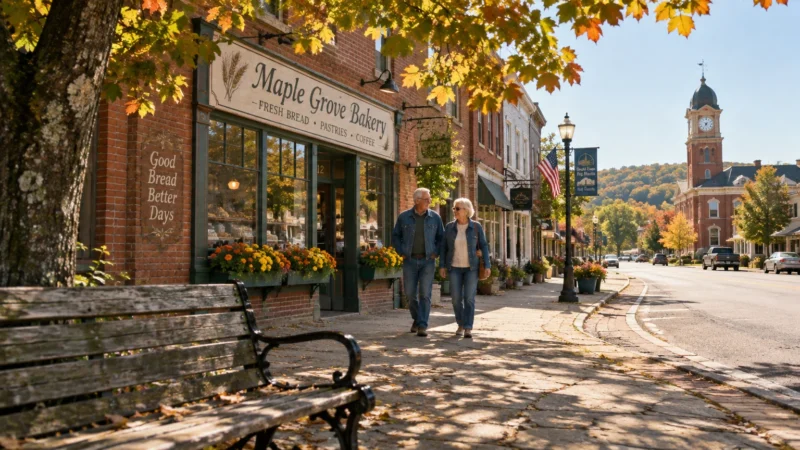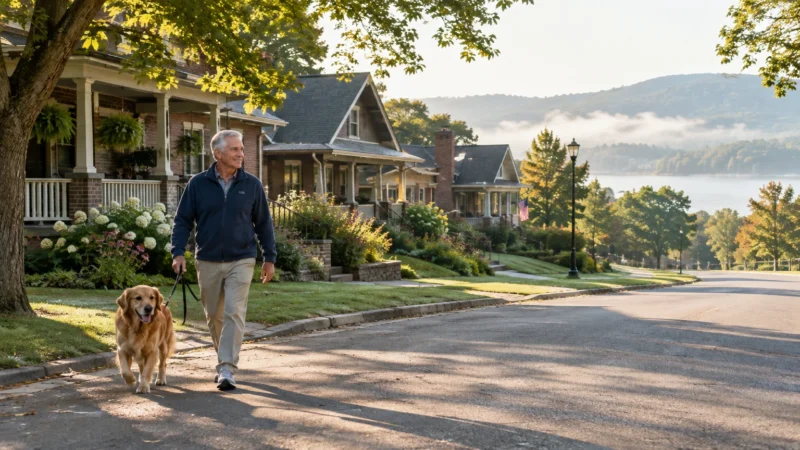
Every day, roughly 10,000 Americans celebrate their 65th birthday. While previous generations often viewed retirement as a time to quietly downsize into a smaller home down the street, today’s retirees are rewriting the playbook. They are actively trading high-maintenance family estates and snowy driveways for resort-style neighborhoods designed entirely around recreation, socialization, and wellness. The demand for purpose-built active adult communities has reached unprecedented levels, creating waiting lists stretching for months at the nation’s most desirable locations.
The appeal is undeniable. Maintaining a large, aging house consumes time, energy, and financial resources that you could spend traveling, learning new skills, or playing pickleball with neighbors in your same stage of life. Modern developments recognize this shift. They no longer pitch themselves merely as places to live; they market themselves as massive lifestyle upgrades.
“Don’t simply retire from something; have something to retire to.” — Harry Emerson Fosdick
Finding the right 55+ community requires looking beyond the glossy brochures. You need to consider homeowner association (HOA) fees, healthcare access, tax implications, and the overall social culture. Let’s explore the absolute best retirement communities USA buyers are flocking to right now, examining exactly what makes these senior living top picks stand out from the crowd.

The Evolution of the Retirement Village
The concept of a retirement village has fundamentally transformed over the past two decades. Early iterations often felt isolated, focusing heavily on golf and quiet evenings. Today’s active adult communities look more like high-end resorts or vibrant college campuses for mature adults. Builders emphasize lifelong learning, extensive fitness centers, live entertainment, and vast networks of social clubs ranging from woodworking and robotics to wine tasting and theater.
This shift addresses a crucial component of aging well. The National Institute on Aging consistently highlights that social isolation and loneliness pose severe health risks for older adults, rivaling the dangers of obesity and smoking. By moving to a neighborhood where socialization is built directly into the infrastructure, residents naturally build supportive, active friend groups that keep them physically and mentally engaged.

Top 8 Retirement Communities Setting the Standard
Whether you want to live near the beach, in the mountains, or right outside a major metropolitan hub, the current market offers an incredible diversity of options. Here are the eight communities currently capturing the attention—and deposits—of American retirees.
1. The Villages, Florida: The Unrivaled Giant
You cannot discuss retirement living without mentioning The Villages. Spanning three counties in central Florida, this massive, master-planned community operates essentially as its own self-contained city. Currently home to over 140,000 residents, it holds the title of the fastest-growing metropolitan statistical area in the country.
The primary draw of The Villages is sheer volume. If you have an interest, there is a club for it. The community boasts over 3,000 social clubs, more than 50 golf courses, and multiple town squares featuring free live entertainment every single night. The entire infrastructure connects via a vast network of golf cart paths, allowing residents to travel to the grocery store, their doctor, or a restaurant without ever starting a car.
While the lifestyle is vibrant and incredibly social, buyers must carefully review the financial structure. Alongside standard HOA fees, residents pay a Community Development District (CDD) assessment and amenity fees, which can substantially increase monthly carrying costs.
2. Latitude Margaritaville: The Perpetual Vacation
Inspired by the music and lifestyle of Jimmy Buffett, Latitude Margaritaville has completely disrupted the senior housing market. With locations in Daytona Beach (Florida), Watersound (Florida), and Hilton Head (South Carolina), these communities attract retirees who want to feel like they are on a permanent Caribbean vacation.
The architecture features vibrant, tropical colors, and the amenities center around massive resort-style pools, tiki huts, and the central “Town Square” where a live band plays almost daily. Residents enjoy private beach clubs, state-of-the-art fitness centers, and an overwhelmingly casual, party-friendly atmosphere.
These neighborhoods are selling out phases as quickly as builders can release them. If you prefer quiet, solitary evenings, this might not be your ideal spot. However, if your goal is to spend your golden years mixing margaritas and dancing barefoot, it stands as a premier destination.
3. Sun City, Arizona: The Historic Pioneer
Opened in 1960, Sun City was the very first master-planned 55+ community in the nation. Located just outside Phoenix, it established the blueprint that thousands of other developers eventually followed. Despite its age, it remains fiercely popular due to its unbeatable affordability, established infrastructure, and low tax burden.
Because Sun City is fully built out, buyers purchase resale homes, which often feature larger lots and mature landscaping compared to brand-new developments. The community offers seven recreation centers, eight golf courses, and two bowling alleys. What makes Sun City particularly attractive is the property tax structure; because it is an unincorporated community without its own school district, property taxes remain astonishingly low compared to the national average.
4. Tellico Village, Tennessee: The Lakefront Haven
Florida and Arizona dominate the market, but Tennessee has quietly become one of the most sought-after retirement destinations in the country. Tellico Village, nestled in the foothills of the Great Smoky Mountains along the shores of Tellico Lake, provides a stark contrast to the desert or the subtropics.
Residents here enjoy a true four-season climate without the brutal winters of the Northeast. The community focuses heavily on outdoor recreation, boasting phenomenal boating, fishing, and hiking opportunities. Three championship golf courses and a massive wellness center anchor the neighborhood.
Financially, Tennessee is highly attractive. The state levies no income tax, which means your Social Security benefits, pension payouts, and IRA withdrawals stay entirely in your pocket. The community relies heavily on a culture of volunteerism, giving it a deeply authentic, small-town feel.
5. Del Webb at Lake Oconee, Georgia: Southern Elegance
Located about 80 miles east of Atlanta, this gated community combines the renowned Del Webb lifestyle with the serene beauty of Georgia’s lake country. It offers the perfect balance for retirees who want an active adult lifestyle while remaining close enough to a major international airport and world-class healthcare facilities.
Lake Oconee provides 400 miles of shoreline, making it a paradise for pontoon boating and water sports. The community features a 21,000-square-foot clubhouse, indoor and outdoor pools, tennis, and pickleball courts. Georgia also offers tremendous tax advantages for retirees, completely exempting Social Security from state taxes and offering significant deductions on other types of retirement income for residents over 65.
6. Rossmoor, Walnut Creek, California: The Bay Area Jewel
Not every retiree wants to move to the Sunbelt. For those who wish to remain in California or have family on the West Coast, Rossmoor in Walnut Creek offers an incredibly lush, established, and secure environment. Set on 1,800 acres of rolling hills and majestic mature trees, this community feels like a secluded private park just 25 miles from San Francisco.
Rossmoor accommodates over 9,000 residents across diverse housing styles, from cooperative manors to luxury single-family homes. The amenities are world-class, including an award-winning event center, a table tennis facility, a woodworking shop, and a sprawling fitness complex. Access to the cultural and culinary delights of the Bay Area makes this a premium, highly desirable location for cultured, active seniors.
7. On Top of the World, Ocala, Florida: Unmatched Value
Consistently ranking as one of the best retirement communities USA buyers can invest in, On Top of the World in Central Florida delivers luxury amenities at an impressively accessible price point. Located in Marion County—known as the horse capital of the world—the community avoids the severe congestion found in coastal Florida towns.
The community is renowned for its lifelong learning program, Master the Possibilities, which offers over 1,000 classes annually on everything from art history to computer programming. Alongside the intellectual pursuits, residents have access to three golf courses, immense RC (radio-controlled) airplane flying fields, and expansive dog parks. The homes are built with advanced energy-efficient materials, keeping utility costs wonderfully low.
8. Hot Springs Village, Arkansas: The Nature Lover’s Dream
Covering 26,000 acres, Hot Springs Village is the largest gated community in the United States. While not strictly age-restricted to 55+, its demographic skews heavily toward retirees drawn to its breathtaking natural beauty and incredible affordability.
Nestled in the Ouachita Mountains, the community features nine golf courses, eleven recreational lakes, and more than 30 miles of rugged hiking trails. If your dream retirement involves waking up to views of untouched forests and pristine water rather than looking at your neighbor’s lanai, this Arkansas gem demands your attention. The cost of living here falls significantly below the national average, making it an excellent choice for those looking to maximize their retirement savings.

Comparing Community Lifestyles and Costs
When evaluating these senior living top picks, matching the community’s primary vibe to your personality is just as important as the purchase price. Use this comparison to understand the distinct flavors of the top destinations.
| Community | Location | Primary Vibe | Standout Amenity / Feature |
|---|---|---|---|
| The Villages | Central Florida | Bustling, hyper-social, self-contained city | Golf-cart accessible town squares with nightly live music |
| Latitude Margaritaville | FL, SC, TX | Casual, tropical, party-centric vacation | Massive resort pools and private beach clubs |
| Sun City | Phoenix Area, AZ | Established, relaxed, highly affordable | Incredibly low property taxes; historic legacy |
| Tellico Village | Eastern Tennessee | Outdoorsy, community-focused, seasonal | Stunning mountain lake access; boating lifestyle |
| Del Webb Lake Oconee | Greensboro, GA | Elegant, active, convenient to city hubs | Lakefront living with premium Del Webb programming |
| Rossmoor | Walnut Creek, CA | Sophisticated, secure, nature-immersed | Proximity to San Francisco; cooperative housing options |
| On Top of the World | Ocala, FL | Intellectual, hobby-driven, value-packed | Exceptional lifelong learning center and diverse club facilities |
| Hot Springs Village | Central Arkansas | Rugged, expansive, incredibly affordable | 26,000 acres of forests, 11 lakes, and 9 golf courses |

Costly Mistakes to Avoid When Buying into a 55+ Community
Relocating for retirement involves significant emotional and financial capital. While a retirement village offers an incredible lifestyle, rushing the process often leads to buyer’s remorse. Protect your nest egg by sidestepping these common pitfalls.
- Ignoring the Total Cost of Ownership: The sticker price of the home is just the beginning. You must meticulously calculate monthly HOA dues, potential community development district (CDD) fees, club initiation fees, and annual assessments. Request a history of the community’s HOA increases over the last five years; a well-managed association increases dues steadily with inflation, rather than hitting residents with massive, unexpected special assessments.
- Assuming Healthcare is Included: Do not confuse an active adult community with a Continuing Care Retirement Community (CCRC). Most 55+ communities provide recreation, not medical care. If your health declines, you will need to arrange and pay for private in-home care or relocate to an assisted living facility. Always research the quality of local hospitals and specialists before committing to a remote community.
- Skipping the “Off-Season” Visit: Florida and Arizona feel like paradise in February. However, you need to know if you can tolerate the relentless humidity of a Florida August or the searing heat of an Arizona July. Always rent a property in your target community during its harshest weather season before signing a purchase contract.
- Overlooking the Community Rules: HOAs in active adult communities wield significant power. They dictate everything from the colors you can paint your house to the size of the dog you can own. If you plan to park an RV in your driveway, host your noisy grandchildren for two months every summer, or build a custom fence, read the restrictive covenants thoroughly. Many communities enforce strict limits on the duration of visits by anyone under age 19.

Don’t DIY These Decisions
Buying into a retirement community usually means crossing state lines, which introduces a web of complex tax and healthcare changes. Treat this move as a major financial transition, not just a real estate transaction.
Work with a Medicare Specialist: Moving out of your current ZIP code triggers a Special Enrollment Period for Medicare. Your current Medicare Advantage plan or Part D prescription drug plan likely will not move with you. Network coverage changes drastically from state to state. Before you finalize a move, use the Medicare Plan Finder to ensure your preferred doctors and necessary medications are covered in your new neighborhood. Alternatively, contact a local SHIP (State Health Insurance Assistance Program) counselor in your destination state for free, unbiased guidance.
Consult a Financial Advisor: Selling a long-held primary residence can trigger capital gains taxes if the profit exceeds federal exclusion limits. Furthermore, moving to a state like Florida or Tennessee eliminates state income tax, but those states often recoup revenue through higher sales taxes or unique property tax assessments. A fiduciary financial advisor can help you model your cash flow to ensure the resort lifestyle remains affordable throughout your lifespan.
Frequently Asked Questions About Retirement Villages
Are children and grandchildren allowed to visit a 55+ community?
Yes. The Fair Housing Act requires that at least 80% of the occupied units in a 55+ community have at least one person who is 55 or older. While this prevents young families from buying homes there, visitors are absolutely welcome. However, most HOAs limit how long minors can stay—typically between 30 and 90 days per calendar year. Check the specific bylaws of your target community.
Do I actually own the land in a 55+ community?
In most modern master-planned developments, you purchase the home and the lot it sits on (fee simple ownership). However, in some older communities, particularly those featuring manufactured homes or cooperative apartments (like parts of Rossmoor), you may own the structure but lease the land, or you may purchase shares in a corporation that grants you the right to occupy the unit. Always clarify the ownership structure with a real estate attorney.
What happens if my spouse is over 55 but I am not?
As long as one occupant of the home is 55 or older, the household generally meets the legal requirement for residency. If the older spouse passes away, most communities have provisions allowing the underage surviving spouse to remain in the home, provided the community does not drop below the federal 80% threshold.
Taking the Next Step Toward Your Ideal Retirement
Transitioning into an active adult community offers a brilliant opportunity to redefine your daily life. You gain the freedom to trade tedious home maintenance for robust social connections, high-end fitness facilities, and the simple joy of living among peers who share your schedule and interests. Start your journey by picking two or three communities that match your climate preferences and budget. Book a “stay and play” discovery package—most builders offer discounted weekend stays allowing you to test-drive the golf carts, sample the restaurants, and chat with actual residents.
Take your time, run the numbers carefully, and focus on the environments that make you feel genuinely excited about your next chapter.
Retirement rules and benefit amounts vary based on individual work history, income, and circumstances. This article provides general guidance only. Consult a SHIP counselor, financial advisor, or elder law attorney for advice specific to your situation.
Last updated: February 2026. Medicare and Social Security rules change annually—always verify current details at official government sources.