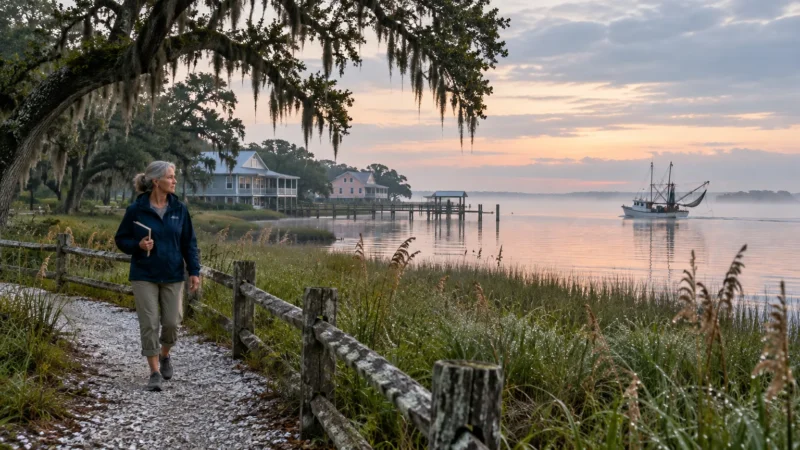
Relocating for retirement gives you the chance to optimize your budget, improve your healthcare access, and build the daily lifestyle you actually want. Staying put might seem easy, but rising property taxes often force Americans to reconsider their living arrangements. Finding the best cities for retirees requires looking beyond sunny weather to evaluate concrete factors like state tax burdens, hospital quality, and housing affordability. Whether you prefer a vibrant cultural hub, a quiet coastal retreat, or a scenic mountain sanctuary, a strategic retirement relocation stretches your fixed income. We analyzed cost of living, medical infrastructure, and lifestyle amenities across the country to highlight seven distinct destinations offering exceptional overall value and thriving senior communities for your next chapter.
The Core Pillars of a Great Retirement Destination
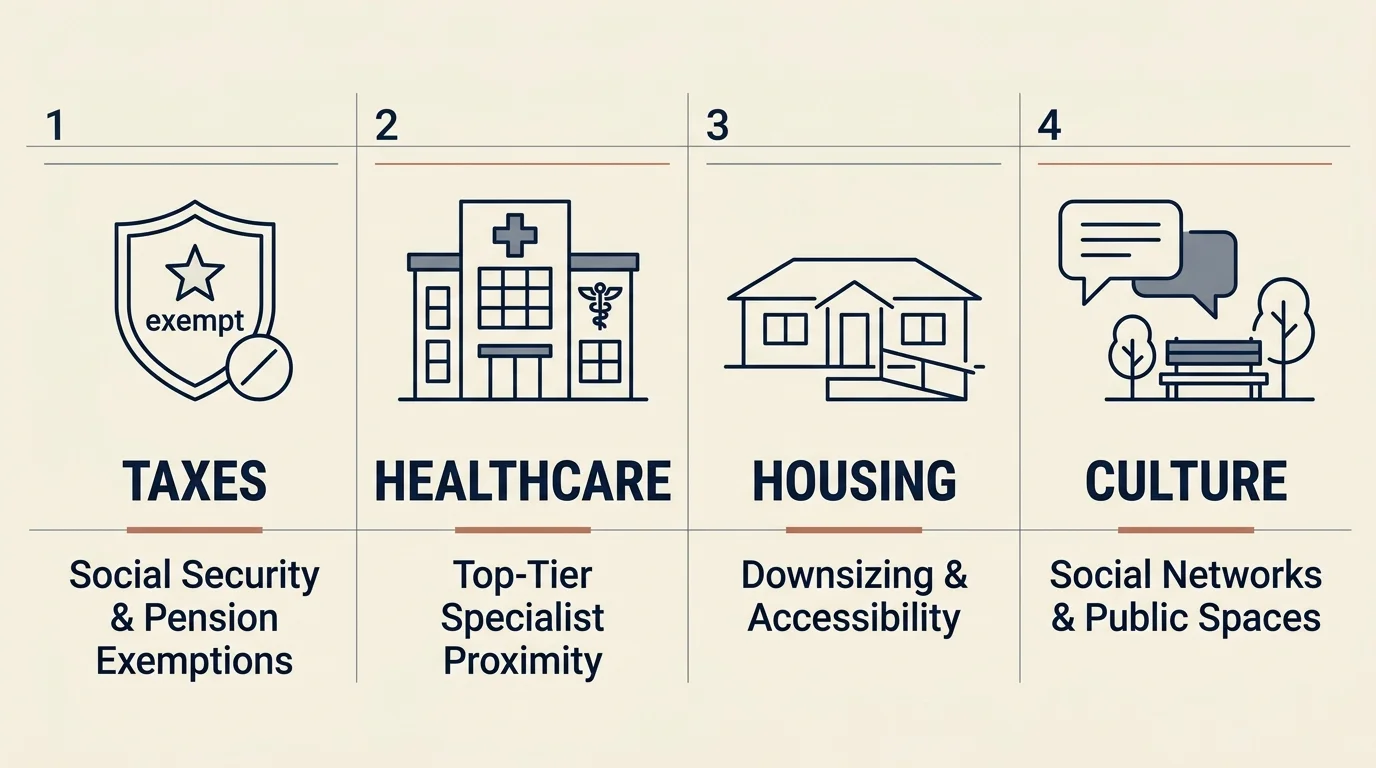
Evaluating where to retire in America requires balancing emotional desires with stark financial realities. You might dream of a beachfront condo, but if local property insurance premiums devour your fixed income, the stress will quickly overshadow the view. When determining the true viability of a retirement destination, you must weigh four critical pillars: tax implications, healthcare infrastructure, housing availability, and cultural engagement.
Tax burden encompasses much more than just state income taxes. Some states famously lack an income tax but compensate with aggressive property taxes or high sales taxes. A truly retirement-friendly state offers exemptions for Social Security benefits and provides favorable treatment for pension income or retirement account withdrawals. Healthcare infrastructure is equally critical; as you age, proximity to top-tier specialists, comprehensive hospital systems, and rehabilitation centers dictates your quality of life. Furthermore, a great retirement city must offer a diverse housing market, allowing you to downsize from a large family house into an accessible, single-story home or a maintenance-free community. Finally, isolation is the enemy of a healthy retirement—your chosen city needs public spaces, continuing education opportunities, and robust social networks to keep you actively engaged.

The 7 Best Cities for Retirees
No single city satisfies every retirement preference, which is why this list represents a diverse cross-section of American life. From college towns brimming with intellectual energy to sun-drenched desert communities prioritizing active living, these seven cities stand out for their exceptional combination of affordability, amenities, and healthcare access.
1. Lancaster, Pennsylvania: The Best of Both Worlds
Lancaster consistently ranks at the top of national retirement lists, and the reasons are deeply practical. Nestled in the heart of Pennsylvania Dutch Country, this city offers the tranquility of rolling farmlands alongside a revitalized, walkable downtown featuring art galleries, historic architecture, and a vibrant culinary scene. You get the charm of a small town without sacrificing the conveniences of a larger city.
Financially, Pennsylvania is incredibly welcoming to retirees. The state exempts Social Security benefits, public and private pensions, and distributions from 401(k)s and IRAs from state income taxes. This policy allows your retirement savings to stretch significantly further than in neighboring Northeastern states. For healthcare, Penn Medicine Lancaster General Health provides exceptional, nationally recognized care right in your backyard; moreover, you remain just a train ride away from the world-class specialized medical centers in Philadelphia.
2. Sarasota, Florida: The Classic Coastal Haven
Florida has long been the gold standard for retirement relocation, and Sarasota represents the absolute best the Sunshine State has to offer. Situated on the Gulf Coast, Sarasota elevates the standard beach retirement by integrating a profound commitment to the arts. Between the Ringling Museum of Art, the Sarasota Orchestra, and numerous theater companies, the cultural stimulation rivals cities three times its size.
Florida levies no state income tax, making it a financial haven for those drawing heavily from taxable investment accounts. Healthcare is anchored by Sarasota Memorial Hospital, consistently rated as one of the top facilities in the state. However, moving to Florida requires a clear-eyed view of housing costs—while general cost of living is manageable, you must budget aggressively for rising property insurance premiums due to climate risks. Sarasota is best suited for retirees who prioritize year-round warmth, ocean access, and a highly populated, active senior community.
3. Ann Arbor, Michigan: The Intellectual Hub
If your idea of a perfect retirement involves auditing college lectures, attending Big Ten sporting events, and walking through lush, tree-lined neighborhoods, Ann Arbor deserves your attention. College towns are increasingly popular among retirees because they provide reliable public transit, diverse dining options, and a constant influx of youthful energy that prevents the community from feeling stagnant.
Ann Arbor’s greatest asset for retirees is the University of Michigan Health system. Access to a premier research hospital ensures that complex medical needs can be handled locally by leading experts in their fields. Recently, Michigan restructured its tax code to roll back taxes on retirement income, making the state far more competitive for seniors. While the winters demand a sturdy snow shovel, the vibrant spring, mild summer, and spectacular autumn colors provide a distinct, four-season lifestyle for those who prefer changing scenery.
4. Scottsdale, Arizona: The Active Desert Oasis
For retirees seeking premium amenities, endless sunshine, and an aggressively active lifestyle, Scottsdale remains an unmatched destination. Known for its world-class golf courses, expansive hiking trails in the McDowell Sonoran Preserve, and high-end dining, Scottsdale caters to a demographic that views retirement as an extended, luxurious vacation.
Arizona does not tax Social Security income, and the state’s flat tax rate keeps income taxes exceptionally low. More importantly, the healthcare ecosystem is robust, highlighted by the presence of the Mayo Clinic in neighboring Phoenix, which offers unparalleled diagnostic and specialty care. Scottsdale’s cost of living is noticeably higher than the national average, making it a better fit for retirees with well-funded portfolios. You must also be prepared to adapt to intense summer heat, shifting your outdoor activities to the early mornings between June and September.
5. Asheville, North Carolina: The Mountain Sanctuary
Tucked into the Blue Ridge Mountains, Asheville has cultivated a reputation as a progressive, arts-centric haven surrounded by breathtaking natural beauty. Retirees flock here for the moderate mountain climate—which offers four distinct seasons without the brutal winters of the Northeast—and the instant access to outdoor recreation along the Blue Ridge Parkway.
North Carolina exempts Social Security benefits from state income taxes, though it does tax other forms of retirement income at a flat rate. Mission Hospital serves as the region’s primary healthcare hub, providing comprehensive services without requiring a drive down the mountain to Charlotte. Housing in Asheville has become highly competitive, driving up median home prices; however, the surrounding towns of Hendersonville and Black Mountain offer slightly more affordable entry points while maintaining access to Asheville’s vibrant brewery scene, craft markets, and musical heritage.
6. Boise, Idaho: The Western Frontier
Boise frequently flies under the radar, yet it has quietly developed into one of the most livable mid-sized cities in America. Known as the “City of Trees,” Boise offers a remarkably safe environment, a clean downtown, and the Boise River Greenbelt—a 25-mile tree-lined pathway perfect for walking, cycling, and fishing right in the center of town.
The city appeals strongly to active retirees who want access to mountains, rivers, and winter skiing without the prohibitive costs of traditional resort towns. Healthcare is solid, anchored by St. Luke’s Regional Medical Center. While Idaho does tax retirement income, the state offsets this with a relatively low cost of living and a grocery tax credit for full-time residents. Boise experienced a significant housing boom over the last decade, but the market has stabilized, offering a welcoming environment for seniors who value community safety, civic pride, and outdoor access.
7. San Antonio, Texas: The Historic Value Destination
If you want the amenities of a major metropolis on a tight retirement budget, San Antonio delivers exceptional value. Steeped in history—from the Alamo to the iconic River Walk—the city boasts a rich, multicultural heritage, incredible food, and a warm climate.
Texas famously has no state income tax, meaning your pension, Social Security, and investment withdrawals are entirely yours to keep. However, Texas relies heavily on property taxes to fund its municipalities. Fortunately, Texas offers significant property tax exemptions and “freezes” for homeowners over the age of 65, which provides vital predictability for your housing budget. For military retirees, San Antonio is known as “Military City USA,” offering deep infrastructure, camaraderie, and access to Brooke Army Medical Center. If you are exploring veteran-specific healthcare resources in the area, you can review current guidelines and eligibility through the Department of Veterans Affairs (VA) Benefits portal.
Comparing Your Retirement Relocation Options
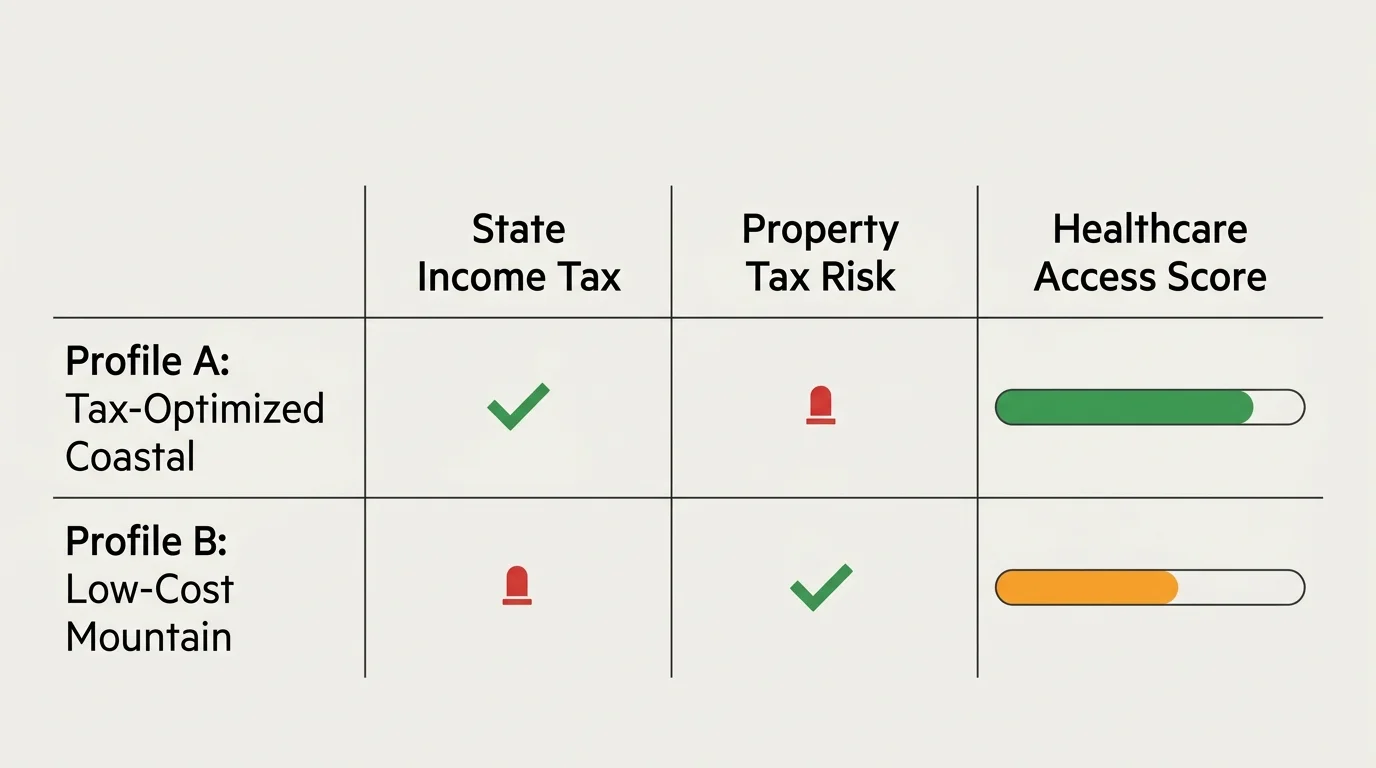
To help you weigh these destinations against your personal financial situation, we have compiled a high-level comparison of their tax environments and defining features. Keep in mind that housing markets fluctuate; always consult current real estate data before making a commitment.
| Retirement City | Tax Friendliness for Retirees | Healthcare Anchor | Best Suited For… |
|---|---|---|---|
| Lancaster, PA | High (No tax on SS or pensions) | Penn Medicine Lancaster Gen. | Budget-conscious retirees seeking small-town charm near major East Coast cities. |
| Sarasota, FL | High (No state income tax) | Sarasota Memorial Hospital | Beach lovers who want year-round warmth and robust cultural amenities. |
| Ann Arbor, MI | Moderate (Recent tax rollbacks) | University of Michigan Health | Intellectually active seniors who value lifelong learning and college sports. |
| Scottsdale, AZ | Moderate (Flat tax, no SS tax) | Mayo Clinic (Phoenix) | Well-funded retirees wanting luxury living, golf, and an active desert lifestyle. |
| Asheville, NC | Moderate (Flat tax, no SS tax) | Mission Hospital | Nature enthusiasts who prefer a moderate mountain climate and a vibrant arts scene. |
| Boise, ID | Moderate (Taxes most retirement income) | St. Luke’s Medical Center | Active seniors prioritizing neighborhood safety, outdoor recreation, and civic pride. |
| San Antonio, TX | High (No state income tax, 65+ property freeze) | Brooke Army Medical Center | Military veterans and budget-focused retirees who want big-city amenities. |
Don’t Make These Mistakes
“Don’t simply retire from something; have something to retire to.” — Harry Emerson Fosdick
Relocating is an exciting prospect, but the logistical complexities of moving late in life trap many well-intentioned seniors. Before you pack the moving truck and hand over a down payment, make sure you avoid these devastating—and remarkably common—retirement relocation errors.
- Buying a home after a one-week vacation: A city feels entirely different in February than it does in October. Visiting a location as a tourist rarely exposes you to the daily realities of local traffic, the true climate, or the neighborhood dynamics. Always rent a furnished apartment in your target city for at least three to six months before committing to a mortgage or tying up your liquidity in a cash purchase.
- Assuming your Medicare plan will seamlessly travel with you: Original Medicare (Part A and Part B) works with any doctor in the United States who accepts Medicare. However, if you are enrolled in a Medicare Advantage plan (Part C) or a standalone Prescription Drug Plan (Part D), these networks are strictly regional. Moving to a new zip code usually triggers a Special Enrollment Period, meaning you will need to find a new plan. Use the official Medicare Plan Finder to verify that your preferred destination actually has cost-effective healthcare plans that cover your specific medications.
- Ignoring the airport logistics: You might find a beautiful, isolated mountain cabin, but if you have to drive three hours to reach a major airport, your adult children will visit far less frequently than you hope. Proximity to a reliable regional or international airport is a crucial factor for maintaining family connections and facilitating your own travel goals.
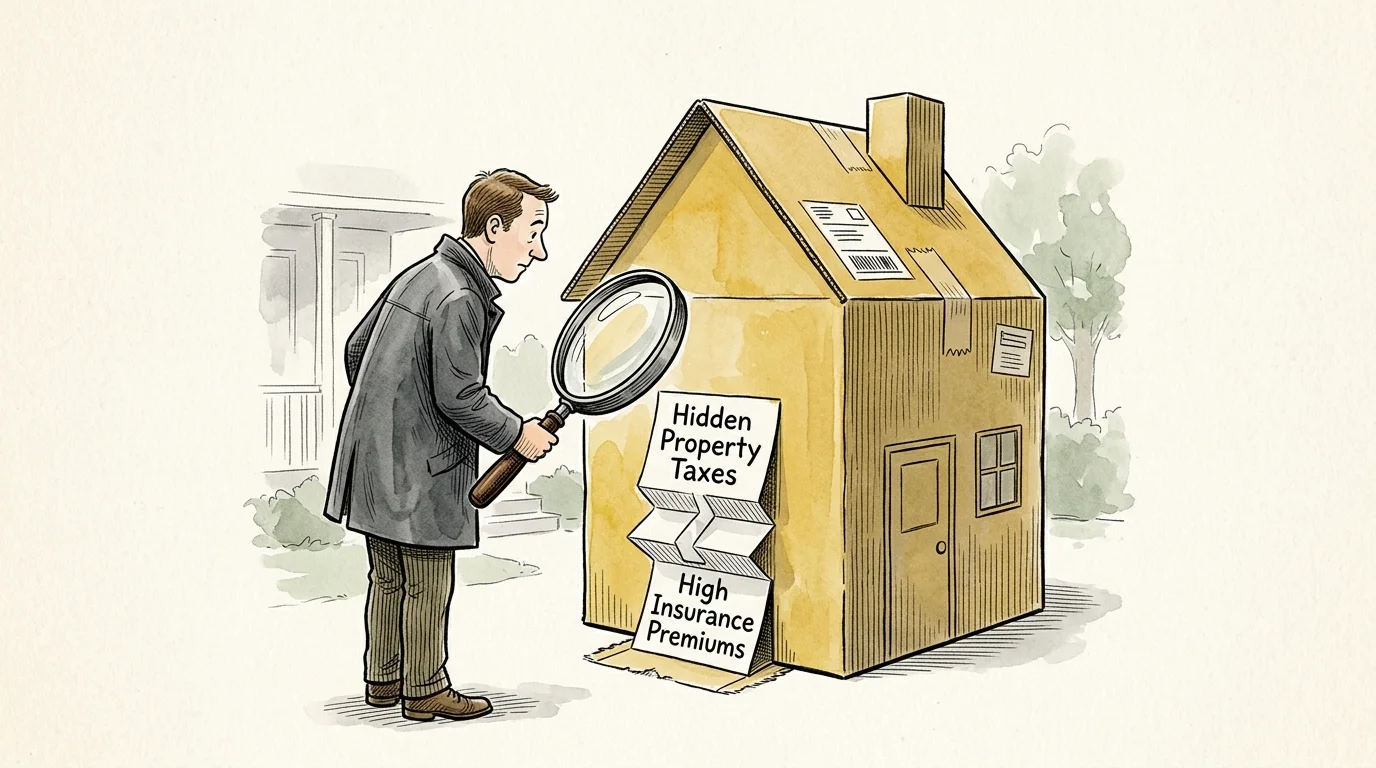
- Forgetting to calculate the “Sneaky” taxes: It is easy to celebrate moving to a state with no income tax, but municipalities still need revenue. You must diligently research local sales taxes, vehicle registration fees, and property tax reassessment rules. A cheaper home does not always equal a lower monthly carrying cost.
When Professional Advice Is Worth It
DIY retirement planning works well when you stay in your hometown, but crossing state lines introduces a maze of legal and financial complexities. Working with professionals ensures your transition protects your wealth rather than draining it.
First, consult a fiduciary financial advisor or a CPA before finalizing your move. Establishing “domicile” in a new state requires more than just changing your mailing address; tax authorities in your former state may aggressively audit you if you maintain property there, trying to prove you owe them income tax. An advisor will guide you on the exact steps—such as changing your voter registration, driver’s license, and primary bank branches—to cleanly sever tax ties.
Second, an estate planning attorney is non-negotiable when you move. Wills, trusts, advance directives, and medical powers of attorney are entirely governed by state law. A legally binding medical directive in New York might not be recognized by a hospital in Florida. You must update these documents immediately upon relocation to protect your family and your assets.
Finally, if you need localized support networks, housing assistance, or objective counseling regarding your Medicare options in a new city, leverage the Eldercare Locator, a public service of the U.S. Administration on Aging. They can connect you directly with the State Health Insurance Assistance Program (SHIP) in your new state for unbiased, free Medicare enrollment guidance.
Frequently Asked Questions About Retiring in America
Does moving to a new state affect my Social Security check?
No, the federal government issues your Social Security benefits, and the gross amount does not change regardless of which state you live in. However, the net amount you keep may change, as states have varying rules on whether they tax Social Security benefits at the state level.
What is the most affordable state to retire in?
Affordability is subjective based on your primary expenses, but states like Alabama, West Virginia, and Mississippi consistently rank lowest for general cost of living and property taxes. However, when factoring in healthcare quality and amenities alongside affordability, Pennsylvania, Michigan, and parts of North Carolina frequently offer a better balance of value and lifestyle.
Can I keep my current doctors if I move to another state?
If you move out of state, maintaining care with your previous doctors is usually impractical. For routine care, you will need to establish new local providers. If you are on Original Medicare and travel back to your old state for a specific specialist visit, Medicare will cover it. If you are on a Medicare Advantage HMO plan, out-of-state non-emergency care is generally not covered.
How do I test a city before fully retiring there?
The most effective strategy is a “snowbird” trial or a short-term rental during the destination’s worst weather season. If you are considering Arizona, visit in August. If you are looking at Michigan, rent an Airbnb in February. Enduring a location’s least pleasant season gives you a realistic view of year-round life.
Relocating for retirement is one of the most profound transitions you will ever make. It is not just about changing your address; it is about deliberately designing the environment where you will spend the next two or three decades of your life. Take your time, run the numbers with a critical eye, and prioritize locations that support both your financial longevity and your physical well-being. Start by picking your top two cities from this list, booking a two-week scouting trip, and walking through the local grocery stores and parks to see if it truly feels like home.
This article is for informational purposes only and does not constitute financial, legal, or medical advice. Medicare rules, Social Security benefits, and tax laws change regularly—verify current details at Medicare.gov, SSA.gov, or with a licensed professional.
Last updated: July 2026. Medicare and Social Security rules change annually—always verify current details at official government sources.