Opening a letter from the Social Security Administration expecting financial relief after losing a spouse, only to see “claim denied,” feels like a devastating punch to the gut. That rejection notice does not have to be the final word on your family’s financial security. Thousands of surviving spouses and dependents reverse initial rejections each year by filing a timely appeal and correcting administrative errors. Knowing why the SSA rejected your claim—and following the four-step appeal process—gives you the power to claim every dollar your late spouse earned. Act quickly, because the clock is already ticking on your legal deadline to challenge the decision.
Understanding Why Your Survivor Benefits Claim Was Rejected
When the Social Security Administration (SSA) denies a claim, they send a written notice detailing their decision. Understanding the exact reason your survivor benefits were denied determines the evidence you need to gather for a successful appeal.
The financial stakes involved make an appeal worth your time. The average monthly payment across all survivor beneficiaries stands at $1,631.39, while nondisabled surviving spouses average $1,930.79 per month. Factoring in recent adjustments, like the 2.8% cost-of-living adjustment (COLA), winning an appeal restores crucial monthly income that compounds over your lifetime.
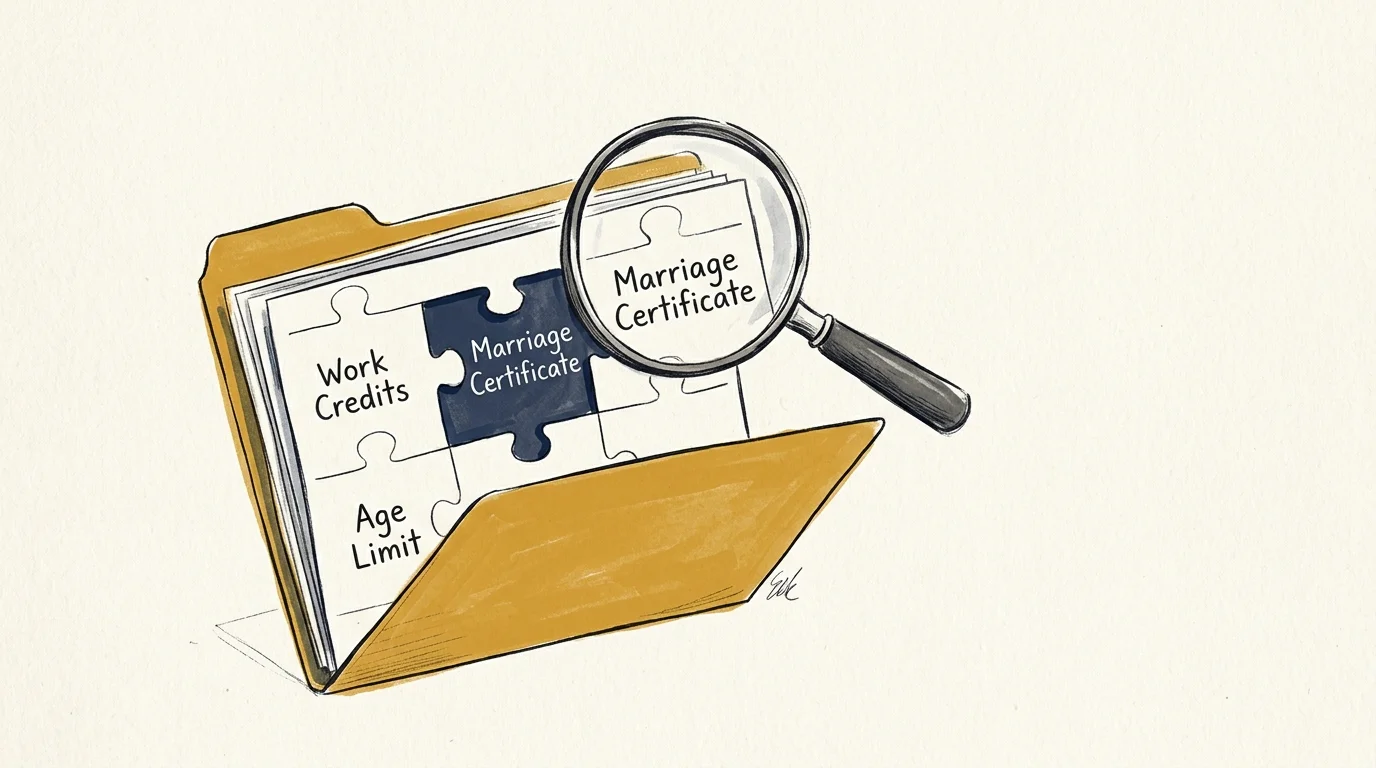
The SSA most commonly rejects survivor benefit claims due to five specific issues:
- Insufficient Work Credits: Deceased workers generally need 40 credits (10 years of work) to qualify their family for full survivor benefits. However, special rules allow benefits for younger workers with fewer credits if they worked consistently before death.
- Missing or Incomplete Documentation: Rejections often stem from simple clerical gaps—such as providing uncertified copies of marriage certificates, missing divorce decrees from prior marriages, or lacking official proof of death.
- Age and Timing Restrictions: Full survivor benefits require you to reach your Full Retirement Age (FRA). Claiming at the earliest eligible age of 60 reduces your monthly payout to 71.5% of the deceased worker’s primary insurance amount. Claiming before age 60 (unless disabled) triggers an automatic denial.
- Remarriage Before Age 60: Remarrying before age 60 (or age 50 if disabled) generally disqualifies you from collecting survivor benefits on your late spouse’s work record.
- Earnings Test Limits: If you collect survivor benefits before reaching your Full Retirement Age while continuing to work, earnings above annual statutory limits can temporarily suspend or reduce your payments.
The 60-Day Appeal Window: Deadlines and Legal Timelines
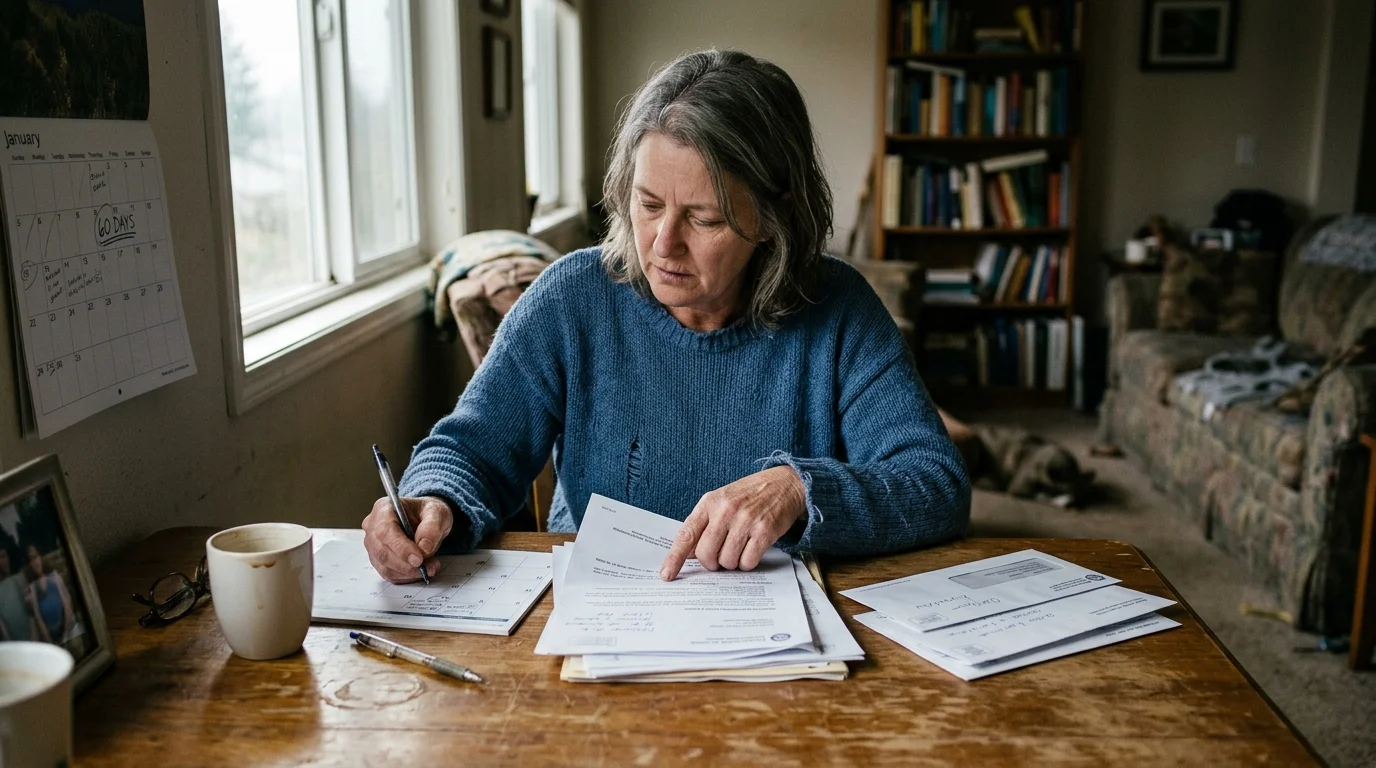
Time is your most critical asset when appealing a Social Security denial. Federal regulations establish a strict 60-day deadline to file an appeal after receiving your denial notice. Missing this window usually means losing your right to challenge the decision, forcing you to submit a fresh application and forfeiting past-due retroactivity payments.
The SSA applies the “5-day mail presumption rule” to determine your exact deadline. The agency presumes you received your denial letter five calendar days after the date printed at the top of the notice. This rule gives you an effective 65 calendar days from the notice date to submit your appeal paperwork.
| Timeline Component | Standard Rules | Critical Details |
|---|---|---|
| Standard Appeal Deadline | 60 Days | Starts from the date you receive your written denial notice. |
| Mail Delivery Buffer | 5 Calendar Days | The SSA presumes delivery 5 days after the notice date. Total window: 65 days. |
| Good Cause Extension | Case-by-Case | Requires filing Form SSA-795 to justify late submissions due to illness or disaster. |
If unavoidable circumstances prevent you from filing within 65 days, you must request an extension by establishing “Good Cause.” Situations like severe illness, sudden hospitalization, death in your immediate family, or natural disasters qualify. You must document these circumstances clearly on Form SSA-795 (Statement of Claimant or Other Person) when submitting your late appeal.
Navigating the 4-Level Social Security Survivor Benefits Appeal Process
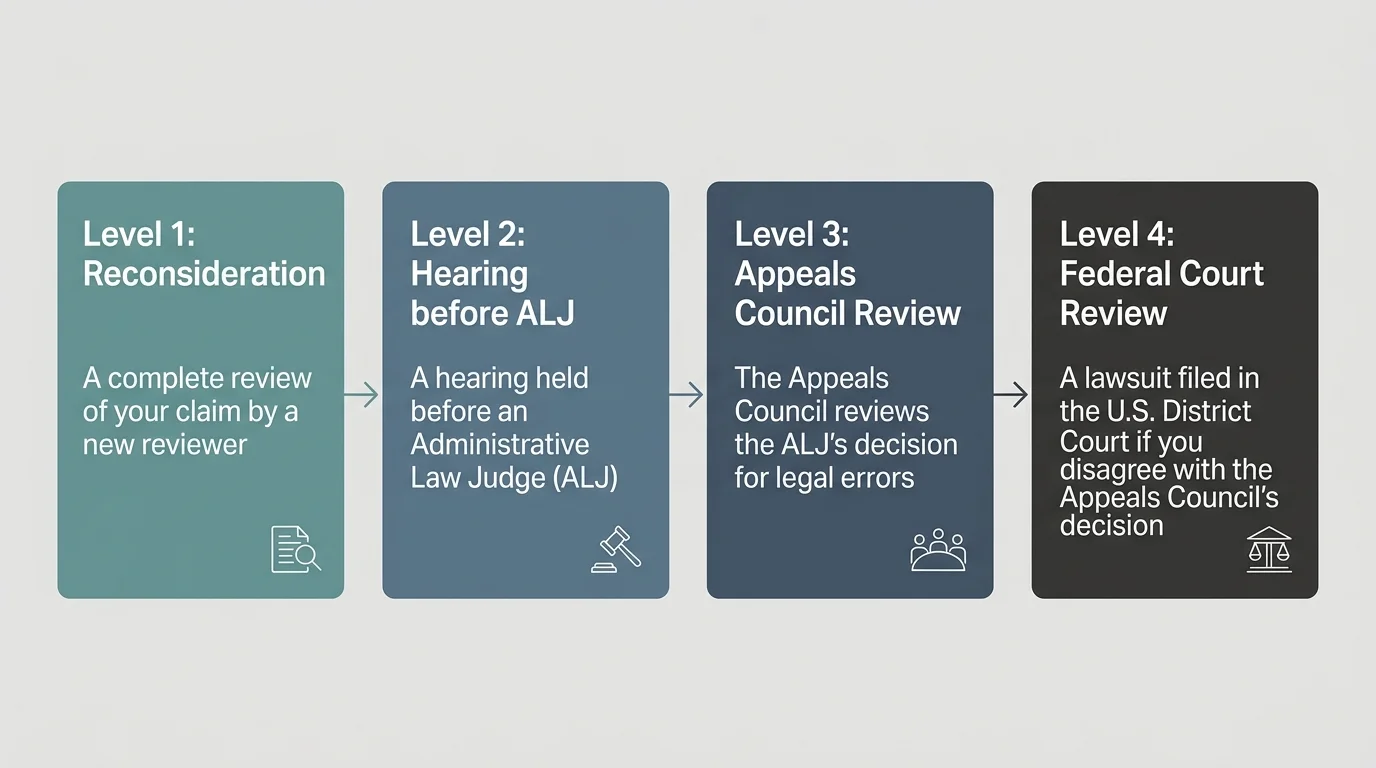
If your social security benefits were rejected, the agency provides a structured, four-tier administrative review process. Each stage represents a distinct opportunity to present facts and correct administrative oversights.
1. Reconsideration
Reconsideration involves a complete review of your initial claim by an SSA reviewer who took no part in the original denial. You submit Form SSA-561 (Request for Reconsideration) along with any new documentation that clarifies your marital status, age, or earnings. Most paper-based or clerical errors resolve at this level.
2. Administrative Law Judge (ALJ) Hearing
If the SSA denies your request for reconsideration, you can request a formal hearing before an Administrative Law Judge within 60 days. This stage offers your highest probability of success. You can present oral testimony, bring expert witnesses, introduce updated financial or personal records, and clarify complex legal scenarios either in person, via video conference, or over the phone.
3. Appeals Council Review
If the ALJ renders an unfavorable ruling, you can request a review by the Social Security Appeals Council. The Council checks whether the judge made a legal or procedural error. They can approve your benefits directly, deny your request, or remand (return) the case to an ALJ for a fresh hearing.
4. Federal District Court Review
When you exhaust all administrative remedies within the SSA without success, your final option is filing a civil lawsuit in a U.S. District Court. This step requires legal representation experienced in federal administrative litigation.
Step-by-Step Action Plan to Overturn Your Denial
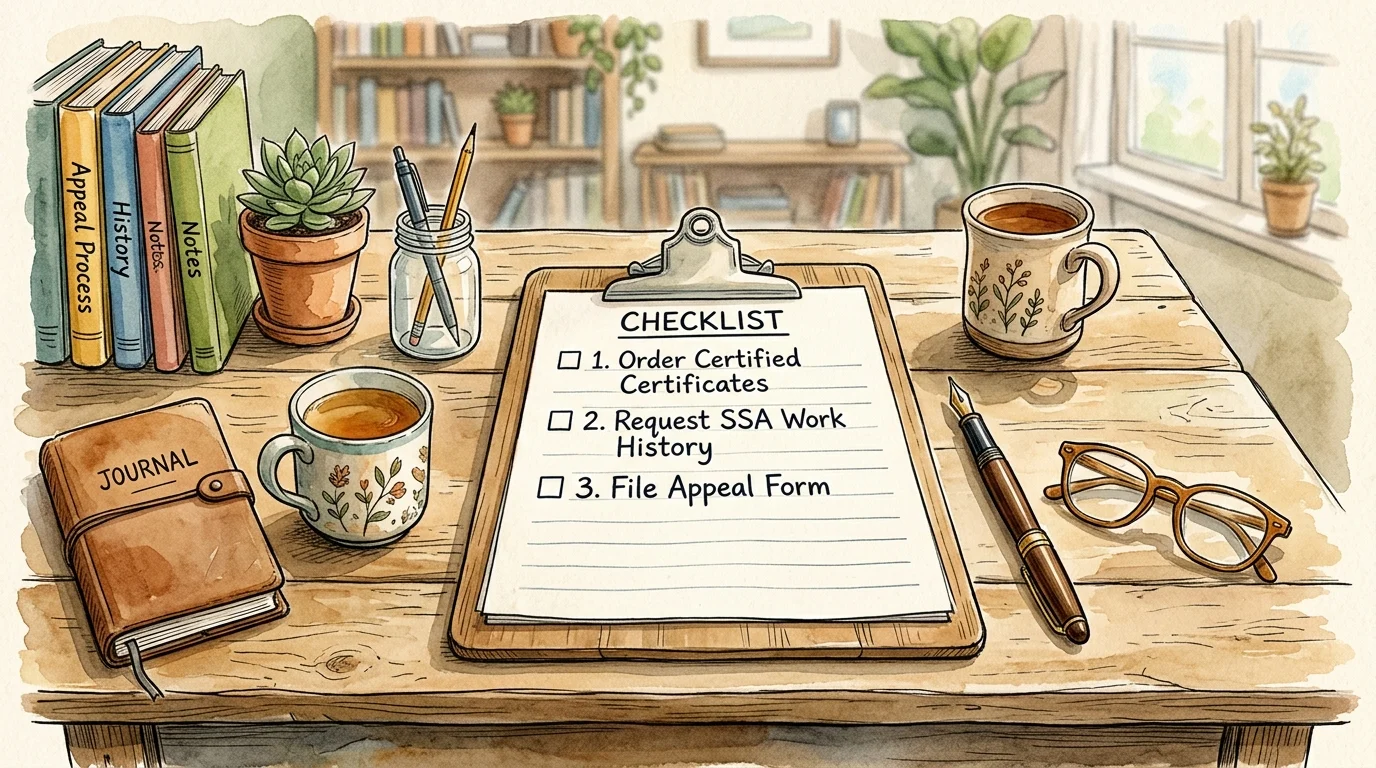
Follow these actionable steps to launch your appeal efficiently and keep your claim moving forward:
- Read the Denial Notice Thoroughly: Identify the specific reason for denial listed on the notice. Pinpoint whether the issue stems from missing documentation, disputed work history, or legal status issues.
- Gather Essential Documents: Secure certified government copies of missing records. This includes your marriage certificate, late spouse’s official death certificate, W-2 forms or tax returns, and prior divorce decrees if you were previously married.
- File Form SSA-561 Online or in Person: Begin your survivor benefits appeal process by submitting your appeal electronically at the official Social Security Administration portal, or deliver hard copies directly to your local field office via certified mail with signature tracking.
- Apply for the One-Time Lump-Sum Death Benefit: Ensure you do not leave money on the table. Qualifying surviving spouses can receive a separate, fixed $255 death payment. You must formally apply for this payment within two years of the worker’s death.
“The goal of retirement is to live off your assets—not live off your regrets.”
Errors That Cost Retirees Thousands
Navigating Social Security rules under emotional stress often leads to preventable errors. Avoid these costly mistakes during your appeal:
Starting a Brand New Application Instead of Appealing: When people see a rejection, many simply submit a new claim from scratch. Starting over forfeits your original filing date, which permanently wipes out thousands of dollars in retroactive back pay that accrued while you waited.
Remarrying Before Age 60: Remarrying before age 60 terminates your rights to survivor benefits on your deceased spouse’s record. However, if you remarry at age 60 or older (or age 50 if disabled), your eligibility for survivor benefits on your late spouse’s record remains intact.
Failing to Utilize the “Switching Strategy”: Surviving spouses possess a unique planning advantage: you can claim survivor benefits first while letting your own personal retirement benefit grow until age 70, or vice versa. Claiming both simultaneously waives your right to maximize payouts over time.
Ignoring Former Spouse Rights: If you were married to the deceased worker for at least 10 years before divorcing, you qualify for surviving divorced spouse benefits. Claiming this does not reduce the benefits payable to the deceased worker’s current surviving spouse or children.

When to Get Expert Help
While you can navigate initial reconsideration steps independently, complex disputes benefit greatly from professional intervention. Consider hiring a non-attorney representative or a Social Security attorney if your claim advances to an ALJ Hearing or involves intricate legal questions around divorce, adoption, or estate ownership.
Federal law regulates Social Security representatives to keep professional support affordable. Representatives typically work on a contingency fee basis, meaning they only receive payment if you win your appeal. Fees cap at 25% of your past-due back pay or a statutory limit set by federal law, whichever is less.
For community guidance and free assistance, connect with local resources using the federal Eldercare Locator or explore educational toolkits published by AARP to better understand your rights during an administrative dispute.
Frequently Asked Questions About Denied Survivor Benefits
Can I submit my survivor benefit appeal online?
Yes. You can initiate your request for reconsideration and upload supporting verification documents directly through the official SSA online portal. Electronic filings generate an immediate digital receipt that protects your appeal deadline.
What happens to my back pay if my survivor benefits appeal succeeds?
When you win your appeal, the SSA pays a lump sum covering all back pay owed to you from your original entitlement date through the approval date. Maintaining your appeal rather than submitting a new claim protects this full back-pay retroactivity.
Will my survivor benefit decrease if I continue to work?
If you collect survivor benefits before reaching your Full Retirement Age and earn more than the annual limit ($23,400 in recent tax years), the SSA deducts $1 from your benefit payments for every $2 earned above the limit. Once you reach your Full Retirement Age, the earnings penalty disappears completely, and the SSA recalculates your monthly payment to restore withheld funds.
Can an ex-spouse claim survivor benefits if the worker remarried?
Yes. As long as your marriage lasted at least 10 years and you meet age requirements, you can claim surviving divorced spouse benefits. Your claim operates independently and has no impact on the benefits paid to the late worker’s current surviving spouse.
Take charge of your financial security today by retrieving your initial denial notice, identifying missing documents, and submitting your appeal before your 65-day deadline expires. Act immediately to secure every benefit your late spouse worked hard to earn.
Retirement rules and benefit amounts vary based on individual work history, income, and circumstances. This article provides general guidance only. Consult a SHIP counselor, financial advisor, or elder law attorney for advice specific to your situation.
Last updated: February 2026. Medicare and Social Security rules change annually—always verify current details at official government sources.