You do not need millions in savings to enjoy peaceful water views and morning boat rides. A monthly retirement budget of $3,500 gives you real purchasing power in several scenic American communities.
The national average retired household spends $5,119 each month, but choosing the right location slashes those expenses. You can trade financial stress for lakeside living without exhausting your nest egg.
These eight affordable lake towns offer quality healthcare, active recreation, and housing costs that fit your fixed income. Here is where your dollars stretch furthest near the water.
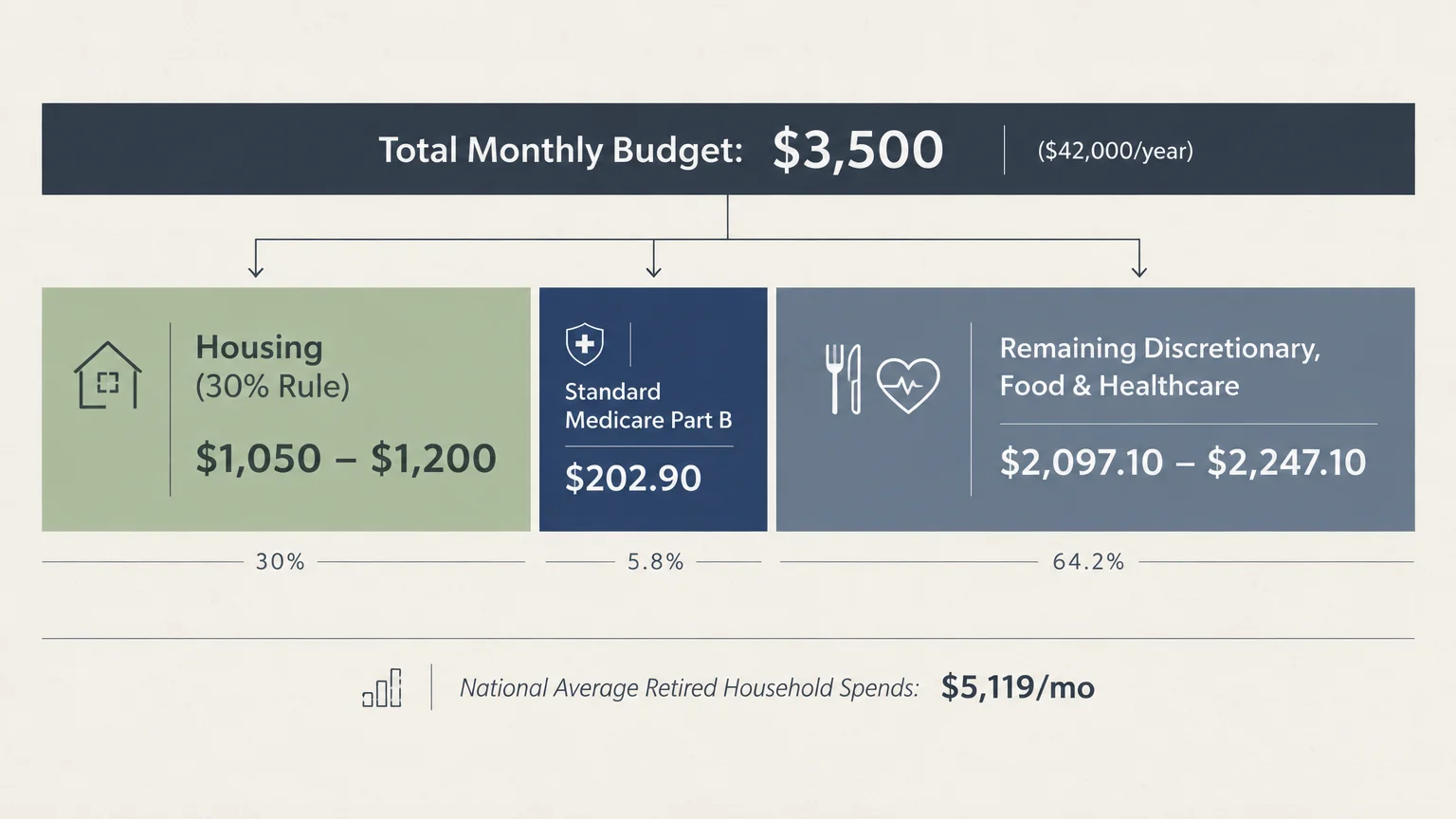
Stretching a $3,500 Monthly Budget Near the Water
A retirement budget of $3,500 per month equals $42,000 per year. That provides plenty of breathing room if you keep your housing costs under control.
According to the Bureau of Labor Statistics, average older households spend $22,193 annually on housing alone. That equals roughly $1,850 every single month.
Financial planners recommend following the 30% housing rule to protect your cash flow. On a $3,500 budget, your combined housing costs should stay between $1,050 and $1,200 monthly.
The average monthly Social Security benefit sits at $2,088.79 as of late 2026. A married couple with two benefits often earns over $4,000 combined, leaving room to spare.
When you reduce your shelter costs, you protect funds for healthcare and personal enjoyment. Standard Medicare Part B premiums cost $202.90 per month in 2026, making low overhead essential.
“The goal of retirement is to live off your assets—not live off your regrets.”
Living near freshwater does not require waterfront luxury prices. Living two miles inland from the shoreline gives you daily lake access while saving hundreds on monthly housing.

1. Mountain Home, Arkansas (Bull Shoals Lake and Norfork Lake)
Mountain Home sits tucked between two massive reservoirs in the Ozark Mountains: Bull Shoals Lake and Norfork Lake. Together, these waters provide more than 1,000 miles of freshwater shoreline.
Housing here remains exceptionally affordable compared to national figures. The average home value sits at $239,338, while the median closed sale price is just $215,000.
If you prefer to rent, your budget stretches even further. Average apartment rent is $718 per month, which sits 57% below the national baseline.
Overall median rent across single-family homes and duplexes runs around $1,100 per month. This allows you to comfortably meet the 30% housing threshold on a $3,500 income.
Arkansas also provides a favorable tax environment for older residents. The state completely exempts Social Security benefits from state income tax.
The state also grants an annual deduction of up to $6,000 for qualified retirement accounts and traditional pensions. You can review your federal filing rules through the Consumer Financial Protection Bureau retirement resources.
Healthcare access centers around Baxter Regional Medical Center, a well-regarded community hospital in town. You can fish world-class trout waters in the morning and reach your doctor within ten minutes.
2. Sebring, Florida (Lake Jackson)
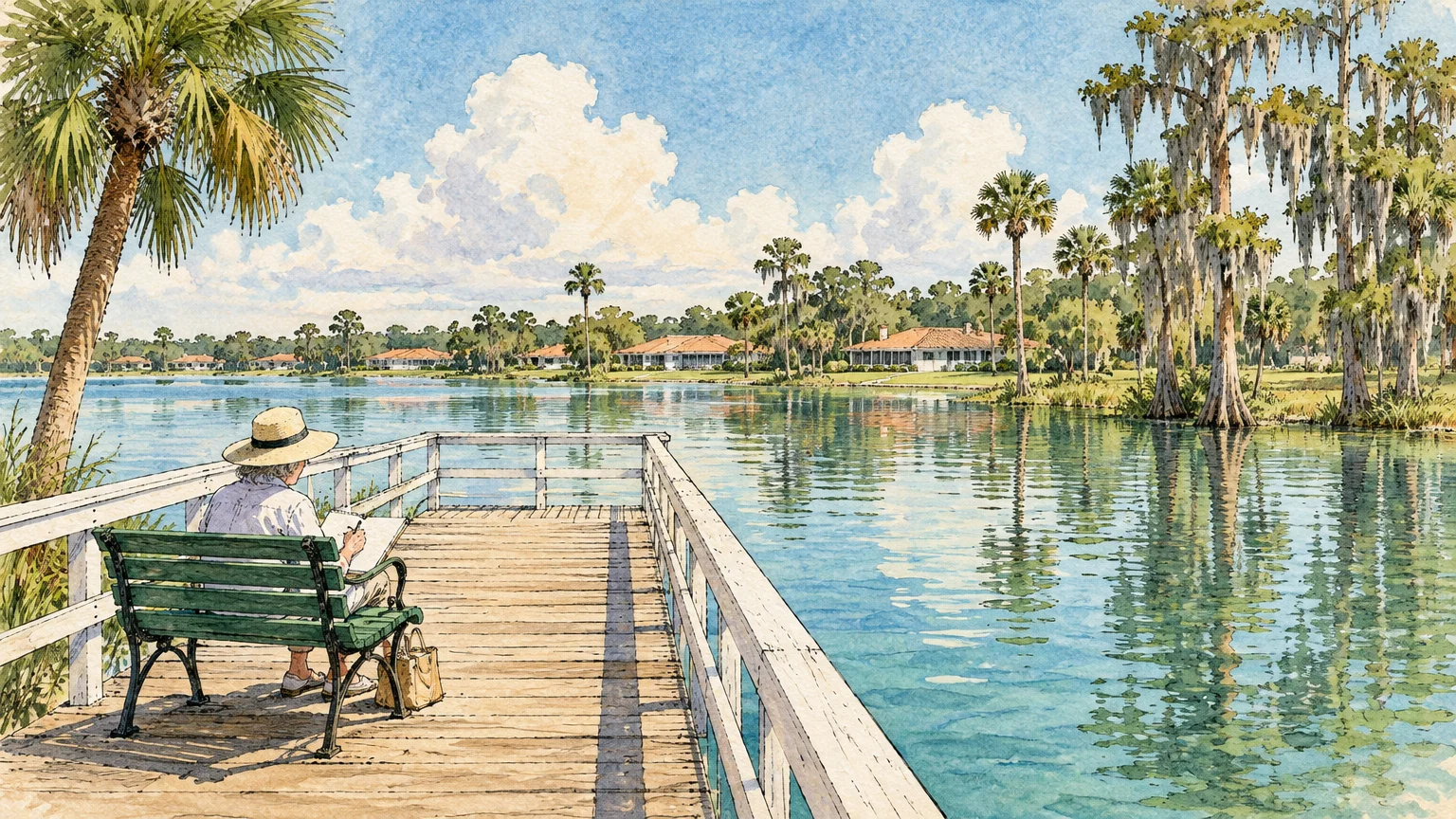
Sebring offers warm Florida weather and tranquil waterfront scenery without coastal price tags. The city wraps around Lake Jackson, a pristine 3,200-acre freshwater lake featuring public beaches and fishing piers.
The median home value in Sebring is $236,617, with recent median sold prices settling near $229,250. These price points make homeownership practical on modest fixed savings.
Renters also find strong options throughout Highlands County. Typical apartment rents range from $858 to $1,062 per month.
Larger detached rental homes lift the overall citywide median asking rent to $1,600 monthly. Choosing a modest condo keeps you well beneath your monthly limit.
Florida charges zero state income tax on all retirement revenue. Your distributions from 401(k) plans, traditional IRAs, private pensions, and Social Security remain completely untaxed at the state level.
Sebring provides specialized geriatric healthcare through AdventHealth Sebring. Mild winter temperatures allow you to kayak, walk lake trails, and golf throughout all twelve months.
3. Branson, Missouri (Table Rock Lake and Lake Taneycomo)
Branson is widely known for live entertainment, but it also functions as an incredible lakeside retirement haven. The community provides immediate access to two contrasting bodies of water.
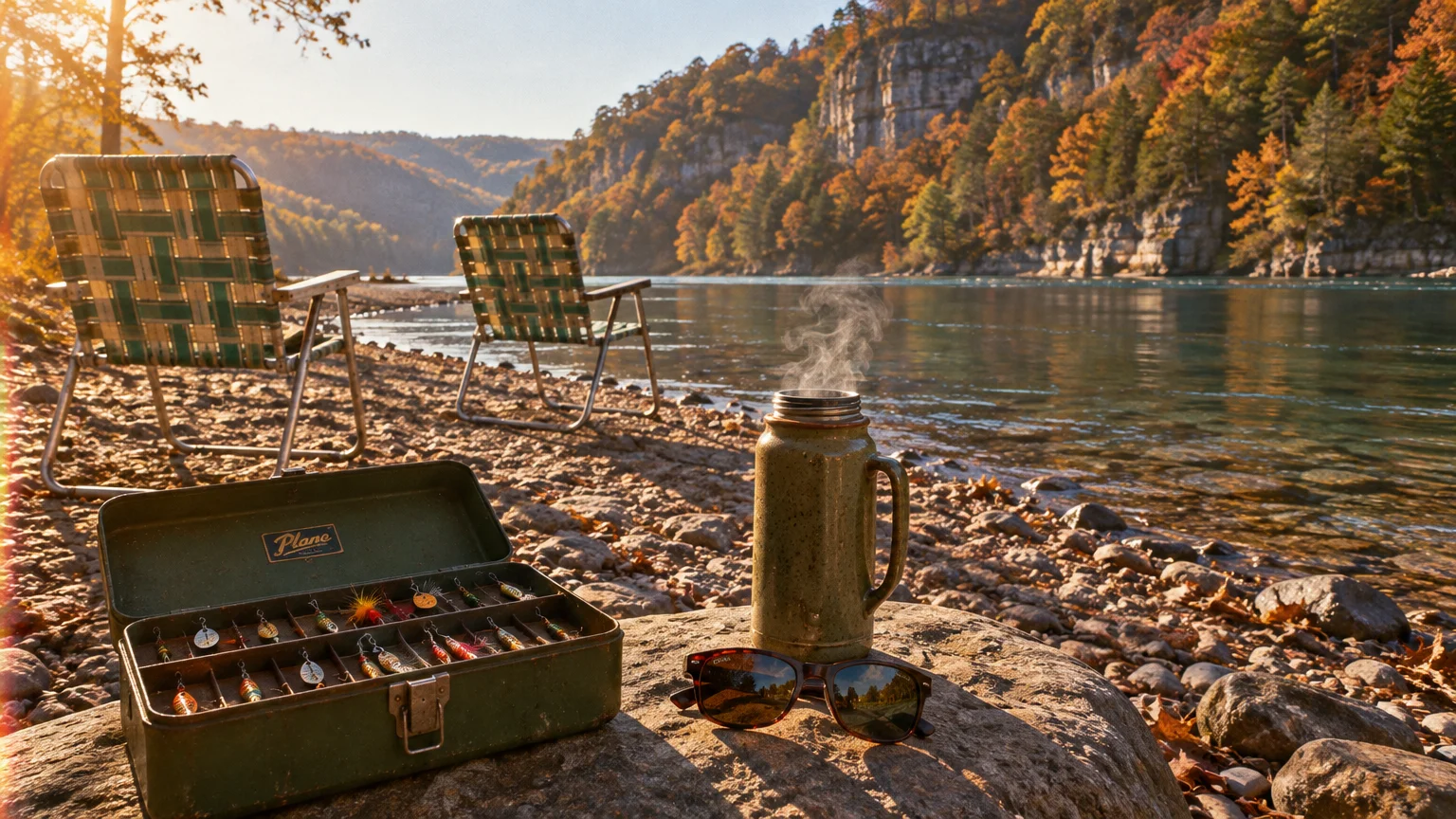
Table Rock Lake features warm, clear water perfect for boating and swimming. Lake Taneycomo runs colder, creating one of North America’s premier rainbow and brown trout fisheries.
Real estate here represents outstanding value for water enthusiasts. The average home value is $245,493, while median sold transactions hover around $250,000.
Apartment rents average $922 per month across the city. Median rent across all home styles sits between $1,200 and $1,300 per month.
Missouri completely exempts Social Security benefits from state income taxes for seniors. That exemption protects your purchasing power as living costs change over time.
CoxHealth operates a full medical campus right in Branson. You can spend your mornings casting for trout and your evenings enjoying dining and theatrical performances.
4. Sandusky, Ohio (Lake Erie)
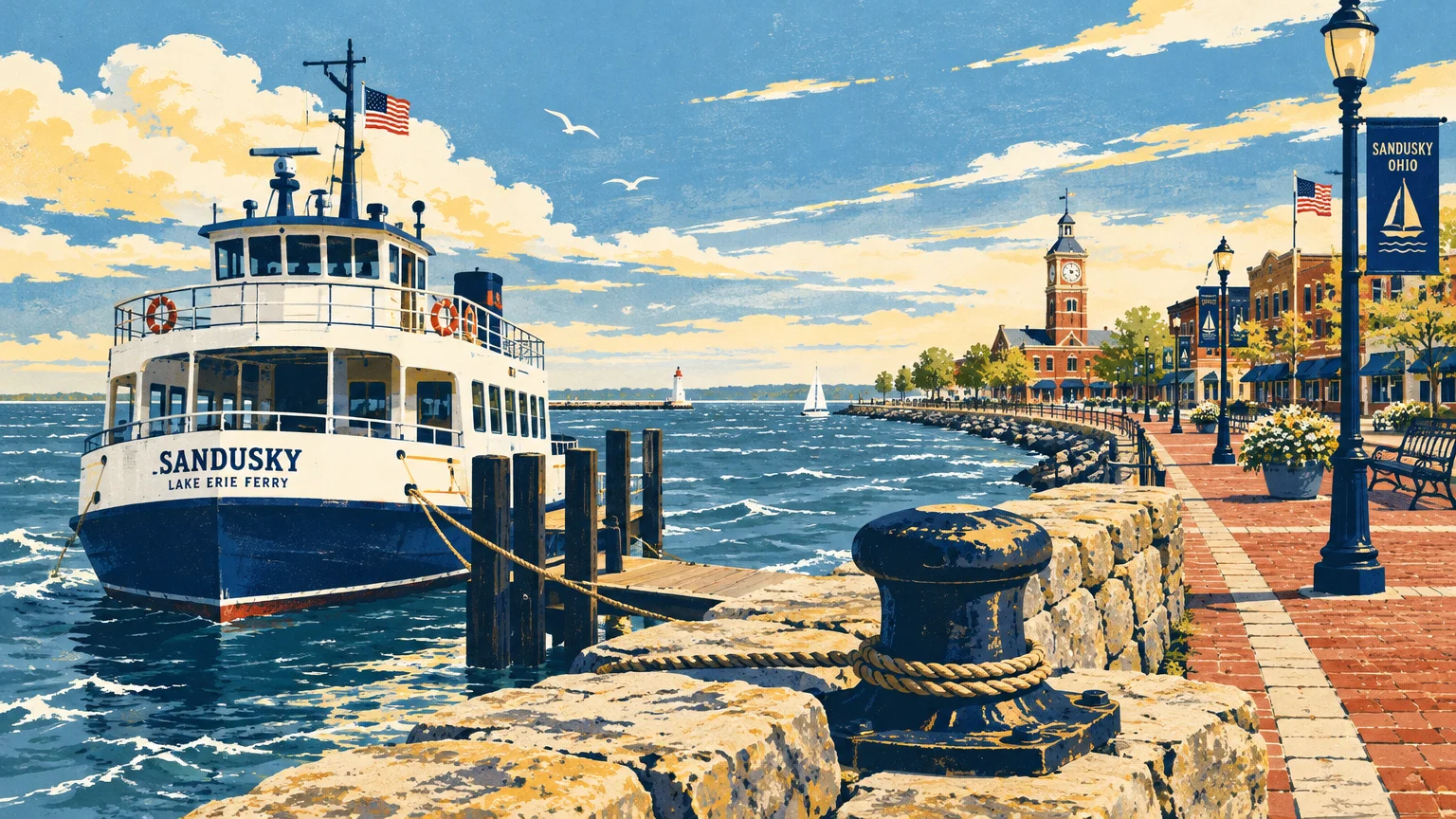
If you love large-scale waters, Sandusky puts you on the southern shore of Lake Erie. This historic port town offers maritime charm, ferry access to nearby islands, and refreshing summer breezes.
Sandusky features some of the most budget-friendly waterfront housing in the Midwest. The average home value is just $153,976.
Average local rent sits right at $1,200 per month. This allows you to rent a comfortable property while keeping utility and living expenses below $3,500.
Ohio treats older taxpayers fairly by leaving Social Security benefits untaxed. The state also offers targeted retirement income tax credits to help offset other investment withdrawals.
Firelands Regional Health System serves as the regional medical hub, delivering comprehensive outpatient and emergency services. Summer sailing, public boat launches, and revitalized harbor districts make this location genuinely engaging.
Winter brings cold weather, but heating costs remain manageable thanks to lower real estate prices. You can winterize your boat and enjoy the quiet offseason community.

5. Guntersville, Alabama (Lake Guntersville)
Guntersville occupies a narrow peninsula surrounded entirely by the 69,000-acre Lake Guntersville. This destination is internationally famous for bass fishing and bald eagle conservation.
The city’s average overall home value stands at $302,659. While waterfront mansions raise median prices to $357,000, non-waterfront homes close comfortably between $220,000 and $300,000.
Renters find exceptional savings in the local rental market. The average apartment rent in Guntersville is $803 per month, which sits 52% below the national median.
Alabama is exceptionally friendly toward retiree finances. The state does not tax Social Security benefits or traditional defined-benefit pensions.
Alabama also levies the second-lowest property taxes in the entire country. That single policy saves homeowners hundreds of dollars each year compared to northern states.
Lake Guntersville State Park provides miles of hiking trails, an 18-hole golf course, and lake access. Nearby Huntsville delivers advanced specialty care and regional medical centers within a 45-minute drive.

6. Crossville, Tennessee (Lake Tansi and Fairfield Glade)
Crossville sits atop the Cumberland Plateau, offering cooler summer temperatures than surrounding lowlands. The region features numerous planned resort communities organized around tranquil recreation lakes.
Lake Tansi and Fairfield Glade contain multiple lakes supporting pontoon cruising, kayaking, and shoreline fishing. Residents enjoy a relaxed pace focused entirely on outdoor recreation.
The average home value in Crossville sits at $306,626, with a median closed sale price of $300,000. Overall living costs run 13.1% below the national average.
Rental rates accommodate tight monthly budgets with ease. One-bedroom apartments rent for $770 to $925 monthly, while single-family home rentals average around $1,600.
Tennessee levies no state personal income tax. You keep every dollar of your Social Security, retirement savings withdrawals, and pension checks.
Cumberland Medical Center provides emergency medical care, specialized surgical units, and physical therapy locally. The elevation prevents oppressive summer humidity, making afternoon lake walks comfortable.
“Don’t simply retire from something; have something to retire to.” — Harry Emerson Fosdick

7. Grove, Oklahoma (Grand Lake o’ the Cherokees)
Grove serves as the primary commercial hub along the shores of Grand Lake o’ the Cherokees. This massive reservoir winds through northeastern Oklahoma with over 1,300 miles of scenic shoreline.
Real estate remains reachable for budget-conscious buyers looking for quiet neighborhoods. The average home value is $304,684, while the average sale price sits near $289,000.
Apartment rents in Grove average between $522 and $685 per month. Single-family rental houses carry a median rate of roughly $900 to $922 monthly.
Oklahoma exempts all Social Security benefits from state income taxation. State lawmakers also eliminated the state grocery sales tax in late 2024, lowering food bills for older residents.
Integris Health Grove Hospital delivers 24-hour emergency care, surgical suites, and intensive care beds. The town maintains public boat launches, quiet parks, and an active senior community center.

8. Hot Springs Village, Arkansas (Lake Ouachita and Lake Hamilton)
Hot Springs Village is the largest gated community in the United States, spanning 26,000 forested acres. It features eleven private recreation lakes, multiple golf courses, and private beaches.
The average home value in Hot Springs Village is $306,048. Local housing costs run 20.5% below the national average, and grocery costs sit 7.9% below national marks.
One-bedroom rental apartments inside the village average just $552 monthly. Two-bedroom detached houses average $1,465 per month for those who want larger living spaces.
In the adjacent city of Hot Springs, one-bedroom apartments rent for $842 to $850 monthly. If you seek an even lower price, nearby Cherokee Village offers homes under $150,000.
The area provides convenient access to historic bathhouses, national park lands, and major medical centers. CHI St. Vincent and National Park Medical Center offer extensive cardiac and orthopedic services.
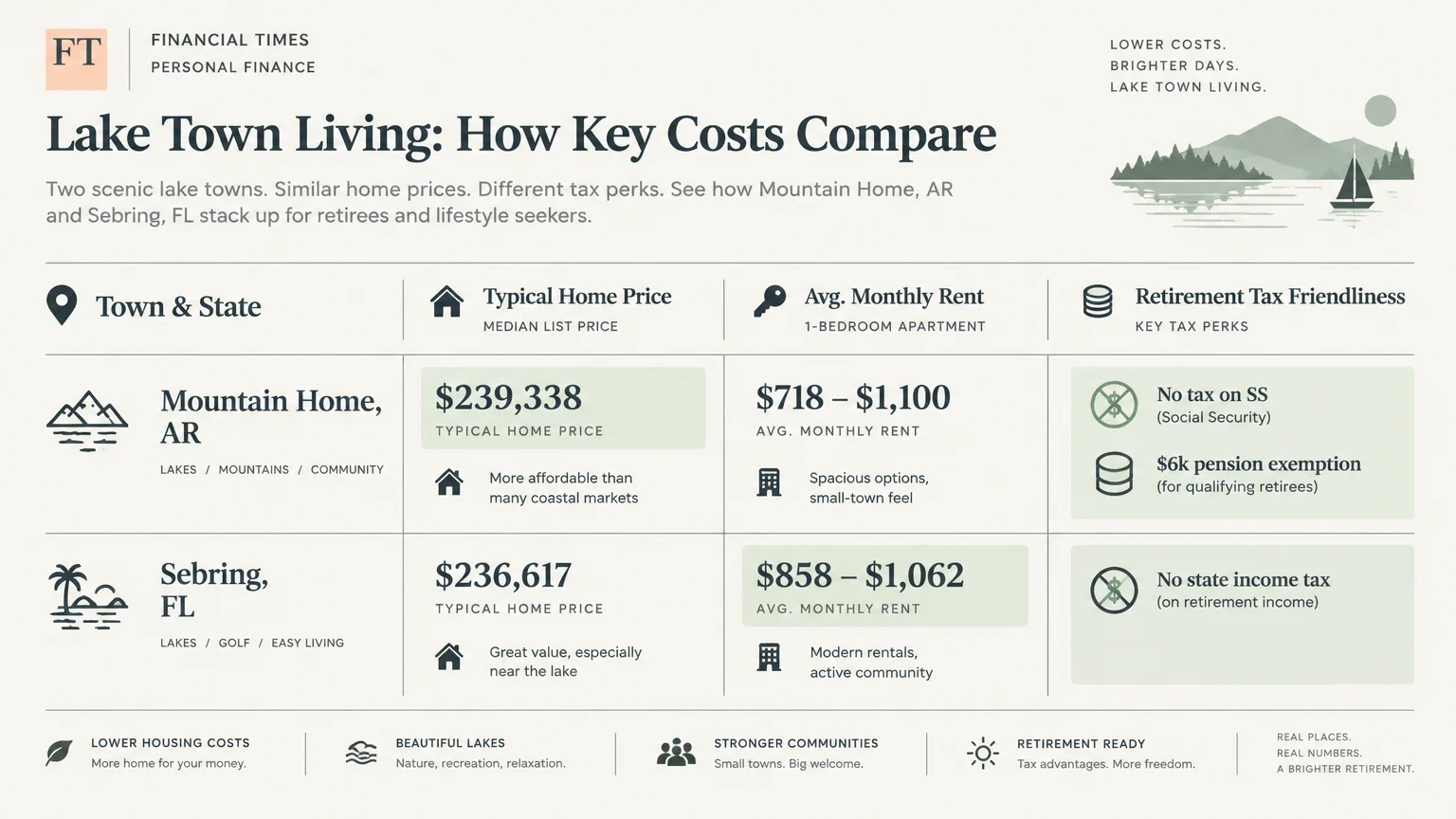
Comparing Affordable Lake Towns: Housing and Tax Snapshot
Evaluating potential retirement destinations requires weighing housing prices against tax policies. The table below outlines critical costs across all eight communities.
| Lake Town | Average Home Value | Average Apartment Rent | Social Security State Tax |
|---|---|---|---|
| Mountain Home, AR | $239,338 | $718 / month | Tax-Exempt |
| Sebring, FL | $236,617 | $858 – $1,062 / mo | No State Income Tax |
| Branson, MO | $245,493 | $922 / month | Tax-Exempt |
| Sandusky, OH | $153,976 | $1,200 / month | Tax-Exempt |
| Guntersville, AL | $302,659 | $803 / month | Tax-Exempt |
| Crossville, TN | $306,626 | $770 – $925 / mo | No State Income Tax |
| Grove, OK | $304,684 | $522 – $685 / mo | Tax-Exempt |
| Hot Springs Village, AR | $306,048 | $552 / month | Tax-Exempt |
Every location listed here eliminates state taxes on your Social Security income. That uniformity lets you concentrate on housing, transportation, and local healthcare options.
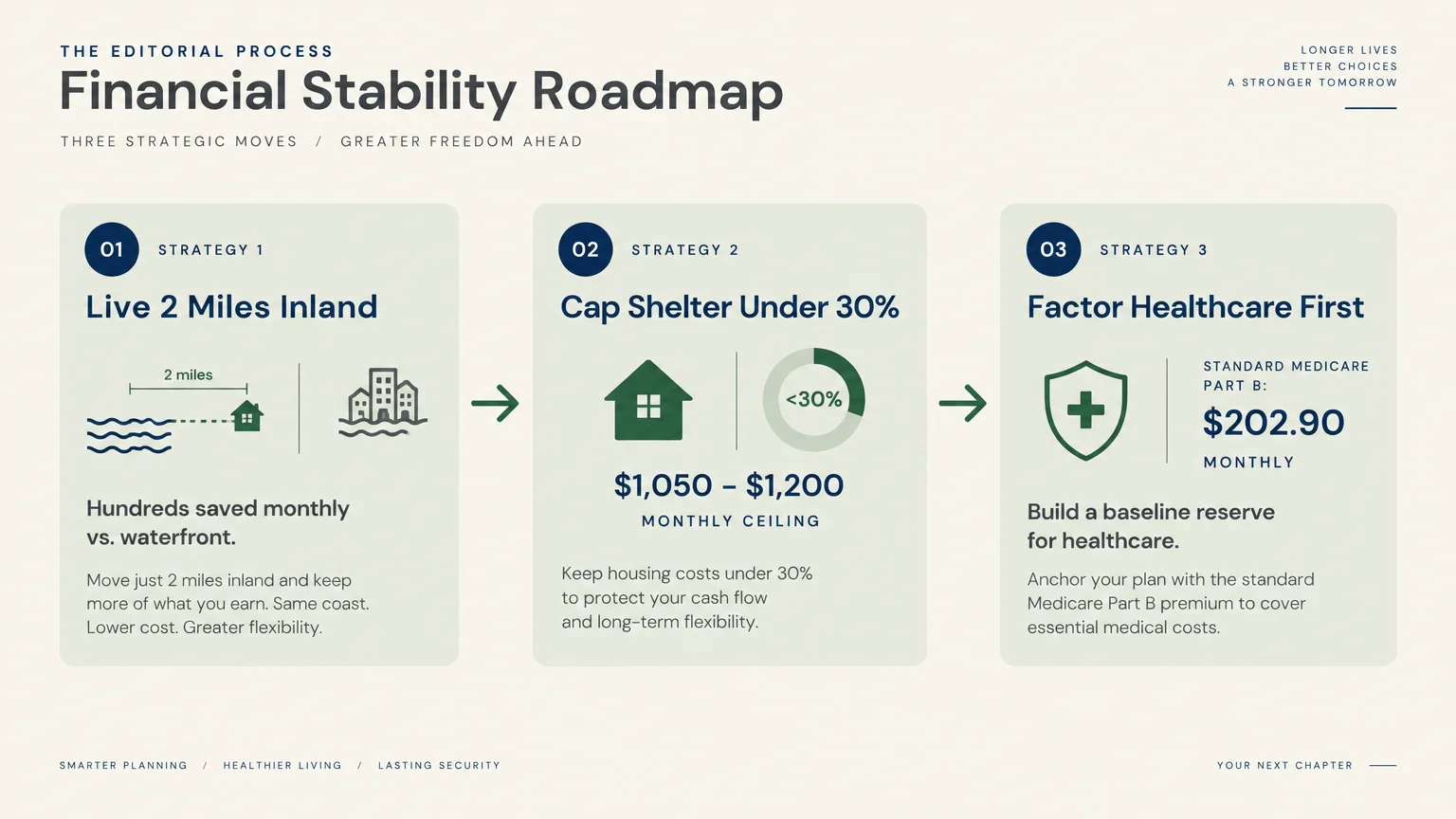
Practical Strategies to Retire on $3,500 a Month
Living comfortably on a $3,500 budget requires a balanced approach to your monthly expenditures. You must track major spending categories to prevent surprise budget drains.
- Select an interior lot: Buying a home two blocks from the lake reduces your property taxes and insurance bills substantially.
- Downsize square footage: Smaller homes lower your utility bills and require far less seasonal maintenance.
- Monitor boat ownership costs: Owning a vessel adds slip fees, insurance, and fuel; renting or trailering often saves thousands.
- Verify local healthcare networks: Ensure your doctors participate in your preferred Medicare coverage before completing your move.
Managing day-to-day spending leaves extra room for recreation and travel. A small, intentional budget provides real freedom when fixed costs stay modest.
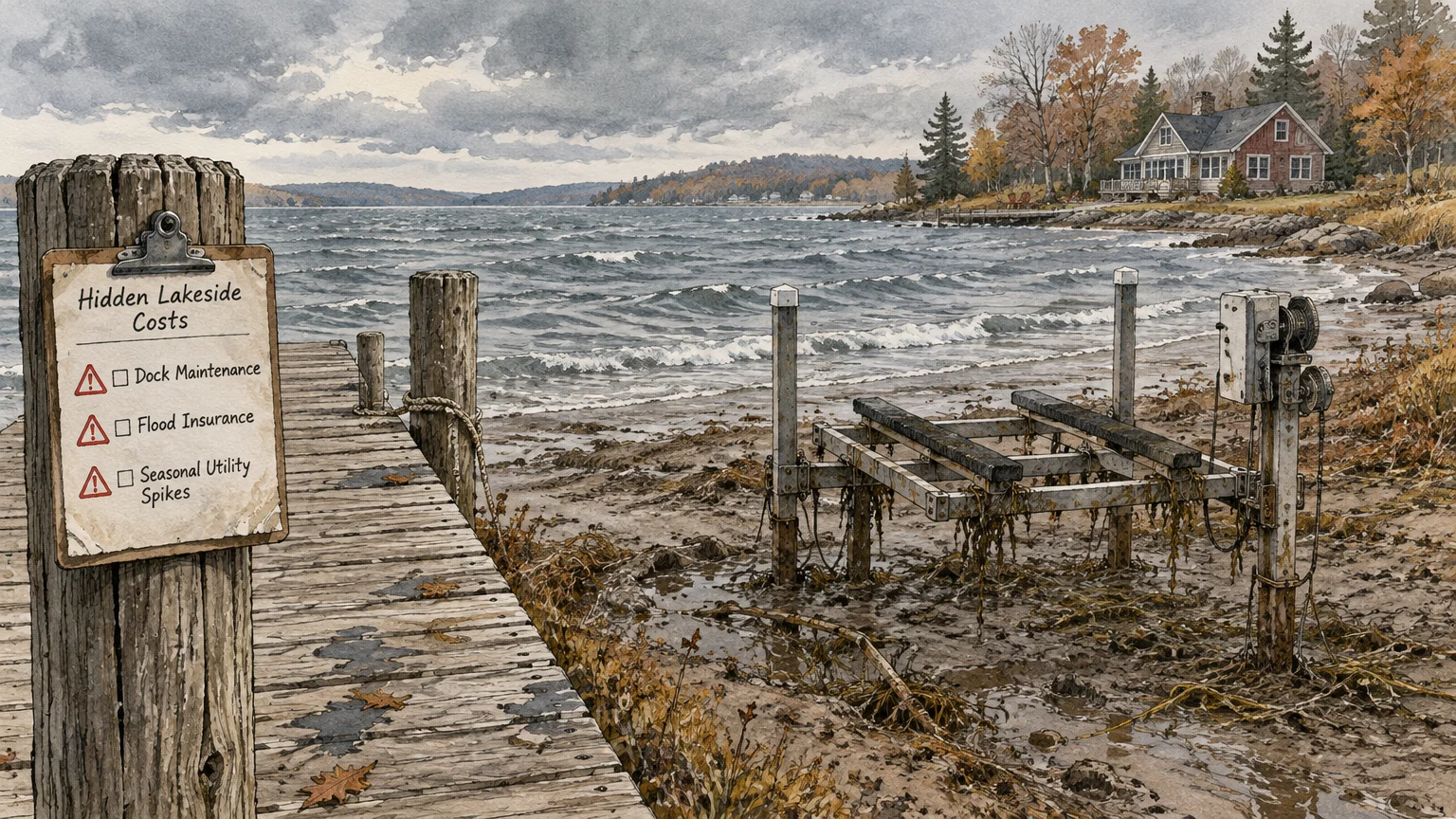
Don’t Make These Mistakes When Moving to a Lake Town
Many retirees relocate near water without factoring in seasonal cost spikes. High summer energy bills and heating costs can disrupt a delicate budget.
Failing to account for special insurance policies is another common error. Waterfront or shoreline zones often require separate flood insurance that adds hundreds each month.
You must also investigate local hospital capabilities before purchasing real estate. Rural lake towns may lack specialized cardiology, oncology, or advanced surgical facilities.
Driving long distances for basic medical treatments quickly strains your transportation budget. Confirm nearby clinic access before making any final commitment to a property.
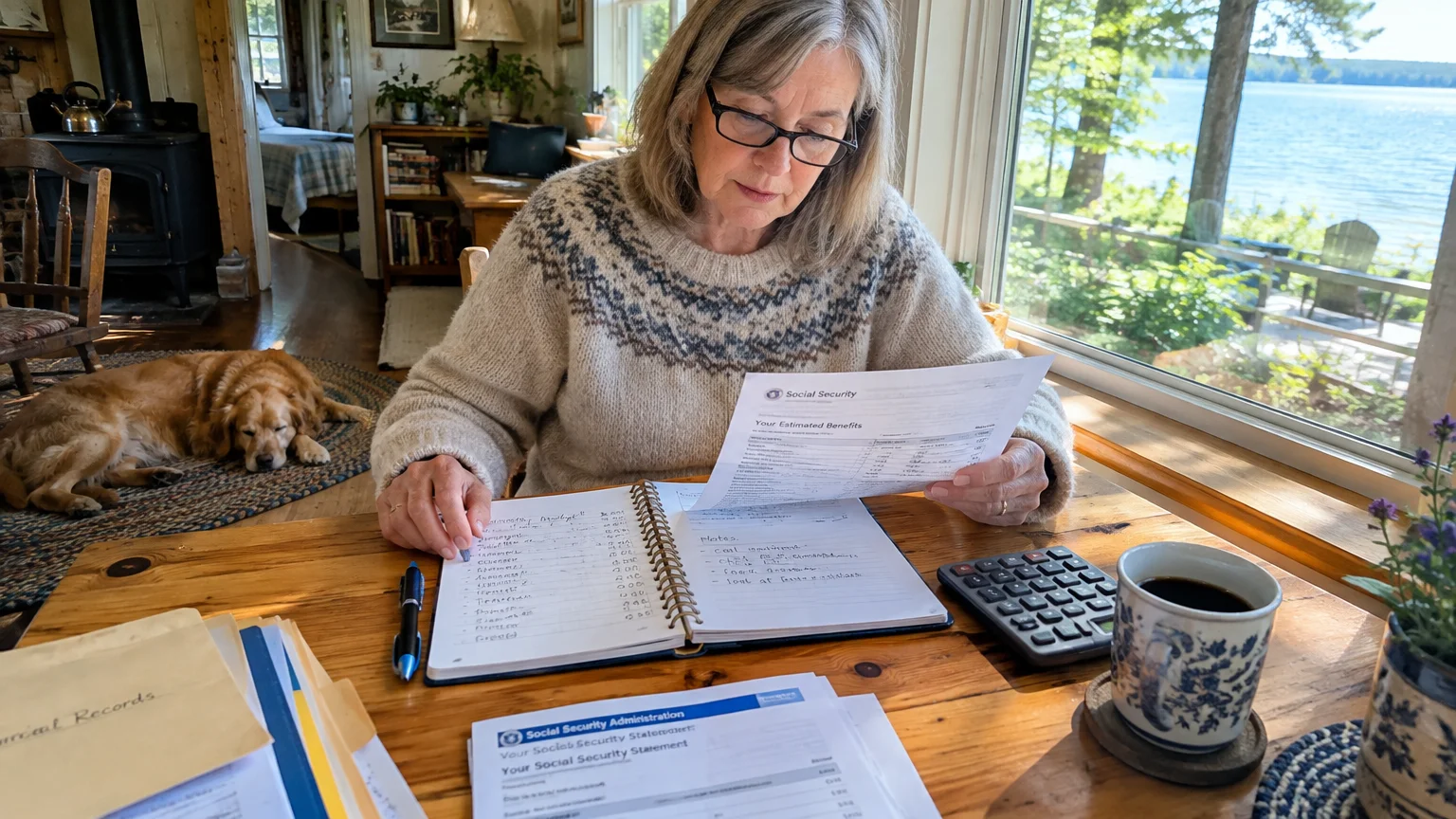
When Professional Advice Is Worth It
Relocating across state lines alters your tax picture, healthcare coverage, and estate plan. Consulting licensed specialists prevents expensive oversights during your transition.
Work with a State Health Insurance Assistance Program (SHIP) counselor to review local Medicare options. Plan availability and prescription drug networks vary significantly between counties.
A fee-only financial planner can help model your withdrawal rate against your $3,500 monthly spending plan. They evaluate tax timing across accounts to maximize your take-home pay.
You can verify your anticipated monthly income using official tools at the Social Security Administration website. Proper planning ensures your cash flow supports your preferred lifestyle indefinitely.
Frequently Asked Questions About Retiring Near Water
Can a single retiree live comfortably on $3,500 a month near a lake?
Yes, a single retiree can live comfortably on $3,500 monthly in these specific markets. Keeping your housing costs under $1,100 leaves over $2,400 for healthcare, food, and recreation.
Do these lake towns offer adequate healthcare for seniors?
Each town featured in this guide houses a regional medical center or sits within 45 minutes of a metropolitan hospital. Always verify that your specific specialists are accepting new patients locally.
Are property taxes higher on properties located near lakes?
Direct shoreline homes carry elevated assessed values and higher tax bills. Buying a non-waterfront home within walking or driving distance of public ramps keeps your taxes manageable.
Will my Social Security benefit increase to cover future inflation?
Social Security benefits adjust annually for inflation through cost-of-living adjustments. The announced 3.6% COLA for 2027 will add roughly $75 per month to average worker benefits.
Final Steps for Your Lakeside Retirement
Start your search by planning extended visits during both peak summer and quiet winter months. Renting an apartment or small cottage for a month lets you experience daily community life firsthand.
Lakeside living remains an attainable goal when you match your lifestyle expectations to affordable regional economies. Take practical steps today to make your peaceful retirement on the water a reality.
This article is for informational purposes only and does not constitute financial, legal, or medical advice. Medicare rules, Social Security benefits, and tax laws change regularly—verify current details at Medicare.gov, SSA.gov, or with a licensed professional.
Last updated: October 2026. Medicare and Social Security rules change annually—always verify current details at official government sources.