In 2023, health is more important than ever. Today, we’ll discuss how to organize medication, an important health issue that many retirees ignore. Le’ts be honest: medication management is crucial to a healthy retirement for Americans over 50.
Medication organization may seem simple, yet it is vital to your health. We may take various drugs with different dosages and timing as retirees. It’s easy to forget a dose or the right prescription with so much to remember. In 2023, we have simple yet effective measures that help improve drug adherence.
Why is medicine organization important? Maintaining your drug schedule maximizes therapy advantages. Adherence prevents complications, manages chronic illnesses, and improves quality of life. By organizing your prescription to fit your lifestyle, you can take care of your health and retire confidently.
We’ll provide you five simple medicine organization strategies in this post. We help with medication charts and reminders. These methods simplify drug administration, letting you enjoy retirement.
Not sure where to start? Well, let me introduce you to the top tips and products my husband and I loved for an easier, healthier life!

Organize Medication by Weekly Schedule
Maintaining health requires pharmaceutical management. It’s easy to become overloaded and forget to take drugs with numerous doses. A medication schedule streamlines our pharmaceutical regimen, ensures timely ingestion, and reduces the possibility of missing doses. This article discusses the advantages of a daily medication plan and the tools and resources that may help organize and follow it. To better arrange medications, we suggest an Amazon pill organizer.
First, list your prescriptions. Write down drug names, doses, and frequency. This will form your drug regimen.
Discuss medication scheduling with your doctor or pharmacist. Food, drug interactions, and instructions will be considered. To maximize pharmaceutical efficacy, this step is essential.
After gathering information, schedule medication times. Divide your day into medication-timed parts. Morning, midday, and nighttime segments. Based on your doctor’s advice, schedule medications.
Set phone or smartwatch reminders to take prescriptions on time. Schedule medicine reminders using alarms or reminders. It’ll help you remember dosages.
Medication management applications are a more modern option. These applications enable configurable medicine reminders, dose monitoring, and refill management. They help you arrange your pharmaceutical regimen on the move.
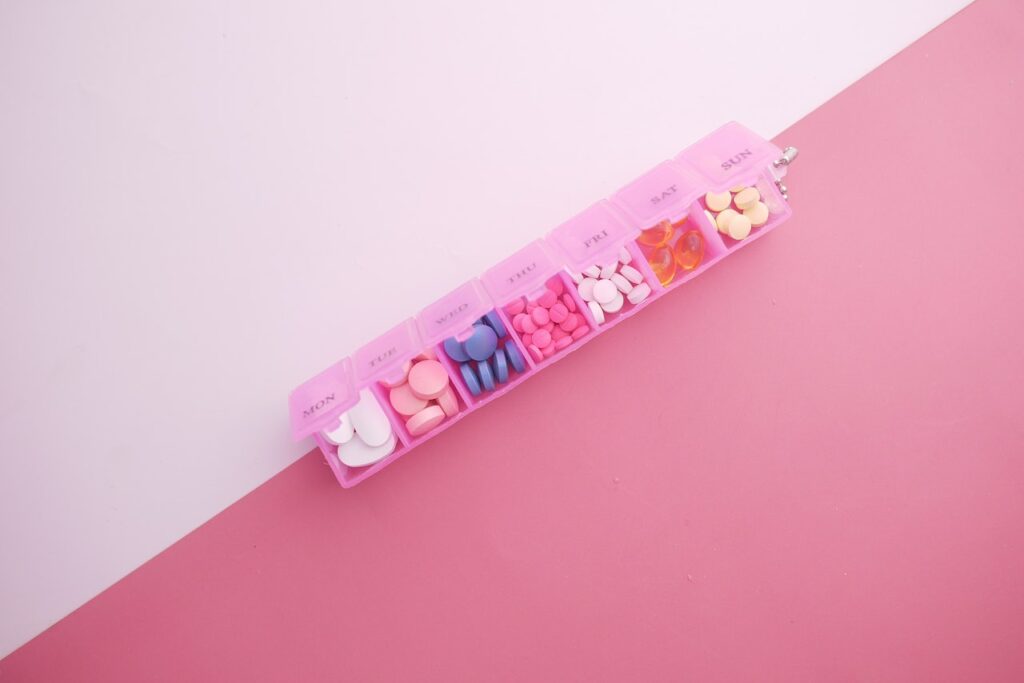
Pill organizers and dispensers may streamline your prescription regimen. These organizers usually include daily or hourly sections. Pre-filling the organizer at the start of each week eliminates the need to handle different pill bottles and reduces confusion.
The Amazon “Weekly Pill Organizer” is handy. This pill organizer has clear sections and a compact design for easy medication organization.
Categorize Drugs
Visually organizing drugs simplifies finding and identifying them. This saved me so much time and confusion I couldn’t believe it!
Just imagine that you can conveniently discover and retrieve pharmaceuticals by assigning each category to a container.
Having clear visual distinctions between different groups can reduce the likelihood of errors when it comes to medication. If you live with somebody who’s also taking medicine, this ensures that everyone can locate their drugs.
Start by reviewing your prescriptions. Consider their uses and circumstances. This evaluation can help you classify your drugs. Store medications by category. This may need designated drug cabinet sections. Maintain a visually structured system by assigning categories to places. Make sure to categorize your drugs. Label categories for simple identification. This helps you find prescriptions quickly, particularly during busy periods.
Of course, organizing drugs requires consistency. Make careful to categorize new or changed drugs. Update your organization system regularly.
To organize medications, use transparent, labeled containers. Organizing drugs by category using transparent pill organizers or labeled divisions in containers may assist.
Display Storage
A visible storage system starts with a medicine storage compartment. Choose a cabinet, drawer, or shelf for your meds. Centralizing your meds makes it simpler to organize and keep track of them.
Visible storage requires transparent, labeled containers. Transparent containers make it easy to identify medications without opening many containers. Label each container with the medication’s name, dose, and other information. Clear labels help organize prescriptions, especially if they seem same.
Display drugs in your storage area to increase visibility. As a visual reminder, keep them at eye level or within reach. Avoid concealing drugs in hard-to-reach areas. Seeing your pills helps you organize and follow your medication schedule.
Color-coded labels or stickers work well in visible storage systems. Give each medicine category or time-sensitive medication a color or pattern. You may designate morning drugs green and nighttime medications blue. Put these color-coded labels or stickers on containers or pharmaceutical packages. This visual signal helps organize and identify the proper drug at the right time.
The “Medicine Cabinet Organizer” improves medicine storage and visibility. This wall-mounted organizer has transparent sections to view your prescriptions. Its transparent appearance lets you find the medicine you need without searching through many containers. Amazon sells this handy and attractive prescription organizer.
A visible storage solution simplifies medication organizing and decreases dosage forgetfulness. As you add or modify drugs, check and update your storage system. Consult your healthcare physician or pharmacist for customized drug storage and organizing advice.
Use Reminders
Effective therapy requires a regular drug regimen, but remembering to take pills may be difficult. Reminder systems help you remain on track and stick to medications. These reminder devices reduce missed doses and assure medicine ingestion. Let’s learn how to utilize different reminder methods.
Medication Reminder Alarms are a simple yet effective way to keep on track. Set medicine alerts on your phone, smartwatch, or other devices. Choose unique sounds or sensations to remind you to take your medicine.
Push-notification-enabled medication reminder apps improve drug management. These applications let you enter your medication regimen and get push alerts at the right moments. Some applications feature prescription monitoring, refill management, and instructional materials. Find a medicine reminder app that suits you on app stores.
For those who struggle to manage their prescription routine, a family member or caregiver may help. Give a trustworthy family member or caregiver your prescription schedule and ask for help with reminders or administration. Create a medicine reminder system with them that meets your requirements.
Adding medication reminders to your daily routine helps ensure adherence. Meals, brushing your teeth, and sleep routines might be linked to medicine use. If you regularly eat supper at a certain hour, take your evening medicine before or after. Medication reminders build routines that remind you to take your meds.
Consider Amazon’s “Smart Pill Reminder,” a customizable, portable gadget. This gadget may set several alarms for various prescriptions and deliver visual and auditory notifications. Its tiny size makes medicine reminders portable.
Reminder systems work best when used regularly. Always respond to reminders. Review and adjust your reminder settings to reflect medication changes.
Update Medication List
Accurate medication management requires updating the drug list. Documenting prescription facts helps you interact with doctors, reduces mistakes, and stays informed about your treatment plan. Let’s discuss the necessity of updating a medicine list and how to do it.
Start by listing your medicines. Include prescriptions, OTCs, vitamins, and supplements. Include pharmaceutical names, doses, and purposes. This list has all your drug information.
Include medicine names, dosages, and frequency. This helps you follow the schedule and take the right dosage at the right time. Take drugs with meals or avoid specific foods and drinks.
Tracking changes to your drug list is crucial. Update your list if your drug regimen changes. This involves adding, reducing, or quitting medicines. Maintaining your medication list ensures accuracy and clarity of your treatment strategy.
Healthcare practitioners need your updated medication list to deliver thorough treatment. An updated drug list helps your doctor, specialist, or pharmacist make treatment choices. It aids in drug interaction detection, medication history evaluation, and care coordination.
Consider the Amazon-available “Pocket Medication List,” a tiny medicine list booklet. This pamphlet simplifies medication record-keeping. It’s small and portable, so you always have your updated medicine list with you.
Maintaining an updated medication list improves patient safety, drug management, and healthcare provider communication. Review and update your prescription list, share it with your healthcare team, and consider using the “Pocket Medication List” to manage your meds.
Conclusion
Finally, drug management requires organization. Creating a daily medication plan, organizing pills by category, using reminder systems, and maintaining an updated prescription list helps simplify your medication routine and reduce the chance of mistakes or missing doses.
Organizing medication management is vital. Doing so ensures accurate and timely drug consumption, therapeutic efficacy, and reduced chance of complications or medication mistakes. Medication management improves health and quality of life.
These strategies are helpful, but individual requirements differ. Consult a doctor for specialized medicine and health advice. They can answer inquiries and provide insights.
Let’s prioritize medication organization and adopt these approaches. Doing so optimizes drug adherence, treatment results, and health. Medication management will improve your health and balance. If you have any other ideas, make sure to leave a comment below and we’ll reply ASAP!
Meanwhile, you should also check out our post on 7 Healthy Routines That Will Save You a Fortune to find even more healthy, cheap solutions to improve your quality of life.