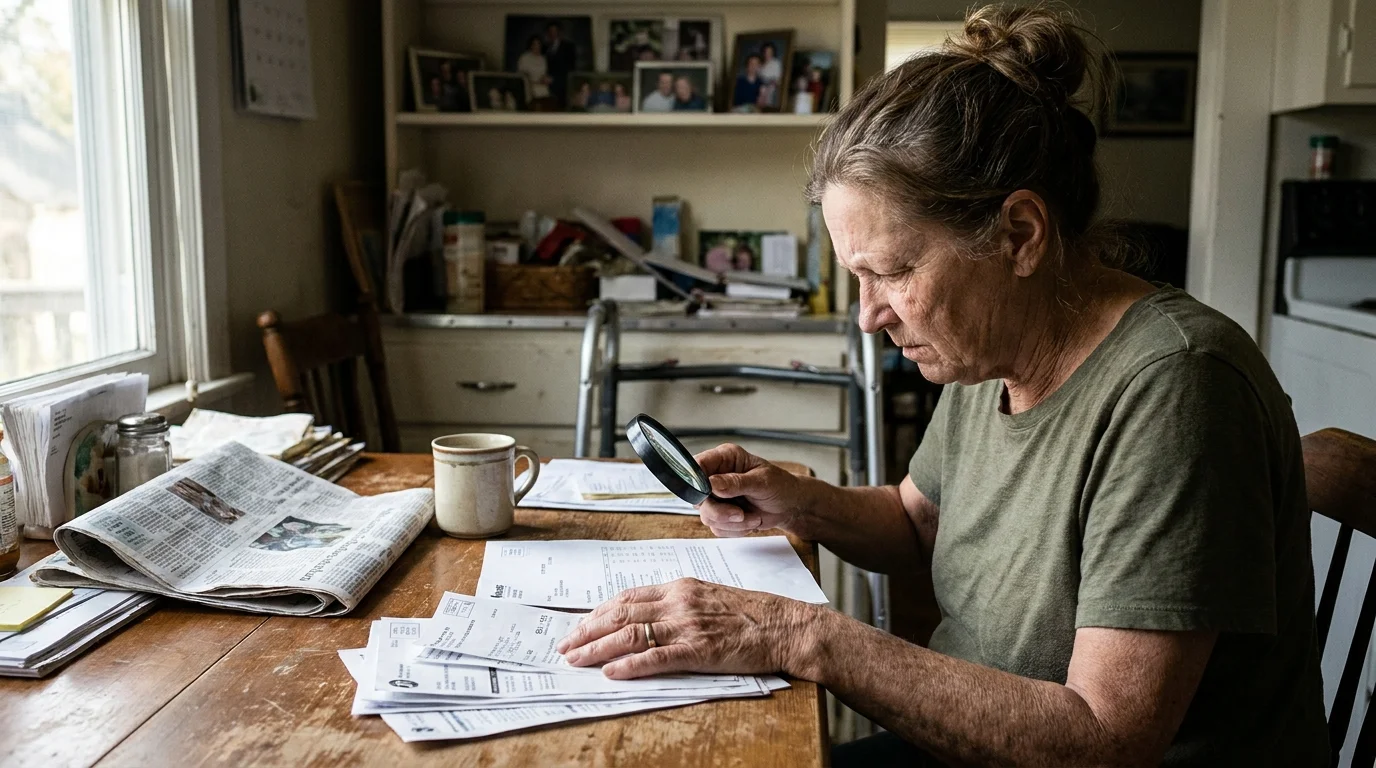
The home that raised your family could quietly become your biggest liability in retirement if you miss the subtle signs of changing mobility and safety needs. Ignoring steep stairs, slippery bathrooms, and high-maintenance yards often leads to preventable accidents that force unwanted relocations rather than allowing you to safely age in place. As you navigate your sixties and seventies, your living space must adapt to support your current physical realities. Recognizing these eight specific warning signs gives you the power to make proactive modifications before a crisis occurs. By evaluating your daily routines and identifying emerging friction points, you can transform your beloved house into a secure environment that sustains your independence for decades.
What You Need to Know Up Front
Successfully aging in place requires brutal honesty about how well your current environment serves your physical needs. Before diving into the specific warning signs, keep these core principles in mind:
- Proactive changes cost less than reactive medical bills: Installing proper grab bars and improved lighting is significantly cheaper than recovering from a hip fracture.
- Home safety seniors need goes beyond the interior: Yard maintenance, neighborhood walkability, and proximity to healthcare play massive roles in your long-term independence.
- Downsizing is not a failure: Transitioning to a single-story layout or a dedicated senior living community often unlocks greater freedom and reduces daily stress.
Warning Sign 1: The Stairs Feel Steeper Than They Used To
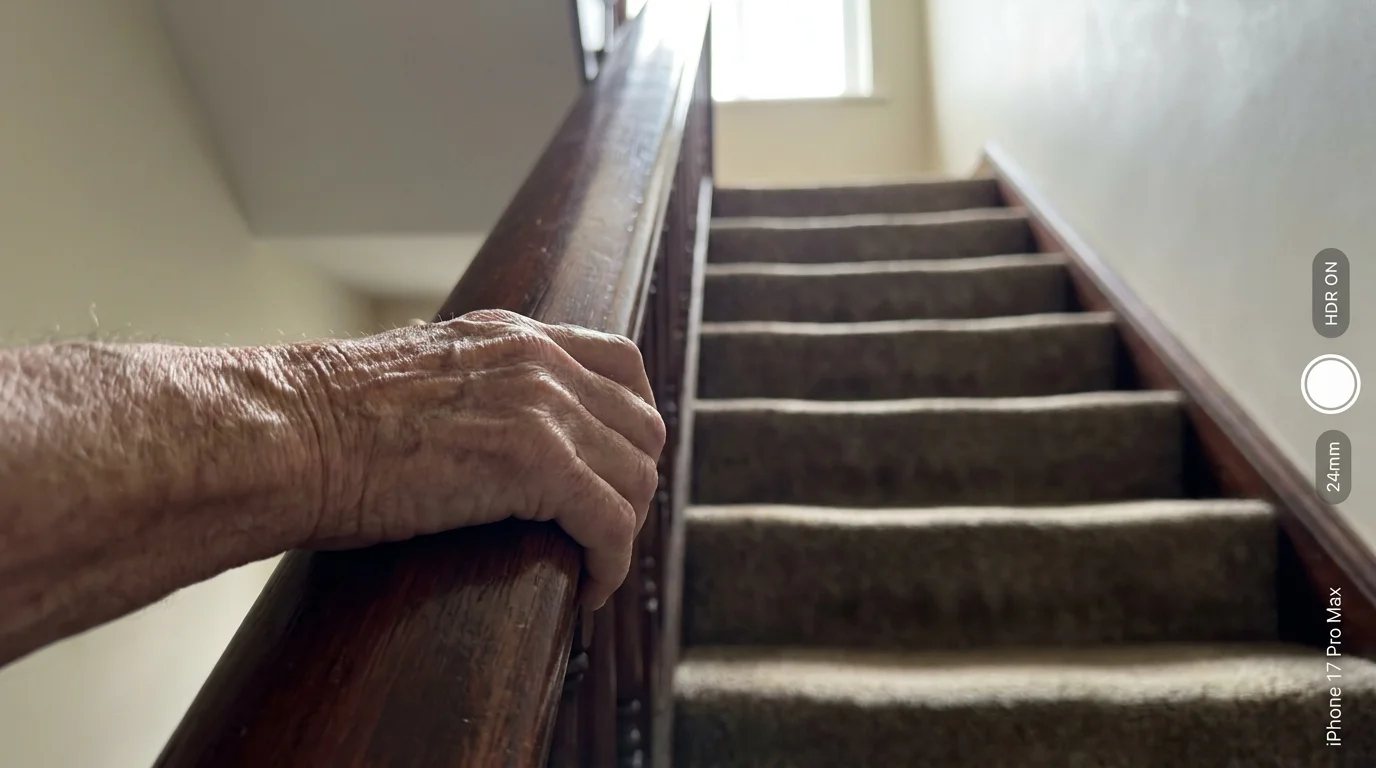
You might notice yourself grouping trips up and down the stairs to avoid unnecessary climbing, or gripping the handrail just a little tighter than you did five years ago. Stairs represent one of the most prominent friction points in a multi-story house. If your primary bedroom, full bathroom, or laundry facilities reside on a different level than your main living area, you face daily navigational hazards.
Knee pain, reduced stamina, and minor balance issues turn a standard staircase into a formidable daily obstacle. If relocating essential rooms to the ground floor is impossible, you must evaluate mechanical solutions. Straight or curved stairlifts offer immediate relief, though they require adequate staircase width. Ultimately, if your daily routine forces you to navigate steps that leave you winded or anxious, your home layout requires immediate modification.
Warning Sign 2: The Bathroom Triggers Anxiety Instead of Relaxation
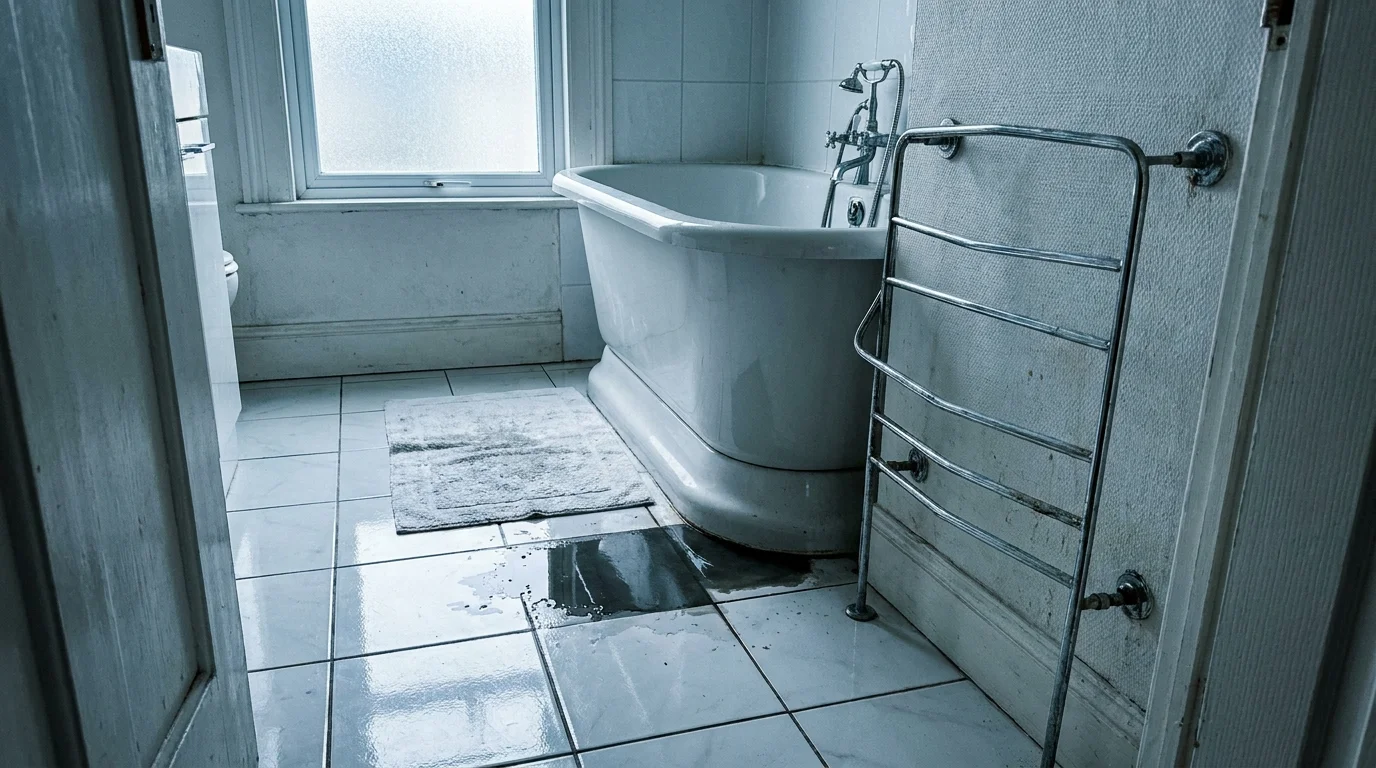
The bathroom is statistically the most dangerous room in any home. The combination of hard surfaces, tight spaces, and standing water creates a perfect storm for falls. If you find yourself hesitating before stepping over the high wall of a traditional bathtub, or if you rely on a towel rack or glass shower door for balance, you are operating in a high-risk environment.
Towel bars are not engineered to support human body weight; they will pull out of the drywall when you need them most. A senior-friendly bathroom replaces high-step tubs with zero-entry showers. It features professionally anchored grab bars near the toilet and inside the shower enclosure. The flooring must utilize slip-resistant materials, specifically matte-finish tiles with plenty of grout lines for traction. The National Council on Aging consistently highlights bathroom modifications as the primary defense against catastrophic home falls.
Warning Sign 3: You Avoid Certain Rooms or Chores
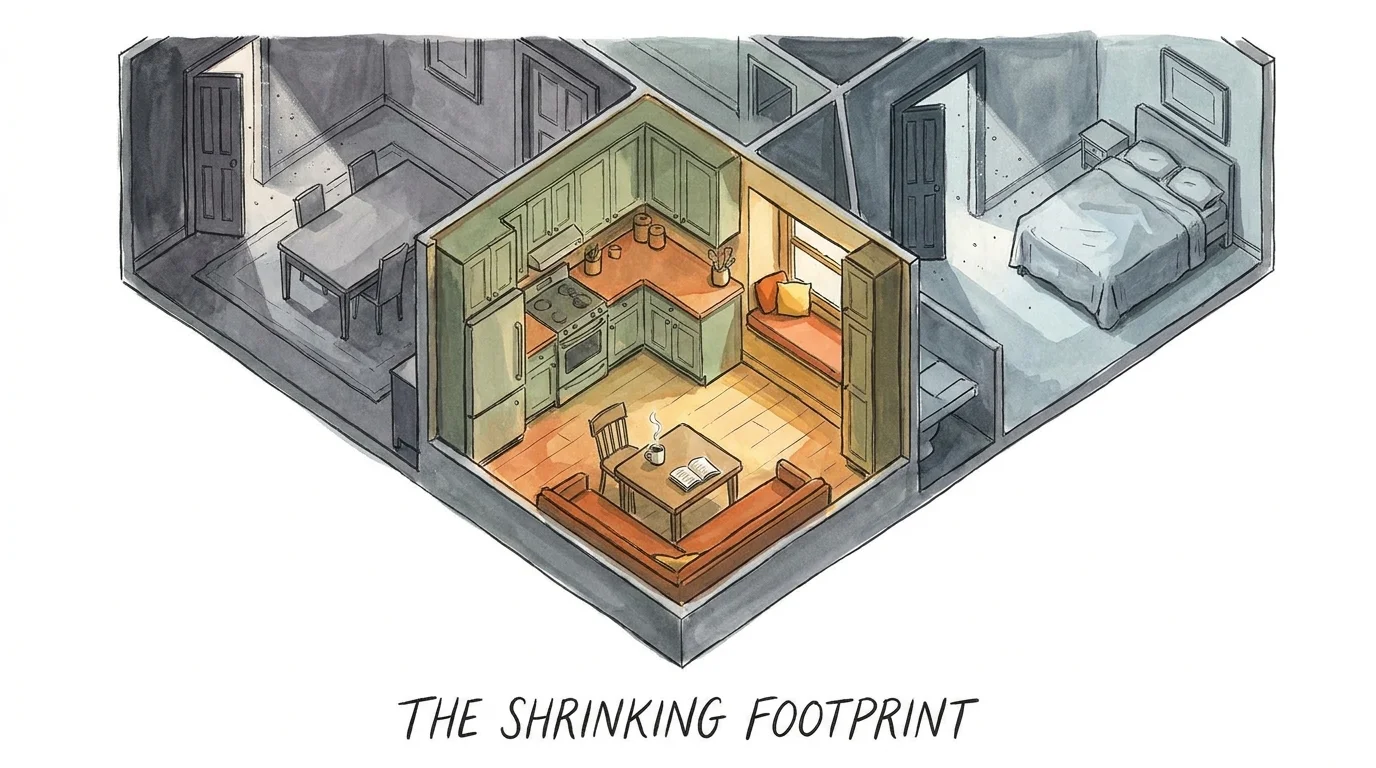
Pay attention to the shrinking footprint of your daily life. Do you have a formal dining room that gathers dust, a basement you never enter, or guest bedrooms with closed doors? Paying to heat, cool, clean, and maintain unused square footage drains your retirement income and energy.
Furthermore, if you actively avoid certain household chores—like dusting high shelves, cleaning heavy drapes, or vacuuming thick-pile carpets—because they cause physical strain, the house is no longer serving you. A home that supports aging in place should feel manageable in its entirety. When the physical demands of basic upkeep exceed your comfort level, the property is quietly signaling that it is too large or poorly optimized for your current lifestyle.
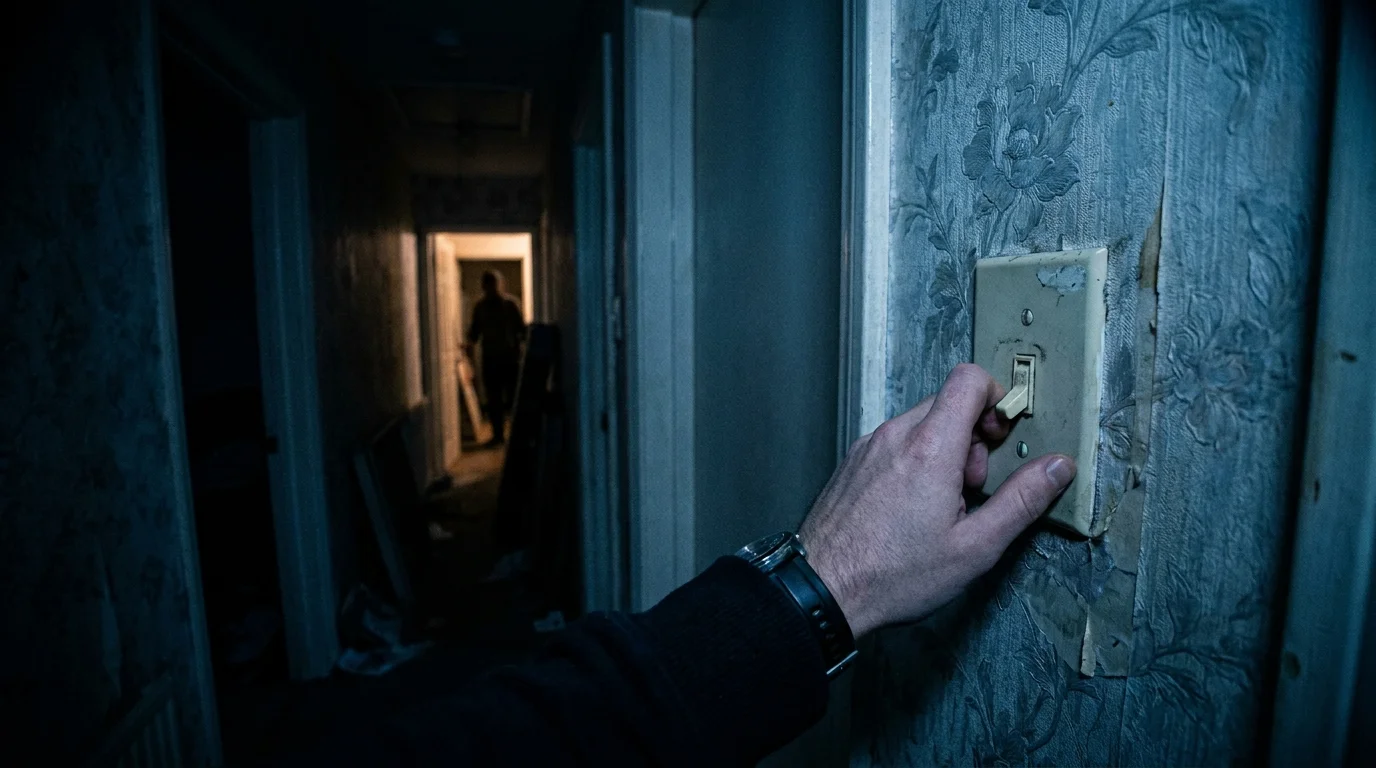
Warning Sign 4: Lighting Levels No Longer Match Your Vision Needs
As human eyes age, the pupils shrink and the lenses become thicker, meaning a 60-year-old needs roughly three times as much ambient light to see clearly as a 20-year-old. If you find yourself squinting to read labels in the kitchen, struggling to see the edges of stairs, or feeling disoriented in hallways at night, your lighting design is outdated.
Inadequate lighting disguises tripping hazards like pet toys, stray shoes, and uneven floor transitions. Upgrading your illumination is one of the easiest and most effective retirement home tips you can implement. Swap out low-wattage bulbs for high-lumen, daylight-temperature LEDs. Install motion-sensor nightlights in every hallway and bathroom. Add under-cabinet task lighting in the kitchen to eliminate shadows on your workspaces.
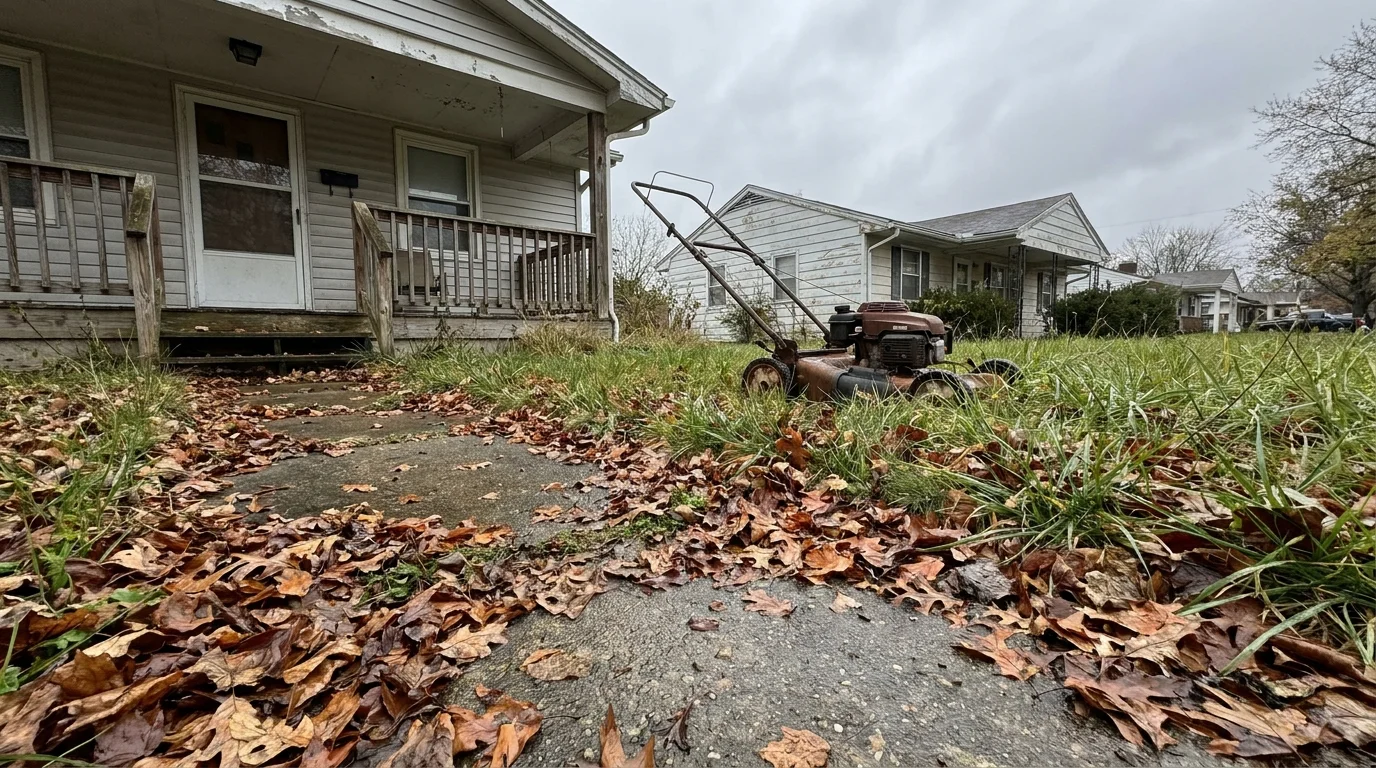
Warning Sign 5: Exterior Maintenance Has Become a Burden
A senior-friendly home does not stop at the front door. The exterior of your property demands relentless attention. If cleaning the gutters, shoveling the driveway, mowing the lawn, or weeding the flowerbeds fills you with dread, you have outgrown the property’s exterior demands.
Many retirees attempt to solve this by hiring contractors. While outsourcing lawn care and snow removal is a excellent short-term strategy, the ongoing costs eat into your fixed monthly budget. Additionally, unexpected exterior emergencies—like a leaking roof or a cracked foundation—require project management skills and immediate capital. If managing the property feels like a part-time job you wish you could quit, a maintenance-free senior living option might serve you better.
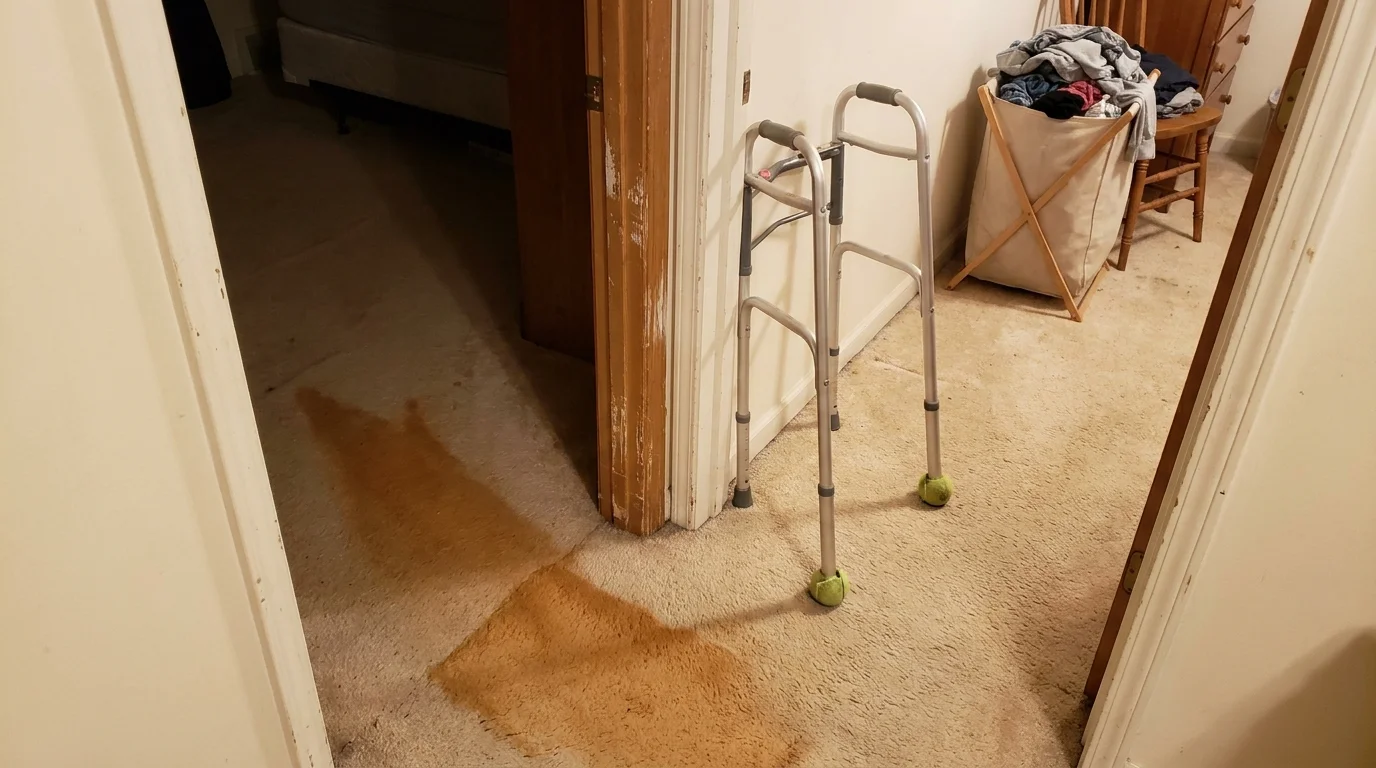
Warning Sign 6: Narrow Doorways and Hallways Create Chokepoints
Most standard residential homes feature interior doors that are 28 to 30 inches wide. While perfectly fine for walking, these dimensions become severe obstacles if you or your spouse ever require a walker, rollator, or wheelchair. Mobility aids require a minimum clearance of 32 inches, with 36 inches being ideal for comfortable navigation.
Look at your current hallways and door frames. If a sudden mobility change occurred tomorrow, could you access your bathroom and bedroom? If widening doorways involves tearing into load-bearing walls or moving plumbing stacks, the modification costs can skyrocket. You can sometimes gain a crucial two inches by replacing standard hinges with offset swing-clear hinges, but fundamental architectural bottlenecks often signal that moving is the wiser financial choice.
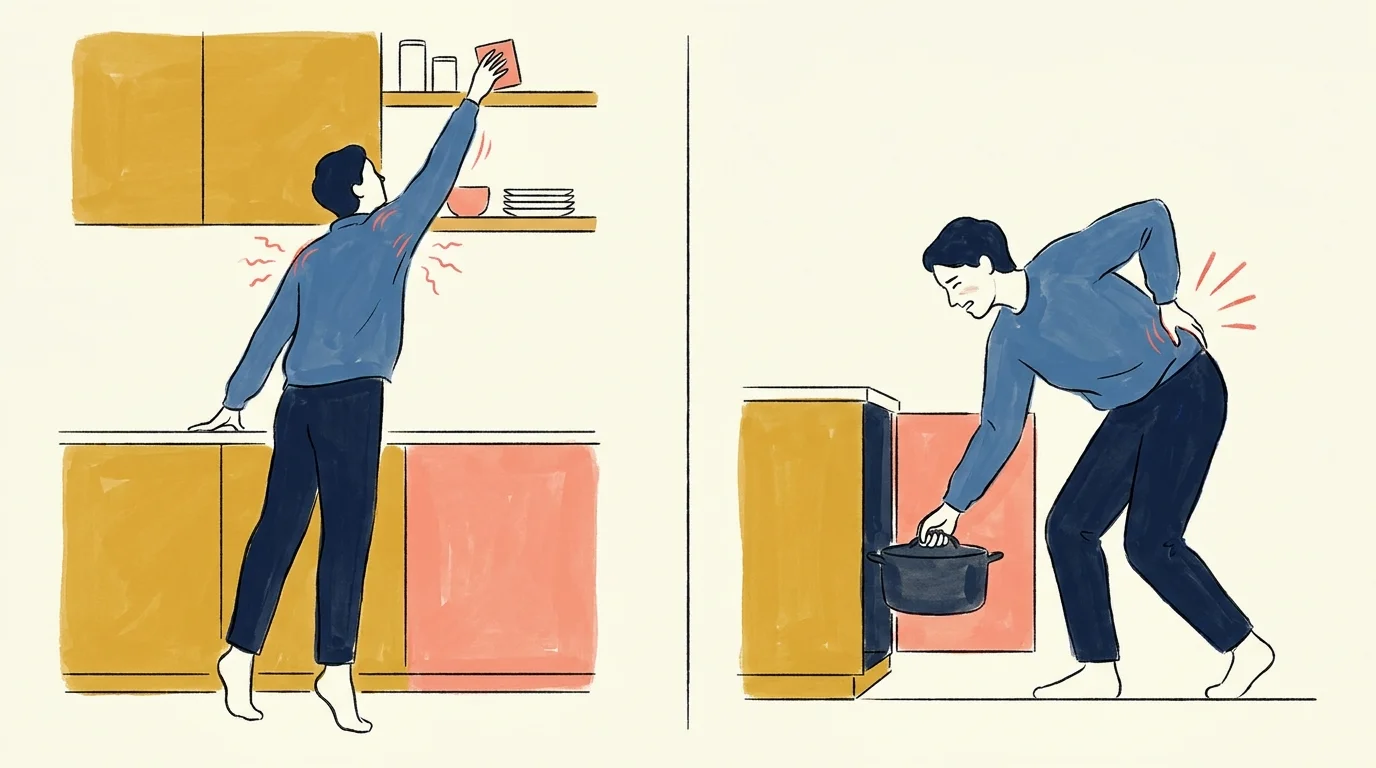
Warning Sign 7: Reaching and Bending Causes Physical Strain
Kitchens are notorious for terrible ergonomic design. Standard lower cabinets force you to bend deep and reach blindly into dark spaces, while upper cabinets require step stools—an absolute hazard for senior home safety. If preparing a simple meal leaves your back aching from bending or your shoulders strained from reaching, your kitchen layout is actively working against you.
Modernizing a kitchen for aging in place involves replacing fixed lower shelves with deep pull-out drawers. It means relocating the microwave from above the stove to counter height. It involves upgrading appliances to feature front-mounted controls so you never have to reach across hot burners. Your home environment should conserve your physical energy, not deplete it.

Warning Sign 8: Isolation is Setting In Due to Location
Perhaps your house is perfectly modified on the inside, but its geographic location creates invisible barriers. If driving at night makes you nervous, or navigating heavy traffic to reach the grocery store or your doctors causes anxiety, you may slowly begin isolating yourself at home.
Suburban and rural homes that served you beautifully when you were commuting to work can become solitary confinement if you lose the desire or ability to drive. Social connection is a massive pillar of healthy aging. If you cannot safely walk to local amenities, or if public transportation and ride-share options are unavailable in your area, the physical location of your home is no longer senior-friendly. Connecting with local transit options through the Eldercare Locator can help bridge this gap, but location remains a powerful factor in your long-term wellness.
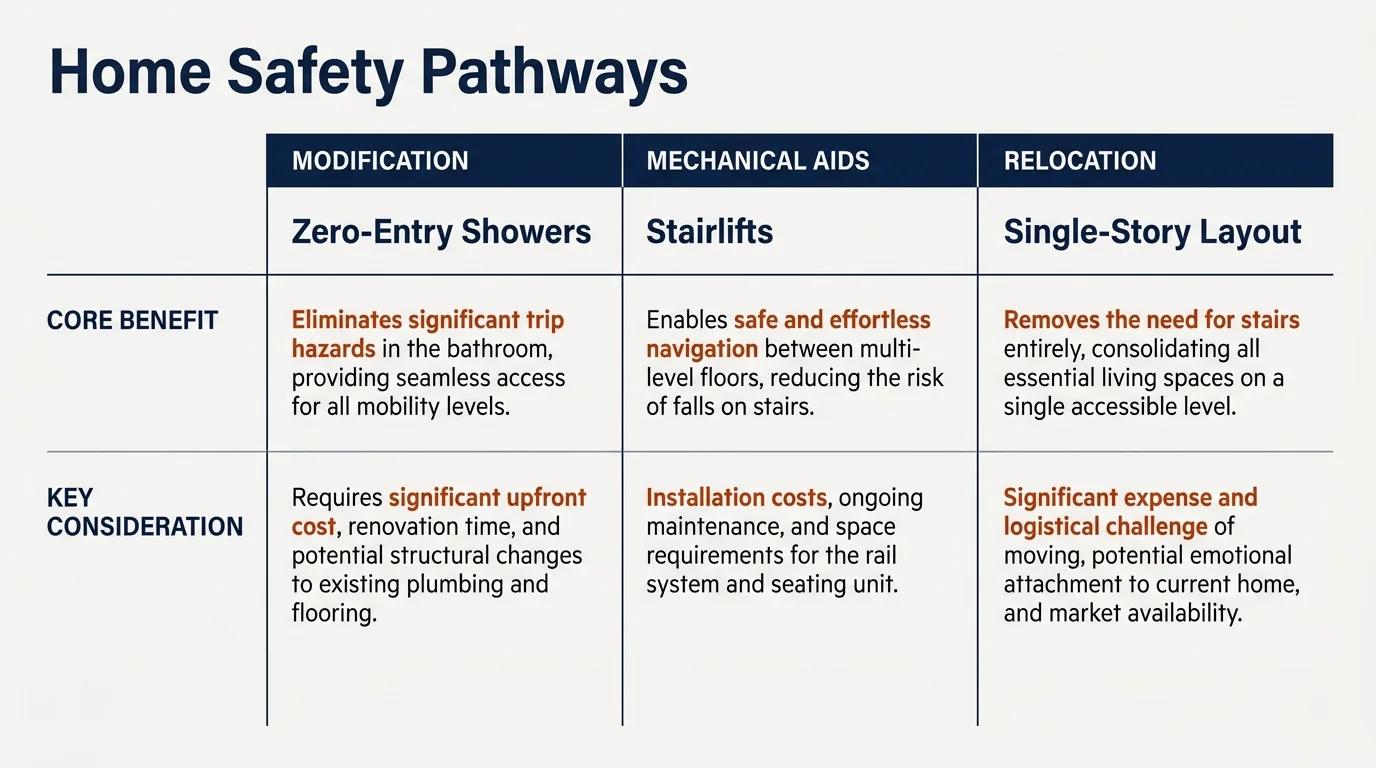
Comparing Your Aging in Place Options
Once you recognize the warning signs, you face a critical decision: modify your current space, downsize to a single-story home, or transition to a dedicated senior living community. Review this comparison to weigh the practical realities of each path.
| Feature | Modify Current Home | Move to Single-Story Home | Transition to Senior Living |
|---|---|---|---|
| Upfront Costs | Varies wildly; $5k–$50k depending on bathroom/stair remodels. | High; involves real estate agent fees, closing costs, and moving expenses. | Moderate to High; entry fees vary by community type. |
| Ongoing Maintenance | High; you remain 100% responsible for the roof, yard, and systems. | Moderate; smaller footprint, but exterior maintenance remains. | Zero; the community handles all interior and exterior upkeep. |
| Social Connection | Low; depends entirely on your neighborhood and driving ability. | Varies; requires active effort to meet new neighbors. | High; built-in community, events, and shared dining options. |
| Safety Features | Only what you install. Unseen architectural hazards may remain. | Better layout, but still requires custom safety modifications. | Exceptional; designed from the ground up for senior accessibility. |
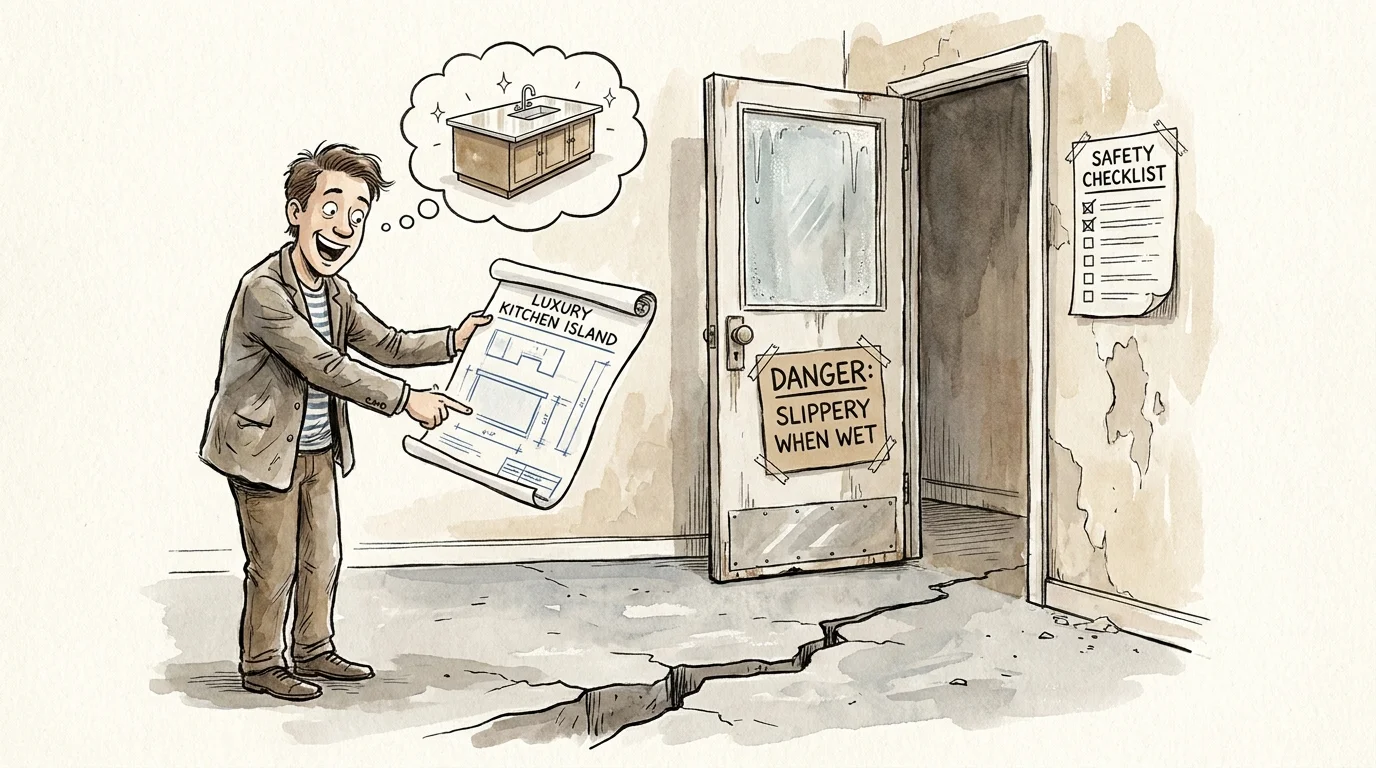
Don’t Make These Mistakes When Evaluating Your Home
Stubbornness is the enemy of a successful retirement. Many Americans tie their emotional identity to their property, leading them to ignore glaring safety issues until an emergency forces their hand. Avoid the trap of “magical thinking”—assuming that your mobility at age 65 will be exactly the same at age 85.
Do not rely on cheap, temporary fixes. Purchasing suction-cup grab bars from an internet retailer instead of anchoring proper steel bars into wall studs creates a false sense of security that is actually more dangerous than having no bar at all. Similarly, throwing rugs over uneven floorboards instead of repairing the subfloor simply hides a tripping hazard; it does not eliminate it.
Finally, do not drain your retirement portfolio on structural home modifications that will never yield a return on investment in your specific real estate market. Installing an elevator in a modest suburban home might solve your stair problem, but you will likely never recoup that money when the house is sold. Weigh the cost of extreme renovations against the cost of simply relocating.
“The goal of retirement is to live off your assets—not live off your regrets.” — Anonymous
When Professional Advice Is Worth It
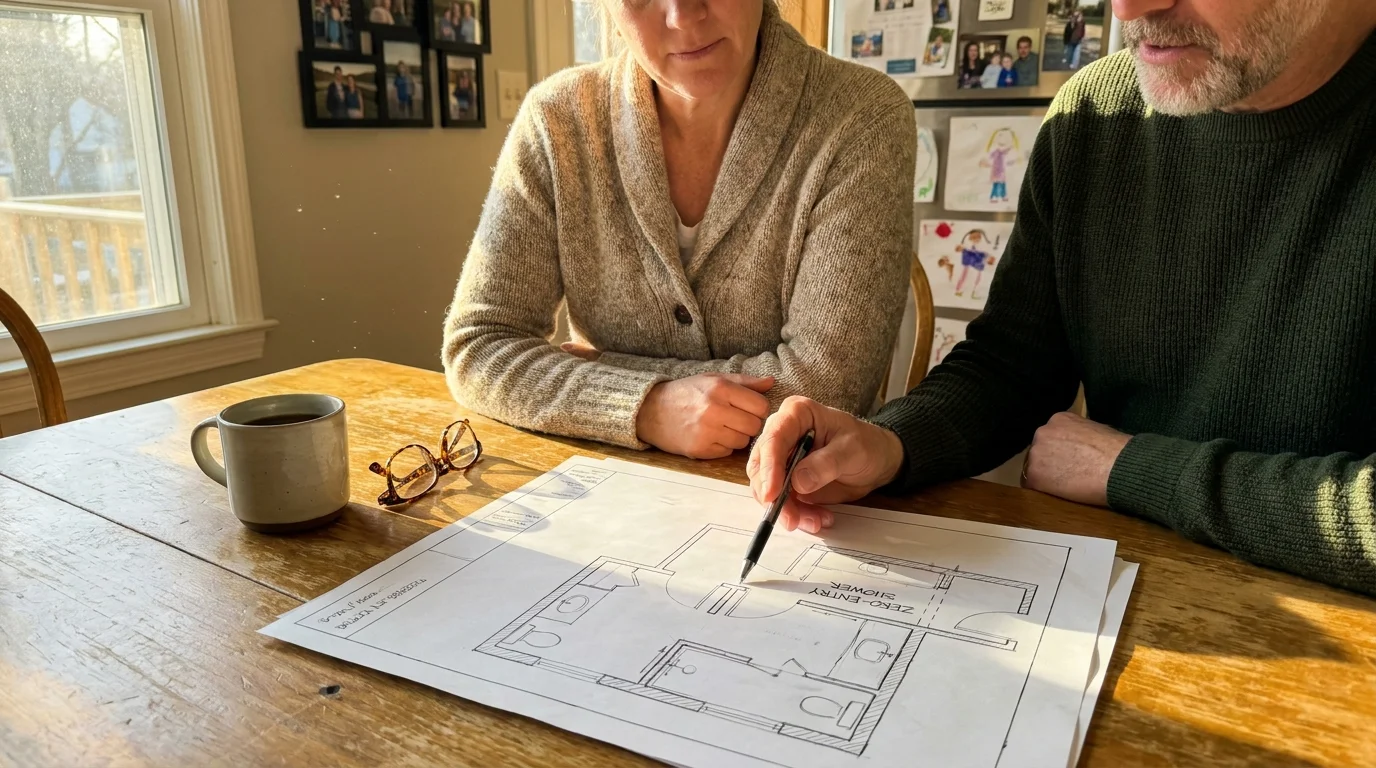
You do not have to diagnose your home’s safety issues alone. Bringing in a professional provides an objective, unemotional assessment of your living space.
Consider hiring an Occupational Therapist (OT) or a Certified Aging-in-Place Specialist (CAPS). An OT observes how you physically move through your daily routines and prescribes specific environmental adjustments. A CAPS-certified contractor understands exactly how to implement those adjustments up to modern accessibility codes.
From a financial perspective, consult with a fiduciary financial advisor before embarking on a massive remodel. They can help you determine the most tax-efficient way to fund modifications—whether through savings, a Home Equity Conversion Mortgage (HECM), or tapping investments. If you need clarity on how home equity affects long-term care planning, an elder law attorney proves invaluable.
Frequently Asked Questions About Senior Home Safety
Will Medicare pay for my home safety modifications?
Original Medicare (Parts A and B) rarely pays for permanent home modifications like widening doors or installing walk-in tubs. It generally only covers durable medical equipment (like walkers or bedside commodes) prescribed by a doctor. However, some Medicare Advantage (Part C) plans now offer specific allowances for minor home safety upgrades. Always check your specific plan details via Medicare.gov.
Are there government programs to help seniors pay for home repairs?
Yes. The Department of Housing and Urban Development (HUD) offers various block grants to local municipalities for senior home repairs. Additionally, the Department of Veterans Affairs (VA) provides grants like the SAH or SHA for veterans with service-connected disabilities to modify their homes. Local Area Agencies on Aging often know of specific county-level assistance programs.
What is the simplest modification I can make today?
Remove all throw rugs immediately. Throw rugs account for a massive percentage of slip-and-fall injuries among older adults. Secure any loose electrical cords running across pathways, and upgrade the lightbulbs in your hallways to the highest safe wattage allowed by your fixtures.
Your Next Step Toward a Safer Home
Evaluating your home for senior-friendly features is an act of empowerment, not a surrender to aging. By acknowledging that your house needs to work for you—rather than you working for the house—you take control of your future independence. Start this weekend by walking through your home with a critical eye, using the eight warning signs above as your checklist. Identify the spaces that cause you physical friction or mental stress.
If you discover that your current property falls short, start exploring your options immediately. Research local single-story real estate, tour a nearby 55+ community, or call a local contractor to price out a bathroom remodel. Taking action today ensures you make decisions on your own terms. This article is for informational purposes only and does not constitute financial, legal, or medical advice. Medicare rules, Social Security benefits, and tax laws change regularly—verify current details at Medicare.gov, SSA.gov, or with a licensed professional.
Last updated: February 2026. Medicare and Social Security rules change annually—always verify current details at official government sources.