The golden years should be spent reflecting, relaxing, and enjoying your life’s work. These years may be shadowed by change, particularly heartbreaking loss, like the golden colors of the sunset.
In your elderly years, loss is inevitable. Age brings the sad reality of losing friends, lifetime lovers, and occasionally younger family members. Losses like these may cloud your best years, and I’ve been there too. In this phase, you grieve not just people who have died but also your younger self, your physical talents, and certain life prospects.
Processing and overcoming sorrow are crucial. To enjoy the present and live a meaningful life, you must negotiate these emotions, find healing, and recover pleasure… but how can you make it when everything seems to fall apart? Let’s find out.
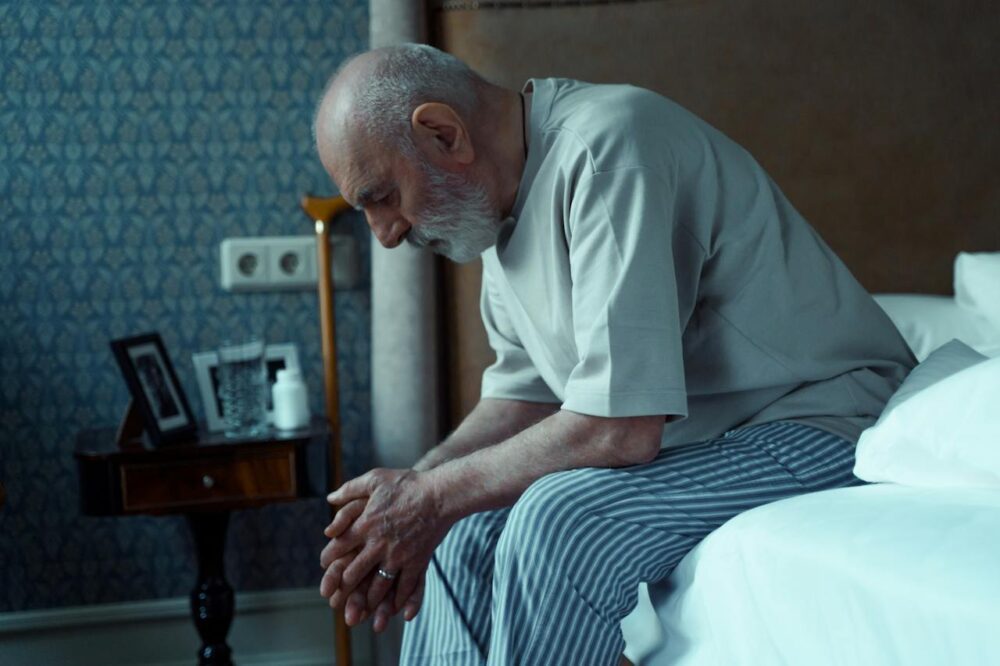
Why Is Grief Different in Your Golden Years?
Lifelong relationship loss is one of the deepest types of sorrow. Couples weave a rich tapestry of memories, traditions, and identities over decades. When one partner dies in a highly bonded relationship, the other might feel unmoored. It’s not only about losing a person; it’s about losing shared aspirations, whispered talks, and everyday rituals that give life purpose.
Multiple losses in a short period might be difficult in your golden years. Seniors may lament the deaths of several classmates, acquaintances, or younger family members in a short time. Each loss reopens scars, making grief practically cyclical with no relief. Constant loss may compound sorrow, making healing harder by stacking and interweaving feelings.
Grief in your senior years often includes introspection about your mortality. As you see your peers die, you grieve for them and consider your own transience. This reckoning may cause dread, anxiety, acceptance, and legacy-seeking.
Starting the mourning process requires understanding its phases. Elisabeth Kübler-Ross’s mourning stages—denial, anger, bargaining, depression, and acceptance—help explain the emotional rollercoaster. These phases may be experienced in any sequence, but they help you understand grief’s complexity. With their diverse tapestry of experiences, seniors may experience these phases at different intensities and durations depending on their personalities, support networks, and prior experiences.
Why Grieve Without Acting?
In human complexity, sadness is natural and intense. Every person experiences loss—of loved ones, aspirations, or life stages. Although grieving is a normal emotion of loss, how it is handled has serious consequences. Understanding why grieving is important for your health and society is important.
Unresolved sorrow may have long-term effects on mental and physical health. Untreated sorrow may cause many mental health issues. It may cause extreme despair, anxiety, and loneliness. You may stress about what may have been done differently due to guilt. Unresolved sorrow may sometimes cause PTSD, particularly if the death was unexpected or terrible.
Unresolved sorrow affects both mental and physical health. Chronic stress from unresolved sorrow weakens the immune system, rendering people more prone to diseases. Emotional stress may also worsen heart disease, hypertension, and other cardiovascular disorders. Drug addiction and other poor coping techniques may have serious health implications.
Grief is powerful, yet treating it may lead to amazing development and change. Traumatic situations may lead to ‘post-traumatic development,’ which argues that people might gain strength, purpose, and insight. This honors human resiliency, not trauma. Grief processing frequently reveals hidden strengths, giving you a greater sense of purpose and a desire to better your life or others’.
Grief often brings maturity and a greater respect for life. Many discover a newfound passion for life when faced with life’s fragility, cherishing moments and relationships more. This increased appreciation may strengthen relationships, reevaluate priorities, and deepen thankfulness.
Grief is inevitable, but it must be addressed. Unresolved sorrow may affect your mental and physical health. When treated with care, sensitivity, and understanding, it may lead to unprecedented development, change, and a newfound zest for life. Recognizing this dichotomy is the first step to making loss, although powerful, a bridge to a more conscious, appreciative, and resilient life.
5 Ways to Get Over Grief
Your emotions are complicated, and sadness is one of the most powerful strands. Grief over a loved one, the end of a period, or the loss of aspirations may be crushing. Grief is individualized, but there are common techniques to help navigate it. Accepting and validating your emotions is crucial to recovery.
Accepting and Validating Feelings
Acceptance and affirmation of grief’s emotions are keys to conquering it. After a loss, you may feel sad, angry, guilty, and numb. Social pressure to be strong, move on fast, or even your own voice that tells you you’re not grieving “correctly” might worsen emotional distress.
Understanding that grieving is normal is crucial. Grief is the soul’s response to emotional wounds, just as pain is to physical ailments. While uncomfortable, this emotional suffering shows the depth of connection, the worth of what was lost, and the human ability to feel profound. Denying or repressing sorrow is like neglecting a physical ailment, which might cause difficulties. Recognizing sadness as normal lets you experience, lament, and heal.
Recognizing that everyone grieves differently and at their own pace is crucial. Grief has no predetermined progression or timing. The weight of loss may hit some quickly, others slowly. Others find comfort in society, while others prefer to be alone. Comparing your grief journey to another’s might cause inadequacy or impatience. Instead, acknowledging your grieving journey’s uniqueness promotes true healing. It builds tolerance with yourself and others and creates a supportive atmosphere where emotions are not hurried or smothered.
Counseling or Therapy
Grief’s echoing silences and blinding sadness may make it seem lonely. Loss may be overwhelming, leaving you adrift and searching for security. External advice may help in such situations. Therapy or counseling helps overcome loss and process suffering in a secure environment.
Grief is complicated by definition. It might cause grief, rage, shame, bewilderment, and even relief, making it hard to absorb or move ahead. This intricacy typically requires professional assistance to unravel emotions and aid recovery.
The framework of therapy lets you share your emotions without judgment. A professional therapist offers insights, techniques, and coping methods specific to your requirements, not simply a listening ear. They help identify and overcome guilt, unsolved problems, and complex sorrow that may be preventing recovery.
Counseling sessions allow you to address and express your emotions, which you may not have experienced otherwise. Expressing sadness and suffering may be healing. Putting emotions into words frequently helps others understand them.
Talking to people going through loss helps you understand you’re not alone. I know it feels hard at first, but trust me, it’s worth the effort! Hearing others’ tales and coping skills may provide hope, purpose, and meaningful steps ahead.
Post-loss treatment and counseling aren’t limited to the immediate aftermath. Celebrating anniversaries, holidays, and even random days might bring up memories of grief. Continuous therapy lets you examine and analyze your emotions.

Seeing Friends and Family Again
Grief may isolate. The crushing magnitude of loss may separate you from the world. You may isolate yourself in sadness and isolate yourself from others. In times of deep seclusion, friends and family are essential.
In recovery, reconnecting with loved ones serves various objectives. Support is its main purpose. Leaning on someone, listening to them, or just being there may be quite soothing. Friends and family may provide unique insights and views that other support systems may lack due to shared memories and experiences. Their common past may bring back memories of love, laughing, and joy, giving you hope in difficult times.
Reconnecting keeps you present. Grief binds you to the past. Friends and relatives may gently bring you back to the present by encouraging involvement in daily activities, celebrations, and even monotonous duties. These small exchanges may gradually lift you from your grief and reveal the pleasure and possibility of the moment.
Friends and relatives may also see changes in behavior, attitude, or health you may miss. They might recommend expert therapy to prevent grieving from worsening mental or physical health issues.
Reconnecting may also emphasize life’s continuance. While loss is difficult, being with loved ones stresses the strength of connections, the possibility of new memories, and the human spirit’s need for connection and understanding.
The Self-Care Focus
After a loss, emotions surge in unexpected waves, making self-care essential. Grief’s intricacies and intensities may leave you adrift from your ordinary self and position in the world. Self-care gently guides you back to balance amid this chaos.
One must first grasp sorrow’s complexity to understand self-care in mourning. It’s not simply mental or emotional.
expands to include physical and social aspects. Sleep becomes difficult, food loses its appeal, and social encounters may be frustrating or lifesaving.
In our world of changed habits, physical self-care is about bodily autonomy. The whispered reminder that the body has needs despite the burdened heart. Regular sleep, a balanced diet, and light exercise, like a morning walk, help restore normality. Nature’s ageless rhythm might reflect healing and better days.
Grief is wide and diverse emotionally. Feelings aren’t linear or classification-friendly. Here, self-care is letting oneself feel without judgment. Emotional self-care is acknowledging your emotions, whether via introspection, journaling, or music.
Personally, spending time outdoors really made a positive difference in the way I handled grief. I used to take trips to national parks for that immersive experience. There, I realized that my loved one was not gone at all… because I saw them in every single beautiful thing nature had to offer. I highly recommend you this experience and my article about The Best National Parks for Seniors Who Want to Relax in Nature might help you out!
Hobbies & New Skills Heal
Finding a route to healing in the gloomy valleys of sorrow, where the past frequently overshadows the present and loss seems all-consuming, may be difficult. However, pursuing interests or acquiring new skills might help traverse grief’s complex emotional terrain.
Hobbies, whether old or new, are more than distractions. They anchor you in the present and release grief-related emotions. Creating, whether via art, music, literature, or another media, allows for emotional release and expression.
For instance, painting or drawing might reveal your emotions in visual form. Whether playing or listening, music matches the heart’s beat, soothing and expressing feelings. With its careful attention, crafting may be a contemplative exercise that helps the mind escape sadness.
However, learning new abilities has two benefits. First, it forces the mind to move from loss to the new activity’s complexities. Cognitive involvement provides a sense of equilibrium at a time of great loss.
A new skill or pastime also brings a feeling of accomplishment and growth. Each modest success in the new pastime gives optimism at a time when days feel stagnant and life’s purpose unclear. It softly suggests that development and improvement are possible after great loss.
Hobbies and new skills may also facilitate socializing. Joining groups, attending classes, or sharing your creations with loved ones helps reduce loneliness. Such relationships foster common interests and pleasant camaraderie, which is essential during grief.