Holiday expenses can strain your monthly budget, making the exact arrival date of your Social Security payment critical. Federal holidays alter the usual payment calendar every November and December, shifting deposit dates earlier for millions of retirees.
When a holiday or weekend closes banks, the federal government sends your money on the preceding business day. Knowing these exact shift dates protects your checking account from overdrafts and prevents unwanted holiday budgeting surprises.
Here is your verified holiday Social Security schedule, showing exactly when your funds will clear your bank account during November, December, and January.
How the Social Security Payment Schedule Works
The Social Security Administration distributes monthly retirement, disability, and survivor benefits using a standardized calendar. Most retirees receive their payments on a designated Wednesday each month.
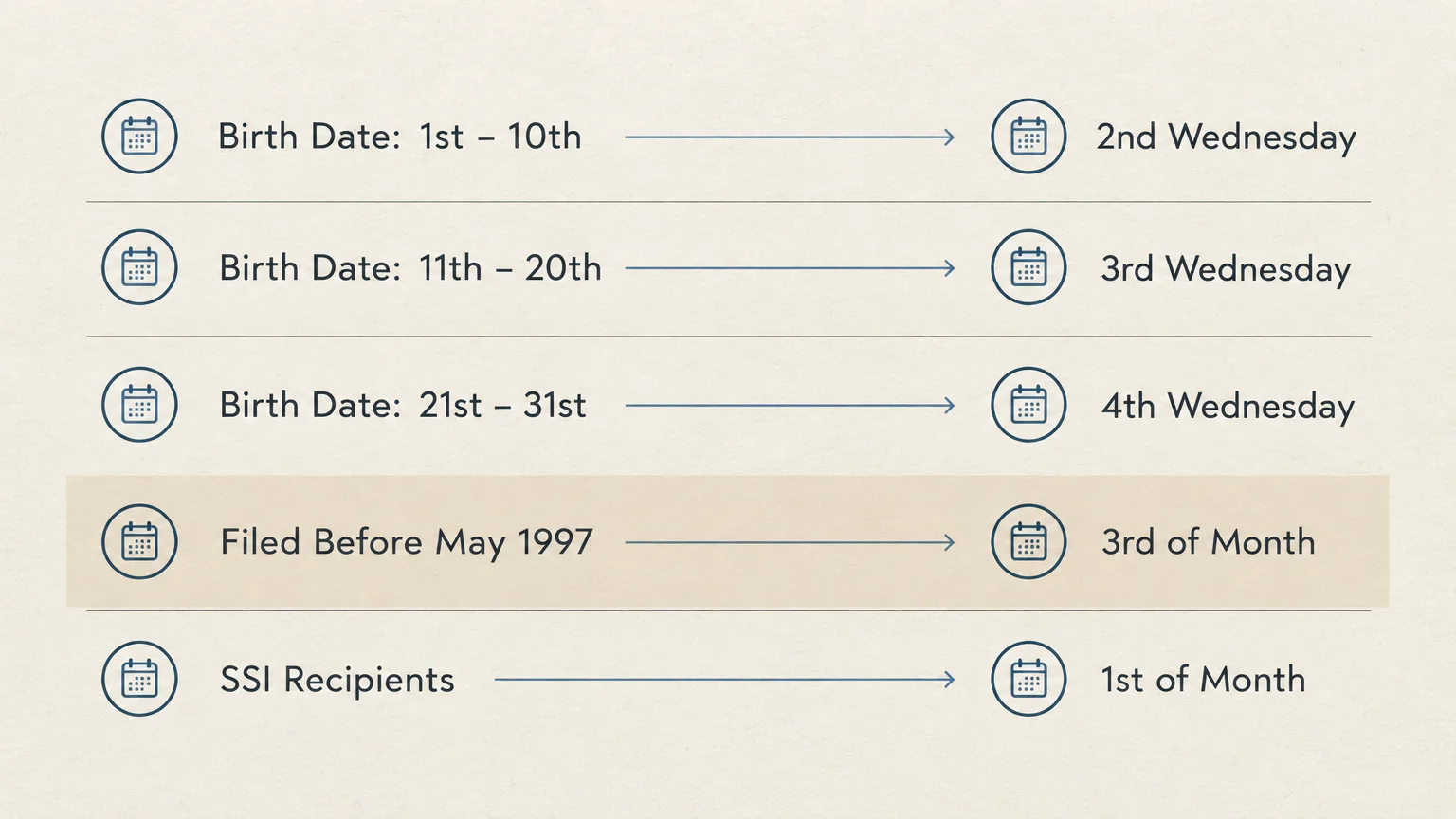
Your specific payment Wednesday depends directly on your birth date. This staggered cycle prevents banking network gridlock and ensures reliable electronic fund transfers across the country.
If your birthday falls between the 1st and the 10th of the month, you receive your check on the second Wednesday. Your funds arrive regularly on that specific Wednesday every month unless a federal holiday intervenes.
If your birthday falls between the 11th and the 20th, your benefit arrives on the third Wednesday. Those born between the 21st and the 31st receive their monthly deposit on the fourth Wednesday.
A separate group of beneficiaries bypasses the Wednesday cycle entirely. If you filed for Social Security before May 1997, your payment always arrives on the third day of each month.
Dual recipients who receive both retirement benefits and Supplemental Security Income also follow this third-of-the-month rule. Beneficiaries living abroad and individuals whose state pays their Medicare premiums follow this same date pattern.
Meanwhile, Supplemental Security Income recipients normally receive their federal support on the first calendar day of every month. Knowing which category you belong to allows you to track your money with total accuracy.
The Federal Holiday Rule and Payment Shifts
Federal law governs exactly what happens when your regular benefit date coincides with a weekend or official federal holiday. Public Law 95-216 mandates that the federal government must never deliver your funds late due to a calendar conflict.
Under this statutory rule, the government issues your deposit on the immediately preceding business day. If your normal payment date lands on a Saturday, Sunday, or federal holiday, your bank receives your money early.
You can review federal benefit guidelines through USA.gov Retirement Resources to confirm how administrative regulations protect your monthly cash flow. This early payment safeguard keeps your household finances stable throughout the winter holidays.
Federal reserve banks, commercial banking institutions, and post offices close their doors on recognized federal holidays. Because financial transactions cannot settle on those dates, early transfers ensure you maintain continuous access to your money.
“The goal of retirement is to live off your assets—not live off your regrets.”
Understanding this legal mechanism removes guesswork from your financial life. You never need to worry about the Treasury holding your money past your scheduled payment window during Thanksgiving, Christmas, or New Year celebrations.
November 2026 Social Security and SSI Payment Schedule
The holiday payment shift begins impacting beneficiaries right at the start of November. Because November 1 falls on a Sunday, Supplemental Security Income recipients do not receive their payment in November at all.
Instead, the government deposits that November support early on Friday, October 30. If you rely on Supplemental Security Income, you must manage those funds across five full weekends until December arrives.
Beneficiaries in the pre-May 1997 group and dual recipients receive their money on Tuesday, November 3. Because Tuesday is an active banking day, this deposit arrives precisely on schedule.
Veterans Day creates the next schedule adjustment for Wednesday recipients. The second Wednesday of the month falls on November 11, which is an official federal holiday honoring military service.
Because banks close for Veterans Day, beneficiaries born between the 1st and the 10th receive their deposits on Tuesday, November 10. Your funds arrive twenty-four hours earlier than usual.
Retirees born between the 11th and the 20th experience no disruptions. Their checks arrive on time on the third Wednesday, November 18.
Beneficiaries born between the 21st and the 31st receive their payments on Wednesday, November 25. Because Thanksgiving falls on Thursday, November 26, this fourth-Wednesday deposit clears your account the day before the feast.

December 2026 Payment Dates: Christmas and New Year Adjustments
December brings several critical calendar movements that every household must track closely. Supplemental Security Income recipients receive their regular monthly payment on Tuesday, December 1.
Beneficiaries in the pre-May 1997 exception group collect their monthly benefit on Thursday, December 3. Both of these payments occur without any holiday interference.
The standard Wednesday distribution schedule also runs smoothly through most of the month. Retirees born between the 1st and the 10th receive their deposits on Wednesday, December 9.
The second cohort, covering birth dates from the 11th through the 20th, sees payments clear on Wednesday, December 16. These funds provide financial breathing room just ahead of peak gift-buying deadlines.
Retirees born between the 21st and the 31st receive their monthly check on Wednesday, December 23. Because Christmas Day falls on Friday, December 25, your fourth-Wednesday payment clears two full days before the holiday.
The end of December delivers a major schedule shift for millions of households. Friday, January 1, 2027, is New Year’s Day, which completely closes commercial banking networks.
Because the first day of January is a federal holiday, the government pays the January 2027 Supplemental Security Income benefit on Thursday, December 31. SSI recipients therefore receive two full payments during December.
Pre-May 1997 beneficiaries and dual recipients also receive an early payment on Thursday, December 31. Their January 3 payment falls on a Sunday, and the preceding Friday is New Year’s Day.
Under federal regulations, the payment rolls backward past the holiday to the final open business day of the month. You will see those January funds in your account before the calendar year closes.
January 2027 Payment Schedule: Returning to the Standard Routine
January resets the payment cycle for traditional retirement beneficiaries following the holiday season. The Social Security Administration resumes its standard second, third, and fourth Wednesday distribution pattern.
If your birthday falls between the 1st and the 10th, your first payment of 2027 arrives on Wednesday, January 13. This deposit includes your newly adjusted monthly benefit rate.
Beneficiaries born between the 11th and the 20th collect their payment on Wednesday, January 20. Neither Martin Luther King Jr. Day nor federal observances interrupt this mid-month transfer.
Retirees born between the 21st and the 31st receive their monthly funds on Wednesday, January 27. This fourth-Wednesday deposit concludes the January distribution cycle for standard retirement benefits.
Keep in mind that Supplemental Security Income recipients will receive no payment during the calendar month of January. Because their January support arrived on December 31, their next deposit will not land until Monday, February 1.
Holiday Payment Schedule Matrix
Use this reference table to verify every payment date across the 2026 holiday season and early 2027. Tracking these adjustments ensures you plan household bill payments with complete precision.
| Beneficiary Category | Standard Due Date | Actual Deposit Date | Reason for Shift |
|---|---|---|---|
| November SSI Recipients | Sunday, Nov 1, 2026 | Friday, Oct 30, 2026 | First of month falls on a Sunday |
| Pre-May 1997 / Dual Recipients | Tuesday, Nov 3, 2026 | Tuesday, Nov 3, 2026 | Normal scheduled banking day |
| Birthdays 1st–10th (November) | Wednesday, Nov 11, 2026 | Tuesday, Nov 10, 2026 | Veterans Day federal bank holiday |
| Birthdays 11th–20th (November) | Wednesday, Nov 18, 2026 | Wednesday, Nov 18, 2026 | Normal scheduled banking day |
| Birthdays 21st–31st (November) | Wednesday, Nov 25, 2026 | Wednesday, Nov 25, 2026 | Clears day before Thanksgiving |
| December SSI Recipients | Tuesday, Dec 1, 2026 | Tuesday, Dec 1, 2026 | Normal scheduled banking day |
| Pre-May 1997 / Dual Recipients | Thursday, Dec 3, 2026 | Thursday, Dec 3, 2026 | Normal scheduled banking day |
| Birthdays 1st–10th (December) | Wednesday, Dec 9, 2026 | Wednesday, Dec 9, 2026 | Normal scheduled banking day |
| Birthdays 11th–20th (December) | Wednesday, Dec 16, 2026 | Wednesday, Dec 16, 2026 | Normal scheduled banking day |
| Birthdays 21st–31st (December) | Wednesday, Dec 23, 2026 | Wednesday, Dec 23, 2026 | Clears two days before Christmas |
| January SSI Recipients | Friday, Jan 1, 2027 | Thursday, Dec 31, 2026 | New Year’s Day federal bank holiday |
| January Pre-May 1997 / Dual | Sunday, Jan 3, 2027 | Thursday, Dec 31, 2026 | Jan 3 is Sunday; Jan 1 is holiday |
| Birthdays 1st–10th (January) | Wednesday, Jan 13, 2027 | Wednesday, Jan 13, 2027 | Normal scheduled banking day |
| Birthdays 11th–20th (January) | Wednesday, Jan 20, 2027 | Wednesday, Jan 20, 2027 | Normal scheduled banking day |
| Birthdays 21st–31st (January) | Wednesday, Jan 27, 2027 | Wednesday, Jan 27, 2027 | Normal scheduled banking day |
The 2027 COLA Increase: When the 3.6% Raise Hits Your Account
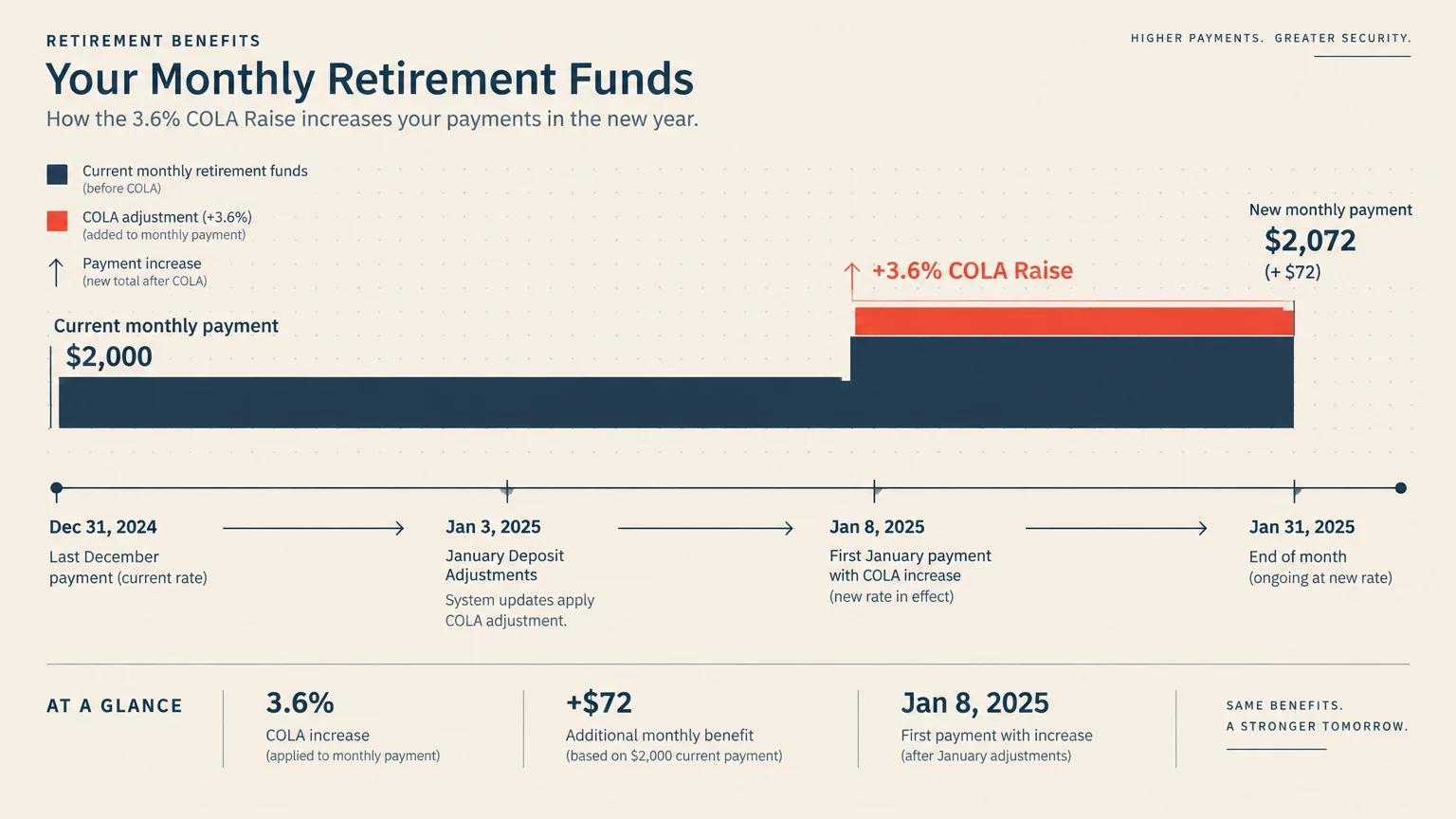
Every autumn, the federal government calculates the annual Cost-of-Living Adjustment to protect senior purchasing power against inflation. For 2027, benefits increase by 3.6% across the board, providing higher monthly support than the 2.8% adjustment granted in 2026.
This 3.6% adjustment directly expands the checks of approximately 76 million Americans. Nearly 72 million Social Security beneficiaries and 7.3 million Supplemental Security Income recipients will receive larger deposits.
For an average retired worker, this boost adds roughly $75 per month to household income. Average monthly benefits climb from $2,095 to $2,170 starting with the new cycle.
Senior couples who both receive benefits see their combined monthly checks rise from $3,238 to $3,355. That extra $117 per month helps offset rising grocery, energy, and medical care expenses.
Supplemental Security Income payment limits also expand under the 3.6% formula. The maximum federal individual payment climbs from $994 to $1,029 per month, while maximum support for eligible couples increases from $1,491 to $1,544.
The exact date your higher payment arrives depends on your benefit program. Supplemental Security Income recipients see the 3.6% increase first, arriving in their early deposit on Thursday, December 31, 2026.
Beneficiaries in the pre-May 1997 exception group also receive their higher 2027 rate on December 31. If you receive standard Wednesday payments, your 3.6% raise debuts in your January 2027 check.
To inspect your personalized rate increase early, establish an account online through the Social Security Administration (SSA) portal. Setting up your account and opting into paperless notifications by November 18, 2026, allows you to view your official notice online in late November or early December.
Beneficiaries who prefer physical mail will receive standard paper notices throughout the month of December. These letters spell out your gross benefit, Medicare Part B premium withholdings, and net monthly deposit.
Managing the Two-Check Illusion for SSI Recipients
Supplemental Security Income recipients must navigate a unique financial hurdle every December. Because January 1 is a federal holiday, you receive two full benefit deposits during the month of December.
Your first payment arrives on Tuesday, December 1, covering your regular December expenses. Your second payment arrives on Thursday, December 31, representing your January benefit delivered twenty-four hours early.
This calendar timing often creates the false impression of an end-of-year holiday bonus. In reality, the federal government does not issue thirteenth checks or seasonal bonuses to any beneficiary.
If you spend that December 31 deposit on holiday gifts or festivities, you will enter January with zero benefit income. You must stretch those funds to cover your rent, groceries, and utilities until February 1.
Treat the December 31 payment as money belonging strictly to January. Moving that deposit into a separate account or setting it aside immediately prevents financial distress during the cold winter weeks ahead.
Organizations like AARP frequently provide household budgeting worksheets to help retirees structure variable income patterns. Careful allocation ensures that shifted check dates never derail your core living expenses.
Banking Processing Times and Direct Deposit Realities
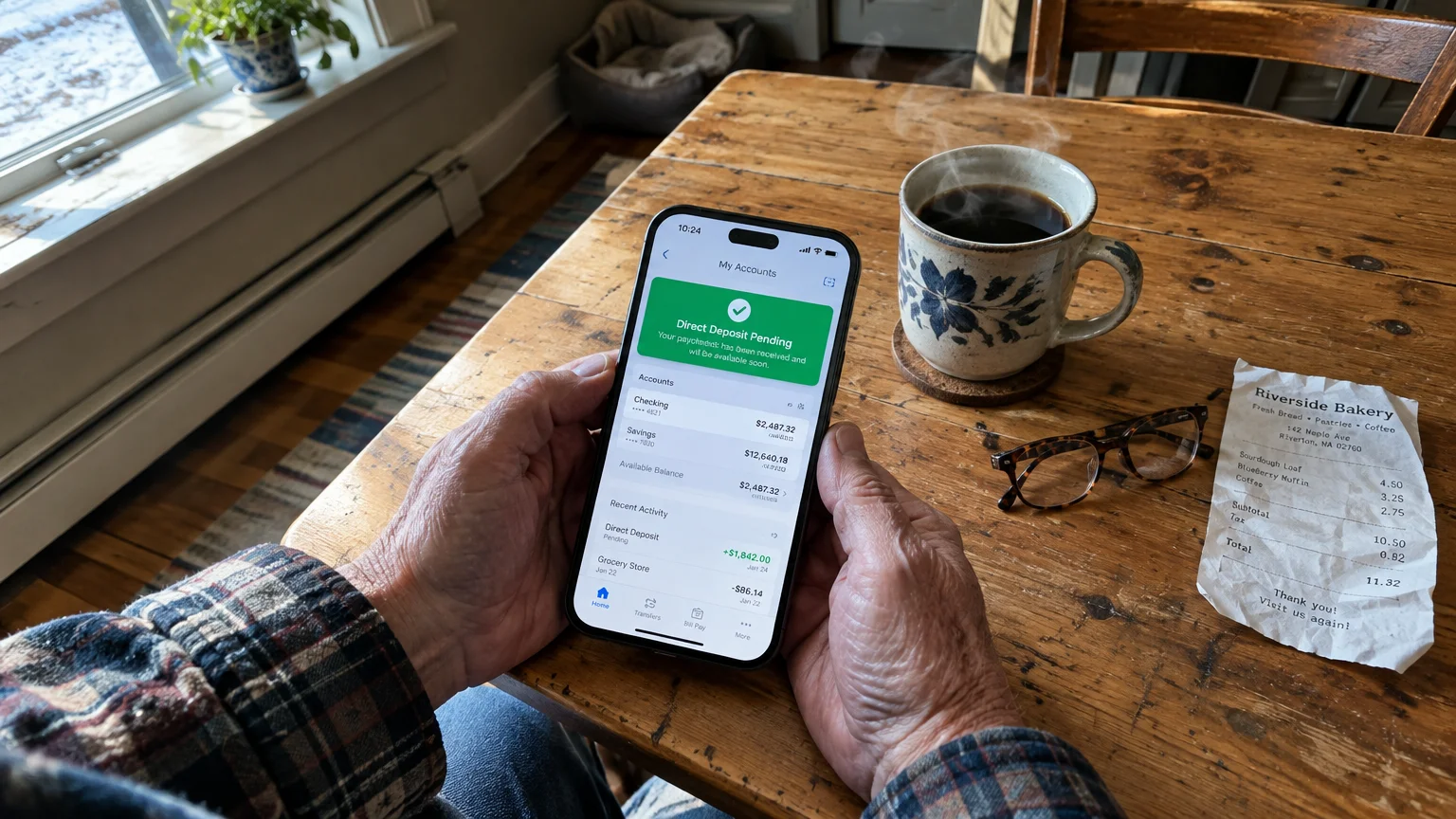
While the federal government releases funds according to strict legal schedules, your personal bank controls when money appears in your available balance. The automated clearinghouse network processes government payments efficiently, but posting times still vary widely.
Large commercial institutions typically make direct deposits available in the early morning hours of the scheduled date. Regional banks and credit unions may post transactions slightly earlier, sometimes showing pending funds the prior evening.
Federal holidays interrupt standard clearinghouse operations. If a holiday occurs mid-week, interbank settlement pauses, meaning secondary transfers between savings and checking accounts can take extra time.
Retirees who still rely on paper Treasury checks face far greater exposure to seasonal delays. Winter weather disruptions and elevated holiday package volumes routinely slow United States Postal Service delivery times.
You can learn more about protecting your banking access through the Consumer Financial Protection Bureau (CFPB) Retirement resource center. Transitioning to direct deposit eliminates physical mail delays and guarantees your funds land on the official shift date.
If you use a prepaid debit card for your benefits, check your provider’s terms regarding deposit holds. Some card issuers release funds up to two days early, while others wait until the exact legal distribution morning.
Costly Mistakes to Avoid
Holiday financial pressures cause many retirees to make unforced errors with their benefit schedules. Avoiding these common traps keeps your household budget secure through the winter season.
- Spending the second December SSI check: Supplemental Security Income recipients often treat the December 31 deposit as discretionary spending cash. That payment covers your basic January living costs, and no additional funds will arrive until February 1.
- Switching bank accounts in mid-December: Updating your direct deposit information during peak holiday processing windows can trigger payment delays. The agency requires several business days to verify new account details, which could result in a delayed paper check.
- Calling the SSA before the mandatory waiting period: Reaching out to agency representatives the morning a payment seems delayed wastes hours on hold. Federal guidelines require you to wait three business days before filing a missing payment inquiry.
- Ignoring automatic bill withdrawal dates: When payments shift earlier or later, fixed electronic withdrawals for utilities or mortgages can trigger overdrafts. Adjust your automated bill schedules to match verified holiday deposit dates.
- Assuming holiday checks include extra bonus cash: The federal government never issues seasonal holiday gift bonuses to Social Security beneficiaries. Every dollar deposited represents your earned monthly entitlement or needs-based support.
“The best time to plan for retirement was 20 years ago. The second best time is today.”
Proactive planning eliminates stress and allows you to enjoy family gatherings without worrying about unpaid household bills. Simple calendar awareness remains your best defense against seasonal cash crunches.
What to Do If Your Holiday Payment Is Missing
Discovering that your monthly benefit has not cleared your bank account causes understandable alarm. However, specific protocols dictate how you should respond to ensure rapid resolution.
First, verify the calendar against the official holiday payment rules. Remember that payments scheduled for federal holidays shift to the prior business day, not later dates.
Next, log into your personal banking portal to verify whether the funds appear in a pending status. Banks often hold transactions temporarily during holiday processing cycles before posting them to your ledger.
The Social Security Administration officially instructs beneficiaries to wait three additional mailing days before contacting the agency. This three-day grace period allows banking networks and the postal system to clear routine processing backlogs.
If three business days pass and your funds remain missing, sign into your personal online government account. Inspect your profile to confirm that your direct deposit routing and account numbers have not been altered.
If your account details are correct but no money arrives, call the agency’s toll-free customer service line at 1-800-772-1213. Representatives can trace the electronic transfer and determine why your deposit stalled.

Don’t DIY These Decisions
While tracking holiday check arrival dates is straightforward, broader Social Security management requires professional care. Certain financial moves carry permanent tax consequences and irreversible benefit reductions.
If you are deciding when to claim retirement benefits, consult a credentialed financial advisor or Social Security claiming specialist. Claiming early reduces your monthly payout for life, while delaying until age seventy maximizes your guaranteed income.
Supplemental Security Income recipients must monitor strict resource limits when two checks land in the same month. Individual SSI recipients cannot hold more than $2,000 in countable financial resources on the first day of any calendar month.
Because the January SSI payment arrives on December 31, your bank balance might technically exceed that threshold on January 1. An elder law attorney or benefits counselor can ensure administrative timing shifts do not jeopardize your eligibility.
If you receive Medicare, coordinating your Part B premium deductions with shifting holiday benefit payments requires precise tracking. Working with a State Health Insurance Assistance Program counselor helps clarify how premium withholdings impact your net monthly check.
Frequently Asked Questions
When will I get my Social Security check if my payment date falls on a holiday?
Under Public Law 95-216, your payment arrives on the immediately preceding business day. If your scheduled Wednesday deposit lands on an official federal holiday, your bank receives the funds on Tuesday.
Why did I receive two Supplemental Security Income (SSI) payments in December?
New Year’s Day on January 1 is a federal holiday that completely closes the banking system. Federal rules require the government to issue your January benefit on the last open business day, which is Thursday, December 31.
When will the 2027 Social Security COLA increase appear in my bank account?
SSI recipients and pre-May 1997 beneficiaries receive the 3.6% boost early on Thursday, December 31, 2026. Standard Wednesday retirement beneficiaries see the higher rate in their January 2027 checks.
Does Thanksgiving delay Social Security payments for late-month birthdays?
No, Thanksgiving does not delay your check. Beneficiaries born between the 21st and the 31st receive their monthly deposit on Wednesday, November 25, which falls the day before Thanksgiving.
What should I do if my direct deposit does not show up on the holiday schedule date?
Check with your financial institution first to see if the deposit is currently pending settlement. If the money does not clear within three business days after the scheduled date, contact the Social Security Administration.
Planning Ahead for the Winter Season
Mark your personal calendar right now with your verified November, December, and January deposit dates. Knowing precisely when your money arrives lets you manage holiday gift shopping and household heating bills with complete confidence.
Retirement rules and benefit amounts vary based on individual work history, income, and circumstances. This article provides general guidance only. Consult a SHIP counselor, financial advisor, or elder law attorney for advice specific to your situation.
Last updated: November 2026. Medicare and Social Security rules change annually—always verify current details at official government sources.