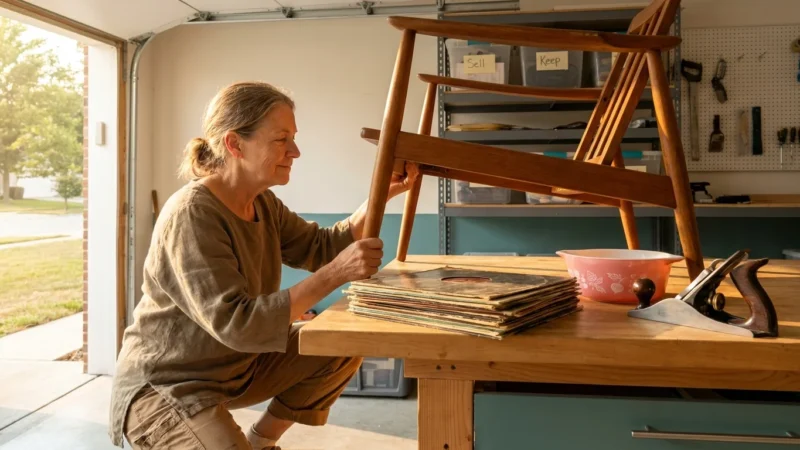
Your attic might be hiding an unexpected source of retirement income, as everyday items from decades past are suddenly commanding premium prices on the resale market. Downsizing your home or organizing a lifetime of memories no longer means simply tossing old boxes into a donation bin. Today, a new generation of buyers aggressively hunts for nostalgia, transforming ordinary vintage items into highly valuable assets. Turning retirement hobbies into lucrative side income requires knowing exactly what modern collectors actually want to buy. The decorative plates and traditional figurines of yesterday have plummeted in value, but the retro electronics, mid-century kitchenware, and pop culture memorabilia you tucked away could significantly boost your nest egg and fund your next adventure.
The Shift in the Collectibles Market
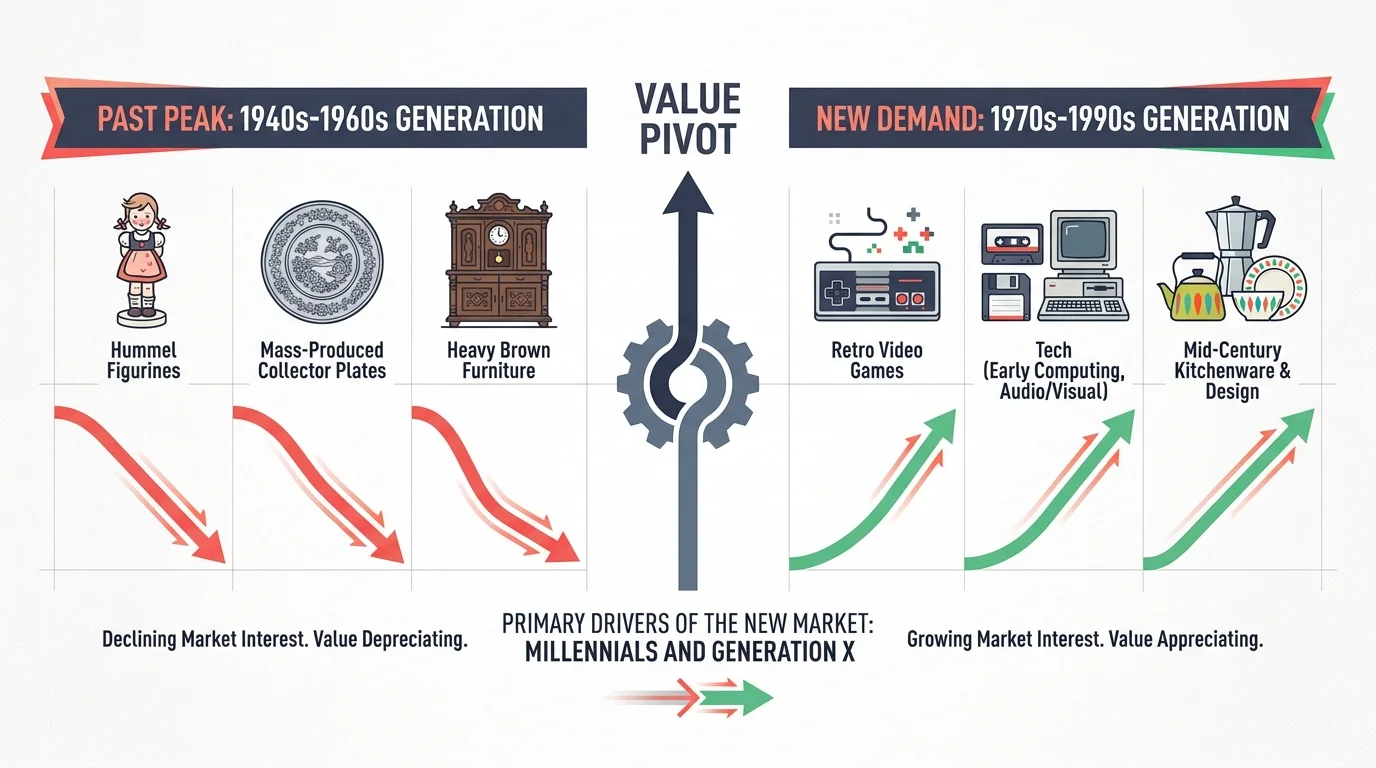
The collectibles market undergoes massive shifts every generation. Items that commanded premium prices twenty years ago—like Hummel figurines, mass-produced collector plates, and heavy brown antique furniture—often struggle to find buyers today. The new demographic with disposable income consists of Millennials and Generation X. They are spending heavily to recapture their childhoods, driving up demand for items from the 1970s, 1980s, and 1990s.
Many retirees find that identifying and selling these high-demand items serves as an incredibly engaging hobby. It gets you out to estate sales, keeps your mind sharp through research, and provides an excellent way to connect with younger generations. Before you clean out another closet or host a neighborhood garage sale, carefully inspect your belongings. You might currently own several items that hold surprising resale value.
“Don’t simply retire from something; have something to retire to.” — Harry Emerson Fosdick
1. Mid-Century Pyrex and Kitchenware
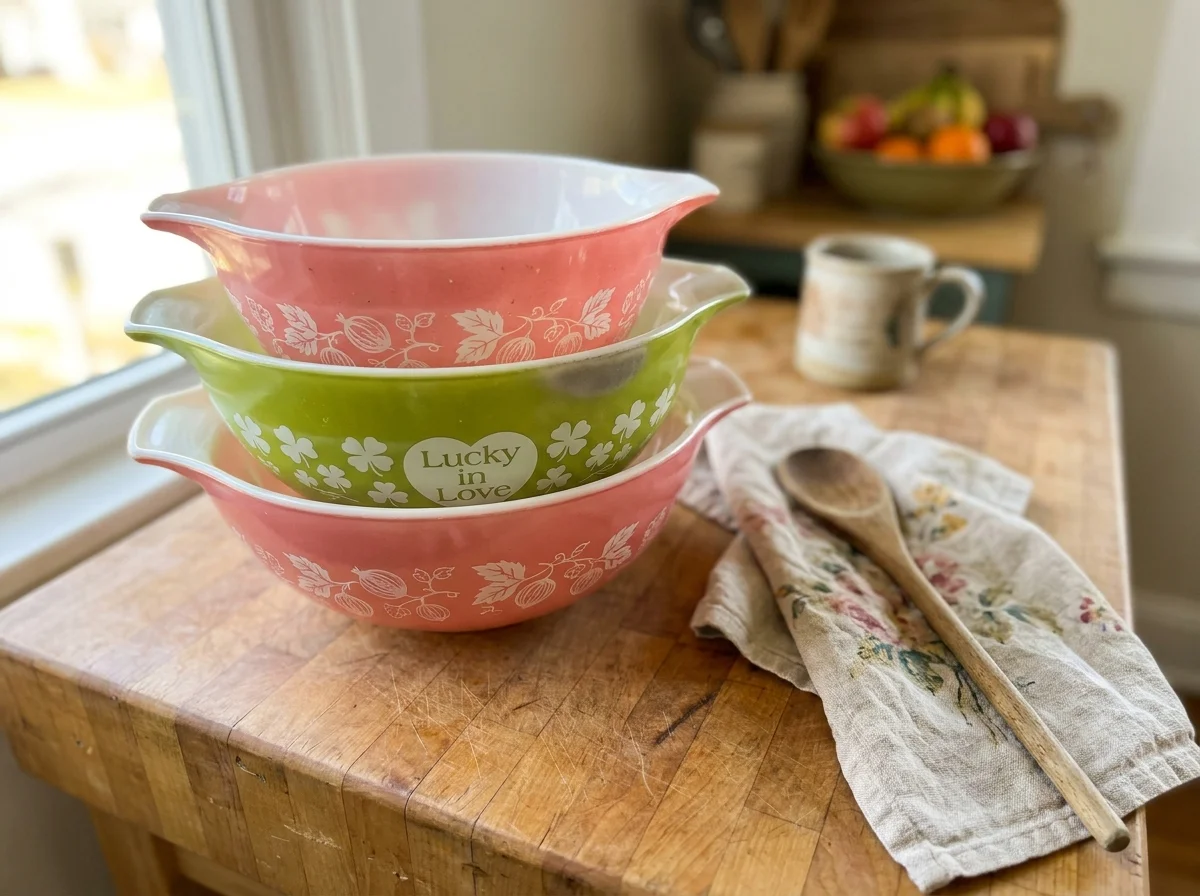
Those heavy glass mixing bowls your family used for Sunday dinners now represent one of the hottest markets in vintage kitchenware. Collectors prize vintage Pyrex, particularly pieces manufactured between the 1950s and 1980s, for its durability and vibrant, mid-century aesthetics. The value depends entirely on the condition and the specific pattern.
Standard primary color bowl sets often sell for a respectable sum, but rare promotional patterns can bring in hundreds or even thousands of dollars. Patterns like “Lucky in Love” (featuring clovers and hearts) or the “Gooseberry” print are highly sought after. Check the paint condition carefully; pieces washed in dishwashers often suffer from “dishwasher damage,” which leaves the paint dull and significantly reduces the resale value.
2. Vintage Video Games and Consoles
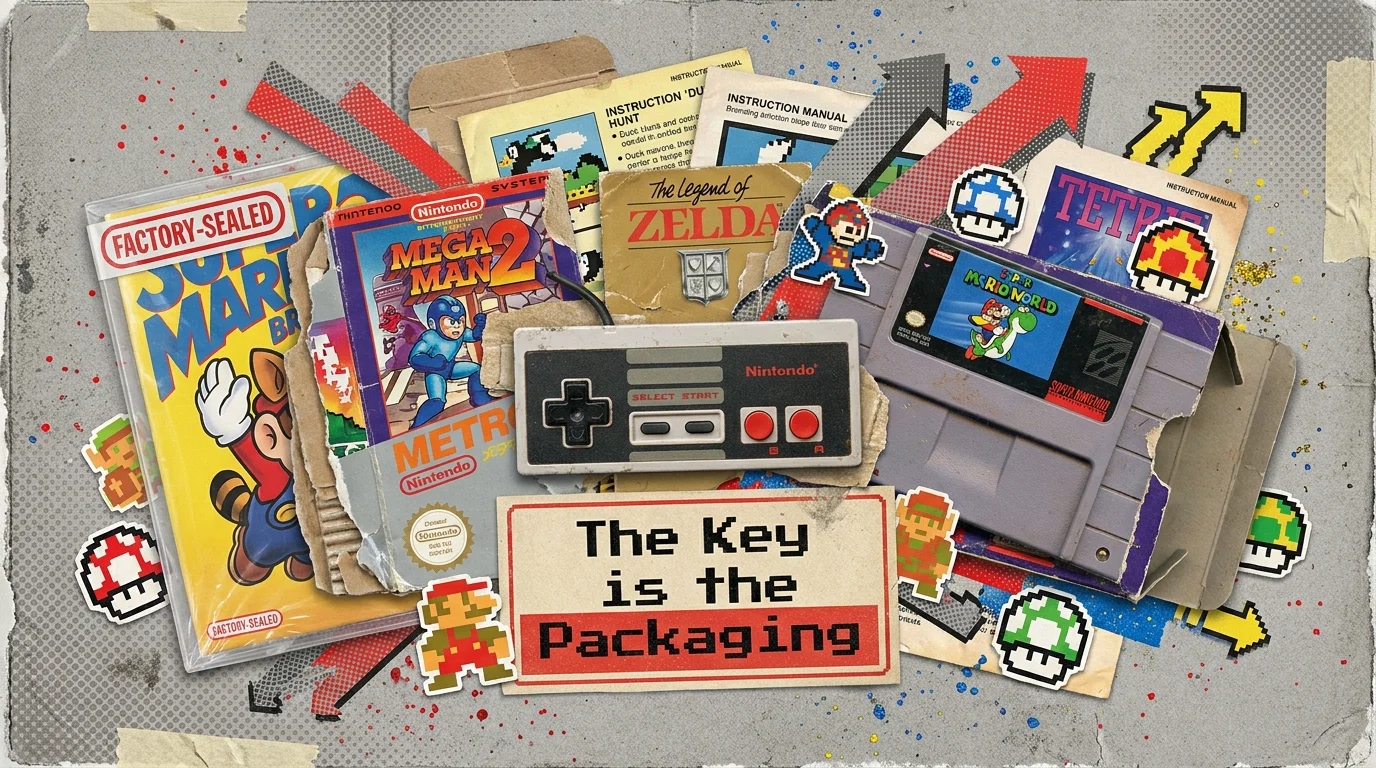
Do you have a box of old video games your children left behind when they moved out? Original Nintendo Entertainment System (NES), Super Nintendo, and Sega Genesis cartridges are fetching unprecedented prices. The key to high value in the video game market is the packaging. A game cartridge alone might sell for twenty dollars, but that exact same game in its original cardboard box, complete with the instruction manual, can sell for ten times that amount.
Unopened, factory-sealed games from the 1980s and 1990s routinely command thousands of dollars at specialized auction houses. Even the consoles themselves retain solid value, provided they are clean, functioning, and include the original cords and controllers.
3. First-Generation Tech and Apple Products
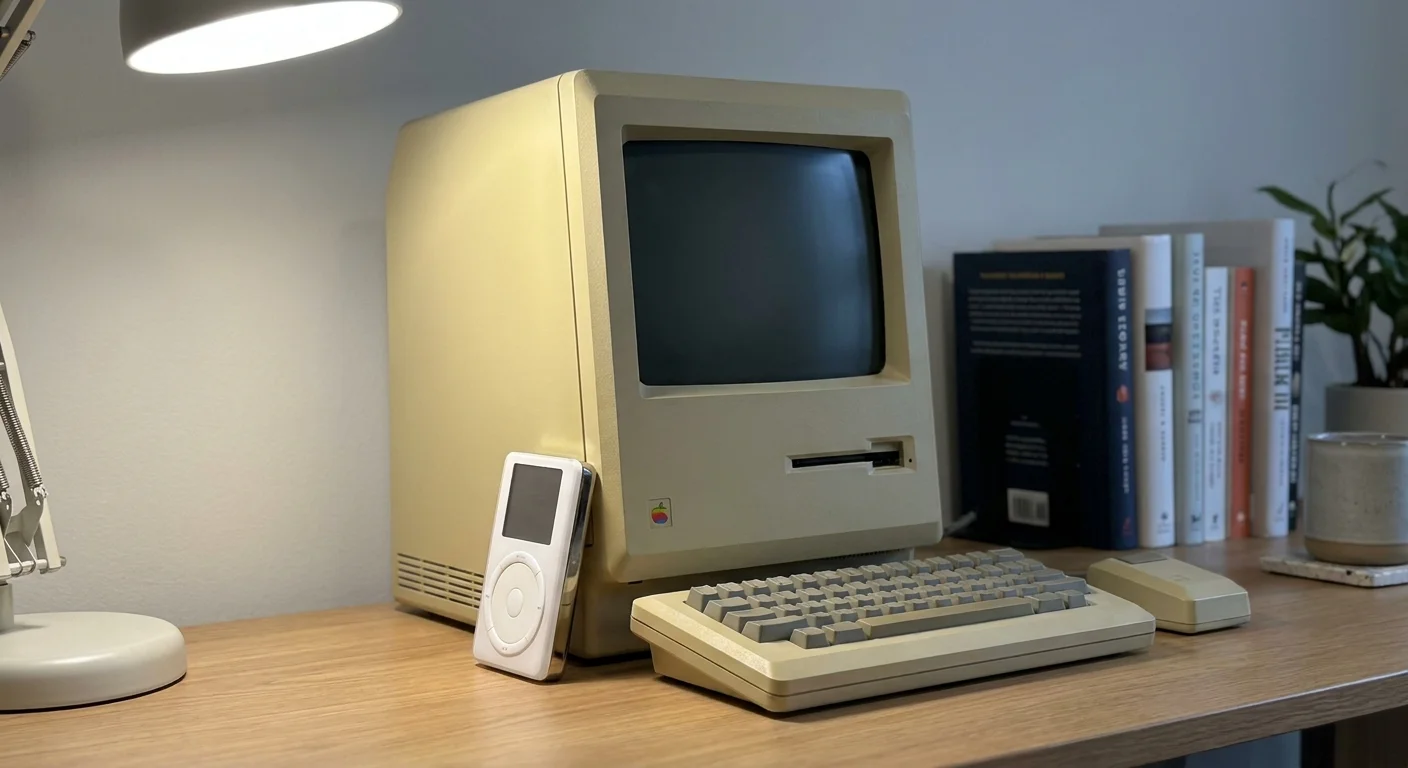
Early personal technology devices now qualify as bona fide antiques. The original iPod classic, early Macintosh computers, and sealed first-generation iPhones have transitioned from outdated electronics to museum-quality tech history. Collectors look for pristine cosmetic conditions and original packaging.
If you have a 1984 Macintosh computer gathering dust in the basement, or an original Sony Walkman in excellent condition, you possess highly liquid assets. Even old mechanical keyboards from the 1980s and 1990s—particularly the IBM Model M—are prized by modern computer enthusiasts for their durability and tactile typing feel.

4. Sealed VHS Tapes and Obscure Horror Flicks
Almost everyone threw out their VHS tapes when DVDs arrived. Consequently, sealed VHS tapes from the early 1980s are remarkably scarce. A sealed, original release of culturally significant films like Star Wars, Back to the Future, or Jaws can command premium prices.
Beyond sealed blockbusters, obscure horror and science fiction movies from the 1980s that never received a DVD or streaming release hold incredible value. Collectors hunt for “big box” VHS tapes released by long-defunct rental companies. If you bought tapes from a video rental store closing sale decades ago, you might be sitting on a niche goldmine.
5. Designer Costume Jewelry
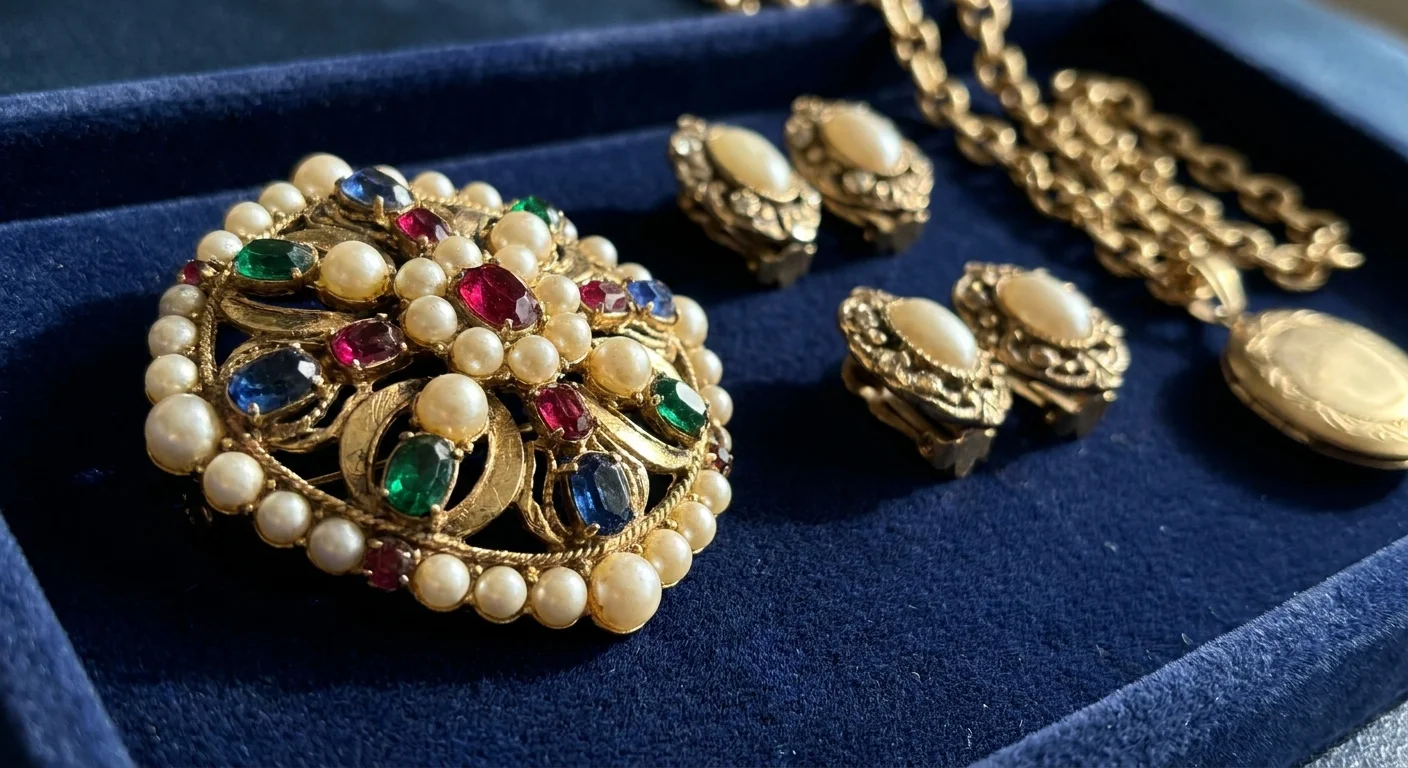
You do not need solid gold or flawless diamonds to profit from vintage jewelry. Designer costume jewelry from the mid-20th century holds tremendous appeal. Pieces signed by designers like Miriam Haskell, Trifari, Dior, and Chanel are traded fiercely among collectors.
Additionally, Bakelite jewelry from the 1930s and 1940s remains highly collectible. Bakelite is an early plastic that was carved into thick, colorful bangles and brooches. You can easily test for Bakelite by rubbing the plastic vigorously with your thumb until it warms up; authentic Bakelite emits a distinct, chemical smell resembling formaldehyde.
6. Toys from the 1980s and 1990s
The toys your children played with are now the primary focus of nostalgic collectors. High-value categories include:
- Original Transformers and G.I. Joe: Figures from the 1980s, especially those still in their original packaging or featuring all their tiny, easily lost accessories.
- American Girl Dolls: Original Pleasant Company dolls from the late 1980s and early 1990s (such as Samantha, Kirsten, and Molly), particularly if they include their original accessories and clothing.
- Vintage Polly Pockets: The small, compact sets manufactured by Bluebird Toys before Mattel redesigned them in the late 1990s.
- Teenage Mutant Ninja Turtles: Early action figures and vehicles from the original late-1980s toy line.
7. Single-Stitch Concert T-Shirts
If you attended rock concerts in the 1970s, 1980s, or 1990s and kept the tour shirts, you are in luck. The vintage clothing market exploded over the last decade, with authentic band t-shirts leading the charge. Collectors search specifically for “single-stitch” shirts—identified by a single line of stitching on the sleeve cuffs and bottom hem, a manufacturing style that faded out in the late 1990s.
Original shirts featuring bands like Nirvana, Metallica, Iron Maiden, or the Grateful Dead often sell for hundreds of dollars. The thin, worn-in cotton that makes these shirts so comfortable is exactly what modern buyers desire.

8. Classic Manual Typewriters
In our highly digital age, a strong counter-movement of writers and collectors desires the tactile experience of manual typewriters. Mid-century models featuring bright colors and sleek designs are incredibly popular. The Hermes 3000, the Olivetti Valentine (famous for its bright red casing), and pristine Smith-Corona models are fast sellers.
Value depends heavily on functionality. Keys that stick, missing ribbons, or a broken carriage return will lower the price, but a fully serviced, working mid-century typewriter represents a beautiful and valuable piece of industrial design.
9. First-Edition Roleplaying and Board Games
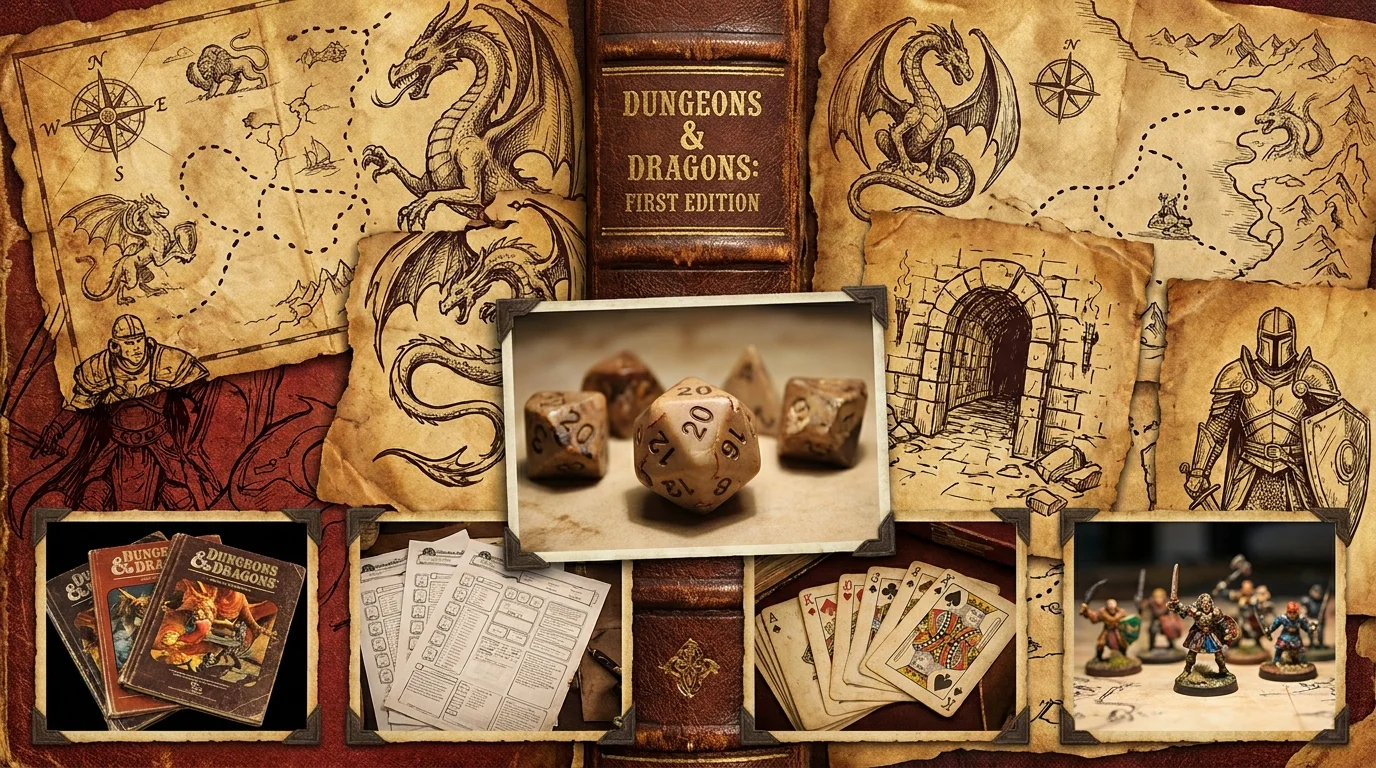
Tabletop gaming experienced a massive renaissance recently. Original, early editions of Dungeons & Dragons—particularly the woodgrain or white box sets from the 1970s—are exceptionally rare and valuable. Similarly, early cards from the game Magic: The Gathering (specifically cards printed in 1993 and 1994) can sell for astonishing amounts.
Even conventional board games hold value if they are complete and represent niche pop culture moments from the 1960s to the 1980s. The key requirement for any vintage game is completeness; missing a single piece or the rulebook dramatically slashes its market value.
Errors That Cost Retirees Thousands
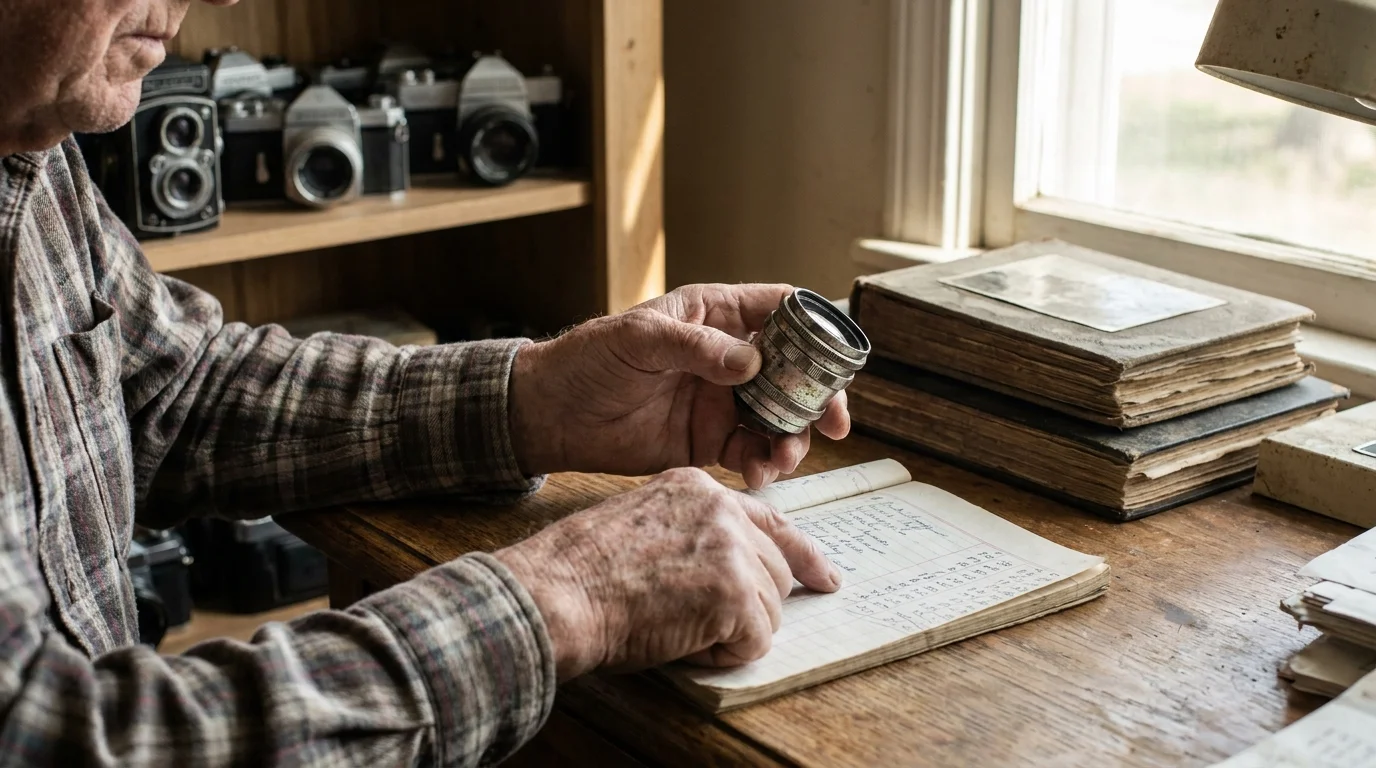
When you decide to sell items from your collection, avoiding common pitfalls protects your potential profits. Many retirees unknowingly destroy the value of their items through well-intentioned mistakes.
The “Clean Up” Ruin: Never aggressively clean an antique or vintage collectible before consulting an expert. Stripping the natural tarnish (patina) off vintage jewelry, coins, or furniture often destroys its value. Collectors want the item to show its authentic age. A quick polish of a rare coin can literally erase thousands of dollars in value in seconds.
Throwing Away the Original Packaging: In the collectibles market, the box is sometimes worth as much as the item inside. “Complete in Box” (CIB) is the gold standard for toys, video games, and electronics. If you find an old gadget in your closet, resist the urge to throw away the faded cardboard box it sits in.
Accepting the First Bulk Offer: When downsizing, the easiest route is allowing a single dealer to walk through your home and offer one lump sum for everything. While convenient, this guarantees you will receive a mere fraction of the true market value. Dealers must make a profit, so they buy low. Take the time to separate potentially high-value items from general household goods.
“The goal of retirement is to live off your assets—not live off your regrets.”
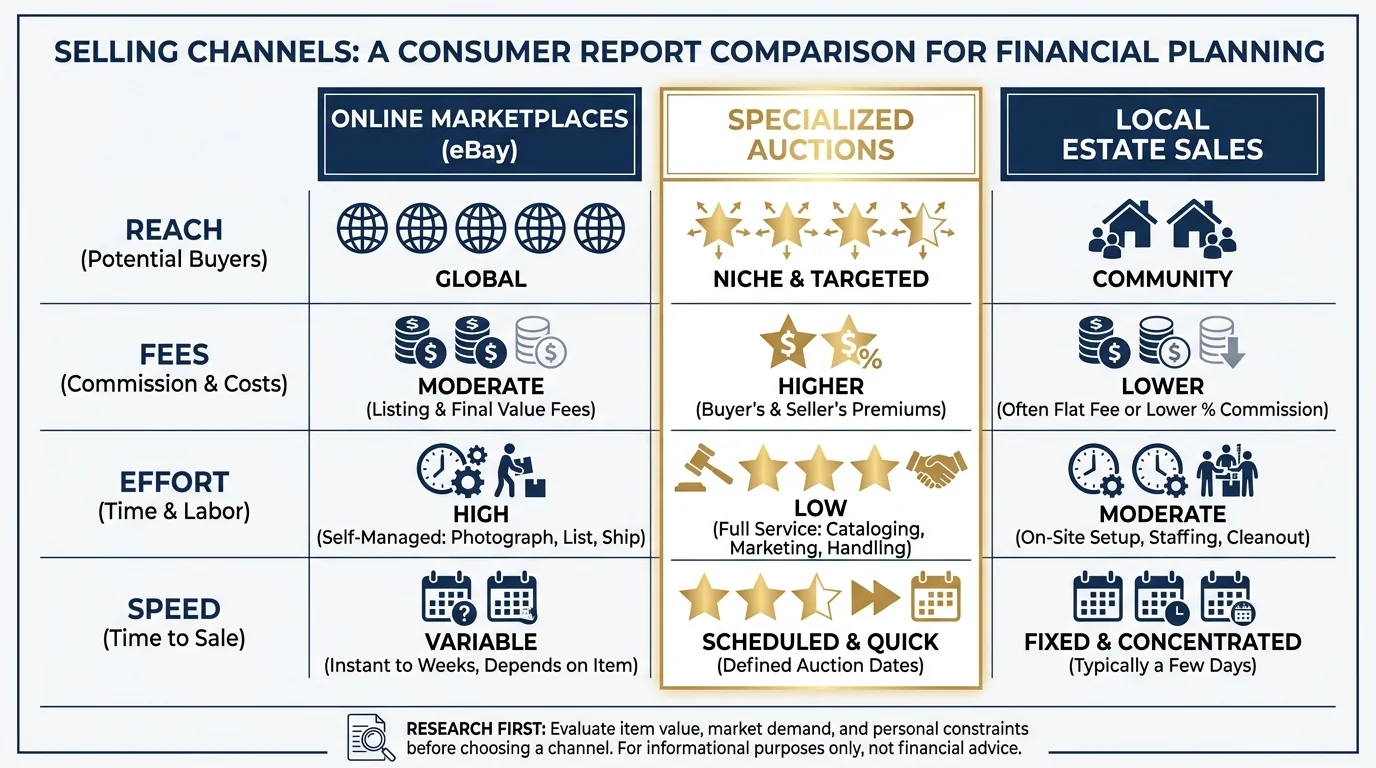
Comparing Selling Avenues
Once you identify valuable items, you must decide how to sell them. Your choice balances the amount of effort you want to exert against the profit you hope to retain.
| Selling Method | Best For | Pros | Cons |
|---|---|---|---|
| Online Marketplaces (eBay) | Niche collectibles, video games, clothing | Access to a massive global audience of specific collectors. | You must handle shipping, deal with potential buyer returns, and pay platform fees (typically 13-15%). |
| Specialized Auction Houses | High-end items, rare tech, graded video games | Professional marketing, authentication, and access to wealthy buyers. | High seller commissions (often 15-25%) and lengthy waiting periods for the auction date. |
| Local Antique Dealers | Furniture, large items, bulk vintage collections | Immediate cash payout, no shipping required. | You receive wholesale pricing, often 40-50% less than true retail value. |
| Estate Sales | Whole-house liquidation during downsizing | Low physical effort for you; handles everyday items alongside valuables. | Estate sale companies take a large percentage (30-50%) and items are priced to move quickly, not maximize value. |
When to Get Expert Help for Appraisals and Estate Planning
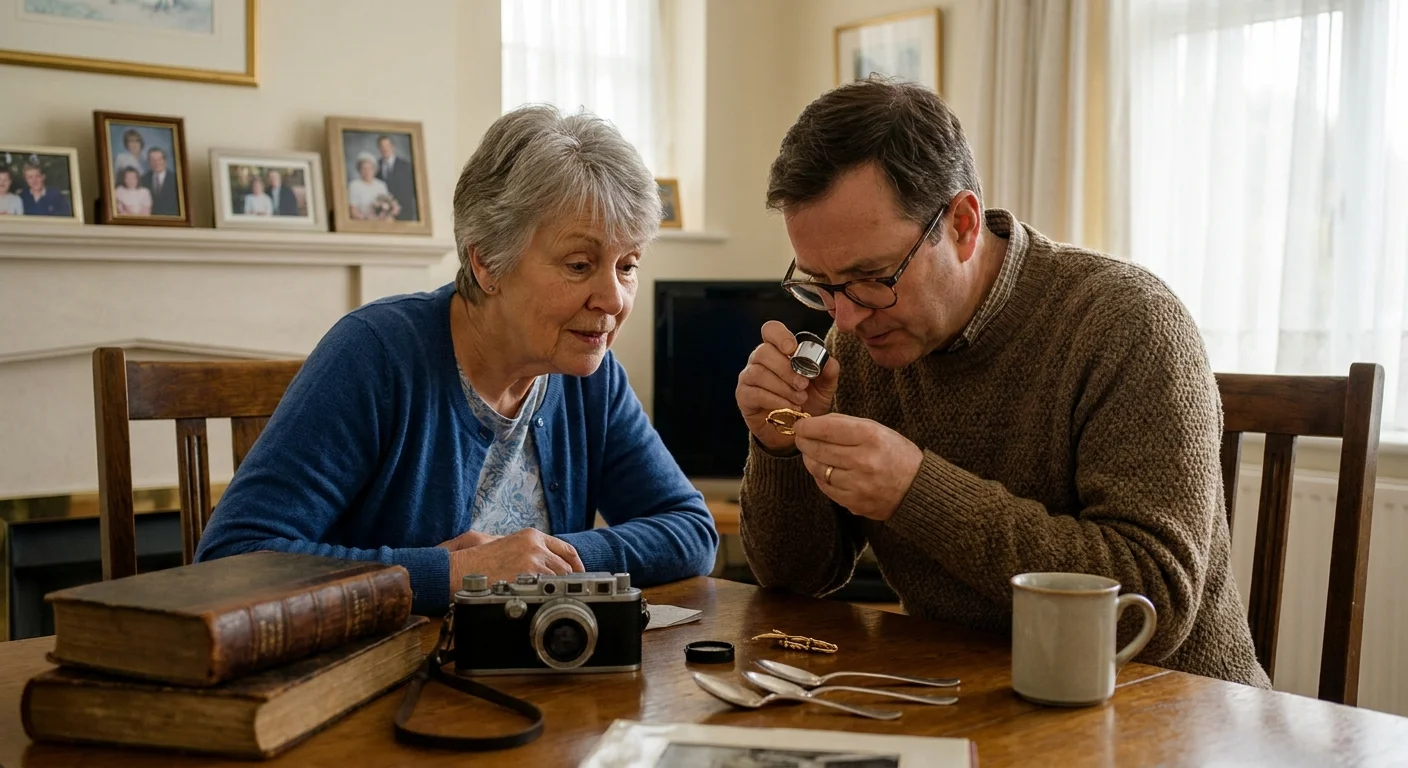
If you uncover a massive collection of items, or if you suspect a specific piece is worth thousands of dollars, stop your DIY efforts and hire a professional. You want an appraiser certified by the Appraisers Association of America (AAA) or the International Society of Appraisers (ISA). Never hire an appraiser who offers to buy the item from you; this presents a clear conflict of interest. You pay an appraiser strictly for their evaluation.
Selling high-value items also impacts your tax situation. The Internal Revenue Service (IRS) categorizes these items as collectibles, which are subject to a maximum capital gains tax rate of 28% if held for more than one year. If your newfound hobby begins generating significant income, you must track your sales and initial costs properly. For detailed guidance on how sudden income impacts your broader financial picture, you can review resources provided by IRS Retirement Plans or consult a tax professional.
Furthermore, if you are relying on the sale of personal items just to bridge a gap in your daily living expenses, there may be better structural solutions available to you. Exploring community resources through the National Council on Aging’s BenefitsCheckUp can help identify assistance programs that ease the burden on your fixed income.
Finally, consider how collectibles fit into your overall estate plan. Leaving behind a basement full of undocumented vintage items forces your children to become amateur appraisers during a period of grief. Documenting the value of specific items and providing clear instructions on how to sell them is a vital component of responsible financial planning. You can find excellent planning frameworks through the CFPB Retirement resources and the AARP to help structure your downsizing efforts logically.
Frequently Asked Questions
How do I find out what my vintage item is actually worth?
Do not look at active listing prices on platforms like eBay; anyone can ask for any price. Instead, filter your search to “Sold Items” or “Completed Listings.” This shows you the exact dollar amount buyers have recently paid for the exact same item in comparable condition.
Do I have to pay taxes on the old items I sell from my attic?
Generally, if you sell a personal item for less than you originally paid for it, it is considered a personal loss and is not taxable (nor is it deductible). However, if you sell a collectible for more than its original purchase price, the profit is subject to capital gains tax. Always consult a tax professional regarding your specific reporting requirements.
Should I clean my collectibles before selling them?
For hard plastics or glass (like Pyrex), a gentle wash with mild dish soap and water is usually fine. However, never use abrasive cleaners, never run vintage items through a modern dishwasher, and never polish vintage jewelry, coins, or metal hardware. When in doubt, sell the item exactly as you found it.
What is the best way to ship fragile collectibles?
Always use a new, sturdy corrugated box. Wrap the item in multiple layers of bubble wrap, ensuring it does not touch the sides of the box. Fill all empty space with packing peanuts or crumpled kraft paper so the item cannot shift during transit. For items valued over $100, always purchase shipping insurance and require a signature upon delivery.
Funding Your Next Chapter
Transforming forgotten household items into usable cash provides a fantastic way to fund your retirement goals. Whether you use the money to cover healthcare premiums, spoil your grandchildren, or book a long-awaited vacation, the items gathering dust in your home hold real potential. Take a slow walk through your storage spaces this week. Look past the obvious antiques and keep an eye out for the retro tech, toys, and media that modern collectors eagerly seek.
Retirement rules and benefit amounts vary based on individual work history, income, and circumstances. This article provides general guidance only. Consult a SHIP counselor, financial advisor, or elder law attorney for advice specific to your situation.
Last updated: February 2026. Medicare and Social Security rules change annually—always verify current details at official government sources.