European villages are actively competing for your presence by offering generous relocation incentives to revitalize historic communities. You can unlock tens of thousands of dollars in property grants and flat tax rates simply by making a picturesque town your new home.
While viral headlines promise completely free houses, real municipal programs require navigating strict residency timelines, building restorations, and visa thresholds. Understanding how these official packages work ensures your move protects your hard-earned retirement nest egg.
From sun-drenched Mediterranean islands to quiet Alpine valleys, specific destinations actively welcome American retirees seeking an affordable second act. Here is how you can legitimately claim these relocation incentives today.
How European Relocation Incentives Really Work for Retirees
European municipalities facing rural depopulation design these programs to attract stable, long-term residents. Instead of handing you unmonitored cash at the airport, local governments structure their support through property subsidies, tax relief, and renovation reimbursements.
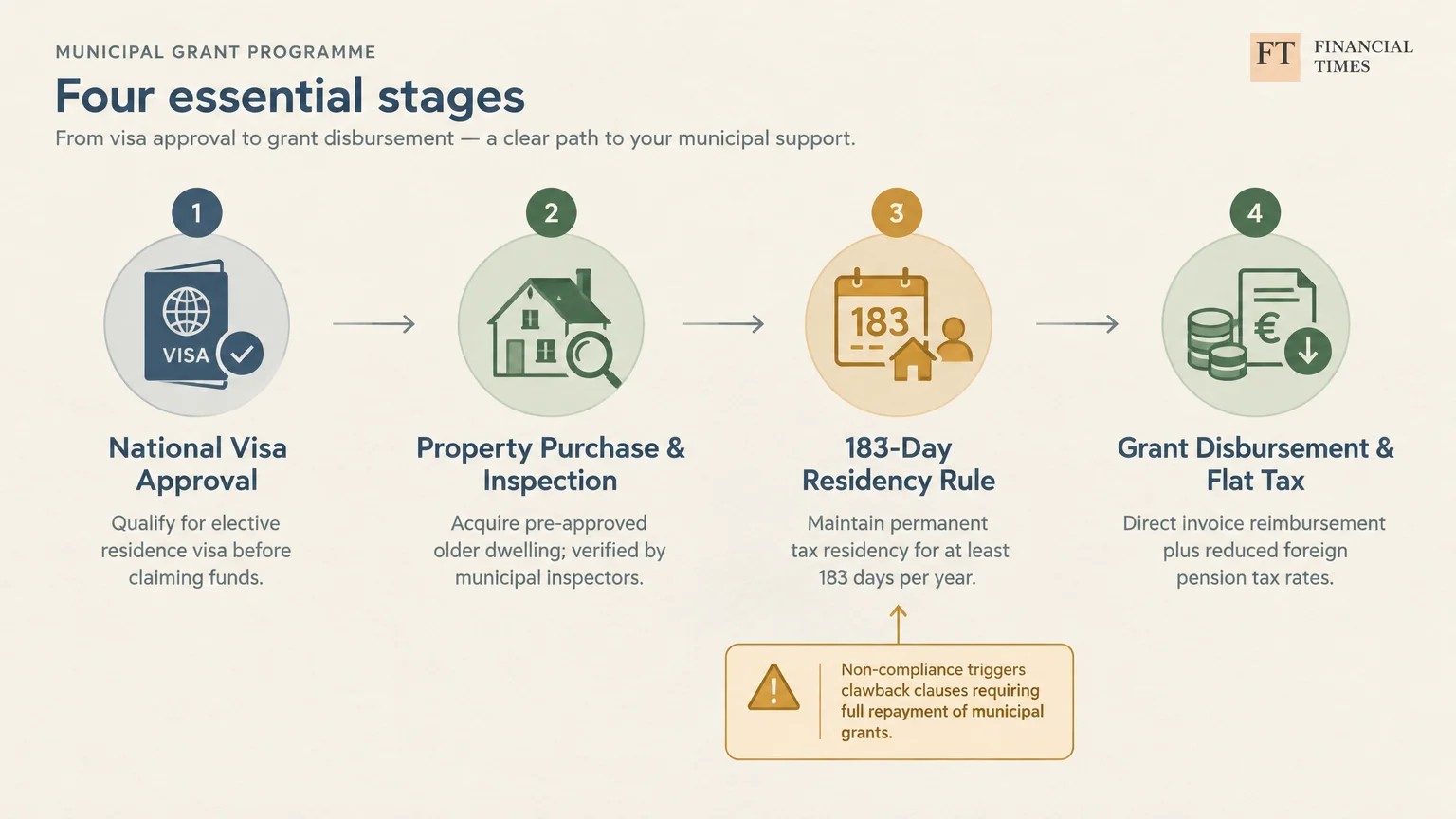
Direct housing grants reimburse documented purchase and construction invoices after local building inspectors verify your work. These payments offset the capital expenses required to modernize older stone dwellings.
Indirect financial perks provide substantial ongoing savings throughout your retirement years. Several Mediterranean nations offer flat single-digit tax rates on foreign pensions, dividends, and investment distributions.
Securing a local cash grant does not automatically grant you legal residency in the country. You must still qualify for a national retirement visa before claiming local municipal funds.
Most local programs also require you to establish permanent tax residency by residing in the municipality for at least 183 days each calendar year. Violating this timeline triggers clawback clauses that force you to repay every euro received.
“Don’t simply retire from something; have something to retire to.” — Harry Emerson Fosdick
1. Trentino, Italy: Alpine Grants Up to €100,000
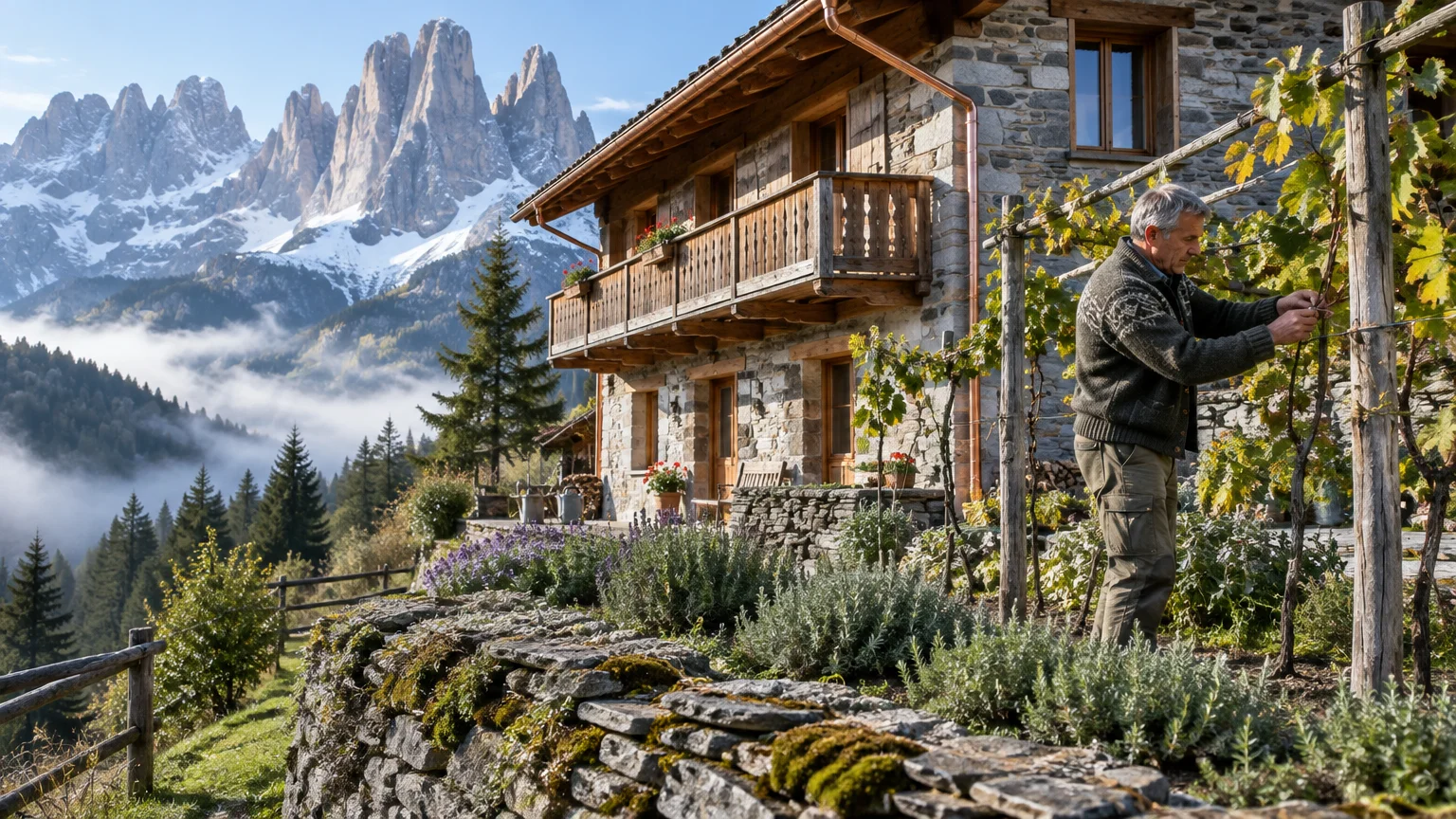
Trentino sits in northern Italy among dramatic Dolomite peaks and pristine alpine pastures. The regional government launched an ambitious repopulation initiative covering 33 designated mountain villages.
Under this expanded program, qualifying applicants can access up to €100,000 in direct public support. The package allocates €20,000 toward purchasing a home and up to €80,000 for approved structural renovations.
Following an initial rollout, regional authorities added €9 million in August 2025 to fund ongoing application windows. Unlike youth-only programs, this initiative has no upper age limit for incoming applicants.
To retain the grant, you must commit to living in the property as your primary residence for 10 years. Alternatively, you can rent the restored home to long-term local tenants under regulated regional agreements.
Living here places you near world-class mountain healthcare facilities in Trento and Bolzano. The region offers exceptional public transit, clean mountain air, and a tranquil retirement pace.
2. Offshore Islands, Ireland: Grants Up to €84,000
Ireland’s national Our Living Islands policy supports community preservation across 23 remote offshore islands. These rugged Atlantic outposts feature vibrant heritage, English-speaking communities, and majestic coastal landscapes.
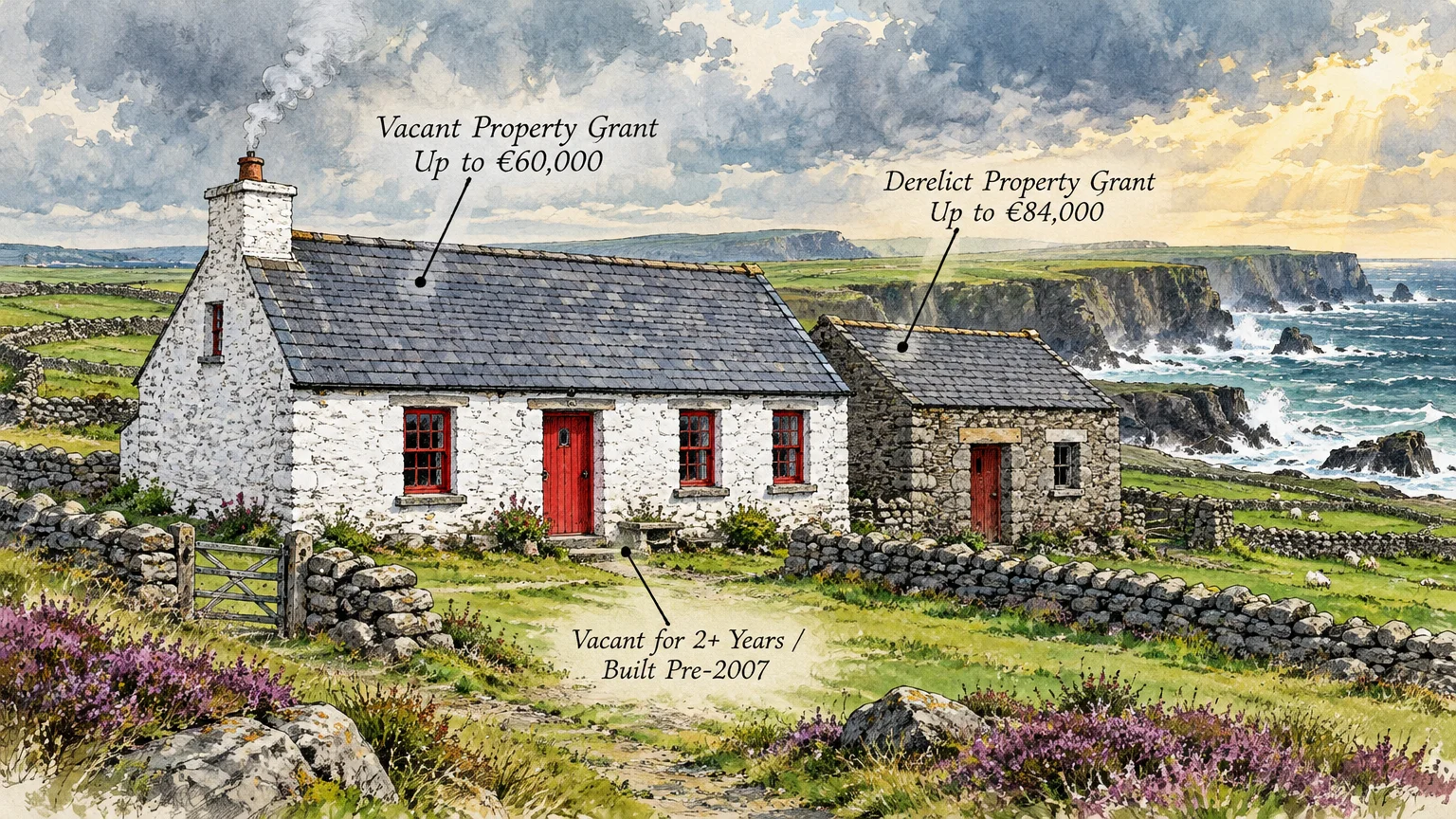
The program operates through the established Croí Cónaithe vacant property refurbishment framework. You can receive up to €60,000 to renovate a vacant island home, or up to €84,000 for a derelict property.
Eligible properties must have been constructed before 2007 and remained completely vacant for at least two consecutive years. Structural engineers must inspect and confirm dereliction before you qualify for the maximum funding tier.
Local authorities issue grant funds as reimbursements after licensed contractors complete the certified structural work. You must present paid receipts and building compliance certificates to receive the public payout.
Qualifying properties must serve as your permanent primary residence or enter the long-term rental market. You must also satisfy national Irish immigration rules, such as the Stamp 0 permit for independent retirees.
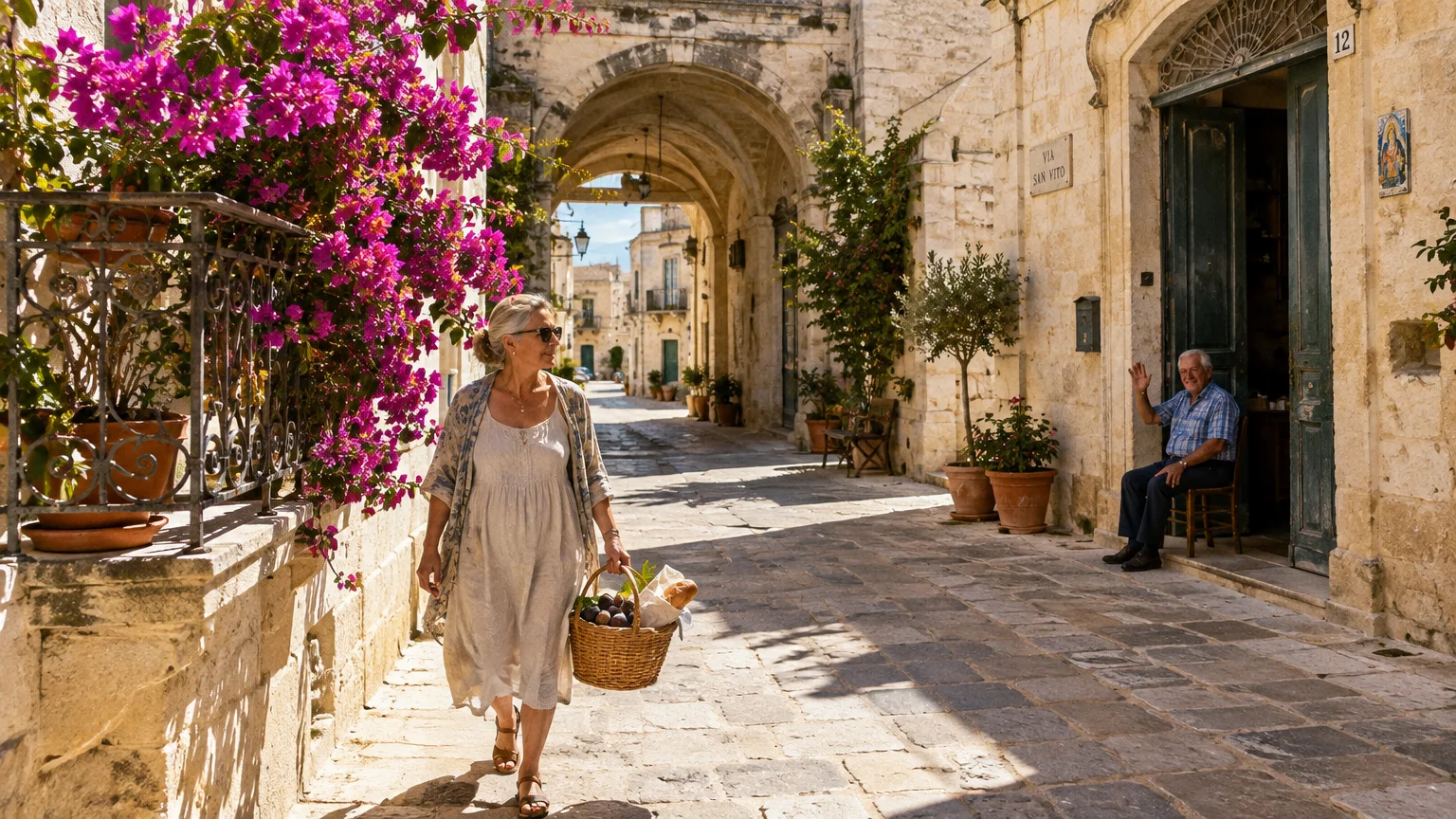
3. Presicce-Acquarica, Italy: €30,000 Historic Living Bonus
Presicce-Acquarica lies in the sunny Salento peninsula of Puglia, famous for ancient olive groves and turquoise waters. The merged municipality created the “Welcome to Presicce-Acquarica” campaign to repopulate its historic quarters.
The local town hall provides cash subsidies of up to €30,000 to new permanent residents. This financial aid covers up to 50% of the total acquisition and restoration costs.
To qualify, the property you purchase must sit within designated historical boundary districts and date back prior to 1991. Many of these properties showcase classic barrel-vaulted ceilings and private courtyard gardens.
The municipality splits its financial support evenly between purchasing the deed and completing necessary renovations. You must officially register the property as your primary legal residence within local civil registries.
Presicce-Acquarica provides a very affordable Mediterranean lifestyle just 15 minutes from white-sand Ionian beaches. Your daily living expenses here run significantly lower than in northern Italian or coastal American cities.
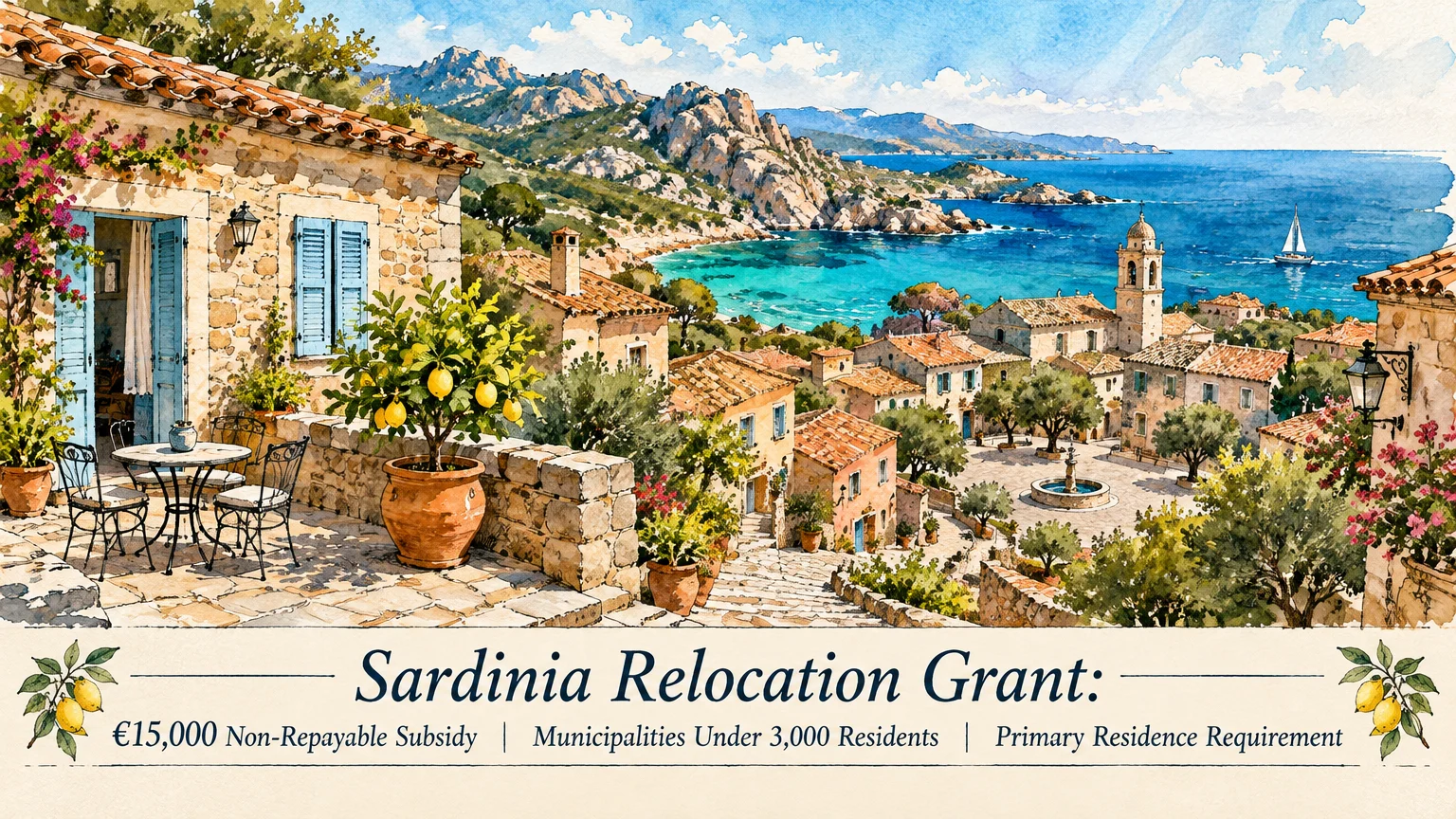
4. Sardinia, Italy: €15,000 Island Relocation Subsidies
Sardinia attracts retirees worldwide with its Mediterranean climate, ancient culture, and famous Blue Zone longevity. The regional government dedicated over €45 million to curb rural depopulation across its scenic interior.
The island offers non-repayable grants of up to €15,000 per applicant to purchase or renovate a primary home. This subsidy covers up to 50% of your total property acquisition or refurbishment invoice.
A key 2026 regulatory update raised the eligibility threshold from villages of 3,000 residents to towns with up to 5,000 residents. This expansion opens dozens of larger communities offering broader medical services, pharmacies, and reliable transit.
You must officially register permanent residency in your Sardinian municipality within 18 months of buying your home. You must also maintain this home as your primary residence for at least five full years.
Combining this regional grant with Italian national tax incentives can dramatically reduce your annual overhead. It creates a financially sustainable pathway to retire abroad in Europe.

5. Radicondoli, Italy: Tuscany Purchase and Rental Subsidies
Radicondoli rests on a hilltop in central Tuscany, surrounded by rolling vineyards and dense oak forests. The town created the WivoaRadicondoli program to attract new residents while protecting its medieval character.
Homebuyers can secure grants up to €20,000 to purchase a long-term vacant house within the commune. The program also provides supplementary grants of up to €6,000 for energy upgrades, heating modernizations, and local transit expenses.
Retirees who prefer trying the area before buying a home can utilize the town’s innovative rental subsidy. The municipality reimburses 50% of your monthly rent during your first two years of residency.
The current phase of this municipal program remains active through 2026 and 2027. It welcomes foreign retirees who register official residency and engage actively in village civic life.
Radicondoli sits less than an hour from Siena and Florence, giving you easy access to major cultural centers and specialized hospitals. It delivers quintessential Tuscan living at a fraction of traditional regional prices.
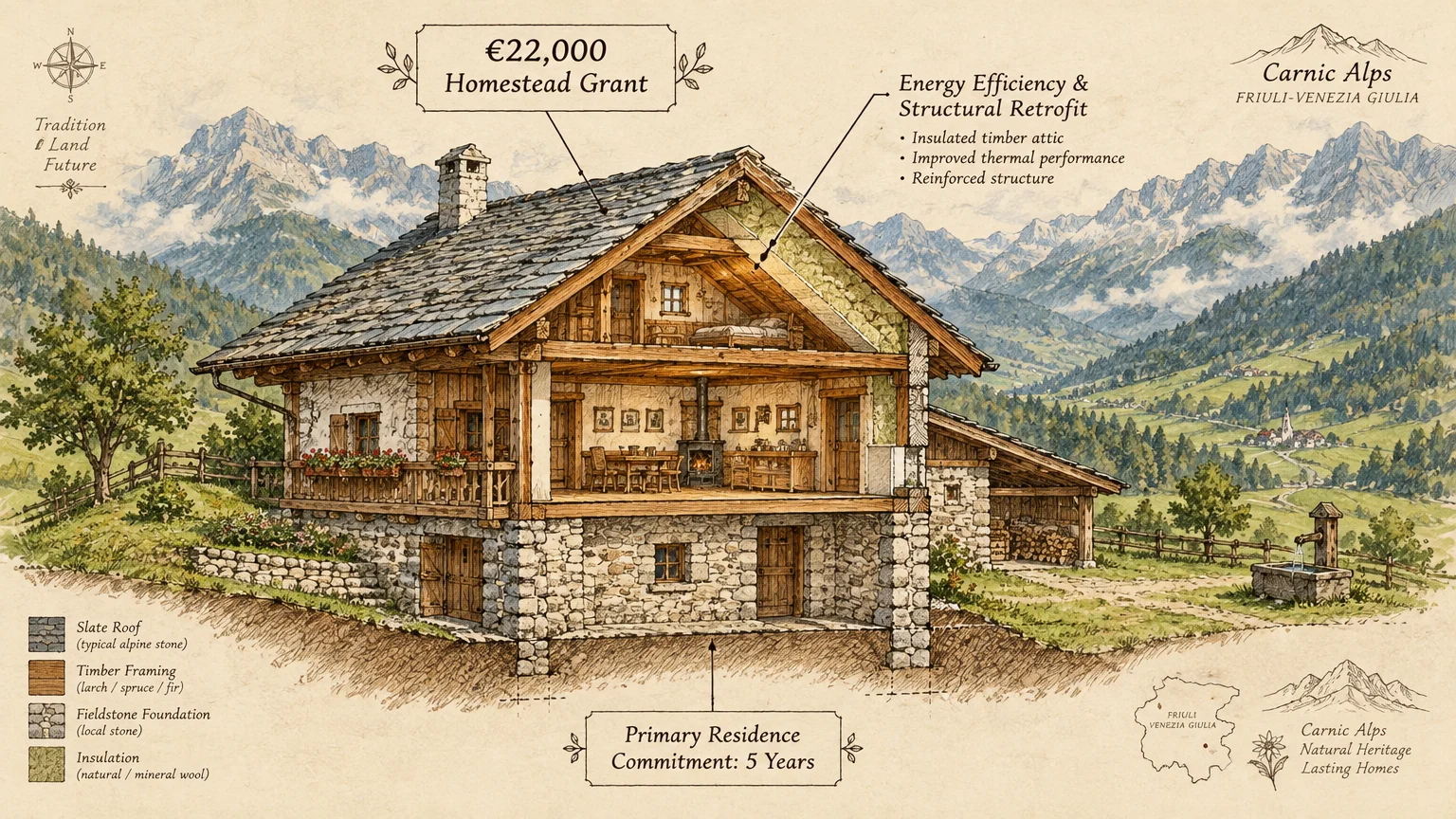
6. Friuli-Venezia Giulia, Italy: €22,000 Mountain Homestead Grants
Friuli-Venezia Giulia borders Austria and Slovenia in Italy’s pristine northeastern corner. The autonomous regional council established generous housing incentives to reverse population decline across its Alpine valleys.
Qualifying individuals can receive a direct public grant of up to €22,000 toward purchasing or restoring a primary residence. Eligible homes must sit inside designated mountain municipalities facing documented demographic drops.
Recipients must commit to maintaining official permanent residency in the designated mountain home for at least five consecutive years. If you sell the property or move away early, the regional government claws back the grant.
The region provides modern infrastructure, low crime rates, and world-class regional healthcare centered around Udine and Trieste. Its culinary culture blends Austrian, Slavic, and Italian traditions in a dramatic Alpine setting.
This program works exceptionally well for active retirees who enjoy cross-country skiing, hiking, and quiet mountain communities. The local cost of living remains far below comparable regions in northern Italy.

7. Sicily, Italy: €1 Homes and the 7% Flat Pension Tax
Sicily continues to operate its world-famous €1 property schemes across historic hill towns like Mussomeli, Sambuca di Sicilia, and Piazza Armerina. These programs allow you to purchase abandoned architectural properties for a symbolic single euro.
While the purchase price is nominal, you must budget €2,000 to €5,000 for notary, deed registration, and survey fees. You must also guarantee minimum renovation budgets of €30,000 or more, typically completed within three years.
Sicily pairs these property opportunities with powerful tax advantages that function like recurring cash bonuses for retirees. Under Italy’s southern pensioner regime, retirees pay a flat 7% tax on all foreign income for 10 years.
Under Law No. 34/2026, enacted on April 7, 2026, Italy raised the town population ceiling for this 7% tax from 20,000 to 30,000 residents. This critical reform unlocked 74 larger cultural hubs like Ostuni and Noto that feature full-service hospitals and train stations.
Sicily also provides a regional income tax refund of 50% to 60% for new international arrivals settling here between 2026 and 2028. This combination makes Sicily one of the most financially compelling retirement destinations in Southern Europe.
“The goal of retirement is to live off your assets—not live off your regrets.”
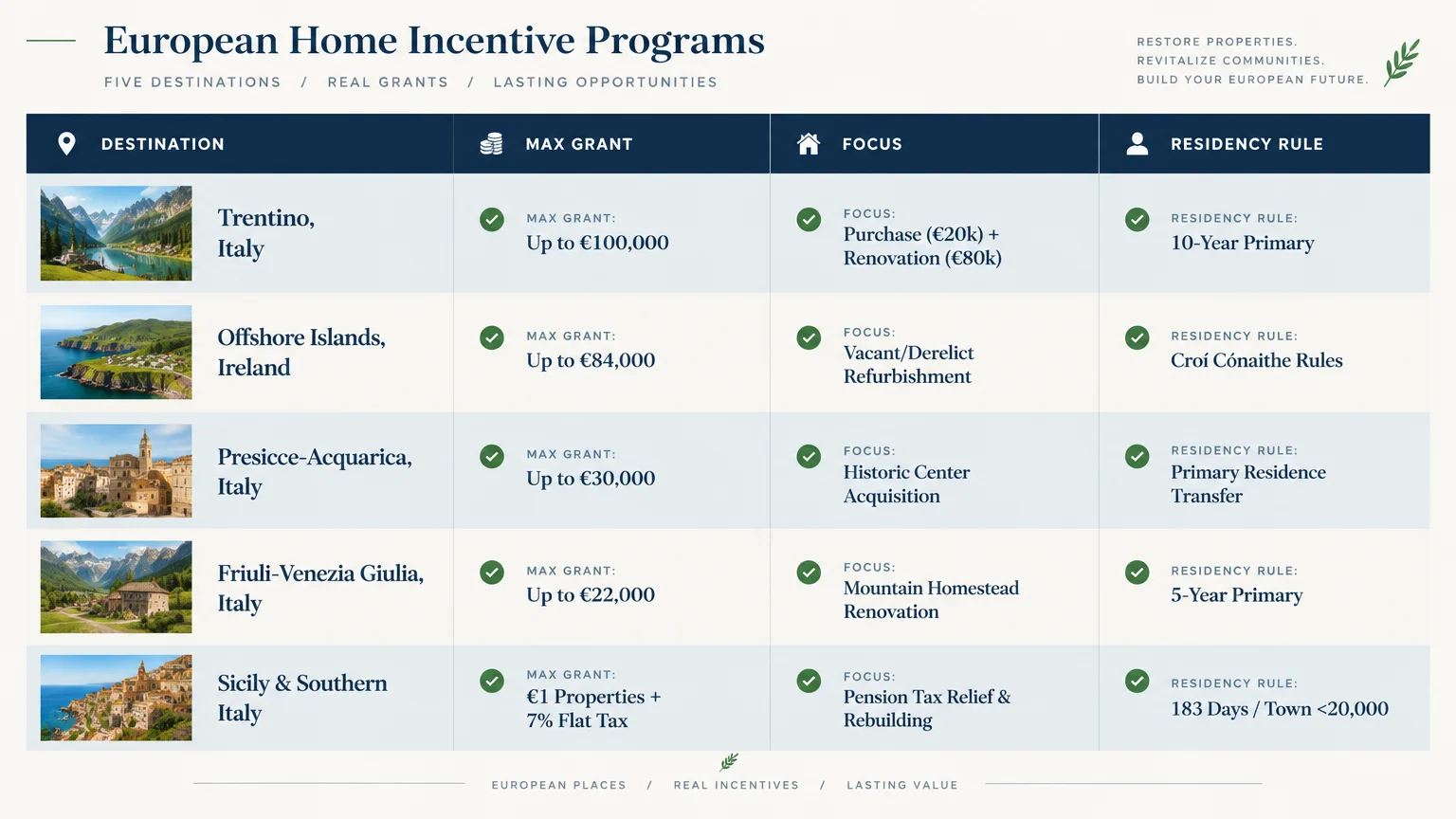
Comparing the Top European Retirement Relocation Incentives
Selecting the right European relocation package requires evaluating upfront cash support against mandatory long-term residency requirements. The table below outlines financial incentives, commitments, and practical conditions across qualifying locations.
| Destination | Maximum Incentive | Qualifying Property Type | Residency Commitment | Key Regulatory Requirement |
|---|---|---|---|---|
| Trentino, Italy | €100,000 total (€80k renovation + €20k purchase) | Vacant residential properties across 33 Alpine communes | 10 years primary residence or rental | Renovation contracts must use licensed regional builders |
| Offshore Islands, Ireland | Up to €84,000 refurbishment grant | Pre-2007 structures vacant for 2+ years | Primary home or registered rental | Requires independent Irish Stamp 0 retirement permission |
| Presicce-Acquarica, Italy | Up to €30,000 acquisition/rehab subsidy | Pre-1991 homes within historic municipal centers | Permanent primary residence | Grant covers up to 50% of documented acquisition and repair |
| Sardinia, Italy | Up to €15,000 non-repayable grant | Primary dwellings in towns under 5,000 residents | 5 years primary residence | Must register civil residency within 18 months of purchase |
| Radicondoli, Italy | €20,000 purchase or 50% rent subsidy for 2 years | Vacant residential units within the municipality | Primary legal residence | Includes extra €6,000 grant for green home heating systems |
| Friuli-Venezia Giulia, Italy | Up to €22,000 direct property grant | First-time homes in designated mountain villages | 5 years primary residence | Clawback provisions apply if sold before the five-year term |
| Sicily, Italy | €1 homes plus 7% flat pension tax regime | Historic municipal inventory needing full restoration | 183 days per year for 10-year tax rate | €30,000+ renovation finished within 3-year deadline |
Review these requirements alongside your long-term health needs, climate preferences, and international travel habits. Generous subsidies lose value if an isolated village fails to match your personal retirement vision.

The Viral Traps: European Relocation Programs That Exclude Retirees
Internet travel articles frequently promote European towns paying people to move, but many programs strictly exclude older retirees. You must identify these age caps before building your retirement relocation budget.
Albinen, Switzerland, frequently goes viral for offering CHF 25,000 per adult to relocate to their mountain paradise. However, the commune strictly limits applicants to individuals under age 45 who invest at least CHF 200,000 into local housing.
Calabria, Italy, promoted a celebrated scheme offering up to €30,000 over three years to new residents. That specific program requires applicants to be under age 40 and open an active local commercial business.
The Greek island of Antikythera drew headlines for offering €500 per month and free housing. That local program is managed by the Greek Orthodox Church and solely targets young families with at least four children.
Extremadura, Spain, offers relocation grants up to €15,000, but only for active digital nomads working remotely for non-Spanish companies. Traditional retirees collecting passive pension distributions do not qualify for the Extremadura grant.
Ponga, an attractive village in northern Spain, similarly restricts its €3,000 relocation stipend to young couples who have children locally. Always review municipal legislative text directly rather than relying on viral social media claims.
Navigating Visas, Social Security, and Healthcare Abroad
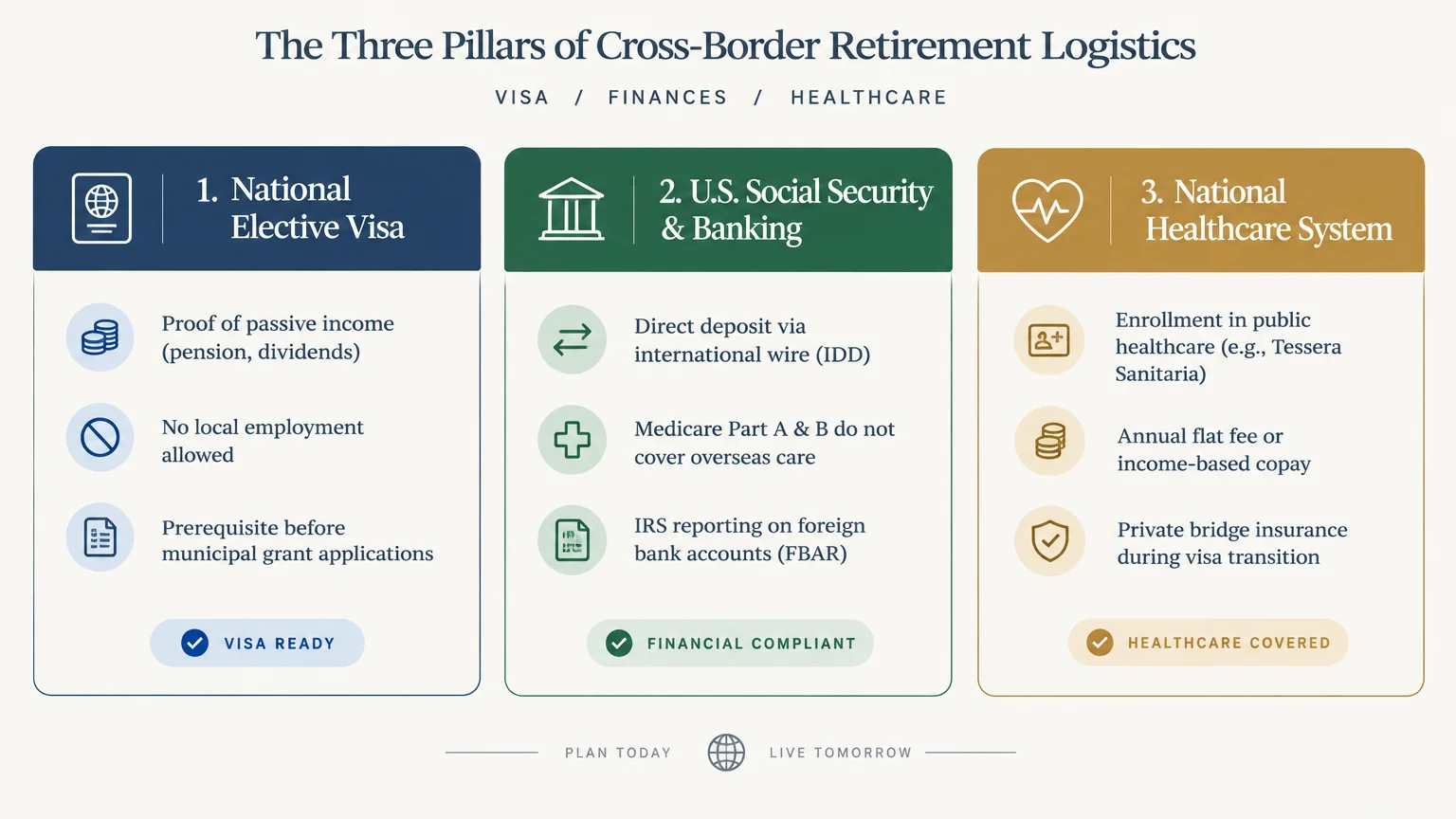
Securing municipal relocation incentives represents only one part of your transition to European retirement living. You must establish legal visa status, coordinate your healthcare, and structure your retirement benefits correctly.
Municipal relocation grants do not confer residency visas. American citizens must obtain an independent national retirement visa through the relevant embassy before permanently relocating.
Italy requires an Elective Residence Visa, demanding roughly €2,580 per month or €31,000 annually in verifiable passive income from pensions, annuities, or investments. Greece requires its Financially Independent Person permit, demanding approximately €2,000 per month in documented passive funds.
Spain mandates a Non-Lucrative Visa requiring roughly €2,400 monthly in passive income, noting that Spain officially abolished its real estate Golden Visa on April 3, 2025. Ireland requires a Stamp 0 visa, demanding €50,000 in guaranteed individual annual income plus substantial lump-sum capital reserves.
Your U.S. Social Security benefits transfer seamlessly abroad. American citizens can receive monthly payments via direct international deposit into European bank accounts, as confirmed by the Social Security Administration (SSA).
Healthcare planning requires careful financial management because Original Medicare Parts A and B provide zero coverage outside the United States. To review domestic coverage rules, consult Medicare.gov before making irreversible insurance decisions.
European consulates require private comprehensive health insurance covering 100% of medical costs with zero deductible before issuing retirement visas. Private policies average €100 to €200 monthly for ages 55 to 64, rising to €180 to €320 or more monthly for ages 65 to 74.
Consult educational retirement materials from AARP when weighing overseas healthcare options against your domestic coverage plans. Staying informed protects your physical health and finances simultaneously.
Errors That Cost Retirees Thousands
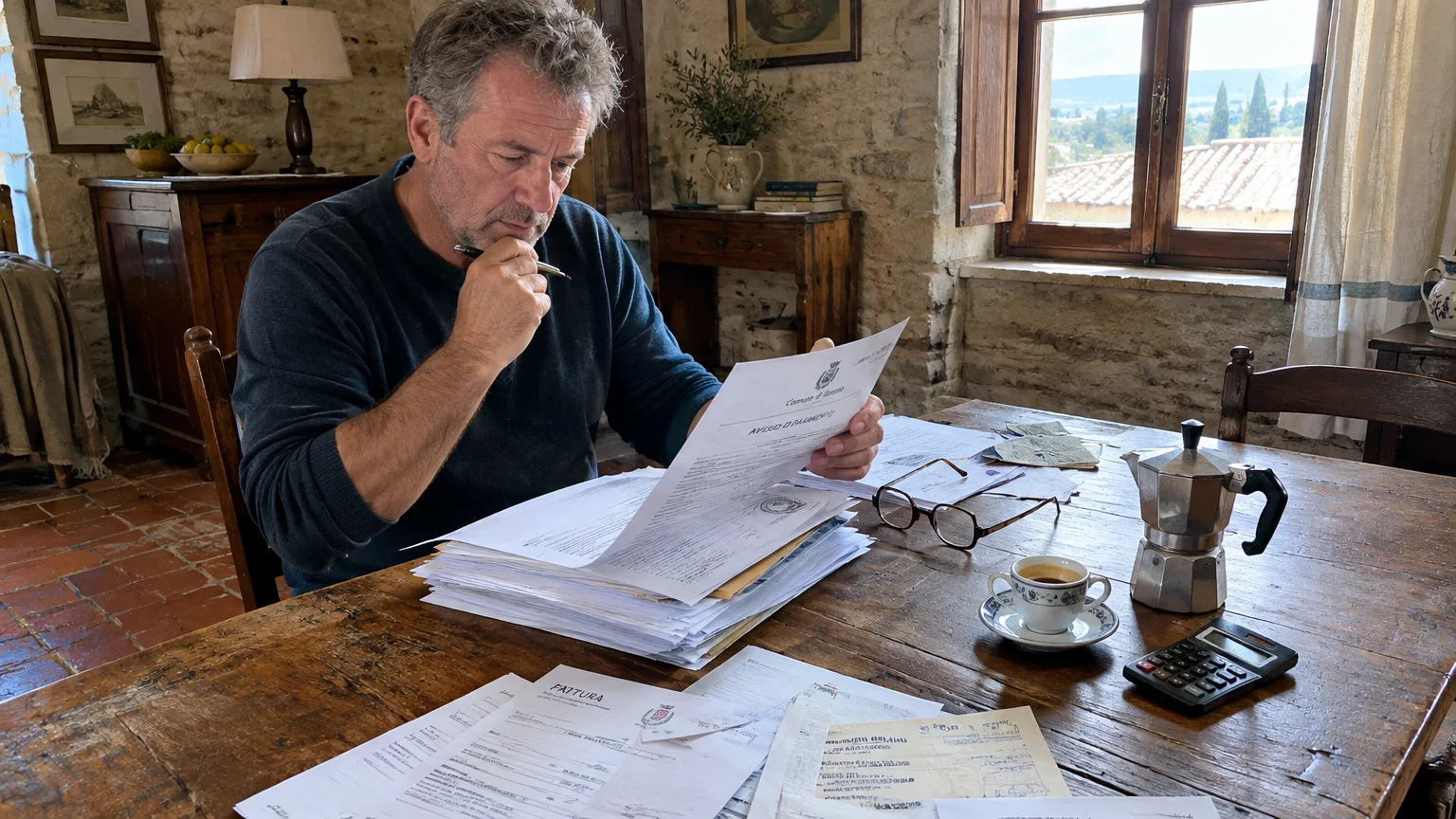
Moving abroad under municipal grant programs involves strict legal covenants that carry steep penalties if mishandled. Avoiding these common missteps protects your financial security.
- Underestimating restoration timelines and fees: Buying a €1 home in Sicily requires professional surveys, legal notary fees, and major structural restoration. Budgeting solely for the purchase price causes severe liquidity shortages when mandatory three-year construction deadlines arrive.
- Dropping Medicare Part B prematurely: Many retirees drop Part B to save monthly premiums while using European private healthcare. If you ever move back to the United States, Medicare assesses a permanent 10% late-enrollment penalty for every 12-month period you lacked coverage.
- Missing mandatory tax filing deadlines: Taking advantage of flat pension regimes requires strict compliance schedules. Greece offers a 7% foreign pensioner tax for 15 years, but Law 5313/2026 mandates submitting your primary application by October 31 and supporting records by November 30.
- Violating residency duration minimums: Grant agreements mandate residing inside your chosen town for five to ten years as your legal primary residence. Moving out early activates statutory clawback rules requiring full repayment of all disbursed public funds plus interest.
- Failing to coordinate U.S. expat taxes: The United States taxes citizens on their worldwide income regardless of where they live. Reviewing foreign account disclosures with the IRS Retirement Plans guidelines prevents painful cross-border reporting penalties.
Carefully evaluating these regulatory obligations prevents administrative headaches and protects your long-term retirement capital. Small oversights can quickly erase the financial benefits of European relocation subsidies.

When to Get Expert Help
Navigating international property incentives involves multiple legal and administrative jurisdictions. Engaging experienced cross-border professionals prevents expensive mistakes and speeds up your relocation.
Hire a bilingual Italian or European property lawyer who represents only your interests, independent of local town councils. Your attorney must verify title deeds, check for outstanding liens, and clarify municipal grant clawback conditions before you sign contracts.
Work with a cross-border certified public accountant who understands United States tax law and European bilateral tax treaties. A tax specialist ensures your foreign pension exclusions align with bilateral Totalization Agreements to eliminate double taxation.
Retain an immigration attorney familiar with the specific consulate handling your regional retirement visa application. Income documentation rules vary significantly between consulates, and small errors trigger lengthy processing delays.
Consult a State Health Insurance Assistance Program (SHIP) counselor before canceling domestic healthcare policies. A counselor helps you evaluate whether maintaining Medicare Part B provides a necessary safety net for eventual repatriation.
Frequently Asked Questions About Retiring to Europe With Relocation Grants
Can American retirees receive U.S. Social Security payments while living in European villages?
Yes. The United States maintains bilateral agreements allowing the direct international deposit of Social Security payments into European bank accounts without reduction or penalty.
Do European municipal relocation grants count as taxable income on U.S. tax returns?
Yes. The Internal Revenue Service taxes American citizens on worldwide gross income, meaning foreign subsidies and property improvement grants must be reported to the IRS.
Can I use Medicare to cover healthcare costs after relocating to an incentive town in Europe?
No. Medicare provides zero coverage outside the United States, requiring you to purchase comprehensive private international health insurance to qualify for European retirement visas.
What happens if I sell my subsidized home before the municipal residency period ends?
Town halls enforce legal clawback provisions that require full repayment of all disbursed grant funds if you sell the property or abandon local residency early.
Your Next Steps to Claiming Relocation Incentives in Europe
Transitioning to a European retirement subsidized by municipal funds requires thorough research, active planning, and patient execution. Start by narrowing your geographic focus to regions offering healthcare access, transportation links, and social amenities that fit your physical lifestyle.
Schedule an extended scouting trip to your top three candidate towns during the quiet winter off-season. Experiencing these villages outside the sunny tourist months ensures you will enjoy the community year-round before making long-term commitments.
Information in this article reflects current rules as of the publication date and may change. Always confirm benefit details directly with Social Security Administration, Medicare.gov, or relevant government agencies before making decisions.
Last updated: October 2026. Medicare and Social Security rules change annually—always verify current details at official government sources.