You can retire comfortably against scenic mountain ridges or coastal marshes without draining your life savings. A monthly budget of $3,000 gives you substantial purchasing power when you choose the right community.
Escalating property taxes and high living expenses force many older adults into difficult compromises. Fortunately, select towns across the United States balance low crime rates and breathtaking landscapes with genuine affordability.
Relocating to these hidden pockets helps you protect your fixed income while elevating your everyday quality of life. Discover seven exceptional communities where natural beauty, neighborhood safety, and financial peace converge.
The Bottom Line Up Front
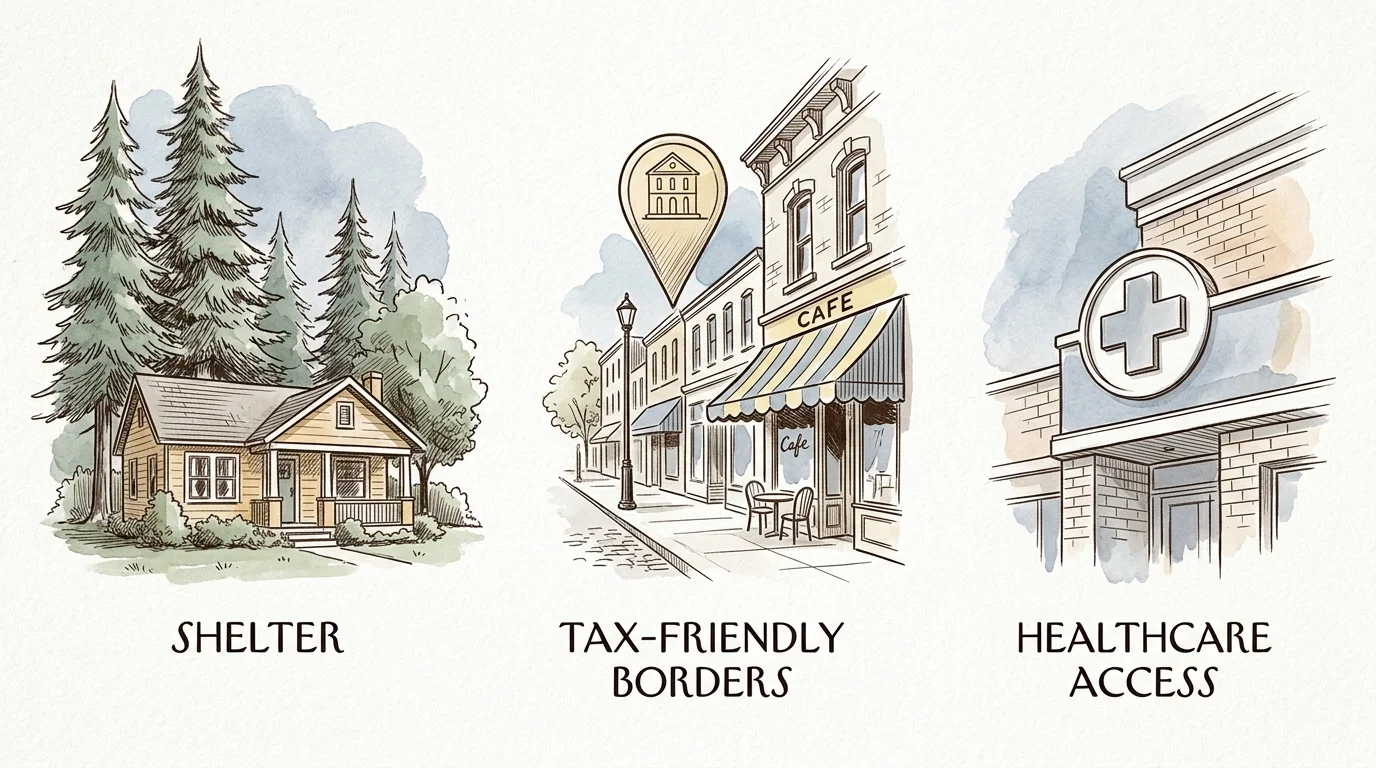
Retiring on $3,000 a month requires deliberate planning, but you do not need to sacrifice personal safety or scenery.
Housing forms the cornerstone of your budget. Aim to keep your total monthly living shelter costs between $1,100 and $1,500.
Look for regions with friendly tax structures. Forty-two states and Washington, D.C., fully exempt Social Security benefits from state income taxes.
Access to outdoor recreation, walkable historic downtowns, and regional healthcare systems ensures your retirement remains active, engaging, and secure.
The Reality of a $3,000 Monthly Retirement Budget
A $3,000 monthly budget matches the financial reality of millions of retirees. The average individual retired worker receives roughly $2,030 per month from the Social Security Administration in 2026.
When combined with modest retirement savings, pensions, or a spouse’s benefit, reaching $3,000 in monthly household income is common.
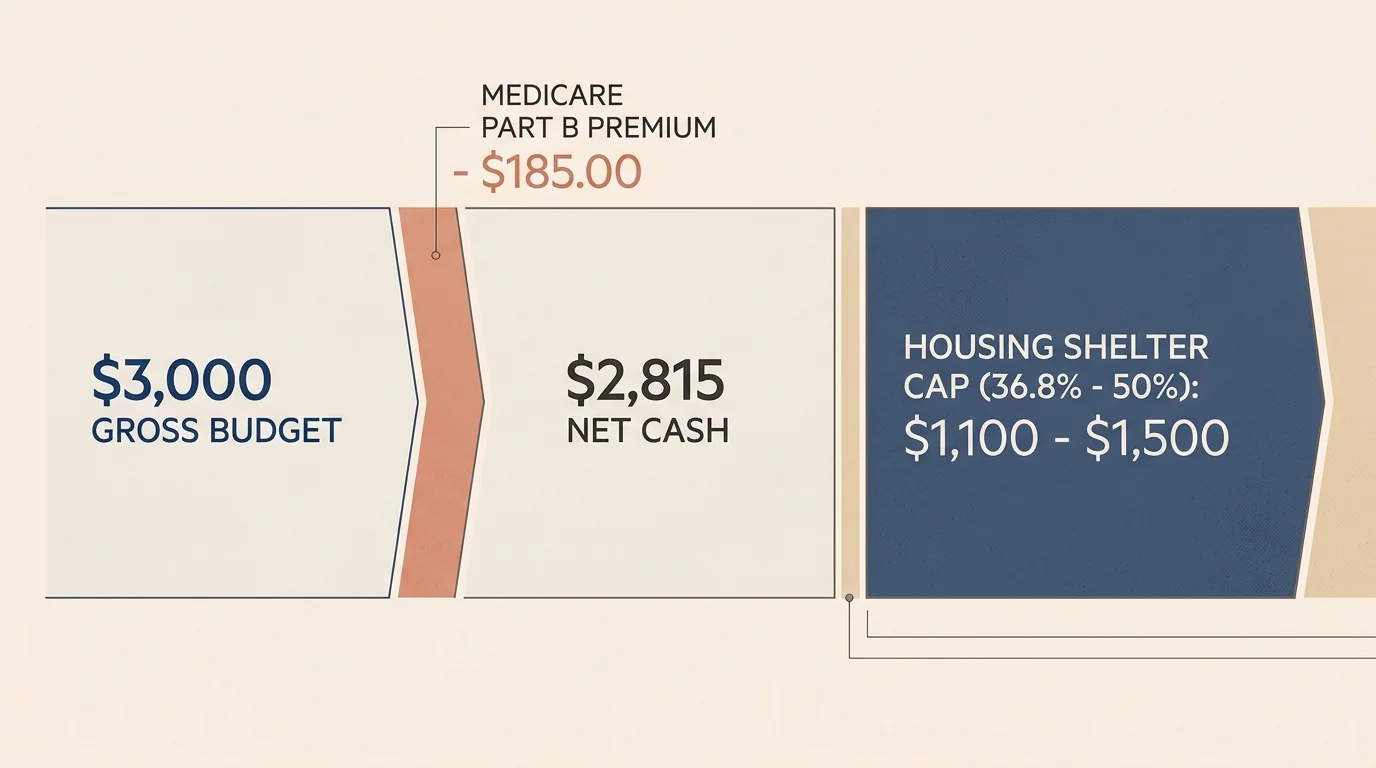
You must factor fixed healthcare costs into your spending plan. The standard monthly premium for Medicare Part B is $185.00, deducted directly from your Social Security benefit.
That deduction leaves you with approximately $2,815 in net disposable cash if your gross income sits at $3,000.
Housing remains the largest expense for older households, typically consuming 36.8% of a retiree’s budget. To thrive on $3,000 per month, your rent or combined mortgage, property taxes, and insurance must stay under $1,500.
You can safeguard your discretionary income by avoiding the eight states that still tax Social Security: Colorado, Connecticut, Minnesota, Montana, New Mexico, Rhode Island, Utah, and Vermont.
“The goal of retirement is to live off your assets—not live off your regrets.”
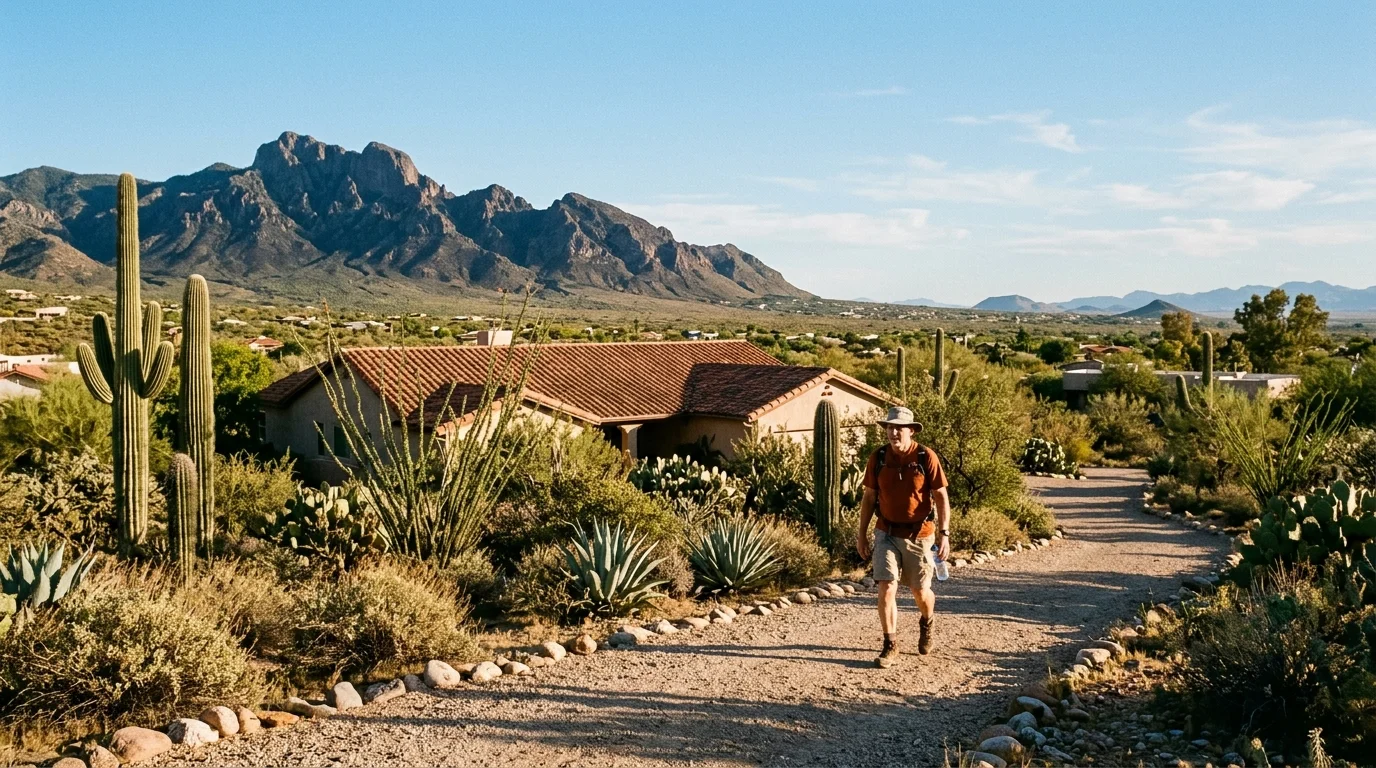
1. Green Valley, Arizona: Mountain Foot-Hills and Active 55+ Living
Green Valley sits in the high Sonoran Desert, roughly twenty miles south of Tucson. The community rests along the base of the Santa Rita Mountains, providing sweeping views of Mount Wrightson.
The town consists primarily of age-restricted subdivisions coordinated under Green Valley Recreation. A single master fee gives you access to more than a dozen community centers, heated pools, and hobby clubs.
Housing costs remain remarkably reasonable for Southern Arizona. The median home sale price hovers near $282,000, while monthly rentals for one- and two-bedroom patio homes average between $1,100 and $1,300.
Safety is a prime attraction here. Because most neighborhoods are age-restricted 55+ developments, violent crime rates sit well below regional and national benchmarks.
Arizona does not tax Social Security benefits, preserving your monthly cash flow. Tucson’s major medical centers and regional airport sit just thirty minutes north via Interstate 19.
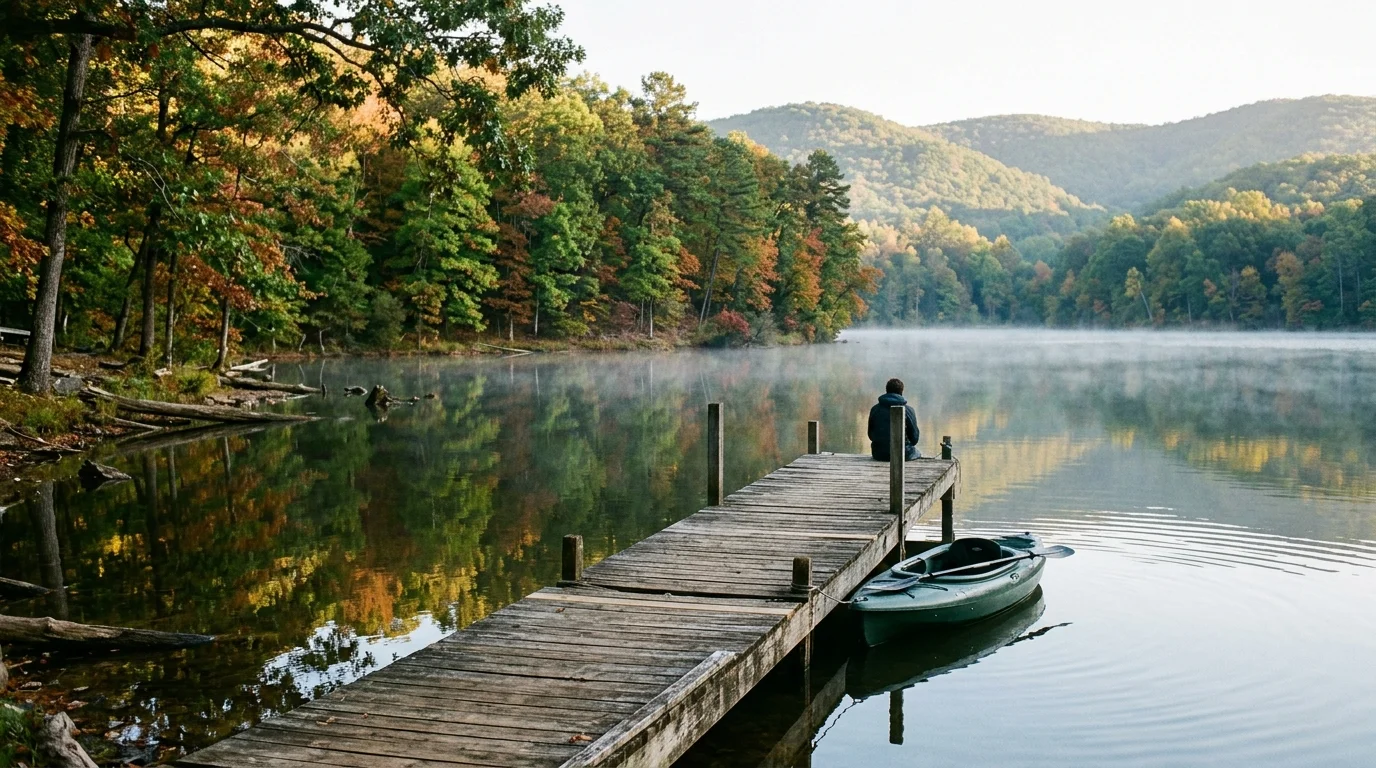
2. Bella Vista, Arkansas: Lakeside Serenity in the Ozarks
Bella Vista began as a summer vacation destination and evolved into a thriving outdoor retirement community. Located in the Ozark Mountain foothills, the town features seven private lakes, multiple golf courses, and miles of wooded trails.
The overall cost of living runs 5% to 8% below the national baseline. You will find single-family homes selling for a median price between $290,000 and $330,000.
If you prefer renting, monthly leases for townhomes and standalone houses range from $1,100 to $1,400. That leaves plenty of breathing room in a $3,000 budget.
Bella Vista consistently ranks among the top five safest cities in Arkansas. Violent crime rates remain approximately 70% below state averages.
Arkansas exempts 100% of Social Security benefits from state income taxation. Furthermore, nearby Bentonville and Rogers provide world-class art museums, modern medical clinics, and upscale dining options.
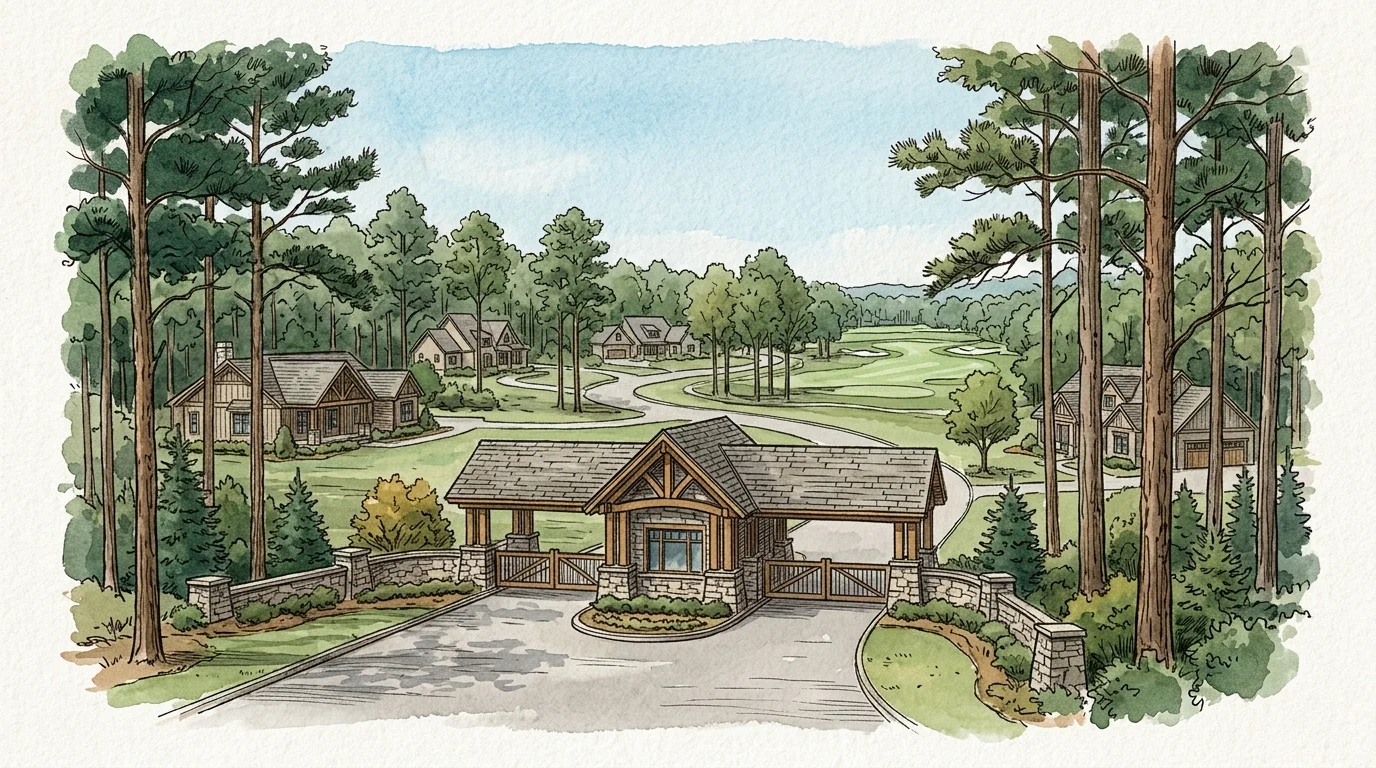
3. Hot Springs Village, Arkansas: Secure Resort-Style Living
Hot Springs Village spans over 26,000 acres of emerald woodland within the Ouachita Mountains. It stands as the largest private, gated community in North America.
Residents enjoy eleven recreational lakes, nine golf courses, and thirty miles of nature trails inside the gates. A dedicated, private security force manages access points twenty-four hours a day.
Because of these access controls, total crime inside the village is 87% below the national average. Violent crime rates are 75% lower than national benchmarks.
Living expenses sit 7% to 10% below national medians. Median home sales hover near $295,000, and standard monthly rents range between $1,050 and $1,350.
Property Owner Association assessments run about $115 per month, granting maintenance support and subsidized recreational access. The historic spa city of Hot Springs lies just fifteen miles south.
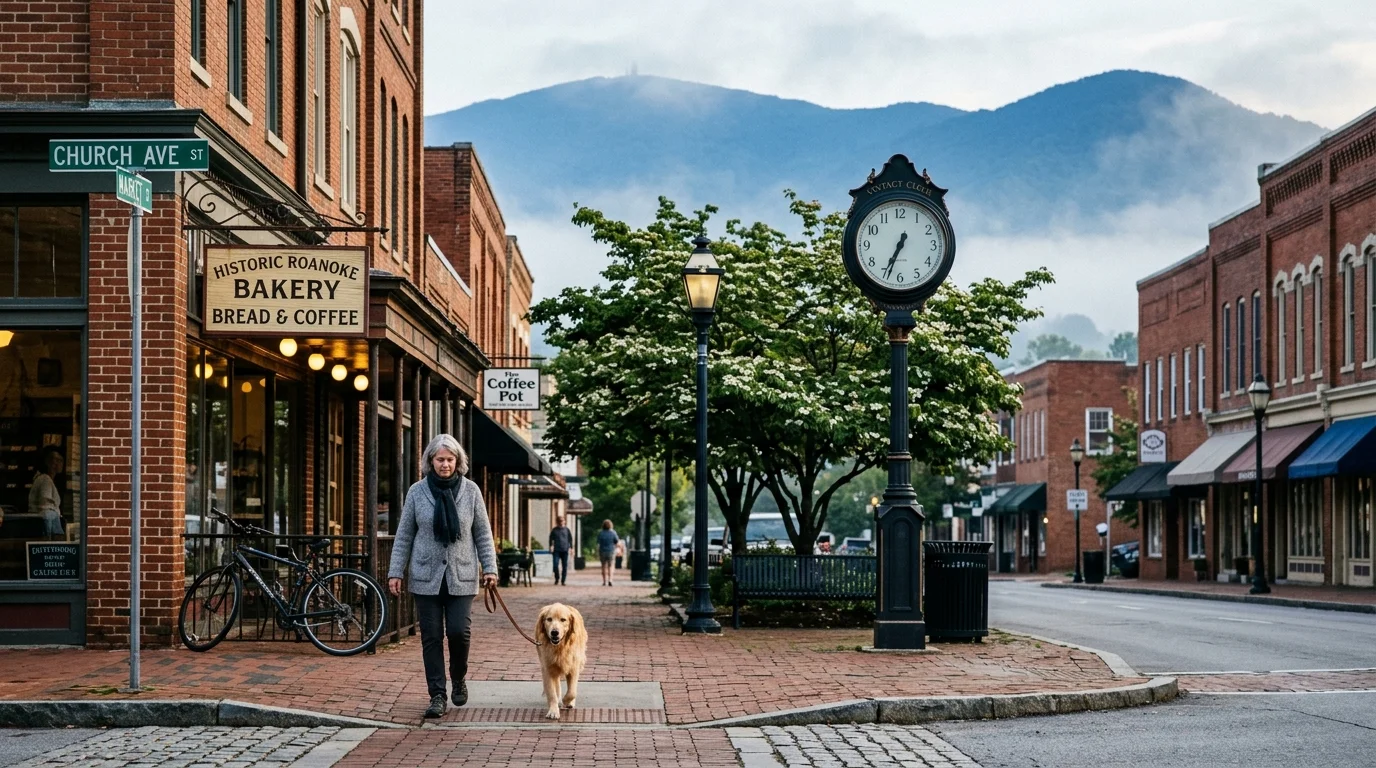
4. Roanoke, Virginia: Blue Ridge Mountain Culture and Care
Roanoke sits squarely within the majestic Roanoke Valley between the Blue Ridge and Allegheny Mountains. The town offers immediate access to the Blue Ridge Parkway and the Appalachian Trail.
The overall cost of living sits 8% to 10% below the United States average. Median home prices range between $237,000 and $275,000, making homeownership accessible.
Renting is equally affordable. Well-maintained apartments and historic duplexes rent for $965 to $1,200 per month across the valley.
Roanoke serves as the premier healthcare hub for Western Virginia. The massive Carilion Clinic network provides advanced medical care, trauma facilities, and specialized geriatric practices.
Roanoke County ranks among the safest jurisdictions in the commonwealth. Virginia fully exempts Social Security benefits from state taxes, protecting your fixed income.
“Don’t simply retire from something; have something to retire to.” — Harry Emerson Fosdick
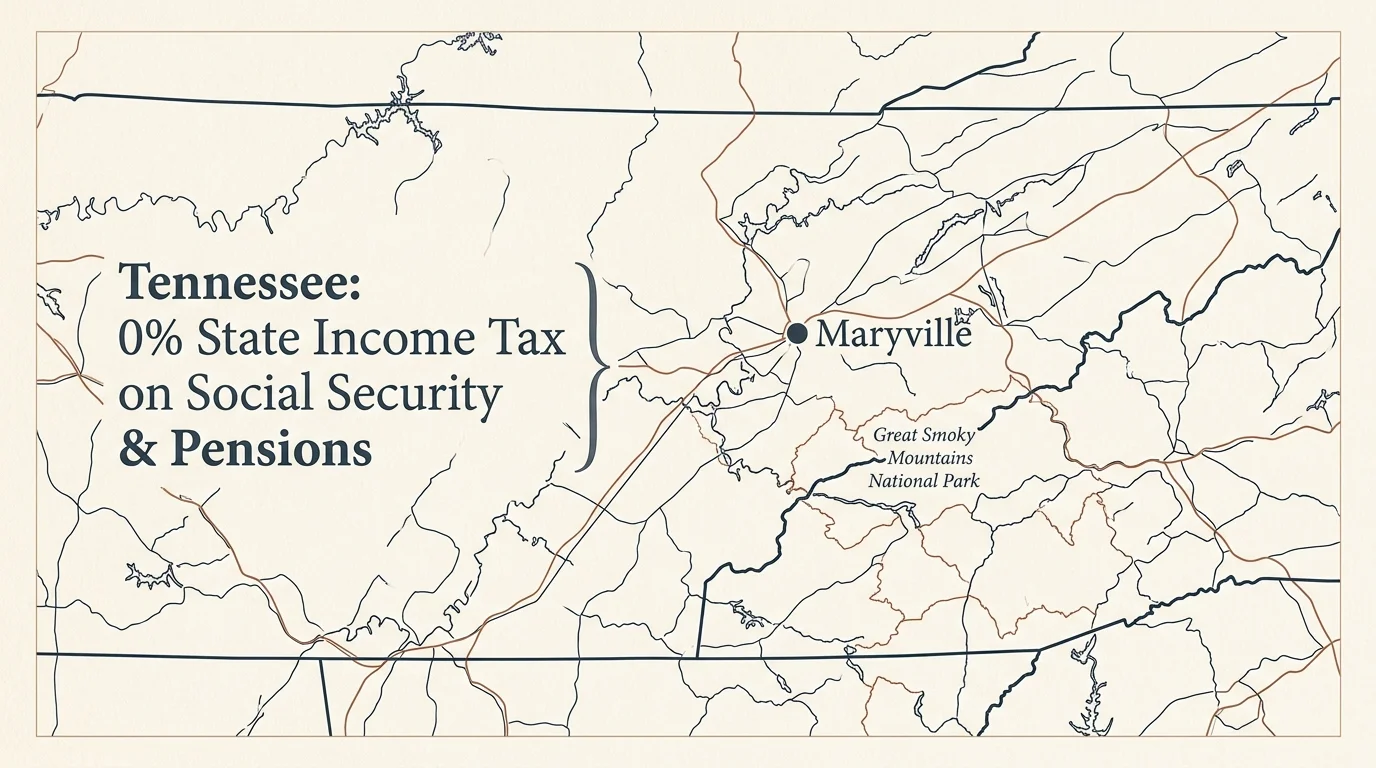
5. Maryville, Tennessee: Smoky Mountain Beauty with Zero Income Tax
Maryville rests right against the doorstep of the Great Smoky Mountains National Park. The town features the Bicentennial Greenbelt Park, a protected greenway that winds directly through the downtown district.
Tennessee levies zero state personal income tax on wages, pensions, or retirement distributions. The state also completely exempts Social Security income.
Maryville’s overall cost of living runs 5% to 10% lower than typical American metro areas. Monthly rents for garden apartments and small houses run from $1,150 to $1,350.
Local law enforcement maintains a strong neighborhood presence. Maryville ranks as a low-risk community, with violent crime rates nearly 75% below statewide figures.
Knoxville is just twenty minutes away, offering academic programs, major medical centers, and cultural performances. You gain big-city infrastructure alongside quiet mountain living.
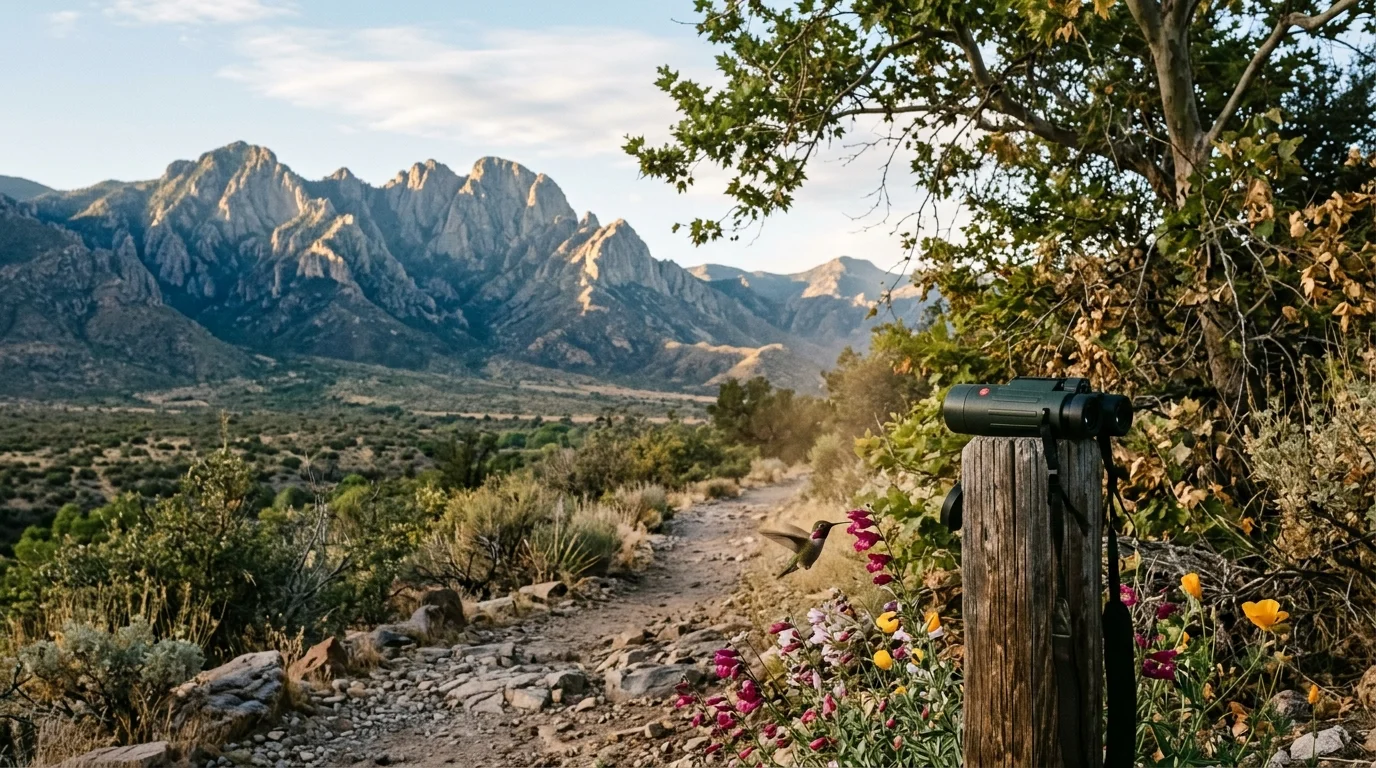
6. Sierra Vista, Arizona: High-Desert Wildlife and Low Living Costs
Sierra Vista sits at a refreshing 4,600 feet of elevation adjacent to the Huachuca Mountains. The higher altitude produces moderate summer temperatures compared to Phoenix or Tucson.
The nearby San Pedro River Valley makes Sierra Vista a world-renowned destination for bird watching and hiking. Stargazers also treasure the clear night skies protected by regional lighting ordinances.
Sierra Vista ranks among the most affordable incorporated cities in Arizona. The cost of living is 11% below the national baseline.
Median home prices stand at roughly $254,000, while monthly rents average between $1,000 and $1,150. These low costs allow a $3,000 budget to support a very comfortable lifestyle.
Violent crime rates are significantly lower than state and national medians. Canyon Vista Medical Center provides comprehensive healthcare directly in town.
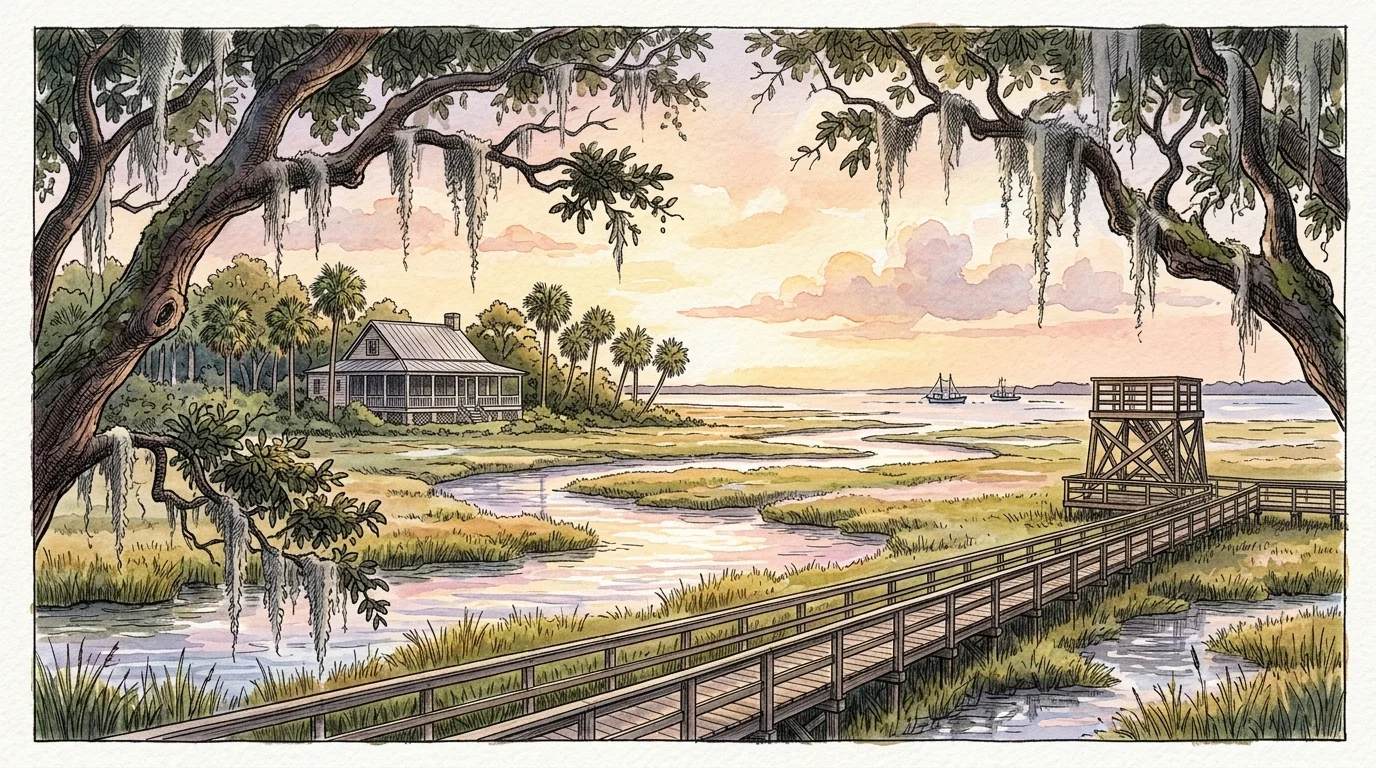
7. Port Royal, South Carolina: Coastal Lowcountry Charm
Port Royal offers historic moss-draped live oaks, tidal salt marshes, and direct coastal access. Located beside historic Beaufort, it delivers classic coastal beauty without the resort prices of Hilton Head.
The community maintains the Cypress Wetlands, an ecological preserve featuring boardwalks where residents watch egrets, herons, and turtles daily.
Living costs in Port Royal run approximately 3% below the national average. Median rents range between $1,500 and $1,560 per month for modern one- and two-bedroom apartments.
While housing pushes near our upper budget boundary, lower property taxes and modest utility needs balance your ledger. You can walk or bike safely through the historic Old Village.
South Carolina does not tax Social Security income. The state also offers generous retirement income deductions on pensions and traditional IRA withdrawals for individuals over sixty-five.
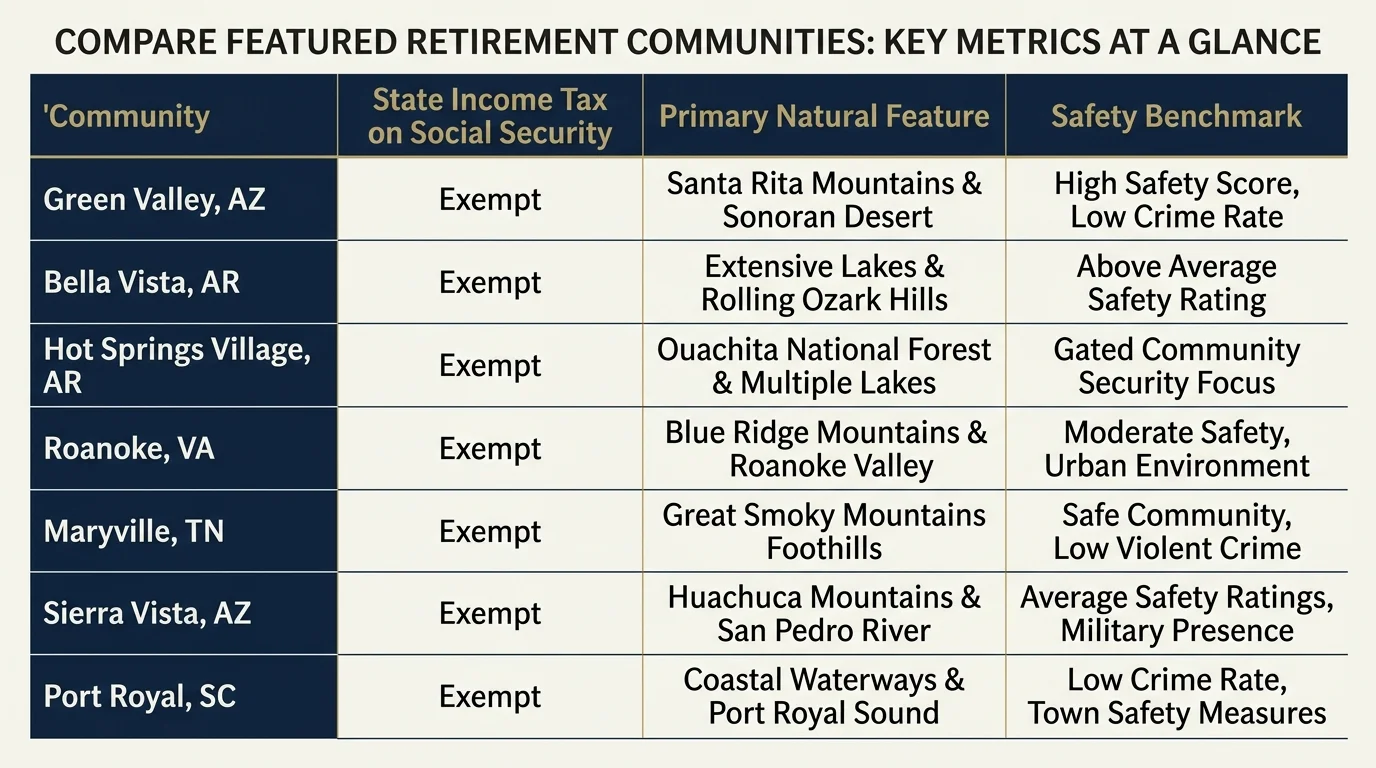
Side-by-Side Comparison of Affordable Retirement Towns
Reviewing key metrics side by side helps you identify which town matches your personal lifestyle and medical priorities.
| Town & State | Median Monthly Rent | Cost of Living vs. US Avg. | State Tax on Social Security | Primary Appeal |
|---|---|---|---|---|
| Green Valley, AZ | $1,100 – $1,300 | Near average | Exempt | 55+ Recreation Centers & Desert Scenery |
| Bella Vista, AR | $1,100 – $1,400 | 5% to 8% Lower | Exempt | Ozark Lakes, Golf & Forest Trails |
| Hot Springs Village, AR | $1,050 – $1,350 | 7% to 10% Lower | Exempt | Gated Security & Resort Amenities |
| Roanoke, VA | $965 – $1,200 | 8% to 10% Lower | Exempt | Mountain Parkway & Carilion Healthcare |
| Maryville, TN | $1,150 – $1,350 | 5% to 10% Lower | 0% State Income Tax | Smoky Mountains & Town Greenways |
| Sierra Vista, AZ | $1,000 – $1,150 | 11% Lower | Exempt | Mild High-Desert Climate & Low Housing |
| Port Royal, SC | $1,500 – $1,560 | 3% Lower | Exempt | Coastal Boardwalks & Lowcountry Culture |
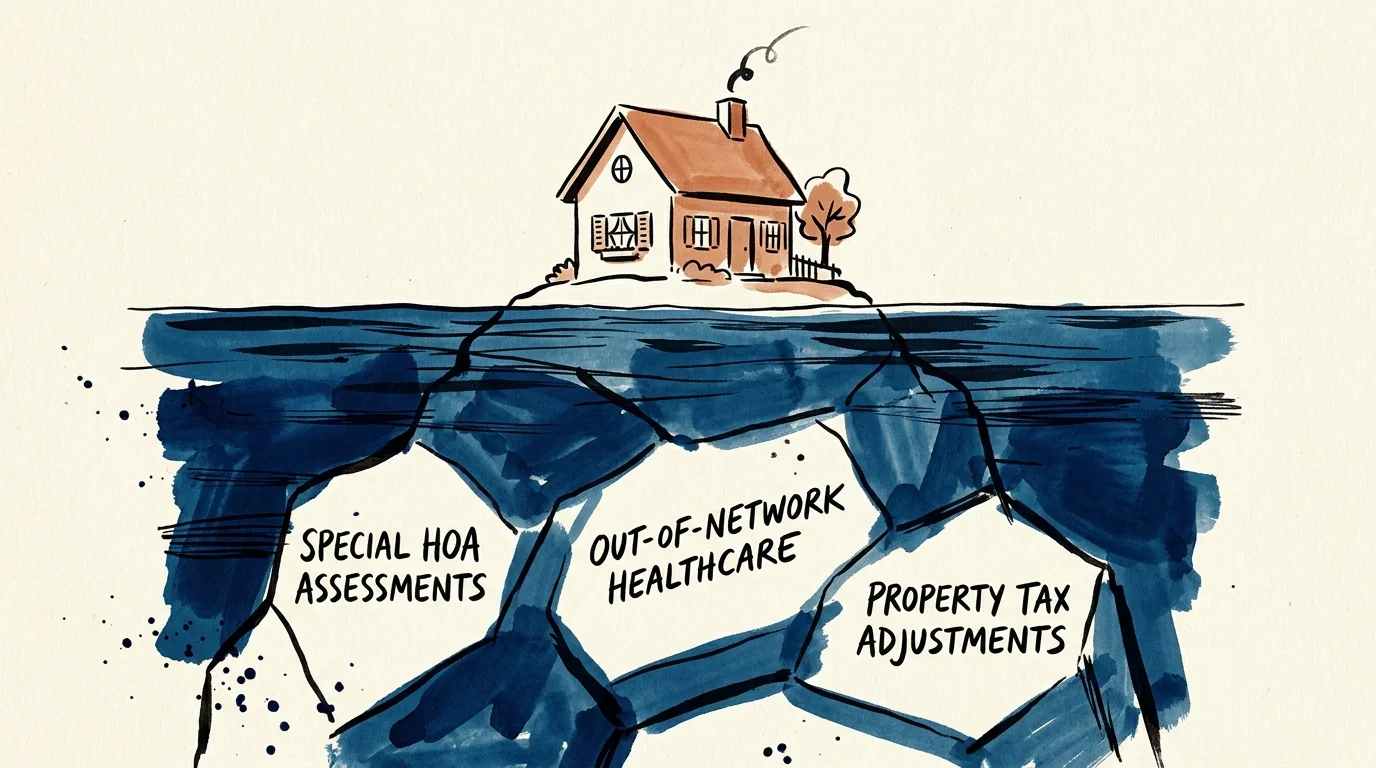
Common Retirement Traps When Relocating
Relocating on a budget requires vigilance. Many retirees stumble into hidden expenses that quickly unravel a $3,000 monthly spending plan.
- Overlooking Community Association Fees: A $1,100 rent looks affordable until unexpected HOA or POA dues add $300 every month. Always verify whether dues cover exterior upkeep, road repairs, and amenities.
- Ignoring Local Healthcare Networks: Moving to a scenic rural valley may sever ties with preferred specialists. Verify that local doctors accept original Medicare or your Medicare Advantage plan before signing a lease.
- Failing to Test the Climate: Visiting an area during pleasant autumn weather masks brutal summer heat or freezing winters. Spend at least two weeks in your target destination during its most extreme season.
- Underestimating Moving and Utility Costs: Cross-country transitions drain cash reserves rapidly. Older homes in mountain or desert regions may also carry higher heating or cooling utility bills.
Consult the Consumer Financial Protection Bureau retirement budgeting materials to model real-world expenses before making irreversible moving decisions.

When to Consult a Professional
Relocation changes your tax footprint, legal jurisdiction, and healthcare coverage network. Before moving your household, schedule consultations with vetted specialists.
Meet with a State Health Insurance Assistance Program (SHIP) counselor to examine how moving across county or state lines affects your Medicare Advantage or Part D drug plans.
Work with a fee-only financial planner to evaluate how different state income tax brackets and capital gains rules affect your nest egg distributions.
If you have established an estate plan, consult an elder law attorney in your destination state. Powers of attorney, healthcare directives, and property trusts must comply with state-specific statutes.
The federal Eldercare Locator connects you with local area agencies on aging that offer free administrative support and legal referrals.
Frequently Asked Questions
Can a single retiree live comfortably on $3,000 a month in 2026?
Yes. A single retiree can live very well on $3,000 monthly if total housing expenses remain below $1,300. Choosing states with low property taxes and zero tax on Social Security preserves discretionary cash.
Which of these seven towns offers the best access to advanced healthcare?
Roanoke, Virginia, provides the strongest immediate healthcare infrastructure among the listed destinations. The Carilion Clinic system operates level-one medical facilities and specialized clinics right in town.
Do any of these towns impose cold, snowy winters?
Roanoke experiences occasional winter snowfall, while Bella Vista and Maryville see light, periodic snow. Green Valley, Sierra Vista, and Port Royal experience mild winters with rare to non-existent freezing precipitation.
Are gated communities like Hot Springs Village open to everyone?
Yes. Hot Springs Village is open to anyone who buys or rents a property within the development. You pay standard property dues to maintain the shared private amenities and security infrastructure.
Start Your Next Chapter
A fulfilling retirement does not require a fortune. You can wake up to mountain silhouettes or ocean breezes while keeping your monthly living expenses firmly within your income.
Take your next step by picking two towns from this list that match your lifestyle. Plan an extended exploratory trip, walk through local neighborhoods, and inspect grocery prices and medical facilities firsthand.
This article is for informational purposes only and does not constitute financial, legal, or medical advice. Medicare rules, Social Security benefits, and tax laws change regularly—verify current details at Medicare.gov, SSA.gov, or with a licensed professional.
Last updated: February 2026. Medicare and Social Security rules change annually—always verify current details at official government sources.