Senior hypoglycemia signs, causes, and remedies
Welcome to an important discourse about controlling hypoglycemia beyond 50, which many diabetic elders care about. Age-related body changes might affect how diabetics regulate blood sugar levels, notably hypoglycemia risk and treatment.
For example, an innovative 2017 “Diabetes Care” research piece by the International Hypoglycaemia Research Group highlighted the particular issues of hypoglycemia in older persons. Seniors are at higher risk for diabetes and need customized treatment, according to one study.
This article covers the essentials of managing hypoglycemia after 50. We’ll discuss frequent monitoring, medicines, nutrition, and symptoms. From managing your own health to caring for a loved one, this resource offers insights and practical suggestions to negotiate the complications of hypoglycemia in later life.
Let’s begin this path of awareness and empowerment with the latest findings and hypoglycemic management tips. It’s about improving quality of life and enjoying the golden years with confidence and health, not merely managing a problem.
How does hypoglycemia affect seniors with diabetes?
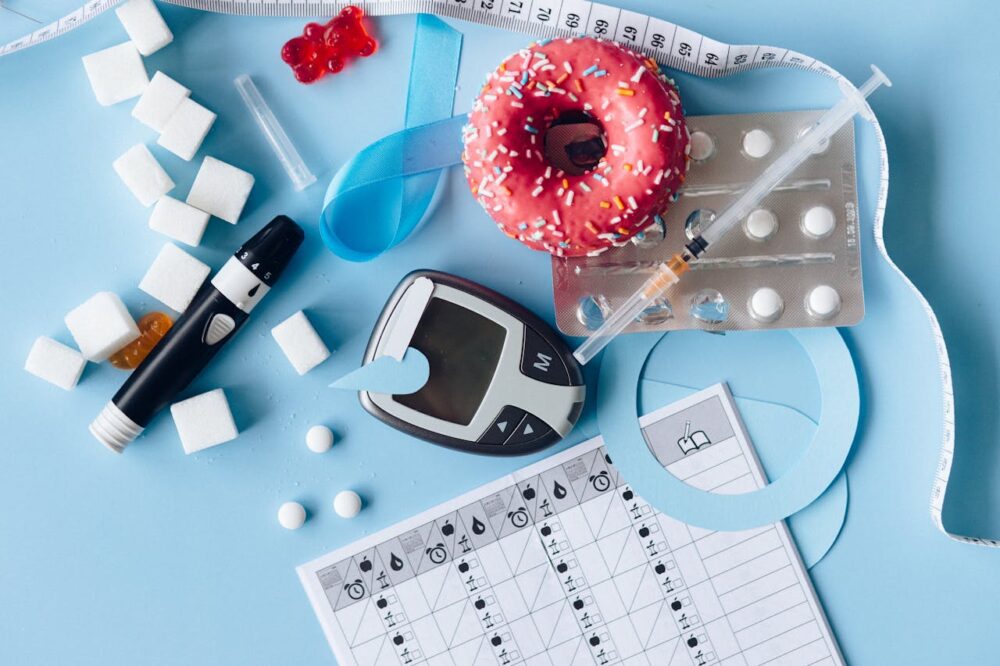
Hypoglycemia, or low blood sugar, may creep up on us, particularly in our golden years. When your blood sugar dips below normal, it might cause unpleasant sensations. Maybe you missed a meal, overexerted yourself on that morning stroll, or your diabetic medications were too effective.
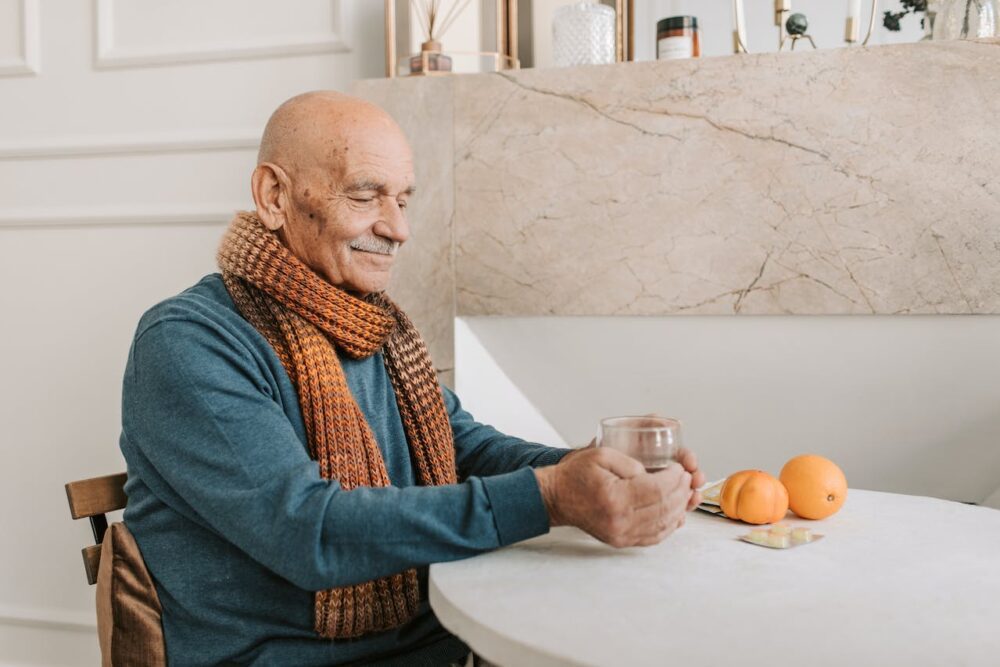
I had a personal experience that showed me how terrible hypoglycemia is. My diabetic neighbor, George, had a hypoglycemic episode a few years ago. As we spoke over coffee, he began sweating heavily and seemed bewildered. After thinking it was simply the summer heat, I realized these are indicators of low blood sugar. We gave him juice soon, and his sugar levels normalized. We were reminded of the necessity of identifying and treating hypoglycemia by this experience.
Diabetics get hypoglycemia owing to insulin usage or production imbalances. Because seniors’ bodies don’t usually signal the red flag as strongly as younger ones, this illness requires particular care. Medication, nutrition, and everyday habits might affect blood sugar levels.
Knowing how to spot and treat hypoglycemia is vital. Not merely avoiding pain but averting unsafe circumstances. Monitoring, understanding food and medication effects, and having a plan may make a big difference.
If you’re a senior facing diabetes, remember that hypoglycemia awareness is crucial to your health. Stay ahead of the game by monitoring sugar levels!
What are the main symptoms of hypoglycemia?
Seniors managing diabetes must recognize hypoglycemia. Hypoglycemia, or low blood sugar, may strike abruptly and be misdiagnosed. A complete list of indications to watch for:
Physical symptoms may include:
- Shakiness or tremors, similar to a caffeine overdose.
- Sweating: Even while not exercising, you may sweat more.
- A sudden sense of dizziness or lightheadedness, like fainting, is a sign.
- Your heart may race or beat erratically, which is worrisome.
- Hunger Pangs: Sudden, strong hunger, even after eating, may indicate low blood sugar.
ATTENTION! An unexpected bout of fatigue or weakness may suggest hypoglycemia, too. Every time you feel fatigued for no reason, you should contact your doctor for a routine checkup, just in case. Whether it’s hypoglycemia or not, this clue may hide something more serious that needs to be addressed as soon as possible, so don’t ignore it, trust me!
Of course, this condition can affect your mental state just as much. Here are the main signs:
- Confusing or Hard Concentrating: Simple tasks may appear difficult or difficult to concentrate on.
- Rapid mood swings or irritability for no reason might be symptoms.
- A sudden, unexpected headache may indicate hypoglycemia.
- Sudden visual changes like blurriness might also be a warning indication.
Symptoms vary and may not be noticeable, particularly in the elderly, and that’s why regular blood sugar monitoring is crucial. If you or someone you know has these symptoms, take a fast-acting carbohydrate like fruit juice or glucose pills, and then consult a doctor.
What role does your diet play?
Diet and exercise are crucial to maintaining blood sugar, particularly for diabetic elders. Both improve diabetes control and general health and well-being.
Starting with diet, balance, and informed decisions are key. A diet rich in whole, nutrient-dense meals may significantly lower blood sugar. This includes eating plenty of veggies, whole grains, lean meats, and healthy fats. What, how much, and when you eat matter. Smaller, more frequent meals may help regulate daily blood sugar levels.
Let’s speak about sweet treats. Sugar should be eaten in moderation by diabetic elders, not eliminated. Fruit sugars are OK, but processed food sugars are not.
Exercise matters, too. Regular exercise boosts insulin sensitivity, improving blood sugar control. Do not worry—you don’t need to start marathon training. Seniors should do mild, low-impact activities. Try walking, swimming, or tai chi. These workouts are fun and gentler on the joints.
Strength training is useful, too. Light weights or bodyweight workouts like chair squats may help regulate blood sugar by maintaining muscle mass.
Remember to check with your doctor before beginning a new workout regimen, particularly if you have health issues.
How can you manage hypoglycemia after 50?
Learning the main senior hypoglycemia signs and managing hypoglycemia, particularly beyond 50, demands caution and knowledge. Seniors, especially diabetics, must watch out for hypoglycemia because their bodies react differently to blood sugar changes.
The International Hypoglycemia Research Group’s “Hypoglycemia in the Elderly” research illuminates this problem. This 2017 “Diabetes Care” study shows older people’s higher risk and severity of hypoglycemia. It promotes personalized glycemic objectives and diabetes care regimens for elders.
Yes, let’s reduce hypoglycemia management to five steps:
- Quickly Eat Fast-Acting Sugar: Consume 15-20 grams of fast-acting carbs at the first indication of hypoglycemia (shakiness, disorientation, or dizziness). A handful of hard candy, glucose tablets, or fruit juice.
- Recheck Your Blood Sugar: Wait 15 minutes and check again. Eat 15-20 grams more carbs if it stays low.
- If your next meal is more than an hour away, have a small snack when your blood sugar stabilizes. Choose crackers with cheese or fruit with nuts.
- Rest and Monitor: Avoid intense exercise and monitor your blood sugar until it normalizes.
- If your blood sugar levels don’t improve after completing the instructions or you feel worse, visit a doctor. Tell your doctor about the experience so they can evaluate and alter your diabetes control strategy.
Your Takeaway
Our discussion on treating hypoglycemia beyond 50 shows that this is an important part of diabetes management for seniors. Our research shows that tailored management techniques are crucial to managing low blood sugar.
Good diabetes management requires frequent blood sugar monitoring. It helps prevent blood sugar drops. Understanding how drugs, nutrition, and lifestyle impact blood sugar is crucial. As your requirements change, talk with your doctor to adjust your diabetes treatment plan.
Another important component is hypoglycemia awareness. These indications may be detected early and treated immediately to avoid problems. Simple but helpful strategies include keeping fast-acting glucose on hand and informing family and friends about your situation.
A piece of 2017 International Hypoglycaemia Research Group research emphasizes elderly hypoglycemia awareness, reminding us that our medical requirements change with our bodies.
Every little bit helps manage hypoglycemia, from timely medicine to a balanced diet and frequent checkups. Maintaining your health requires proactive measures.
Understanding our health demands gives us confidence to enjoy our senior years. Effective hypoglycemia management lets you enjoy life without worrying about diabetes. Remember, diabetes care may fit into your lively senior lifestyle with the appropriate strategy.
Wait a second! Before you go, I want to recommend you another great post on senior diabetes: Living With Type 2 Diabetes: 9 Ways to Prevent Complications