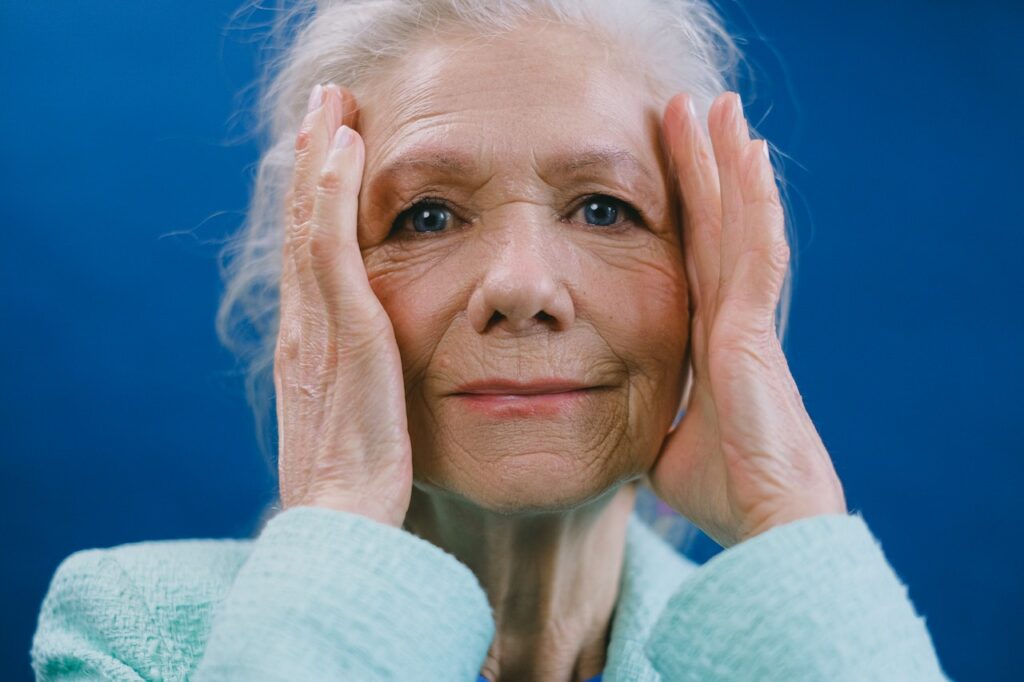
Retirement marks the end of a long career. It’s shown as carefree leisure, plentiful free time, and well-deserved rest. For many, this time is both freeing and difficult. Anxiety is commonly disregarded at this period.
Retirement worry is more frequent than people think.Retirement anxiety has several causes. Unstructured time might overwhelm some, causing restlessness and anxiety.
Anxiety might result from losing professional identity, purpose, health, wealth, and future. Isolation may result from fewer work-social interactions. Anxiety may cause sleep problems, racing hearts, and other physical symptoms.
This article presents nine practical ways to manage retirement anxiety. These are simple psychological routines that may improve your mental and emotional health.
Regularly Exercise
Exercise is one of the best ways to manage anxiety at any age. The Anxiety and Depression Association of America says five minutes of exercise may reduce anxiety. Exercise improves physical and mental wellness, reducing anxiety symptoms.
Regular exercise boosts endorphins, the body’s natural painkillers and mood boosters. These biochemicals reduce anxiety by promoting pleasure and relaxation. Exercise regulates sleep rhythms, improving sleep quality. This is important since worry typically causes sleeplessness.
Consistent exercise works. Retirees need safe, appropriate workouts. Try these simple, safe exercises:
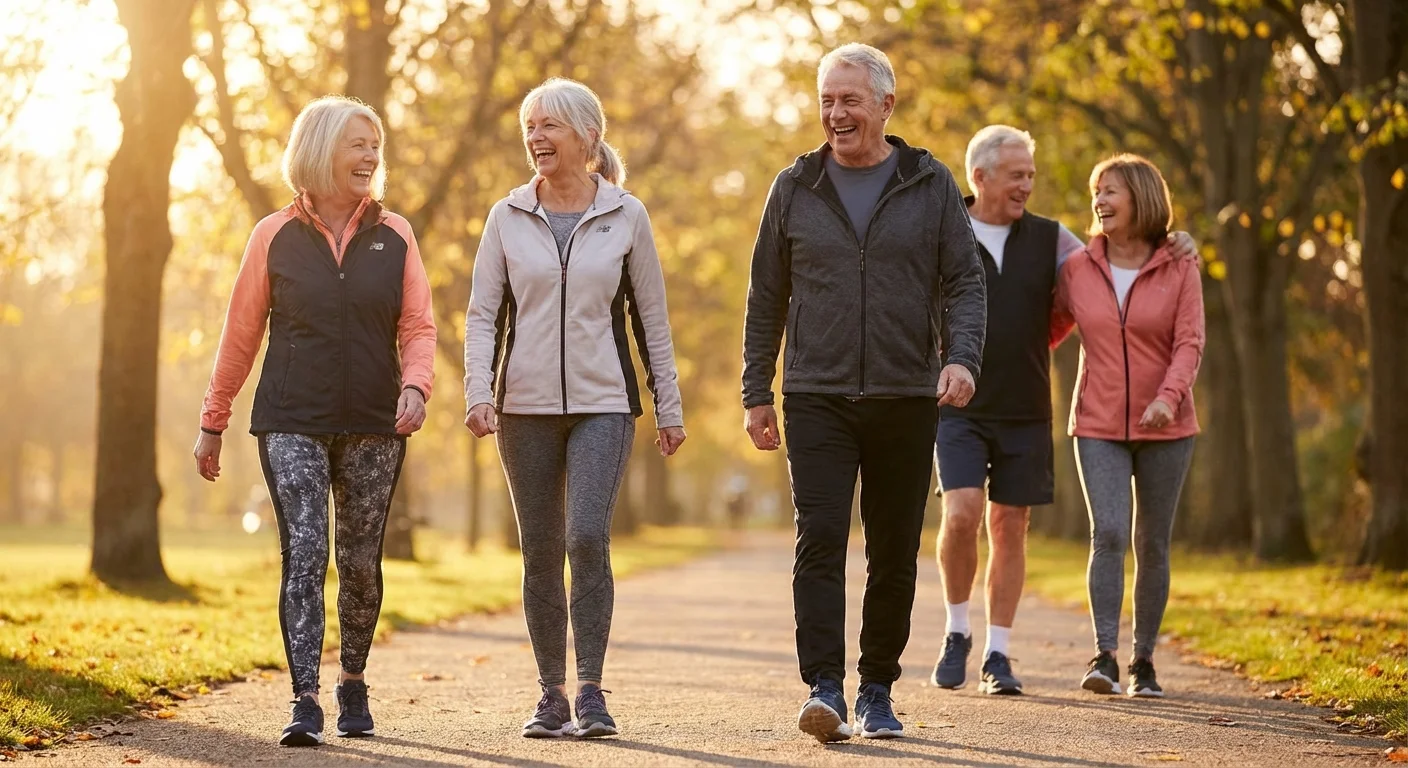
For example, walking may be done anywhere, anytime. Low-impact, equipment-free, and adjustable to your fitness level. Start with short walks and increase them as your fitness improves.
Thai Chi is an excellent option if you want to try something totally different! This peaceful martial technique uses slow, controlled motions and deep breathing. It boosts balance, flexibility, and strength. Tai Chi’s focus may also help relieve anxiety.
Meanwhile, yoga involves physical postures, breathing exercises, meditation, and a philosophy. It adapts to different fitness levels. Yoga builds strength, flexibility, and awareness, which may help manage anxiety.
Strength Training: Resistance bands or modest weights may assist in maintaining muscular mass and strength, improving health. Start mild and build slowly.
Water Aerobics: Low-impact water aerobics build muscles. Community centers and gyms provide senior water aerobics programs.
Eating Well
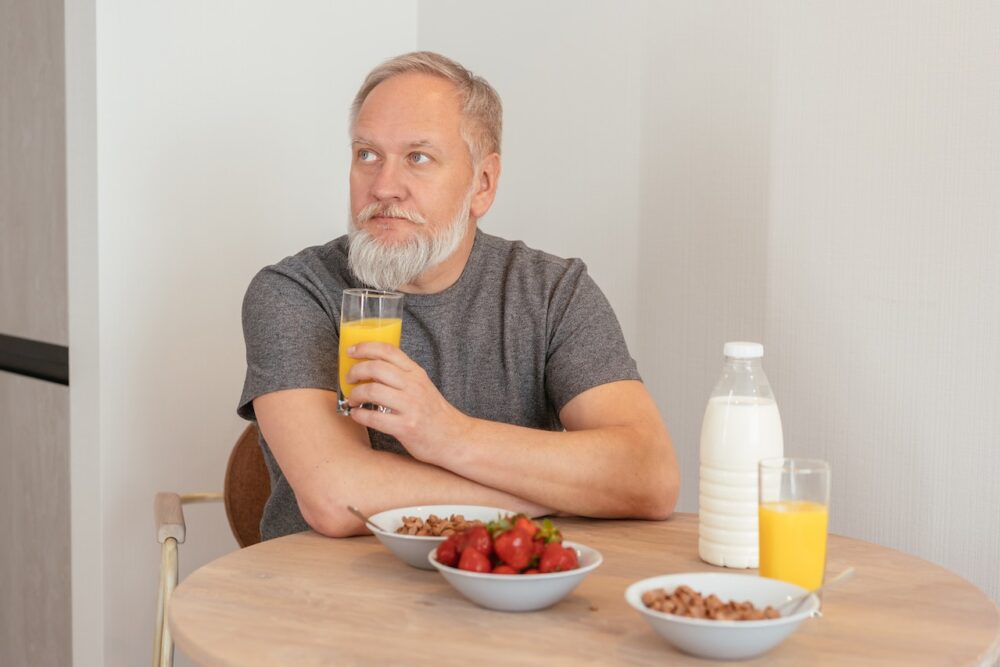
Diet affects mental health. Nutritional psychiatry is a medical trend. A balanced diet may improve our physical and mental health, including anxiety control.
Like other organs, the brain requires a variety of nutrients. Brain-healthy meals may alleviate anxiety. Complex carbs like healthy grains and legumes are processed longer and help stabilize blood sugar, which calms you.
However, processed meals, sweets, bad fats, and artificial additives may increase anxiety symptoms. These foods cause blood sugar spikes and falls, making you nervous and anxious.
First things first, make sure to eat whole foods whenever feasible. Fruits, vegetables, lean meats, and whole grains. They include brain-healthy vitamins and minerals.
Secondly, include Omega-3 Fatty Acids in your weekly menu. Salmon, mackerel, flaxseeds, and walnuts are brain-healthy. Omega-3s reduce anxiety and improve brain health.
Moreover, research links gut health to mood. Yogurt, sauerkraut, and other probiotic-rich foods may lower anxiety and improve gut health.
Now I know you may not like it, but restricting your coffee intake is vital to stay healthy, trust me. Caffeine may make some individuals uncomfortable and jittery, especially anxious ones. Limit coffee, tea, and caffeinated drinks.
RELATED: Top 8 Best Breakfast Foods for Seniors, According to Dietitians
Mindfulness and Meditation
Meditation and mindfulness have been shown to treat many mental health disorders, including anxiety. How do these approaches help?
Mindfulness meditation involves focusing on the present. Accepting one’s ideas, emotions, and body sensations without judgment or distraction is this. Instead of stressing about the past or future, it’s about being present.
Basically, meditation comprises several methods for relaxing, boosting energy, and cultivating compassion and patience. One is mindfulness. Concentration, loving-kindness, and others.
Meditation improves mental health:
- Stress Reduction: Mindfulness and meditation reduce cortisol levels, lowering anxiety symptoms.
- Improved concentrate: These activities assist the mind concentrate, which reduces mind wandering and unnecessary concern.
- Increased Self-Awareness: Mindfulness helps you recognize when your thoughts are causing unpleasant feelings or worry.
Focusing on the present may minimize negative thoughts, boost self-confidence, and improve life perspective, which can help manage anxiety.
Focusing on your breath for a few minutes a day may start a mindfulness or meditation practice. Close your eyes, sit comfortably, and take slow, deep breaths, focusing on each inhalation and expiration. Online and app-based guided meditations and mindfulness exercises may help you start and sustain this beneficial practice.
Stay Social
Mental health depends on social ties. As work-related social contacts decrease, these relationships may become even more important in retirement. Social support, belonging, and purpose help lessen anxiety.
Humans naturally socialize. Socializing may boost brainpower, reduce loneliness, and enhance health. According to a “Perspectives on Psychological Science” research, social isolation may cause despair, anxiety, and physical damage comparable to smoking 15 cigarettes daily.
As retirees, we can improve or create new social relationships in several ways:
- Join Social Clubs or Groups: Joining a reading club, gardening club, golf club, or choir that fits your interests may give frequent social encounters and a feeling of community.
- Volunteer: Giving back to your community while making new friends is a win-win.
- Stay Connected with Family and Friends: Share a meal, stroll, or video talk with loved ones.
- Take a lesson or workshop you like. This is a great chance to mingle, learn, and exercise your brain.
Lastly, love it or hate it, social media may help you remain in touch with friends and meet new people too!
Community Events: Attend farmers’ markets, fairs, concerts, and lectures. These are fun methods to interact with others and make new friends.
Enjoy a pastime
Having a hobby or interest helps lessen anxiety. Hobbies give you meaning and boost your self-esteem and well-being. A research in the “Annals of Behavioral Medicine” indicated that leisure activities may reduce stress and depression, enhance physical functioning, and increase life satisfaction.
Retirement hobbies may help you socialize, develop new skills, and push yourself. It may occupy your time with a satisfying hobby, reducing the retirement fear of a boring routine.
The perfect hobby for you is one that makes you happy and engaged. Some examples:
- Gardening: This pastime lets you go outside, exercise, and cultivate your own food. Gardening reduces stress and improves happiness.
- Painting, painting, crocheting, and other crafts may be relaxing. They boost creativity, fine motor abilities, and self-esteem.
- Playing an instrument: Playing an instrument may be fun whether you’re a pro or a novice. It boosts cognition and self-esteem.
- Cooking or baking: These activities produce excellent food and may be shared with others. Mastering new dishes is also satisfying.
- Photography: This artistic pastime helps you see the world differently. With digital cameras and smartphones, starting is simpler than ever.
- Writing: Journaling, poetry, and novels let you express your ideas and feelings, improving mental clarity and emotional well-being.
Consider Volunteering
Volunteering reduces retirement worries. It helps your community and improves your mental health.
Volunteering helps combat retirement’s aimlessness and insignificance. It may help manage anxiety by giving you structure, new abilities, and social connections. Helping others releases endorphins, which make you feel good and lessen stress.
“The Gerontologist” found that volunteering enhanced older persons’ physical and mental wellbeing. Volunteers felt more purposeful and had less depression symptoms than non-volunteers.
Sharing your professional or recreational knowledge through mentoring or tutoring others may be gratifying in the long run. You may tutor kids, mentor young professionals, or teach a community class. In addition, neighborhood clean-ups, food banks, and community gardens are other terrific ways to volunteer locally.
Many animal shelters require volunteers too. Regular animal contact may relieve stress and anxiety. Just imagine holding those beautiful puppies in your arms all day long!
Hospitals, nursing homes, and other healthcare institutions typically need volunteers for activities, companionship, and administrative chores.
Continuous Education
Maintaining mental health, especially in retirement, requires mental activity. Continuous learning boosts memory, cognition, and self-esteem, lowering anxiety.
Education may also boost self-confidence and flexibility. Learning new things may also lead to new friendships and a learning community.
After all, learning doesn’t just stop with retirement! If you’re not sure where to start, let me give you a few ideas:
- Take a Course: Many community colleges and universities offer adult education programs or online classes on many topics. You might explore a new field or deepen your interest in one.
- Attend community center, library, or university lectures and workshops. One-time events may cover several themes.
- Join a Book Club: This gives you a chance to socialize and introduces you to new books and themes.
- Learn a New Language: Several applications and websites exist for self-paced language learning. It’s good for the brain and travel!
- Play an Instrument: Learning to play an instrument challenges your intellect and gives you a creative outlet.
- Explore Technology: Learn new software, digital photography, or graphic design.
- Cultivate a New Hobby: Bird-watching, gardening, cooking, or painting may teach you new abilities.
- Coursera, Khan Academy, and Udemy provide classes on almost everything.
Traveling may be instructive if you can. Discover diverse cultures, history, and landscapes.
Make a Routine
Reducing retirement anxiety requires a constant regimen. Routines reduce anxiety-causing uncertainty and restlessness. Retirement might leave us confused, aimless, or overwhelmed without a new routine.
Routines organize our day and control our internal clock, boosting sleep and mental health. It guarantees we make time for anxiety-reducing activities like exercise, eating well, hobbies, and socializing.
Here are a few of my personal favorite retirement routines:
- Try to get up and go to bed at the same hour every day. For anxiety management, consistent sleep patterns increase sleep quality.
- Schedule Physical Activity: Morning walks, afternoon swims, and yoga classes should be part of your daily schedule.
- Plan Your Meals: Regular, healthful meals may normalize your blood sugar and mood. New dishes spice up mealtime.
- Set Aside “Me Time“: Schedule daily meditation, reading, or tea time.
- Socialize: Meet friends, join groups, or attend community events to keep in touch.
- Spend time on hobbies and interests. Gardening, art, writing, or learning a language are examples.
- If you like it, volunteer or work part-time. It adds structure and purpose.
Maintain Flexibility: Routines are good, but leave room for spontaneity and new experiences. Schedule for the unexpected.

Become Financially Aware
Financial insecurity might cause retirement anxiety. Financial stability is frequently a problem without a steady paycheck. Thus, financial literacy reduces retirement worry.
Work with a financial expert before retiring to create a retirement financial plan. This budget should include essential requirements, healthcare, recreation, and unexpected spending. A strategy reduces financial stress.
Know your assets, pensions, social security, and other income streams. To retire comfortably, you must manage these assets. Basic financial knowledge might boost your financial confidence, so here are a few tips for starters:
- Monitor your finances and changes to tax rules and social security benefits. Financial advisor check-ins may assist.
- Consolidate bank accounts, automate bill payments, and arrange records to simplify finances. This makes budgeting easier.
- Earning Opportunities: If you’re able and motivated, try part-time employment, freelancing tasks, or converting a pastime into a small company. This might boost your revenue and create structure.
Conclusion
Retirement is a great time to try new things, rekindle old activities, and build connections. As working days become open-ended, this adjustment may also cause anxiety. Understanding that such sentiments are natural and controllable is crucial.
Retirement anxiety can be managed by exercising regularly, eating well, practicing mindfulness and meditation, strengthening social connections, pursuing hobbies or interests, volunteering, continuing education, and creating a routine. These tactics include physical health, social interaction, intellectual stimulation, and emotional balance to sustain mental health.
I encourage everybody to try new things and find what works best for you. Retirement and anxiety management are a personal journey only you can start. Try new methods, seek expert advice, and ask for help.
Do you have any tips that worked in managing arthritis for you? If so, please leave them in the comment section below and help this community thrive together!