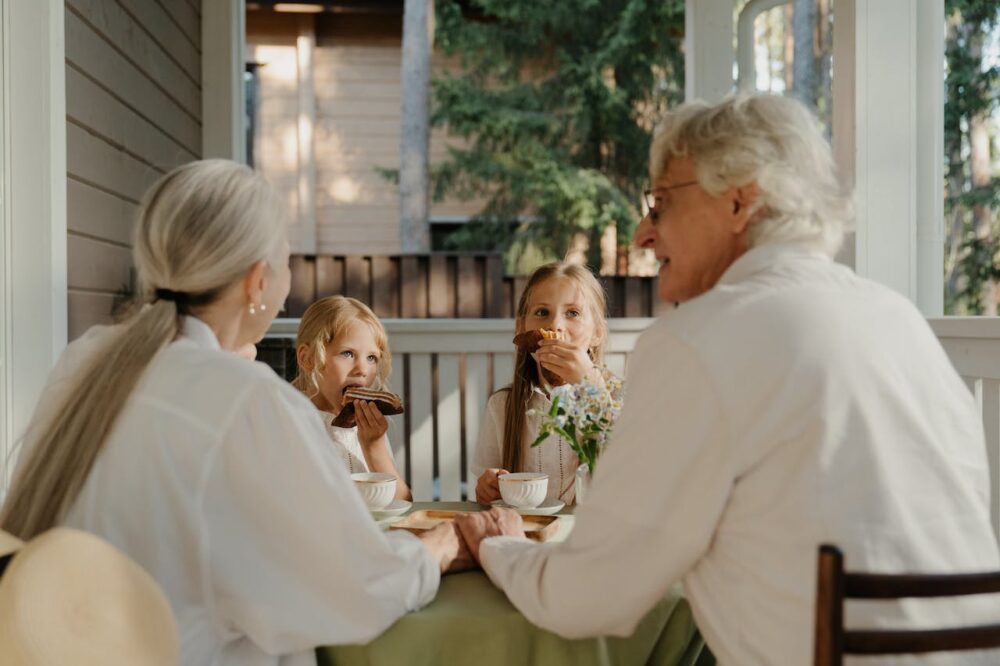
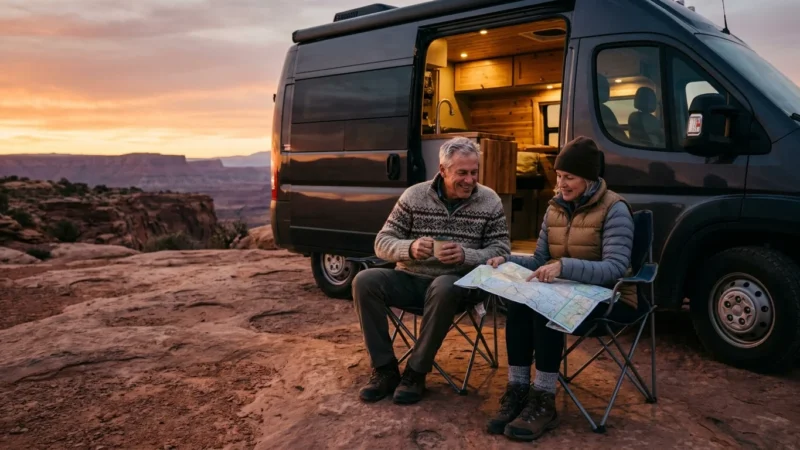
Retirement gives you thousands of open hours, yet filling your calendar with satisfying activities requires deliberate thought. Choosing the right pursuit protects your cognitive health, strengthens social connections, and keeps your body agile as you age.
Today’s retirees are moving beyond passive pastimes toward dynamic activities that offer deep engagement. Whether you want physical exercise, artistic expression, or intellectual exploration, compelling modern options await.
Here are twelve popular retirement hobbies gaining serious momentum this year, along with practical tips to help you get started immediately.
Why Purposeful Hobbies Matter in Retirement
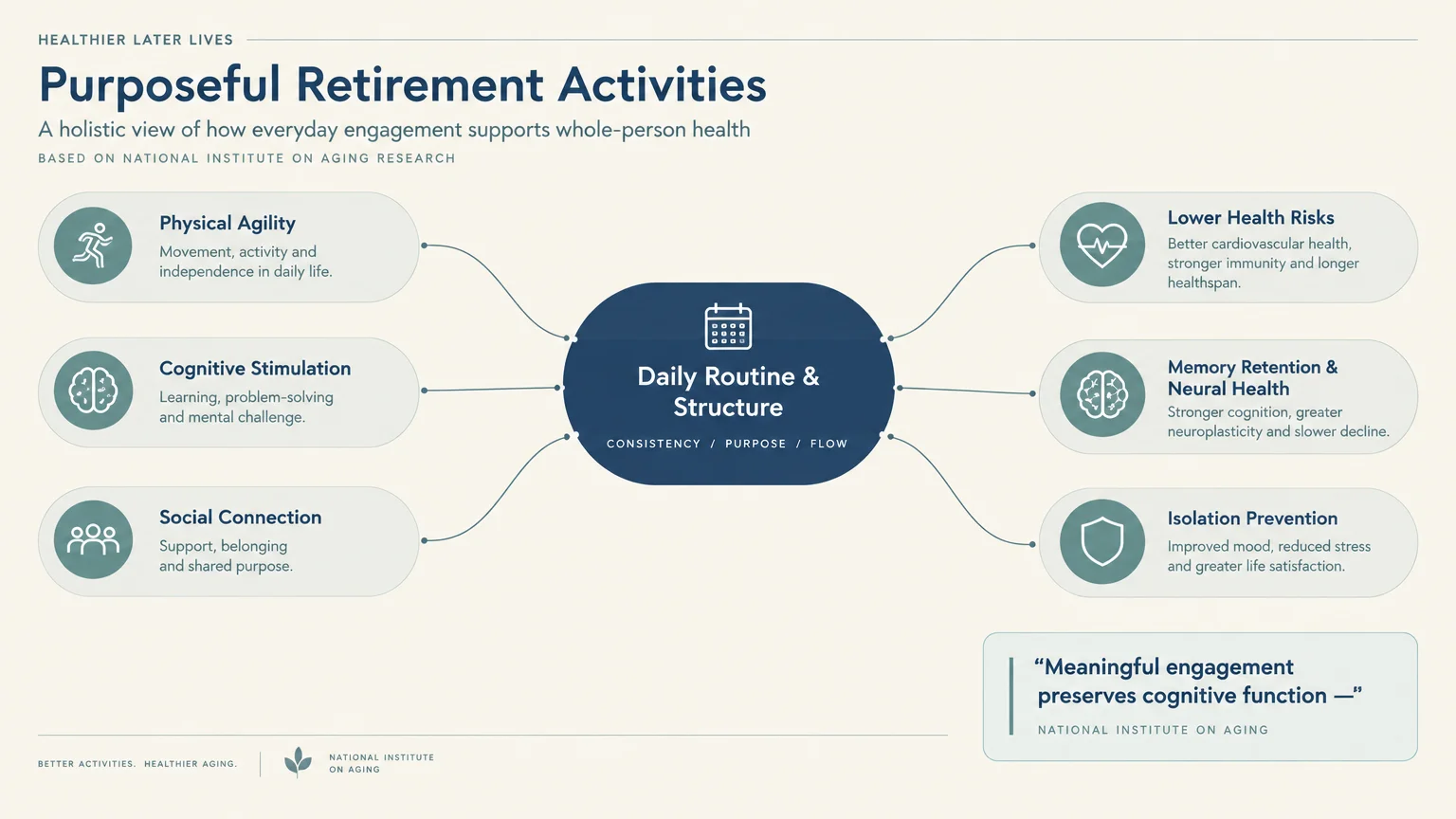
Leaving the workforce alters your daily routine, your physical activity levels, and your social circle overnight. A regular hobby provides healthy structure and gives you a tangible reason to leap out of bed each morning.
According to researchers at the National Institute on Aging, participating in meaningful social and physical activities helps preserve cognitive function and lowers health risks.
Staying mentally active stimulates neural pathways and supports memory retention. Meanwhile, group hobbies counter the quiet isolation that catches many retirees off guard.
“Don’t simply retire from something; have something to retire to.” — Harry Emerson Fosdick
Finding the right pastime does not require rare athletic skill or massive savings accounts. The secret lies in matching your current energy and personal interests with sustainable, engaging activities.
1. Pickleball and Padel: The Social Racket Renaissance
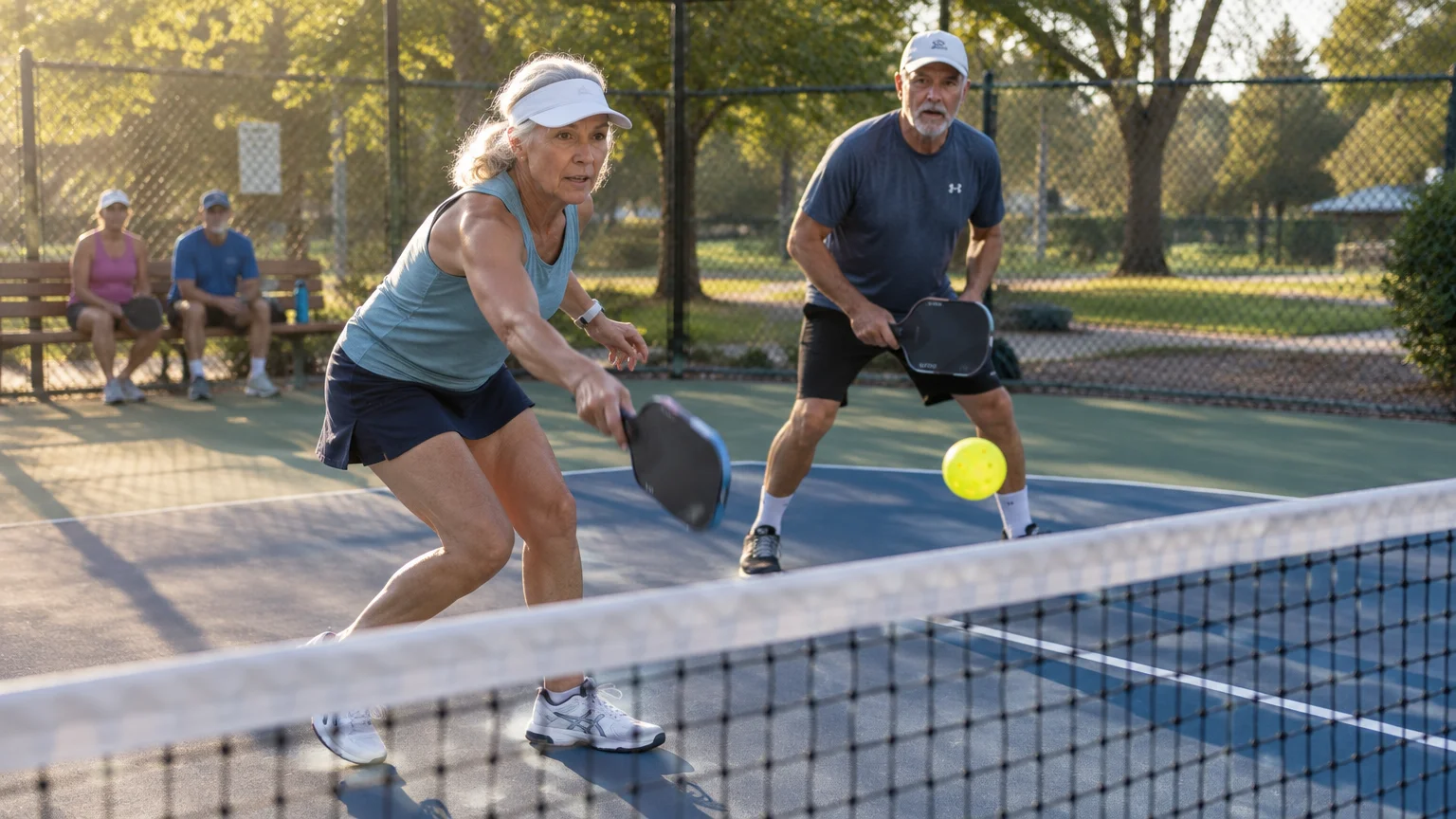
Pickleball continues its historic run as a social powerhouse across neighborhood parks and community centers nationwide.
The Sports & Fitness Industry Association reports that U.S. pickleball participation reached 24.3 million players, growing 22.8% year-over-year.
The game has held the title of America’s fastest-growing sport for five consecutive years; participation surged 171.8% over three years.
Alongside pickleball, padel is rapidly gaining traction among older adults, expanding to roughly one million domestic players.
Played in an enclosed glass court using solid, perforated paddles, padel emphasizes strategic placement rather than overwhelming raw power.
Both sports deliver exceptional cardiovascular conditioning while remaining gentler on knees and hips than traditional singles tennis.
Local recreation leagues make meeting new practice partners simple and welcoming:
- Start with an introductory beginner clinic to master correct footwork and shot technique.
- Invest in supportive court shoes with lateral stability rather than standard running shoes.
- Join open drop-in morning sessions to play with rotating partners of varying skill levels.

2. National Park Exploration and Outdoor Trekking
Hitting the trail provides an unbeatable combination of cardiovascular conditioning, fresh mountain air, and mental tranquility.
Retirees are hitting trail networks in record numbers, turning park trekking and scenic camper travel into lifelong habits.
U.S. citizens and permanent residents aged 62 and older can purchase an America the Beautiful Senior Pass from the National Park Service.
The pass costs $20 for an Annual Pass or $80 for a Lifetime Pass, making outdoor exploration remarkably economical.
It covers standard entrance fees at more than 2,000 federal recreation sites and provides a 50% discount on select camping fees.
Using adjustable trekking poles reduces joint impact on steep descents and improves your stability across rocky trails.
Local walking clubs and state park associations regularly organize guided excursions paced specifically for active seniors.

3. Lifelong Learning Through University Programs
Retirement gives you the luxury of academic discovery without the stress of grades, exams, or tuition debt.
Across the country, older adults are heading back to university classrooms to study literature, philosophy, astrophysics, and world history.
The Bernard Osher Foundation supports more than 120 Osher Lifelong Learning Institutes on college campuses across all 50 states.
These member-led institutes design non-credit courses, seminars, and lecture series specifically for enthusiastic adults aged 50 and older.
You can debate historical events with university scholars, join lively book salons, or study emerging technological trends alongside peers.
Many university campuses also grant institute members full access to campus libraries, athletic facilities, and special cultural performances.
4. Purpose-Driven Volunteering and Mentorship
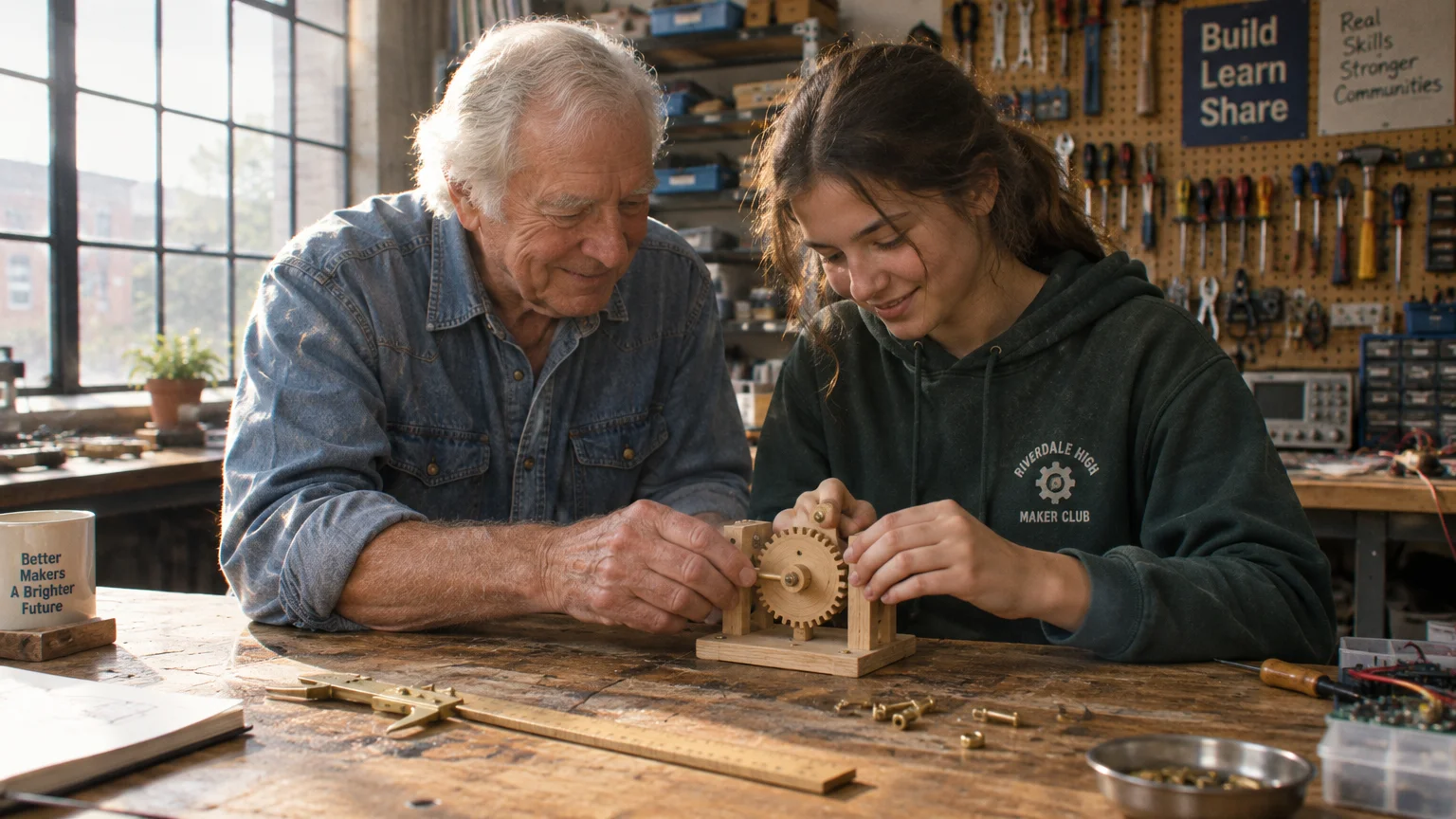
Channeling your professional expertise and life experience into volunteer work brings a deep sense of community fulfillment.
Federal programs coordinated through AmeriCorps Seniors connect adults aged 55 and older with impactful volunteer roles across the country.
Through the RSVP initiative, you can mentor local students, support community food pantries, or organize neighborhood revitalization efforts.
The Foster Grandparent and Senior Companion programs offer structured service pathways for adults seeking consistent weekly engagement.
Volunteers serving 10 to 40 hours weekly who meet income guidelines receive a modest, non-taxable hourly stipend plus mileage reimbursement.
This hourly stipend never reduces your Social Security payments or interferes with other federal benefit programs.
Discovering local volunteer programs through the Administration for Community Living helps match your unique background to local needs.
5. Ancestry Research and Digital Archiving
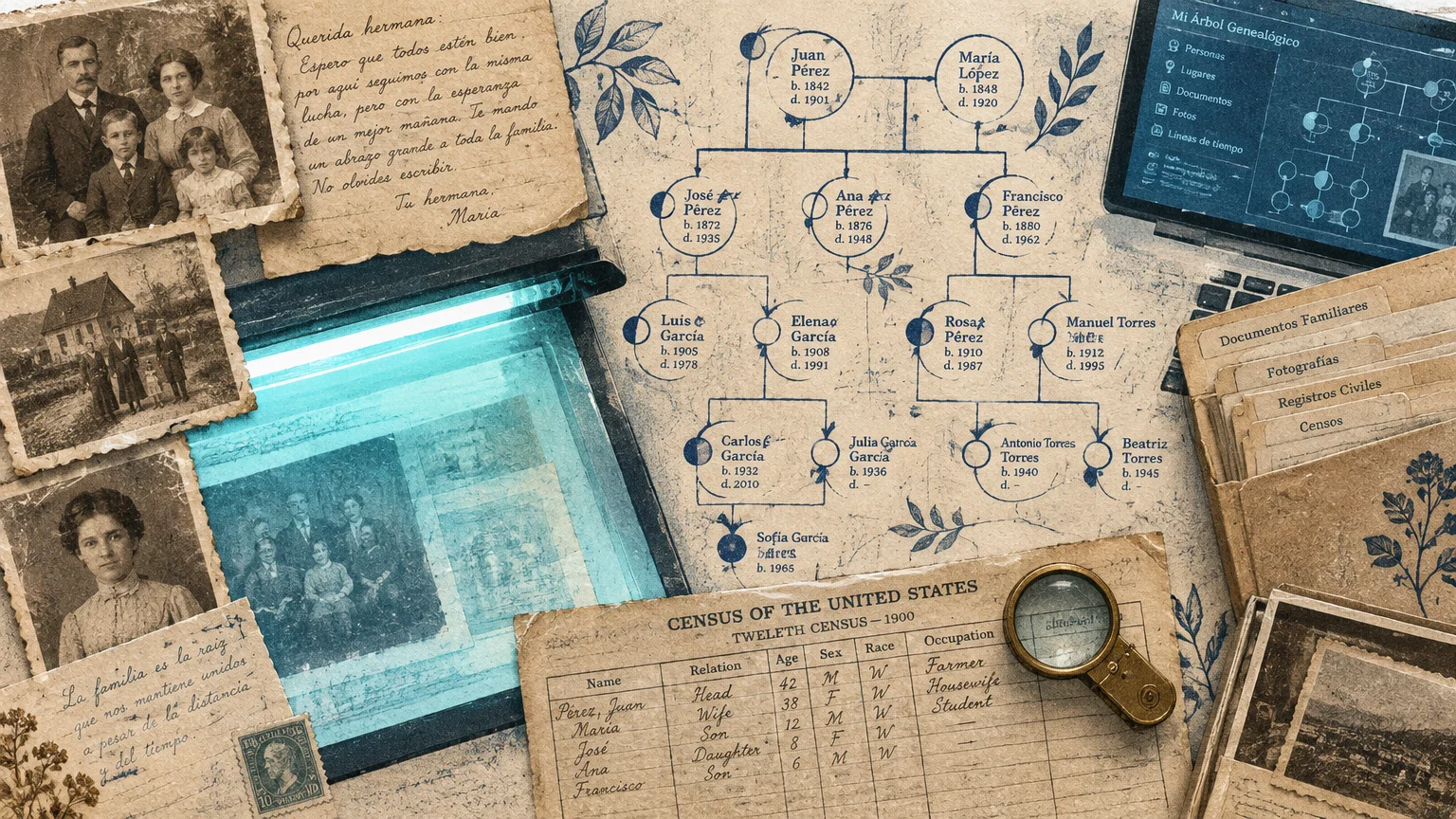
Genealogy has evolved from squinting at library microfilms into a fascinating digital detective hobby you can pursue from home.
Modern online databases, historical ship manifests, and genetic DNA analysis allow you to map out complex family branches quickly.
Beyond building family trees, retirees are digitizing fading ancestral photos, transcribing letters, and recording oral family memoirs.
This hobby challenges your investigative problem-solving skills and creates a permanent historical legacy for your children and grandchildren.
Local genealogy societies host monthly study sessions where members share archival research tips and crack stubborn family mystery branches.
6. Micro-Gardening, Hydroponics, and Native Landscaping
Gardening continues to modernize, moving away from backbreaking yard maintenance toward intentional, ergonomic botanical care.
Many retirees are converting thirsty turf lawns into native plant habitats that sustain migratory birds, monarch butterflies, and native bees.
Elevated cedar garden beds bring planting areas up to waist height, protecting your lower back and knees from strain.
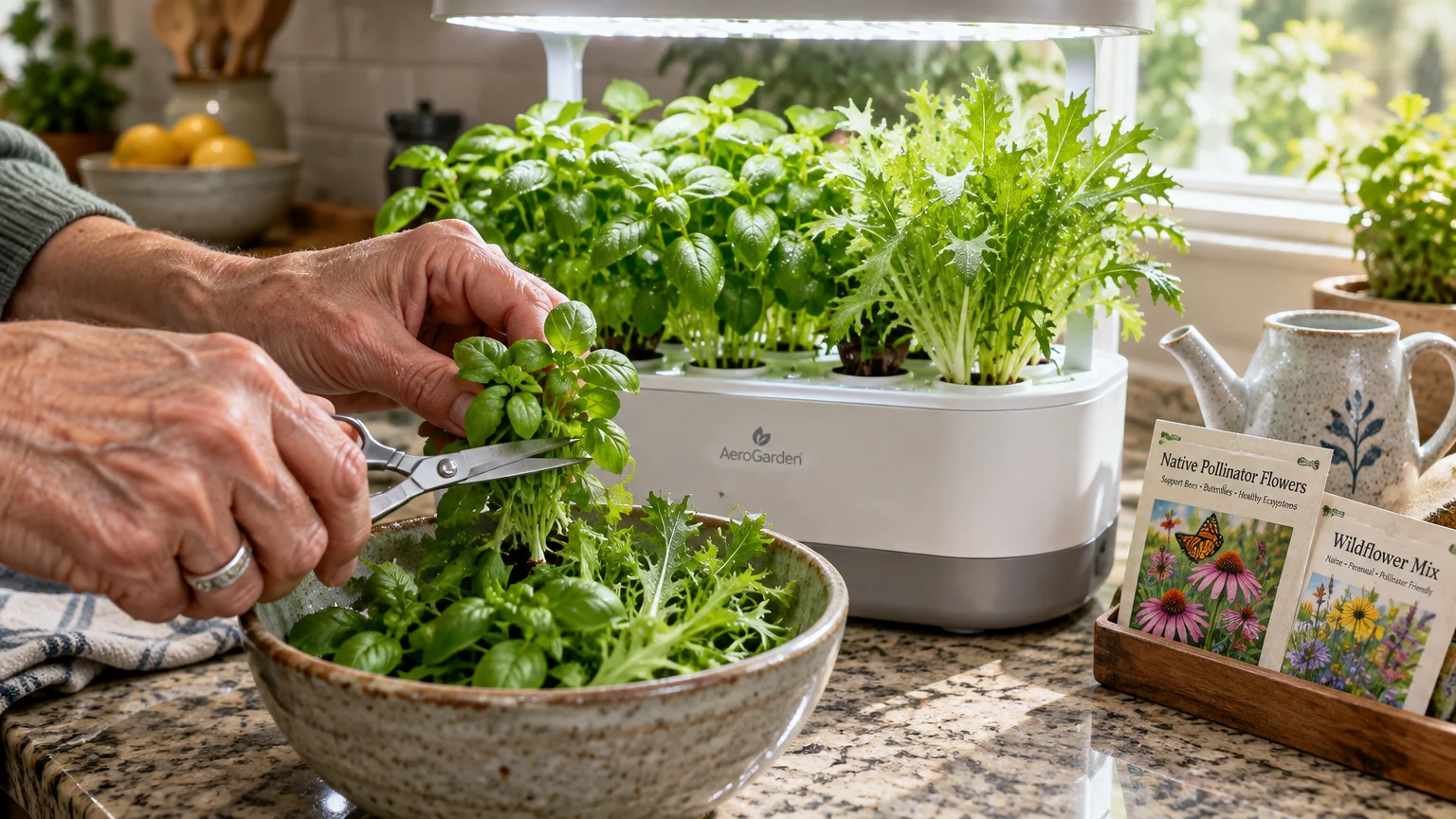
Meanwhile, compact indoor hydroponic and aquaponic counter units let you harvest fresh greens, crisp herbs, and peppers all year.
Tending living plants delivers gentle functional exercise, healthy vitamin D from sunlight, and flavorful kitchen ingredients.
7. Modern Fiber Arts and Quilting Collectives
Fiber arts are undergoing a massive creative resurgence as retirees trade screen time for tactile, physical craftsmanship.
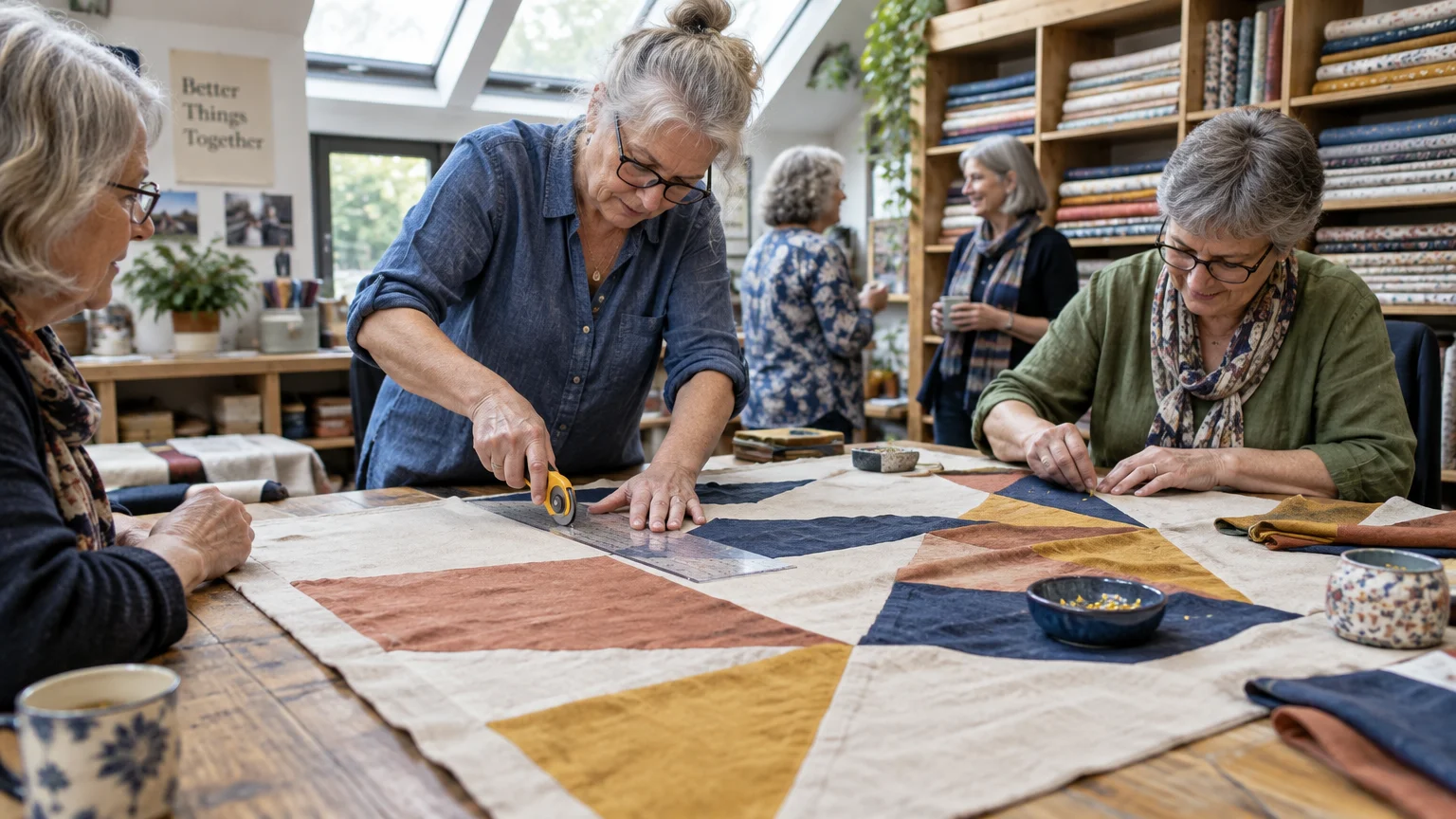
Modern quilting incorporates bold geometric layouts, vibrant fabrics, and minimalist designs alongside traditional stitching heritage.
Working with textiles, yarn, and threads preserves fine motor precision and maintains flexibility in your hands and wrists.
Quilting guilds offer a vibrant social community where members collaborate on charity quilts for community shelters and children’s hospitals.
The rhythmic, repetitive motions of stitching or knitting lower heart rates and cultivate mindful, meditative focus during quiet afternoons.

8. Drone Photography and Aerial Videography
Operating compact recreational drones merges fresh outdoor air with exciting digital imaging technology and visual storytelling.
Modern drones feature automated collision detection, GPS flight stabilization, and high-resolution cameras that make smooth flying surprisingly easy.
You can capture sweeping aerial footage of local shorelines, fall foliage, historic landmarks, and family reunions from breathtaking perspectives.
Recreational flyers must simply complete the Federal Aviation Administration’s free online TRUST safety knowledge test before taking their first flight.
Editing your aerial clips into polished videos exercises digital creativity while mastering simple modern video editing software.

9. Amateur Astronomy and Smart Stargazing
Astronomy has shed its reputation for frustrating manual telescope alignment thanks to brilliant advances in digital optics.
New smart telescopes use internal GPS sensors to align themselves automatically with night-sky star patterns within minutes of setup.
These optical systems track planets, deep-space nebulae, and distant galaxies, projecting clear color images directly to your tablet screen.
Stargazing pairs naturally with travel to certified International Dark Sky Parks, where pristine night skies offer spectacular cosmic viewing.
Local astronomy clubs frequently host public star parties where seasoned astronomers share high-powered eyepieces and celestial lore with newcomers.
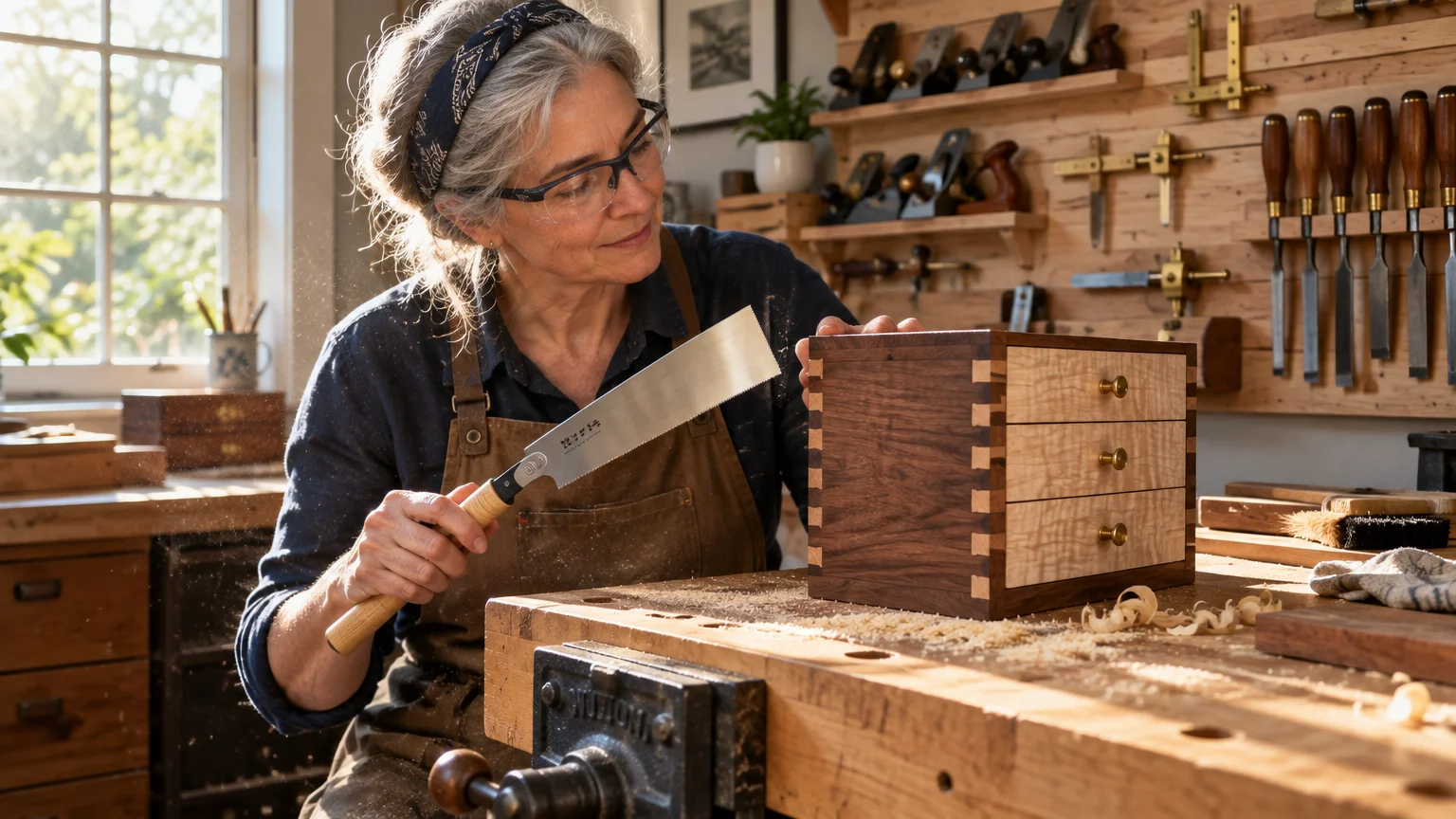
10. Precision Woodworking and Digital Fabrication
Few pastimes match the physical satisfaction of turning rough lumber into beautiful, durable furniture and home goods.
Retirees are combining traditional chisels and hand planes with modern computer-numerical-control (CNC) routers and laser engravers.
You can produce custom cutting boards, handcrafted instrument bodies, rocking chairs, or wooden toys for your grandchildren.
Modern shop equipment features advanced safety sensors and high-efficiency dust collection systems to protect your breathing and workspace air.
If you lack garage space, community maker spaces provide shared access to professional-grade table saws, planers, and wood lathes.
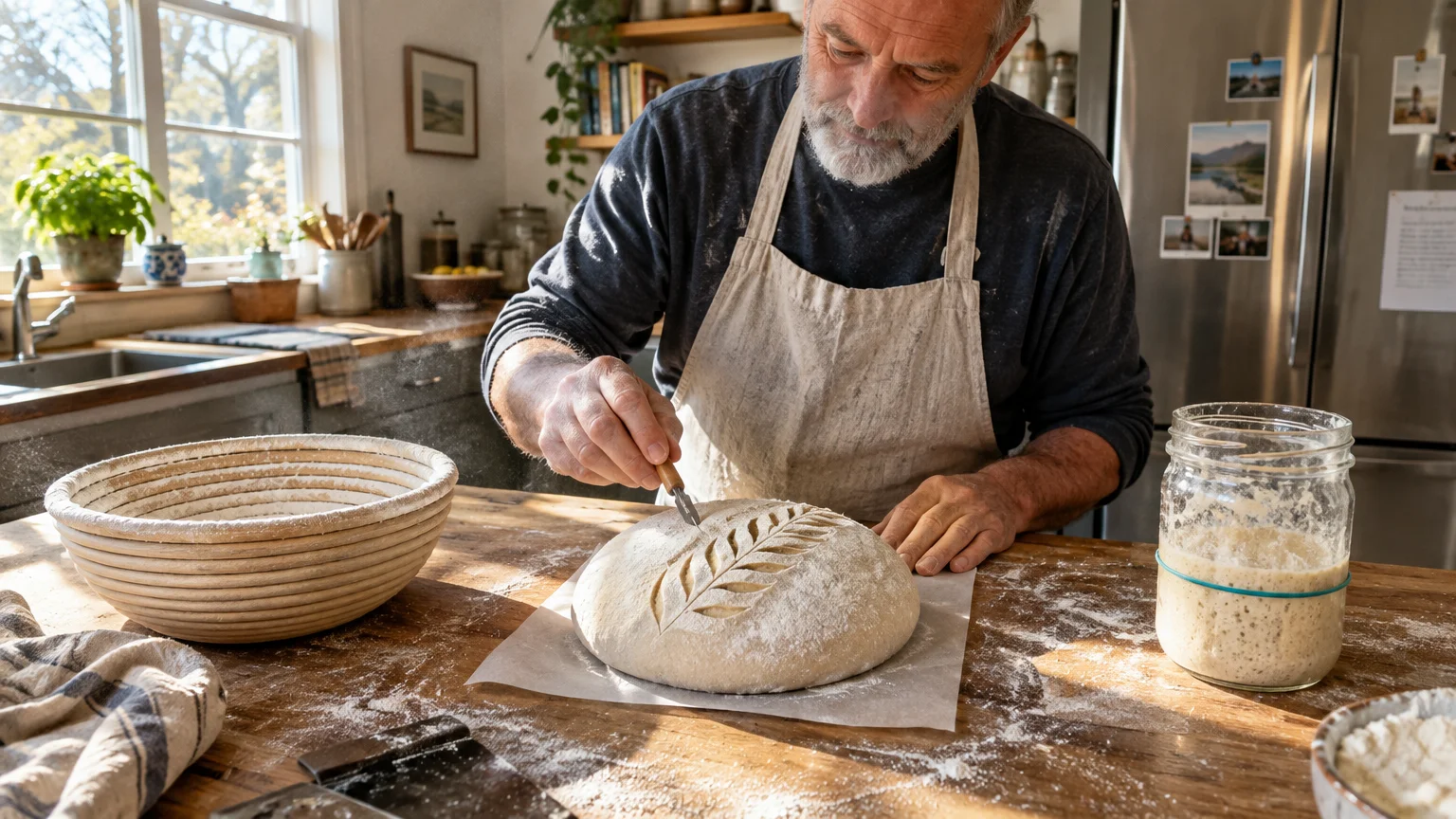
11. Artisan Bread Baking and Food Fermentation
Cooking in retirement can transform from a daily chore into an exciting, sensory culinary science hobby.
Sourdough baking is especially popular, requiring bakers to cultivate live wild yeast starters and master dough fermentation schedules.
Retirees are also diving into home fermentation, handcrafting probiotic-rich kimchi, tangy kombucha, cultured cheeses, and cured meats.
These tactile cooking projects sharpen your senses of taste and smell while supporting digestive wellness with natural probiotics.
Sharing warm, crusty boules with friends and neighbors builds community ties and turns your kitchen into a welcoming gathering spot.
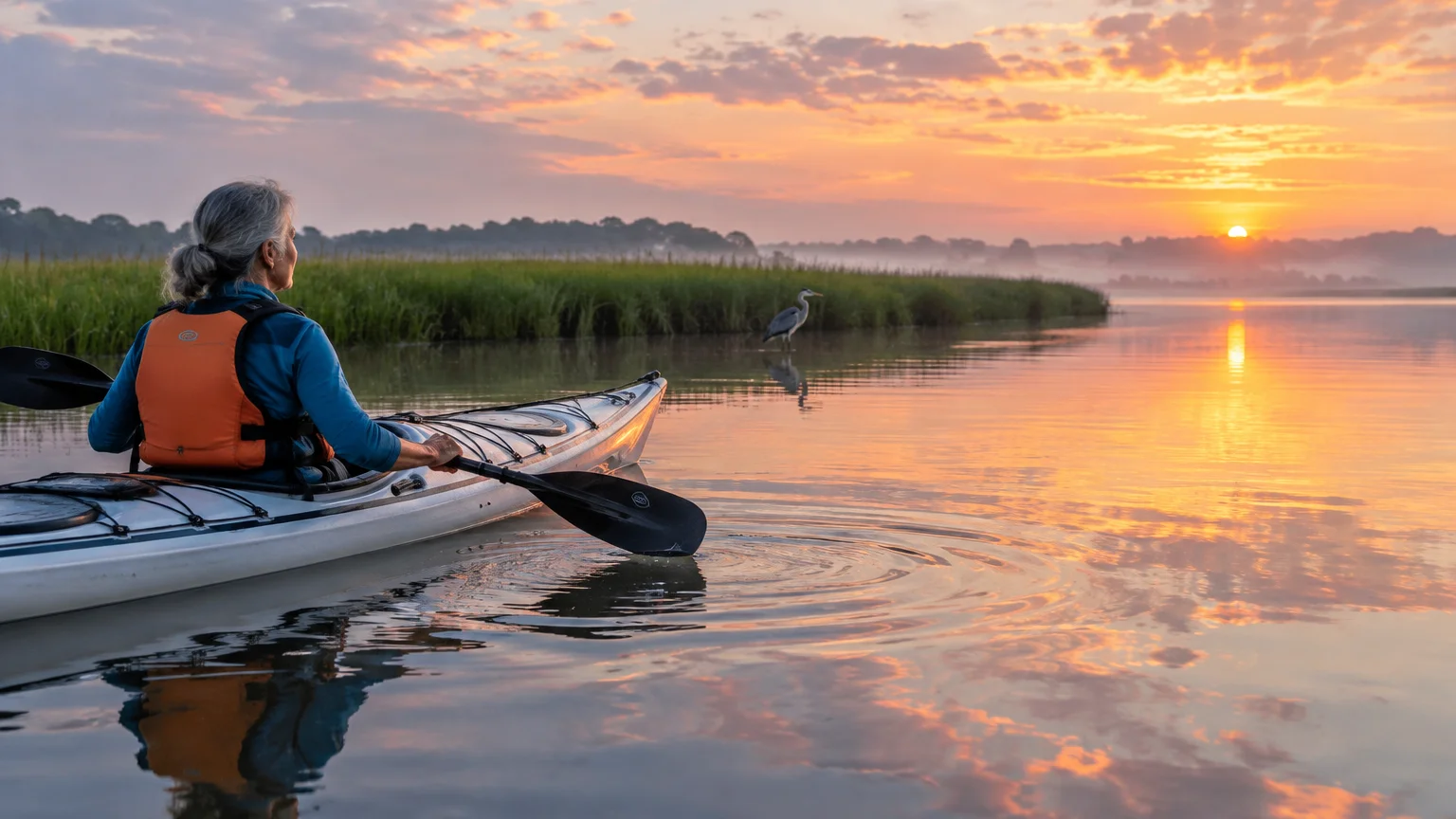
12. Low-Impact Water Sports: Kayaking and Paddleboarding
Gliding across quiet inland lakes, winding rivers, or protected coastal bays provides total-body conditioning with zero joint impact.
Stable, sit-on-top recreational kayaks and wide inflatable stand-up paddleboards make balancing secure and accessible for older adults.
Paddling activates your core muscles, challenges your balance gently, and delivers sustained, low-impact cardiovascular exercise.
Inflatable paddleboards roll up into a compact backpack, allowing you to transport your craft easily in any standard car trunk.
Morning paddle clubs across coastal and lakefront towns offer regular group outings followed by relaxed dockside breakfast gatherings.
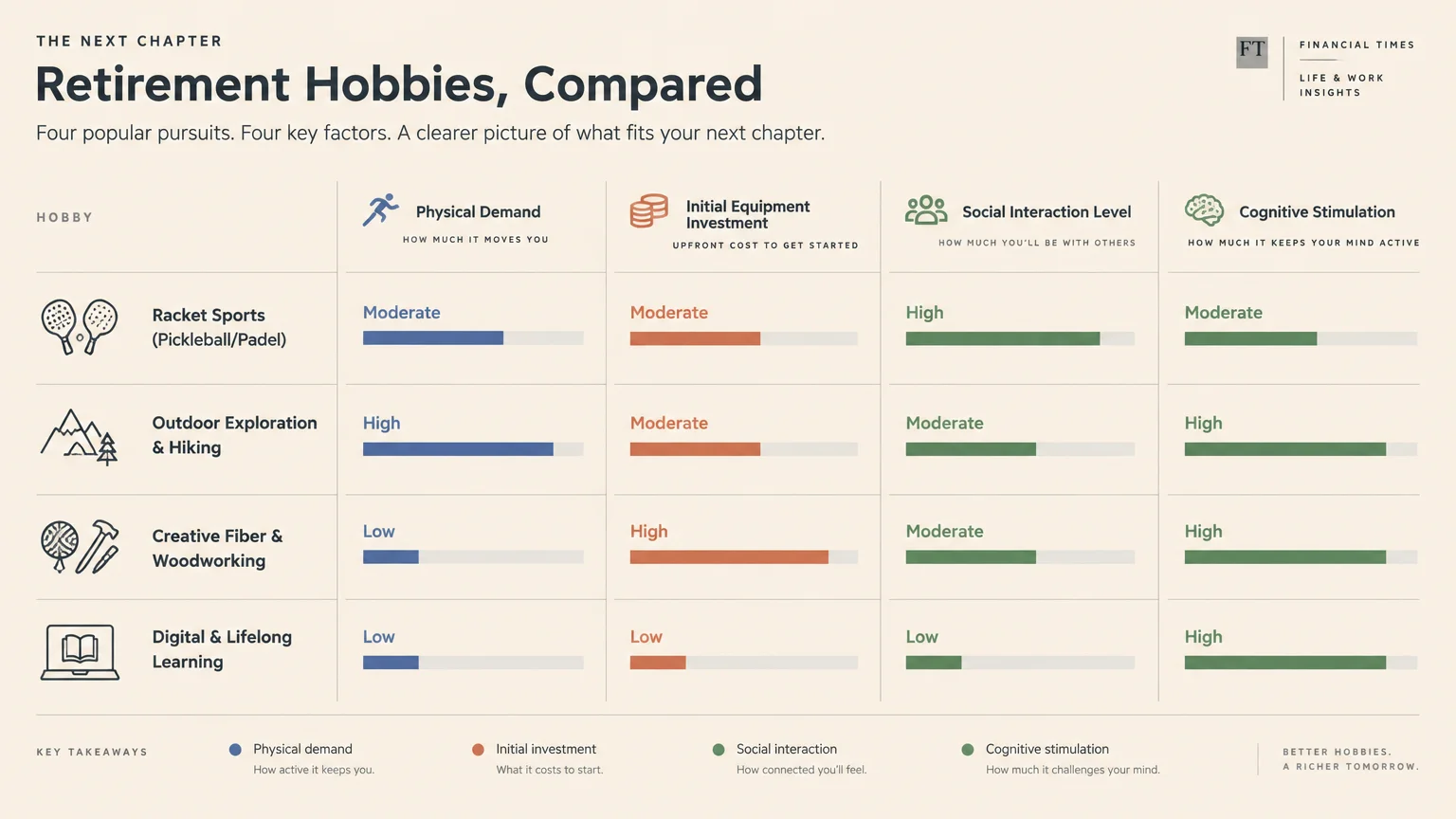
Comparing Popular Retirement Hobbies
Choosing your next pastime involves balancing financial investment, physical energy requirements, and your desire for social connection.
Review this comparison table to identify which hobby aligns best with your personal lifestyle preferences and physical comfort levels.
| Retirement Hobby | Initial Gear Cost | Physical Intensity | Social Opportunity | Primary Benefit |
|---|---|---|---|---|
| Pickleball & Padel | Low to Moderate ($60–$200) | Moderate to High | High (Leagues & drop-in games) | Agility & cardiovascular fitness |
| National Park Hiking | Low ($80 Lifetime Pass + gear) | Moderate | Moderate (Clubs & trail groups) | Cardiovascular stamina & stress reduction |
| Lifelong Learning (OLLI) | Low ($100–$300 per term) | Low | High (Classroom discussions) | Cognitive sharpness & memory |
| Community Volunteering | Zero | Low to Moderate | High (Team-based service) | Sense of purpose & civic connection |
| Digital Genealogy | Low to Moderate (Subscriptions) | Low | Moderate (Societies & forums) | Deductive reasoning & legacy building |
| Micro-Gardening | Low to Moderate ($50–$300) | Low to Moderate | Moderate (Extension clubs) | Stress relief & fresh nutrition |
| Drone Videography | Moderate to High ($300–$900) | Low | Moderate (Flight clubs) | Spatial reasoning & visual creativity |
| Smart Stargazing | Moderate to High ($500–$1,200) | Low | Moderate (Star parties) | Wonder, contemplation & scientific study |
| Kayaking & SUP | Moderate ($300–$700) | Moderate | High (Waterfront meetups) | Core strength & balance maintenance |

Turning Your Passion into Income: Rules and Realities
Selling your handcrafted woodwork, sourdough loaves, or fine-art prints can generate rewarding supplemental retirement cash.
However, you must understand how side-income interacts with federal rules if you claim Social Security before your Full Retirement Age (FRA).
Full Retirement Age sits at age 67 for anyone born in 1960 or later.
If you collect benefits while under Full Retirement Age, the annual Social Security earnings test limit is $24,480 ($2,040 per month).
The Social Security Administration withholds $1 from your benefit payments for every $2 you earn above this threshold.
During the specific calendar year you reach your Full Retirement Age, the limit increases substantially to $65,160 ($5,430 per month).
In that transition year, the agency deducts $1 in benefits for every $3 you earn above the limit until your birthday month arrives.
Once you reach your Full Retirement Age, the earnings test disappears completely; you can earn unlimited hobby income without benefit reductions.
Tax guidelines also distinguish between recreational hobbies and formal small businesses when deducting equipment costs and supplies.

Common Retirement Traps to Avoid
Retirees often jump into exciting new pastimes with enthusiasm but stumble into predictable mistakes that drain energy or money.
Steer clear of these four common traps to keep your leisure hours enjoyable and stress-free:
- The Expensive Equipment Trap: Buying top-of-the-line equipment before discovering if you truly enjoy the activity wastefully drains your retirement nest egg. Rent gear or buy secondhand items until your routine sticks.
- The Overuse Injury Trap: Ramping up athletic activities like pickleball or kayaking too fast invites muscle tears and tendonitis. Warm up thoroughly and schedule rest days between intense sessions.
- The Monetization Trap: Forcing your relaxing craft or baking hobby into a commercial Etsy business often introduces stressful deadlines and administrative headaches. Keep pastimes purely recreational if business operations drain your joy.
- The Social Isolation Trap: Picking exclusively solitary pursuits can leave you feeling lonely over time. Balance quiet individual crafts with collaborative community hobbies like book discussions or hiking clubs.

When to Consult a Professional
While most hobbies require no formal guidance, certain pursuits benefit from professional insight to safeguard your health and finances.
Consult a physical therapist or sports medicine physician before taking up vigorous athletic sports if you manage chronic back, knee, or cardiovascular conditions.
A certified professional can evaluate your mobility, recommend safe joint modifications, and guide proper stretching routines.
If your hobby evolves into a profitable venture generating thousands of dollars annually, consult a certified public accountant (CPA).
A tax professional will explain quarterly self-employment taxes, home workspace deductions, and proper business expense documentation.
Additionally, talk with an elder law attorney if self-employment earnings could affect your qualification for income-restricted Medicaid or housing assistance programs.
Lifestyle programs coordinated by AARP also offer local networking resources to help you transition into active hobbies safely.
Frequently Asked Questions
What are the best retirement hobbies for people with limited mobility?
Lifelong learning programs, digital genealogy, indoor hydroponic gardening, smart stargazing, and modern fiber arts provide rich mental engagement with minimal physical strain.
How can I test an expensive hobby before investing my savings?
Rent equipment from local outfitters, borrow tools from community tool libraries, or purchase used gear from community recreation centers and online marketplaces.
Will selling items from my hobby reduce my Social Security payments?
If you have reached Full Retirement Age, hobby earnings will never reduce your benefits. Under FRA, earnings above $24,480 trigger benefit withholding.
How do I find local walking or pickleball groups in my area?
Check your municipal parks and recreation department catalog, search community bulletin boards, or visit your local senior center for organized club schedules.
Building Your Next Chapter
Retirement offers you the freedom to explore passions you never had time to nurture during your demanding working years.
Pick one compelling activity from this list this week, locate a local beginner group, and take your first step forward.
Retirement rules and benefit amounts vary based on individual work history, income, and circumstances. This article provides general guidance only. Consult a SHIP counselor, financial advisor, or elder law attorney for advice specific to your situation.
Last updated: February 2026. Medicare and Social Security rules change annually—always verify current details at official government sources.