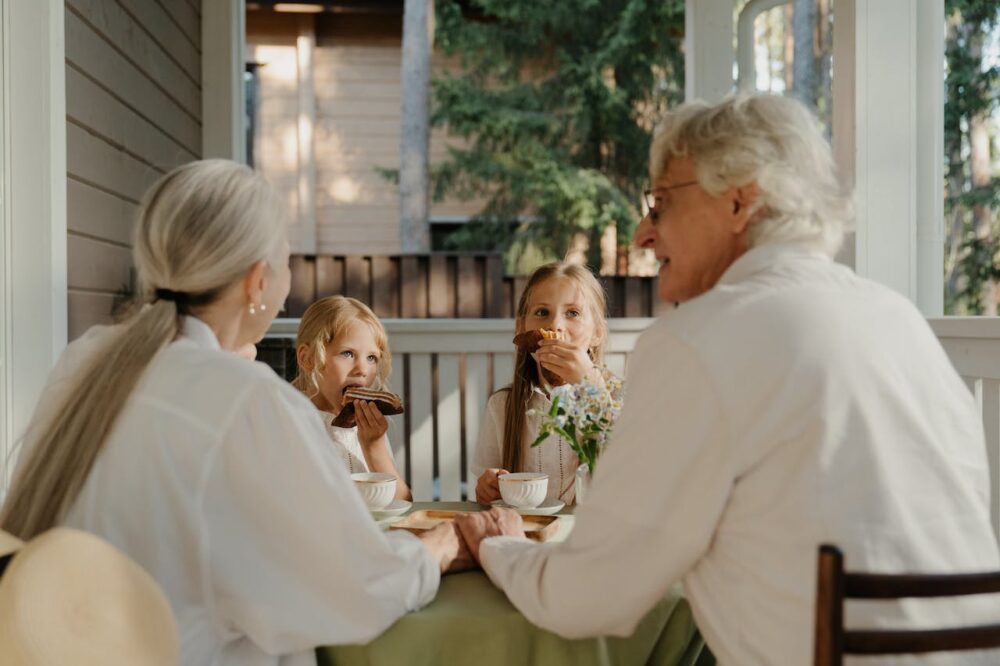
Retiring often abruptly severs the built-in social network you relied on for decades. Your daily calendar clears out, yet the spontaneous workplace conversations vanish almost overnight.
Data from the University of Michigan National Poll on Healthy Aging reveals that one in three adults over 50 reports a persistent lack of companionship. Rebuilding your circle takes deliberate effort, but it enriches your retirement.
Forging genuine connections after 60 requires exploring structured environments outside your home. Participating in purposeful activities creates natural opportunities to cultivate reliable, lasting friendships throughout your post-career life.
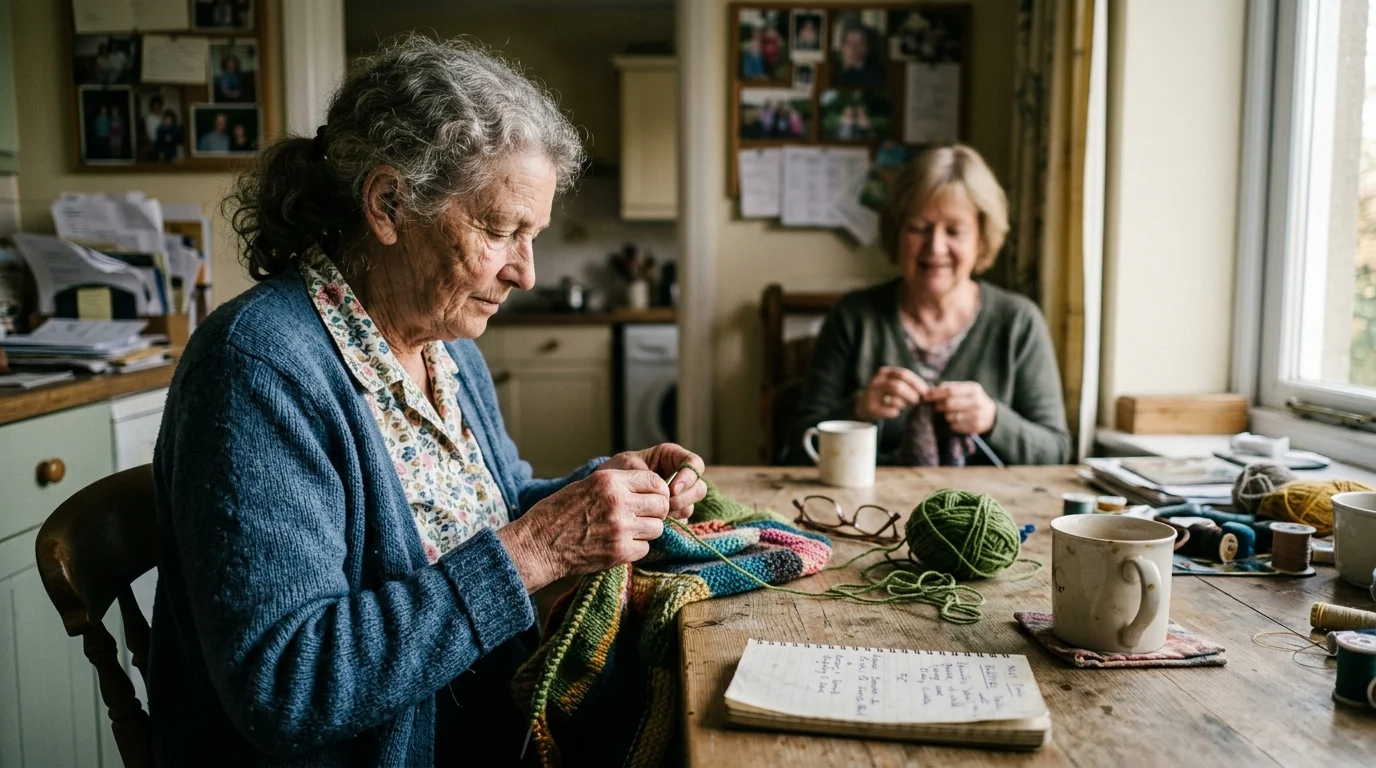
The Critical Health Case for Senior Social Connections
Social relationships are far more than pleasant pastimes; they represent an essential pillar of your longevity. Prolonged isolation inflicts measurable damage on your cardiovascular, emotional, and cognitive systems.
The U.S. Surgeon General’s advisory found that chronic social isolation increases your risk of heart disease by 29% and stroke by 32%. Even more alarming, severe loneliness elevates your risk of developing dementia by approximately 50%.
Public health experts calculate that the mortality impact of chronic isolation equals smoking up to 15 cigarettes every single day. Prioritizing your social life in retirement directly protects your physical health and mental clarity.
Published research from the National Institute on Aging demonstrates that active social engagement lowers systemic inflammation and boosts immune function. Building friendships later in life offers genuine preventive health care.
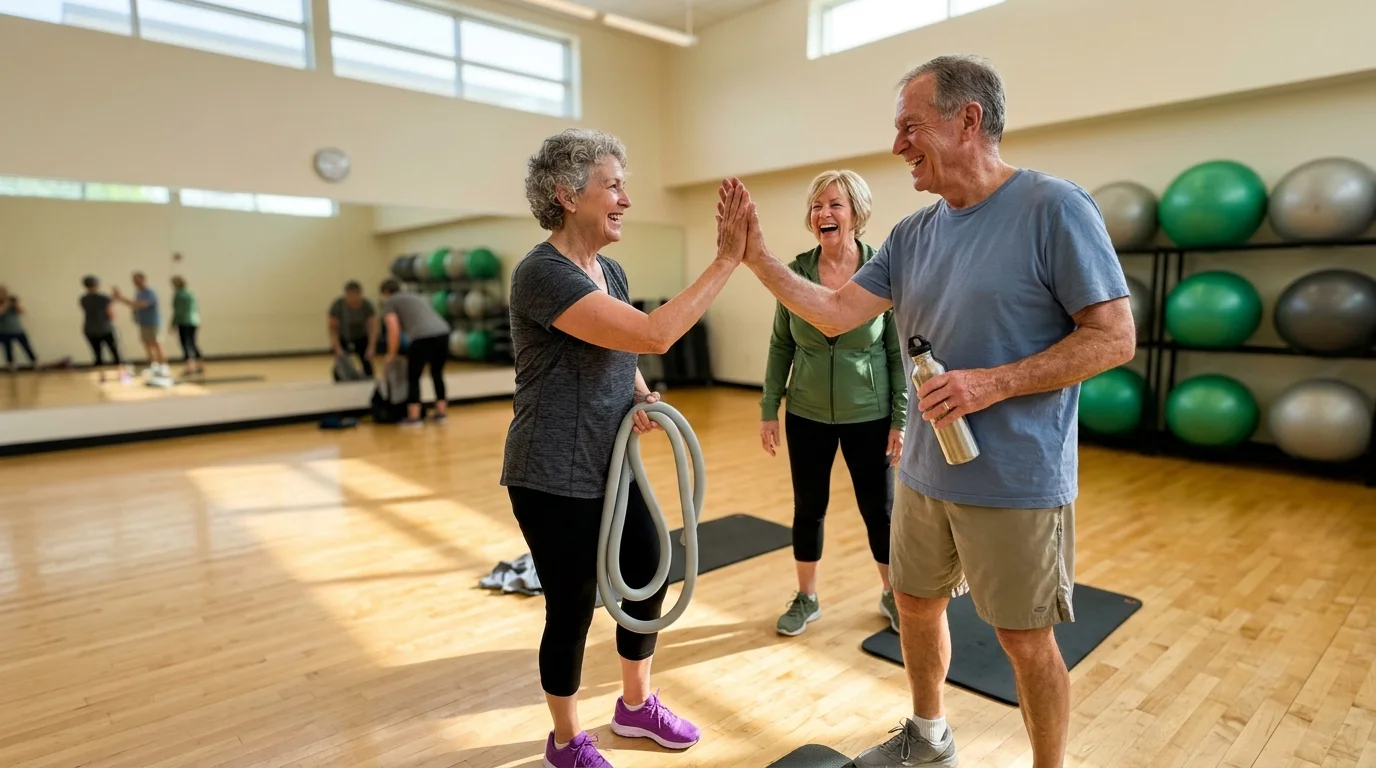
1. Leverage Medicare Advantage Fitness Programs
Original Medicare Parts A and B does not cover monthly fitness center memberships or health club dues. You must pay gym membership fees completely out of pocket under conventional fee-for-service coverage.
However, many Medicare Advantage plans and select Medicare Supplement policies offer specialized wellness benefits at zero added premium. You can compare available plan perks using the tools on Medicare.gov.
Programs like SilverSneakers, Renew Active, and Silver&Fit provide free passes to thousands of participating fitness facilities nationwide. More importantly, these programs organize specialized group exercise sessions specifically tailored to older adults.
Signing up for a recurring low-impact aerobics, water aerobics, or yoga class introduces you to local peers with identical schedules. The shared physical effort and weekly consistency create effortless conversation topics after each workout.
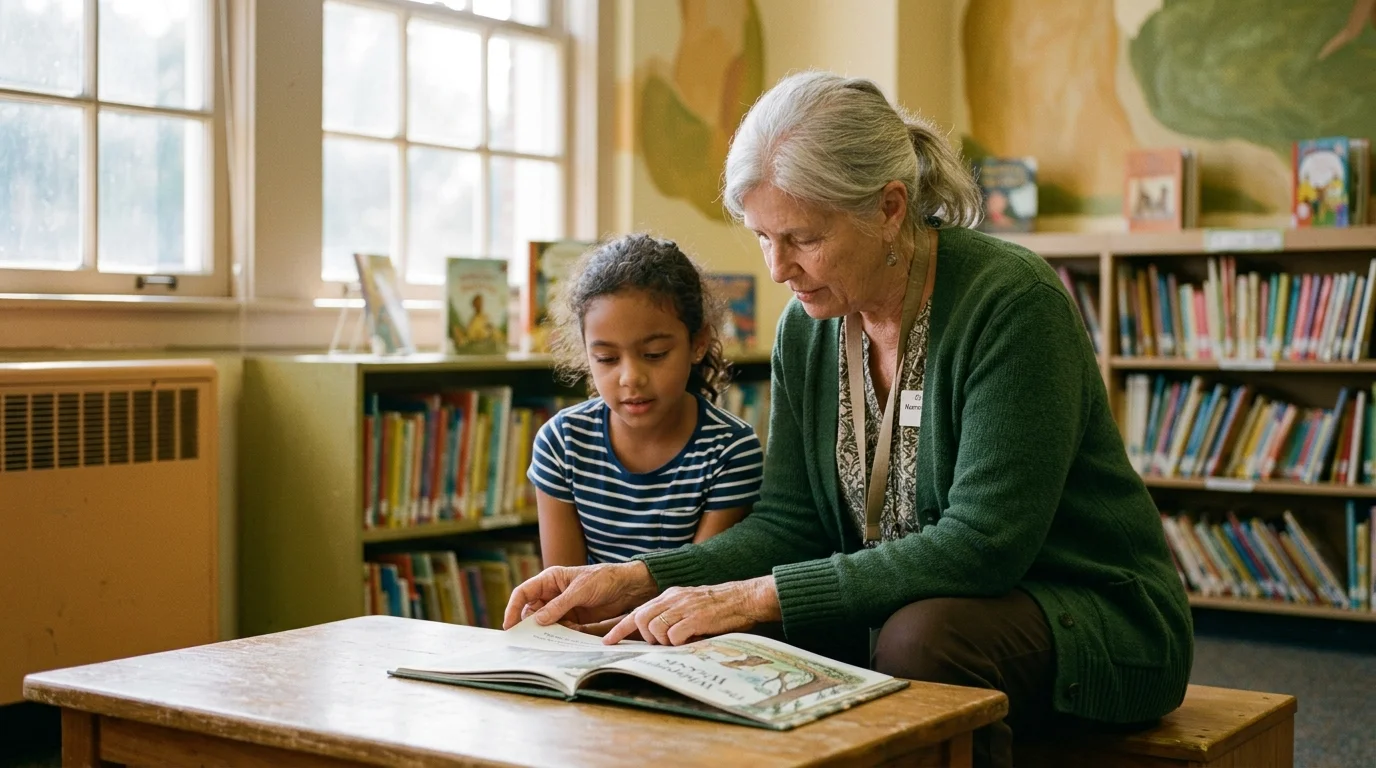
2. Join AmeriCorps Seniors Service Programs
Volunteering provides a dependable daily structure that closely mimics the camaraderie of a supportive workplace. The federally sponsored AmeriCorps Seniors network offers three specialized volunteer pathways for adults aged 55 and older.
The RSVP program pairs your professional background with local community non-profit initiatives, environmental protection teams, and food distribution efforts. You tackle meaningful neighborhood challenges alongside other engaged, community-minded retirees.
Alternatively, the Foster Grandparent program allows you to tutor and mentor young students in neighborhood classrooms. The Senior Companion program pairs you with vulnerable adults who need companionship to maintain independent living.
AmeriCorps Seniors provides eligible lower-income participants with small, tax-free hourly stipends and travel reimbursements. Federal statutes explicitly protect these stipends from counting against your Social Security, Supplemental Security Income, Medicaid, or SNAP eligibility.
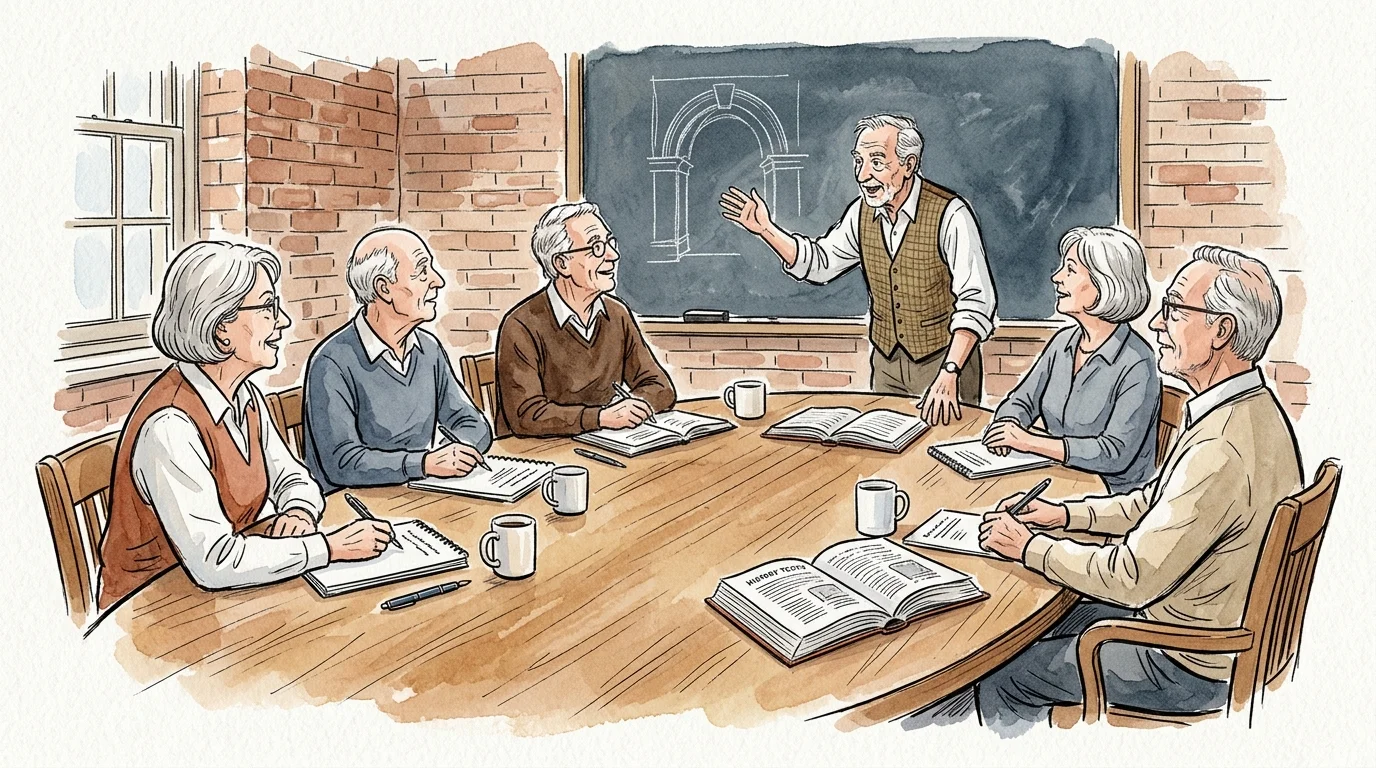
3. Enroll in Osher Lifelong Learning Institutes
Shared intellectual curiosity serves as one of the strongest foundations for mature friendships. College classrooms provide stimulating environments to meet thoughtful peers who love discovering new ideas.
The Bernard Osher Foundation funds more than 120 Osher Lifelong Learning Institutes across all 50 states and Washington, D.C. These institutes affiliate directly with host universities and cater exclusively to adults aged 50 and older.
OLLI courses never require exams, mandatory homework, or stressful grading. You simply attend engaging weekly lectures on world history, creative writing, political science, or classical music.
Because members share common interests, classroom discussions often migrate into local coffee shops and campus cafeterias. Most OLLI programs also organize member-led walking tours, dining clubs, and cultural day trips.
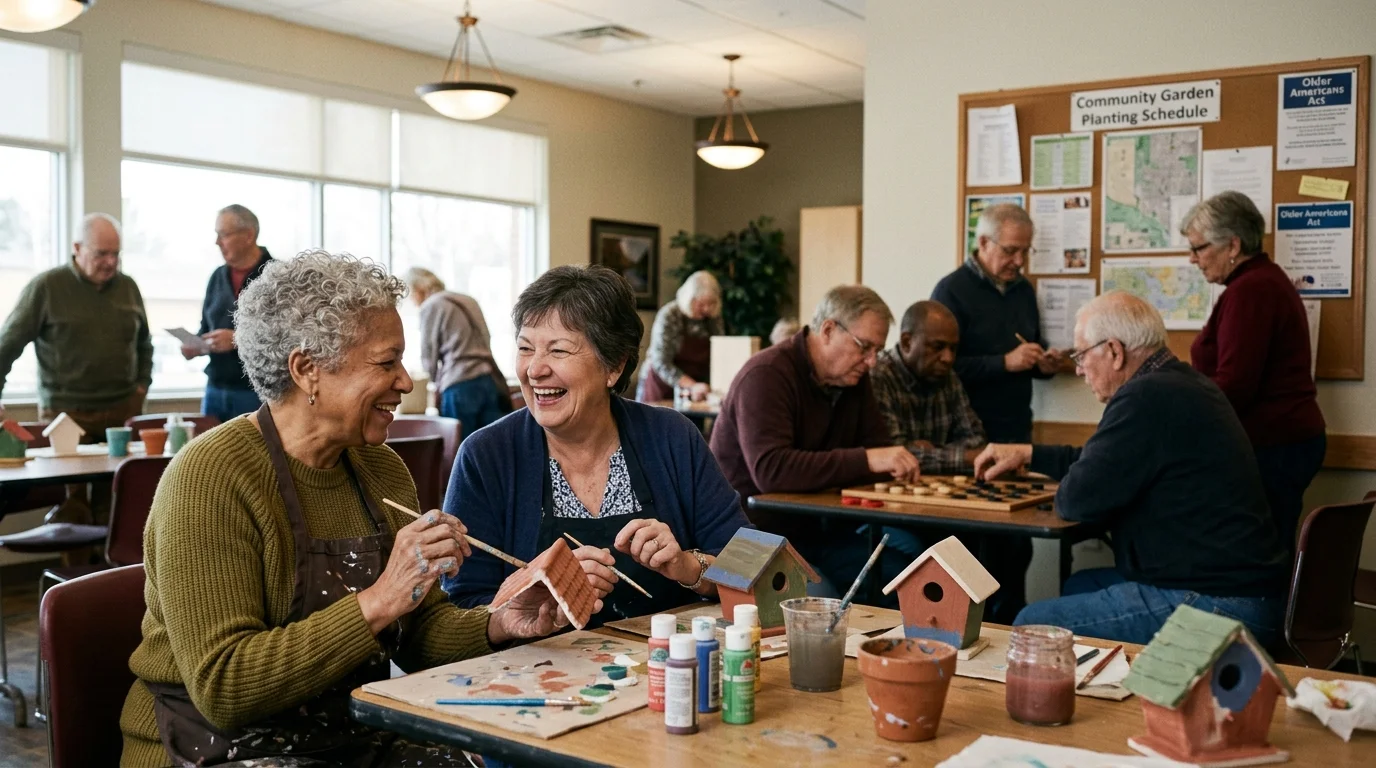
4. Connect at Older Americans Act Community Centers
Local senior centers have modernized significantly beyond dated stereotypes of shuffleboard and bingo. Authorized and funded through the federal Older Americans Act, regional Area Agencies on Aging support roughly 11,000 centers nationwide.
You can locate your nearest publicly supported senior center through the federal Eldercare Locator directory. These municipal hubs offer state-of-the-art recreation spaces, technology workshops, and subsidized congregate meal programs.
Community centers host diverse activity clubs, ranging from duplicate bridge and foreign language circles to watercolor painting and genealogy workshops. These interest groups are specifically designed for adults aged 60 and older.
Attending a daily congregate luncheon offers a relaxed, low-pressure venue to introduce yourself to your neighbors. Frequent attendance rapidly transforms casual morning greetings into enduring personal relationships.
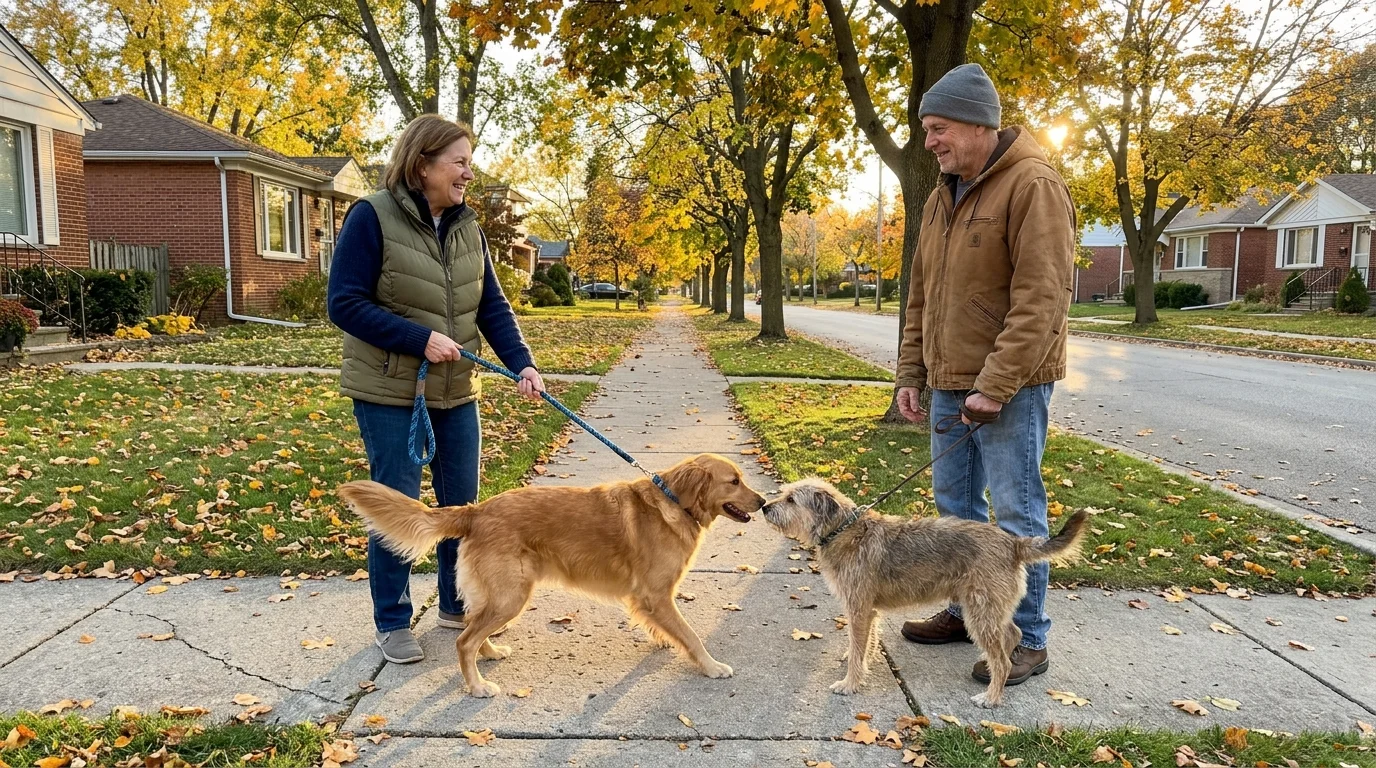
5. Turn Daily Pet Walks into Neighborhood Connections
Dogs function as exceptional, natural social bridges in any neighborhood. Taking daily walks with a canine companion fundamentally changes how passing neighbors interact with you.
Educational surveys published by AARP reveal that older pet owners report noticeably higher levels of emotional well-being. Dogs provide an immediate, neutral talking point that eliminates awkward initial barriers.
Visit your local municipal dog park at the exact same hour every morning or afternoon. Sticking to a consistent schedule guarantees that you will repeatedly encounter the same group of neighborhood pet owners.
If you do not own a pet, consider volunteering to walk rescue dogs for a local humane society. You will enjoy healthy outdoor physical exercise while connecting with other animal-loving volunteers in your area.
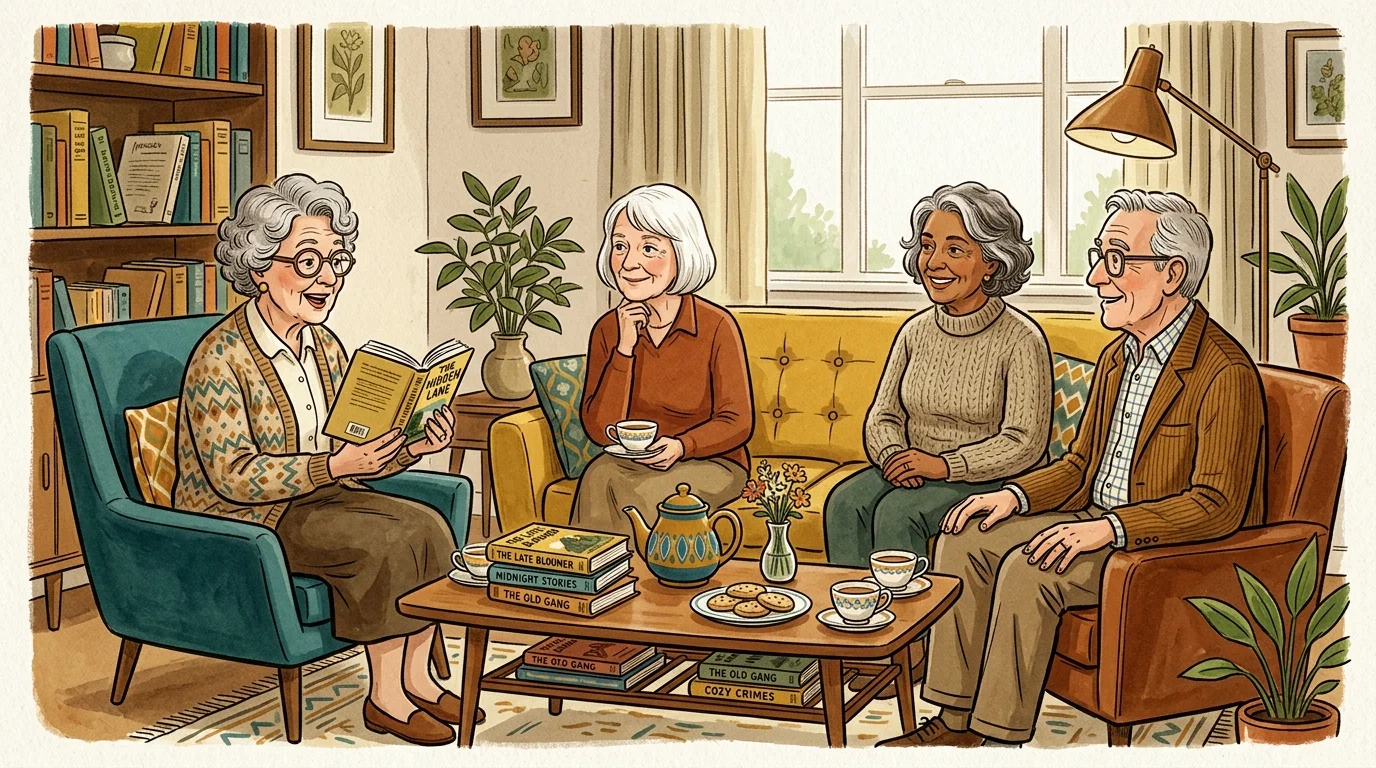
6. Join or Launch a Micro-Book Club
Large reading groups at regional libraries can occasionally feel intimidating and impersonal. In contrast, an intimate micro-book club featuring five to eight members provides a safe, cozy environment for deep conversation.
Check with your local municipal library branch to discover daytime reading circles that focus on specific genres. Branch librarians frequently keep track of private book groups searching for new members.
You can also easily launch your own group by inviting two acquaintances to read a single compelling book together. Ask each participant to bring one guest to your second discussion session.
Analyzing characters and literary themes naturally leads readers to share personal life stories and memories. Those vulnerable, reflective conversations often develop into deep, mutual trust and lasting affection.
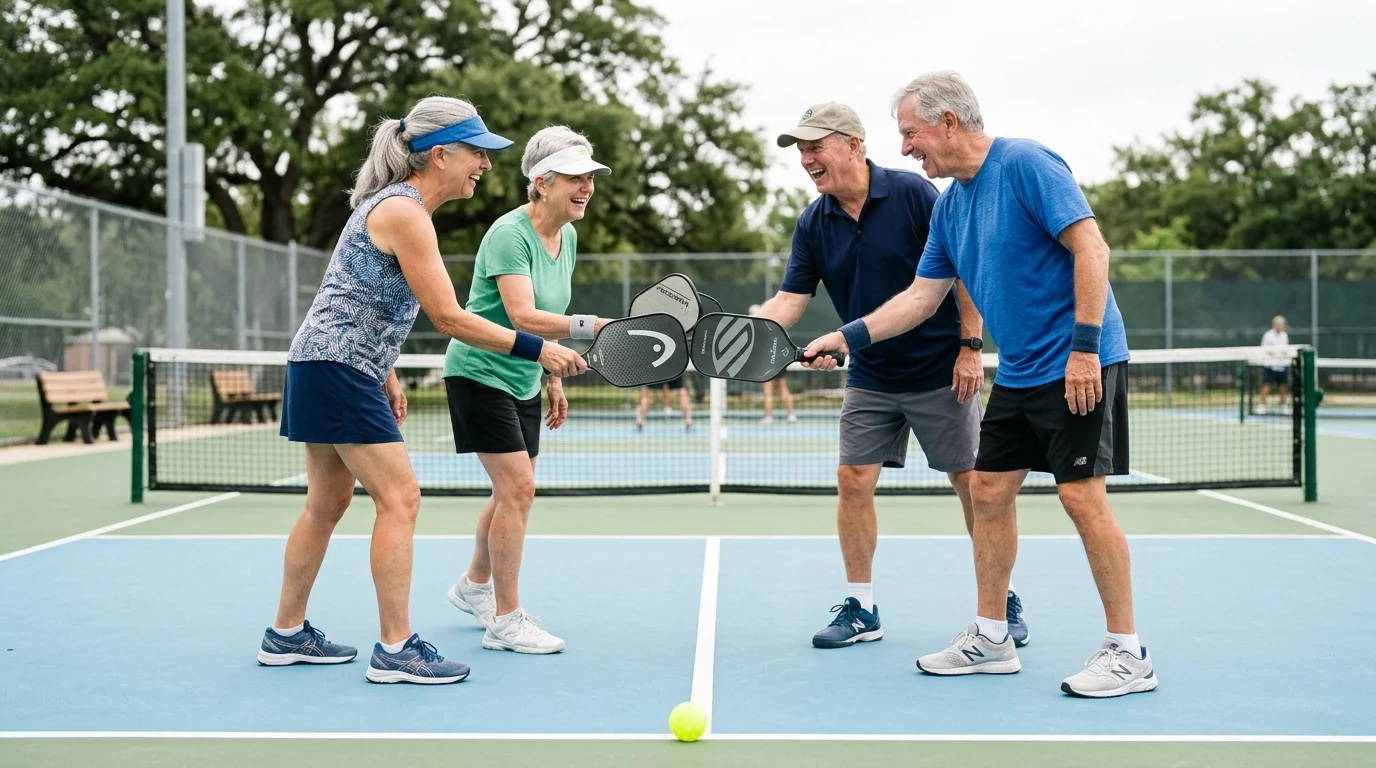
7. Play Recreational Pickleball or Bocce
Recreational lawn and court sports are booming in popularity among retired Americans. Pickleball stands out as the fastest-growing recreational sport in the country due to its easy learning curve.
Most community parks and recreation departments host drop-in open play pickleball sessions throughout the week. Players rotate partners constantly after brief games, meaning you never need to bring an athletic partner with you.
If high-impact racket movements challenge your joints, look for local bocce ball, lawn bowling, or shuffleboard leagues. These classic sports emphasize casual strolling, strategy, and continuous conversation over pure athletic endurance.
Resting between rounds provides extensive downtime to chat, laugh, and celebrate successful shots with fellow competitors. The relaxed sportsmanship fosters genuine social life in retirement without requiring intense athletic ability.
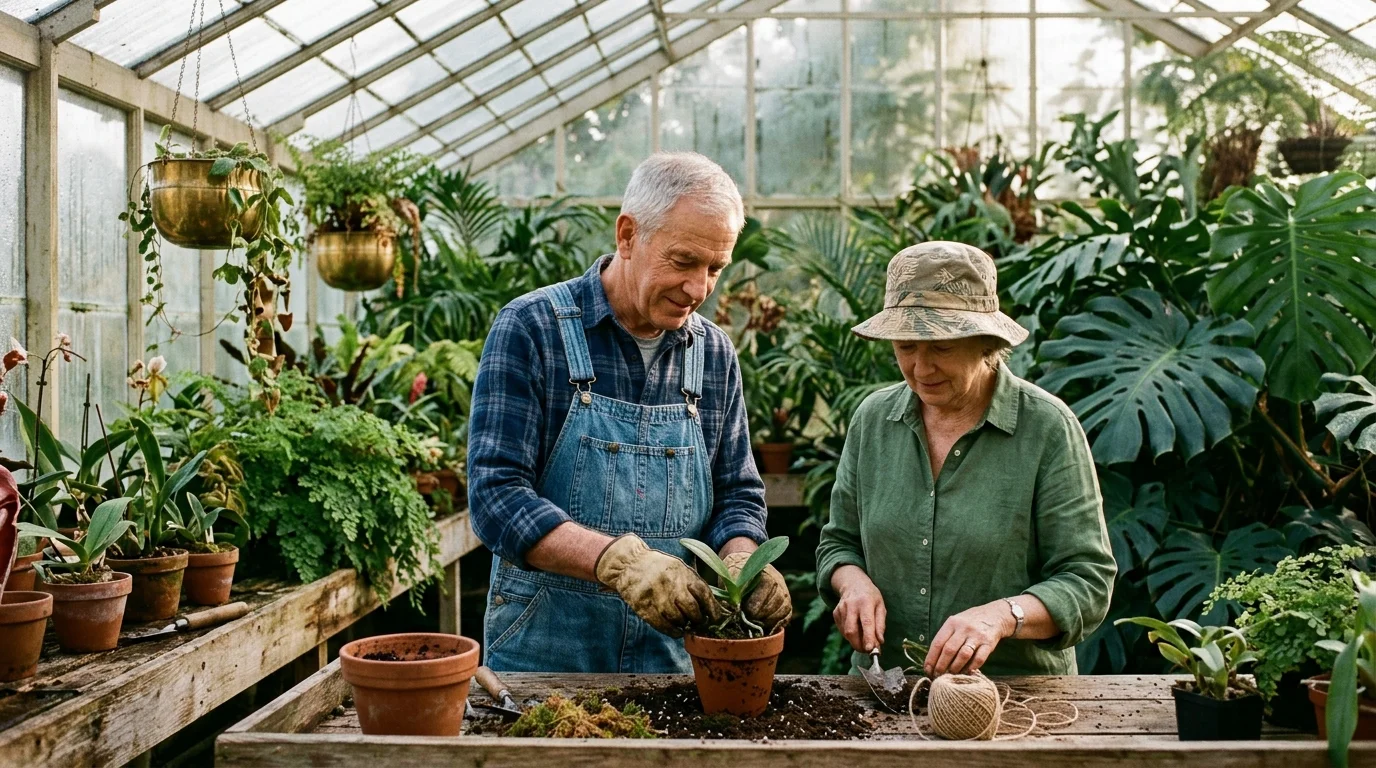
8. Volunteer at Botanic Gardens and Historical Societies
Regional cultural institutions rely extensively on dedicated retirees to manage public tours, tend gardens, and catalog historical artifacts. Arboretums, maritime museums, and local historical societies always need enthusiastic volunteers.
Collaborating on hands-on preservation projects establishes quick bonds among volunteers. You work alongside peers who share your passion for local heritage, botany, or historical research.
Docent training programs typically group newcomers into cohort classes that resemble engaging seminar workshops. You learn museum collections together, practice presentation techniques, and build mutual rapport before greeting your first tour group.
Reach out directly to your county historical society or municipal conservatory to inquire about upcoming docent orientations. These structured programs immediately integrate you into an established, welcoming volunteer community.
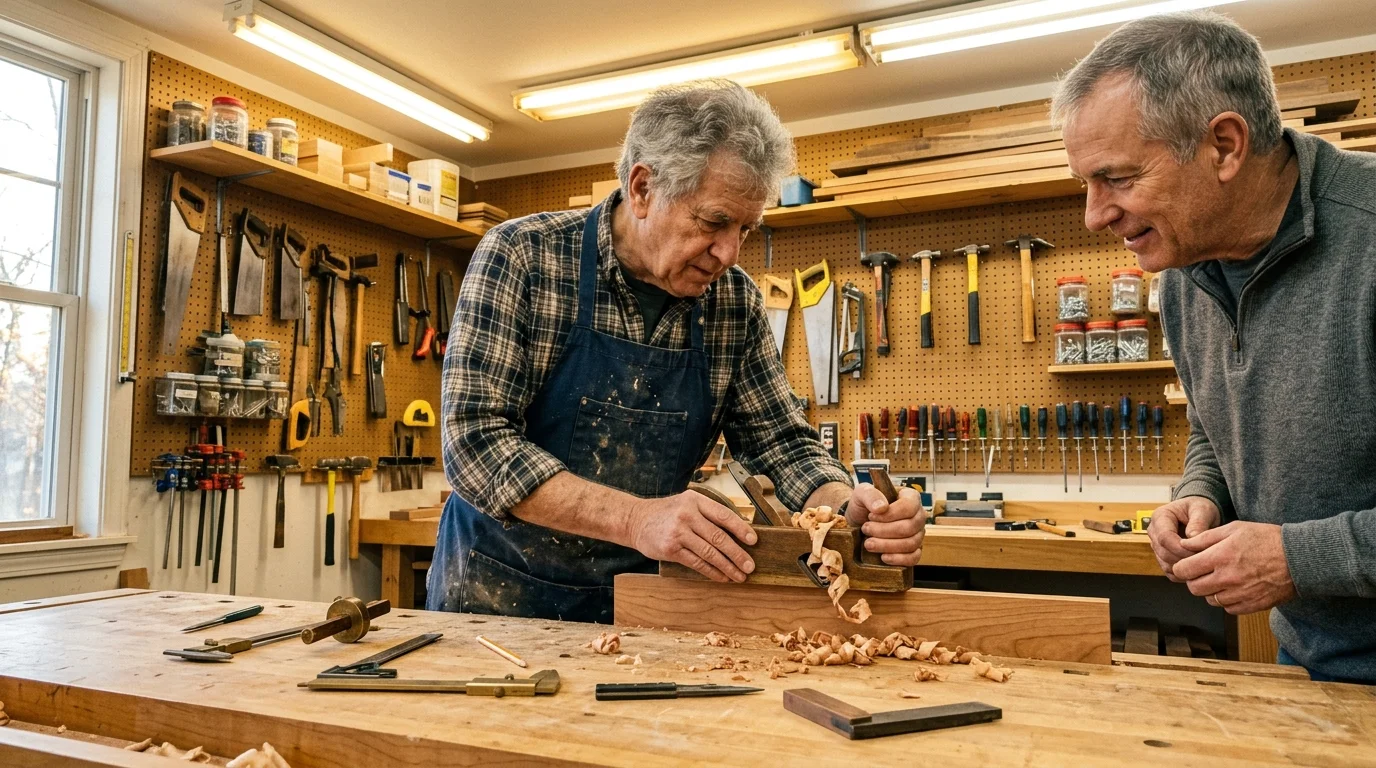
9. Participate in Local Skill-Sharing Workshops
Makerspaces, ceramics studios, and communal woodworking shops provide ideal settings for shoulder-to-shoulder interaction. Working together on creative crafts removes the social pressure of direct, face-to-face small talk.
Local community colleges and adult education departments frequently run low-cost weekend workshops in stained glass, pottery, or upholstery. These tactile classes gather enthusiasts who want to build real creative competencies.
Asking a neighbor about their clay-throwing technique or wood-turning tool creates an effortless, organic icebreaker. You can easily trade constructive feedback or share workspace equipment without any awkwardness.
Shared artistic endeavors often inspire members to organize group trips to craft fairs, lumber mills, and art galleries. Those mutual creative passions quickly establish strong, collaborative friendships.
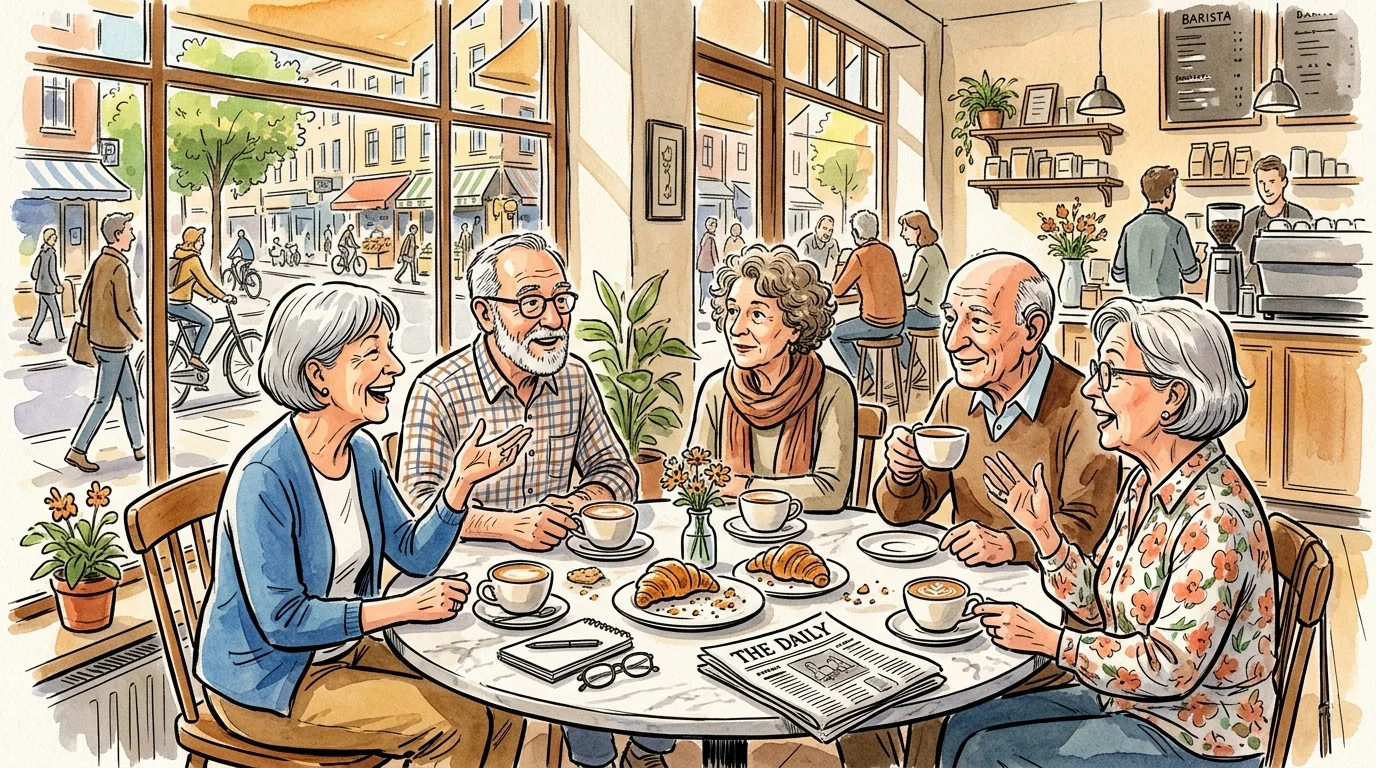
10. Establish a Weekly Coffee and Conversation Group
Predictable routines form the hidden bedrock of lifelong friendship. You do not need to register with a formal organization to create a consistent social ritual.
Select an inviting local cafe or neighborhood diner that features spacious seating and a relaxed morning atmosphere. Commit to showing up at that venue every single Thursday morning at nine o’clock.
Invite two acquaintances from your neighborhood, church, or past workplace to join you for simple, unscripted conversation. Encourage them to invite their own friends as the weeks progress.
Over time, a casual get-together evolves into an anticipated community fixture that everyone guards on their personal calendars. This recurring breakfast tradition provides a comforting anchor for your post-career lifestyle.
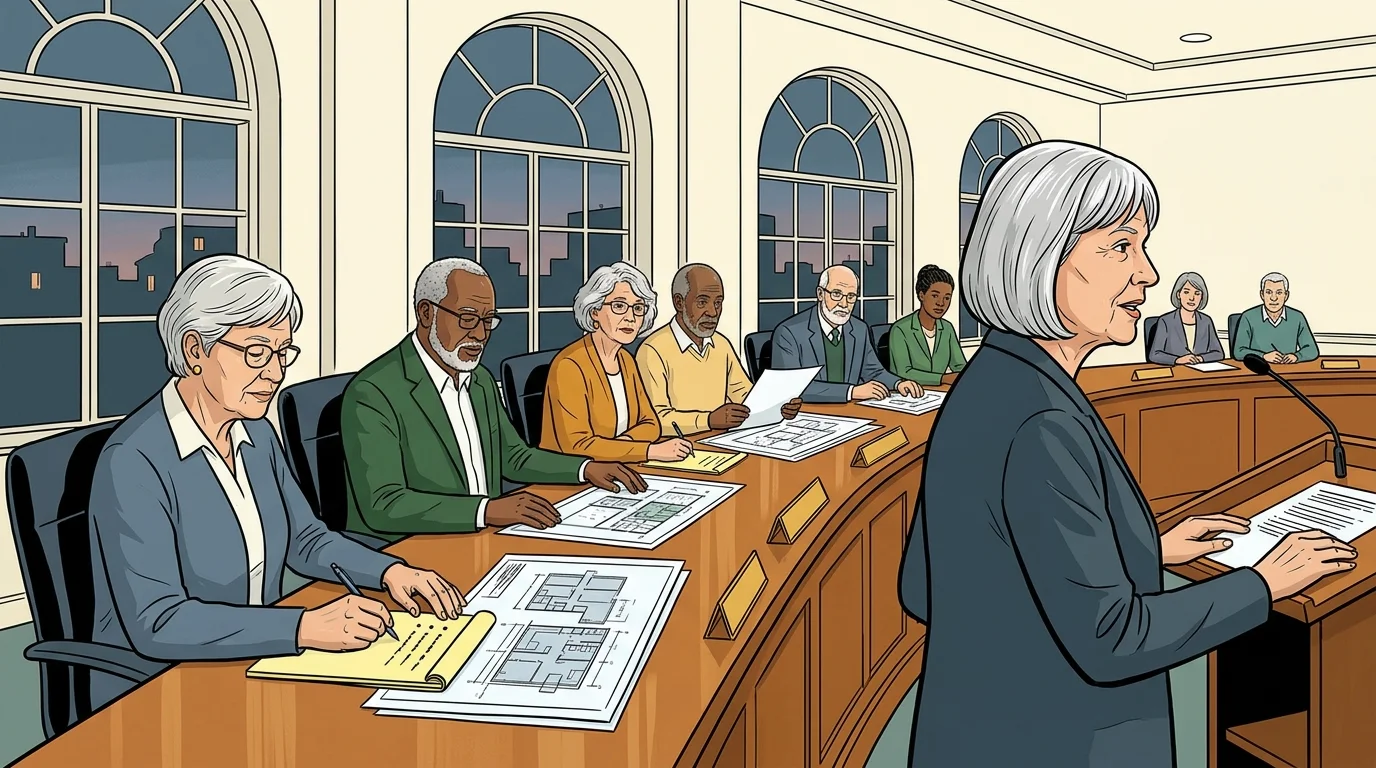
11. Engage in Local Civic and Neighborhood Councils
Active civic participation connects you with residents who take pride in improving your physical municipality. Town planning boards, park advisory committees, and neighborhood associations continually look for dedicated citizen voices.
Attending monthly city council or zoning sessions introduces you to proactive neighbors who follow local civic affairs. You collaborate on tangible public goals, such as neighborhood beautification or traffic safety improvements.
Serving on a working committee assigns you specific, actionable assignments alongside other board members. Collaborating on deadline-driven civic projects rapidly accelerates interpersonal respect and trust.
Your lifetime of professional problem-solving and management insight represents a tremendous asset to local non-profit boards. You will regain a rewarding sense of public influence while cultivating respected peers.
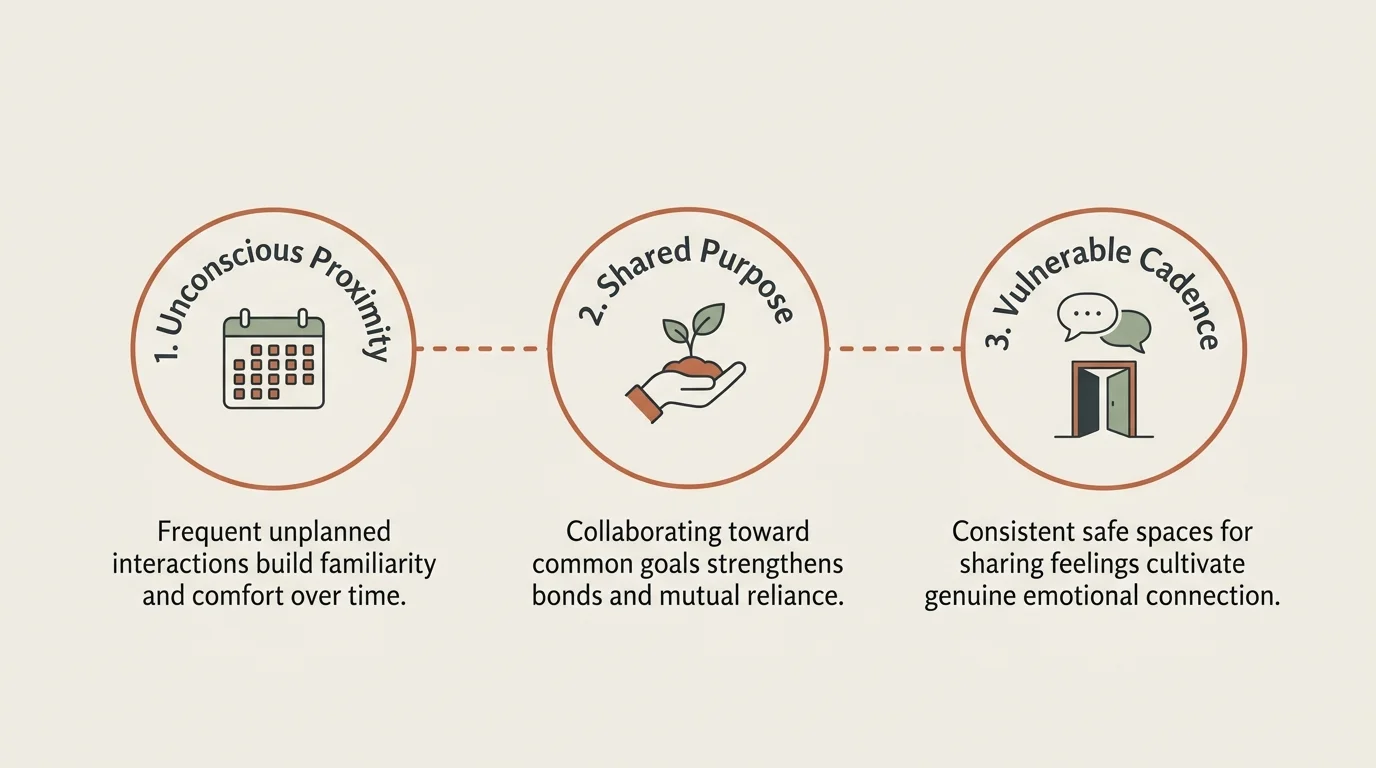
Guiding Principles for Combating Loneliness in Retirement
“Don’t simply retire from something; have something to retire to.” — Harry Emerson Fosdick
Retirement frees up dozens of waking hours each week, but it strips away the default social structure that employment provided. Proactively designing a purposeful social routine prevents isolation from settling into your daily life.
Making friends after 60 demands consistency, patience, and emotional vulnerability. Showing up at the same place each week signals to potential companions that you are reliable and accessible.
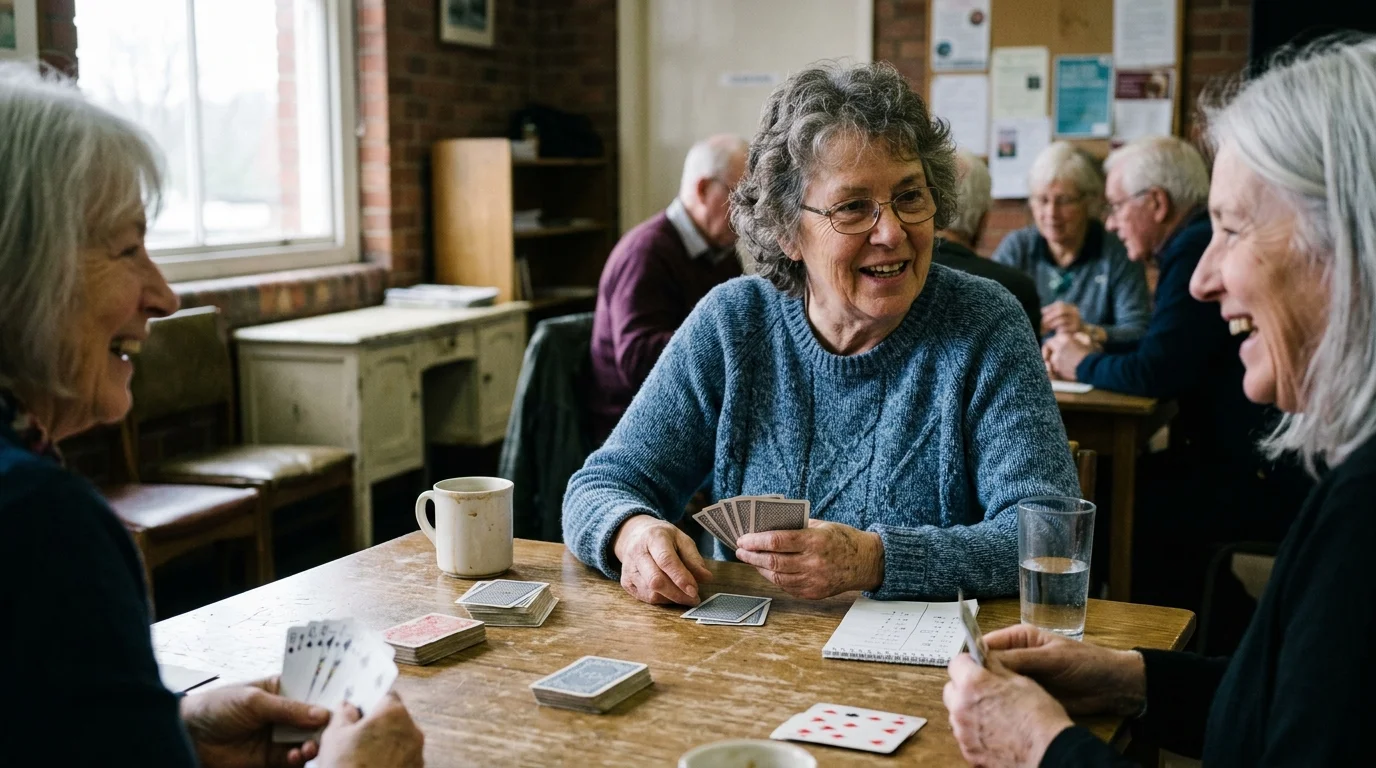
Comparing Social Avenues for Retirees
| Social Pathway | Primary Focus | Typical Out-of-Pocket Cost | Key Social Advantage |
|---|---|---|---|
| Medicare Advantage Fitness | Exercise classes and wellness | $0 with eligible Part C plan | Built-in weekly attendance with health-conscious peers |
| AmeriCorps Seniors (RSVP) | Community and school service | $0 (may provide tax-free stipend) | Structured collaboration with civic-minded retirees |
| Osher Lifelong Learning (OLLI) | Noncredit university courses | Low membership or term fees | Intellectual discussions with inquisitive learners 50+ |
| OAA Senior Centers | Recreation, arts, and meals | Free or nominal donation | Extensive programming and daily congregate lunches |
| Recreation Sports (Pickleball/Bocce) | Friendly outdoor games | Free to low court fees | Low barrier to entry with rotating team partners |
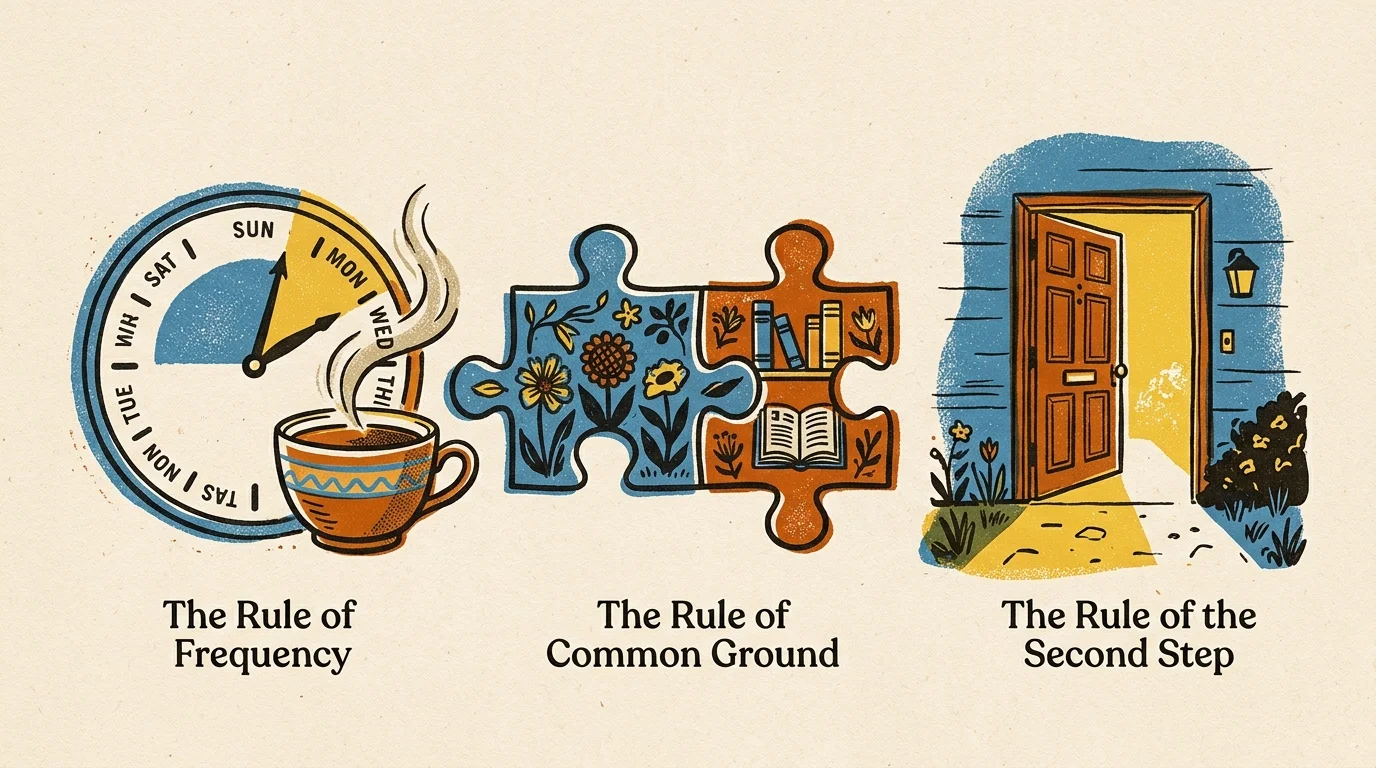
Three Strategic Rules for Building Friendships Later in Life
Understanding where to find peers is only half the battle. Transforming casual acquaintances into trusted confidants requires intentional social habits.
- Apply the Three-Interaction Rule: Attend any new group at least three times before deciding whether it suits you. Initial awkwardness almost always subsides by your third visit.
- Transition to Low-Stakes Venues: After speaking with an acquaintance two or three times, propose an easy next step. A brief twenty-minute coffee after class carries zero pressure.
- Focus on Active Listening: Ask thoughtful questions about your peer’s family history, past travels, or personal hobbies. Giving someone your undivided attention makes you an instant favorite companion.
Friendships require recurring contact to mature. Spacing out meetings by months creates distance, while weekly or bi-weekly interactions build genuine emotional momentum.
Frequently Asked Questions About Making Friends After 60
How can I overcome social anxiety when attending a new club alone?
Arrive ten minutes early so you can greet the event coordinator before the room fills with people. Focusing on helping the host set up chairs or arrange materials immediately relieves self-conscious anxiety.
Are Older Americans Act community center programs free to attend?
Most activities and congregate meals at local senior centers are provided at little to no charge. While centers may suggest a nominal donation for luncheons, federal law prevents them from turning away eligible seniors.
Will volunteer stipends through AmeriCorps Seniors affect my Social Security?
No, federal law specifically exempts AmeriCorps Seniors volunteer stipends from income tests. These small stipends do not reduce your Social Security benefits, SSI payments, Medicare, or SNAP allotments.
How do I find an Osher Lifelong Learning Institute in my area?
Visit the official Bernard Osher Foundation online registry or search the continuing education department of your local state university. More than 120 institutions nationwide operate these specialized programs for older adults.
Take Your First Step This Week
Select just one social avenue described in this guide and commit to exploring it this week. Whether you register for a SilverSneakers class or check the calendar at your municipal senior center, action dissolves isolation.
Building a rich, vibrant social circle in retirement does not occur overnight. Take the initiative today, maintain your regular routine, and watch meaningful new friendships enrich your post-career years.
Information in this article reflects current rules as of the publication date and may change. Always confirm benefit details directly with Social Security Administration, Medicare.gov, or relevant government agencies before making decisions.
Last updated: February 2026. Medicare and Social Security rules change annually—always verify current details at official government sources.