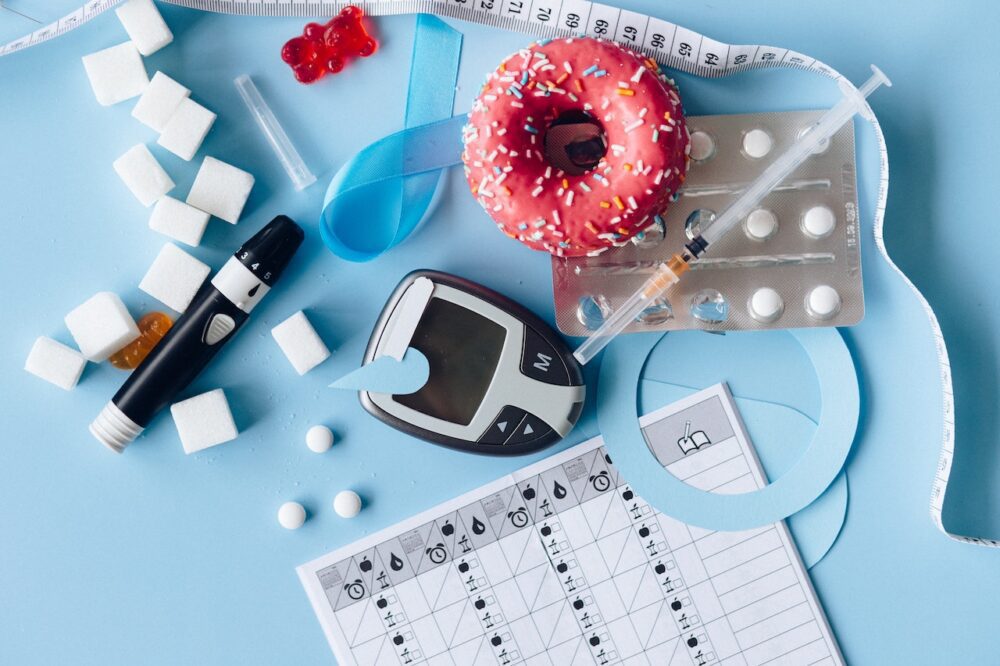
Welcome to your senior years, when living each day with wisdom and grace comes from experience. As we enjoy this new chapter, we must realize that our bodies are like finely tuned instruments that change over time. Regular health check-ups and tests help us tune our health to the rhythm of life.
Truth be told, I had to learn this the hard way.
On a beautiful morning, I was at a doctor’s office for my regular health check, which I nearly put off. I had no idea this ordinary checkup would impact my life. The calm but attentive doctor said that the screening had detected an early indicator of a problem that may have been devastating. To say that I was surprised is an understatement… but I was equally grateful for this realization. It was an eye-opener, showing how frequent checkups are more than simply visits but lifelines that may change our lives.
This article will explain why frequent health screenings and check-ups are crucial throughout our 60s and beyond. Each screening is vital to our health, from detecting chronic conditions like diabetes and heart disease to monitoring bone density and eye health. We’ll discuss how these preventative approaches may prevent health problems from becoming significant difficulties.
Please join me on this fascinating journey. Whether you’re an experienced health manager or just starting out, this article is your guide. Why these health checkups are your greatest friends for staying healthy is explained. Let’s explore the secrets of graceful aging and how remaining healthy may help us enjoy our senior years.
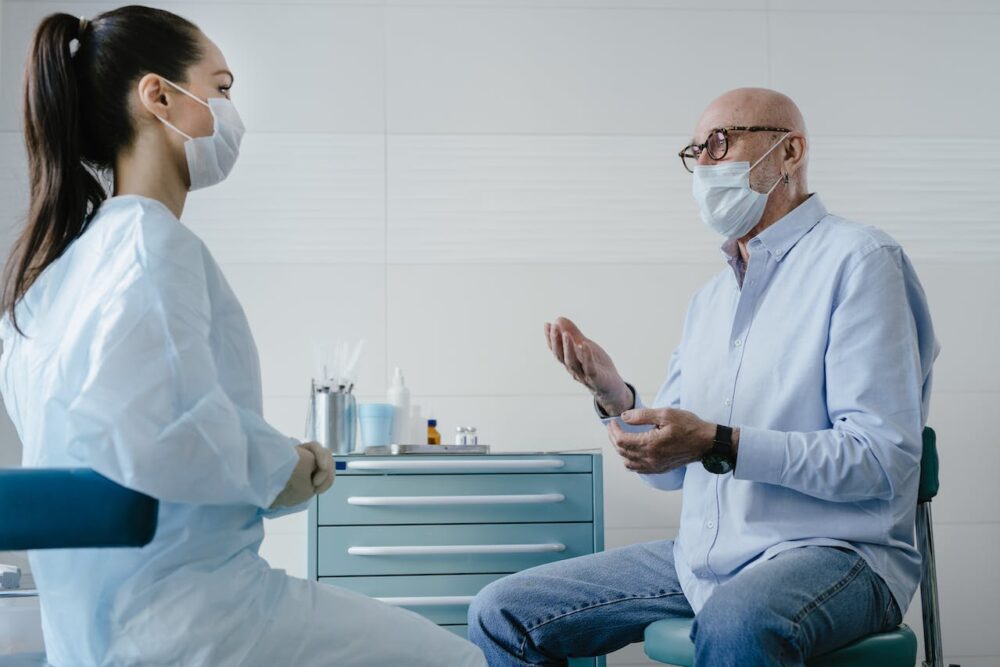
Osteoporosis Prevention
Your bone health requires special care in your 60s. The risk of osteoporosis, which weakens bones, rises with age. Bone density examinations provide vital information about bone health.
Simple, rapid, and non-invasive DEXA scans measure bone density. They detect calcium and other minerals in a bone section to tell your doctor about its strength and density. Why does it matter? You must know your bone density to diagnose osteoporosis and determine your fracture risk.
It’s termed a silent illness because osteoporosis may not be detected until a bone breaks. A fracture is often the first indication of the condition. The numbers are shocking: 54 million Americans have osteoporosis or poor bone density, putting them at danger (National Osteoporosis Foundation, 2020).
Early bone density testing is crucial. It may help you and your doctor make bone health choices before a major fracture. Your doctor might propose diet and activity adjustments to strengthen your bones and delay osteoporosis development with early diagnosis.
Supplementing your regimen with weight-bearing activities may boost bone health and lower osteoporosis risk.
Once diagnosed, these tests can monitor the success of your osteoporosis medication. Your doctor can track your bone health and alter your therapy with regular follow-ups.
Managing your bone health beyond 60 is about freedom and quality of life, not simply osteoporosis. Hip and spine fractures may affect mobility and health. You may avoid life-altering fractures by getting regular bone density examinations.
Although osteoporosis is frequent, it is not inevitable with age. You may retain strong, healthy bones into your elderly years with the correct therapies and lifestyle adjustments. Talk to your doctor about bone density testing to protect your bone health and your independence as you age.
Early Chronic Heart Disease Detection
Heart disease, the biggest cause of mortality worldwide, may be sneaky and go unrecognized until it’s too late. Regular blood pressure and cholesterol checks may detect problems early. Early detection may greatly improve results. Consistent cardiac tests in older persons reduced heart attack risk by 25%.
Early cancer diagnosis is crucial. Mammograms, colonoscopies, and skin checks may detect malignancies early, when they are most treatable. Early identification of breast cancer has a 99% 5-year survival rate (National Cancer Institute, 2021).
BONUS TIP: Monitor body changes and self-examine often. These methods can identify cancer early.
Recognition of Cognitive Health Issues
As we enter our 60s and beyond, cognitive health is crucial. It raises the chance of cognitive disorders like Alzheimer’s and dementia. This emphasizes the need of cognitive health screenings. These examinations are essential for cognitive health management.
Cognitive screenings assess memory, problem-solving, attention, and language. They identify cognitive decline early, which may indicate Alzheimer’s or other dementias. Screenings are more than simply a diagnosis—they allow early intervention, which may improve disease development and treatment.
Consider Alzheimer’s, a frequent dementia. Early identification allows people to engage in clinical trials, study symptom-relieving medicines, and prepare for the future, according to the Alzheimer’s Association (Alzheimer’s Association, 2020). Early identification allows for better treatment of reversible cognitive decline factors such vitamin deficits and thyroid disorders.
Why is early detection so important? Early detection of cognitive problems offers several treatment and care alternatives. It lets people and their families make important choices about future care, legal and financial preparation, and lifestyle modifications to be independent. Early detection can also offer support services that benefit the person and their caregivers.
Regular cognitive screenings assess cognitive impairment development. Monitoring is necessary to adapt care plans and therapies as the illness changes. Many people and families feel more in control and prepared for these illnesses’ adjustments by knowing the path.
BONUS TIP: Brain workouts like puzzles, reading, and acquiring new abilities may assist sustain cognitive function.
Eye Health Maintenance
Good eye health becomes more vital as we age, particularly in our 60s. Cataracts, glaucoma, and macular degeneration develop during this period. Vision and quality of life depend on regular eye checkups. These checks are thorough and may discover early indicators of significant eye diseases.
Cataracts, which are prevalent in older persons, may be detected by regular eye examinations. Slow-developing cataracts clog the eye’s lens and impede vision. Fortunately, they are curable. Early detection makes management simpler, generally with minimal surgery. With a success record of over 95%, cataract surgery is one of the most effective and safe operations in the US (American Academy of Ophthalmology, 2020).
Another age-related eye disease, glaucoma, is called the “silent thief of sight” because it has no early signs. To diagnose glaucoma early and cure it, regular eye examinations are essential. Early diagnosis and treatment may avoid blindness. Early glaucoma therapy reduces progression by about 50%.
Regular eye examinations may detect AMD early. AMD of the macula, which provides sharp center vision, is a primary cause of visual loss in older persons. AMD has no cure, but early identification may reduce its growth and preserve eyesight.
BONUS TIP: 100% UV-blocking eyewear may decrease cataract formation.

Finding Dangerous Drug Interactions
We often take many drugs for different health concerns as we age, especially in our 60s and beyond. These drugs are necessary for our health, yet they may interfere. Regular health checkups help assess prescriptions and prevent dangerous drug interactions.
During these checkups, doctors may examine all your medications, including prescriptions, OTCs, and supplements. This full assessment is important since aging changes how our bodies handle pharmaceuticals, raising prescription side effects.
medicine interactions, when one medicine affects the efficacy or adverse effects of another, are a major problem with many prescriptions. Over 20% of elderly persons are at risk of significant drug-drug interactions, according to multiple studies. Interactions might cause modest side effects to significant health consequences.
BONUS TIP: Keeping a record of your medicines, including amounts and frequencies, might help your doctor manage them.
How to Prepare for a Physical?
Be ready for your next health checkup. This preparation helps you get the most out of your appointment and gives your doctor the knowledge they need to treat you well. Here are some preparation tips:
- List Your Medications: List all your prescriptions, OTCs, and supplements. Include dosing and frequency.
- Note Any Symptoms or Changes: Record any health changes or new symptoms, no matter how little. Include the onset and frequency of these changes.
- Update Your Medical History: Discuss recent hospitalizations, surgeries, and diagnoses, even from other doctors.
- Bring Your Medical Records: Bring any recent testing or treatments from other providers.
- Write down your questions and concerns so you don’t forget them during your session.
- Know Your Family Health History: New family health concerns may affect your health.
- Don’t Skip Meals: Eat regularly to ensure blood tests correctly represent your health.
- Remember Your Vision and Hearing Aids: Bring your glasses and hearing aids for the checkup.
- Using lotions or oils before testing may interfere with EKGs or ultrasounds.
- Be Honest: Tell your doctor about your nutrition, exercise, smoking, and drinking.
- Bring a notebook or device to take notes during your session, particularly about treatment plans or drug modifications.
Remember, these checkups are essential for senior health. Preparation may make your appointment more effective and productive, helping you and your doctor make the best choices about your health.
Your Takeaway
This article has covered senior health care and management, emphasizing the significance of frequent tests and checkups. Our bodies change with age, leaving us more susceptible to health issues. We stressed the importance of early diagnosis in controlling and perhaps correcting chronic illnesses including diabetes, heart disease, and certain malignancies.
We discussed bone health and how frequent bone density testing help prevent osteoporosis and fractures, maintaining mobility and freedom. Regular eye examinations are needed to identify age-related disorders like cataracts and glaucoma early. These tests ensure quality of life, not only eyesight.
We also addressed cognitive health, notably Alzheimer’s and dementia screening and treatment. Regular cognitive assessments may improve management and planning for these diseases. We also examined how frequent health checkups help evaluate and manage drugs, particularly when age raises the risk of unfavorable drug interactions.
Lastly, frequent health tests and check-ups allow elders to take charge of their health. Early identification and management are essential for physical, mental, and quality of life. As we age, we must stay aware and active in our health care. By accepting frequent health checks and being prepared for them, we may manage our senior years with confidence and dignity, staying active, independent, and healthy.
Wait! Did you enjoy this article? If so, I’d highly recommend our other post on 7 Easy Steps to Prioritize Your Mental Health in Retirement!