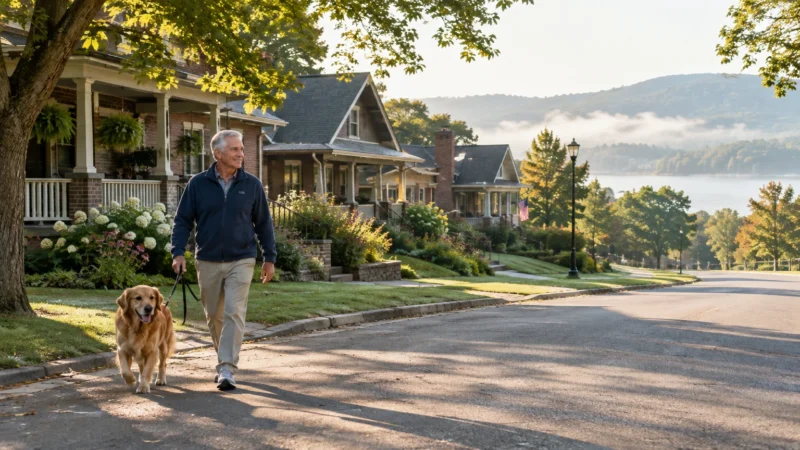
Finding an affordable retirement destination often feels daunting when the national median home price exceeds $400,000. You can stretch your fixed income much further by exploring welcoming small towns across the country.
Several charming communities provide exceptional culture, quality healthcare, and median home prices well below $220,000. Moving to these areas allows you to preserve your hard-earned savings without sacrificing your lifestyle.
Whether you rely primarily on Social Security or individual retirement accounts, these towns maximize your monthly budget. Here is where you can enjoy an enriching, low-cost retirement.
The Bottom Line Up Front: Key Takeaways
Relocating to a lower-cost area can dramatically reduce your monthly expenses while boosting your quality of life.
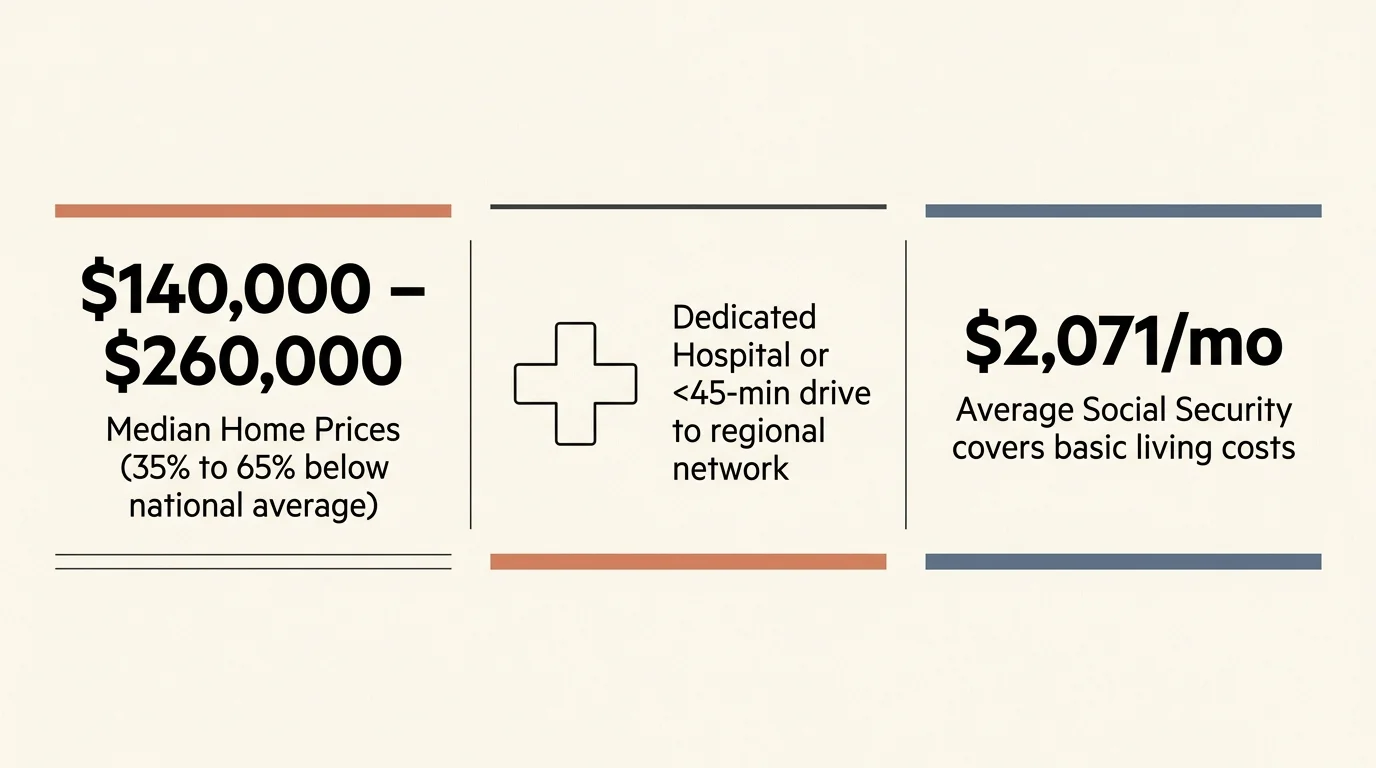
- Median home prices in these top budget-friendly towns range between $140,000 and $260,000, sitting 35% to 65% below national averages.
- States like Pennsylvania, Mississippi, and Tennessee offer strong tax advantages by exempting retirement distributions or levying zero state income tax.
- Each featured town hosts a dedicated hospital or sits within a 45-minute drive of a major regional medical network.
- An average monthly Social Security benefit of $2,071 can comfortably cover basic living costs and housing in several of these communities.

1. Batesville, Arkansas
Nestled along the White River in the Ozark foothills, Batesville combines historic charm with outstanding affordability.
Median home prices hover around $170,000, and Arkansas features one of the lowest median property tax burdens in the country.
You will find dependable local care at the White River Medical Center right in town.
Outdoor enthusiasts can spend their days trout fishing, hiking scenic trails, or exploring the town’s vibrant historic main street.

2. Harlingen, Texas
Harlingen sits in the warm Rio Grande Valley, just an hour from the coastal breezes of South Padre Island.
The median home price remains near $195,000, and Texas levies zero state income tax on your retirement distributions or pensions.
The city acts as a regional healthcare hub anchored by the Valley Baptist Medical Center.
Mild winters and a low overall cost of living make Harlingen a favorite for active retirees seeking warm weather.
3. Johnstown, Pennsylvania
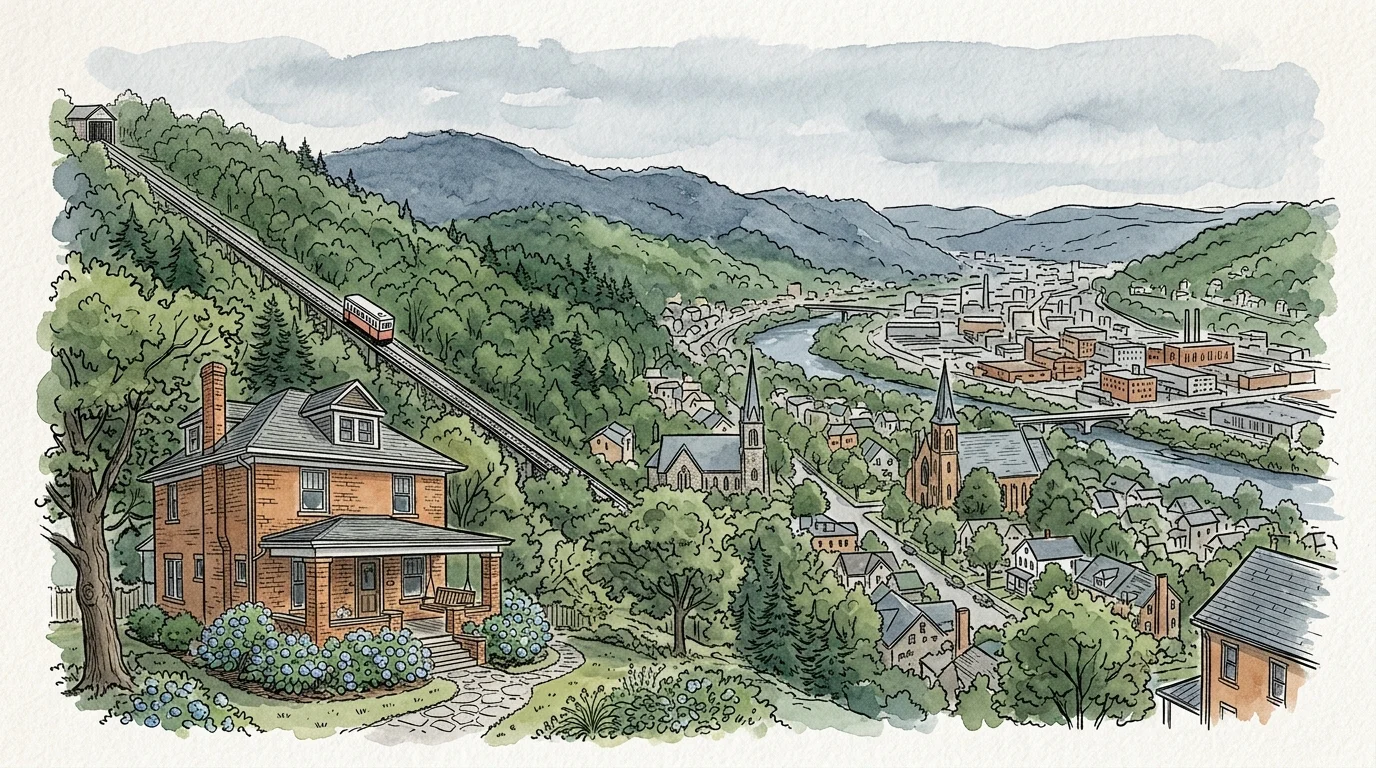
Johnstown offers deep industrial history, lush Allegheny Mountain scenery, and exceptionally low real estate prices.
Median home values sit around $145,000, making it one of the most budget-friendly housing markets in the nation.
Pennsylvania completely exempts qualifying pensions, 401(k) withdrawals, and Social Security benefits from state income tax.
Residents access high-quality care through Conemaugh Memorial Medical Center and the nearby UPMC regional network.

4. Natchez, Mississippi
Perched high on the bluffs overlooking the Mississippi River, Natchez is famous for its historic architecture and rich culture.
Homes sell for a median price near $160,000, providing southern elegance at an accessible price point.
Mississippi exempts all qualified retirement plan distributions and public pensions from state income tax.
You can receive primary and specialized medical care locally at Merit Health Natchez.

5. Johnson City, Tennessee
Johnson City delivers scenic mountain living against the backdrop of the Blue Ridge and Appalachian ranges.
Median home prices sit near $260,000, which remains well below comparable mountain destinations in western North Carolina.
Tennessee charges no individual state income tax, letting you keep more of your hard-earned retirement dollars.
The community features world-class healthcare facilities operated by the Ballad Health system and East Tennessee State University.

6. Silver City, New Mexico
Located near the edge of the Gila National Forest, Silver City attracts retirees who appreciate mild high-desert weather.
Median home prices average approximately $220,000, offering affordable Southwestern living.
The town boasts a thriving arts district, Victorian architecture, and abundant outdoor recreation opportunities.
Gila Regional Medical Center serves local healthcare needs, providing essential hospital and emergency services.

7. Martinsville, Virginia
Martinsville is located in southern Virginia near the picturesque foothills of the Blue Ridge Mountains.
The median home value sits around $175,000, accompanied by modest local property tax rates.
Retirees enjoy access to Sovah Health locally and the renowned Carilion Clinic network in nearby Roanoke.
The town offers beautiful parks, an active cultural arts scene, and peaceful small-town living.
8. Richmond, Indiana
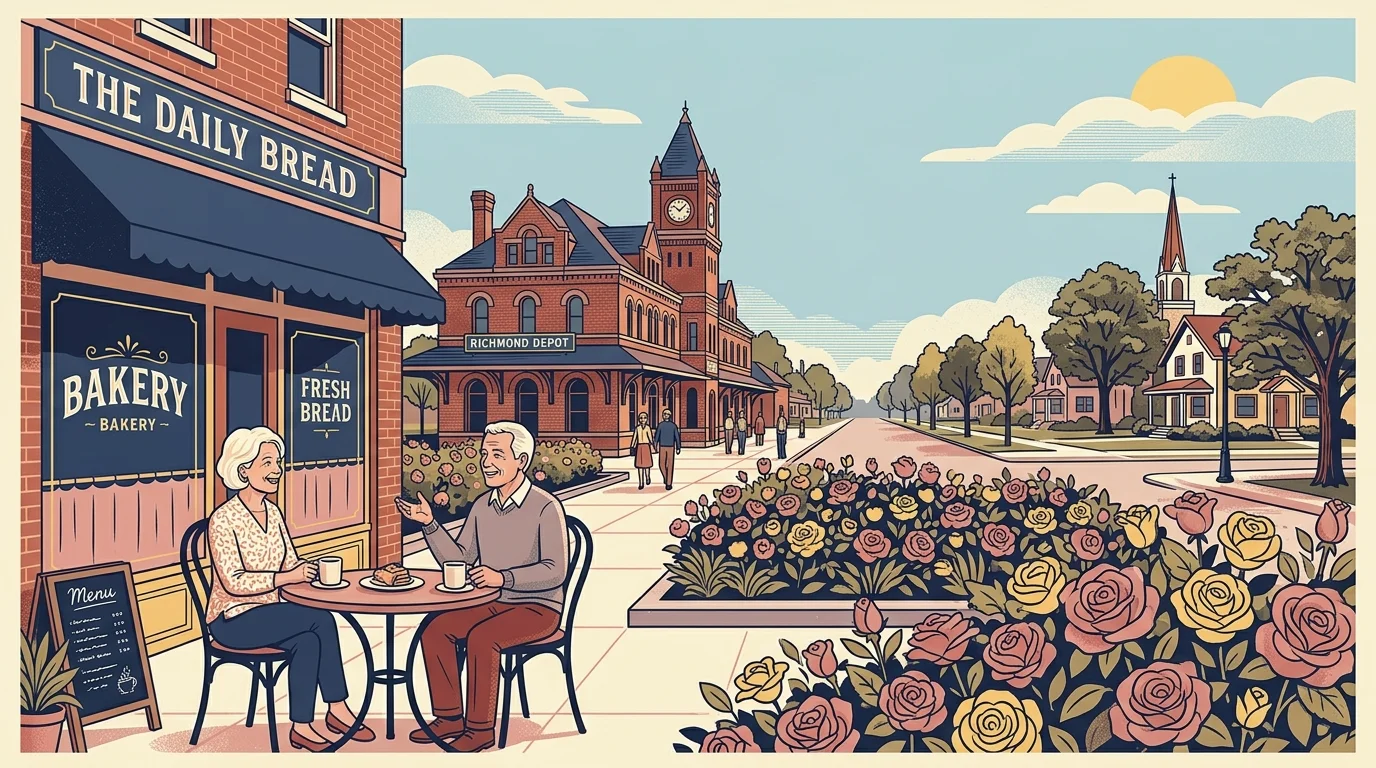
Known for its rich jazz recording heritage and historic architecture, Richmond sits near the Ohio border.
The median home price is approximately $155,000, with overall living expenses running nearly 20% below national benchmarks.
Reid Health provides a modern, comprehensive regional medical campus directly within the city.
Retirees can stroll through historic districts, visit local museums, and participate in active community organizations.

9. Mountain Home, Arkansas
Surrounded by Norfork Lake and Bull Shoals Lake, Mountain Home is an outdoor haven in the Ozarks.
Homes carry a median price tag of roughly $205,000, keeping housing costs easily manageable.
Baxter Health anchors the local healthcare system, offering extensive specialized medical care tailored to older adults.
Water sports, hiking, and clear freshwater lakes make this community ideal for an active outdoor retirement.

10. Thomasville, Georgia
Thomasville features picturesque brick-paved streets, historic Victorian homes, and warm southern hospitality.
Median home prices hover around $210,000, making it an affordable alternative to bustling coastal hubs.
Georgia offers generous retirement income exclusions, shielding up to $65,000 per person aged 65 or older.
The city hosts Archbold Medical Center, a high-performing regional health system with modern facilities.

Cost of Living and Tax Comparison Across Top Small Towns
Evaluating living costs side by side helps you align your budget with your health and lifestyle priorities.
| Town and State | Median Home Price | Cost of Living Index | State Retirement Tax Policy | Healthcare Anchor |
|---|---|---|---|---|
| Batesville, AR | $170,000 | 82 | Partial pension exclusion; low property tax | White River Medical Center |
| Harlingen, TX | $195,000 | 76 | No state income tax | Valley Baptist Medical Center |
| Johnstown, PA | $145,000 | 77 | 100% exemption on retirement distributions | Conemaugh Health / UPMC access |
| Natchez, MS | $160,000 | 80 | 100% exemption on qualified retirement income | Merit Health Natchez |
| Johnson City, TN | $260,000 | 86 | No state income tax | Ballad Health System |
| Silver City, NM | $220,000 | 85 | Retirement income exemption up to income caps | Gila Regional Medical Center |
| Martinsville, VA | $175,000 | 81 | Low property taxes; partial age deduction | Sovah Health / Carilion Clinic |
| Richmond, IN | $155,000 | 78 | Flat state tax with low municipal fees | Reid Health |
| Mountain Home, AR | $205,000 | 83 | Partial retirement deduction; low property tax | Baxter Health |
| Thomasville, GA | $210,000 | 84 | Excludes up to $65,000 per person age 65+ | Archbold Medical Center |
How to Evaluate Healthcare and Taxes Before Relocating
Moving across state lines impacts more than just your monthly mortgage or rent payment.
You should review state tax rules carefully, as some states exempt retirement income while others tax withdrawals.
Research your Social Security benefit status on the Social Security Administration (SSA) website to forecast your net income.
Healthcare network design also matters greatly when moving to rural or micropolitan areas.
Original Medicare paired with a Medigap plan provides unrestricted national access to specialists.
Use tools on Medicare.gov to ensure your preferred doctors and prescriptions remain covered in your new zip code.
You can also access local aging resources and community services through the Eldercare Locator.

Anchoring Your Retirement Move in Clear Principles
Relocating is not simply about saving money; it is about building a secure foundation for your future.
“It’s not how much money you make, but how much money you keep, how hard it works for you, and how many generations you keep it for.” — Robert Kiyosaki
Choosing an affordable town leaves you with extra monthly cash flow to pursue hobbies and travel.
“Don’t simply retire from something; have something to retire to.” — Harry Emerson Fosdick
Make sure your chosen destination offers the social groups, recreation, and community connections you value.
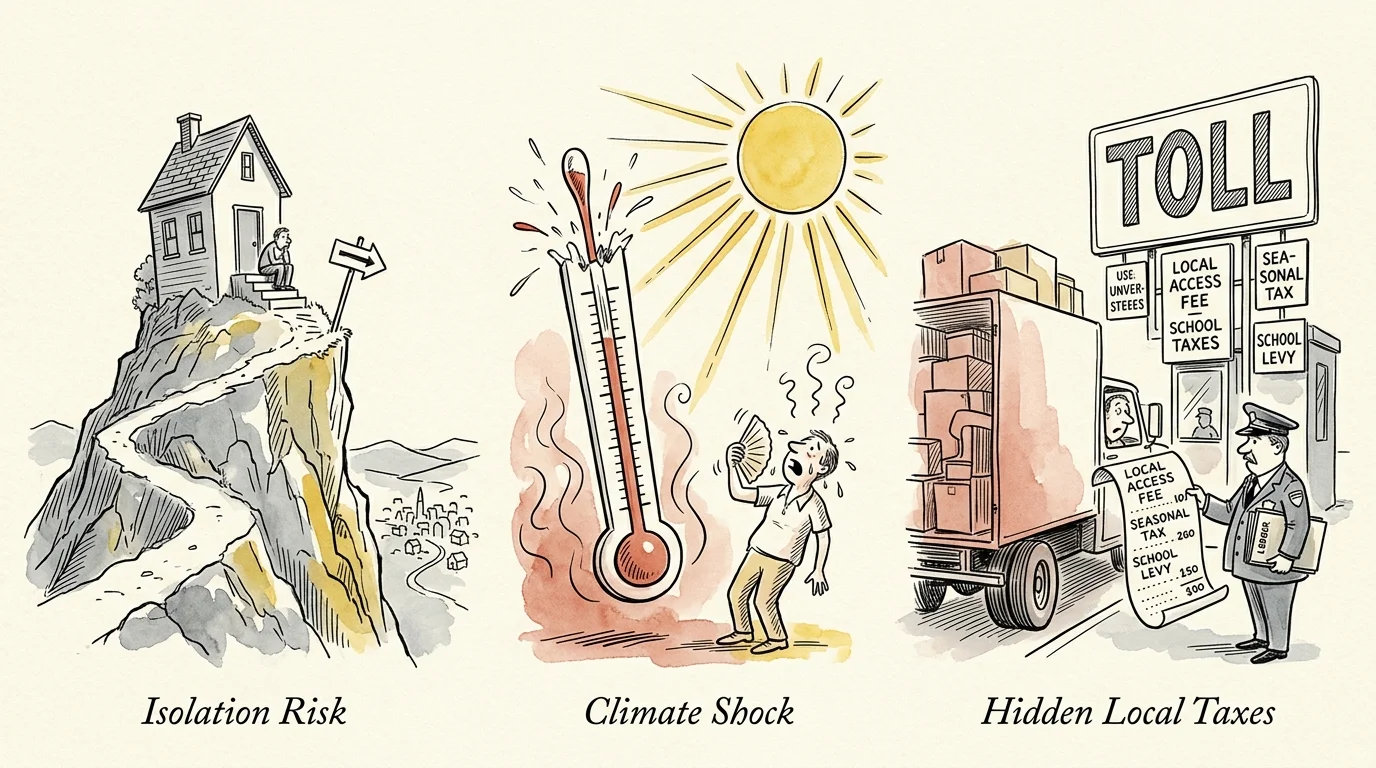
Don’t Make These Mistakes When Moving in Retirement
Many retirees rush into relocation without testing the waters first. Avoid these common pitfalls to protect your nest egg.
1. Failing to Test the Seasons: A town that looks charming in spring may feel uncomfortably hot or isolated in winter.
Rent a home for a few weeks during off-peak seasons before putting down permanent roots.
2. Overlooking Total Tax Burden: A state with zero income tax might offset revenue through higher property or sales taxes.
Calculate your total annual tax liability across all categories before making a purchase.
3. Ignoring Specialist Availability: Small town hospitals handle routine care well, but specialized treatments may require travel.
Confirm driving times to major regional medical centers if you manage complex chronic conditions.
Explore practical planning tools provided by the Consumer Financial Protection Bureau (CFPB) to map your expenses.

When Professional Advice Is Worth It
Relocating to a new state involves legal, tax, and healthcare adjustments that require careful coordination.
A fee-only financial planner can help you model tax liabilities and project withdrawal sustainability in a new state.
Consult a local real estate attorney to navigate property closings, title rules, and regional homestead exemptions.
Speaking with a State Health Insurance Assistance Program counselor ensures a smooth transition between Medicare plan regions.
Frequently Asked Questions About Affordable Retirement Towns
Can you live comfortably on Social Security alone in these small towns?
Yes, many retirees cover basic housing and utilities on an average monthly Social Security benefit of $2,071.
Living comfortably on Social Security alone is easiest if you own your home outright or secure low-cost rental housing.
How do healthcare costs compare in small towns versus big cities?
Routine medical services and insurance premiums often cost less in smaller markets.
However, you may incur travel expenses if you need to consult rare specialists in major metropolitan areas.
Which states do not tax retirement income?
Nine states levy no state income tax: Alaska, Florida, Nevada, New Hampshire, South Dakota, Tennessee, Texas, Washington, and Wyoming.
Additionally, states like Pennsylvania, Mississippi, and Illinois exempt almost all qualified retirement distributions from state taxation.
How can I test a small town before making a permanent move?
Book an extended vacation rental for one to three months to experience daily life as a resident.
Visit local grocery stores, attend community events, and test driving routes to local medical clinics.
Taking the Next Step Toward an Affordable Retirement
Start by identifying your non-negotiable needs, such as proximity to family, preferred climate, and healthcare requirements.
Take a road trip to visit two or three of these towns to get a genuine feel for their local culture.
This article is for informational purposes only and does not constitute financial, legal, or medical advice. Medicare rules, Social Security benefits, and tax laws change regularly—verify current details at Medicare.gov, SSA.gov, or with a licensed professional.
Last updated: February 2026. Medicare and Social Security rules change annually—always verify current details at official government sources.