How can you slash your risk of cancer in retirement?
Retirement marks a new chapter in life where focusing on health becomes paramount. One vital aspect to consider is the risk of cancer, which can significantly impact your well-being. By adopting simple and healthy habits, you can actively reduce the risk of developing cancer and maintain overall well-being throughout retirement.
These habits go beyond just cancer prevention; they contribute to your physical and mental well-being. They can enhance your energy levels, boost your immune system, improve your mood, and increase your overall vitality. Embracing these habits is a proactive step towards a healthier and happier retirement.
Now, let’s delve into the first habit…
Maintain a Balanced and Nutritious Diet
Cancer prevention and retiree health depend on a balanced diet. Diet affects cancer risk.
Emphasizing certain food groups reduces cancer risk. Vitamins, minerals, and antioxidants are all nutrients found in fruits and vegetables which fight cancer.
Whole wheat, brown rice, and quinoa are high-fiber, nutrient-rich grains. They boost digestion and vitality. Choose whole-grain bread, pasta, and cereals over refined ones – trust me!
A cancer-fighting diet includes lean proteins, fruits, vegetables, and whole grains. Choose lean protein like fish, poultry, beans, and lentils. These deliver nutrition without red meat’s saturated fats.
Healthy eating and portion control are crucial. Healthy eating tips:
- Fill your plate with vibrant produce.
- Choose whole foods over processed ones.
- Replace sugary drinks with water or herbal tea.
- Avoid fried and processed foods.
- Use smaller plates and monitor hunger to control portions.
- Eat vegetarian or vegan cuisine.
- Choose low-sugar, low-sodium packaged foods.
Engage in Regular Physical Activity
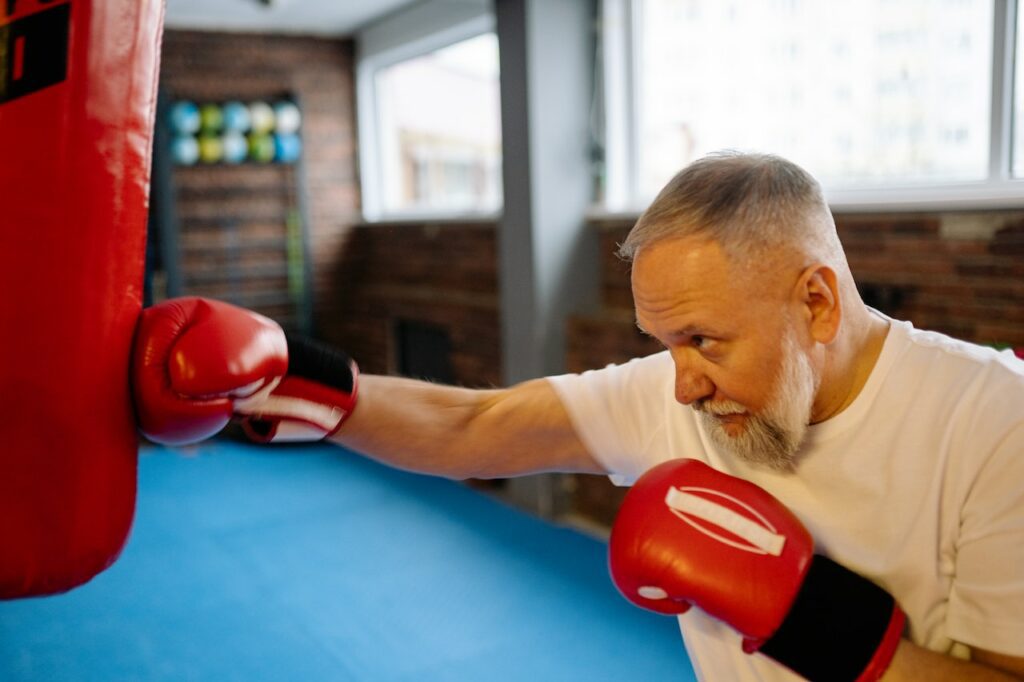
Regular exercise lowers your retirement cancer risk. Exercise prevents cancer and improves fitness. You may prevent illness by exercising regularly. Regular exercise lowers the incidence of breast, colon, lung, and prostate cancer. Exercise regulates hormones, boosts the immune system, improves digestion, and increases circulation, lowering cancer risk.
Combining aerobic, strength, and flexibility workouts will maximize results. Brisk walking, running, swimming, and cycling boost heart rate and cardiovascular health. Up to 150 or even 75 minutes of moderate- or vigorous-intensity physical exercise per week is recommended.
Weightlifting and bodyweight workouts strengthen muscles and bones. Strength-train key muscle groups at least twice a week. This keeps you healthy and lowers your chances of colon and breast cancer.
Stretching and yoga improve posture, joint mobility, and injury risk in addition to aerobic and strength training. Flexibility exercises reduce tension and soothe the body and mind. Exercise must become a regular habit if you want a happy retirement. Find activities that suit your interests and skills, and take your time with each try! Make fitness fun in retirement by dancing, hiking, swimming, or tai chi.
Take the stairs instead of the elevator, walk or bike for short errands, or take active breaks during sedentary tasks to effortlessly include fitness into your daily routine. This boosts physical activity and promotes long-term health.
Avoid Tobacco and Limit Alcohol Consumption
Avoiding smoke and alcohol during retirement reduces cancer risk. Smoking and heavy alcohol use are highly associated with cancer risk. Eliminating these behaviors may greatly improve your health.
Smoking and tobacco use damage your health and raise your cancer risk. They tend to cause lung, throat, mouth, and bladder cancers. Quitting smoking reduces cancer risk the greatest. Quitting at any time has instant advantages. Smoking cessation programs, healthcare specialists, and nicotine replacement medicines may help you stop.
Alcohol abuse increases the risk of breast, liver, colorectal, and oral cancers. Moderate alcohol use increases cancer risk. Limiting or moderating alcohol consumption reduces risk. Women may have one drink per day and males two. Avoid alcohol and watch serving portions.
Seeking professional therapy and support groups may help you or someone you know overcome alcohol dependence. These sites provide assistance, therapy, and ways to improve alcohol relationships.
Protect Your Skin from the Sun
Sunscreen may dramatically minimize your risk of skin cancer in retirement. Sun exposure is a primary cause of skin cancer. Therefore, protecting your skin is crucial for your long-term health.
Sunlight damages skin cell DNA, causing skin cancer. Even short-term solar exposure may raise the risk. Therefore, sun protection is crucial.
Apply high-SPF sunscreen to exposed skin. Choose a broad-spectrum UVA/UVB sunscreen. Apply liberally and reapply every two hours if you sweat or swim. Make sure to also wear skin-protective clothes with sunscreen. Wear lightweight, long-sleeved shirts, wide-brimmed hats, and UV-protected eyewear. These precautions reduce solar exposure.
Seek shade wherever feasible, particularly during the hottest hours. Avoid direct sunlight between 10 am and 4 pm. Outdoors, seek shade from trees, umbrellas, or other structures. These basic procedures greatly limit solar exposure. Regular skin exams may reveal problems. Self-examine your skin for new moles, growths, or areas with abnormal forms, colors, or sizes. Consult a dermatologist if you detect anything strange or have skin cancer.
If you suspect skin cancer, visit a doctor immediately. Dermatologists can advise, monitor, and treat skin disorders.
Manage Stress and Prioritize Mental Health
Reducing retirement cancer risk requires stress management and mental wellness. Chronic stress and mental illness raise the risk of many diseases, including cancer. Managing stress and prioritizing mental health improves health and reduces cancer risk.
Retirement brings numerous adjustments, making stress management crucial. Stress weakens the immune system, disrupts hormone balance, and impairs cellular function, which may lead to cancer. Thus, regular stress management is essential.
Find your stress management method. Try these:
- Deep breathing, meditation, and yoga are relaxation practices: These routines relax and lower stress hormones.
- Regular exercise improves health and reduces stress: Walking, swimming, and dancing improve mood, anxiety, and mental health.
- Self-care first: Spend time doing what makes you happy. Hobbies, reading, nature, and creativity are examples. Self-care reduces stress and boosts positivity.
- Keep in touch with family, friends, and support groups. Trusted people can help you process your emotions.
- Time management reduces stress: Prioritize, delegate, and say no to overbearing tasks for your own good.
Counseling or therapy may assist if stress continues or overwhelms you. Mental health professionals can help you cope with stress so don’t be afraid to ask for help!!
RELATED: 5 Ways to Organize Medication so You Won’t Forget Anything
Foster a Supportive Social Network
A supportive social network may improve your health and reduce your risk of cancer in retirement. Social support is crucial to mental and emotional wellness.
Retirement affects social interactions and habits, making it vital to actively build a supporting network. Why it matters:
A solid social network helps you with life’s challenges. Leaning on others reduces stress, improves mental health, and boosts well-being. Moreover, your social network might motivate you to be screened. Friends, family, and loved ones may remind you of the need of frequent check-ups, issue reminders, and offer support throughout screening.
Social networks enable knowledge and experience sharing. Friends or support groups may discuss screenings, healthcare providers, or cancer experiences.
Consider these tips for a supportive social network:
- Maintain friendships and family ties: Maintain frequent phone conversations, video chats, and in-person meetings. Experience shared activities.
- Join community groups: Find groups that share your interests. These clubs might help you make friends and enjoy your hobbies.
- Volunteer: Volunteer or donate. Volunteering helps your community and lets you make friends.
- Try new hobbies: Try new activities to meet new people. Join passion-related groups, courses, or seminars to meet like-minded people.
- Join cancer or health support organizations: These helpful groups allow you to share experiences, learn insights, and find comfort in interacting with others experiencing similar issues.
A supportive social network may improve your well-being, decrease stress, and promote frequent check-ups and screenings. When you surround yourself with positive people, it will reflect in every aspect of your life, trust me!

Stay Up-to-Date with Cancer Screenings
Preventing cancer in retirement requires regular cancer tests. Regular screenings identify cancer early, when it is most curable. Prioritizing these checkups helps you stay healthy.
Regular checkups may spot cancer early. Early detection allows for prompt treatment and better results. Your doctor can help you fight cancer if you catch it early.
Age, gender, family history, and risk variables affect cancer screening recommendations. Several retirement screenings are recommended:
- Breast Cancer: Note that women should start getting mammograms at 40 years old or even earlier if they have a family history of breast cancer.
- Colorectal cancer screenings include colonoscopy, sigmoidoscopy, and stool testing. Depending on individual circumstances and healthcare professional conversations, tests should begin around 50.
- Prostate cancer screenings include PSA blood testing and DREs. Risk factors and healthcare practitioner conversations determine screening schedule and frequency.
- Cervical cancer screening: Women should have regular Pap smears or HPV testing. Age and test results may determine screening frequency.
- Lung Cancer: Long-term smokers and heavy smokers should have low-dose computed tomography (LDCT) images.
Talk to your doctor about which screenings are right for you. They may advise on age-appropriate testing.
Schedule regular checkups and talk to your doctor in addition to screenings. Regular check-ups allow for full health exams, talks about your general well-being, and the chance to address any concerns or symptoms.
By remaining up-to-date on cancer screenings, scheduling regular check-ups, and communicating with your healthcare provider, you may actively manage your health and well-being throughout retirement, encouraging early diagnosis and improved results.