Moving to an unfamiliar town unlocks thrilling possibilities, but building a community from scratch takes deliberate action. You can establish meaningful connections quickly by tapping into organized local hubs and shared daily routines.
Leaving behind familiar neighbors and lifelong coworkers often triggers unexpected new city loneliness. Fortunately, social circles do not happen by accident; you build them step by step with proven local avenues.
These practical strategies will jumpstart your retiree social life and help you cultivate fulfilling companionships across your new hometown.
Why Building a Local Network Matters in Retirement
Relocating after decades in one area disrupts your daily social ecosystem. When you leave behind a career, you also leave behind built-in morning greetings and watercooler conversations.
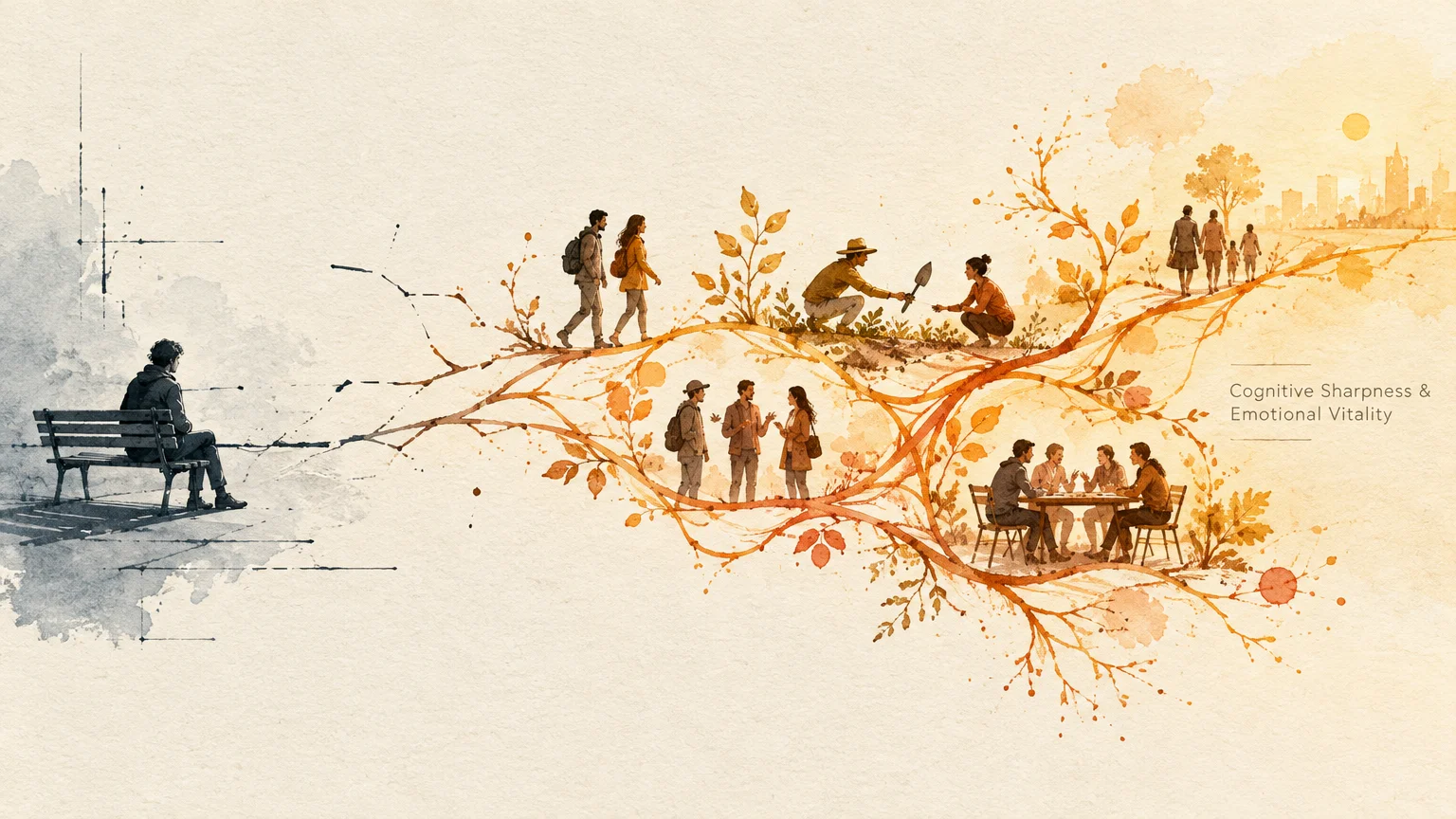
Research from the National Institute on Aging shows that prolonged social isolation carries significant health risks for older adults. Staying socially active protects cognitive sharpness and preserves emotional vitality.
Making friends in a new city does not require an extroverted personality. You simply need structured environments where repeated, low-stakes interactions happen naturally over time.
“Retirement is not the end of the road. It is the beginning of the open highway.”
Approach community building as an exciting personal project. Investing consistent effort into your social activities retirees network pays dividends for years to come.
1. Plug Into Local Volunteering Opportunities
Volunteering provides an immediate sense of purpose while connecting you with civic-minded neighbors. Giving your time anchors you to the core challenges and triumphs of your new community.
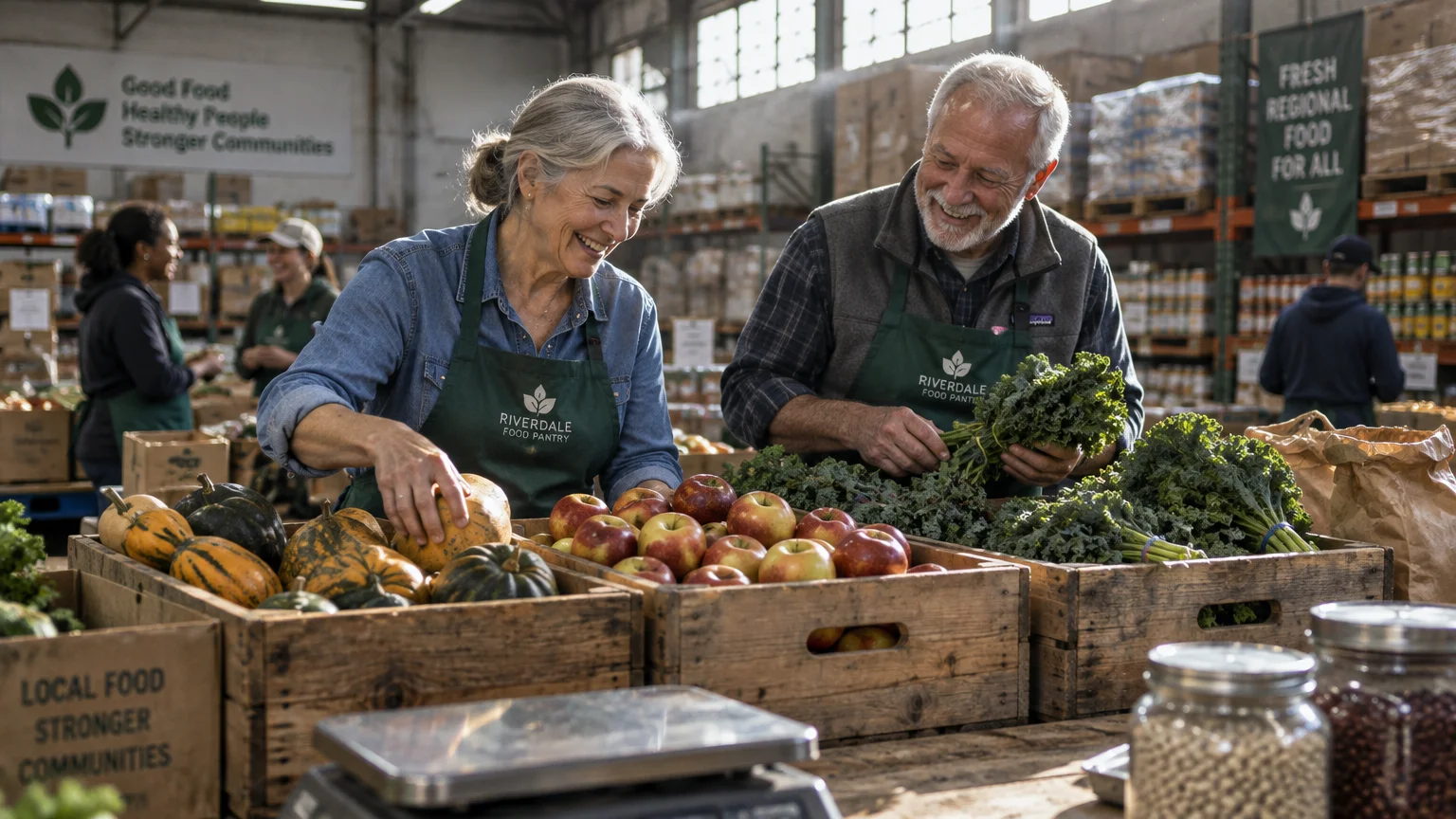
Select organizations that match your personal values rather than signing up for the first opening you find. Consider historic preservation groups, community food pantries, botanical gardens, or animal rescue organizations.
Working alongside someone toward a common goal creates natural camaraderie. You bypass awkward small talk and bond over shared labor and tangible achievements.
Organizations like AARP offer community volunteer locators that pair older adults with regional non-profit initiatives. Start with one four-hour shift each week to protect your schedule while meeting reliable peers.
Treat your volunteer hours with the same reliability as a former job. Consistency signals to fellow volunteers that you are dependable, open, and invested in the area.
Over time, offer to assist with event planning or steering committees. Leadership roles introduce you to community directors, business owners, and active local advocates.
2. Join a Dedicated Pickleball or Walking League
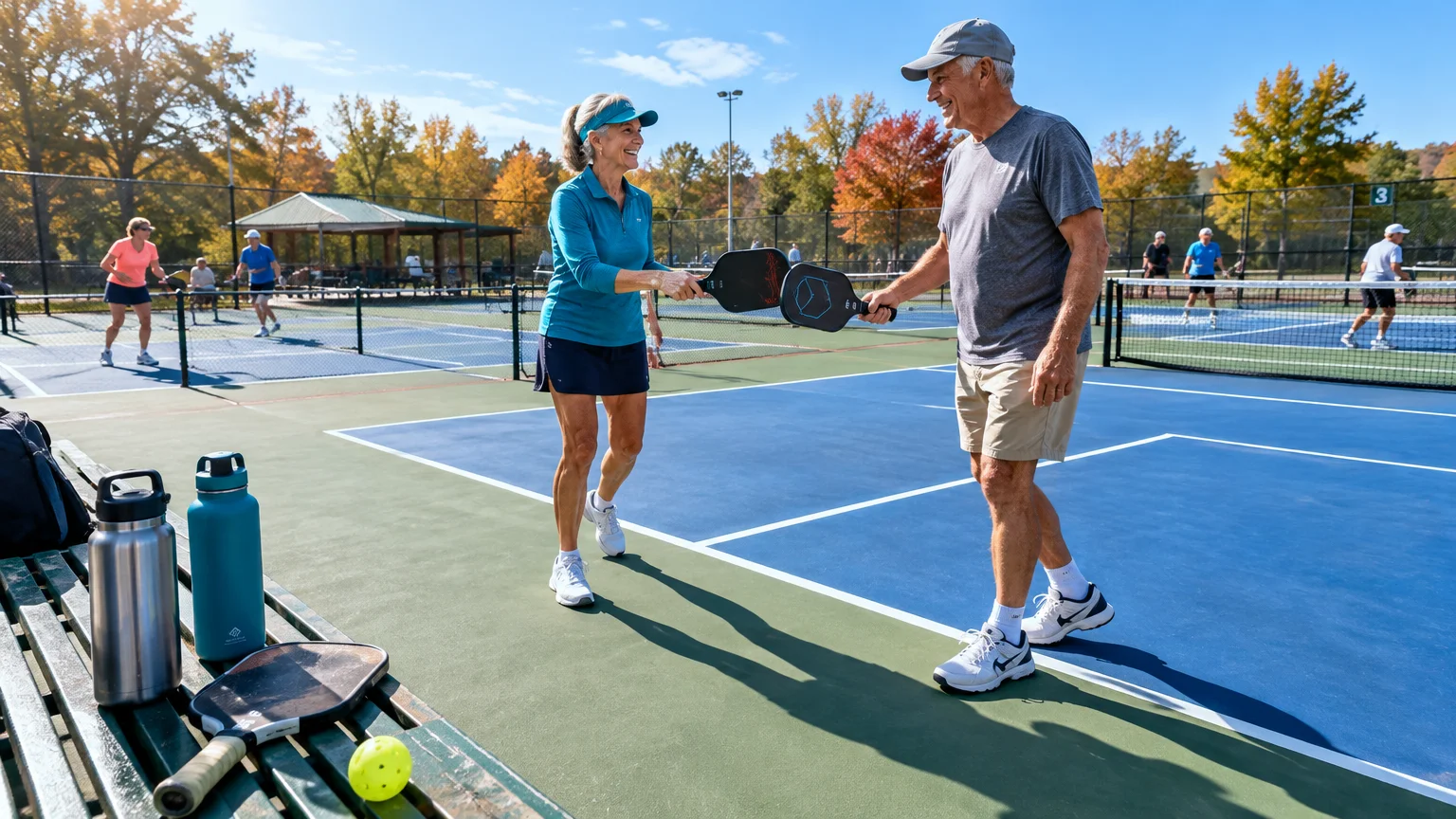
Recreational athletics offer one of the fastest paths to meet people after retirement. Sports provide structured interaction where conversation flows naturally between active play and sideline breaks.
Pickleball has surged across the country because it welcomes players of varied athletic backgrounds. Most municipal parks run open-play sessions where individuals rotate partners continually throughout the morning.
The rotating format forces you to interact with dozens of players in a single session. Striking up a conversation about paddle preferences or court strategy requires zero social awkwardness.
If racquet sports do not fit your joints, search for neighborhood walking clubs or trail groups. Walking side by side removes the pressure of direct eye contact, making conversation flow freely.
Check local parks and recreation department schedules for beginner clinics. Joining a novice group ensures you practice alongside peers who share your skill level and social goals.
Stay for coffee after the game when someone suggests it. Those informal post-exercise gatherings often produce your closest weekly friendships.
3. Enroll in Lifelong Learning Institutes (OLLI)
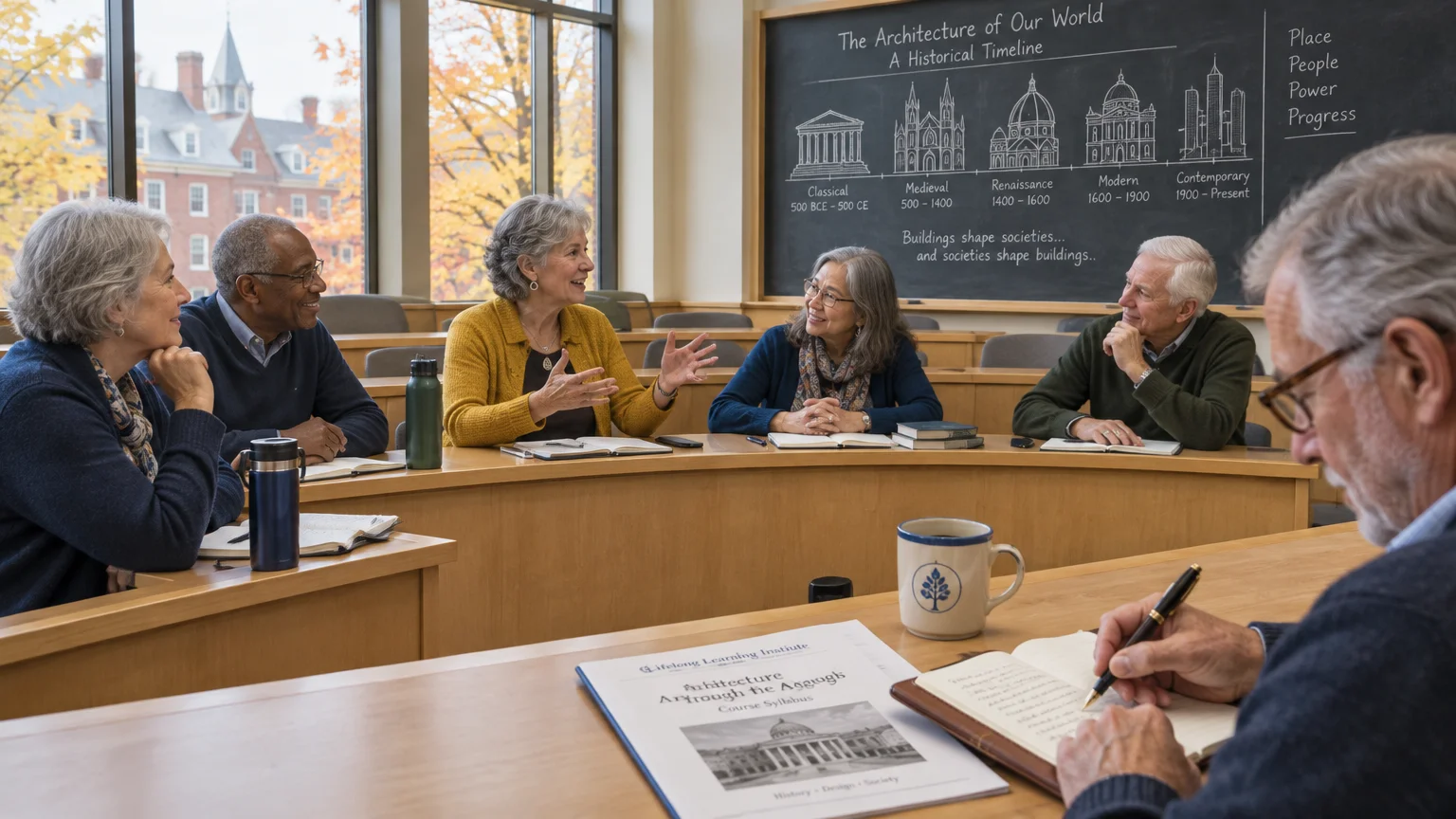
College campuses are not just for young adults pursuing undergraduate degrees. More than 120 universities host Osher Lifelong Learning Institutes designed specifically for adults aged 50 and older.
These non-credit programs eliminate tests, grades, and homework while emphasizing lively classroom discussion. Courses range from international relations and local history to creative writing and studio art.
Enrolling places you in a room filled with curious, intellectually motivated peers. You instantly share an interest in the lecture topic, giving you an organic conversation starter during class breaks.
Arrive ten minutes early to class and sit in the middle of the lecture room. Chat with neighboring students about the assigned reading or previous lecture topics.
Many lifelong learning institutes also organize study travel groups, museum field trips, and dining clubs. Participating in these extracurricular excursions accelerates the transition from classroom acquaintances to genuine personal friends.
Contact your nearest university or community college continuing education department to request a course catalog. Register early, as popular discussion seminars frequently reach capacity weeks before classes begin.
4. Turn Your Dog Into a Social Ambassador
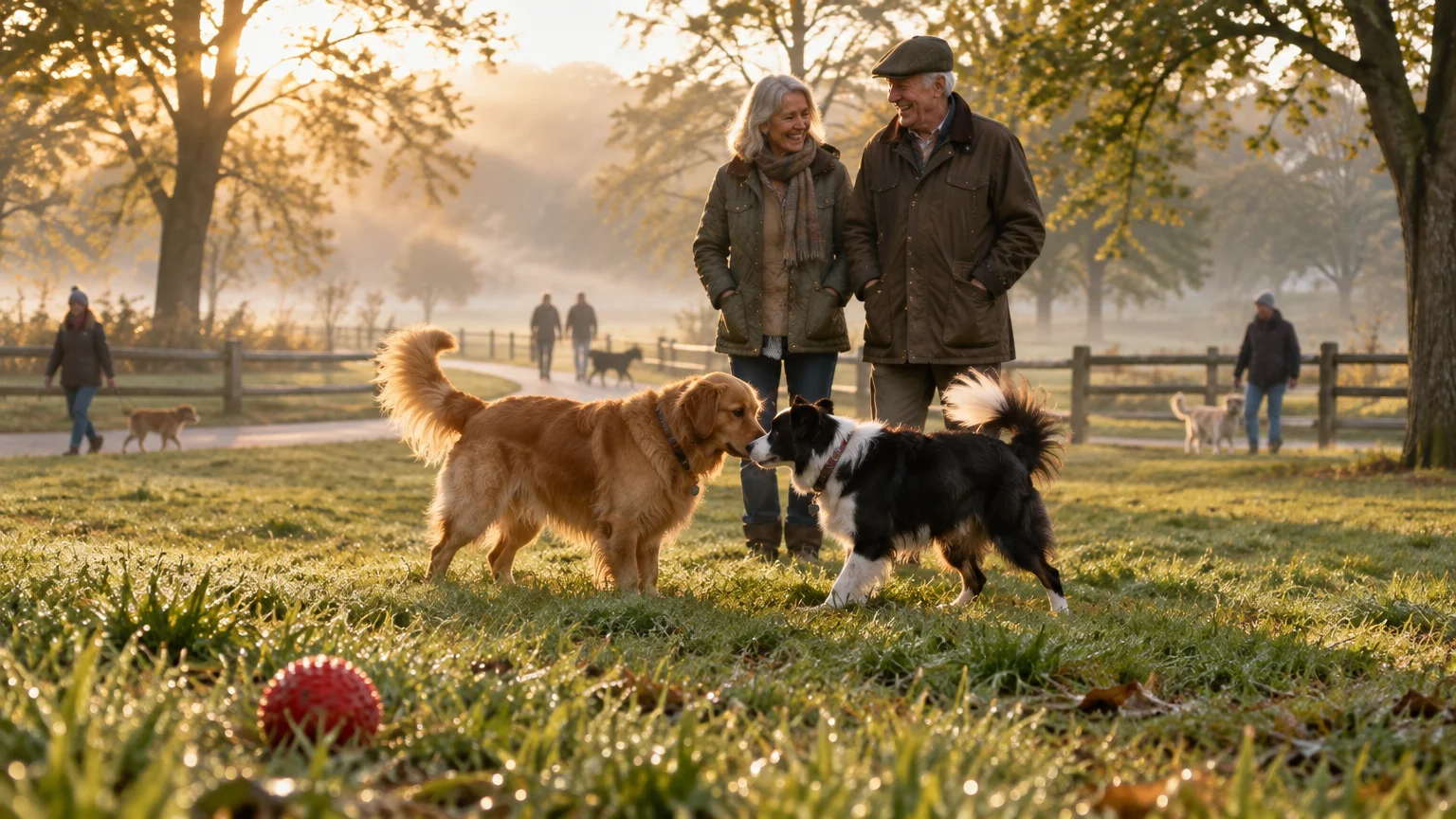
Walking a dog forces you out of your house and into public spaces every single day. Canine companions act as natural icebreakers who effortlessly bridge the gap between strangers.
Visit the neighborhood dog park at the exact same hour each morning or late afternoon. You will quickly recognize familiar dogs and start chatting with their owners while the pets play.
Dog owners share built-in talking points concerning veterinarians, groomers, and pet-friendly dining patios. A casual conversation about leash training can easily evolve into an exchange of contact numbers.
Keep extra waste bags and healthy dog treats in your pockets to share with fellow pet parents. Small gestures of generosity establish you as a friendly, approachable neighborhood fixture.
If you do not own a pet, consider volunteering to walk shelter dogs at the local humane society. You enjoy outdoor exercise and meet fellow animal welfare advocates during weekend adoption events.
5. Explore Regional Gardening Clubs and Master Gardener Programs
Every region features unique soil conditions, seasonal frost dates, and native plants. Connecting with local plant enthusiasts helps you learn the local terrain while forming durable social bonds.
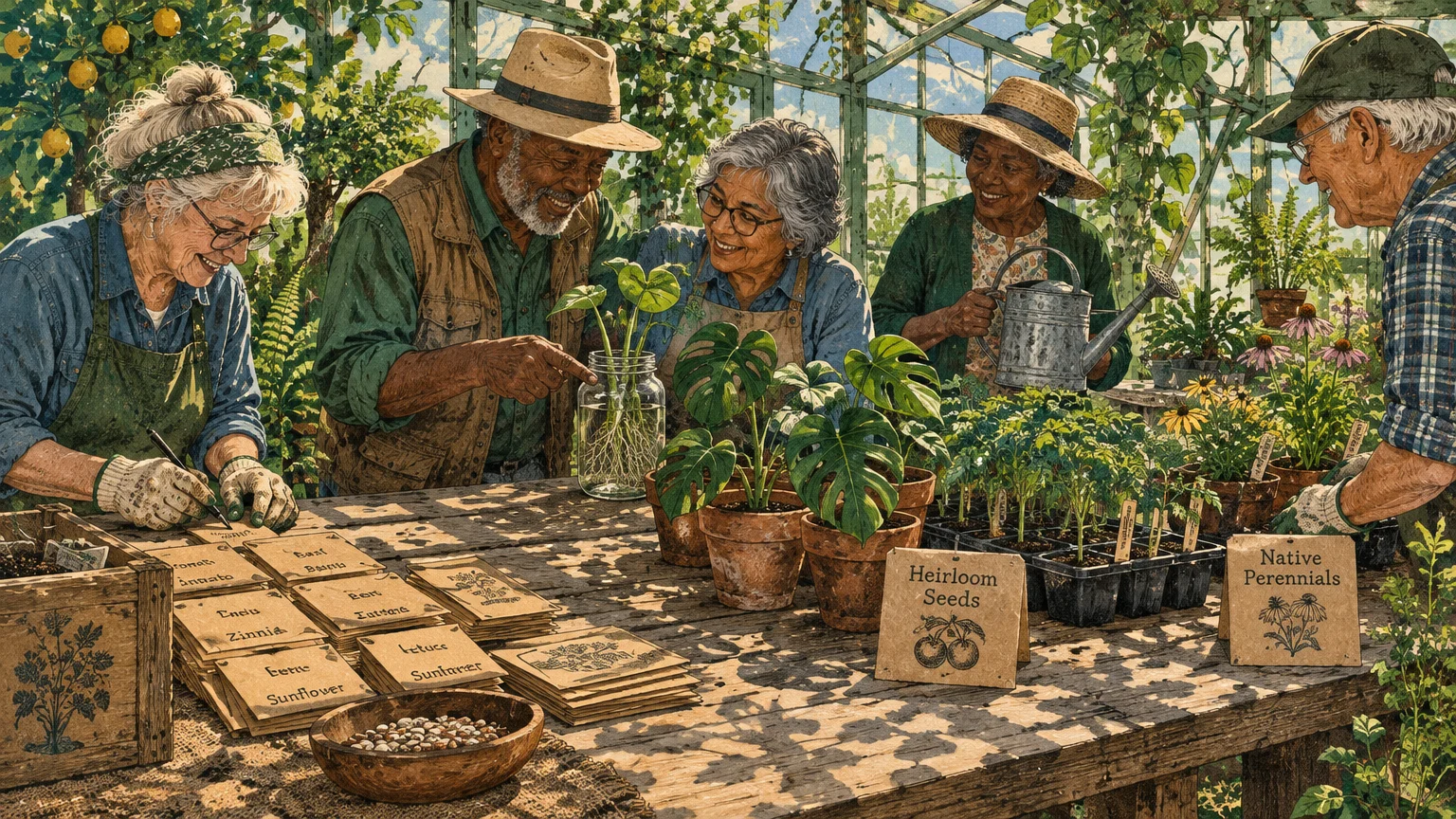
County cooperative extension offices run intensive Master Gardener training programs across nearly every American county. These multi-week courses combine rigorous horticultural instruction with required community volunteer hours.
Working alongside others in demonstration gardens or community plots builds team camaraderie. You exchange seed cuttings, troubleshoot plant diseases, and collaborate on public beautification projects.
Neighborhood garden clubs also host seasonal plant swaps, garden tours, and winter seed exchanges. These relaxed gatherings provide low-pressure settings to socialize without feeling forced.
Community garden plots offer another outstanding avenue for daily social contact. Tending your raised beds alongside neighboring gardeners sparks spontaneous conversations about growing techniques and family recipes.
“Don’t simply retire from something; have something to retire to.” — Harry Emerson Fosdick
6. Engage With Modern Senior Centers and Community Hubs
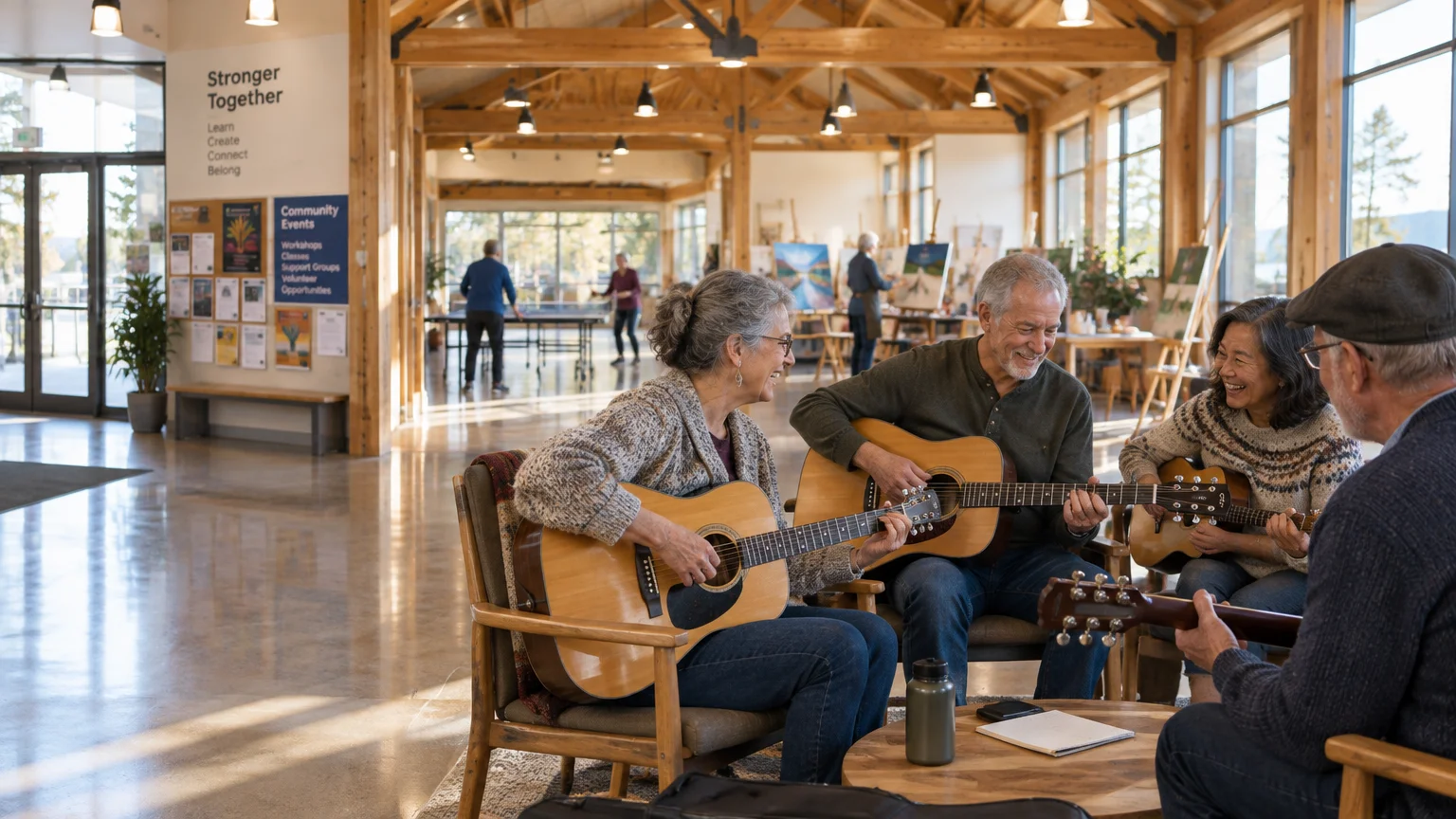
Modern senior centers have evolved far beyond outdated stereotypes of quiet shuffleboard and bingo halls. Today’s active adult centers operate as vibrant community hubs with state-of-the-art amenities.
You will discover fully equipped fitness facilities, woodworking shops, computer labs, and foreign language seminars. Many centers organize regional day excursions, culinary workshops, and theater outings.
The Administration for Community Living funds programs that support local hubs promoting physical health and social connectivity. Visiting your area agency on aging opens doors to these municipal networks.
Use the nationwide Eldercare Locator to identify reputable community centers near your new residence. Drop in during mid-morning to take a facility tour and review the activity calendar.
Sign up for a single workshop or recurring activity that genuinely interests you. Consistent attendance puts you on a first-name basis with staff members and active regular visitors.
Check the bulletin boards near the entrance for grassroots hobby groups seeking new members. Independent bridge clubs, chess circles, and travel groups frequently recruit participants through community center postings.

7. Join Interest-Based Groups on Meetup
The digital platform Meetup bridges the gap between online organizing and real-world friendship. Thousands of retiree-focused groups assemble weekly around niche hobbies, cultural outings, and outdoor recreation.
Search for groups tailored to your specific passions, whether you enjoy European board games, hiking, photography, or dining out. Choosing specialized interest groups guarantees you meet people who share your personal enthusiasm.
Look for groups that maintain active organizers and hold events at least twice a month. Stale groups with infrequent events rarely foster deep interpersonal connections.
Attend your first meeting with the mindset of an observer rather than trying to impress everyone. Introduce yourself to the event host, who can easily connect you with friendly regular attendees.
Commit to attending three consecutive gatherings before deciding whether the group suits your personality. Early meetings can feel awkward, but familiar faces make subsequent gatherings enjoyable.
If your new city lacks a group for your specific hobby, take the initiative to launch one. Other newcomers are almost certainly searching for the exact same community outlet.

8. Become a Regular at Neighborhood Third Places
Sociologists define your first place as home and your second place as work. In retirement, establishing vibrant “third places”—neutral public anchors—becomes critical for your daily social health.
Find an independent coffee shop, local bakery, neighborhood diner, or public library branch near your home. Visit the same establishment on consistent days around the same time each morning.
Sit at the counter rather than an isolated corner table whenever seats are available. Counter seating invites spontaneous conversation with staff and fellow regulars who share your morning routine.
Greet baristas and servers by name and leave generous tips. Becoming a recognized local regular establishes your presence and creates warm, micro-social interactions that banish isolation.
Bring a book or a crossword puzzle rather than staring into a smartphone screen. Open body language signals to those around you that you are approachable and receptive to conversation.
9. Participate in Local Civic and Neighborhood Associations
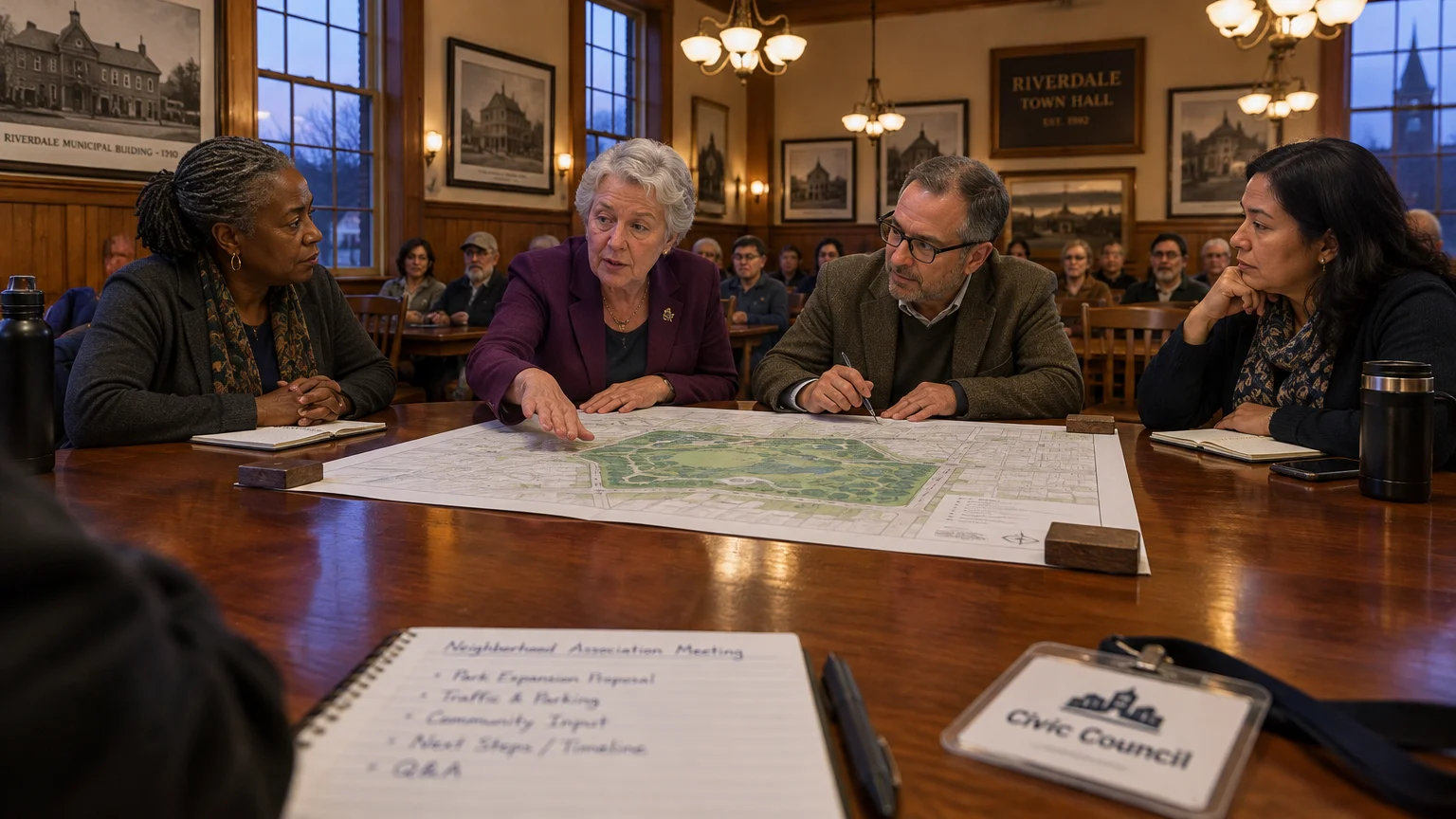
Getting involved in neighborhood leadership roots you firmly in your immediate physical surroundings. Neighborhood associations, block watches, and condo boards constantly seek dependable volunteers.
Attend monthly HOA or neighborhood coalition meetings to stay informed about municipal zoning, park renovations, and street safety. Listening to local concerns helps you understand the priorities of your fellow residents.
Volunteer for committee work such as architectural review, landscaping oversight, or social event planning. Small subcommittees offer intimate working environments where you collaborate closely with neighbors.
Offer to organize a neighborhood block party, seasonal yard sale, or holiday porch crawl. Taking the lead on community social events immediately expands your local name recognition.
You can also apply for appointed municipal advisory boards through your city hall or county commission. Serving on library boards or planning commissions leverages your professional experience for public good.

10. Connect Through Local Faith Communities or Secular Roundtables
Places of worship have historically anchored local communities and provided multi-generational support networks. Joining a congregation offers immediate social scaffolding, volunteer projects, and spiritual fellowship.
Look beyond weekend services toward small-group ministries, mid-week breakfast circles, or community outreach committees. Small groups create private spaces where members share personal life stories and support one another.
Attend social coffee hours immediately following religious services instead of heading straight for your car. Introducing yourself to greeters and pastors will help them connect you with members who share your background.
If you do not practice religion, seek out secular humanistic groups, philosophical discussion societies, or Unitarian Universalist congregations. These communities emphasize ethical living, social justice, and inclusive community building without dogma.
Commit to attending events regularly for at least three months before deciding whether the community fits. Meaningful integration takes time as members get to know your face and character.

11. Take Up Part-Time Work or Specialized Consulting
Leaving a high-pressure career does not mean you must abandon the workforce entirely. A light part-time job or pro bono consulting role provides structure and natural colleague interactions.
Consider roles at independent bookstores, golf courses, local hardware stores, or regional non-profit foundations. These positions offer low-stress environments centered on helping customers and collaborating with coworkers.
Part-time employment restores a predictable weekly rhythm to your retirement calendar. Having somewhere to be two mornings a week anchors your schedule without compromising personal freedom.
Working behind a retail counter or reception desk exposes you to hundreds of community members each week. You quickly become a recognized neighborhood presence and forge friendships with both coworkers and customers.
Consulting for local startups or mentoring young entrepreneurs through organizations like SCORE connects you across generations. You share hard-won professional insights while building an energetic local professional network.
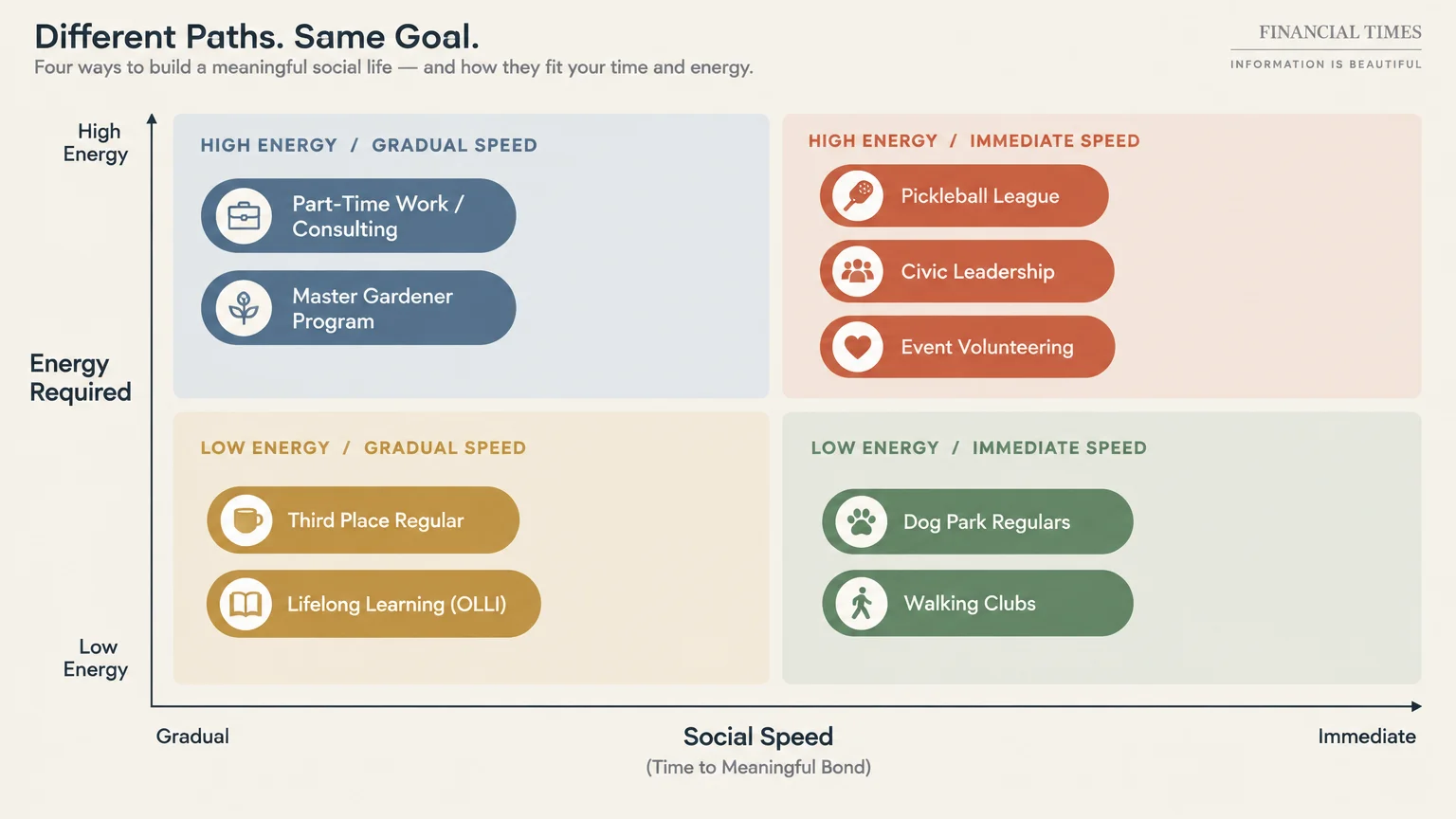
Comparing Connection Strategies: Energy Level vs. Social Speed
Finding the right social outlet depends on your personal energy levels, physical mobility, and personality type. Some activities build friendships quickly, while others require quiet, long-term persistence.
Use this comparison table to identify social avenues that align with your lifestyle preferences and comfort level.
| Activity / Strategy | Social Speed | Energy Level | Best For |
|---|---|---|---|
| Pickleball & Sports | Fast | High | Active retirees, extroverts, sports lovers |
| Lifelong Learning (OLLI) | Moderate | Low to Moderate | Intellectuals, book lovers, avid readers |
| Dog Parks & Pet Care | Fast | Moderate | Dog owners, animal lovers, walkers |
| Volunteer Organizations | Moderate | Moderate | Purpose-driven adults, altruistic retirees |
| Senior Center Programs | Fast | Low to High | Budget-conscious adults, varied interests |
| Third Place Counters | Gradual | Low | Introverts, routine lovers, observant readers |
| Civic & HOA Boards | Moderate | Low to Moderate | Former leaders, organizers, community advocates |
Combine high-energy group activities with low-pressure daily routines to balance your social calendar effectively. This balanced strategy protects your introverted recharge time while ensuring steady social momentum.
Don’t Make These Mistakes
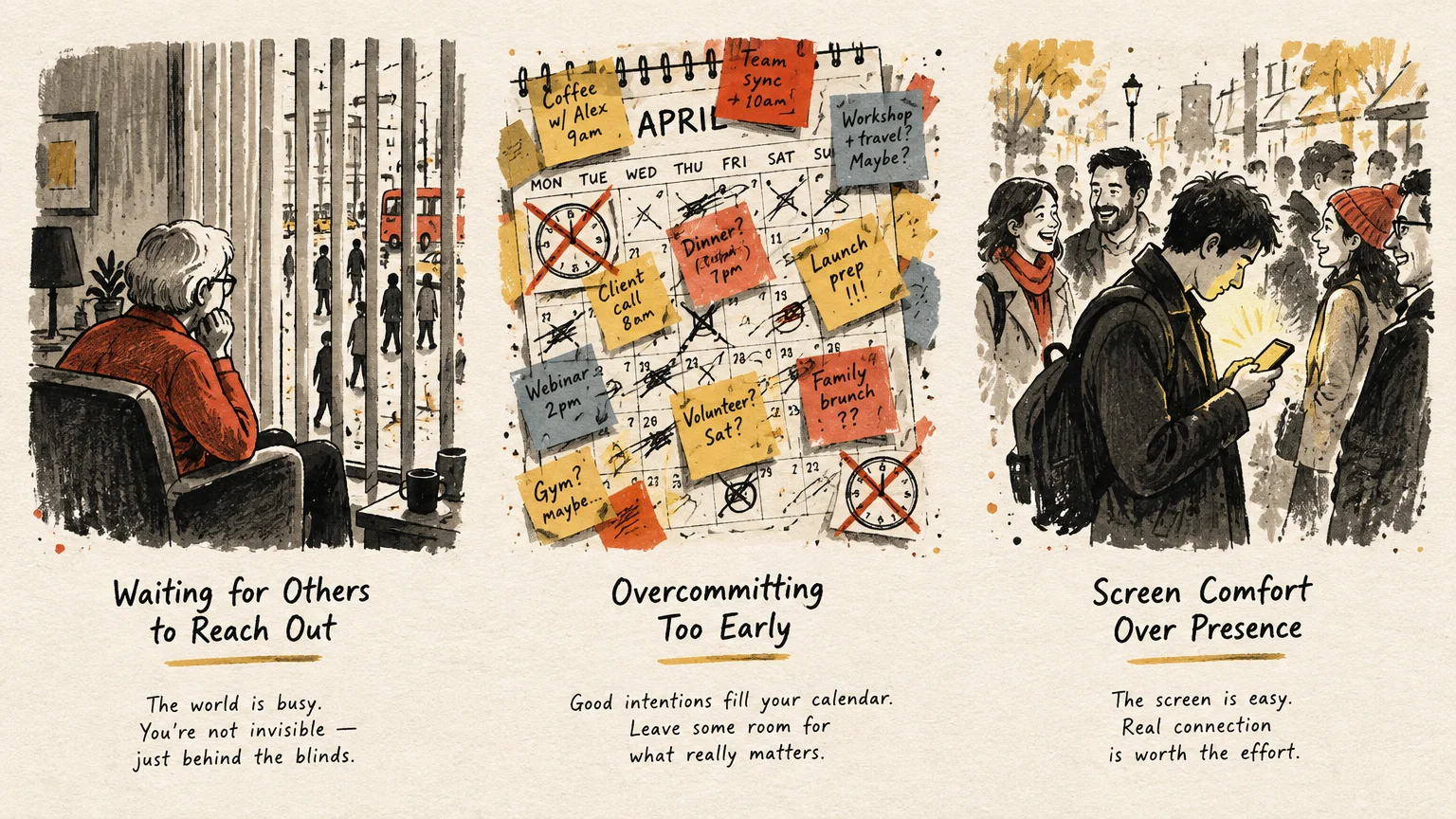
Starting over in a brand-new city presents social challenges that derail well-meaning newcomers. Avoid these common missteps to keep your relocation positive and socially productive.
Expecting Instant Friendships
Deep friendships take dozens of shared hours to form organically. Expecting immediate closeness after a single coffee chat creates unnecessary frustration and unrealistic expectations.
Give relationships room to breathe by focusing on consistency over intensity. Show up every week, be pleasant, and let connections deepen at their natural pace.
Waiting for Others to Initiate
Longtime residents already have complete social lives, families, and established friend networks. They rarely search out new companions, meaning you must take the initiative.
Step out of your comfort zone by issuing low-pressure invitations. Ask an acquaintance to check out a local farmers market or walk a popular community trail.
Restricting Yourself to Retiree-Only Spaces
Limiting your interactions exclusively to people your own age narrows your social horizons. Multi-generational friendships bring fresh perspectives, vitality, and varied conversation into your daily life.
Engage with younger neighbors, volunteer with local youth mentoring programs, or take classes open to all age demographics. Diverse friendships enrich your retirement experience significantly.
Overcommitting Your Schedule Too Fast
Saying yes to every club, committee, and board meeting during your first month produces rapid burnout. You need downtime to settle into your home and explore your surroundings at leisure.
Select two focused activities initially and evaluate them over eight weeks before adding more responsibilities. Protect your free time so retirement remains restful and enjoyable.
Frequently Asked Questions About Making Friends in Retirement
How long does it typically take to make friends in a new city?
Research suggests it takes roughly 50 hours of shared time to move from acquaintance to casual friend. Developing a close friendship often requires over 200 hours of natural interaction.
Give yourself six to twelve months of consistent community involvement before expecting a robust local inner circle. Patience and weekly attendance remain the critical ingredients for lasting connection.
How can introverted retirees meet people without feeling overwhelmed?
Introverts thrive in structured, task-oriented activities where conversation is secondary to a shared focus. Consider volunteering in a library archive, joining a quiet gardening group, or enrolling in book clubs.
These environments allow you to connect one-on-one without navigating noisy mixers or loud group events. Focus on making one quality connection at a time rather than working a crowded room.
What should I do if my partner does not want to socialize?
Couples often experience different social needs and energy levels after relocating in retirement. You do not need to attend every club or event as a package deal.
Pursue your individual hobbies and build independent friendships while respecting your partner’s desire for privacy. Maintaining your own social network relieves pressure on your marriage and keeps you fulfilled.
Are municipal senior centers expensive to join?
Most municipal senior centers operate through county tax revenues and charge minimal or zero annual membership dues. Modest fees may apply for specialized classes, craft supplies, or day trips.
Check with your local municipal recreation division to review membership guidelines and subsidized activity schedules. Community centers offer exceptional value for retirees living on fixed incomes.
Taking Your First Step Today
Overcoming new city loneliness requires an active willingness to step outside your front door. Choose one activity from this list today and put the first meeting on your calendar.
Retirement rules and benefit amounts vary based on individual work history, income, and circumstances.
This article provides general guidance only. Consult a SHIP counselor, financial advisor, or elder law attorney for advice specific to your situation.
Last updated: October 2026. Medicare and Social Security rules change annually—always verify current details at official government sources.