Medication for seniors: 5 essential do’s and don’ts
After a life-changing drug management experience, I aim to share my story and teach others.
Several years ago, I was taking multiple prescription drugs for various health issues. Like many elderly people, I thought I had everything under control. One morning, everything changed drastically. I combined my pills without checking in a hurry to get out of the house.
Fast-forward: I went to the ER because I had serious symptoms quickly, like extreme nausea,
This terrifying event woke me awake. I learned that careful drug control is crucial. In the ER, the physicians revealed that my bad drug response was caused by the wrong medicine combination. They stressed how prevalent yet avoidable such scenarios are, particularly for seniors with various medicines.
The episode made me rethink drug management. Relying on memory and casual behaviors was dangerous. Not only my health but my life. This knowledge changed how I took my prescriptions, making me more methodical and careful.
Senior medication management dos and don’ts are covered in this article. We’ll discuss how to avoid errors and use drugs safely. Each tip is meant to help you easily and safely manage your health routine, from medicine to reminders and organizers.
My tale illustrates the delicate balance of drug management in seniors. It takes attention, respect, and occasionally technology and organizing tools. Join us as we learn how to stay safe and healthy.

Knowing your drugs
Understanding your medicine is crucial to your health and well-being, not simply a suggestion. Being aware of your drugs lets you take an active role in your healthcare.
Do: You must truly understand each drug you take. This involves understanding the medication’s name, purpose, dose, and health benefits. According to the Journal of the American Geriatrics Society, seniors who understand why they are taking each drug are more likely to follow their treatment programs and have better health results.
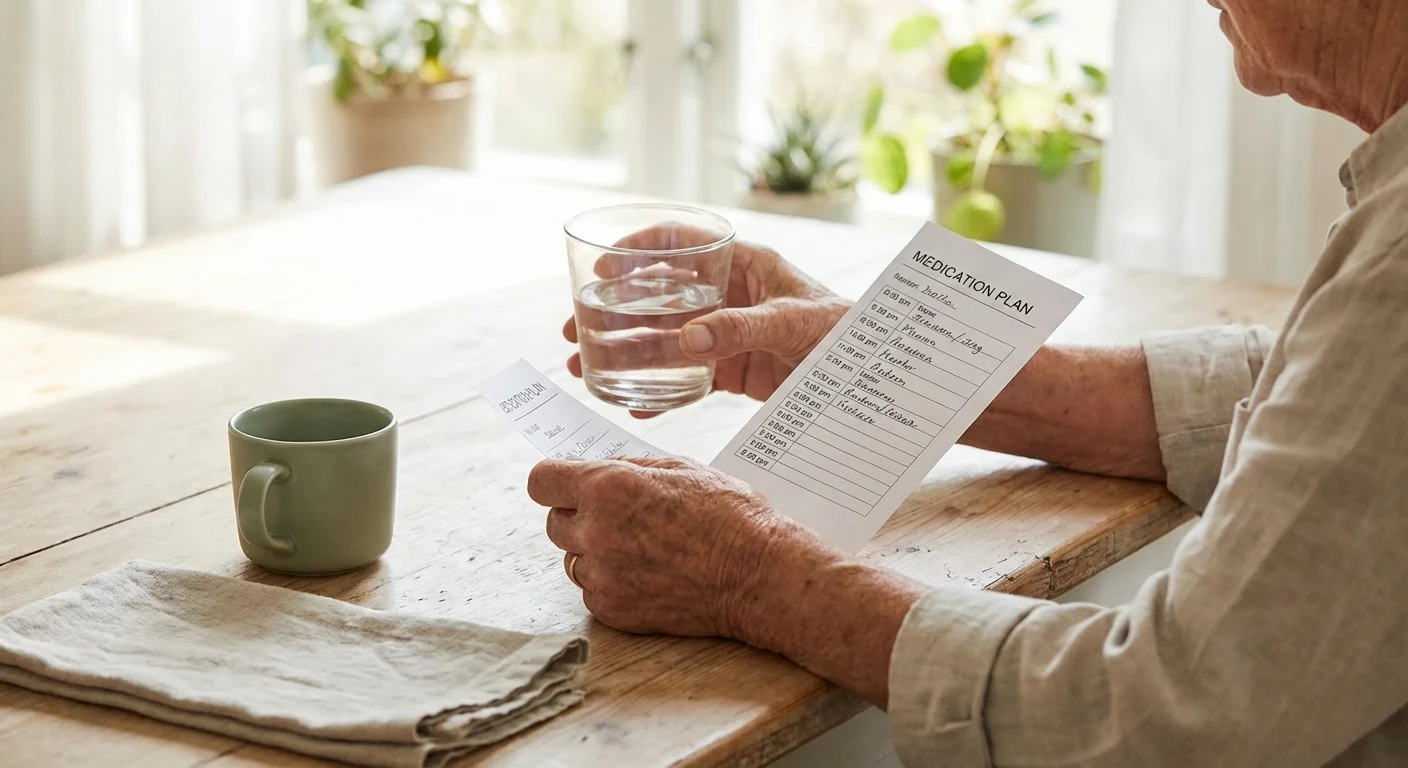
An innovative and useful idea: Make a ‘medication map.’ List each medicine, its purpose, dose, and special instructions on a simple chart. This tailored guide may help you understand and manage your drugs.
Knowing side effects is part of knowing your drug. Sometimes, these consequences are subtle or misinterpreted as new health issues. Being knowledgeable allows you to discuss side effects with your doctor, making your treatment plan more successful and pleasant.
Don’t: Never take medicine without knowing its purpose and instructions. Always consult your doctor or pharmacist about drug questions. Safe and effective drug management requires all the information.
Each medicine has a distinct function in health. Maluse from misunderstandings might cause major health issues. Over 1 million older individuals visit the ER each year due to adverse medication reactions, according to the CDC.
Refills and supplies
Maintaining our health requires avoiding medication for seniors.
Do: Be consistent in checking your medicine supply. Check your remaining amount and refill dates. Preparation is key. When you have a week’s supply remaining, request a refill. This buffer period prevents you from running out if your refill arrives late. Set a phone or calendar reminder a week before you run out to get your next refill.
Don’t: Waiting until your final pill to refill is a typical error. This is dangerous because weekends, holidays, or pharmacy backlogs might cause drug lapses. Interruptions, particularly for consistently taking drugs, might harm your health. The American Pharmacists Association reports that prescription non-adherence, particularly refill delays, causes serious health issues and is a leading cause of senior hospitalizations.
A clever solution: Many pharmacies provide automated refill systems that replenish your medication without your consent. Joining such a program may make refill dates easier to remember and help maintain a steady supply of medicine.
Storing medications safely is part of managing refills and supplies. Place them away from heat, dampness, and direct sunlight to maintain their potency. Remove expired medications from your cache regularly. Expiration may render drugs useless or hazardous.
Respecting prescriptions
Adhering to medicine dosage and timing is a requirement, not just convenience. This drug management discipline ensures treatment efficacy and prevents health dangers.
Do: Follow your doctor’s dose and time. These standards, whether for food and drink or medicine dosage and timing, are there for a purpose. They are precisely adjusted to maximize pharmaceutical effectiveness and minimize negative effects. The Journal of the American Medical Association reported that seniors who took their medications had better health and fewer hospitalizations.
Don’t: It’s tempting to change your medicine depending on how you’re feeling, taking less if you’re having adverse effects or quitting completely if you’re feeling better. It may be harmful. Changing your medicine without medical counsel might cause inadequate therapy, worsening, or severe adverse effects. Such choices should be made by a medical expert who knows your medical history and prescription interactions.
If you’re having adverse effects or have questions about your medicine, go to your doctor. Open communication with your doctor is crucial. They may change your therapy, locate new drugs, or help with adverse effects.
Watching out for drug interactions
Drug interactions must be monitored during this trip. Managing drugs and supplements requires knowledge of how they interact. Our safety and therapeutic efficacy depend on this knowledge.
Do: Tell your doctor or pharmacist about all your medications, supplements, and OTC drugs. This information is crucial for medication interaction mitigation. An apparently innocuous over-the-counter pain treatment may interact dangerously with prescription drugs. The Journal of the American Pharmacists Association found that drug interactions are a major problem, particularly in older people who use many drugs.
Don’t: never combine drugs or start a new supplement without medical guidance. Although all drugs and supplements have advantages, they may interact negatively. These may cause serious and possibly life-threatening adverse effects or reduce therapeutic efficacy.
Take this proactive step: List all your drugs and supplements, including doses and frequency. This list should be brought to all medical visits and shared with your pharmacist when filling prescriptions or buying OTC drugs.
Understanding how food and drink affect drugs is also important. Grapefruit juice may interact with various drugs, causing side effects.
Setting reminders and organizers
Using reminders and organizers to take our prescriptions properly and on time is frequently necessary. This systematic approach to medication management prevents missing doses and overdoses, which are vital to our health.
Do: Use pill organizers, alarms, and medication for seniors management apps to schedule your medications. Pill organizers may streamline your habit, particularly if you take many prescriptions at various times. They indicate if you took your daily dosage. Alarms or medication reminder applications may also help, particularly for time-sensitive prescriptions. These external memory aids help you remember your prescription schedule.
For more information, please check out our post on 5 Ways to Organize Medication so You Won’t Forget Anything!
Don’t: When managing many medicines, relying on memory for drug regimens is problematic. Medication management is risky when memory declines with aging. An unintentional double dosage or missing dose might be dangerous. The Institute for Safe Medication Practices reports that memory lapses generate many medication mistakes, which may cause adverse drug events and hospitalizations.
A simple yet useful tip: Fit your medication regimen into your everyday routine. Taking pills before breakfast or cleaning your teeth might become a habit, making it harder to forget.