Which are the best anti-inflammatory foods for seniors?
As seniors, we’re familiar with how diet sneakily causes inflammation. You’re thinking, “Not another lecture on eating my greens!” But there’s more to this than switching from cakes to vegetables.
Remember my pal Martha? Queen of afternoon tea and pastries—her sweet appetite was famous! She discovered that sugary treats were harming her health. She was worn out like a favorite pair of dance shoes and had joint aches. Then, her doctor revealed that her diet may be causing her inflammation.
Martha, bless her heart, is determined to revolutionize the kitchen. She gave up sugary snacks and accepted fruits, vegetables, and spices like turmeric and ginger. And guess what? Like a magic wand was waved! Her joint discomfort subsided, and her energy level rose like a kite on a breezy day.
Martha’s tale is enlightening. It shows that food may influence inflammatory management. I won’t convert you into a lettuce-eating bunny. This is about eating healthy, enjoyable foods to reduce inflammation and boost spirits.
This article will show magnificent seniors how to avoid inflammation with smart eating choices. We’ll discuss what to eat, what to forego, and how to enjoy our meals without losing out on life’s delicious delights. Please join me on this delightful voyage to learn how the appropriate food can keep us energized and ready to conquer the world!

Why do the elderly have inflammation more often?
Health issues like inflammation are important for the elderly. It’s the body’s normal reaction to injury, but if persistent, it may cause age-related disorders. Our bodies are increasingly prone to persistent inflammation as we age. According to “Aging and Disease” (2018), persistent inflammation helps cause several age-related disorders.
Seniors must understand inflammation in order to fight it. Chronic inflammation acts as a quiet warning in the body and must be addressed to be healthy. Remember that chronic inflammation is connected to arthritis, heart disease, and Alzheimer’s.
Senior inflammation management requires lifestyle and nutritional adjustments to address the cause. To prevent illness and sustain health, one must first understand inflammation.
Top 3 anti-inflammatory foods for over-60s
Spices and herbs
Spices and herbs have been prized for generations for their taste and therapeutic benefits, especially in combating inflammation. As seniors, adding spices and herbs to our meals helps reduce inflammation and improve health.
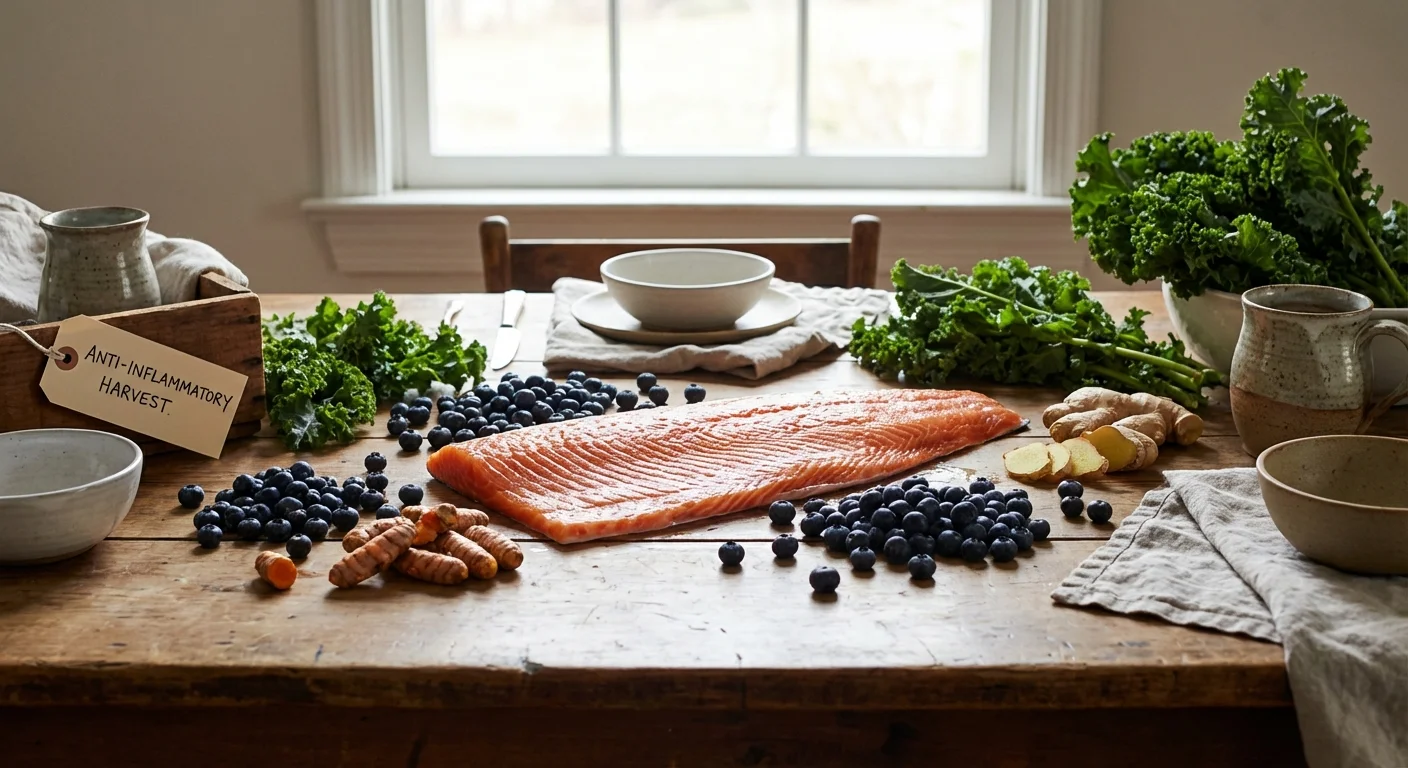
Turmeric is considered a great spice in health and well-being. Curcumin is a powerful antioxidant and anti-inflammatory. In fact, a study published in the Journal of Medicinal Food (2017) found that curcumin lowers inflammation.
Ginger is another multipurpose spice. Gingerol has high antioxidant and anti-inflammatory properties. Ginger may lower osteoarthritis inflammation, according to the 2013 International Journal of Preventive Medicine.
Garlic adds more than taste. According to 2015 Journal of Immunology Research research, its anti-inflammatory qualities help reduce arthritis and other inflammatory symptoms.
Top 3 Senior Spices and Benefits: 1.
- Curcumin reduces inflammation, boosts brain and joint health, and is an antioxidant.
- Ginger (Gingererol) lowers osteoarthritis pain and discomfort and is an antioxidant.
- Garlic: Reduces inflammation, increases immunity, and may lessen heart disease risk.
Foods with these spices help fight inflammation naturally and taste good. Use turmeric in smoothies, ginger in tea, and garlic in cooking.
Healthy oils and fats
Good fats, like omega-3 fatty acids, have anti-inflammatory effects. Managing inflammation and preserving health requires knowing the proper fats to eat.
Fatty fish, flaxseeds, and walnuts contain omega-3 fatty acids. Known for reducing body-wide inflammation. Higher omega-3 intakes may reduce inflammatory indicators, according to studies like one in the Journal of Clinical Lipidology (2017). Chronic inflammation may worsen age-related disorders, making this crucial for elders.
Avocados provide healthy fats too. Avocados include monounsaturated lipids that reduce inflammation. Olive oil, especially extra virgin, is also great. Its active ingredient, oleocanthal, is comparable to ibuprofen.
Anti-inflammatory diets benefit from these healthy fats:
- Fatty Fish: Salmon, mackerel, and sardines are omega-3-rich.
- Chia and flaxseeds are high in omega-3s, fiber, and antioxidants.
- Nuts: Omega-3s are abundant in walnuts.
- Avocados: High in antioxidants and monounsaturated fats.
- Olive Oil: Extra virgin olive oil has the most anti-inflammatory properties.
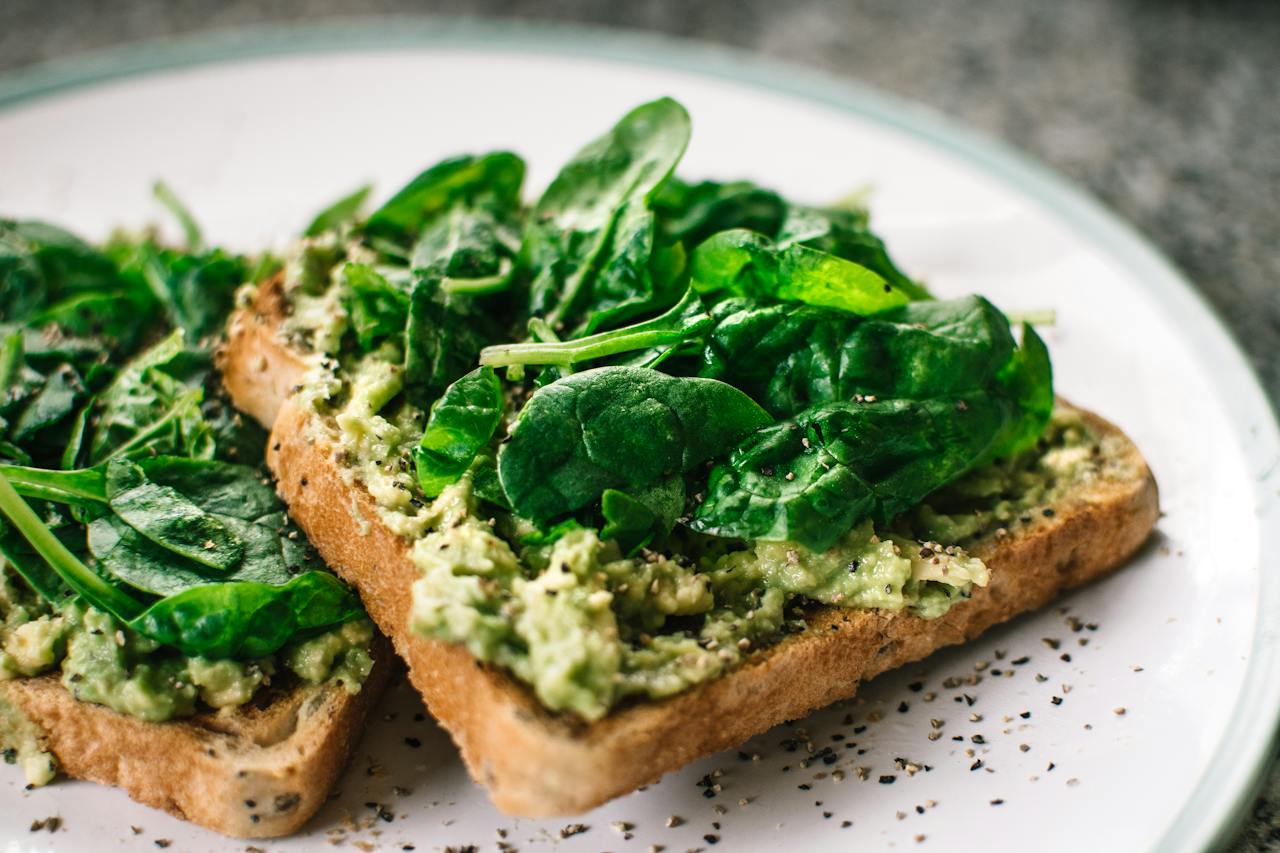
In order to include healthy fats in your diet, try flaxseeds in your breakfast, avocado on toast, or olive oil instead of other fats. Small, persistent modifications may significantly reduce inflammation and increase well-being.
Leafy greens
Spinach, kale, and Swiss chard are rich in vitamins A, C, E, K, and B. They also have strong antioxidant content, which neutralizes free radicals and reduces inflammation. Kale is rich in vitamins and antioxidants quercetin and kaempferol, which fight inflammation.
Nutritional studies, like the one in “Nutrients” (2016), suggest that leafy greens lower inflammation. Elderly people benefit since chronic inflammation is connected to heart disease, arthritis, and cognitive loss.
Here are some leafy greens that reduce inflammation:
- Spinach has anti-inflammatory antioxidants and vitamins A, C, and K.
- Kale: Rich in vitamins A, C, K, quercetin, and kaempferol.
- Swiss Chard: Provides vitamins A and C, potassium, and magnesium.
- Collard Greens: Vitamin-, calcium-, and anti-inflammatory-rich.
- Arugula: Adds taste to salads and includes vitamin K and calcium for inflammation and bone health.
How can you incorporate these foods into your diet?
Seniors may improve their health and reduce inflammation by creating an anti-inflammatory food plan. Including a range of anti-inflammatory items in your diet ensures balance and pleasure. How to easily include these healthy meals into your routine:
To incorporate anti-inflammatory foods in your diet, start with breakfast. Add spinach or kale to an omelet, or make a healthy smoothie with berries and flaxseeds.
Smart snacking: Choose omega-3 and antioxidant-rich foods. Ripe berries, almonds, and walnuts are great snacks.
Plant-Based Lunches: Include leafy greens in your lunch. A mixed greens salad with tomatoes, avocados, and olive oil is tasty and anti-inflammatory.
Evening meals should include grilled fish or roasted chicken, steamed veggies, and nutritious grains like quinoa or brown rice.
Cook using anti-inflammatory spices like turmeric and ginger. Spices like these may boost soup, stew, and marinade taste and health.
Variety and consistency make an anti-inflammatory diet work. To get a variety of nutrients and make your meals interesting, try various anti-inflammatory foods. Water is essential to your health, so drink lots throughout the day.
YOU MAY ALSO LIKE: Which Foods Help Retirees Prevent Diabetes?
Your takeout
That’s it, friends! We’re ending off our anti-inflammatory eating culinary odyssey, but there’s more. It’s more like a tastebud-led experience!
Martha’s tale isn’t unusual; it wakes up the senior class. We may combat inflammation and live a more vivid, active life by changing our meals. Who doesn’t want to feel young again?
As we say goodbye to this guide, take these pearls of wisdom:
Eat more vegetables, fruits, and whole grains—they’re healthy and tasty!
Balance is vital, so reward yourself sometimes.
Be inventive in the kitchen. You may always try different anti-inflammatory dishes and have fun cooking.
This diet modification doesn’t have to be difficult. Imagine adding adventure and well-being to your daily life. My best advice to you is to stay curious, try new meals, and most importantly, listen to your body.
Let’s celebrate our golden years in style and health! Make every meal matter, and remember, you’re the head chef in life’s vast kitchen. Cook up a storm and reduce inflammation!