It sneaks up on nearly every retiree. Here’s how to fight back—and actually win

Nobody tells you about this part.
They tell you about the travel, the freedom, the leisurely mornings with coffee. They tell you to max out your 401(k), claim Social Security at the right time, pick the best Medicare Advantage plan. And all of that matters—it genuinely does.
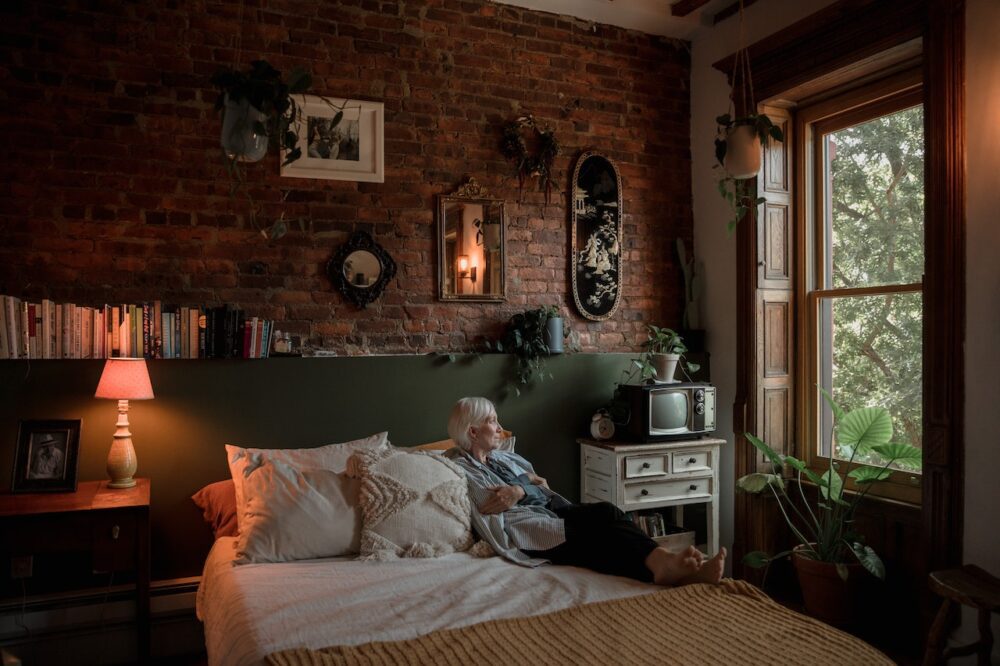
But the thing that catches most retirees completely off guard? The silence. The empty Tuesday afternoons. The phone that doesn’t ring the way it used to. The slow, creeping realization that the social world you built over forty years—your colleagues, your routines, your sense of belonging—is simply… gone.
Loneliness in retirement is one of the most common, least talked-about challenges that American seniors face. And it’s not just uncomfortable. Research now shows it’s genuinely dangerous to your health, with effects comparable to smoking fifteen cigarettes a day.
If you’ve felt it, you are not alone. Not even close. And if you’re reading this before retirement, consider this your advance warning—because the good news is, loneliness is entirely beatable. You just need to know what you’re up against.
The numbers are stark: according to the National Institute on Aging, nearly one-third of adults aged 45 and older report feeling lonely — and rates increase significantly after retirement. This is one of the biggest overlooked threats to healthy aging in America today.
Why Retirement Makes Loneliness So Much Harder Than You Expect
Here’s what most people don’t realize until it happens to them: work wasn’t just a paycheck. It was your social infrastructure.
Five days a week, your job gave you built-in conversation, purpose, routine, identity, and belonging. Your colleagues were your daily community, even if you never thought of them that way. The water cooler, the team meetings, the shared lunches—all of it created a social rhythm your brain came to depend on.
Then retirement arrives, and almost overnight, that entire structure disappears. And it doesn’t just take the work—it takes the people, the routine, and often the sense of purpose that came with it.
On top of that, retirement often coincides with other major life changes that compound the isolation: children moving further away, the loss of a spouse or close friends, declining mobility, health challenges that limit activity, and the transition to a new home or retirement community where you don’t yet know your neighbors.
The result is that many retirees find themselves, for the first time in their adult lives, genuinely and persistently alone in ways they were never prepared for.
And the worst part? Many seniors feel ashamed to admit it. They feel they should be grateful—they made it to retirement, they have their health (or some of it), they have their family. What right do they have to feel lonely?
Every right in the world. Loneliness is not ingratitude. It’s a human need going unmet. And it deserves to be addressed just as seriously as any other retirement health issue.
Important distinction: there’s a difference between solitude — which many retirees actively enjoy — and loneliness, which is the painful gap between the social connection you want and what you actually have. Solitude is a choice. Loneliness is not.
What Loneliness Actually Does to Your Body (This Will Surprise You)
Let’s be direct about this, because understanding the stakes matters.
Chronic loneliness is not just a feeling. It triggers a measurable stress response in your body — raising levels of cortisol, increasing inflammation, disrupting sleep, and suppressing immune function. Over time, these effects accumulate into real, serious health consequences.
Studies have linked chronic social isolation in seniors to significantly higher risks of heart disease and stroke, accelerated cognitive decline and dementia, depression and anxiety, weakened immune system response, higher rates of falls and accidents, and earlier death. One widely cited analysis found that loneliness increases the risk of premature death by roughly 26% — putting it in the same category of risk as obesity or physical inactivity.
For retirees already navigating Medicare decisions, managing chronic conditions, and thinking carefully about their long-term health, loneliness is not a soft problem. It is a clinical risk factor — one that is almost entirely within your power to address.
Medicare and senior health insurance plans increasingly cover mental health services, including therapy and counseling for depression and anxiety — which often accompany chronic loneliness. If you’re struggling, talking to your doctor is always a smart first step. It’s covered.
The 11 Most Effective Ways to Beat Loneliness in Retirement
These are not generic suggestions. Every strategy here is grounded in what genuinely works for seniors — and what the research on social connection, healthy aging, and retirement well-being consistently supports.
1. Name It First
This sounds simple. It is also profoundly important. Many retirees spend months or even years feeling vaguely dissatisfied, restless, or sad — without ever identifying loneliness as the root cause.
The moment you name it, you change your relationship to it. Loneliness stops being a shameful character flaw and becomes what it actually is: a signal that your social needs aren’t being met. And like hunger or thirst, it’s a signal worth responding to. Start there.
2. Protect Your Routine — Even If It Feels Artificial
One of the most underestimated contributors to retirement loneliness is the collapse of structure. When every day feels identical and shapeless, motivation evaporates, and isolation deepens.
Actively building a weekly routine — even a simple one — creates the scaffolding that social connection can attach to. Schedule specific days for specific activities. Give yourself reasons to leave the house at set times. Routine is the foundation of engagement, and engagement is the antidote to loneliness.
3. Join Something — Anything — Within the First 90 Days
Research on retirement transitions consistently shows that the first 90 days are critical. Retirees who join at least one regular group activity within the first three months of retirement are significantly less likely to develop chronic loneliness than those who wait.
It doesn’t have to be your perfect social fit. It just has to be something with recurring contact with the same people. A walking group, a book club, a senior center class, a church community, a pickleball league. The activity matters less than the consistency.
Pickleball is now the fastest-growing sport among Americans over 60 — and for good reason. It’s low-impact, easy to learn, highly social, and played in nearly every city in America. Many senior living communities and YMCA branches offer beginner sessions specifically for older adults.
4. Volunteer — It’s One of the Most Powerful Tools in This List
Multiple studies on senior well-being have identified volunteering as one of the single most effective antidotes to retirement loneliness. It addresses the core problem from two angles simultaneously: it creates regular social contact, and it restores the sense of purpose and usefulness that work once provided.
The combination is powerful. Retirees who volunteer regularly report significantly higher levels of life satisfaction, lower rates of depression, and better physical health outcomes compared to those who don’t. Organizations like AARP’s Create the Good, local food banks, libraries, schools, and hospitals all welcome senior volunteers — and many have programs specifically designed around retiree schedules.
5. Invest in Existing Relationships — Don’t Wait for People to Come to You
One of the quiet traps of retirement loneliness is the passive stance — waiting for family to call, hoping friends will reach out, expecting connection to arrive at your door. It rarely does.
The research is clear: the retirees with the strongest social connections are the ones who actively invest in them. That means reaching out first. Scheduling regular calls with adult children. Planning recurring get-togethers with old friends. Sending the text. Making the reservation. Being the one who initiates.
It can feel awkward at first, especially if you’ve always been more of a responder than an initiator. But the discomfort passes quickly, and the payoff — in warmth, connection, and genuine belonging — is enormous.
6. Move Your Body in Social Settings
Physical activity is a cornerstone of healthy aging — that’s well established. But social exercise delivers a double benefit that solo workouts simply cannot match.
Group fitness classes for seniors, water aerobics, hiking clubs, yoga studios, senior gym programs — all of these meet your physical health needs while simultaneously building community. Many Medicare Advantage plans and Medicare supplement insurance programs now include gym membership benefits specifically because the evidence for this connection is so strong.
Check your plan. If your Medicare Advantage plan includes a fitness benefit — such as SilverSneakers or a similar program — use it. It may be covering something that could genuinely transform your social life, completely free of charge.
7. Consider a Senior Living Community — Earlier Than You Think
There’s a persistent misconception that moving to a senior living community or an active adult community is something you do when you have to, not something you choose before you need to. This is one of the most costly retirement lifestyle mistakes retirees make.
The reality is that seniors who move to well-chosen 55+ active adult communities or independent living communities earlier — while they’re still healthy, energetic, and social — get dramatically more out of the experience than those who wait until a health event forces their hand.
These communities are designed specifically to solve the loneliness problem. Built-in neighbors, shared amenities, organized social programs, dining options, and on-site fitness and wellness services create a naturally rich social environment that’s extremely difficult to replicate living alone in a private home.
This is worth a serious conversation with your family and your financial planner — not as a last resort, but as a proactive retirement lifestyle choice.
8. Learn Something New — Preferably in a Room With Other People
Lifelong learning is one of the most powerful contributors to active aging — and it’s also one of the best vehicles for organic social connection in retirement.
Osher Lifelong Learning Institutes (OLLIs) — affiliated with universities across the country — offer low-cost or free courses specifically for adults over 50, on everything from history to art to technology to creative writing. Many community colleges have similar senior audit programs. Local libraries run workshops, lectures, and learning series.
The learning itself keeps your brain sharp and engaged. The classroom creates recurring contact with curious, motivated people at the same life stage as you. The combination is a genuinely powerful formula for beating retirement loneliness while investing in your cognitive health at the same time.

9. Don’t Underestimate the Power of a Pet
The evidence on pet ownership and senior well-being is remarkably strong. Older adults who own pets — particularly dogs — report lower levels of loneliness, higher life satisfaction, more physical activity, and better mental health outcomes than non-pet owners.
Beyond the companionship itself, dog ownership creates organic social opportunities that few other activities can match. Dog parks, neighborhood walks, and pet stores are all natural community-building environments. And having a living creature that depends on you restores a sense of purpose and daily routine that many retirees deeply miss.
If full pet ownership feels like too much, many senior centers and shelters run pet therapy programs that bring animals in regularly for interaction — worth looking into if a permanent commitment isn’t right for you.
Psst! Here Are the 10 Best Pets for Seniors Looking for a Retirement Companion
10. Use Technology Intentionally — But Don’t Let It Replace Real Connection
Video calls, social media, and online communities can be genuinely valuable tools for maintaining connections with family and friends across distances. They are not, however, adequate substitutes for in-person social contact.
Use technology as a bridge — to stay connected between in-person meetings, to maintain relationships with distant loved ones, to discover local groups and events you might then attend in person. Senior-friendly platforms, Facebook groups for local retirees, and apps like Meetup can all help you find community activities.
The goal is for technology to expand your social world, not to replace the irreplaceable experience of being physically present with other people.
11. Ask for Help — Including Professional Help
If loneliness has deepened into persistent depression, anxiety, or a sense of hopelessness, please talk to your doctor. These are not signs of weakness or ingratitude. They are health conditions — treatable ones — and they deserve the same serious attention you would give to a physical ailment.
Mental health services are increasingly covered by Medicare and Medicare Advantage plans. Therapy, counseling, and psychiatric services are available and accessible. Your primary care physician can refer you, or you can contact your State Health Insurance Assistance Programme (SHIP) for guidance on what your specific plan covers.
Asking for help is not giving up. It is one of the most courageous and self-respecting things you can do.
If you or someone you love is struggling with feelings of isolation, depression, or hopelessness, the 988 Suicide and Crisis Lifeline (call or text 988) is available 24/7. You are never as alone as loneliness makes you feel.
A Quick Word About Money and Loneliness
Here’s something that doesn’t get discussed enough: financial stress and social isolation feed each other.
Retirees who are worried about their fixed income, their Medicare costs, their retirement savings running out — these worries can create withdrawal. You stop going out to save money. You decline invitations. You quietly pull back from activities with costs attached.
This is why solid retirement income planning isn’t just about financial security — it’s about social freedom. When you have a retirement budget that genuinely works, you have the confidence to say yes to life. To join the club. To take the trip. To try the class.
If you haven’t sat down recently with a certified financial planner (CFP) who specializes in retirement income to review your Social Security strategy, your Medicare costs, your withdrawal plan, and your retirement budget — that conversation might be more connected to your social well-being than you think.
The Bottom Line: Your Retirement Deserves More Than Financial Planning
You did everything right. You saved. You planned. You made it to retirement.
Now comes the part nobody put in the brochure: building a social life from scratch, in a stage of life when the old infrastructure is gone and the new one doesn’t build itself.
The retirees who thrive — who look back on their retirement years as genuinely the best chapter of their lives — are almost always the ones who treated social connection with the same intentionality they brought to their finances. They joined things.
They volunteered. They reached out first. They moved to places where community was built in. They kept learning. They asked for help when they needed it.
None of that happens by accident. And none of it requires perfect conditions or a perfect budget or perfect health. It just requires a decision to make connection a priority — starting today.
You’ve earned a retirement that truly feels like living. Don’t let loneliness quietly steal it.