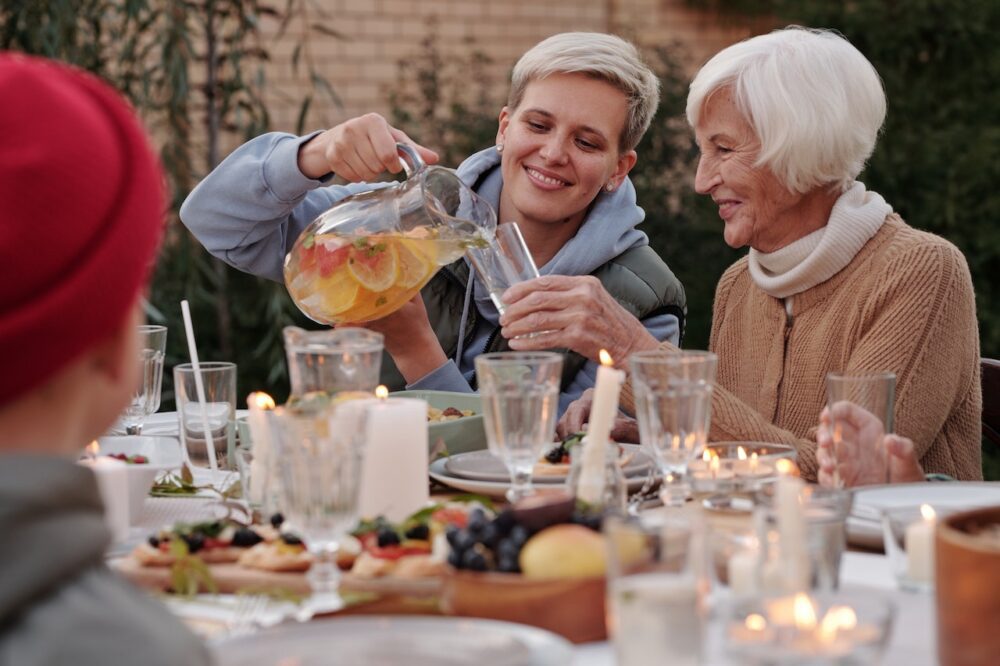
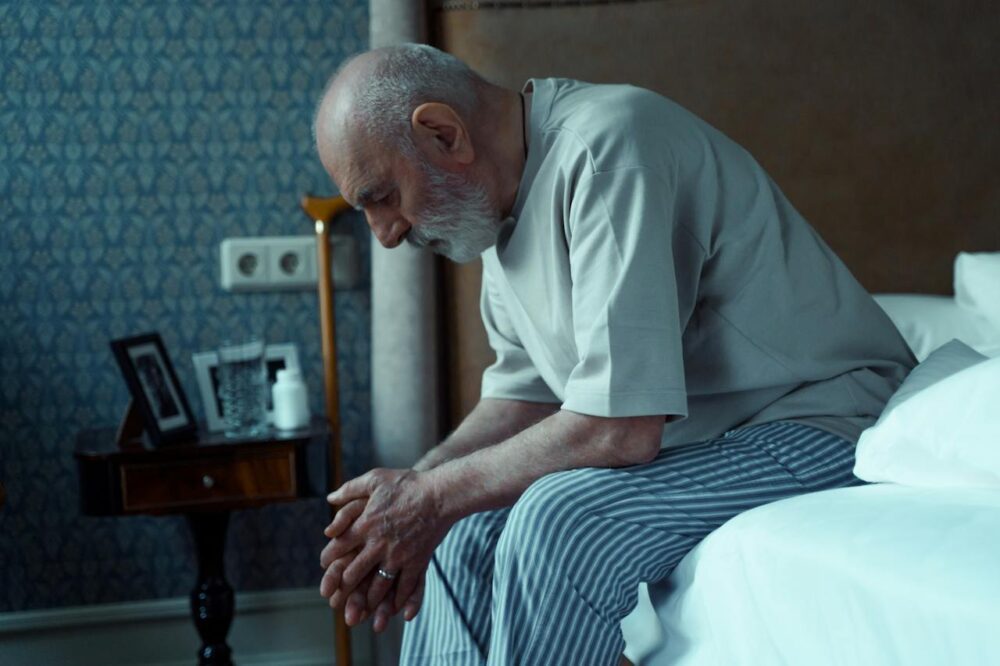
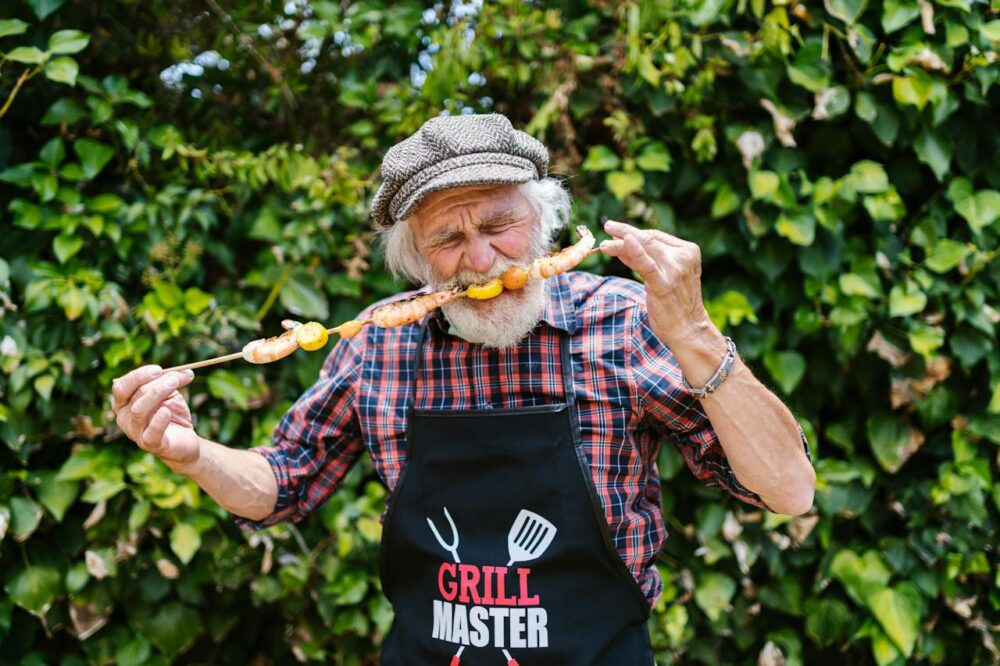
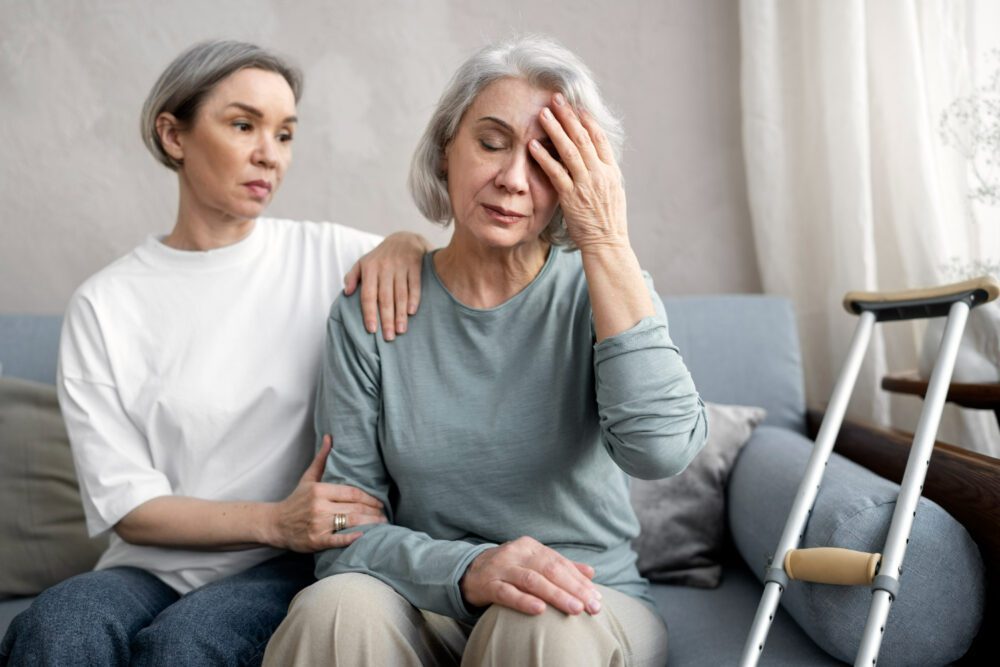
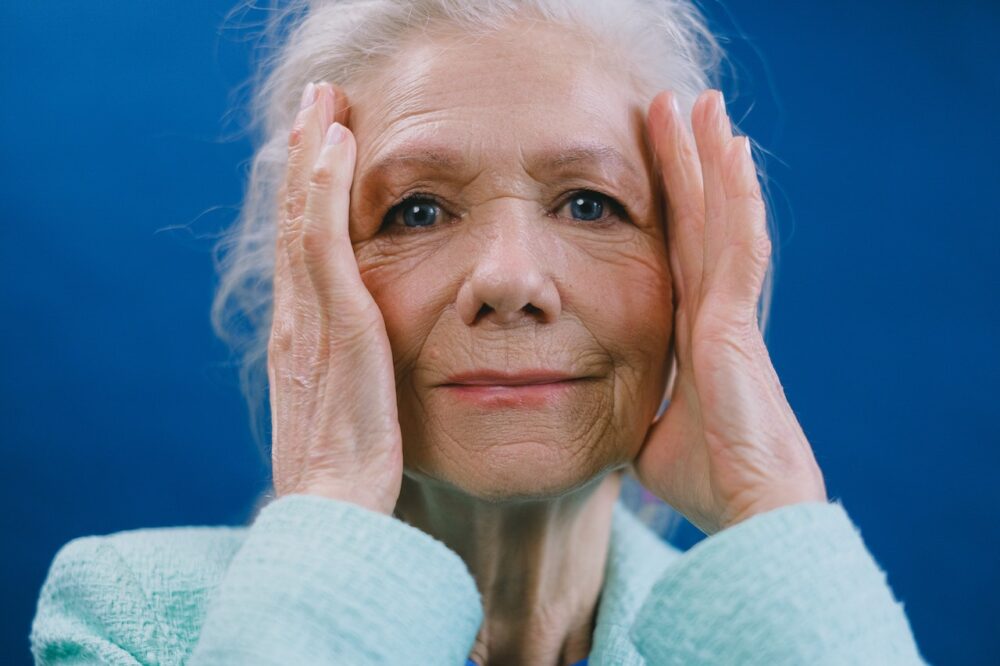
You spend decades dreaming of the day you can finally turn off your morning alarm and leave the daily commute behind. But fast forward to the second month of retirement, and that wide-open calendar can suddenly feel more daunting than liberating. You wake up on a Tuesday with hours of free time and no clear direction. While sitting in a recliner with a good book sounds incredibly relaxing when you are grinding through a stressful career, treating rest as a permanent lifestyle quickly leads to physical stiffness and mental stagnation.
“Don’t simply retire from something; have something to retire to.” — Harry Emerson Fosdick
Healthy aging requires movement, purpose, and social connection. The challenge lies in finding ways to exercise that do not feel like a chore. You do not need to spend two hours a day on a treadmill to maintain your health; instead, you need engaging activities that pull you out of the house, challenge your body, and introduce you to new people. Finding the right retirement hobbies transforms exercise from an obligation into the highlight of your week.
If you are looking to revitalize your routine, here are ten engaging, physically active hobbies perfectly suited for your lifestyle after retirement.
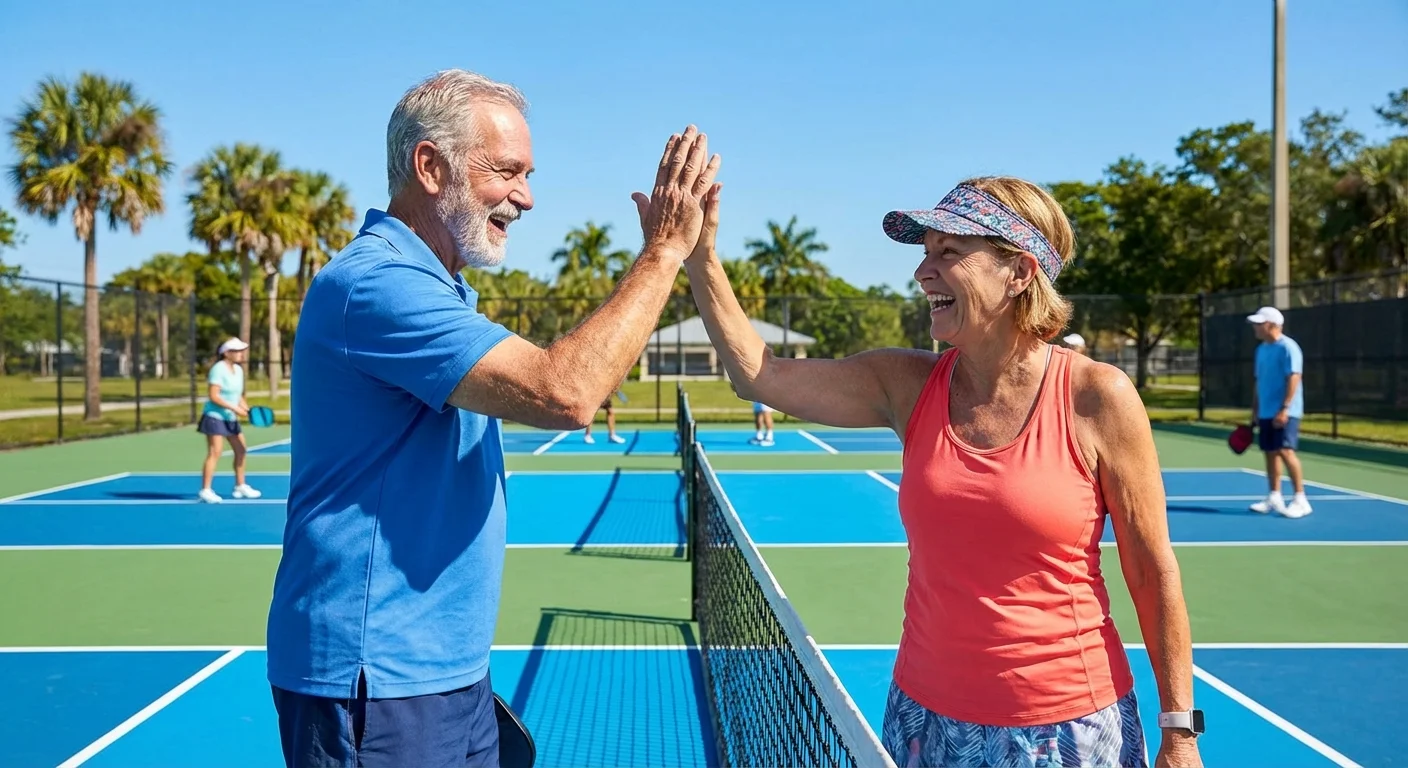
1. Pickleball: The Social Fitness Phenomenon
If you have not yet stepped onto a pickleball court, you are missing out on one of the most accessible and addictive sports available today. Pickleball combines elements of tennis, badminton, and ping-pong on a court roughly one-third the size of a standard tennis court. The smaller playing area means less sprinting and less strain on your knees and hips, making it incredibly popular among active adults.
The true magic of pickleball lies in its culture. It is an inherently social game where laughter is just as common as competitive volleying. Games typically last 15 to 20 minutes; players frequently rotate partners, guaranteeing you will meet a dozen new people in a single morning session. Most community centers and public parks now offer dedicated courts and beginner clinics, allowing you to learn the rules in a low-pressure environment. All you need is a comfortable pair of court shoes and a paddle to get started.
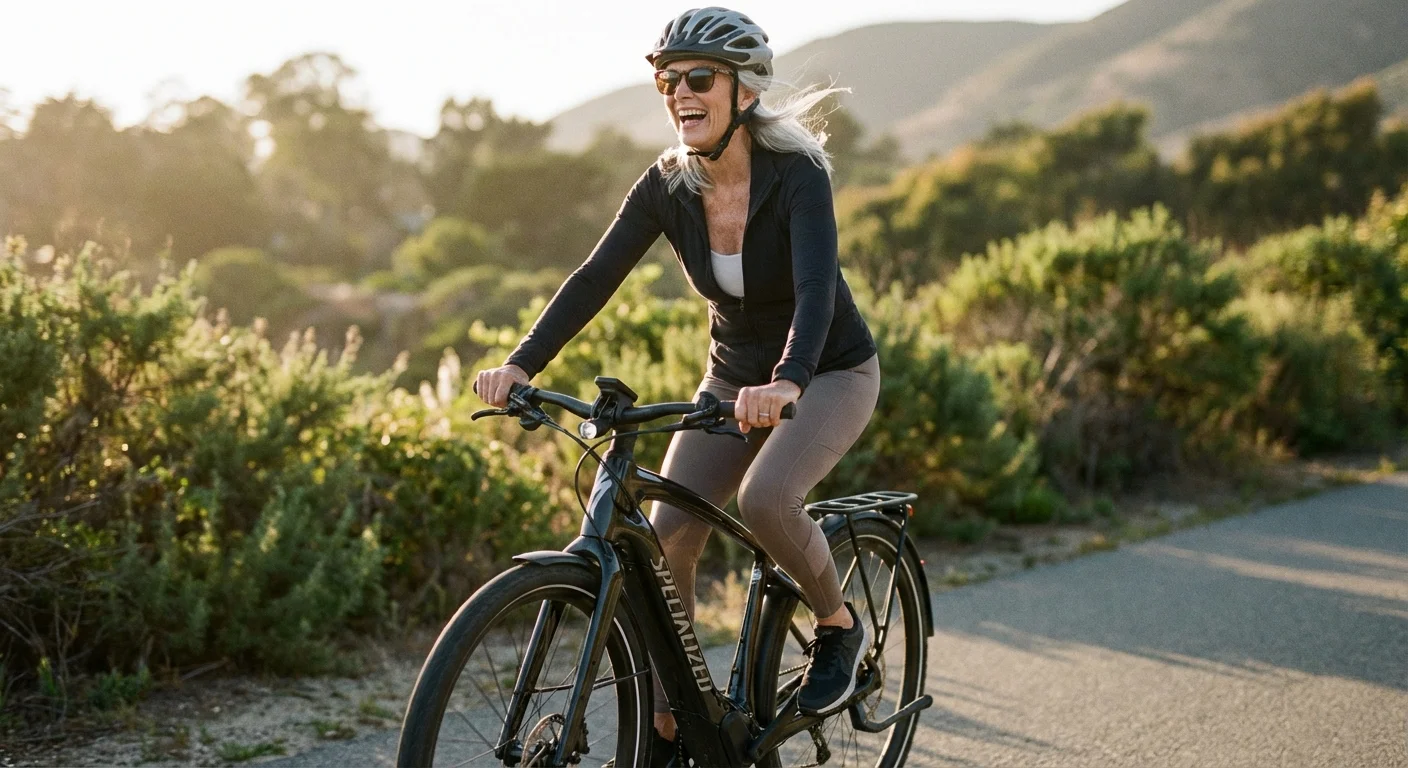
2. Urban Cycling and E-Biking
Riding a bicycle provides excellent cardiovascular exercise without the high-impact joint stress associated with running or jogging. However, tackling steep hills on a traditional bicycle can quickly become exhausting. Enter the electric bike, or e-bike. These bicycles feature a small, battery-powered motor that provides pedal assistance, allowing you to control exactly how much effort you exert.
With an e-bike, a challenging incline feels like a gentle, flat road. You still peddle and elevate your heart rate, but you remove the grueling resistance that often discourages older adults from cycling. Many retirees use e-bikes to run local errands, explore greenways, or join weekend cycling clubs. It opens up your geographic footprint, letting you enjoy the fresh air and sunshine while covering significantly more distance than you could on foot.
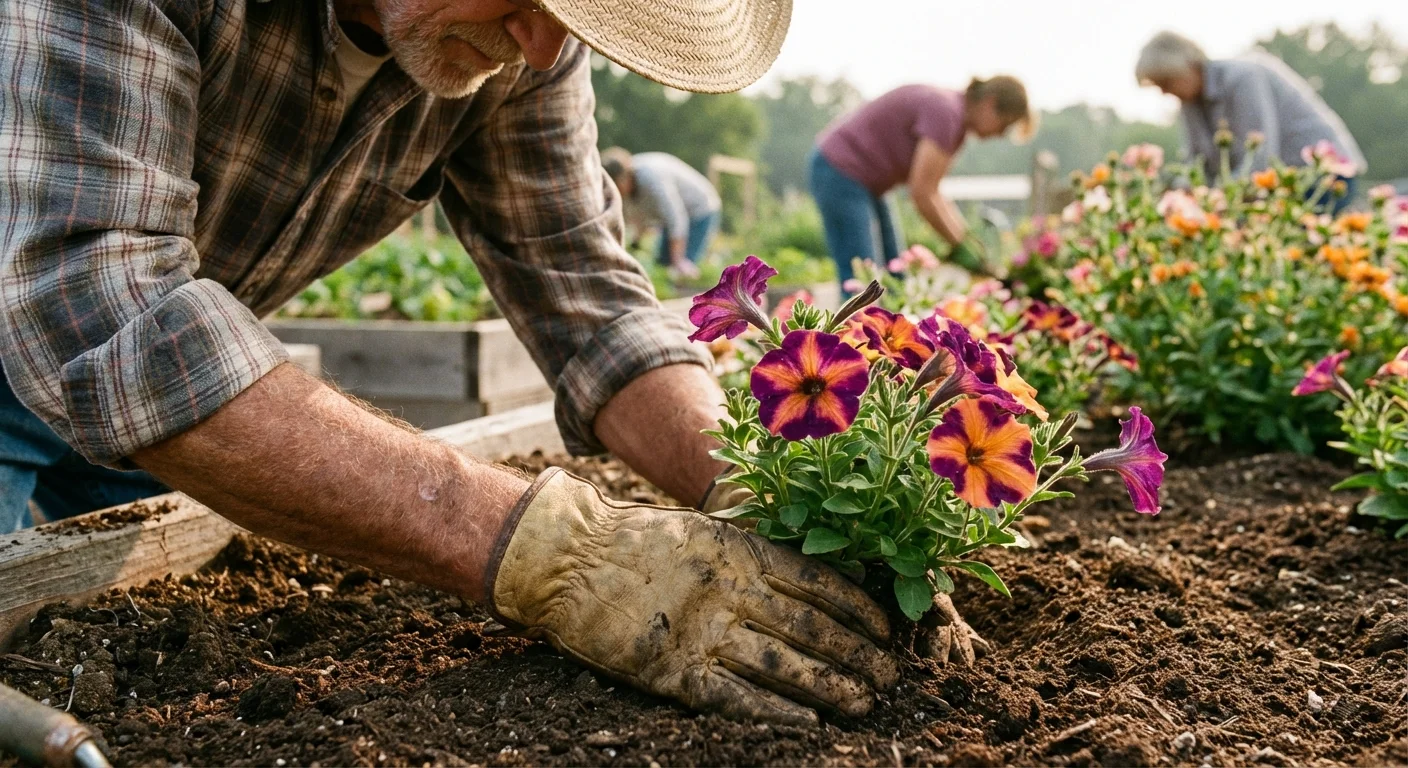
3. Community Gardening and Landscaping
Never underestimate the physical demands—and the deep rewards—of working the earth. Gardening is a full-body workout disguised as a tranquil pastime. Digging, planting, weeding, and carrying bags of soil require squatting, lifting, and stretching. In fact, a dedicated hour of gardening can burn as many calories as a brisk walk.
If you downsized to a condominium or apartment without a yard, look into renting a plot at a local community garden. These spaces offer fertile ground for growing your own organic vegetables while acting as neighborhood hubs where seasoned gardeners swap tips, seeds, and extra produce. Cultivating a garden gives you a compelling reason to step outside every morning, providing a measurable sense of accomplishment as your seedlings grow into a harvest.
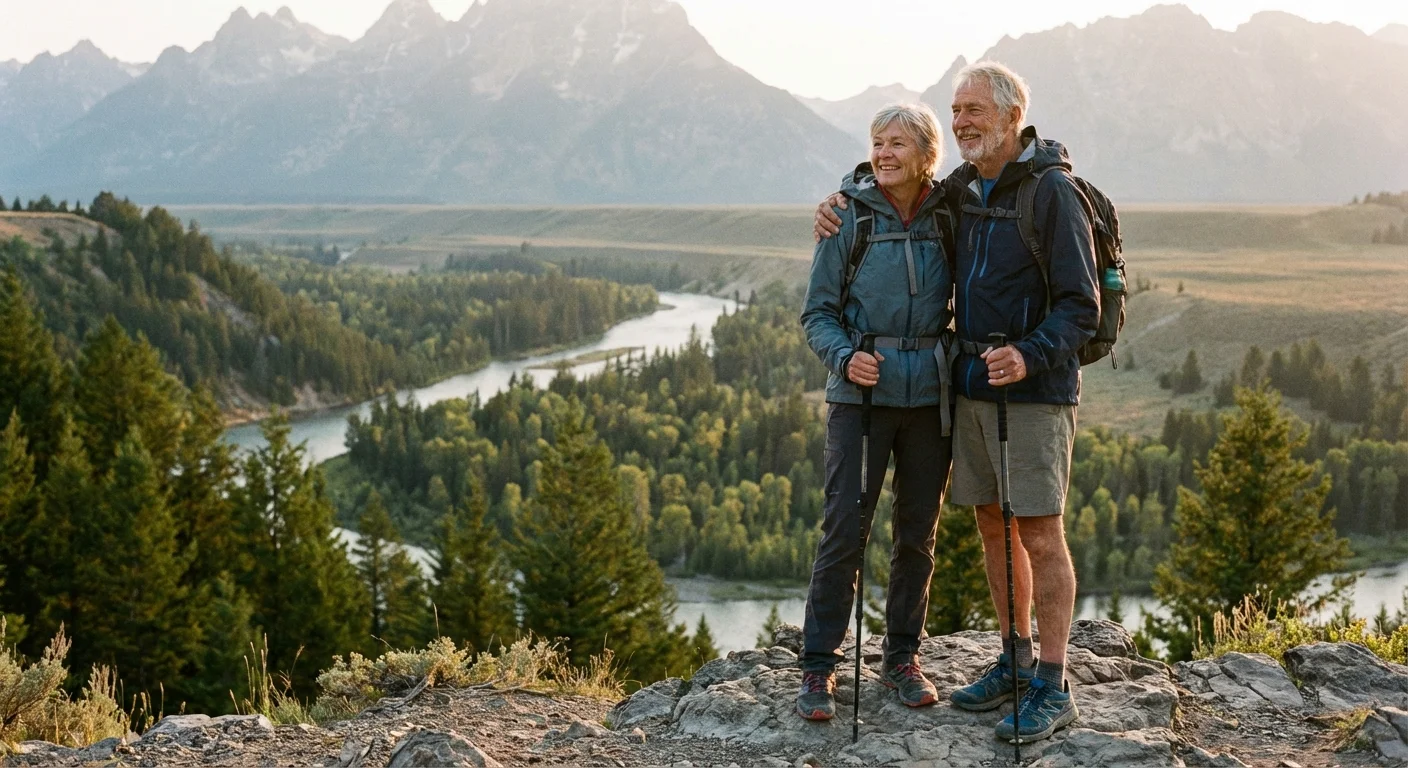
4. Hiking and Trail Walking
Walking around your neighborhood is a solid baseline for fitness, but taking your walks into nature elevates the experience entirely. Hiking on dirt trails provides a softer surface for your joints compared to asphalt or concrete, while the uneven terrain forces your stabilizing muscles to work harder, subtly improving your core strength and overall balance.
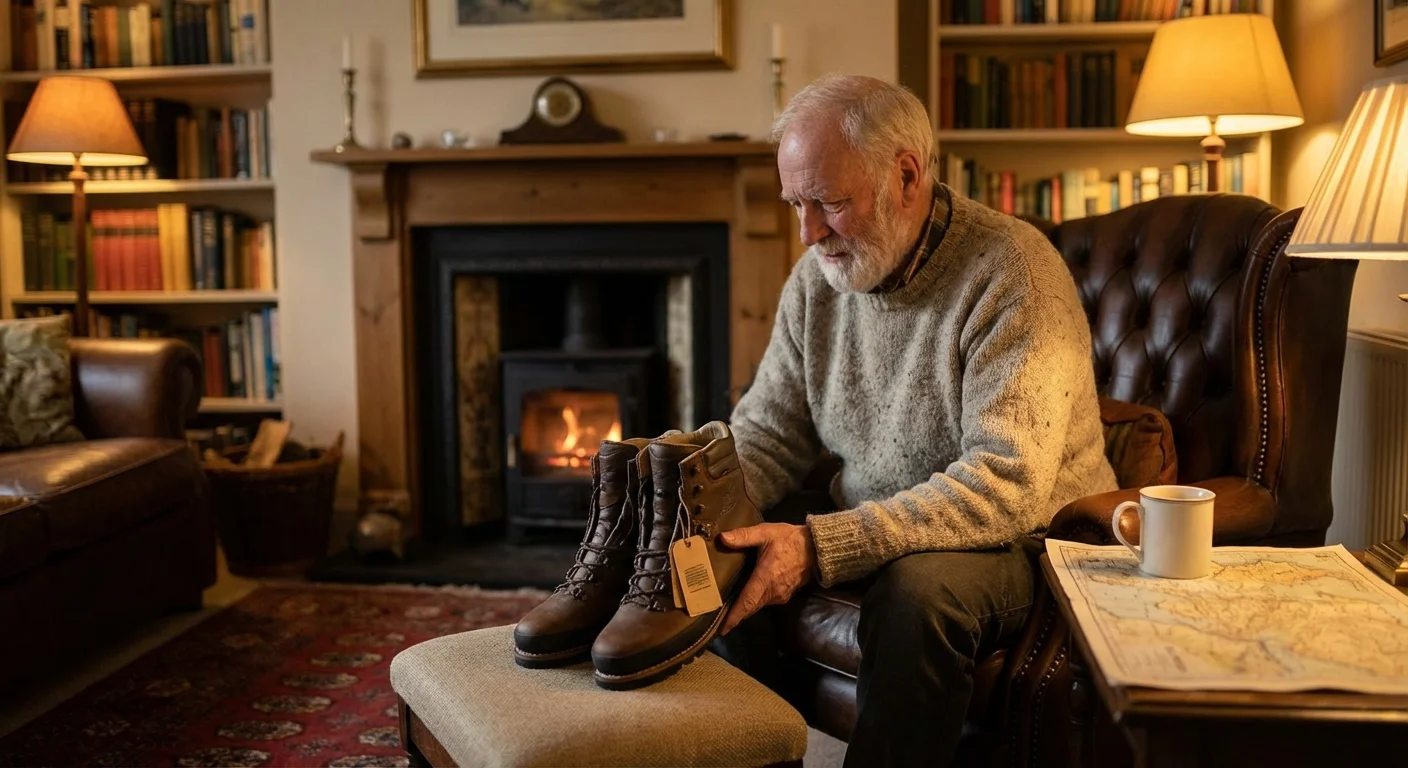
Beyond the physical benefits, immersing yourself in a forest or nature preserve drastically reduces stress and mental fatigue. You do not need to conquer mountains to be a hiker; local state parks typically offer flat, well-maintained trails designated for easy walking. Invest in a sturdy pair of hiking boots with strong ankle support and a pair of trekking poles to provide extra stability on loose gravel.
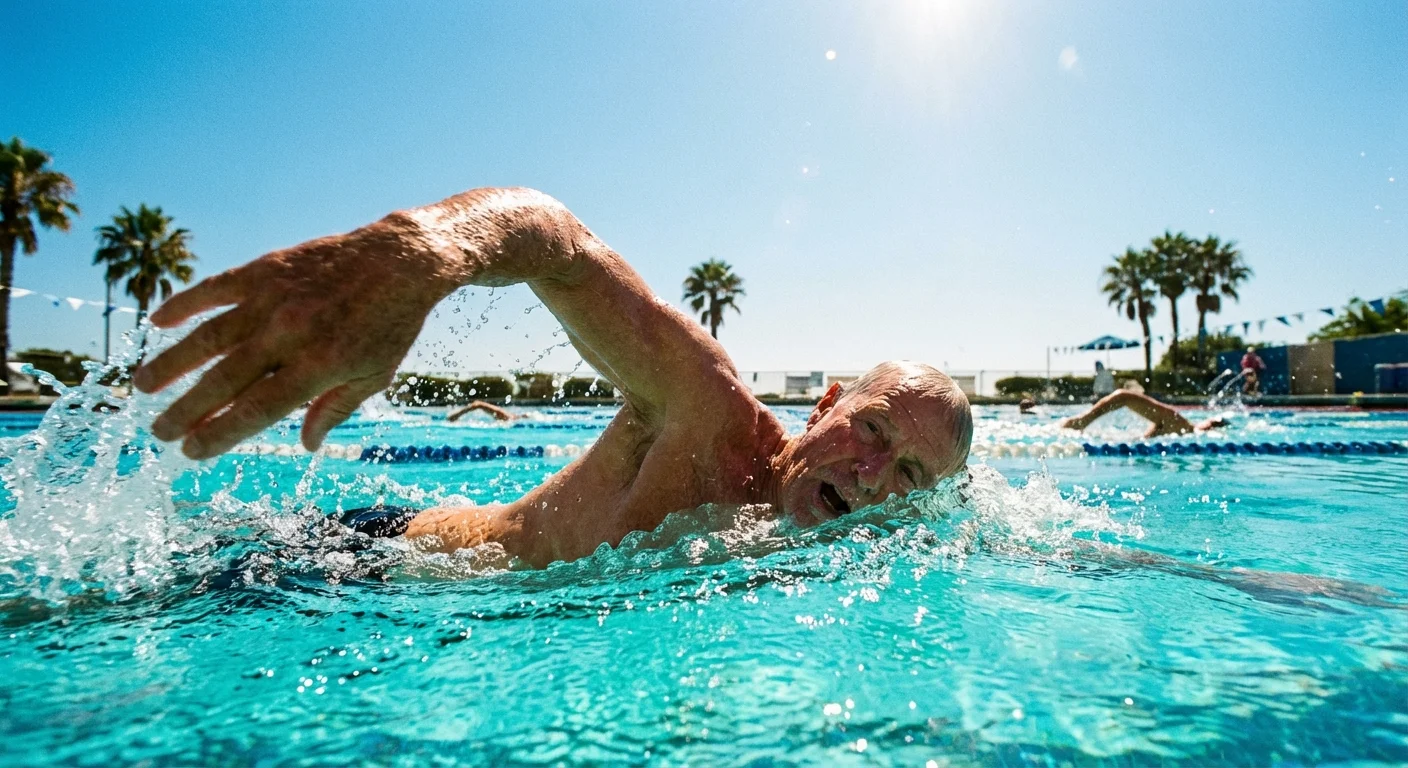
5. Water Aerobics and Lap Swimming
For individuals dealing with arthritis, chronic joint pain, or recovering from surgery, the swimming pool is a sanctuary. Water provides natural buoyancy, supporting your body weight and relieving the gravitational pressure on your spine and knees. Simultaneously, the water creates natural, fluid resistance against every movement you make, allowing you to build muscle strength without the risk of impact injuries.
Many community pools and YMCAs host water aerobics classes specifically tailored to seniors. These group sessions are set to upbeat music and led by instructors who guide you through cardiovascular routines using foam weights and kickboards. It is a refreshing, highly social way to stay fit, particularly during the hot summer months.
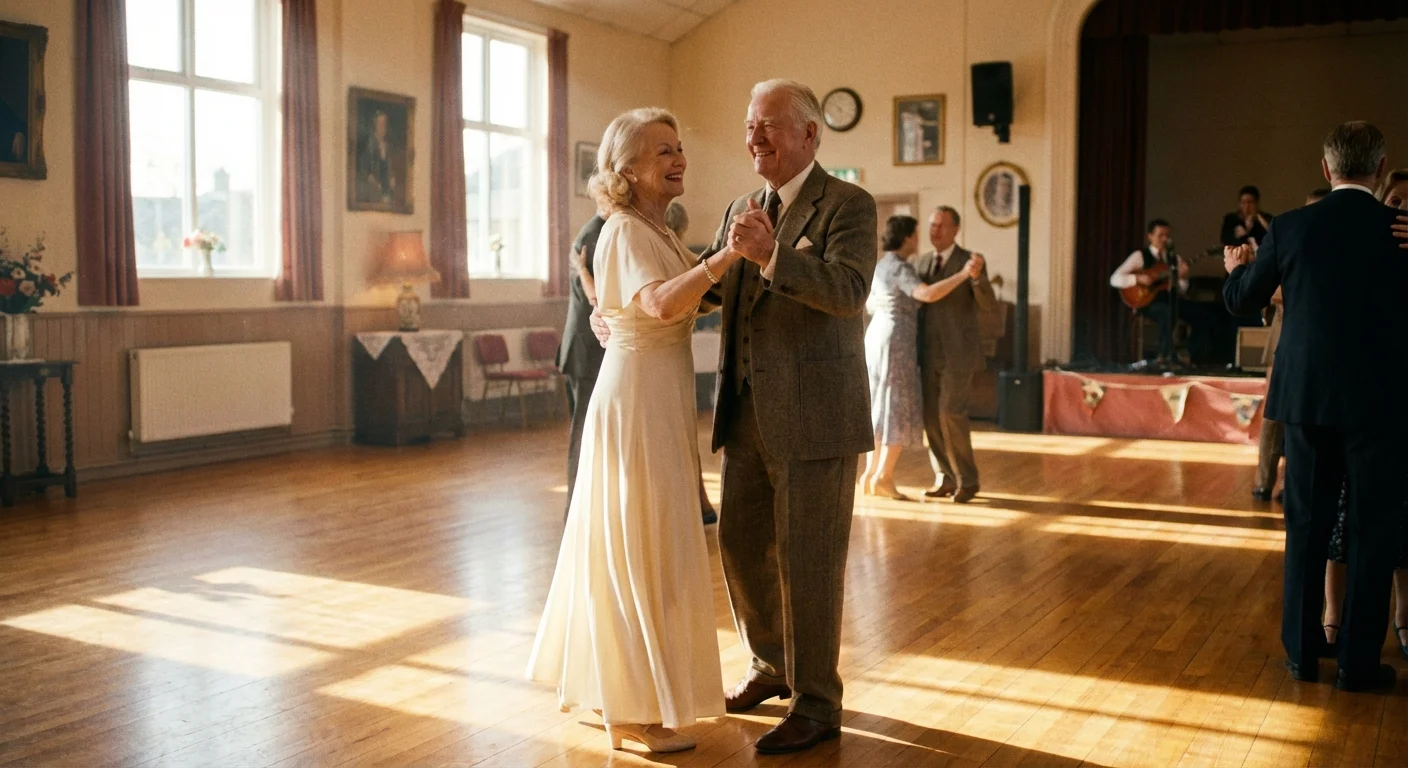
6. Ballroom and Line Dancing
Dancing sits at the perfect intersection of physical exercise, mental stimulation, and pure joy. Whether you choose the structured elegance of ballroom dancing, the rhythmic energy of salsa, or the communal fun of country line dancing, you are engaging in a highly effective cardiovascular workout.
Learning choreography also provides a powerful cognitive boost. Memorizing steps and coordinating your movements to the rhythm of the music builds new neural pathways, which the National Institute on Aging consistently highlights as a crucial element of maintaining brain health. Furthermore, dance classes are deeply interactive; you will find yourself laughing through your missteps and celebrating your progress with new friends.
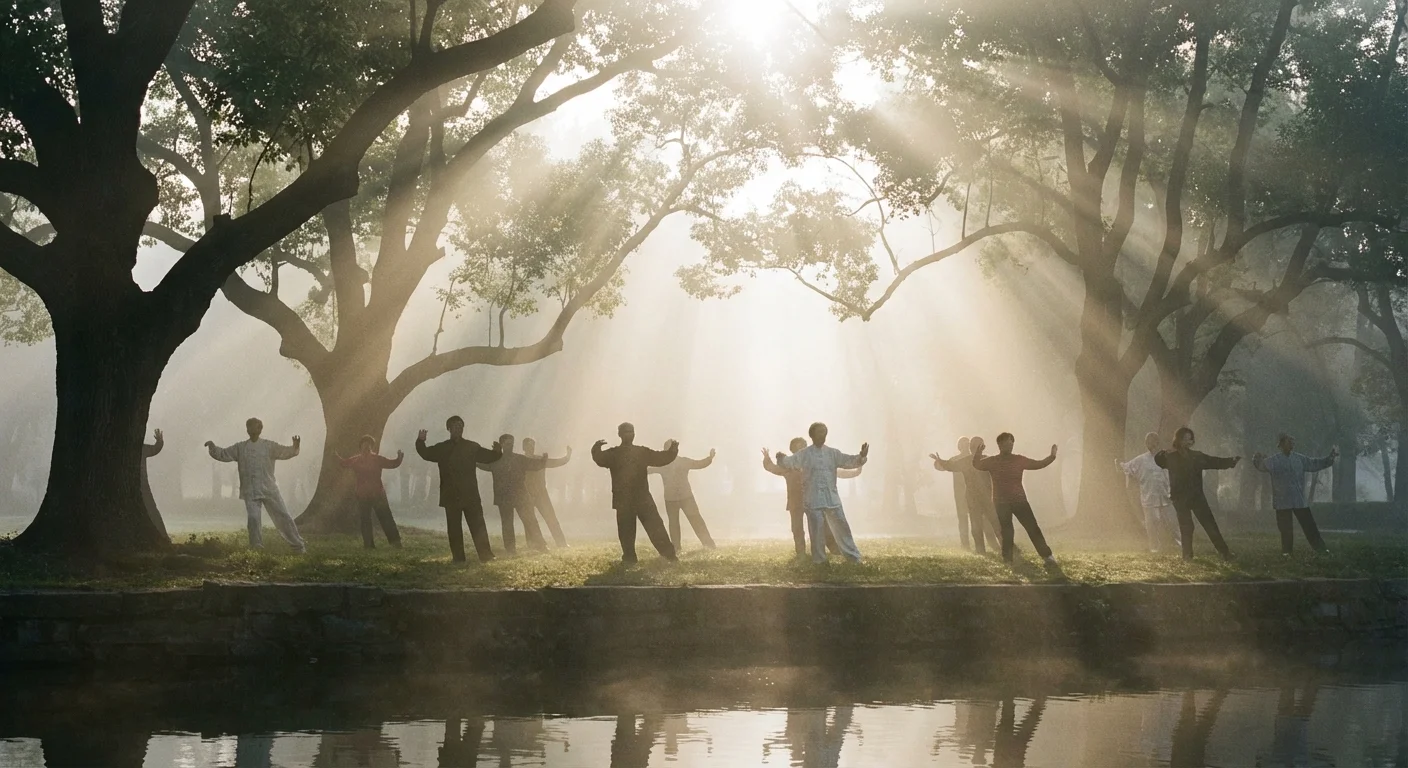
7. Tai Chi and Yoga
Staying active is not always about raising your heart rate; preserving your mobility, flexibility, and balance is equally important. Tai Chi, often described as “meditation in motion,” involves a series of slow, flowing movements and deep breathing exercises. It shifts your weight gently from one leg to the other, making it one of the most effective practices for fall prevention among older adults.
Similarly, yoga stretches tight muscles, strengthens your core, and improves your posture. If getting down on a traditional floor mat sounds intimidating or painful, look for “chair yoga” classes. These adapted sessions allow you to perform modified stretches and poses while safely seated, ensuring that the practice remains accessible regardless of your current physical condition.
8. Active Volunteering
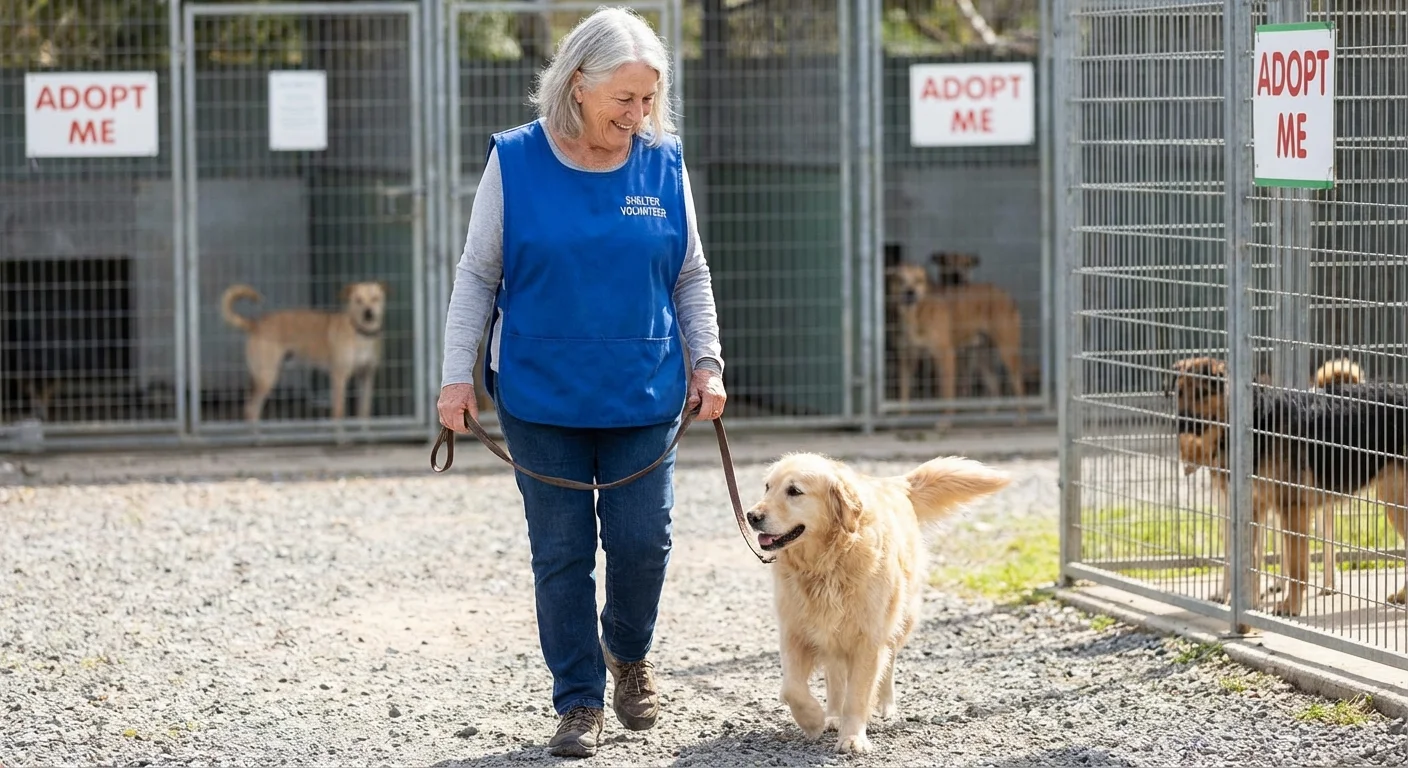
If traditional hobbies do not spark your interest, consider channeling your energy into active volunteering. Many charitable organizations desperately need volunteers willing to engage in physical tasks. Organizations like Habitat for Humanity offer opportunities to paint, build, and landscape. Local animal shelters constantly need volunteers to walk energetic rescue dogs.
You can also look into becoming a docent at a large museum or a volunteer guide at a botanical garden, which requires walking for several hours while engaging with the public. Finding purposeful work that keeps you moving offers a profound emotional return on your time. You can use resources like the AARP volunteer matching tools to find local organizations that need your specific skills and energy.
9. Birdwatching and Nature Photography
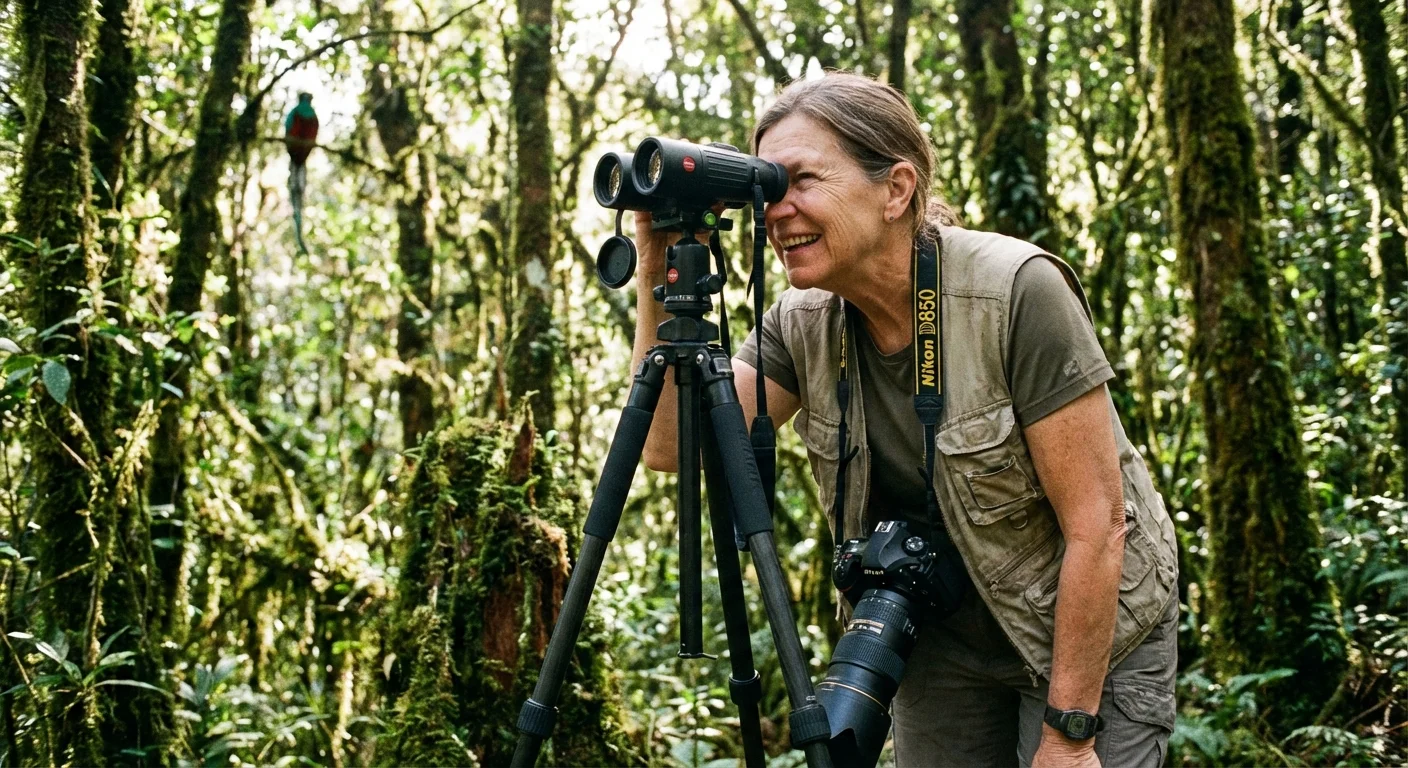
At first glance, birdwatching might seem like a passive activity, but dedicated birders routinely walk miles through varied terrain to spot rare species. When you combine birdwatching with nature photography, you create a hobby that requires stealth, patience, and significant physical endurance.
Carrying a camera, a telephoto lens, and a pair of binoculars adds weight to your hike, subtly turning a casual walk into a resistance workout. The thrill of the hunt—tracking a specific bird call through a dense wooded area or waiting for the perfect lighting to capture a landscape—makes the miles fly by. You will be so focused on your subject that you will likely exceed your daily step count without even realizing it.
10. Geocaching: A Modern Treasure Hunt
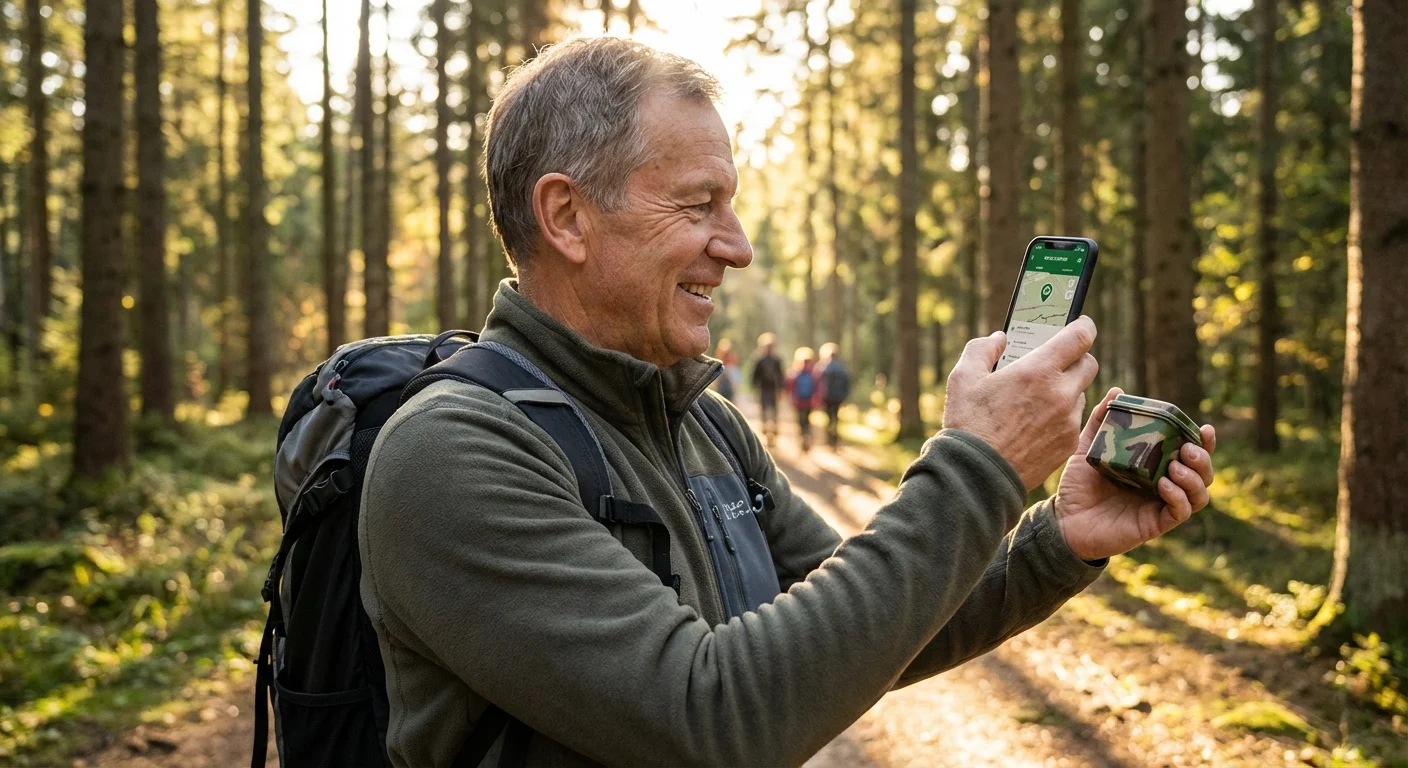
If you struggle to find the motivation to walk aimlessly, geocaching provides the perfect external incentive. Geocaching is a real-world, outdoor treasure hunting game. Participants use a GPS receiver or a smartphone app to navigate to a specific set of coordinates and attempt to find a hidden container, known as a geocache.
These caches are hidden everywhere—from urban park benches to deep wilderness trails. The containers usually hold a logbook for you to sign and sometimes small trinkets to trade. Geocaching forces you to explore new neighborhoods, parks, and trails you would otherwise never visit. It is an adventurous, brain-teasing hobby that seamlessly integrates technology with outdoor exploration, and it is a fantastic activity to share with young grandchildren when they come to visit.
Comparing Your Active Hobby Options
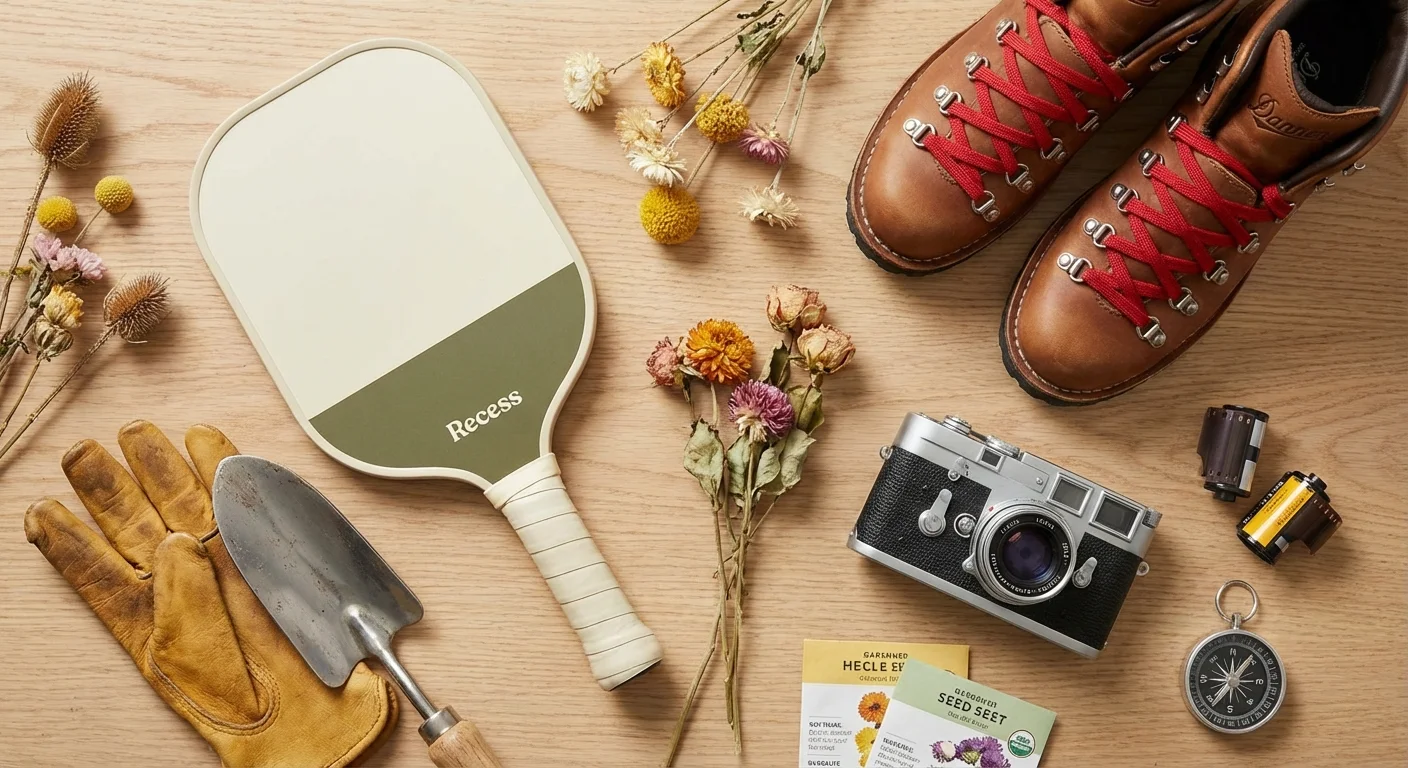
Selecting the right hobby depends on your current fitness level, your budget, and how much social interaction you desire. Use this quick comparison to find your ideal match:
| Hobby | Physical Intensity | Initial Startup Cost | Social Factor |
|---|---|---|---|
| Pickleball | Moderate to High | Low ($50-$100) | Extremely High |
| E-Biking | Moderate | High ($1,000+) | Medium |
| Gardening | Moderate | Low to Medium | Medium (if community garden) |
| Hiking | Moderate to High | Medium ($100-$200) | Low to Medium |
| Water Aerobics | Low Impact / Moderate Effort | Low (Pool Membership) | High |
| Dancing | Moderate | Medium (Class Fees) | Extremely High |
| Tai Chi / Yoga | Low Impact | Low | Medium |
| Active Volunteering | Varies Widely | Free | High |
| Birdwatching | Low to Moderate | Medium (Binoculars/Camera) | Low |
| Geocaching | Low to Moderate | Free (Uses Smartphone) | Low (Great for solo/couples) |
Costly Mistakes to Avoid When Starting New Hobbies
Diving into a new activity is exciting, but enthusiasm can sometimes lead to poor decisions that result in injury or wasted money. Keep these principles in mind as you explore new interests.
- Overspending Before Committing: It is tempting to buy the top-of-the-line electric bicycle or the professional-grade camera lens on day one. Resist this urge. Rent equipment, borrow from friends, or buy entry-level used gear until you are absolutely certain the hobby will become a permanent part of your routine.
- Ignoring Your Body’s Limits: Muscle soreness after a new workout is normal; sharp joint pain is not. Many active seniors push themselves too hard in their first few weeks of a new sport, leading to repetitive strain injuries. Start slowly, properly warm up before any activity, and give your body adequate rest days to recover.
- Committing to Expensive Long-Term Contracts: Before signing a one-year contract at a boutique yoga studio or an upscale country club, ask for a trial week or pay drop-in rates. You need to ensure the class schedule aligns with your routine and that you genuinely enjoy the facility’s atmosphere. You can often find affordable, contract-free classes through your local Eldercare Locator or municipal community center.
Frequently Asked Questions About Retirement Hobbies
How many hours a day should a retired person stay active?
The National Council on Aging and the CDC generally recommend that older adults aim for at least 150 minutes of moderate-intensity aerobic activity per week, plus muscle-strengthening activities on two or more days a week. Breaking this down, aiming for 30 to 45 minutes of dedicated physical activity most days of the week is an excellent target.
What are the best hobbies for seniors with bad knees?
If you suffer from knee pain or osteoarthritis, avoid high-impact sports involving running or jumping. Water aerobics, swimming, e-biking, and chair yoga are exceptional choices. The buoyancy of water and the mechanical assistance of an e-bike allow you to build cardiovascular health without grinding your joints.
How can I find local hobby groups for retirees?
Start by checking your city’s parks and recreation department catalog, which usually lists seasonal classes. Public libraries often host walking clubs or gardening seminars. Additionally, search online platforms like Meetup.com, or check the community bulletin boards at your local YMCA or senior center.
Is it too late to start a brand new sport at age 70?
Absolutely not. While you may need to start slowly and consult your physician before beginning a rigorous routine, your body remains highly adaptable. Many individuals pick up pickleball, cycling, or swimming well into their seventies and rapidly improve their baseline fitness and stamina.
The transition into retirement is an opportunity to reinvent your daily routine. Do not let the lack of a work schedule trick you into a sedentary lifestyle. Pick one of the hobbies from this list that sparks your curiosity, gather the basic gear, and commit to trying it for at least four weeks. You might just discover a new passion that keeps you energized, healthy, and deeply connected to your community for decades to come.
While managing your physical health is crucial, so is managing your financial health. Retirement rules and benefit amounts vary based on individual work history, income, and circumstances. This article provides general guidance only. Consult a SHIP counselor, financial advisor, or elder law attorney for advice specific to your situation.
Last updated: February 2026. Medicare and Social Security rules change annually—always verify current details at official government sources.