Which are the best plants for seniors?Seniors may benefit from gardening. Beautiful houseplants may add natural beauty to your home whether you’re an experienced gardener or looking for a new pastime.
Imagine the Spider Plant, with its arching green and white leaves and adorable “spiderettes,” in your room. The Peace Lily, or Spathiphyllum, is a stunning air purifier with dark green foliage and exquisite white blossoms.
Snake Plant (Sansevieria trifasciata) is a remarkable option for tough gardeners. Its sword-shaped leaves need little upkeep. Pothos (Epipremnum aureum) is also simple to maintain for. The Devil’s Ivy’s heart-shaped leaves are loved.
Aloe Vera (Aloe barbadensis miller) follows. It’s a therapeutic herb and home cure. Succulent nature is a benefit. The glossy green leaves of the Jade Plant (Crassula ovata) resemble a small tree and provide an exotic touch to your decor.
The ZZ Plant, or Zamioculcas zamiifolia, is deceptively easy. Dark green, glossy foliage make this plant hardy. Another hardy plant, English Ivy (Hedera helix), purifies the air elegantly.
Finally, the Schlumbergera bridgessii Christmas Cactus adds color to your house. Its hanging limbs and bright blossoms make it a winter delight.
In this post, we’ll explain each plant’s appearance, maintenance, distinctive traits, and even a little how-to. These low-maintenance plants make gardening fun for everyone!
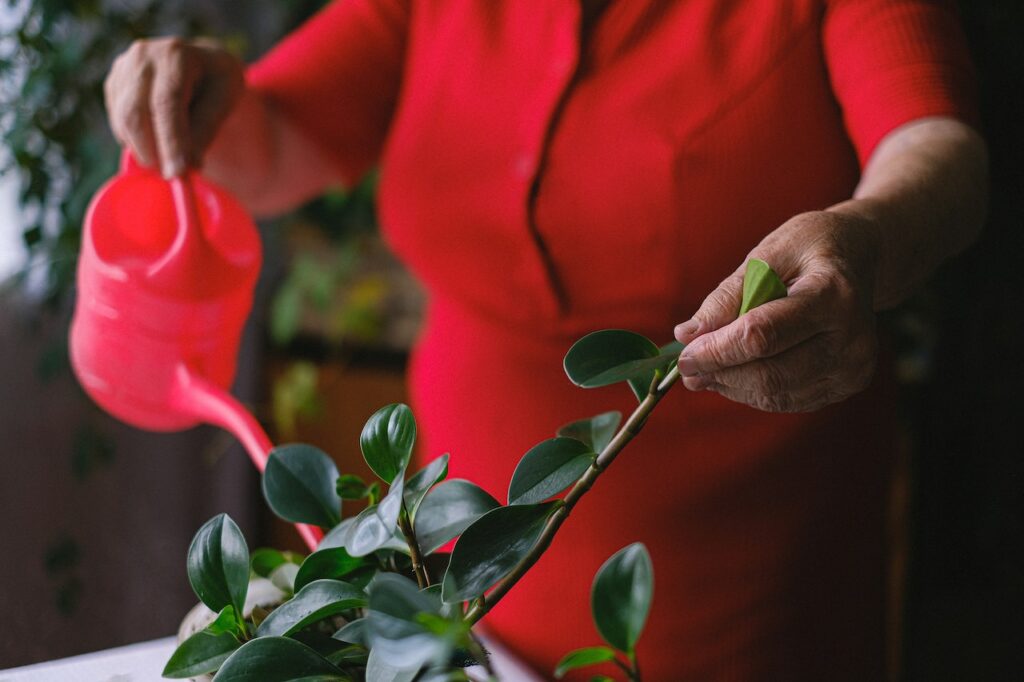
Spiderplant (Chlorophytum comosum)
The Spider Plant’s long, arching leaves are a natural wonder. This plant’s “spiderettes,” which hang from the parent plant like spiders on a web, are its real beauty. Spiderettes begin as little white blossoms on old plants and develop into copies of the parent.
Spider Plants need little care. The plant thrives in semi-shady situations but loves bright, indirect light. Water moderately, once a week in hot months and less often in winter months, letting the soil dry out between waterings. Overwatering causes root rot.
Spider Plants’ air-purifying abilities are unique. NASA’s top air-purifying plants can remove formaldehyde and xylene from your indoor air. The best part? Growing this plant is no rocket science!
Simply start by taking a spiderette from the mother plant and planting it in a well-draining container. Provide indirect sunshine and water sparingly until new growth appears. You may continue frequent maintenance as it grows. You’ll soon have a Spider Plant ready to generate spiderettes!
Peace Lily (Spathiphyllum)
The Peace Lily, a floral beauty, has emerald-green leaves that radiate outward, revealing its primary feature. The plant’s pièce de résistance is a beautiful white, sail-shaped spathe that ‘blooms’ to show the delicate spadix, filled with tiny flowers. The Peace Lily blooms like a dance in your living room.
This beauty needs little care. It thrives in low to medium light and produces more blossoms with a touch of bright, indirect sunshine. It likes watering the soil but hates water-logged roots. It thrives on monthly balanced, water-soluble fertilizer in spring and summer.
The Peace Lily’s hidden superpower is defending clean air. This plant absorbs and degrades benzene, formaldehyde, and carbon monoxide as an air cleanser. It discreetly fights these unseen intruders, keeping your house healthy (and beautiful, of course).
If you’re a beginner, hear me out on this: growing a Peace Lily starts with a healthy plant or division. This new find requires a container larger than its root ball and a well-draining soil mix. Feed and hydrate your Peace Lily.
Snakeplant (Sansevieria trifasciata)
With its pointed leaves reaching toward the sky, the Snake Plant is stunning. Deep green leaves with a silver sheen and a golden framing resemble reptile scales. It’s a minimalist’s dream and nature’s beauty.
This tough plant can survive everything. It tolerates poor light and forgetful waterers. Snake Plants love dry soil, although they’ll drink sometimes. When in doubt, wait. Overwatering kills this stoic plant.
Snake Plant magic happens in the dark. Surprisingly, this plant releases oxygen at night. It also fights formaldehyde and benzene to improve your sleep.
The Snake Plant growth is so easy and gratifying that anybody can do it, trust me. Start by planting a leaf clipping or rhizome from an established plant in well-draining low to moderate light soil.
Pothos (Epipremnum aureum)
Nature’s masterpiece is Devil’s Ivy, or Pothos. Imagine heart-shaped leaves falling from a hanging basket or gracefully climbing a trellis, filling the space with vivid green, yellow, or white streaks. Each leaf is beautifully veined. Slender, flexible, and entangled with clusters of root nodes, its stems are a marvel.
Pothos’ luxuriant foliage evokes a lush, tropical jungle. This plant’s flexibility and persistence are its genuine beauty. It can survive gloomy nooks and intense indirect sunshine. It can handle artificial light, making it perfect for offices.
It needs flexible watering. When its soil is dry, the Pothos likes a drink but hates water-logged roots. The plant needs well-draining soil and diluted, balanced liquid fertilizer throughout the growing season for best development and variegation.
Pothos improves indoor air quality and looks good. The plant removes benzene, formaldehyde, and xylene from the air, making it famous.
Pothos growing is fun and simple. Snip a 4-6 inch stem cutting with 2-3 leaves and two root nodes to propagate. Plant this cutting in a container of well-draining peat moss soil. Place it in a bright spot, water moderately, and watch your new Pothos grow. This modest ivy will improve your home’s appearance and health, making it a great houseplant.
Aloe vera (barbadensis miller)
Aloe Vera is a unique succulent. Its thick, lance-shaped leaves form a rosette, creating a striking appearance. Each leaf has a thick gel full of helpful chemicals. The leaves are serrated with microscopic teeth, giving the plant a primeval look. The lovely grey-green tint, often with white specks, evokes a tenacious desert inhabitant.
Aloe Vera is hardy and useful. It prefers bright, indirect light but may tolerate low light. Desert plants like dry, sandy soil. Avoid overwatering Aloe Vera. Aloe Vera should be watered thoroughly when the soil has dried up.
Aloe Vera is a plant-based pharmaceutical. Its gel soothes burns, wounds, and skin irritations. Benzene and formaldehyde removal makes it a pleasant addition to any interior atmosphere.
Growing Aloe Vera is simple and rewarding. Propagation requires plucking offshoots or “pups” from the mature plant’s base. After removal, let the pup dry out to produce a callus. Plant it in a well-drained succulent or cactus soil mix in a container. Aloe Vera needs indirect sunshine and little water. You’ll have a live first aid kit as it develops.
Jade Plant – (Crassula ovata)
The Jade Plant is stunning and resilient. It has strong, woody stalks. These stems produce large, round, glossy leaves. Variegated versions have creamy golden streaks on jade green leaves. Leaf margins flush crimson under bright sunshine. The plant’s tiny star-shaped blooms, blushing pink or bright white, contrast well with its sturdy, dark green foliage during winter flowering.
Jade Plants are hardy and adaptable. This succulent is adapted to rocky, dry South Africa. It prefers bright light but may survive semi-shade. It enjoys room temperature but can survive 50°F (10°C). Jade Plants like minimal irrigation. Once the soil is dry, a deep sip replicates its natural rainfall, and a well-draining cactus or succulent mix prevents soggy roots.
The Jade Plant isn’t simply pretty. It’s known as the “Money Plant” and “Lucky Plant” for attracting fortune. This and its air-filtering capacity to remove toluene and acetone make it popular as a décor and health enhancer.
Growing a Jade Plant requires dedication to personal development. Propagation needs a healthy leaf or stem cutting. After drying, place the cutting in a succulent-friendly, well-draining soil mix. With gentle and infrequent watering, the cutting will root and grow leaves over the next several weeks. Each leaf and branch of the Jade Plant offers a narrative of survival and success, bringing the timeless beauty and power of nature into your home.
ZZ Plant – (Zamioculcas zamiifolia)
The ZZ Plant, a living artwork that brings the tropics within, is a captivating combination of architectural elegance and powerful durability. Its distinctive structure draws attention. The robust, erect stems have lustrous, dark green leaflets that resemble exotic bird feathers. The plant’s petioles store water and enhance its drought resistance. The ZZ Plant is named for its glossy, zigzag-aligned leaflets.
Tuberous rhizomes store water and nutrients underground. They enhance drought resilience to the ZZ Plant, complementing the water-storing petioles above ground. The plant’s foliage is a stunning deep green, glossy, and waxy enough to seem fake.
The ZZ Plant is valued for its forgiveness and beauty. This adaptive plant may survive in shaded nooks to highly lighted spaces with indirect light. Due to its drought-defense system of petioles and rhizomes, it only needs a thorough soak when the top half of the soil is dry.
The ZZ Plant is notable for its aesthetics, minimal maintenance, and environmental advantages. It purifies the air by eliminating contaminants, including xylene, toluene, and benzene discreetly.
ZZ Plant propagation takes time but pays off. Leaf cuttings are easiest; however, division or rhizomes work too. Given sunshine and sporadic watering, a leaflet planted in well-draining soil will grow roots and become a new plant. The ZZ Plant symbolizes resilience and persistence, adding beauty and tranquillity to your home.
Hedera helix—English Ivy
English Ivy, a houseplant staple, is charming and versatile. This evergreen vine is prized for its rich foliage of delicate, pointed leaves with glossy, deep green surfaces and noticeable white or yellow-green veins. The variety determines the leaf size, color, and pattern. Some leaves are green, while others have creamy white or yellow variegation, strikingly contrasting.
English Ivy’s beautiful cascade is its charm. Its long, trailing stems with leaves resemble a green cascade on shelves, hanging baskets, and trellises. Due to its growth patterns, English Ivy may be used as an accent or a living curtain. This gorgeous plant thrives inside despite its fragile look. It prefers indirect light but can withstand low light. It likes damp but not soaked soil. Water when the top inch of soil seems dry.
English Ivy is more than just pretty. NASA research shows it absorbs indoor contaminants, including formaldehyde, benzene, and trichloroethylene. English Ivy is poisonous, keeping dogs and children away from it.
How to start: stem cuttings in water or soil proliferate readily. Under proper light and water conditions, the cuttings will root and grow into a new plant within weeks. English Ivy adds beauty, adaptability, and natural air purification to your interior environment as it grows.
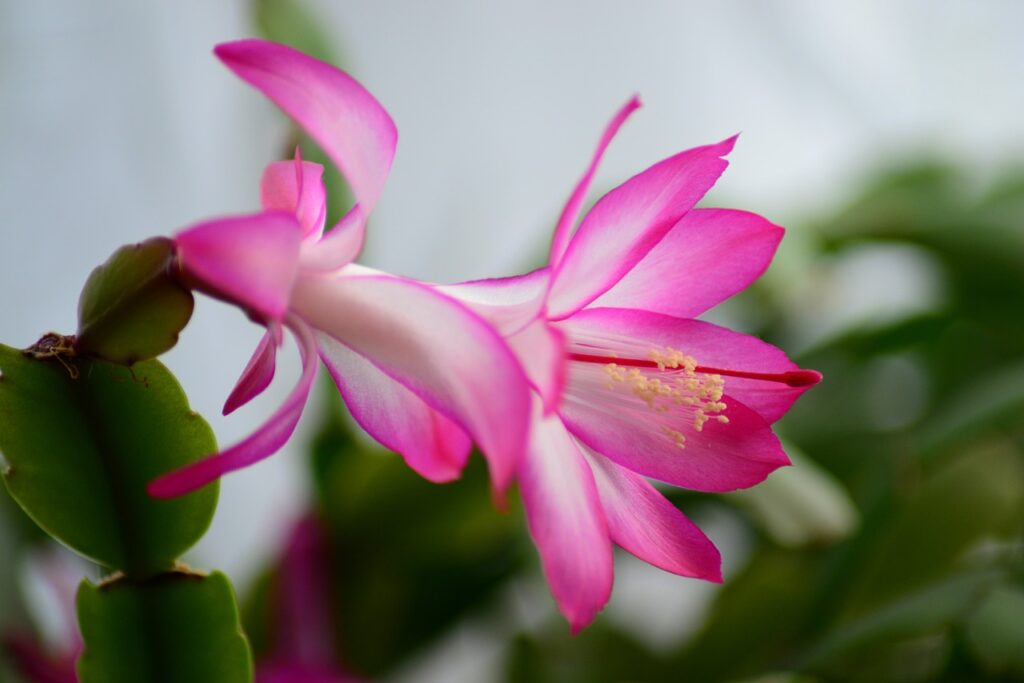
Christmas Cactus (Schlumbergera bridgessii)
The Christmas Cactus is a botanical spectacle with its beautiful, pendulous blooms. In Brazil’s cloud forests, epiphytes like this cactus grow atop trees. Unlike cacti’s spikes, its flattened, green, segmented pads are soft and malleable. When the plant is hanging or on a shelf, these pieces tumble downhill, giving a beautiful waterfall effect.
Christmas Cactus blossoms showcase its genuine beauty perfectly. The plant’s tubular blooms bloom from November to January. These silken blooms, which range from vivid reds and fuchsia to pure white, sparkle against the plant’s rich green leaves.
Christmas Cactus is low-maintenance despite its exotic roots and striking look. It prefers indirect light and early sun. Filtered light prevents burnt leaves. It needs more humidity and water than desert cactus. Avoid root rot by letting the top inch of soil dry between waterings.
In some cultures, this plant symbolizes holiday happiness and beauty. Its blooming cycle coincides with Christmas, providing color and life to the inside when the outside is generally dreary.
Christmas Cactus propagation is easy and gratifying. After drying for a day or two, a stem segment may be planted in well-draining soil to root and grow into a new plant. As fresh parts develop and anticipation rises for the first spectacular bloom, it’s fun to watch. The Christmas Cactus‘ stunning flowers and simple maintenance show nature’s beauty even in winter.
I hope this post inspired you to try out something new and enjoy life through nature! If plants still aren’t your thing, no worries – I’ve got you covered. My in-depth guide on Summer Activities: 7 Best Things Seniors Can Do in the US covers some of the most fun, engaging things you can do in retirement so check it out!