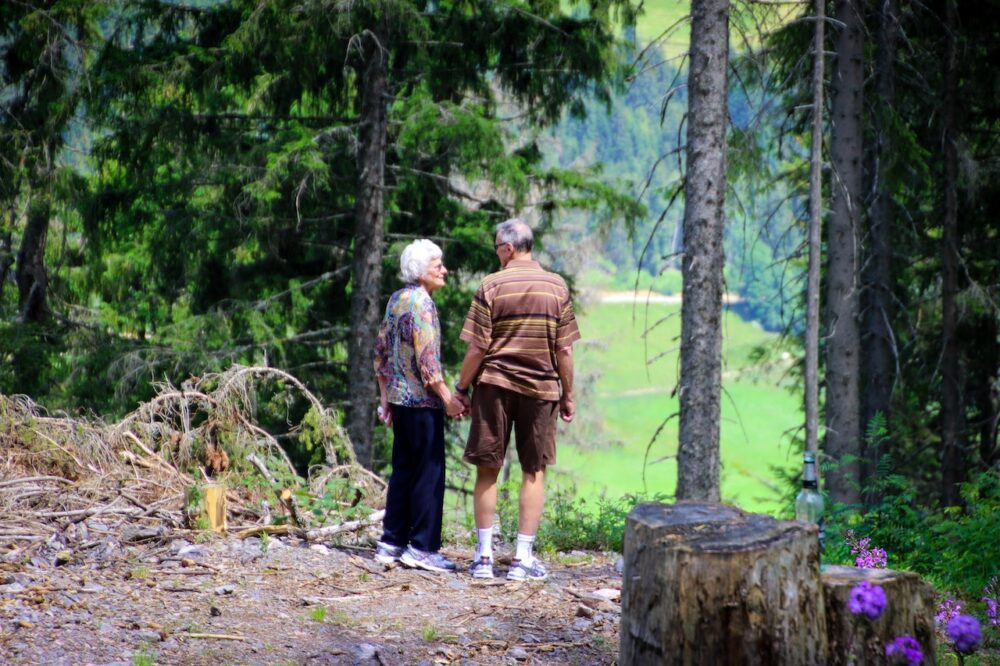
I envisaged retirement as a tranquil time, enjoying the city conveniences I had become used to for decades. The noises of traffic, the sparkling cityscape, and the comfort of having everything within reach filled my life in the city center. The neighborhood, my habits, and my favorite coffee shop were familiar to me. I longed for something different in retirement, something city life couldn’t provide.
Moving to a farm wasn’t a snap choice. After many tiny moments and introspections, it dawned. The city was too noisy, tight, and rapid some days. I missed broad sky, tranquility, and a connection to nature that city parks couldn’t deliver. A “what if” of farm life progressively became a reality. I imagined a life characterized by nature’s rhythm rather than the clock.
My friends and family were surprised and skeptical when I originally suggested this. “You, on a farm?” they said.
Actually, I shared their doubt.
My green thumb was limited to potted plants on my apartment balcony. Maybe I hadn’t realized it, but I wanted a closer relationship with nature and a simpler existence.
Moving to a farm was thrilling and scary. Changing my lifestyle, growing food, and living closer to nature excited me. There was also worry. Maybe I was romanticizing farm life, forgetting its hard labor and hardships. Would I miss city convenience and familiarity? Could I adjust to farm life?
A 2019 National Agricultural Statistics Service study found a 3% rise in new farmers over five years, many of them from non-farming backgrounds. As I contemplated this life transition, this figure came to me. This confirmed that I wasn’t alone in wanting a drastic retirement shift. I took the plunge, ready to accept the unknown and learn from the trip.
My narrative is about following an unexpected call to adventure in retirement and redefining our senior years. So join me on my journey from city life to country living, full of surprises, learning, and rediscovering life’s basic joys.

How Did I Become Attracted to the Countryside?
From a faint whisper in my heart, the countryside called me to a life I had never contemplated in the city. Simple living, reconnecting with nature, and living sustainably were encouraged. In my last months in the city, I became more lured to this lovely rural life.
I like the idea of waking up to birds instead of traffic horns and digging in the dirt instead of typing. Building a garden or raising hens sounded grounded and gratifying. I imagined days ruled by the sun and seasons, not deadlines and meetings. Because of this desire, I choose to live a slower, more meaningful life in connection with nature.
Additionally, sustainable living resonated with me. As I learned more about contemporary lives’ environmental effects, I felt a personal obligation to change. Farm life allowed me to produce organic food, minimize my carbon footprint, and live more sustainably.
But reality had its own ideas, like every fantasy. I immediately realized that country life was not as idyllic as I thought. Though serene, early mornings were hard labor. I realized that farming is a full-time profession that requires effort, endurance, and a desire to learn.
In 2018, the U.S. Department of Agriculture reported that 58% of farmers consider farming their main work, demonstrating that farming is a vocation for many. This number struck with me as I realized how much devotion farm life requires.
Managing pests, weather, and soil health replaced my idealized notion of relaxed gardening. Despite or because of these problems, my attachment to the land and its life became stronger. Each day offered fresh insights and a feeling of success I had never felt in the city.
The countryside’s appeal was not merely its beauty or quiet but its purpose and connection. The reality was harder than expected but more fulfilling. My move to the farm was a personal shift.
How Did I Prepare for the Move?
The shift from city to country life was an experience full of practical and emotional hurdles. It was more than moving—it was a new lifestyle. This preparatory phase included downsizing, learning, and important judgments.
Decluttering was the first step. City life has led to the acquisition of many items that were important but unworkable for farming. Letting go was exhilarating and scary. I assessed each item’s functionality and emotional worth. I sold or gave furniture, cookware, and knick-knacks, retaining just the necessities and a few treasures. I discarded my old existence to create a place for the new in this physical and metaphorical activity.
Then came schooling. My romantic ideas of farming wouldn’t work for agricultural labor. I engaged myself in learning. I took sustainable farming courses online and visited local agriculture seminars. John Seymour’s “The Self-Sufficient Life and How to Live It” guided me through crop rotation and animal husbandry. Workshops and agricultural conferences were the most effective learning tools for 75% of young farmers, according to a 2017 National Young Farmers Coalition poll.
Selecting the proper farm was perhaps the most important element of planning. I spent months examining locations to assess land quality, water availability, and market proximity. Finding a spot that felt appropriate and where I could imagine my future life was crucial. The tiny property with nice soil and an ancient home required some renovation, but I chose it.
During preparation, I engaged with local agricultural groups online. Small farmer forums and social media organizations provided wisdom only experienced farmers could provide.
RELATED: Top 5 USA Destinations for Retirees’ Travel Bucket List
How Were My Early Farm Days?
The early agricultural days were exciting and scary. I entered a strange universe after leaving the metropolis. The first few days and weeks were a mix of astonishment at my new surroundings and sobering reality of how much I had to learn.
As I initially strolled across the fields, the enormous expanse seemed like a blank canvas, full of possibility yet intimidating. The countryside’s quiet contrasted with the city’s continual commotion, and although I appreciated it, I felt alone. It was a full lifestyle change from traffic and sirens to the tranquil countryside with just nature’s noises.
Issues arose quickly. Farming was a lifestyle, and I was soon realizing that my idealized view of farming was far from reality. Learning how to use agricultural equipment, plant at the right time, and maintain the land sustainably was one of the first challenges. The first time I attempted to start the ancient tractor, I called a neighbor for aid after numerous tries.
Understanding the terrain was difficult. Each area had different soil, drainage, and sunshine. I spent hours studying and interviewing local farmers to learn all I could. My primary emphasis was soil health after a 2016 University of California research on sustainable farming. Crop rotation, cover crops, and natural pest management were novel to me.
Adjusting to farm life’s physical demands was another problem. Work was hard and exhausting. Each day, I became stronger and used to the hard activity. Fixing a fence, growing a crop, or gathering food gave me pleasure.
Trial and error, tiny wins and losses, characterized those early days. They were also a period of great learning and progress. I learned more and gained confidence with each obstacle.
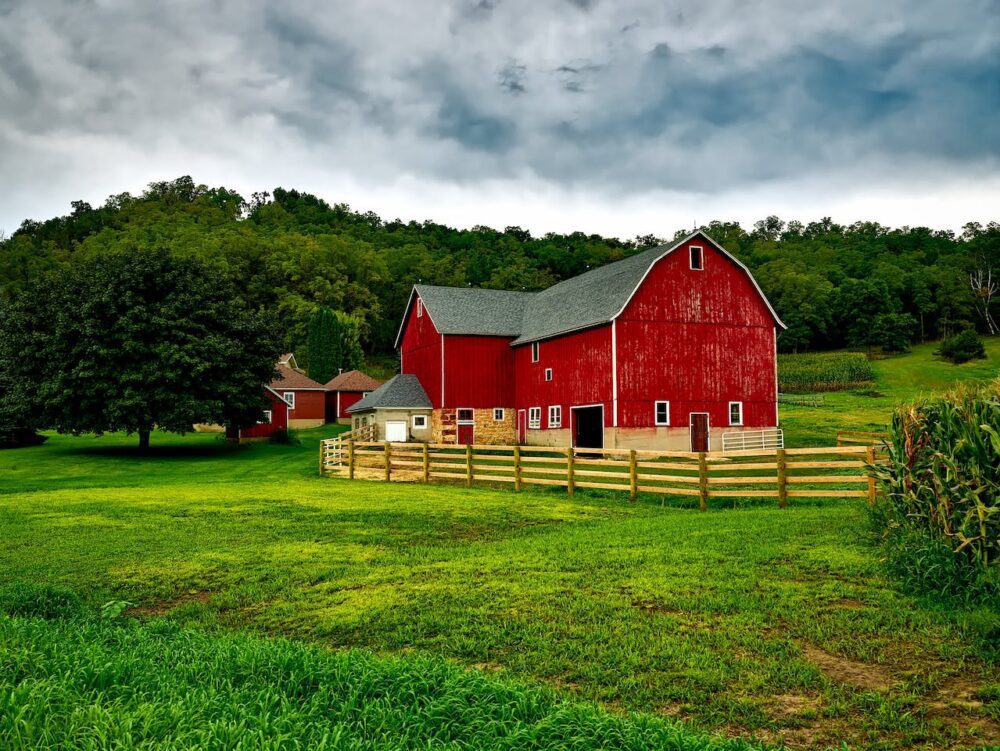
Overcoming the Main Challenges
I had several problems on the farm that helped me improve as a farmer. These obstacles, from environmental considerations to agricultural idiosyncrasies, need specific solutions:
- Weather Variability: Unseasonal weather was difficult to adapt to. A noteworthy event was defending my freshly planted crops from a storm, teaching me readiness and flexibility. New farmers worry about weather unpredictability, according to a recent USDA research.
- Understanding Crop Cycles: Growing food required knowing about soil fertility, crop rotation, and harvest periods. This change required substantial study and a trial-and-error approach to crop management.
- Local agricultural communities provided crucial support and networking. They were essential for information sharing and practical help. According to a 2018 National Institute of Food and Agriculture research, young farmers need community networks.
- Taking care of livestock was new and difficult. I depended on community farmers for guidance on nutrition and health management.
Despite these obstacles, I acclimated to farm life and gained a greater respect for it. With community knowledge and expertise, each challenge was a chance to improve.
Was It Worth it?
Despite the hard labor and obstacles, farm life brought unexpected delights. Each day provided a connection to the soil, a pleasure that only comes from nurturing life, and a slower pace for profound meditation and appreciation.
My relationship with nature was a great thrill. The farm was my canvas, where I saw the seasons, sun and clouds, and environment. Sipping coffee on the patio, I watched the dawn turn the sky gold and pink. These peaceful times contrasted with my old existence of seeing nature via a window or screen.
Growing my own food was unmatched. Planting, caring for, and seeing seeds develop was rewarding. The first time I collected garden veggies, I was proud. I felt accomplished and connected to my food for the first time when I grew it myself. In 2018, multiple studies found that gardening improves mental health, physical exercise, and self-esteem.
Another benefit of farm life was the slower, more thoughtful pace. The farm taught me to be present and enjoy the little things—rain on the roof, fresh dirt, sun on my back. Farm chores brought me delight and anchored me in the present.
I enjoyed spending an evening beneath the stars with my partner, snuggled in blankets, reminiscing about our trip and discussing our future. These simple yet significant events captured agricultural life.
Farm living was about rediscovering the delights of a simpler, more connected existence, not merely avoiding the city. It showed the beauty and richness of living in sync with nature and at a pace that lets you appreciate life’s tiny marvels. Beyond a home, the farm became a haven of calm, satisfaction, and pleasure.
My Advice if You Want to Follow My Path…
My retirement move from city life to a country lifestyle may give some insights and guidance. As someone who has taken this route, I understand the thrill and anxiety that comes with it. My experience-based tips:
Before committing, research farming and rural life. Join online groups, read books, and attend seminars. Remember that farming is a full-time profession that demands specialized skills and expertise. The more you know, the easier the shift.
It’s easy to romanticize farm life. Start small and be realistic. Scale projects to your ability and resources from a reasonable plan. Setting realistic objectives and expectations is vital since farming is physically and psychologically demanding.
- Engage with Farmers and Neighbors: Knowing local farmers and neighbors may be useful. They may provide practical advise, explain the local climate and soil, and be your support system. When farming in a new place, community support is essential.
- Financial Planning: Farming might need major financial adjustments. Take into account land, equipment, cattle, and recurring expenditures. A financial plan or budget may assist handle these increased costs.
- Be Prepared for Hard Work: Seasons and weather influence farming’s long hours and physical effort. You might expect a more physically demanding lifestyle than in the metropolis.
- Accept Learning and Adaptation: Despite your best efforts, expect a steep learning curve. Allow yourself to make errors and adjust your approach. Farming offers daily learning opportunities.
- Finding balance is vital since farming may be all-consuming. Take time for hobbies, leisure, and socializing. The farm is your home and workplace.
- Enjoy the Process: Finally, enjoy the ride. Farming may be quite rewarding. Celebrate tiny wins, nature, and your new lifestyle.
Moving from the city to farming in retirement is brave and rewarding. Planning, hard effort, and adaptability are needed. Farm life may benefit those who accept it, offering development, connection to nature, and a better understanding of life’s basic joys.