Dementia is a big problem in our aging society – there’s no doubt about that. Alzheimer’s disease, the most common cognitive decline, can severely impair daily life. The WHO tragically estimates 50 million cases worldwide, with 10 million new cases annually. Dementia also damages relationships, steals freedom, and transforms lives.
That’s exactly why we have to stop this, or at least prevent it the best way we can.
Dementia is no longer considered a natural part of aging. Lifestyle changes reduce dementia risk, according to studies. Age and heredity are uncontrollable, but many everyday behaviors are. Nutrition, exercise, cognitive engagement, sleep, social relationships, stress management, and frequent health checks may prevent dementia.
These proposals aren’t hopeful. Cognitive health experts and scientific research back them too! Knowledge and activity may shape our cognitive health. This approach promotes length and quality of life, encouraging a longer, richer, and more rewarding future.

Adopt a brain-healthy diet
Brain-healthy diets enhance brain function and general wellness. It should include many brain-nourishing nutrients and a few harmful ones. Omega-3 fatty acids, antioxidants, and other brain-healthy nutrients are essential for long-term health.
Omega-3 fatty acids in salmon, mackerel, and sardines are vital for your brain function. They improve brain function and memory. Antioxidants protect our brains from oxidative damage and inflammation, which may cause cognitive loss. Berries, dark chocolate, veggies, and spices are high in these beneficial chemicals.
A brain-healthy diet includes fruits, vegetables, whole grains, lean protein, healthy fats, limited processed foods, sweets, and saturated fats, which have been associated to cognitive deterioration.
Diet influences brain health and many studies support this. Mediterranean diet followers had 33% reduced cognitive impairment risk than non-followers, according to Neurology. The diet is high in vegetables, legumes, fruits, grains, seafood, dairy, and low in saturated fats.
The MIND diet, a mix of the Mediterranean and DASH diets, decreases Alzheimer’s risk and slows cognitive decline in seniors, according to Rush University Medical Center. The MIND diet recommends 10 brain-healthy foods: green leafy vegetables, other vegetables, berries, nuts, whole grains, fish, poultry, olive oil, and wine.
Research shows that what we eat affects our brains. Thus, a brain-healthy diet now may pay off for our cognitive health tomorrow.
Physical activity
Physical exercise goes beyond weight management and cardiovascular health. Its effects on our brains are crucial to cognitive wellness. Regular exercise boosts brain function and decreases cognitive decline, helping combat dementia.
Exercise may provide these advantages. Brisk walking, running, swimming, and cycling boost heart rate and cerebral blood flow, increasing neuron development and survival. Weightlifting and resistance training are useful. Yoga and Tai Chi, which challenge coordination, rhythm, and strategic thinking, may also improve cognitive performance.
Studies show that exercise boosts cognition. A Journal of Aging and Physical Activity study indicated that aerobic exercise improved memory and attention in older persons. This confirms what we previously knew—staying active is important for mental health. Even if you’re sedentary, you can change your life! I started in my late 40s, and it makes me happy every morning!
Moderate exercise may reduce Alzheimer’s disease risk by 45%, according to the British Journal of Sports Medicine.
Strength training improves executive function and memory in older people with moderate cognitive impairment, a precursor to dementia, according to the Journal of Alzheimer’s Disease.
The Journal of Alzheimer’s Disease found that strength training may enhance executive function and memory in older persons with moderate cognitive impairment, a precursor to dementia.
Brain agility
Like exercise, mental stimulation keeps our brains fit. Cognitive resilience, the brain’s capacity to handle injury without deterioration, is increased by brain-challenging activities. Mental stimulation strengthens neuronal connections and creates new ones, making the brain healthier and more resilient to dementia-causing damage.
Reading, writing, playing strategic games like chess or riddles, learning a new language or musical instrument, or creating art might lessen dementia risk. Such activities keep the brain busy, boosting cognitive reserve.
Many studies show that mental stimulation preserves cognition. In a long-term New England Journal of Medicine study, reading, board games, musical instruments, and dance reduced the risk of dementia. Simply put, having fun can keep you healthy in the long run!
The Journal of the American Geriatrics Society reported that early and late cognitively taxing activities prevented memory decline in older adults.
According to the Archives of Neurology, cognitive exercises in old age significantly reduced mild cognitive impairment, a stage between normal aging and dementia. Amazing, right?
Sleep well
Sleep is essential for brain restoration and rest. Quality sleep improves brain health and cognition. It consolidates memories, clears brain waste, and resets neural networks. Sleep deprivation or disruptions may impair these important abilities and raise dementia risk.
Several steps improve sleep quality. Keeping a regular sleep schedule, establishing a calm atmosphere, limiting screen time before bed, avoiding coffee and alcohol, and practicing mindfulness or deep-breathing exercises may all improve sleep.
Sleep and dementia are linked by major studies. Insomnia doubled the risk of dementia, according to Nature Communications.
A research in Alzheimer’s & Dementia found that sleep-disordered breathing (such sleep apnea) or sleep disruptions enhanced Alzheimer’s disease risk.
Another Science study found that the brain’s glymphatic system removes beta-amyloid, an Alzheimer’s disease protein, during sleep. Poor sleep may cause protein inefficiency and dementia.
Social connections affect cognitive and emotional wellness. Social interaction stimulates many brain regions, improves mental agility, and builds cognitive reserves, lowering dementia risk.
One may volunteer, spend time with friends and family, or join organizations or groups with similar interests to maintain frequent social connections. Social involvement may also be maintained online via social media or virtual gatherings, particularly for those with mobility issues.
Regularly socialize
Social interactions challenge and sharpen the brain, improving cognitive wellness. Social contact stimulates thinking, responding, recalling, and reasoning, which builds cognitive reserves and reduces dementia risk.
There are several ways to encourage social contact. Visiting friends and relatives, joining book clubs, volunteering, attending social events, and taking lessons or workshops may all boost social engagement. Online communities and social media may assist sustain social connection in the digital age.
“Social Bonds and Brain Health: Studies on Social Interaction and Dementia”
Social interactions affect cognition and dementia risk, according to many research. One longitudinal research in the American Journal of Public Health indicated that older women with substantial social networks lowered their risk of dementia and cognitive decline.
Another Journal of Gerontology research found that social disengagement in older persons hastened cognitive deterioration, but frequent social involvement improved cognitive performance.
In addition, the Journal of Aging and Health revealed that both social presence and quality affected dementia risk. Social support and companionship protected against dementia.
Prevent cognitive decline
Chronic stress may damage the brain, raising dementia risk. Stress releases cortisol. Cortisol is necessary for life, but chronically excessive amounts may cause memory and cognitive impairments. Chronic stress increases brain plaque and inflammation, which may contribute to dementia.
Many stress-reduction methods exist. These include eating well, exercising, sleeping well, and socializing. Meditation, yoga, deep breathing, and daily relaxation are also excellent stress management methods.
“Stress and the Brain: Research insights into Chronic Stress and Dementia”
Chronic stress is linked to cognitive deterioration. Chronic stress increases brain inflammation, which may cause cognitive loss and Alzheimer’s disease, according to a Current Opinion in Psychiatry research.
In another Neurology research, middle-aged patients with high cortisol levels had reduced memory and cognitive performance, indicating that stress management may prevent dementia.
The Journal of Alzheimer’s condition reported that stress may cause brain beta-amyloid plaques, a hallmark of the condition.
Checkups and screenings
Regular health screenings and checkups can identify and treat health issues that raise dementia risk. Untreated or poorly controlled hypertension, diabetes, high cholesterol, and obesity may cause vascular dementia or Alzheimer’s disease.
Monitor blood pressure, blood sugar, cholesterol, BMI, and waist circumference. Early intervention and treatment may lower dementia risk by monitoring these signs.
Health checkups are recommended by doctors worldwide. Dr. Ronald C. Petersen, a top Alzheimer’s specialist at Mayo Clinic, advises adults over 45 to have frequent heart checks since heart health is connected to brain health.
Research supports this. The Lancet found that late-life dementia is linked to midlife hypertension, diabetes, and high BMI. The research found that addressing these risk factors might prevent one in three dementia occurrences.
High cholesterol in midlife was linked to subsequent Alzheimer’s disease and vascular dementia, according to a Journal of Alzheimer’s Disease research.
These results emphasize the need of frequent check-ups and health screenings in dementia prevention. We can detect problems early, act quickly, and delay or prevent dementia by monitoring critical health indicators.
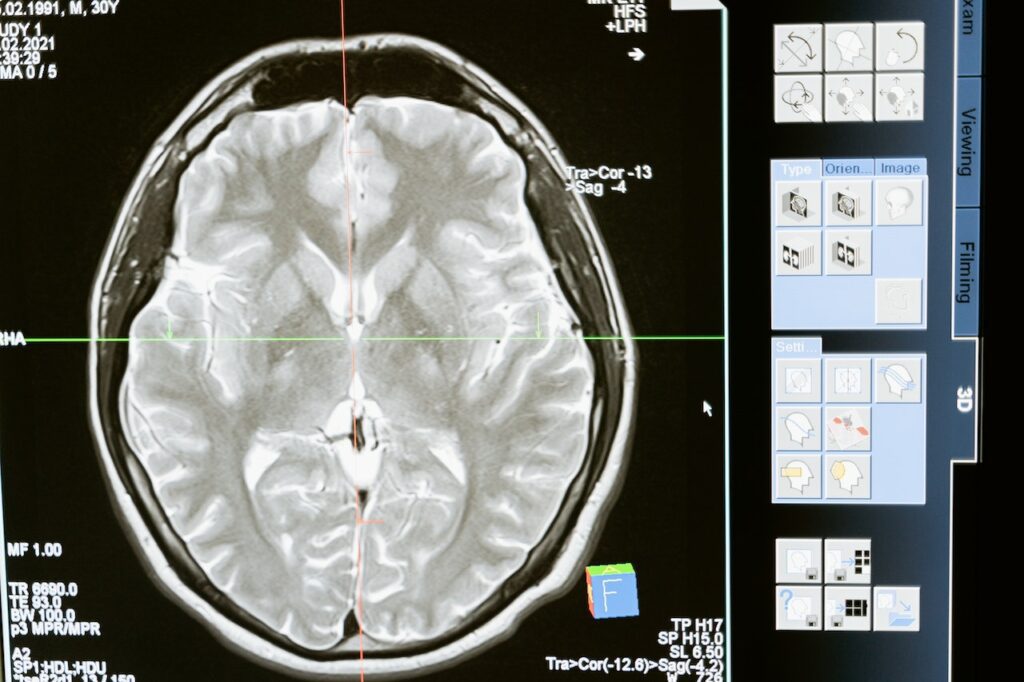
Can we lower our risk of dementia?
Millions worldwide suffer from dementia. As we’ve seen, we can all make concrete efforts to lower our risk. Adopting a brain-healthy diet, committing to regular physical activity, engaging in mental stimulation, prioritizing quality sleep, maintaining regular social interactions, managing stress effectively, and adhering to regular health screenings are strong defenses against this formidable condition.
These steps work together to prevent dementia and promote health. They emphasize a healthy lifestyle that supports the body, challenges the mind, and promotes emotional and social well-being.
Adopting these methods is simple. Small, persistent improvements can have the most effect. Start by eating more brain-healthy foods, taking brief walks, reading a book, or getting enough sleep. Every step counts and may create brain-healthy behaviors over time.
You control your health and future. Today’s actions may reduce dementia risk and improve quality of life. Start now for a better brain and future.
If you liked this post, I highly recommend that you check out our in-depth article on 7 Easy Steps to Prioritize Your Mental Health in Retirement. Let me know what you think in the comment section below!










Leave a Reply