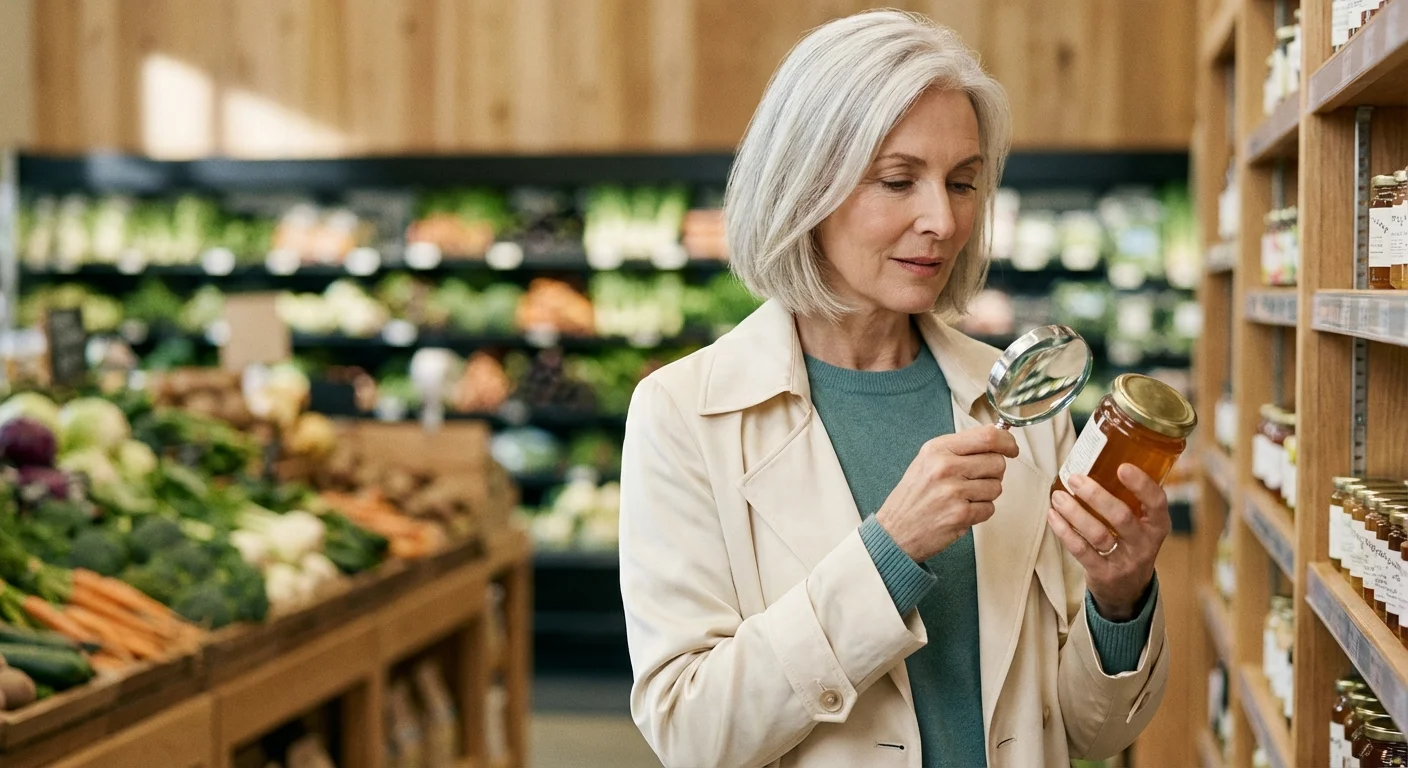
Do you know which are the worst foods for seniors?
This book is for any smart senior who wants to enjoy their golden years in the finest health. Our diets for a healthy, happy retirement are frequently discussed, but what not to eat is just as important. Even with food, villains hide as innocent or healthful options. Do not worry! My goal is to reveal the four worst foods for seniors and the hidden culprits that may be harming you.
I’m not here to ruin your party or meals. Consider this your guide to avoiding nutritional mistakes and selecting choices that keep you energized and ready to tackle gardening and grandparenting. We’ll explain why these four meals are your senior years’ sneaky enemies, and some may surprise you. They’re not your typical unhealthy meals; they’re hidden beneath the radar.
This information can help you make better choices while cooking for the family, eating out, or simply snacking. Let’s explore together and make sure every meal gives you energy, pleasure, and longevity. Stick with me until the end to

Unpasteurized dairy
Food is crucial to our health and well-being in our elderly years. Certain meals, which may appear innocuous or even healthy, might pose serious hazards for seniors. Consider unpasteurized dairy. Who knew that ‘all-natural’ dairy might be a threat?
Some cheeses, milk, and yogurt are unpasteurized and may contain Listeria, Salmonella, and E. coli. Older people are more vulnerable to these germs since their immune systems deteriorate with age. Older people are more likely to be hospitalized and die from Listeria infection, according to the CDC. A 2021 research from the CDC itself found that adults 65 and older are four times more likely to have Listeria than the overall population.
What’s the creative lesson? Like your investing portfolio, your diet should be safe and wise. Pasteurized dairy products provide nutritious value without bacterial roulette.
This doesn’t mean you have to give up cheese or milk. Making educated decisions is key. Check labels for ‘pasteurized.’ Unless labeled pasteurized, avoid soft cheeses like Brie, Camembert, and blue-veined cheeses.
You may enjoy your favorite dairy products without jeopardizing your health by selecting pasteurized dairy. A little change may greatly affect your health. Next time you shop at the grocery store, choose pasteurized for safety and wellness. In our glorious senior years, it’s preferable to play it safe and enjoy dairy without concern!
YOU MAY ALSO LIKE: Top 8 Best Breakfast Foods for Seniors, According to Dietitians
‘Diet’ foods with artificial sweeteners
In our pursuit of health and longevity, particularly as we age, we frequently resort to ‘diet’ foods for their low calories and guilt-free enjoyment. However, diet foods, particularly those containing artificial sweeteners, may not be our allies. They may be secretly harming our health objectives. Unpack this conundrum and find healthier options.
Many diet items include artificial sweeteners to satisfy our sweet needs without calories. They may paradoxically cause weight gain, appetites, and blood sugar fluctuations, according to many studies. A 2017 Canadian Medical Association Journal study evaluated multiple research studies and determined that artificial sweeteners cause weight gain, obesity, and other metabolic health concerns.
Why does this happen? Sweeteners might affect our body’s calorie intake. They make us want sweets when the sugar doesn’t arrive. Your body expects a complete meal but gets an appetizer.
Let’s examine some ‘diet’ items using artificial sweeteners:
- Low-calorie beverages like diet soda
- Sugarless candy and desserts
- Yogurt low in calories
- Chewing gum without sugar
- Breakfast cereals, granola bars
Why not use natural sweeteners instead of diet foods? There are many ways to fulfill your sweet desire without adverse effects:
- Stevia: No-calorie, plant-based sweetener.
- Honey is natural and contains trace nutrients, but it also has calories.
- Maple syrup is another natural choice but use it sparingly due to sugar.
- Sweeten baked items organically using dates or date syrup.
Remember to watch out for hidden sweeteners in diet meals. Read labels carefully and choose natural sweetness when in doubt. As we enjoy our retirement, we should make decisions that meet our bodies’ demands.
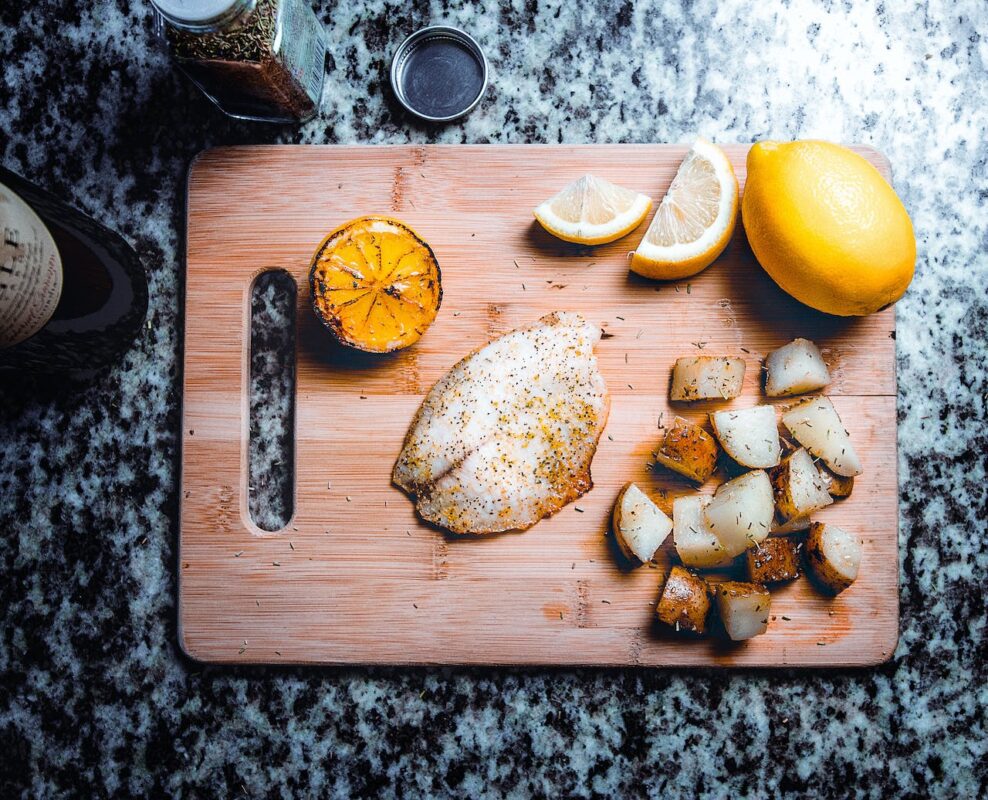
Fish rich in mercury
As we age, eating well, particularly seafood, becomes increasingly important. Fish, known for their health advantages, may be dangerous owing to mercury. Finding out your favorite beach has an undertow is great, but you must be cautious.
King mackerel, swordfish, and certain tuna may be mercury-rich. Why care about mercury? This sneaky heavy metal may build up in our systems over time, affecting our heart health and cognition as we age. According to ‘Environmental Health Perspectives’, excessive mercury exposure increases cardiovascular disease risk.
Before you swear off fish, let me save you. Not all seafood contains mercury, of course. There are safer ways to enjoy fish without mercury. Some nice choices:
- Salmon: lower in mercury, high in omega-3s.
- Sardines: tiny yet high in nutrients and low in mercury.
- Most rainbow trout are farmed in clean waterways.
- Unlike king mackerel, Atlantic and Pacific mackerel seldom contain mercury.
- Herring is high in omega-3s and low in mercury.
Fish selection depends on size and environment. Mercury levels are lower in smaller and controlled-farmed fish. Variety in seafood is not only excellent for you, but it may help reduce mercury exposure.
Like sailing, eating fish can be smooth and healthy with a little knowledge and care. Remember these safer options at the fish counter or restaurant next time. Responsible seafood consumption lets you enjoy its pleasures and health advantages without the hazards. We desire ocean-healthy hearts and brains in our elderly years.
Foods rich in sodium
Senior nutrition typically requires salt monitoring. It’s like a diet ninja, lurking where we least expect it. We know to restrict canned soups and processed meats, but salt may creep up in some surprise items, increasing health conditions like hypertension, a prevalent worry as we age.
Did you realize that several morning cereals and breads are high in sodium? Yes, certain morning favorites are high in salt. According to a piece of research published in the Nutrition journal, breads and rolls are a major source of salt in the ordinary American diet. We elders must know this since blood pressure management is important for our health.
How do we overcome this concealed sodium? Be a label detective. Check the nutrition label for salt when buying bread, cereals, or packaged foods. Buy “low sodium” or “no salt added.” Remember that whole grain breads and cereals have more minerals and less salt.
However, there is more. Sodium isn’t simply in breakfasts. It may also lurk in:
- Sauces and dressings to salad
- Pretzels and crackers in packages
- Pizzas and frozen dinners
- Restaurants, particularly fast food
Instead, you might want to try these other ways to limit sodium:
- Use herbs and spices instead of salt to flavor food.
- Cook more homemade dishes using controllable ingredients.
- Request a low-salt dish while eating out.
- Rinse canned beans and veggies to remove sodium.
Managing our health in our older years typically requires paying attention to tiny issues like eating salt. Becoming aware of these hidden sources and making educated decisions might help us maintain good blood pressure and general well-being. Just a little attentiveness may keep our life zesty without salt!
3 foods seniors SHOULD eat to stay healthy
1. Leafy Greens
Our first superstar is leafy greens, including spinach, kale, collards, and Swiss chard. These vibrant vegetables are nutrition’s Swiss Army knife. Vitamins, minerals, and fiber are in them, but there are few calories. A 2018 study in “Neurology” demonstrated that eating one serving of leafy greens per day slows age-related cognitive deterioration. Yes, these greens help keep your body and mind healthy. They’re vivid and adaptable, so add them to salads, soups, and smoothies.
2. Berries
Blueberries, strawberries, raspberries, etc. These tasty treats are packed with antioxidants, vitamins, and fiber. Natural candy has health advantages. Berries boost cognitive function and cardiovascular health, which is important for seniors. Blueberries boost memory and cognitive performance in older people, according to “Journal of Agricultural and Food Chemistry” research. Sprinkle fresh or frozen berries over cereal, yogurt, or as a delicious, healthy snack.
3. Fatty Fish
Finally, let’s catch some fatty fish like salmon, trout, sardines, and mackerel. These fish include omega-3 fatty acids, which are good for the heart and reduce inflammation. These fish are ideal for heart health as we age. The American Heart Association advises two meals of fatty fish each week for cardiovascular benefits. Omega-3s may also reduce dementia and Alzheimer’s risk.








Leave a Reply